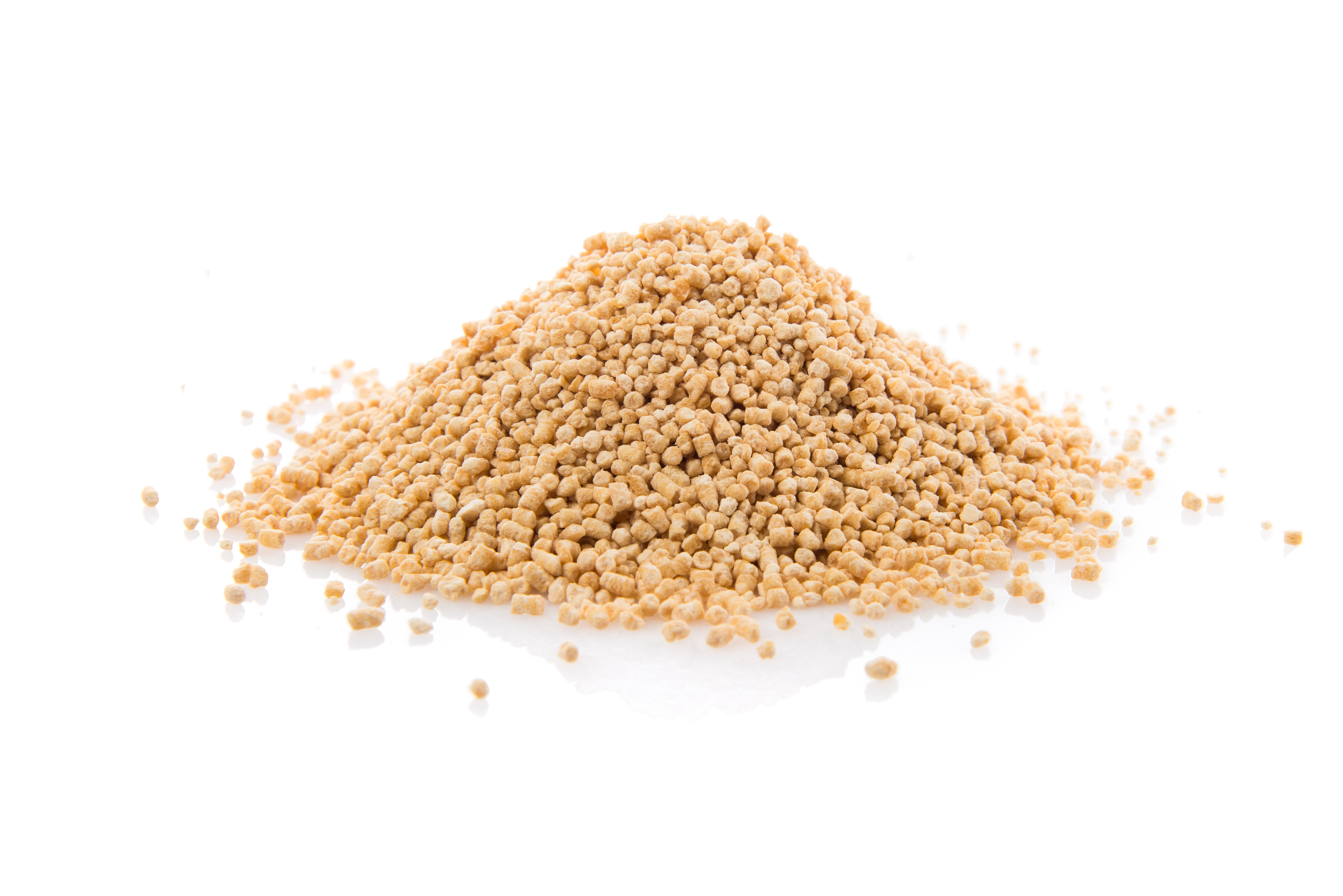


Lecithin is a common ingredient in many food products, but many beginners are not sure what it does. It may appear on the label of chocolate, baked goods, salad dressing, candy, and other prepared foods. It is also used in some homemade edible recipes. The main reason for adding lecithin is simple. It helps ingredients mix more evenly, especially when a recipe contains both fat and water.
Oil and water do not naturally stay mixed. When they are placed together, they often separate into layers. This can cause problems in edible recipes because cannabis compounds such as THC and CBD are usually carried in fat. The fat may come from butter, coconut oil, vegetable oil, or another infused ingredient. Many recipes also contain water-based ingredients, such as juice, milk, syrup, or flavoring. When the fat does not spread evenly through the mixture, some parts of the finished product may contain more infused oil than others.
Lecithin can help reduce this separation. It works as an emulsifier, which means it helps oil-based and water-based ingredients remain combined. One part of a lecithin molecule is attracted to fat, while another part is attracted to water. This allows lecithin to act like a bridge between ingredients that would normally pull apart. The result may be a smoother and more stable mixture.
Even mixing is important in edible preparation. A batch of gummies, brownies, cookies, or chocolates should have a similar amount of infused material in each serving. If the oil gathers in one area, one piece may contain more THC or CBD than another. This can make the final product less predictable. Lecithin may support better distribution, but it does not guarantee perfect dosing. Accurate measurements, careful stirring, and equal portion sizes are still required.
Lecithin may also improve texture. In baked goods, it can help fats spread through the batter. This may support a softer and more even texture. In gummies, lecithin may help stop oil from forming drops or collecting on the surface. In chocolate, a small amount may help the mixture flow more smoothly. In sauces and drinks, it may help reduce visible separation, although some liquid products require more advanced emulsifying methods.
Another reason people use lecithin is product stability. A well-mixed edible may keep its texture and appearance for longer than a mixture that quickly separates. This does not mean lecithin is a preservative. It does not stop mold, bacteria, or rancidity. Proper storage is still necessary. Edibles should be placed in sealed containers and protected from heat, moisture, and direct light. Some products may also need refrigeration or freezing.
Lecithin is not required in every recipe. Some foods already contain ingredients that act as natural emulsifiers. Egg yolks, for example, contain natural lecithin. A brownie or cookie recipe that uses eggs and butter may already mix well without added lecithin. Simple infused butter or oil may also be prepared without it. However, lecithin can be helpful when a recipe contains ingredients that are difficult to combine.
There are several types of lecithin available. Soy lecithin and sunflower lecithin are the most common choices for edible recipes. Both can perform the same basic job, but they come from different sources. Sunflower lecithin is often selected by people who want to avoid soy. Lecithin is also sold in liquid, powder, granule, and capsule forms. Each form may behave differently during mixing, so it is important to choose one that suits the recipe.
Some people believe that lecithin makes edibles stronger. This idea needs to be explained carefully. Lecithin does not create more THC or CBD. It also does not increase the total amount of cannabis compounds in a batch. However, it may help distribute the infused fat more evenly. This can make each portion more consistent. Some sources also suggest that lecithin may help the body process fat-soluble compounds, but the effects can vary from person to person. Dose, tolerance, digestion, metabolism, and recent food intake can all affect how an edible feels.
Beginners should not use lecithin as a replacement for proper dose calculations. The amount of THC or CBD in the starting material must still be estimated or measured. The infused oil or butter must be added carefully, and the finished batch should be divided into equal portions. People who are new to edibles should begin with a low amount and wait long enough before taking more. Edibles can take time to produce noticeable effects.
This guide explains what lecithin is, how it works, and when it may be useful. It also covers the differences between soy and sunflower lecithin, how much to use, and when to add it. Readers will learn how lecithin works in gummies, baked goods, chocolate, candy, sauces, and drinks. The guide will also explain common mistakes, safety concerns, allergies, storage, and possible substitutes.
Understanding lecithin can make edible preparation easier and more predictable. It can help beginners decide whether the ingredient is needed for a certain recipe. Its main purpose is to support mixing, texture, and even distribution. It is not a magic ingredient, and it cannot correct poor measurements or unsafe preparation. When used in the right amount and mixed properly, lecithin can be a useful tool for creating smoother and more consistent edibles.
What Is Lecithin?
Lecithin is a common food ingredient that helps different substances mix together. It is often used in chocolate, baked goods, salad dressings, sauces, supplements, and edible products. Many beginners first hear about lecithin when they start making infused butter, oils, gummies, or other edibles. Although the name may sound technical, its main purpose is simple. Lecithin helps fats and liquids combine more evenly.
Lecithin is not one single chemical. It is a mixture of fatty substances known as phospholipids. These substances are naturally found in plants, animals, and the human body. They are important because they form part of cell membranes and help move fats through the body. Food manufacturers also use lecithin because it can improve texture, reduce separation, and make ingredients easier to process.
Lecithin can be described as a natural fatty material that acts as an emulsifier. An emulsifier is an ingredient that helps substances stay mixed even when they would normally separate. For example, oil and water do not naturally blend together for long. When they are shaken, they may mix for a short time, but the oil soon rises to the top. Lecithin helps form a more stable mixture.
The word lecithin can refer to several related phospholipids. One of the best known is phosphatidylcholine. These compounds have a structure that allows them to connect with both oil and water. One part of the molecule is attracted to fat, while another part is attracted to water. This special structure is the reason lecithin works well in many food recipes.
Lecithin comes from several natural sources. Soybeans are one of the most common sources because soy lecithin is widely available and often affordable. Sunflower seeds are another popular source. Sunflower lecithin is often chosen by people who want to avoid soy. Egg yolks also contain natural lecithin, which is one reason eggs help hold sauces, batters, and other food mixtures together.
Lecithin is used in many everyday products. Chocolate makers use it to control thickness and improve smoothness. Bakers use it to help fats spread through dough or batter. Supplement companies sell it in capsules, granules, liquids, and powders. In edibles, lecithin is mainly added to support even mixing and improve the texture of the finished product.
It is important to use food-grade lecithin when preparing anything that will be eaten. Food-grade products are made for safe use in cooking and food production. Industrial lecithin may be intended for cosmetics, manufacturing, or other uses and should not be added to food.
What Is an Emulsifier?
An emulsifier is a substance that helps two ingredients mix when they normally resist each other. Oil and water are the most common example. Water molecules are attracted to other water molecules, while oil molecules are attracted to other oils. Without help, they form separate layers.
Lecithin works by sitting between the oil and water. One side of a lecithin molecule connects with water, while the other side connects with fat. This creates a bridge between the two substances. It helps break oil into smaller droplets and spread those droplets through the liquid. The result is called an emulsion.
Many familiar foods depend on emulsifiers. Mayonnaise is made from oil, egg yolk, and an acidic liquid such as vinegar or lemon juice. The lecithin in egg yolk helps the oil and liquid stay combined. Salad dressings may also contain emulsifiers to slow separation. Chocolate often contains lecithin because it helps cocoa, sugar, and fat move smoothly together.
In edible recipes, emulsification is especially important when infused oil or butter must be mixed with water-based ingredients. Gummy recipes may contain water, juice, gelatin, sweeteners, and infused oil. Without enough mixing support, oil may collect on the surface or settle into uneven areas. This can lead to poor texture and uneven distribution.
Lecithin does not remove the need for proper stirring or blending. It supports the mixing process, but the ingredients must still be combined carefully. Temperature also matters. If one ingredient is very cold and another is hot, they may not mix well. A stable recipe often depends on the right amount of lecithin, steady mixing, and suitable temperatures.
Forms of Lecithin Sold for Cooking
Lecithin is sold in several forms, including liquid, powder, granules, and capsules. Each form can work in cooking, but they do not behave in exactly the same way.
Liquid lecithin is thick, sticky, and usually dark yellow or brown. It blends well with oils and melted fats, which makes it useful for infused butter, coconut oil, chocolate, and some gummy recipes. It can be difficult to measure because it sticks to spoons and containers. Warming the container slightly may make it easier to pour, but it should not be overheated.
Powdered lecithin is dry and easy to measure. It can be mixed with other dry ingredients or added slowly to warm liquids. Some cooks prefer powder because it is less messy than liquid lecithin. It may also spread more evenly through flour, sugar, or other dry materials before wet ingredients are added.
Lecithin granules are larger than powder and may take longer to dissolve. They are often sold as a dietary supplement. Granules may need to be crushed, softened, or mixed into warm liquid before they are added to a recipe. If they do not dissolve fully, they can leave small lumps or create an uneven texture.
Capsules contain liquid or powdered lecithin inside a shell. They are mainly designed as supplements rather than cooking ingredients. A person may cut open the capsules and use the contents, but measuring the correct amount can be less convenient. Capsules may also contain added ingredients, so the label should be checked carefully.
The best form depends on the recipe. Liquid lecithin is often suitable for oil-based mixtures. Powder can be useful for baking or recipes that begin with dry ingredients. Granules may work when they are fully dissolved. Whatever form is chosen, the product should be food-grade and free from unwanted flavors or additives.
Lecithin is a natural mixture of fatty substances called phospholipids. It is found in soybeans, sunflower seeds, egg yolks, and many living cells. Its main role in food is to act as an emulsifier. This means it helps oil-based and water-based ingredients mix more evenly and remain combined for longer.
Lecithin is available as a liquid, powder, granules, or capsules. Each form has different advantages and mixing needs. Liquid lecithin often blends well with oils, while powder is easier to measure and may work well with dry ingredients. Granules usually require more time to dissolve. Choosing the right form and using food-grade lecithin can make edible recipes smoother, more stable, and easier to prepare.
What Does Lecithin Do in Edibles?
Lecithin is mainly used in edibles as an emulsifier. An emulsifier helps ingredients mix when they would normally separate. This is important because many edible recipes contain both fat-based and water-based ingredients. Cannabis compounds are often carried in butter, coconut oil, or another type of fat. Other ingredients, such as water, juice, milk, or syrup, may not mix evenly with that fat.
Without an emulsifier, oil can rise to the top, collect in certain areas, or separate as the food cools. Lecithin helps keep the mixture more uniform. It may also improve texture, structure, and stability. However, lecithin does not replace careful measuring or thorough mixing. It works best as one part of a well-prepared recipe.
Helps Oil and Water Mix
Oil and water naturally resist mixing. When they are stirred together, they may appear combined for a short time. After the mixture sits, the oil often separates and floats to the surface. This happens because oil and water have different chemical properties.
Lecithin helps connect these two types of ingredients. Part of a lecithin molecule is attracted to water, while another part is attracted to fat. This allows lecithin to sit between the oil and water. It helps break the oil into smaller droplets and spread those droplets through the liquid.
This process is useful in many kinds of edibles. Gummies often contain water, juice, gelatin, or pectin along with infused oil. Without proper mixing, the oil may form a layer on top of the gummy mixture. Some finished gummies may then contain more infused oil than others. Lecithin may help keep the oil spread more evenly while the mixture is poured into molds.
Lecithin can also help in sauces, caramels, baked goods, and certain drinks. A sauce made with infused oil may separate when it cools. A batter may develop oily areas if the fat does not blend well with the other ingredients. Lecithin supports a smoother mixture by helping the different parts remain combined.
The ingredient does not make oil and water identical. Separation may still happen if the recipe contains too much oil, too much water, or too little mixing. Temperature can also affect the result. Lecithin improves the chance of a stable mixture, but the recipe must still be prepared correctly.
Distributes Infused Fat More Evenly
Many edibles are made with infused butter or oil. The cannabinoids in cannabis, including THC and CBD, dissolve well in fat. This means the infused fat carries much of the active material in the recipe.
If that fat is not mixed evenly, the finished portions may not contain the same amount. One brownie, cookie, or gummy could have more infused oil than another. This can make dosing less predictable.
Lecithin may help distribute the infused fat throughout the full batch. It helps reduce large pockets of oil and supports a more consistent mixture. This may make it easier for each serving to contain a similar share of the infused ingredient.
However, lecithin cannot correct every dosing problem. The cook must still measure the infused oil or butter carefully. The total amount of THC or CBD in the batch should be estimated before the food is divided. The mixture must also be stirred or blended well before it is portioned.
For example, adding lecithin to a gummy mixture will not help if the oil is poured in and barely stirred. The same is true for brownie batter. Lecithin supports even distribution, but physical mixing is still necessary.
Portion size also matters. A tray of brownies must be cut into equal pieces. Gummies should be poured into molds of the same size. Cookies should contain similar amounts of dough. Lecithin can improve uniformity within the mixture, but it cannot make uneven portions equal.
Improves Texture and Structure
Lecithin may improve the way an edible feels and holds together. It can help create a smoother mixture by reducing visible oil spots and improving the blend between ingredients.
In baked goods, lecithin may help spread fat through the batter or dough. This can support a softer texture and a more even crumb. Brownies may feel smoother instead of greasy. Cookies may have fewer oily patches. Cakes may hold moisture more evenly.
Many baked recipes already contain eggs. Egg yolks are a natural source of lecithin. This means some recipes may already have enough emulsifying power. Extra lecithin may still be useful when a recipe contains a large amount of infused oil or when separation has happened in earlier batches.
In gummies, lecithin may help create a more even texture. Oil that separates can leave greasy areas on the surface. It can also lead to gummies that feel different from one piece to another. Lecithin helps the oil remain suspended in the warm mixture while it is stirred and poured.
Chocolate recipes may also use small amounts of lecithin. It can help reduce thickness and improve the flow of melted chocolate. This may make the chocolate easier to pour into molds. Too much lecithin, however, can create an unwanted texture or taste.
The amount used should be controlled. Excess lecithin can make foods feel thick, sticky, waxy, or heavy. It may also add a noticeable flavor. Beginners should start with a small amount and keep notes about the result.
Supports Product Stability
Product stability refers to how well an edible keeps its texture and mixture during cooling and storage. A stable product is less likely to separate, develop oily spots, or change texture quickly.
Lecithin may help keep fats spread through the product after it has been prepared. This can be helpful when gummies, sauces, caramels, or baked goods need time to cool. It may also reduce separation during short-term storage.
Still, lecithin is not a preservative. It does not stop mold, bacteria, or spoilage. It does not prevent butter or oil from becoming rancid. An edible that needs refrigeration must still be refrigerated. A product made with dairy, eggs, fruit, or other perishable ingredients must follow normal food safety rules.
Edibles should be stored in clean, sealed containers. They should be kept away from heat, moisture, and direct sunlight. Cannabis edibles must also be clearly labeled and stored away from children and pets.
The quality of the other ingredients also affects stability. Old oil, damaged packaging, poor temperature control, or excess moisture can shorten the life of the product. Lecithin may help the ingredients stay mixed, but it cannot fix unsafe storage or spoiled food.
Lecithin helps edibles by improving the way fat-based and water-based ingredients mix. It can help spread infused butter or oil more evenly through a batch, which may support more consistent portions. It may also improve texture by reducing oily areas and creating a smoother mixture.
Lecithin can support stability during cooling and storage, but it does not preserve food or prevent spoilage. Careful measuring, thorough mixing, equal portioning, and proper storage are still necessary. When used in the right amount, lecithin can make many edible recipes easier to mix and more consistent in texture.
Does Lecithin Make Edibles Stronger?
Many people add lecithin to edibles because they believe it makes the effects stronger. This idea is common, but it needs a clear explanation. Lecithin does not create more THC or CBD. It also does not increase the total amount of cannabinoids in a recipe. However, it may help ingredients mix more evenly, and this can affect how consistent each serving feels.
The strength of an edible depends on several factors. These include the amount of THC or CBD in the batch, the size of each serving, the person’s tolerance, and how the body digests the edible. Lecithin may support the way fats and cannabinoids are mixed, but it should not be treated as a direct potency booster.
Lecithin and Cannabinoid Absorption
Cannabinoids such as THC and CBD are fat-soluble compounds. This means they mix better with fat than with water. For this reason, cannabis is often infused into butter, coconut oil, or another cooking oil before it is added to food.
Lecithin contains substances called phospholipids. These substances have one part that works well with fat and another part that works well with water. This gives lecithin its ability to act as an emulsifier. It can help oil-based ingredients spread through mixtures that also contain water.
Some people believe this action may help the body process cannabinoids more efficiently. The word often used for this is bioavailability. Bioavailability means how much of a substance reaches the body and becomes available for use.
Lecithin may help break large drops of infused oil into smaller drops inside a food mixture. Smaller and more evenly spread oil drops may be easier for the digestive system to handle. This may help the body come into contact with the cannabinoids more evenly during digestion.
However, digestion is complex. The body already uses bile and other substances to help digest fats. Lecithin may support this process, but it does not control it. The effects can vary from one person to another.
A person should not expect lecithin to make every edible feel much stronger. Any possible change may be small, and it may be hard to separate from other factors. The amount of food in the stomach, the type of fat used, and the person’s metabolism can all affect the result.
What Is Known and What Remains Uncertain?
The clearest role of lecithin in edibles is emulsification. It helps ingredients mix and remain mixed for a longer time. This can improve the texture and structure of the final product.
For example, an edible mixture may contain infused coconut oil, water, sugar, flavoring, and gelatin. Without proper mixing, the oil may separate and rise to the surface. Some pieces may then contain more infused oil than others. Lecithin may help the oil spread through the mixture more evenly.
This can make each serving more consistent. One gummy may be less likely to contain much more infused oil than another gummy from the same batch. A more even mixture can therefore create a more predictable experience.
This does not mean that lecithin has increased the total potency. It only means that the existing cannabinoids may be distributed more evenly. A batch containing 100 milligrams of THC still contains about 100 milligrams of THC after lecithin is added. Lecithin does not turn that amount into 150 or 200 milligrams.
The claim that lecithin always increases absorption is less certain. There is a reasonable explanation for how it may support digestion and fat processing. Still, homemade edibles are not made under controlled laboratory conditions. The amount of lecithin, the recipe, the cooking method, and the person consuming the edible can all change the outcome.
It is safer to describe lecithin as a mixing and consistency aid. It may support absorption in some situations, but people should not depend on it to create a stronger effect.
Why Accurate Dosing Still Matters
Accurate dosing is important whether lecithin is used or not. Lecithin cannot fix a batch that was measured incorrectly. It also cannot correct an unknown amount of THC or CBD.
The first step is to estimate the total cannabinoid content in the infused oil or butter. The next step is to divide that amount by the number of servings. For example, a batch containing 100 milligrams of THC divided into 20 equal pieces would contain about 5 milligrams per piece.
This estimate only works well when the mixture is fully combined and the portions are equal in size. Lecithin may help with even distribution, but the cook must still stir or blend the mixture carefully.
The mixture should not be allowed to sit for too long before it is poured or divided. Oil can begin to separate as the mixture cools. This is especially important when making gummies, candies, or other products that are placed into molds.
Each portion should also be similar in weight or volume. One large brownie can contain more cannabinoids than a small brownie, even when the batter was mixed well. Using a scale, measuring spoon, or equal-size mold can improve portion control.
Beginners should start with a low serving. Edibles can take longer to produce effects than inhaled cannabis. A person may not feel the full result for one to several hours, depending on the product and the individual. Taking another serving too soon can lead to an uncomfortable experience.
Lecithin should never be used as a reason to increase the dose. A recipe with lecithin should be treated with the same care as any other edible. Clear labels, accurate portions, and safe storage are still required.
Other Factors That Affect Edible Strength
The amount of THC or CBD is only one part of the experience. The type of edible can also affect how quickly it is digested. A high-fat product may behave differently from a low-fat candy or drink.
A person’s tolerance is another major factor. Someone who uses cannabis often may feel less effect from a dose that feels strong to a beginner. Body size, age, metabolism, and general health may also affect the experience.
Eating an edible on an empty stomach may produce different effects than eating it after a large meal. The type of meal may matter as well. A meal that contains fat may change how the body digests the cannabinoids.
The cannabinoid and terpene content of the original cannabis material can also affect the final experience. THC is mainly linked to intoxicating effects, while CBD is not intoxicating in the same way. Different ratios of these compounds can create different results.
Storage can affect strength over time. Heat, air, and light may slowly reduce the quality of cannabinoids. Lecithin does not prevent this damage. Edibles should be stored in sealed containers and kept away from heat and direct sunlight.
Lecithin does not add more THC or CBD to an edible. Its main job is to help fat-based and water-based ingredients mix. This can improve texture and help cannabinoids spread more evenly through the batch.
More even mixing may make each serving feel more consistent. Lecithin may also support the digestion of fat-soluble compounds, but it should not be treated as a guaranteed way to increase potency.
The total strength of an edible still depends on the amount of cannabinoids used, the size of each portion, and how the person’s body responds. Careful calculations, thorough mixing, equal portions, and low starting doses remain the most important steps for safer and more predictable edibles.
Is Lecithin Necessary for Edibles?
Lecithin is not required in every edible recipe. Many edibles can be made without it, especially when the ingredients already mix well. However, lecithin can be very helpful when a recipe contains both oil-based and water-based ingredients. It may improve how the ingredients combine, reduce separation, and support a smoother texture.
The need for lecithin depends on the type of edible, the ingredients used, and the result you want. Some recipes benefit from an added emulsifier, while others already contain ingredients that perform a similar role. Understanding when lecithin is useful can help you avoid adding an ingredient that your recipe does not need.
When Lecithin Is Helpful
Lecithin is most helpful when a recipe contains ingredients that do not naturally mix. Oil and water are the best example. When oil is poured into water, the oil normally gathers into drops and rises to the surface. The two ingredients may combine for a short time after strong mixing, but they often separate again.
Many edible recipes contain both fat and water. Infused coconut oil, cannabis butter, or another infused fat may need to be mixed with juice, milk, water, syrup, or another liquid. Lecithin can help connect these ingredients and create a more even mixture.
Gummies are one type of edible that may benefit from lecithin. Many gummy recipes use infused oil along with water, juice, gelatin, or pectin. Without enough mixing support, the oil may form a layer on top of the liquid. It may also collect in certain parts of the mixture. This can cause some gummies to contain more infused oil than others.
Lecithin can help break the oil into smaller drops and spread it through the gummy mixture. This does not guarantee that every gummy will contain the exact same amount. Careful measuring and steady stirring are still needed. However, lecithin may make it easier to keep the oil distributed while the mixture is poured into molds.
Lecithin may also be helpful in caramel and soft candy recipes. These products often contain butter or oil along with milk, cream, sugar, or water. The mixture must remain smooth as it heats and cools. An emulsifier may reduce the chance of the fat separating from the other ingredients.
Chocolate edibles may use lecithin to improve flow and texture. Commercial chocolate often contains a small amount of lecithin because it helps the melted chocolate move more easily. It may make the chocolate less thick without requiring a large amount of extra cocoa butter. This can make the chocolate easier to pour into molds or coat other foods.
Baked goods may also benefit from lecithin, but the need depends on the recipe. Brownies, cookies, and cakes contain fats, liquids, and dry ingredients that must be mixed evenly. Lecithin may support a smoother batter and more even fat distribution. It may also help baked products remain soft.
Some drinks and sauces may use lecithin because they contain infused oil and water-based ingredients. However, a basic home mixture may still separate over time. Lecithin may improve the mixture, but it may not create the long-term stability found in professionally made beverages.
When Lecithin May Not Be Needed
Simple infused oils usually do not need added lecithin. When cannabis is infused directly into coconut oil, olive oil, or another fat, the main ingredients are already oil-based. There is no large amount of water that must be combined with the oil.
Infused butter may also work without lecithin. Butter already contains fat, water, and natural milk solids. A properly prepared infusion can be used in many recipes without adding another emulsifier. Some people still add lecithin to infused butter, but it is not always necessary.
Recipes that already contain eggs may not need extra lecithin. Egg yolks are a natural source of lecithin. They help fats and liquids mix in foods such as mayonnaise, cake batter, and custard. Brownies, cookies, and cakes that contain eggs may already have enough emulsifying support.
Nut butters and seed butters may also help hold ingredients together. Peanut butter, almond butter, and similar products contain fats and fine solid particles. They can create a thick and stable mixture in some recipes. Adding lecithin may provide little benefit if the recipe is already smooth and does not separate.
Some recipes are made almost fully from fat-based ingredients. Chocolate combined with infused cocoa butter is one example. These ingredients may mix well because they have similar properties. Lecithin can still change the flow of the chocolate, but it may not be needed to prevent oil and water separation.
A recipe that has already been tested successfully should not be changed without a clear reason. Adding lecithin can affect thickness, flavor, and texture. Too much may make a mixture sticky, heavy, or unpleasant. It may also create a slight taste that is more noticeable in simple recipes.
Factors to Consider Before Using It
The first factor to consider is the type of recipe. Gummies, beverages, and sauces often contain a clear mix of oil and water. These recipes may benefit more from lecithin than a simple infused oil. Baked goods and chocolates may use lecithin for texture and flow rather than basic emulsification.
The desired texture also matters. Lecithin may make some mixtures smoother, softer, or more uniform. However, using too much may produce a thick or waxy texture. The goal should be to use only enough to support the recipe.
Ingredient compatibility is another important factor. Liquid lecithin may blend easily with warm oils. Powdered lecithin may work well when it is mixed with dry ingredients or dissolved before use. Granules may take longer to soften and can leave small pieces if they are not fully mixed.
Dietary needs should also guide the choice. Soy lecithin may not be suitable for a person avoiding soy. Sunflower lecithin is a common alternative. Product labels should always be checked because some lecithin products contain added ingredients.
Flavor sensitivity is also important. Lecithin may have a mild taste, but it can become more noticeable when too much is added. This can be a problem in products with delicate flavors, such as plain chocolate, light candy, or simple drinks.
Storage needs should also be considered. Lecithin can help ingredients remain mixed, but it is not a preservative. It does not stop mold, bacteria, or rancidity. Edibles must still be stored according to the needs of the recipe. Products containing dairy, eggs, or fresh fruit may require refrigeration.
Lecithin is not necessary for every edible recipe. Simple infused oils, butter, and recipes that already contain eggs may work well without it. Lecithin becomes more useful when a recipe combines infused fat with water, juice, milk, syrup, or another water-based ingredient.
Gummies, caramels, chocolates, sauces, and some drinks may benefit from better emulsification. Lecithin may reduce separation, improve texture, and help spread infused fat more evenly. However, it cannot replace careful measuring, steady mixing, correct dosing, or safe storage.
Soy Lecithin Versus Sunflower Lecithin
Lecithin can come from several natural sources, but soy and sunflower are the two most common types used in edibles. Both can help oil and water-based ingredients stay mixed. They can also improve texture and help infused fats spread more evenly through a recipe. However, they are not exactly the same.
The best choice depends on the type of edible, the form of lecithin, food allergies, cost, and personal dietary needs. Understanding the main differences can help beginners choose the right product and avoid problems during preparation.
What Is Soy Lecithin?
Soy lecithin is made from soybeans. It is often collected during the production of soybean oil. After the oil is removed from the soybeans, the lecithin is separated and processed for use in food and other products.
Soy lecithin is one of the most widely used emulsifiers in the food industry. It can be found in chocolate, baked goods, margarine, sauces, candy, protein powders, and many packaged foods. Manufacturers often use it because it is effective, affordable, and easy to find.
In edibles, soy lecithin can help infused oils or butter mix with other ingredients. This may reduce separation and create a smoother final product. It can be useful in gummies, brownies, cookies, chocolates, and sauces.
Soy lecithin comes in several forms. Liquid soy lecithin is thick and sticky. It often mixes well with warm oils, melted butter, and chocolate. Powdered soy lecithin is easier to measure and may work well in dry mixes. Granules are also available, but they may take longer to dissolve.
One concern with soy lecithin is food sensitivity. People with soy allergies may prefer to avoid it. The amount of soy protein in highly processed lecithin may be low, but the risk can depend on the product and the person. Anyone with a serious soy allergy should read the label carefully and speak with a qualified health professional when needed.
Some people also avoid soy because of dietary preferences or concerns about how soybeans are grown. Product labels may state whether the soy is genetically modified, non-genetically modified, organic, or produced under certain standards.
What Is Sunflower Lecithin?
Sunflower lecithin is made from sunflower seeds. It is often produced by separating the lecithin from sunflower oil. Many products use a process that involves pressure and filtration.
Sunflower lecithin has become a popular choice for people who want a soy-free option. It performs a similar role in food. It helps fat and water-based ingredients combine and remain mixed for longer periods.
In edible recipes, sunflower lecithin may help infused oil spread evenly through the mixture. It can improve the texture of gummies, baked goods, chocolates, and other products. Like soy lecithin, it does not increase the total amount of THC or CBD in a batch. Its main job is to help the ingredients combine.
Sunflower lecithin is sold as a liquid, powder, granules, and sometimes in capsules. Liquid sunflower lecithin is often used in oils, butter, chocolate, and gummy mixtures. Powdered sunflower lecithin can be easier to handle because it is less sticky. It may also be easier to mix into flour, sugar, or other dry ingredients.
Capsules are usually sold as dietary supplements. They may contain lecithin in liquid or powdered form. A person may open a capsule and use the contents, but this can be difficult to measure. Capsules may also contain other ingredients, such as gelatin or coating materials. A food-grade product made for cooking is often easier to use.
Sunflower lecithin may cost more than soy lecithin. It may also be less common in some stores. However, many online shops and health food stores carry it.
Key Differences Between Soy and Sunflower Lecithin
The main difference is the source. Soy lecithin comes from soybeans, while sunflower lecithin comes from sunflower seeds. This difference matters most for people with allergies or dietary rules.
Soy lecithin is usually easier to find and may be less expensive. It has been used in commercial food production for many years. Sunflower lecithin is often chosen because it is free from soy and may meet the needs of people who avoid common allergens.
The flavor can also be slightly different. Both products are usually used in small amounts, so the taste may not be strong. However, too much lecithin can create a bitter, heavy, or unpleasant taste. This can happen with either type.
The form of the product often matters more than the source. Liquid lecithin may be easier to mix into fats, while powder may work better with dry ingredients. Granules can be useful, but they may need time to dissolve.
Both soy and sunflower lecithin can act as emulsifiers. Neither type automatically makes an edible stronger. They may help the infused fat spread more evenly, which can support more consistent servings. However, accurate dosing still depends on careful measuring, complete mixing, and equal portion sizes.
Which Lecithin Is Best for Edibles?
There is no single best type for every edible recipe. Soy lecithin and sunflower lecithin can both work well when used correctly.
Sunflower lecithin is often a good choice for people who want a soy-free product. It may also be preferred when the edible will be shared with people who avoid soy. However, the package should still be checked for allergy warnings and possible cross-contact.
Soy lecithin may be a practical choice for beginners because it is widely available and often costs less. It is commonly used in baking and chocolate making. A person without soy-related concerns may find that it works well in many recipes.
The type of edible should also guide the choice. Liquid lecithin can be helpful for infused oil, melted butter, chocolate, caramel, and gummy mixtures. Powdered lecithin may be easier to use in brownies, cookies, cakes, and other recipes with dry ingredients.
Always check the ingredient list before buying lecithin. Some products may include fillers, sweeteners, oils, preservatives, or capsule materials. Choose food-grade lecithin with a simple ingredient list whenever possible.
Start with a small amount and mix it well. Adding too much can change the flavor and texture of the edible. Keep notes about the product, form, amount, and final result. These details can help improve later batches.
Soy lecithin and sunflower lecithin perform the same basic role in edibles. They help oil and water-based ingredients mix, improve texture, and support even distribution of infused fats. Soy lecithin is often cheaper and easier to find, while sunflower lecithin is a common choice for people who avoid soy. Neither type adds more cannabinoids to a recipe or guarantees stronger effects. The best option depends on allergies, cost, product form, and the type of edible being made. Choosing food-grade lecithin and using a small, measured amount can help produce a smooth and consistent final product.
How Much Lecithin Should You Use in Edibles?
Lecithin can help improve the texture and consistency of edibles, but the amount used matters. Too little may not fully support mixing, while too much can change the taste and texture of the final product. There is no single amount that works for every recipe. The best quantity depends on the type of lecithin, the size of the batch, and the amount of fat and liquid in the recipe.
Beginners should use a small amount at first. It is easier to add slightly more in a future batch than to correct a recipe that contains too much. Careful measuring also helps create more consistent results each time.
Why There Is No Single Dosage for Every Recipe
Edible recipes can be very different from one another. A batch of brownies has a different structure from a batch of gummies. Chocolate also behaves differently from infused butter or oil. Because of these differences, the correct amount of lecithin can change from one recipe to the next.
The fat content is one of the main factors to consider. Lecithin is often added to help fat mix with other ingredients. A recipe that contains a large amount of butter, coconut oil, or another infused fat may need more lecithin than a small recipe with very little fat.
The amount of liquid also matters. Gummies often contain water, juice, gelatin, and infused oil. Since oil and water naturally separate, lecithin may help keep the mixture more even. Baked goods may already contain eggs, which naturally include lecithin. This means some brownie or cookie recipes may need less added lecithin.
The form of lecithin can also affect the amount used. Liquid lecithin is thick and concentrated. Powdered lecithin is easier to mix into dry ingredients, while granules may need time to soften or dissolve. One teaspoon of liquid lecithin may not work in the same way as one teaspoon of powder or granules.
Products from different manufacturers can also vary. Some lecithin products contain added oils or other ingredients. Others are highly concentrated. For this reason, it is important to read the label and follow the product directions when they are available.
Starting With a Small Amount
A small starting amount gives the cook more control over the final result. Many beginners use about one teaspoon of lecithin for each cup of infused oil or butter. Some recipes use less, while others may use slightly more. This is only a general starting point and not a strict rule.
For a small batch of brownies, cookies, or gummies, a half teaspoon to one teaspoon may be enough. Large batches may need more, but the amount should increase slowly. Adding several tablespoons to a small recipe can make the texture heavy, thick, or unpleasant.
It is helpful to write down the exact amount used in each batch. The cook should also record the type of lecithin, the batch size, and the final result. These notes can show whether the recipe needs a small adjustment.
For example, if a gummy mixture still separates, the next batch may need slightly more lecithin or better mixing. If the gummies feel waxy or have a strong taste, the amount may need to be reduced. Changing only one part of the recipe at a time makes it easier to find the cause of a problem.
Using more lecithin does not automatically make an edible stronger. Lecithin does not add more THC, CBD, or other cannabinoids. Its main purpose is to help ingredients combine. Accurate potency still depends on the strength of the infused oil and the number of portions made.
Measuring Lecithin Correctly
Accurate measuring is important because lecithin can be thick, sticky, or difficult to handle. Liquid lecithin often clings to spoons and measuring cups. A small silicone spatula can help remove it from the measuring spoon so the full amount enters the recipe.
Lightly warming liquid lecithin may make it easier to pour and mix. It should not be overheated. Gentle warmth from the recipe’s melted oil or butter is usually enough to soften it.
Powdered lecithin can be measured with dry measuring spoons. The powder should be level rather than packed tightly into the spoon. It may be mixed with other dry ingredients or dissolved in a small amount of warm liquid before being added.
Granules can be harder to measure and dissolve. They may need to soak in warm water, oil, or another liquid before use. If dry granules are added directly to a cold mixture, they may create small lumps.
A digital kitchen scale can provide greater accuracy than teaspoons. This is helpful when making large batches or repeating the same recipe often. Weighing also makes it easier to increase or decrease a recipe while keeping the same lecithin ratio.
When doubling a recipe, the amount of lecithin may also be doubled as a starting point. However, texture should still be checked because larger batches may mix differently. A powerful blender or mixer may reduce the need for extra lecithin by improving the mixing process.
Signs That Too Much Lecithin Was Used
Too much lecithin can affect both taste and texture. One common sign is an unusually thick or sticky mixture. A gummy mixture may become difficult to pour into molds. Cake or brownie batter may feel heavier than expected.
The finished product may also have a bitter, nutty, or slightly unpleasant taste. Sunflower and soy lecithin can both have noticeable flavors when used in large amounts. This flavor may be more obvious in mild recipes, such as vanilla gummies or light-colored baked goods.
Baked goods can become dense or gummy when too much lecithin is added. Instead of having a soft and tender texture, brownies or cakes may feel heavy and undercooked. Cookies may spread differently or develop an oily surface.
Chocolate may become too thick or develop a strange mouthfeel. Lecithin is often used in chocolate to improve flow, but too much can have the opposite effect. The chocolate may feel waxy or leave a coating in the mouth.
Gummies may also become overly soft, oily, or rubbery. Too much lecithin cannot always be fixed after the recipe is complete. Adding more liquid or dry ingredients may create new balance problems. Prevention is usually easier than correction.
There is no exact lecithin amount that works for every edible recipe. The correct quantity depends on the batch size, fat content, liquid content, recipe type, and form of lecithin. Beginners should start with a small measured amount, often around one teaspoon per cup of infused oil or butter, and adjust future batches only when needed.
Careful measuring helps prevent strong flavors, sticky mixtures, dense baked goods, and waxy textures. Liquid, powder, and granules must also be handled in different ways. Keeping notes about each batch makes it easier to improve results over time.
Lecithin should support the recipe, not control it. The goal is to improve mixing and consistency while keeping the natural taste and texture of the edible.
When Should You Add Lecithin?
Knowing when to add lecithin can make a major difference in the final texture and consistency of an edible. Lecithin works best when it has enough time to blend with the fat and liquid ingredients in a recipe. However, the best stage for adding it depends on the type of edible, the form of lecithin, and the way the recipe is prepared.
Some people add lecithin while making infused oil or butter. Others add it later when preparing gummies, brownies, chocolate, or another finished edible. Both methods can work, but each one has a different purpose. The key is to add lecithin at a stage when it can dissolve or spread evenly throughout the mixture.
Adding Lecithin During Oil or Butter Infusion
Lecithin can be added while preparing infused oil or butter. This method allows it to mix directly with the fat that carries the cannabinoids. Since cannabinoids such as THC and CBD dissolve in fat, infused butter, coconut oil, and other cooking oils are often used as the base of edible recipes.
When using this method, the oil or butter should be warm but not extremely hot. Gentle heat helps liquid lecithin spread through the fat. It can also help powder or granules dissolve more easily. The mixture should be stirred well so the lecithin does not remain in one area.
Some cooks choose to add lecithin near the beginning of the infusion process. Others wait until the plant material has been strained from the oil or butter. Adding it after straining can make the mixture easier to manage because there are fewer solid materials present.
High heat is not needed to mix lecithin into fat. Excessive heat can damage the flavor and quality of oil or butter. It can also cause burning, especially when dairy butter is used. A low and steady temperature is usually enough.
Adding lecithin during infusion may be useful when the infused fat will be used in several recipes. The oil or butter will already contain lecithin, so it can be measured and added to brownies, cookies, sauces, or other foods later. However, the cook should keep track of how much lecithin is already present. Adding more in the final recipe could lead to an excessive amount.
Adding Lecithin to the Final Recipe
Lecithin can also be added when preparing the final edible. This method is often helpful when a recipe combines infused oil with water-based ingredients.
For example, gummy recipes often contain oil, water, juice, gelatin, or pectin. Oil and water naturally separate, so lecithin is commonly added when these ingredients are brought together. At this stage, it can help the infused oil spread through the gummy mixture instead of floating on top.
The same approach may be used in cake batter, brownie batter, sauces, or other mixed recipes. Lecithin can be added when the wet ingredients are combined. It should then be mixed thoroughly before dry ingredients are added.
Adding lecithin to the final recipe gives the cook more control. The amount can be adjusted based on the needs of that exact recipe. A gummy mixture may need more help with emulsification than a cookie recipe that already contains eggs. Egg yolks naturally contain lecithin, so baked goods made with eggs may require little or no added emulsifier.
Chocolate requires extra care. Most chocolate products contain very little water. Adding a water-based ingredient can cause melted chocolate to become thick, grainy, or difficult to use. Lecithin should be mixed into the fat-based ingredients and added in a small amount. Too much may affect the taste or mouthfeel.
Mixing Different Lecithin Forms
The best time to add lecithin also depends on whether it is liquid, powdered, or sold as granules.
Liquid lecithin is thick and sticky. It usually mixes well with warm oils, melted butter, and other fat-based ingredients. It can be measured with a spoon, but coating the spoon with a small amount of oil may make it easier to handle. Liquid lecithin should be added slowly while the mixture is stirred.
Powdered lecithin is easier to measure and may work well in dry mixes. It can be combined with flour, sugar, gelatin powder, or other dry ingredients before liquids are added. It can also be mixed into warm liquid, but it should be added gradually to avoid lumps.
Some powdered products dissolve more easily than others. If the powder forms clumps, it may help to first mix it with a small amount of warm oil or liquid. This creates a smooth paste that can then be added to the full recipe.
Lecithin granules may take longer to soften and dissolve. They should not be added at the last moment unless the recipe provides enough heat and mixing time. Granules can be soaked in a small amount of warm liquid or melted fat before they are added. This can prevent hard pieces from remaining in the finished edible.
Capsules may contain liquid, powder, or granules. They are not always designed for cooking, and the amount inside each capsule may be small. The label should be checked to confirm that the contents are food-grade and do not contain unwanted additives.
Preventing Lumps and Uneven Mixing
Even the correct amount of lecithin may not work well if it is added too quickly. Gradual addition is usually the safest method. Lecithin should be sprinkled, poured, or spooned into the mixture a little at a time while stirring continues.
Temperature also matters. If warm oil is poured into a very cold liquid, the fat may harden before the ingredients can combine. Bringing ingredients to similar temperatures can make emulsification easier. They do not need to be exactly the same temperature, but large differences should be avoided.
A whisk can work well for small batches. A hand blender or immersion blender may be more useful for gummies, sauces, and drinks. Blending creates smaller oil droplets, which can help them spread more evenly through the water-based ingredients.
Mixing should continue until there are no visible oil pools, streaks, clumps, or floating layers. The mixture may also need to be stirred while it is poured into molds. This is important because separation can begin again if the mixture sits for too long.
Lecithin cannot correct every mixing problem. A recipe may still separate if it contains too much oil, too much water, or ingredients that are not compatible. Following the original recipe closely and measuring ingredients accurately can reduce these problems.
Lecithin may be added during the preparation of infused oil or butter, or it may be added when the final edible is mixed. Adding it during infusion allows it to blend with the fat early. Adding it to the final recipe may be more useful when oil must be combined with water, juice, or another liquid.
Liquid lecithin is usually easiest to mix with warm fats. Powder can be blended with dry ingredients or dissolved before use. Granules often need more time and heat to soften. No matter which form is used, lecithin should be added slowly and mixed well.
Gentle heat, similar ingredient temperatures, steady stirring, and accurate measurements can help prevent lumps and separation. Choosing the right time to add lecithin can improve the texture, stability, and consistency of the finished edible.
Can You Make Edibles Without Lecithin?
You can make many types of edibles without lecithin. Lecithin can help oil and water stay mixed, but it is not required in every recipe. Some recipes already contain ingredients that act as natural emulsifiers. Other recipes are based mostly on fat, so separation is less likely to become a problem.
The need for lecithin depends on the type of edible, the ingredients used, and the texture you want. A simple batch of infused butter may work well without it. A gummy recipe that combines infused oil with water may benefit more from added lecithin. Understanding the recipe will help you decide whether lecithin is useful or unnecessary.
Recipes That Often Work Without Added Lecithin
Infused butter and infused coconut oil can usually be made without lecithin. These products are mostly fat, so there is little need to combine oil with water. The cannabinoids dissolve into the fat during the infusion process. Careful heating, straining, and storage are often more important than adding an emulsifier.
Brownies, cookies, and cakes may also work without extra lecithin. Many baking recipes already contain eggs. Egg yolks naturally contain lecithin, which helps fats mix with other ingredients. The flour, sugar, eggs, and butter also form a stable batter when they are mixed correctly.
Chocolate edibles may not require added lecithin when all the ingredients are fat-based. For example, melted chocolate and infused cocoa butter can blend well because both contain fat. Some commercial chocolate already contains soy or sunflower lecithin. Adding more may not be needed and could change the final texture.
Recipes that use infused butter in place of regular butter are often simple to prepare. The infused fat becomes part of the normal recipe. As long as the butter is mixed evenly into the batter, the finished portions can be consistent. Careful stirring and equal portion sizes are still important.
Natural Ingredients That Can Help With Emulsification
Several common foods can help oil and water mix. Egg yolks are one of the best-known natural emulsifiers. They contain phospholipids that support stable mixtures. This is why egg yolks are often used in mayonnaise, sauces, cakes, and custards.
Nut and seed butters may also help hold ingredients together. Peanut butter, almond butter, sunflower seed butter, and tahini contain fats, proteins, and small solid particles. These parts can improve the body and texture of a mixture. They may be useful in cookies, bars, sauces, and no-bake edibles.
Dairy ingredients can support mixing in some recipes. Cream, milk, and condensed milk contain proteins and fats that can help form a smoother mixture. However, dairy products may also shorten shelf life. Edibles that contain milk or cream often need refrigeration.
Mustard can act as an emulsifier in savory foods. It is commonly used in dressings, sauces, and marinades. It may be useful for infused sauces or savory dishes, but its strong flavor does not work well in most sweets.
Some recipes use commercial emulsifiers other than lecithin. These products may include mono- and diglycerides, gums, or starch-based stabilizers. They are often designed for specific food products. Beginners should follow a tested recipe before using these ingredients because the correct amount can vary.
How to Reduce Separation Without Lecithin
Good mixing methods can reduce separation even when lecithin is not used. One important step is keeping the ingredients at similar temperatures. Warm oil added to a cold liquid may form small lumps or float on the surface. A cold ingredient added to melted fat may also cause the fat to harden too quickly.
Oil should be added slowly when it must be mixed with a water-based ingredient. A thin, steady stream gives the mixture time to combine. Fast addition can cause the oil to gather in large drops. Continuous whisking or blending can break the oil into smaller droplets.
Thorough mixing is important for both texture and portion control. A batter may look combined on the surface while infused oil remains at the bottom of the bowl. Scraping the sides and bottom helps move all ingredients into the mixture. Stirring again before portioning can also reduce uneven results.
A blender, immersion blender, or electric mixer may create a smoother mixture than hand stirring. This is useful for sauces, drinks, gummy mixtures, and fillings. However, overmixing can add too much air or change the texture. The correct method depends on the recipe.
The fat-to-liquid ratio also affects stability. Adding more oil than the recipe can hold may lead to separation. Beginners should avoid making large changes to tested recipes. It is safer to prepare a small batch when trying a new ingredient ratio.
Proper cooling can also help. Some mixtures separate if they cool too slowly. Others may split if they are placed in very cold conditions at once. Following the recipe’s cooling instructions helps the structure form correctly.
When Substitutions May Not Work
A lecithin substitute may not create the same result in every recipe. Each emulsifier has a different flavor, texture, and strength. Egg yolks may work in cakes but cannot always replace lecithin in vegan gummies. Nut butter may help bind cookies, but it can make a drink thick and cloudy.
Substitutions may also change the allergen content of an edible. Soy lecithin may be unsuitable for someone with a soy allergy. Egg yolks, dairy products, nuts, and seeds can also cause allergic reactions. Every ingredient should be checked before serving the product to another person.
Flavor is another concern. Mustard may help combine oil and vinegar in a savory sauce, but it would not taste suitable in chocolate. Peanut butter can hide the flavor of infused oil, but it may overpower a fruit gummy recipe.
Shelf life can change when a substitute is added. Dry lecithin does not usually add much moisture. Eggs, milk, and cream do. More moisture can allow mold or bacteria to grow faster. Recipes made with perishable ingredients may need refrigeration and should be eaten within a shorter time.
Texture can also become less predictable. Too much nut butter can make baked goods heavy. Extra egg yolk can make a recipe dense or rich. Gums and starches may create a thick or rubbery result when used in large amounts.
Testing a small batch is the safest way to judge a substitution. Record the ingredients, amounts, mixing method, temperature, and final result. This information makes it easier to correct problems in the next batch.
Lecithin is helpful in many edible recipes, but it is not always required. Infused butter, coconut oil, baked goods with eggs, and fat-based chocolates can often be made without extra lecithin. Natural ingredients such as egg yolks, nut butters, dairy products, and mustard may support emulsification in suitable recipes.
Good preparation methods can also reduce separation. Keep ingredients at similar temperatures, add oil slowly, mix thoroughly, and follow the correct fat-to-liquid ratio. Careful cooling and storage are also important.
Safety, Allergies, Storage, and Common Mistakes
Lecithin can be useful in edible recipes, but it should still be handled with care. Beginners often focus on how well it mixes oil and water. However, safety, allergies, storage, and proper measuring are just as important. Using lecithin the right way can improve texture and consistency. Using too much or storing the finished food poorly can create unwanted results.
Is Lecithin Safe to Eat?
Food-grade lecithin is commonly used in many packaged foods. It may appear in chocolate, bread, baked goods, sauces, spreads, and dietary products. Its main job is often to help ingredients stay mixed or improve texture.
Most people can consume normal food amounts of lecithin without a problem. However, this does not mean that more is always better. Large amounts may cause digestive discomfort in some people. Possible problems may include nausea, stomach pain, loose stools, or a feeling of fullness.
The amount used in an edible recipe is usually small. Beginners should follow the recipe or the directions on the lecithin package. Adding extra lecithin will not add more THC or CBD. It may only change the taste and texture of the food.
Only use lecithin labeled as food-grade. Lecithin made for industrial, cosmetic, or other non-food uses should not be added to edible products. Check the label before buying or using it. The ingredient list should also be reviewed for sweeteners, flavors, fillers, or other added substances.
People who take medication, have digestive conditions, or follow a restricted diet may wish to speak with a health professional before using lecithin supplements. Lecithin used as a small recipe ingredient is different from taking a large daily supplement dose.
Soy Allergies and Ingredient Labels
Soy lecithin is one of the most common forms used in foods. It is made from soybeans. The processing method removes much of the soy protein, which is the part that usually causes an allergic reaction. However, small amounts of protein may remain.
People with a soy allergy should not assume that every soy lecithin product is suitable for them. The risk can differ based on the person and the product. Someone with a severe allergy should read the full label and follow advice from a qualified medical professional.
Sunflower lecithin is often selected as a soy-free option. It performs a similar role in many recipes and is sold as a powder, liquid, or granules. Still, the label should be checked carefully. A sunflower product may be made in a facility that also handles soy, nuts, dairy, or other common allergens.
Cross-contact warnings are important for people with serious allergies. Statements such as “made in a facility that processes soy” may appear on the package. These warnings can help consumers make safer choices.
Ingredient labels also matter when edibles are shared with other adults. A person may not know that the recipe contains soy, sunflower products, eggs, dairy, gelatin, nuts, or other ingredients. Clearly labeling the food reduces the chance of an accidental allergic reaction.
Does Lecithin Extend Shelf Life?
Lecithin may help a mixture stay smooth and evenly combined. It can reduce the chance that oil will pool on top or separate from the other ingredients. This may help an edible keep a better texture during storage.
However, lecithin is not a preservative. It does not stop mold, yeast, or harmful bacteria from growing. It also does not prevent oils and fats from becoming rancid over time.
The shelf life of an edible depends on all the ingredients in the recipe. Gummies made with fruit juice may spoil differently from chocolate or dry cookies. Brownies with eggs and dairy may need different storage conditions than hard candy. Moist foods often spoil faster because water supports the growth of microorganisms.
Lecithin should not be used to make an old or poorly stored edible seem safe. A product can remain mixed and still be spoiled. Bad smells, visible mold, unusual moisture, or a major change in texture can be warning signs. When there is doubt about food safety, the product should not be eaten.
Proper Storage of Edibles
Correct storage protects both the food and the people in the home. Edibles should be kept in sealed containers that prevent exposure to air, moisture, dirt, and pests. Airtight storage may also help protect flavor and texture.
Each container should be clearly labeled. The label should state that the product contains cannabis. It should also include the preparation date and the estimated amount of THC or CBD in each portion. Clear labels reduce the risk of someone eating the product by mistake.
Edibles should always be stored away from children and pets. They should not be placed beside normal candy, cookies, or snacks. Brightly colored gummies and chocolates may look like regular treats. A locked cabinet or locked storage box offers stronger protection than a high shelf alone.
Heat, moisture, air, and direct sunlight may lower product quality. Many baked goods can be kept for a short time in a cool, dry place. Other foods must be refrigerated. Gummies, dairy-based products, sauces, and items made with fresh fruit may need cold storage.
Freezing can be useful for longer storage, but it may change texture. Cookies and brownies often freeze better than gummies or creamy products. Portions should be wrapped separately when possible. This makes it easier to remove only the amount needed.
The storage needs of the original recipe should always be followed. Lecithin does not change a refrigerated food into a shelf-stable food.
Common Lecithin Mistakes
Using too much lecithin is one of the most common mistakes. Extra lecithin may cause a thick, sticky, dense, or waxy texture. It may also add a strong or bitter taste. Beginners should begin with a small measured amount and adjust later only when needed.
Another mistake is choosing the wrong form for the recipe. Liquid lecithin blends well with warm oils and melted fats, but it can be sticky and difficult to measure. Powder may work well with dry ingredients or mixtures that can be whisked. Granules may take longer to soften and may leave small pieces if they are not dissolved.
Poor mixing is another major problem. Lecithin cannot distribute infused oil evenly if the mixture is only stirred for a few seconds. The ingredients should be blended well before they are divided into molds, pans, or serving portions. Some mixtures must also be stirred while they cool or while portions are being filled.
Temperature can also affect the result. Adding cold liquid to warm fat may cause the mixture to separate. Granules may not dissolve well in a mixture that is too cool. Very high heat can damage the food and may reduce the quality of other ingredients.
Some people also assume that lecithin will correct inaccurate dosing. It will not. Lecithin can support even mixing, but the total cannabinoid amount must still be calculated. The finished batch must also be divided into equal portions.
Another mistake is treating lecithin as a complete solution for every recipe. It may improve an unstable mixture, but it cannot fix a poor ingredient ratio, weak gelatin structure, overheated chocolate, or incorrect cooking time. The full recipe must be balanced.
Lecithin is generally safe when a food-grade product is used in a normal recipe amount. However, beginners should measure it carefully and pay attention to allergies. Soy lecithin may not be suitable for everyone, while sunflower lecithin can offer a common alternative.
Lecithin can help ingredients remain mixed, but it is not a preservative. Safe storage still depends on the recipe, moisture level, temperature, and ingredients used. Finished edibles should be sealed, labeled, dated, and kept away from children and pets.
Conclusion: Understanding Lecithin’s Role in Edibles
Lecithin has a simple but useful role in edibles. Its main job is to act as an emulsifier. This means it helps ingredients that do not normally mix well stay combined. Oil and water are the best examples. When a recipe contains infused oil, butter, juice, water, milk, or other liquids, the ingredients may separate. Lecithin can help hold them together and create a more even mixture.
This is important because many edible recipes include both fat-based and water-based ingredients. Cannabinoids such as THC and CBD are usually carried in fat. The infused fat must then be mixed into the rest of the recipe. Without enough mixing, some parts of the batch may contain more infused oil than others. This can lead to uneven portions. One gummy, cookie, or piece of chocolate may contain more cannabinoids than another.
Lecithin may help spread the infused fat through the full mixture. However, it does not replace careful preparation. The cook must still measure the ingredients, stir the mixture well, and divide the finished batch into equal portions. Lecithin can support even distribution, but it cannot correct a recipe that was measured or mixed poorly.
Lecithin may also improve the texture of some edibles. It can help make mixtures smoother and reduce oily spots. In gummies, it may help prevent infused oil from collecting on the surface or separating from the liquid mixture. In baked goods, it may help fats spread more evenly through the batter. This can support a softer and more consistent texture. In chocolate, a small amount of lecithin may help the melted mixture flow more easily. However, using too much can cause an unpleasant taste or texture.
It is also important to understand what lecithin does not do. Lecithin does not add THC, CBD, or any other cannabinoid to an edible. It does not create more potency. The total strength of the batch depends on the amount of cannabinoids in the infused oil or butter. Adding lecithin does not increase that amount.
Some people believe lecithin makes edibles feel stronger because it may support the way the body processes fat-based compounds. However, the effect can vary from person to person. The strength and speed of an edible can also depend on body size, tolerance, metabolism, food intake, dose, and the type of product. A person should not assume that lecithin will always increase the effects.
A more likely benefit is better consistency. When the infused fat is spread evenly, each serving has a better chance of containing a similar amount. This can make the results more predictable. Even so, accurate potency calculations and equal portion sizes are still necessary. Beginners should start with a low serving and wait long enough before taking more. Edibles may take much longer to produce effects than inhaled cannabis.
Both soy lecithin and sunflower lecithin can be used in edible recipes. They work in a similar way because both contain phospholipids that support emulsification. Soy lecithin is common and often costs less. Sunflower lecithin is a popular choice for people who want to avoid soy. It may also be preferred by people with certain allergies or dietary needs.
The best choice depends on the recipe and the person using it. Labels should always be checked carefully. A product should be marked as food grade. People with allergies should also check for warnings about soy, sunflower seeds, or possible cross-contact during production.
Lecithin is sold as a liquid, powder, granules, and capsules. Liquid lecithin often blends well with warm oil or melted butter. Powder can be easy to measure and mix into dry ingredients. Granules may need more time to soften or dissolve. Capsules may be less convenient because they must be opened and measured.
There is no perfect amount of lecithin for every edible recipe. The right quantity depends on the batch size, fat content, liquid content, recipe type, and form of lecithin. Beginners should use a small amount and follow the product instructions when available. It is easier to add a little more in a future batch than to fix a recipe that contains too much.
Using too much lecithin can create problems. The mixture may become too thick, sticky, dense, bitter, or waxy. Baked goods may feel heavy. Gummies may become too soft or have an unpleasant mouthfeel. Chocolate may also change in texture. Keeping notes about each batch can help the cook find an amount that works well.
Lecithin is not required in every edible. Simple infused oils and butters may work without it. Some baked recipes already contain eggs, which naturally provide lecithin. Recipes made only with fat-based ingredients may also mix well without an added emulsifier. Lecithin is most useful when a recipe contains ingredients that tend to separate.
Lecithin should not be treated as a preservative. It may help a mixture stay combined during storage, but it does not stop mold, bacteria, or rancidity. Edibles still need proper storage. They should be placed in sealed and clearly labeled containers. Some products need refrigeration or freezing. All cannabis edibles should be kept away from children, pets, and anyone who may consume them by mistake.
Clear labels should include the preparation date and the estimated amount of THC or CBD in each portion. Edibles should not be stored in containers that make them look like regular candy or snacks. Safe storage is just as important as correct preparation.
Overall, lecithin can be a useful tool for making edibles. It may improve mixing, texture, stability, and portion consistency. Its main purpose is to help fat-based and water-based ingredients stay together. It does not add cannabinoids or guarantee stronger effects. Good results still depend on accurate measurements, careful mixing, proper temperature control, equal portions, and safe storage.
Beginners do not need to use lecithin in every recipe. They should first consider the type of edible they are making and whether separation is likely to occur. When lecithin is needed, a small measured amount is usually the best place to start. Understanding its purpose makes it easier to decide when it can improve a recipe and when it may not be necessary.
Research Citations
Bot, F., Cossuta, D., & O’Mahony, J. A. (2021). Inter-relationships between composition, physicochemical properties and functionality of lecithin ingredients. Trends in Food Science & Technology, 111, 261–270. https://doi.org/10.1016/j.tifs.2021.02.028
Chung, C., Sher, A., Rousset, P., McClements, D. J., & Ghosh, S. (2019). Modulation of caseinate-stabilized model oil-in-water emulsions with soy lecithin. Food Research International, 122, 361–370. https://doi.org/10.1016/j.foodres.2019.04.034
Deng, L. (2021). Current progress in the utilization of soy-based emulsifiers in food applications: A review. Foods, 10(6), 1354. https://doi.org/10.3390/foods10061354
Estiasih, T., Marianty, R., & Ahmadi, K. (2021). Characteristics and emulsifying properties of structured phospholipids from palm pressed fiber and omega-3 fatty acid concentrates from by-products of fish processing by enzymatic acidolysis. Journal of Food Science and Technology, 58, 3750–3759. https://doi.org/10.1007/s13197-020-04827-2
Gutiérrez-Méndez, N., Chávez-Garay, D. R., & Leal-Ramos, M. Y. (2022). Lecithins: A comprehensive review of their properties and their use in formulating microemulsions. Journal of Food Biochemistry, 46(7), e14157. https://doi.org/10.1111/jfbc.14157
Kim, Y. J., Lee, I. Y., Kim, T.-E., Lee, J. H., Chun, Y. G., Kim, B.-K., & Lee, M. H. (2022). Cholecalciferol- and α-tocopherol-loaded walnut oil emulsions stabilized by whey protein isolate and soy lecithin for food applications. Journal of the Science of Food and Agriculture, 102(13), 5738–5749. https://doi.org/10.1002/jsfa.11923
Lin, X., Wang, Q., Li, W., Wright, A. J., & Emadzadeh, B. (2014). Emulsification of algal oil with soy lecithin improved DHA bioaccessibility but did not change overall in vitro digestibility. Food & Function, 5(11), 2913–2921. https://doi.org/10.1039/C4FO00577E
Mantovani, R. A., Cavallieri, Â. L. F., & Cunha, R. L. (2013). Stability and in vitro digestibility of emulsions containing lecithin and whey proteins. Food & Function, 4(9), 1322–1331. https://doi.org/10.1039/C3FO60087K
Patel, N., Schmid, U., Lawrence, M. J., & Warisnoicharoen, W. (2006). Phospholipid-based microemulsions suitable for use in foods. Journal of Agricultural and Food Chemistry, 54(20), 7817–7824. https://doi.org/10.1021/jf051288k
Yamamoto, Y., Araki, M., & Niki, E. (1997). Effects of lecithin addition in oil or water phase on the stability of emulsions made with whey proteins. Bioscience, Biotechnology, and Biochemistry, 61(11), 1791–1795. https://doi.org/10.1271/bbb.61.1791
Questions and Answers
Q1: What does lecithin do in edibles?
Lecithin acts as an emulsifier, helping fats and water-based ingredients mix more evenly. It can improve texture, consistency, and the distribution of active compounds throughout the edible.
Q2: Why is lecithin added to cannabis edibles?
Lecithin may help cannabinoids blend evenly with fats, which can support more consistent portions. It also helps prevent ingredients from separating during preparation and storage.
Q3: Does lecithin make edibles stronger?
Lecithin does not increase the amount of THC in an edible. However, some people believe it may support absorption, which could affect how quickly or strongly the edible feels. Research on this specific effect is limited.
Q4: What type of lecithin is best for edibles?
Sunflower lecithin and soy lecithin are the most common choices. Sunflower lecithin is often preferred by people who avoid soy, while both types can work as effective emulsifiers.
Q5: Should I use liquid or powdered lecithin in edibles?
Liquid lecithin works well in recipes with oils, melted chocolate, and other wet ingredients. Powdered lecithin is often easier to mix into dry ingredients, baked goods, and drink powders.
Q6: How much lecithin should be added to edibles?
A common starting amount is about one teaspoon of lecithin per cup of oil or butter. The ideal amount may vary based on the recipe, texture, and type of lecithin used.
Q7: When should lecithin be added to an edible recipe?
Lecithin is usually added when the oil, butter, or other fat is being mixed with the remaining ingredients. Adding it during the blending stage helps it spread evenly throughout the mixture.
Q8: Can lecithin improve the texture of edibles?
Yes, lecithin can create a smoother and more uniform texture. It may help reduce graininess, prevent separation, and improve moisture retention in baked goods, gummies, and chocolates.
Q9: Is lecithin safe to use in edibles?
Food-grade lecithin is generally considered safe when used in normal recipe amounts. People with soy allergies should check the source and may prefer sunflower lecithin.
Q10: Can edibles be made without lecithin?
Yes, lecithin is optional in most edible recipes. Edibles can still be made without it, although the mixture may be less uniform or more likely to separate.