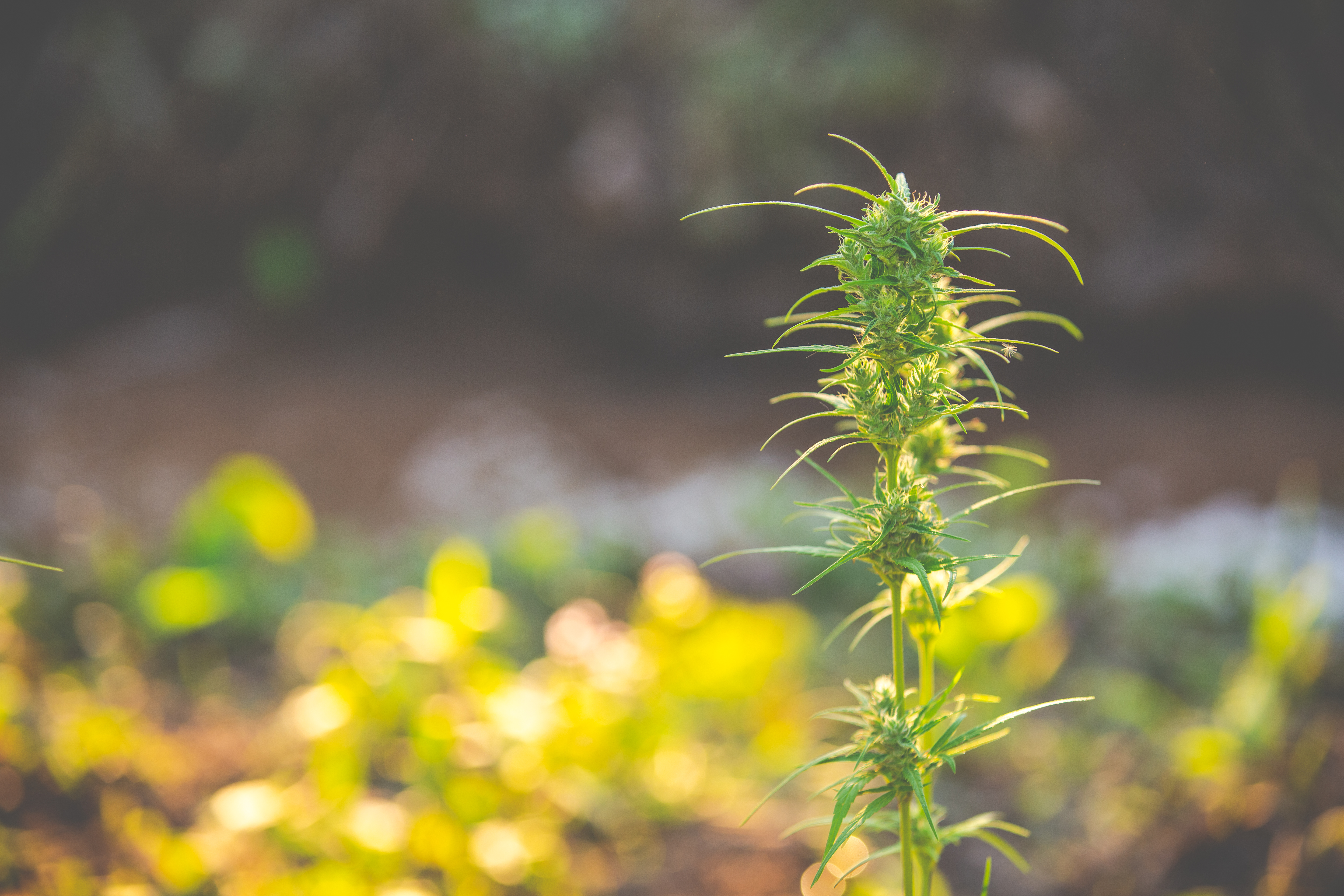


Cannabis seeds can be confusing for beginners because they are sold in several different types. Some are called regular seeds, some are feminized seeds, and others are autoflowering seeds. These terms describe important traits that can affect how a cannabis plant grows. One of the most common terms beginners see is “feminized.” Understanding what this word means is an important first step when learning about cannabis genetics and plant development.
A feminized cannabis seed is a seed that has been bred to have a very high chance of developing into a female cannabis plant. Female plants are important because they produce the flowers that are commonly called cannabis buds. These flowers contain many of the plant’s cannabinoids, terpenes, and other natural compounds. Male plants have a different role. Instead of producing the same type of flowers, male plants mainly produce pollen, which is used to fertilize female plants and create seeds.
The difference between male and female cannabis plants is one of the main reasons feminized seeds were developed. With regular cannabis seeds, a grower cannot know in advance whether each seed will produce a male or female plant. Regular seeds can produce either sex. This means that several plants may need to grow for some time before their sex becomes clear. Feminized seeds reduce this uncertainty because they are specifically produced to favor female plants.
For beginners, it is important to understand that the word “feminized” mainly refers to plant sex. It does not describe a specific cannabis strain. It also does not automatically tell you how strong the plant will be, how large it will grow, how much flower it will produce, or what its aroma will be. A seed can be feminized while still belonging to many different strains or genetic lines. Each variety can have its own traits.
Feminized also does not mean the same thing as autoflowering. These two terms describe different features. Feminized tells you that the seed is expected to develop into a female plant. Autoflowering describes how and when the plant begins its flowering stage. A seed can be both feminized and autoflowering. It can also be feminized and photoperiod. Understanding this difference helps beginners avoid one of the most common mistakes when reading cannabis seed descriptions.
Plant sex matters because it affects reproduction. Male cannabis plants produce pollen. When that pollen reaches the flowers of a female plant, the female plant can begin producing seeds. This process is useful when the goal is breeding or producing new seeds. However, when the main purpose is to grow female flowers, the presence of male plants can change the final result because pollinated female plants put more energy into seed production.
This is why growers often pay close attention to plant sex. In a group grown from regular seeds, both male and female plants may appear. Growers may need to identify each plant as it develops. Feminized seeds make this process more predictable because the large majority of plants are expected to be female.
However, feminized seeds should not be understood as a perfect guarantee. Cannabis is a living plant, and biological development can be affected by genetics and environmental conditions. Well-produced feminized seeds have a very high chance of becoming female plants, but unusual sex expression can still happen in some cases. Plant stress and unstable genetics may also affect how reproductive structures develop.
Another important point is that feminized seeds are not automatically genetically modified organisms. The process used to create feminized cannabis seeds usually involves working with the natural reproductive biology of female cannabis plants. Breeders encourage a female plant to produce pollen and then use that pollen to fertilize another female plant. Because the pollen comes from female genetics, the resulting seeds are much more likely to produce female plants. This is different from changing a plant by directly inserting foreign genes through genetic engineering.
Beginners may also wonder whether feminized seeds are better than regular seeds. The answer depends on the purpose. Feminized seeds are often useful when the main goal is to produce female plants and reduce uncertainty about plant sex. Regular seeds can still be important for breeding because they can produce both males and females. Neither category automatically proves that a seed is high quality. Seed quality depends on many factors, including genetics, breeding methods, storage, maturity, and the reputation of the source.
It is also important to understand that a feminized seed can still vary greatly from another feminized seed. One strain may grow tall while another stays shorter. One may take longer to mature, while another may finish sooner. Different varieties may also produce different cannabinoid levels, aromas, flavors, and plant structures. The word “feminized” does not describe these traits. It only gives information about the expected sex of the plant.
For this reason, beginners should learn to read cannabis seed labels carefully. A label may include several pieces of information, such as the strain name, whether the seed is feminized, whether it is photoperiod or autoflowering, and details about its genetics. Understanding each term separately makes it easier to know what the label actually means.
Learning about feminized cannabis seeds also helps explain many other basic cannabis topics. Once a beginner understands why male and female plants are different, it becomes easier to understand pollination, seed production, breeding, flowering, and plant genetics. It also becomes easier to compare feminized seeds with regular and autoflowering options.
In simple terms, a feminized cannabis seed is designed to produce a female plant in the great majority of cases. This makes plant sex more predictable, but it does not control every other trait of the plant. Feminized seeds can belong to many different strains, and they can be either photoperiod or autoflowering. They can also vary in growth pattern, flowering time, strength, and overall quality.
The following sections will explain in more detail what feminized cannabis seeds are, how they are created, how they differ from regular seeds, and how reliable they are. They will also cover common questions about male plants, hermaphroditism, autoflowering genetics, seed production, and cannabis seed labels. Understanding these basics can help beginners read cannabis seed information more clearly and avoid common misunderstandings.
What Does “Feminized Seed” Mean?
A feminized cannabis seed is a seed that has been bred to have a very high chance of growing into a female cannabis plant. This is important because female cannabis plants produce the flowers that most growers want. Male cannabis plants have a different role. They produce pollen, which can fertilize female plants and lead to seed production.
The word “feminized” can sound complicated to a beginner, but the basic idea is simple. Breeders use female cannabis plants to create seeds that are much more likely to develop into female plants. This reduces the chance of getting male plants from a pack of seeds.
Feminized seeds are now common in the cannabis seed market. They are available in many different strains and genetic lines. However, the term “feminized” only refers to the expected sex of the plant. It does not tell you everything about the plant’s growth, strength, flavor, cannabinoid content, or flowering pattern.
Understanding this distinction is important because cannabis seed labels often include several terms at the same time. A seed may be feminized, photoperiod, autoflowering, high in THC, high in CBD, or part of a specific strain. Each term describes a different feature.
What Feminized Means in Cannabis
In cannabis, the term “feminized” means that a seed has been produced in a way that greatly increases the chance that it will grow into a female plant. In most cases, properly produced feminized seeds develop into females.
This does not mean that every seed is guaranteed to produce a female plant under every condition. Cannabis is a living plant, and biological results can vary. However, feminized seeds are designed to reduce the number of male plants compared with regular cannabis seeds.
The reason this matters is connected to the way cannabis reproduces. Cannabis plants can develop male or female reproductive structures. Female plants develop flowers that can receive pollen. Male plants develop pollen-producing structures.
When a female cannabis flower receives pollen, the plant can begin producing seeds. When it is not pollinated, the female plant continues to develop flower tissue without making large numbers of seeds.
For this reason, many growers who are interested in female flowers choose feminized seeds. They reduce the need to start many extra plants just to identify and remove males later.
Feminized seeds do not change the basic life cycle of cannabis. The seed still needs suitable conditions to germinate. The young plant still goes through early growth, vegetative growth, and flowering. The main difference is the expected sex of the mature plant.
Male and Female Cannabis Plants
Male and female cannabis plants have different roles in reproduction.
Female plants produce the flowers that receive pollen. These flowers contain reproductive structures that can develop seeds after fertilization. If pollen reaches the female flowers, seed development can begin.
Male plants produce pollen rather than the same type of flower growth seen on females. Their pollen can travel to female plants and fertilize them. Once fertilization happens, the female plant starts using part of its energy to develop seeds.
This is one reason plant sex is important to understand. A grower who wants to produce seeds may need male pollen. A grower who does not want seeds in female flowers may instead try to prevent pollination.
Regular cannabis seeds can produce either male or female plants. This means a person starting regular seeds may not know the sex of each plant during the early stages of growth. The plants often need to mature enough before their reproductive traits become clear.
Feminized seeds reduce this uncertainty. Because they are bred to produce mostly female plants, the grower can plan around a much higher number of females.
This does not mean that male cannabis plants are useless. Male plants are important in traditional breeding because they provide pollen and genetic material. Breeders may use carefully selected male plants to create new crosses or preserve certain traits.
The important point for beginners is that male and female cannabis plants have different reproductive jobs. Feminized seeds are created mainly to make female plants more predictable.
Feminized Does Not Describe a Strain
One common beginner mistake is thinking that “feminized” is the name of a cannabis strain. It is not.
A strain or cultivar is a specific genetic line or variety of cannabis. Feminized describes the expected sex of the plants that grow from the seeds.
For example, two seed packs may contain the same cannabis strain, but one pack may contain regular seeds while another contains feminized seeds. The strain name may be the same, but the seed type is different.
This distinction is important because feminization does not determine every feature of the plant.
A feminized seed does not automatically produce stronger cannabis. It does not guarantee a specific THC percentage. It does not guarantee high CBD levels. It does not determine the smell, flavor, color, height, or final yield of the plant.
Those traits depend more heavily on the plant’s genetics and growing conditions.
The strain or genetic background affects characteristics such as cannabinoid profile, aroma, plant structure, flowering time, and growth pattern. The environment can also influence how those traits appear. Light, temperature, nutrition, water, plant health, and other conditions can affect development.
Feminized seeds can also be found in many different genetic types. Some may grow into tall plants, while others remain shorter. Some may flower quickly, while others take longer. Some may be rich in THC, while others may be bred for higher CBD levels.
This is why beginners should avoid judging a cannabis seed only by the word “feminized.” The label tells you something useful, but it tells you only one part of the story.
It is also important to understand that feminized and autoflowering are not the same thing. A seed can be both feminized and autoflowering. It can also be feminized and photoperiod. These terms describe separate characteristics.
“Feminized” describes the expected plant sex. “Autoflowering” describes how the plant begins flowering. “Photoperiod” refers to plants whose flowering response is strongly connected to changes in the light cycle.
Learning these basic terms makes cannabis seed descriptions much easier to understand.
A feminized cannabis seed is bred to have a very high chance of growing into a female cannabis plant. Female plants produce the flowers that most growers are interested in, while male plants mainly produce pollen for reproduction.
Feminized seeds help reduce the uncertainty that comes with regular seeds, which can produce both male and female plants. However, feminized does not mean that every seed outcome is guaranteed.
It is also important to remember that “feminized” is not a strain name. It does not determine potency, flavor, yield, growth speed, or cannabinoid content. These traits depend on the plant’s genetics and the conditions in which it develops.
How Are Feminized Cannabis Seeds Made?
Feminized cannabis seeds are produced through a breeding process that is designed to create seeds with a very high chance of becoming female plants. To understand how this works, it helps to first understand how cannabis plants reproduce.
Cannabis plants can develop as male or female plants. Male plants produce pollen, while female plants produce flowers that can receive pollen. When pollen reaches a female flower, seeds can form. Those seeds carry genetic material from both parent plants.
With regular cannabis seeds, breeders usually combine pollen from a male plant with flowers from a female plant. Because the genetic material comes from both male and female parents, the resulting seeds may grow into either male or female plants.
Feminized seed production works differently. Instead of using pollen from a normal male plant, breeders obtain pollen from a genetically female plant. That pollen is then used to pollinate another female plant. Since both parents are genetically female, the resulting seeds are much more likely to produce female plants.
This breeding method is the main reason feminized seeds are popular. However, feminized seeds are not a separate species of cannabis. They are cannabis seeds produced using a breeding method that changes the expected sex of the plants that grow from them.
The Basic Breeding Principle
The basic idea behind feminized seed production is to produce pollen from a female cannabis plant rather than from a male plant.
Under normal conditions, female cannabis plants mainly produce female flowers. In controlled breeding, however, breeders can cause a genetically female plant to develop pollen-producing flowers. The pollen produced by these flowers does not come from a normal male cannabis plant.
This distinction is important because plant sex is connected to the chromosomes carried by the parent plants.
Cannabis is often described using an XX and XY chromosome system. Female cannabis plants normally carry two X chromosomes, while male plants usually carry one X chromosome and one Y chromosome.
When regular breeding takes place between a male and a female plant, the male may contribute either an X or a Y chromosome. If the offspring receives an X chromosome from both parents, it will normally develop as female. If it receives an X chromosome from the female parent and a Y chromosome from the male parent, it will normally develop as male.
Feminized breeding removes the normal XY male plant from this process.
The pollen comes from a genetically female plant with XX chromosomes. This means the pollen does not normally carry the Y chromosome associated with male plants. When that pollen fertilizes another genetically female plant, the resulting seeds normally receive X chromosomes from both parents.
This is why feminized seeds have such a high chance of producing female plants.
Breeders still need to pay close attention to genetics. A plant used in breeding should have stable traits because weak or unstable genetics can affect the next generation. Feminization changes the expected sex of the offspring, but it does not automatically improve every other feature of the plant.
Why the Resulting Seeds Are Usually Female
The reason feminized seeds usually produce female plants comes back to the chromosomes of the parent plants.
A typical male cannabis plant carries a Y chromosome. That Y chromosome makes it possible for regular seeds to produce male offspring. When a normal male plant is not used in the breeding process, the usual source of the Y chromosome is removed.
Instead, pollen is produced from an XX female plant. That pollen is then used with another XX female plant. Because the parents are genetically female, the seeds produced through this process are expected to carry female genetic combinations.
This does not mean that every feminized seed will behave exactly the same.
Biology is rarely absolute. Environmental stress, unstable genetics, breeding quality, and other biological factors can affect how a cannabis plant develops. A feminized seed may have a very high chance of producing a female plant, but the term should not be understood as a perfect guarantee.
It is also important to separate plant sex from other traits.
A feminized seed is not automatically stronger, faster, larger, or more productive than a regular seed. Its main feature is that it has been bred to greatly increase the chance of producing a female plant.
The final characteristics still depend on the cultivar and the genetics inherited from the parent plants. Two feminized seeds from different varieties may have very different growth patterns, flowering times, cannabinoid levels, aromas, and physical features.
This is why the word “feminized” should be treated as one part of a seed description rather than a complete description of the plant.
Are Feminized Seeds Genetically Modified?
A common question is whether feminized cannabis seeds are genetically modified organisms, or GMOs.
In normal use, feminized cannabis seeds are not produced through genetic engineering in the way the term GMO is usually understood.
Genetic engineering involves directly changing genetic material using laboratory techniques. This may involve adding, removing, or altering specific genes to create a desired trait.
Traditional feminized seed production does not normally involve inserting foreign genes into the cannabis plant. Instead, breeders influence how a genetically female plant expresses its reproductive structures so that it produces pollen. That pollen is then used in controlled breeding.
The plant itself remains genetically female.
This process is better understood as a specialized breeding method rather than genetic modification through gene engineering.
There is an important difference between changing how a plant expresses a trait and directly rewriting its DNA. Feminized seed production mainly works through reproductive biology and selective breeding. It does not require the breeder to add a gene from another organism.
This distinction is useful because the word “modified” can have several meanings in everyday language. A breeder may influence a plant’s development, but that does not automatically make the plant genetically engineered.
Feminization also does not create an entirely new type of cannabis. A feminized seed can still belong to the same cultivars and genetic families found in regular seeds. The main difference is how the seed was produced and the expected sex of the plant that grows from it.
Feminized cannabis seeds are made by using pollen from a genetically female cannabis plant to pollinate another female plant. This differs from regular seed production, which commonly involves a male and a female parent.
Because both parents in feminized breeding are genetically female, the normal Y chromosome associated with male plants is not part of the breeding process. As a result, the seeds have a very high chance of growing into female plants.
However, feminized does not mean that every seed is guaranteed to produce a perfect female plant. Genetics, biological variation, and environmental conditions can still affect plant development.
Feminized cannabis seeds should also not automatically be considered genetically modified organisms. Standard feminization does not usually involve adding foreign genes or directly engineering the plant’s DNA. Instead, it uses controlled reproductive techniques and selective breeding.
Feminized Seeds vs. Regular Cannabis Seeds
Feminized and regular cannabis seeds can grow into healthy cannabis plants, but they differ in one important way: the expected sex of the plants they produce. This difference affects how growers plan their space, how closely they need to watch their plants, and whether the seeds are suitable for breeding.
For beginners, understanding the difference between feminized and regular seeds can make cannabis seed labels much easier to understand. Neither type is automatically better in every situation. Each type has a different purpose, and the right choice depends on what the grower wants from the plants.
How Regular Cannabis Seeds Work
Regular cannabis seeds are produced through the natural breeding of a male cannabis plant and a female cannabis plant. Because both male and female genetics are involved, the resulting seeds can develop into either male or female plants.
There is no reliable way to look at a dry cannabis seed and know whether it will become male or female. Plant sex normally becomes clear later as the plant matures and begins to develop reproductive structures.
This means that a person starting several regular seeds may end up with a mixture of male and female plants. The exact number of each can vary. A group of seeds does not always produce an equal number of males and females.
Female cannabis plants develop flowers that may contain cannabinoids, aromatic compounds, and other plant chemicals. Male plants mainly produce pollen. Their biological role is to fertilize female flowers so that seeds can develop.
For growers who want to produce seedless female flowers, the presence of male plants requires extra attention. Male plants must be identified before large amounts of pollen are released if pollination is not wanted. If pollen reaches a female flower, the plant can begin producing seeds.
Regular seeds therefore require growers to plan for the possibility that some plants may not serve their intended purpose.
How Feminized Seeds Are Different
Feminized cannabis seeds are bred so that they have a very high chance of developing into female plants. Instead of relying on a typical male plant to provide pollen, breeders use methods that allow a female plant to produce pollen. That pollen is then used to create seeds.
Because the pollen comes from a genetically female plant, the seeds are expected to produce female plants in the great majority of cases.
This makes feminized seeds more predictable for growers who are mainly interested in female cannabis plants. When a grower starts ten feminized seeds, for example, the expectation is that nearly all of the resulting plants will be female.
However, feminized does not mean that every result is guaranteed. Cannabis is a living plant, and biological variation can occur. Genetics, breeding quality, and environmental stress may affect how a plant develops.
The main difference is therefore probability. Regular seeds can naturally produce both male and female plants. Feminized seeds are specifically bred to make female plants much more likely.
Differences in Space and Plant Planning
Plant sex can have a major effect on how growing space is used.
When regular seeds are planted, some of the available space may be occupied by male plants during the early stages of growth. Growers usually cannot identify these plants right away. They must allow them to develop until sex characteristics become visible.
If a male plant is later removed, the space, water, light, growing medium, and time used for that plant cannot be recovered. This can matter when space is limited.
Feminized seeds reduce this uncertainty because almost every plant is expected to be female. A grower can plan the available area with more confidence and is less likely to spend resources raising plants that will later be removed because of their sex.
This does not mean feminized plants require no monitoring. Growers still need to observe plant health and reproductive development. Feminized genetics simply reduce the amount of uncertainty connected with male plants.
Why Regular Seeds Still Exist
Regular cannabis seeds remain useful because male plants have an important role in breeding.
To create new genetic combinations through traditional cannabis breeding, breeders often need both male and female plants. A male plant can provide pollen that is used to fertilize selected female plants. The resulting seeds carry genetic material from both parents.
For this reason, regular seeds are often useful for people working with breeding projects or preserving a wider genetic population. They provide access to naturally occurring male and female plants from the same genetic line.
Regular seeds can also be useful when breeders want to study certain traits across several generations. Male plants may carry valuable genetic traits even though they do not produce the same type of flowers as females.
The continued use of regular seeds does not mean they are higher or lower quality than feminized seeds. Seed quality depends on factors such as genetics, breeding practices, seed maturity, storage, and the health of the parent plants.
The words “regular” and “feminized” mainly describe how likely the resulting plants are to be male or female. They are not complete measures of quality.
Feminized Seeds and Regular Seeds Serve Different Purposes
Feminized seeds are often chosen when the main goal is to grow female plants. They reduce the need to start extra seeds in preparation for unwanted males and can make plant numbers more predictable.
Regular seeds are more suitable when both male and female plants may be useful. This is especially true in breeding projects where pollen-producing males are needed.
The level of plant monitoring may also differ. With regular seeds, growers need to pay close attention to plant sex once reproductive features begin to appear. If unwanted males are not identified, they may release pollen and fertilize nearby female flowers.
With feminized seeds, the risk of a true male plant is much lower, but growers should still check their plants as they mature. Feminized seeds do not remove every possible reproductive variation.
Another important point is that neither type determines the final strength, aroma, size, or yield of a plant. Those traits depend heavily on the cultivar, its genetics, and the conditions in which it develops.
A high-quality regular seed can produce an excellent female plant, just as a high-quality feminized seed can. The major difference is how predictable the plant’s sex is expected to be.
The main difference between regular and feminized cannabis seeds is the expected sex of the plants they produce. Regular seeds can develop into either male or female plants, while feminized seeds are bred to produce female plants in the great majority of cases.
Regular seeds require more planning because growers may need to identify and separate male plants after the plants mature. Feminized seeds make plant numbers more predictable and reduce the chance that growing space will be used by unwanted males.
Regular seeds remain important for cannabis breeding because they naturally provide both male and female plants. Feminized seeds are more focused on growers who mainly want female plants.
Neither seed type is automatically higher quality than the other. Genetics, breeding standards, storage, and plant health all affect seed quality. For beginners, the most useful way to understand the difference is simple: regular seeds may produce males or females, while feminized seeds are designed to make female plants far more likely.
Feminized Seeds vs. Autoflowering Seeds
Feminized seeds and autoflowering seeds are two terms that beginners often confuse. They are both common in cannabis seed descriptions, but they do not mean the same thing. The word “feminized” mainly refers to the expected sex of the plant. The word “autoflowering” refers to how and when the plant starts flowering.
This difference is important because a cannabis seed can be both feminized and autoflowering at the same time. A seed can also be feminized but not autoflowering. Understanding these terms can help beginners read seed labels more clearly and avoid choosing a seed type based on the wrong assumption.
Two Different Cannabis Terms
Feminized seeds are produced to have a very high chance of growing into female plants. Female cannabis plants are the plants that develop the flower clusters that many growers are interested in. Regular cannabis seeds, in comparison, may grow into either male or female plants.
Autoflowering seeds describe a different trait. An autoflowering cannabis plant starts flowering mainly because of its age and stage of development. It does not depend on a major change in daily light exposure to begin flowering.
This means feminized and autoflowering describe two separate features. One describes plant sex. The other describes flowering behavior.
For example, a seed labeled “feminized photoperiod” is expected to develop into a female plant, but it will usually begin flowering after changes in the light cycle. A seed labeled “feminized autoflower” is also expected to develop into a female plant, but it begins flowering according to its age instead.
This is why it is not correct to think of feminized seeds and autoflowering seeds as complete opposites. A more useful comparison is between photoperiod seeds and autoflowering seeds, while feminized and regular seeds are compared based on plant sex.
Can an Autoflower Seed Also Be Feminized?
Yes. Autoflowering cannabis seeds can also be feminized. In fact, many autoflowering seeds sold by breeders are feminized because this allows growers to combine two common traits in one seed.
The first trait is the high likelihood of producing a female plant. The second trait is the ability to begin flowering automatically as the plant matures.
This is why labels such as “feminized autoflower” are common. The word feminized tells the reader about expected plant sex. The word autoflower tells the reader about flowering behavior.
Not all autoflower seeds must be feminized, however. Autoflowering genetics can also exist in regular seeds that may produce male or female plants. Beginners should therefore read the full seed description instead of assuming that all autoflowers are female.
The same rule applies to photoperiod seeds. A photoperiod seed may be feminized or regular. This makes it useful to think of seed descriptions as a combination of traits rather than a single category.
Photoperiod Feminized Seeds
Photoperiod feminized seeds are designed to produce female plants that respond to changes in the light cycle. The term photoperiod refers to the amount of light and darkness a plant receives during each 24-hour period.
In nature, seasonal changes affect day length. As days become shorter and nights become longer, cannabis plants receive signals that help trigger flowering. Indoor growing can reproduce this process by changing how many hours of light the plants receive each day.
One important feature of photoperiod feminized plants is that their vegetative stage can last for different amounts of time. The vegetative stage is the period when the plant mainly develops stems, branches, leaves, and roots before flowering begins.
Because flowering depends on light exposure, growers may have more control over how long a photoperiod plant remains in vegetative growth. This can affect final plant size and development.
Photoperiod feminized plants are also commonly used when a grower wants to keep a selected plant in vegetative growth for cloning. Since these plants do not automatically begin flowering after a fixed number of weeks, they can offer more flexibility in certain growing systems.
However, the word feminized does not guarantee that every plant will grow at the same speed or reach the same size. Genetics, environment, plant health, and growing conditions still influence development.
Feminized Autoflower Seeds
Feminized autoflower seeds combine female-focused genetics with automatic flowering behavior. These plants normally begin flowering after they reach a certain stage of maturity rather than waiting for a major change in the light schedule.
Autoflowering traits are linked to cannabis genetics that developed in environments with short growing seasons and unusual daylight patterns. These traits allow flowering to begin based more on plant age than on changes in day length.
Because of this, feminized autoflower plants often move from early growth into flowering on their own. Their life cycle is usually more fixed than that of photoperiod plants.
This shorter and more automatic growth pattern can make autoflowering plants easier to understand from a timing point of view. However, it also means there is less time to delay flowering if the plant grows slowly or experiences stress early in life.
A photoperiod plant may remain in vegetative growth for a longer period under certain light conditions. An autoflower generally continues moving toward flowering as it matures.
For beginners, the main point is that autoflowering does not mean male or female. It only describes how flowering begins. A feminized autoflower seed is expected to produce a female plant that flowers according to age. A regular autoflower seed can still produce either male or female plants.
Key Differences Beginners Should Understand
The easiest way to understand the difference is to separate the two terms.
Feminized describes sex. Autoflowering describes flowering behavior.
A feminized seed is intended to produce a female cannabis plant. It may be either photoperiod or autoflowering. An autoflowering seed starts flowering as it matures. It may be feminized or regular.
Photoperiod feminized plants depend more heavily on changes in light duration before flowering begins. Feminized autoflower plants usually begin flowering based on age, even when daily light hours remain similar.
Neither term automatically tells the reader about potency, aroma, plant size, yield, or overall quality. Those traits depend on the cultivar, genetics, growing conditions, and other factors.
Feminized seeds and autoflowering seeds describe different traits in cannabis. Feminized seeds are bred to have a high chance of producing female plants. Autoflowering seeds are bred to begin flowering mainly according to age rather than a major change in day length.
A cannabis seed can be both feminized and autoflowering. It can also be feminized and photoperiod. This is why beginners should read the full seed label instead of treating feminized and autoflowering as opposite choices.
Do Feminized Seeds Always Produce Female Plants?
Feminized cannabis seeds are designed to produce female plants in most cases. This is one of the main reasons they are popular with growers who want flowering female plants rather than male plants. However, the word “feminized” does not mean that every single seed is guaranteed to become female.
Cannabis is a living plant, and biological traits are not always completely predictable. Good breeding methods can make the chance of a female plant very high, but unusual outcomes can still happen. Genetics, seed quality, and environmental conditions may all affect how a plant develops.
For beginners, it is useful to understand what feminized seeds can and cannot guarantee. This helps prevent confusion when reading seed descriptions or checking plants as they grow.
How Reliable Are Feminized Seeds?
Well-produced feminized cannabis seeds are generally considered very reliable when it comes to producing female plants. Breeders create these seeds by using pollen that comes from genetically female plants. Because a normal male plant is not used in the breeding process, the resulting seeds are much more likely to develop as female.
This is different from regular cannabis seeds. Regular seeds are usually capable of producing either male or female plants. A grower using regular seeds may therefore need to wait until the plants mature enough to identify their sex.
Feminized seeds greatly reduce this uncertainty. This can make planning easier because growers have a better idea of how many female plants they are likely to have.
Still, it is important to understand the word “likely.” Feminized seeds are not a perfect biological guarantee. Even when seeds come from a reliable breeder, there may occasionally be an unexpected result.
Seed quality also matters. A carefully produced feminized seed from stable genetics is more likely to behave as expected than a poorly bred seed from an unknown source. Breeding involves more than simply producing seeds. Responsible breeders usually work to create stable plant lines that show predictable characteristics over several generations.
This means that the feminized label should be viewed as a strong expectation rather than an absolute promise.
Can a Feminized Seed Produce a Male Plant?
A feminized cannabis seed can very rarely produce a plant that appears male. However, this is not considered the normal result.
One reason beginners may become confused is that a plant showing male-looking flowers is not always a true male plant. A genetically female plant can sometimes develop some male reproductive structures. When this happens, the plant may have both female and male traits.
A true male cannabis plant mainly develops male reproductive structures. A female plant that later develops some male flowers is biologically different. This distinction matters because the cause may involve genetics, stress, or both.
When a feminized seed produces an unexpected plant, it does not automatically mean that all feminized seeds are unreliable. It may instead point to unstable genetics, unusual plant development, or environmental pressure.
Beginners should also remember that plant sex becomes easier to identify as the plant matures. Young cannabis plants may not show clear reproductive structures at first. Trying to identify sex too early can lead to mistakes.
This is why careful observation remains important, even when feminized seeds are being used.
Can Feminized Plants Develop Male Flowers?
Yes, a genetically female cannabis plant may sometimes develop male flowers as well as female flowers. This is often described as intersex expression or hermaphroditic development.
This does not mean that every feminized plant will develop this way. Most well-bred feminized plants remain female when grown under stable conditions. However, cannabis plants can respond to genetics and environmental stress.
Certain genetic lines may be more likely to show mixed reproductive traits than others. This is one reason breeders try to select stable parent plants. If a parent plant has a strong tendency to develop male flowers under normal conditions, that trait may be passed to later generations.
Environmental stress may also influence reproductive development. Cannabis plants respond to changes in their surroundings just like other living plants. Severe or repeated stress can affect normal growth and development.
Because of this, the appearance of male flowers on a female plant should not always be blamed on the fact that the seed was feminized. The cause may be linked to the plant’s genetics, its environment, or a combination of both.
Why Genetics and Seed Quality Matter
Genetics play an important role in how reliable feminized seeds are.
A seed carries genetic information from its parent plants. These genes influence many characteristics, including growth pattern, flowering behavior, plant size, cannabinoid production, and reproductive traits.
When breeders create feminized seeds, they normally want parent plants that show stable female traits. Stable genetics help make the results more predictable.
Poor breeding can create the opposite effect. If unstable plants are repeatedly used as parents, unwanted traits may become more common. This can include inconsistent growth or a greater chance of mixed male and female flower development.
Seed quality also involves more than genetics. Seeds must develop fully before they are collected. They also need suitable storage conditions. Heat, moisture, age, and poor handling can reduce seed quality over time.
However, a weak or damaged seed is not the same thing as a male seed. Poor storage may reduce the chance that a seed germinates or grows strongly, but it does not simply turn a feminized seed into a male seed.
This is an important distinction for beginners. Seed health and plant sex are related to different biological factors.
Why Beginners Should Still Check Plant Sex
Some beginners assume that using feminized seeds means they never need to look at the reproductive structures of their plants. That is not a good assumption.
Feminized seeds reduce the chance of male plants, but they do not remove the need to observe how each plant develops.
Learning the basic differences between male and female flowers helps growers understand normal cannabis development. It also makes it easier to notice unusual reproductive traits.
Female cannabis plants normally develop structures that support flower production. Male plants develop pollen-producing structures. A plant with both types may be showing intersex traits.
Knowing these basic differences can help beginners understand what they are seeing rather than relying only on the label that came with the seed.
Observation is also useful because different cannabis varieties can develop at different rates. One plant may show clear reproductive signs earlier than another. This does not automatically mean that something is wrong.
Does Feminized Mean 100 Percent Female?
The simplest answer is no. Feminized seeds are intended to produce female plants at a very high rate, but the term should not be treated as a perfect 100 percent guarantee.
Cannabis reproduction involves biology, and biology always allows some variation. Even carefully bred seeds can occasionally develop in an unexpected way.
The quality of the breeding program matters. Stable feminized genetics from a careful breeder are generally more predictable than seeds produced without proper selection or testing.
Growing conditions may also affect how a genetically female plant expresses its reproductive traits. For this reason, a plant should be judged by what it actually develops, not only by the type of seed listed on the package.
This does not make feminized seeds unreliable. It simply means that beginners should understand their purpose correctly. Feminized seeds greatly increase the chance of growing female cannabis plants, but growers should still pay attention to each plant as it matures.
Feminized cannabis seeds are bred to produce female plants in the great majority of cases. Their main advantage is that they greatly reduce the uncertainty that comes with regular seeds, which may develop into either male or female plants.
However, feminized does not mean that every seed is guaranteed to produce a female plant under every condition. Rare male plants or female plants with some male reproductive structures can still appear.
Genetics play a major role in how reliable feminized seeds are. Stable parent plants and careful breeding help produce more predictable results. Environmental stress can also affect how a female plant expresses its reproductive traits.
Can Feminized Cannabis Plants Become Hermaphrodites?
Feminized cannabis seeds are designed to produce female plants, but that does not mean every plant will always show only female reproductive traits. In some cases, a cannabis plant may develop both female and male reproductive structures. This condition is commonly called hermaphroditism.
For beginners, this topic can be confusing because feminized seeds are often linked with female plants. It is important to understand that feminized and hermaphrodite do not mean the same thing. A feminized seed has been bred to have a very high chance of becoming a female plant. Hermaphroditism describes what can happen when one plant develops reproductive structures associated with both sexes.
Understanding this difference can help beginners better understand cannabis genetics, plant development, and the limits of the term “feminized.”
What Hermaphroditism Means
A typical female cannabis plant develops female flowers, while a typical male cannabis plant develops pollen-producing structures. A hermaphroditic plant can develop traits from both sexes on the same plant.
This means that a plant that first appears female may later develop some male reproductive structures. In other cases, male and female traits may appear at roughly the same time. The exact appearance can vary depending on genetics and environmental conditions.
This type of sexual expression is possible because cannabis plants have a complex biological system for reproduction. Plant sex is influenced strongly by genetics, but plant development can also respond to outside conditions.
Hermaphroditism should not be confused with a plant simply changing from male to female. Instead, the plant is displaying reproductive traits normally associated with both sexes.
The term is important because pollen-producing structures can release pollen. If female flowers receive viable pollen, they may begin producing seeds. This changes the plant’s reproductive process because energy that may have gone toward flower development can also be used for seed production.
Genetics vs. Environmental Stress
Genetics can play an important role in whether a cannabis plant is likely to develop mixed reproductive traits. Some genetic lines may be more stable than others. A stable genetic line is one that tends to produce consistent traits over several generations.
Plants from less stable genetic backgrounds may have a greater chance of showing unexpected reproductive behavior. This is one reason breeders often select parent plants carefully. They may observe plants across generations to determine whether certain traits appear repeatedly.
Environmental stress can also influence plant development. Like many plants, cannabis responds to changes in its surroundings. Strong or repeated stress may affect how the plant grows and reproduces.
Examples of plant stress can include major changes in temperature, inconsistent light conditions, physical damage, or other environmental problems. Not every stressed cannabis plant will develop male reproductive traits, and stress does not affect every plant in the same way. Genetics can influence how strongly a plant reacts.
This means hermaphroditism is not caused by one single factor. In some cases, genetics may be the main influence. In others, environmental stress may contribute. Sometimes both genetics and environmental conditions may play a role.
For beginners, the main point is that plant sex expression is not always completely fixed in the way people may expect. Cannabis is a living organism, and biological variation can occur.
Feminized Does Not Mean Hermaphrodite
One common misconception is that feminized cannabis seeds are automatically hermaphroditic. This is not correct.
Feminized seeds are produced through breeding methods designed to greatly increase the chance of female offspring. A properly produced feminized seed is expected to develop into a female plant under normal conditions.
The process used to create feminized seeds does not mean that every resulting plant will automatically produce both male and female structures.
However, the quality of the breeding process matters. If parent plants have unstable reproductive traits, those traits may be passed to later generations. This is why stable genetics are important when feminized seeds are produced.
It is also important to understand that no seed label can guarantee every part of a plant’s future development. The word “feminized” mainly describes the expected sex of the plant. It does not guarantee that the plant will never respond to stress or show an unusual reproductive trait.
This is similar to other genetic traits in plants. Genetics can strongly influence what a plant is likely to become, but environmental conditions can also affect how those traits are expressed.
Why Beginners Should Know the Difference
Beginners should understand the difference between female, male, and mixed reproductive traits because the terms are often used when discussing cannabis seeds.
A feminized seed gives growers a high likelihood of getting a female plant, but it does not remove the need to understand plant biology. Learning how cannabis plants develop helps beginners understand why unexpected traits can sometimes appear.
Knowing the difference also prevents confusion when reading seed descriptions. A breeder may describe seeds as feminized, photoperiod, or autoflowering. These terms describe different characteristics.
“Feminized” refers mainly to expected plant sex. “Photoperiod” and “autoflowering” describe how flowering behavior is controlled. Hermaphroditism, on the other hand, refers to a plant displaying both male and female reproductive structures.
These ideas are related to plant reproduction, but they should not be treated as interchangeable terms.
Understanding this also helps beginners avoid the belief that one unusual plant proves that all feminized seeds are unreliable. Biological variation can happen in plants. The stability of the genetics, the quality of breeding, and environmental conditions can all influence how a plant develops.
Feminized cannabis plants can sometimes develop both female and male reproductive traits, but this does not mean feminized seeds are naturally hermaphroditic. Feminized seeds are bred to produce female plants at a very high rate. Hermaphroditism describes a separate biological condition in which one plant develops reproductive structures from both sexes.
Genetics can influence the chance of this happening, and environmental stress may also affect sexual expression in some plants. Stable genetics generally reduce the risk of unexpected traits, although plant biology can never be completely predictable.
What Are the Advantages and Limitations of Feminized Seeds?
Feminized cannabis seeds are popular because they are bred to produce female plants at a very high rate. This can make planning easier for growers who are mainly interested in female cannabis flowers. Regular cannabis seeds can produce either male or female plants. With feminized seeds, there is much less uncertainty about the sex of each plant.
However, feminized seeds are not automatically better in every situation. They have clear advantages, but they also have limits. The best seed type depends on the purpose of the grow, the genetics of the seeds, and the goals of the grower. It is also important to understand that the word “feminized” mainly describes the expected sex of the plant. It does not guarantee that every other trait will be better.
Greater Chance of Growing Female Plants
The main advantage of feminized cannabis seeds is that they are designed to produce female plants. Cannabis is normally a species in which male and female flowers often occur on separate plants. Female plants are especially important in cannabis flower production because their flowers contain many of the compounds that growers may want to harvest.
Regular seeds can produce both male and female plants. This means a grower starting with regular seeds may need to wait until the plants develop enough to determine their sex. Some plants may then turn out to be male.
Feminized seeds reduce this uncertainty. Most of the seeds in a properly produced feminized batch are expected to develop into female plants. Research on commercial cannabis production also shows that feminized seeds are widely used when producers want a population made mainly of female plants.
This does not mean that every feminized seed is guaranteed to produce a female plant. Seed quality, genetics, and breeding methods still matter. Unexpected sex expression can sometimes occur. For this reason, growers should understand that feminized means highly likely to be female rather than absolutely guaranteed.
Less Space Used on Unwanted Male Plants
Another advantage is more efficient use of growing space. When regular seeds are planted, some of the plants may become male. A grower interested only in female flowers may not have a use for those plants.
Until the sex becomes clear, male plants can still use space, light, water, and other resources. If those plants later have to be removed, some of those resources have already been used.
Feminized seeds make it easier to estimate how many female plants are likely to develop from a group of seeds. This can be useful when space is limited.
It can also make planning more predictable. Instead of starting many extra seeds to account for possible male plants, a grower using feminized seeds can expect a much larger share of the plants to be female.
Less Time Spent Identifying Male Plants
Feminized seeds can also reduce the amount of work involved in dealing with male plants. With regular seeds, growers often need to watch plants as they mature and identify which ones are male and which ones are female.
This remains an important skill even when using feminized seeds, but there is usually less uncertainty.
Male plants produce pollen. If pollen reaches female flowers, the female plants can produce seeds. For growers seeking unpollinated flowers, unintended pollination can change the final crop. Research has shown that unwanted pollination can lead to seed formation and affect the chemical yield of cannabis flowers.
Feminized seeds reduce the chance that ordinary male plants will be present. However, growers should not assume that monitoring is unnecessary. Cannabis sex expression can be affected by genetics, development, hormones, and environmental conditions. Plants can sometimes develop unexpected reproductive structures.
More Predictable Planning for Female Flower Production
Feminized seeds can make a crop easier to plan because the expected plant population is more predictable. This can be especially useful when the main goal is female flower production.
For example, if someone starts with ten regular seeds, there is no guarantee that all ten plants will be female. With feminized seeds, the expected number of female plants is much higher.
This does not make the final results completely predictable. Plants from seeds can still differ from one another. Height, shape, flowering time, aroma, cannabinoid profile, and other traits can vary depending on the genetics involved.
The growing environment also plays an important role. A feminized seed is still a living biological product. Its performance is affected by both its inherited traits and its environment.
Feminized Seeds Are Available in Many Varieties
Another advantage is the wide range of cannabis genetics that may be available in feminized form. Feminization is not a separate strain or type of cannabinoid profile. It is a breeding approach related mainly to plant sex.
This means different cannabis varieties can be offered as feminized seeds. Some can be photoperiod plants, while others can also carry autoflowering traits.
Beginners should therefore avoid thinking of “feminized” as a description of the entire plant. A feminized seed can still belong to many different genetic lines, each with its own characteristics.
The label tells the buyer something important about expected sex, but much more information is needed to understand what the mature plant may be like.
Feminized Seeds Have Limitations for Breeding
One important limitation is that feminized seeds are not always the most suitable choice for traditional breeding programs that require both male and female plants.
Regular seeds can naturally provide male plants. Those males can supply pollen for planned crosses. This makes regular seeds useful to breeders who want access to both sexes or who want to maintain a wider breeding population.
Feminized seeds are designed mainly to reduce the presence of male plants. That is useful for female flower production, but it may be less useful when male plants are part of the breeding goal.
This does not mean feminized plants cannot be used in breeding. Research has shown that breeders can produce pollen from genetically female cannabis plants through controlled changes in sex expression. Such methods are used in feminized seed production.
For a beginner, the simpler point is that regular and feminized seeds serve different purposes. One should not be considered universally superior to the other.
Quality Can Vary Between Seeds and Breeders
The word “feminized” is not a complete measure of seed quality. Two batches of feminized seeds can perform very differently if they come from different genetic lines or breeding programs.
Good breeding requires more than simply producing seeds that are likely to be female. Breeders also need to consider traits such as genetic stability, seed viability, plant vigor, and consistency.
Research into feminized cannabis seed production has noted that feminized seeds can still present problems, including unexpected male plants or differences in seed performance. This is one reason careful selection and testing of parent plants are important.
Beginners should therefore avoid assuming that every product labeled “feminized” will perform in exactly the same way.
Feminized Does Not Guarantee Potency, Yield, or Vigor
One of the most important points to understand is that feminized does not mean stronger, larger, faster, or more productive.
The term mainly refers to the likelihood of producing a female plant. It does not guarantee a certain THC or CBD level. It also does not guarantee a specific yield, plant height, flowering speed, aroma, or resistance to stress.
Those traits depend on many factors, especially the plant’s genetic background and growing conditions.
For example, two different feminized varieties may have very different cannabinoid profiles. One may grow tall while another remains short. One may mature faster than another. These differences are connected to the genetics of each variety rather than the fact that both seeds are feminized.
This distinction helps beginners read seed descriptions more accurately. The word “feminized” provides useful information, but it tells only one part of the story.
Are Feminized Seeds Better Than Regular Seeds?
There is no single answer that applies to every situation. Feminized seeds and regular seeds are designed for different needs.
For someone mainly interested in producing female plants, feminized seeds can offer a major practical advantage because there is much less chance of spending time and space on ordinary male plants. They can also make crop planning simpler.
Regular seeds can be useful when both male and female plants are wanted, especially in traditional breeding work. They also allow breeders to work with natural male plants when creating crosses.
For this reason, “better” depends on the intended purpose. Seed quality should not be judged only by whether a seed is regular or feminized.
Feminized cannabis seeds offer several practical advantages. They greatly increase the likelihood of growing female plants, reduce the amount of space that may be used by unwanted males, and make it easier to plan a crop focused on female flowers. They can also reduce some of the work involved in identifying and removing male plants.
However, feminized seeds have limits. They are not a guarantee of perfect genetics, high potency, large yields, fast growth, or healthy plants. The quality of the breeding program and the genetic background of the variety remain important.
Regular seeds also continue to have value, especially when male plants are needed for breeding. Neither seed type is automatically better in every situation.
What Beginners Should Expect From Feminized Seeds
Feminized cannabis seeds are designed to produce female plants in most cases, but this does not mean they grow in a completely different way from other cannabis seeds. They still pass through the same main stages of plant development. These stages include germination, seedling growth, vegetative growth, flowering, and maturity.
For beginners, it is important to understand that the word “feminized” mainly describes the expected sex of the plant. It does not mean the seed will grow faster, become larger, or produce stronger flowers. Those traits depend on many other factors, including genetics, whether the plant is photoperiod or autoflowering, and the conditions around the plant.
Knowing what normally happens during each growth stage can make cannabis terminology easier to understand. It can also help beginners see why two feminized seeds may develop at very different speeds even though both are expected to become female plants.
Germination and Early Growth
The first stage in the life of a cannabis plant is germination. During germination, the seed begins to open and the young plant starts to emerge. A small root is usually the first part to develop. This root later helps support the plant and allows it to take in water and nutrients from its surroundings.
Feminized seeds do not have a special germination process simply because they are feminized. A feminized seed begins life in the same basic biological way as a regular cannabis seed. The main difference is found in the genetics that influence the expected sex of the mature plant.
After germination, the young plant enters the seedling stage. At this point, it begins producing its first leaves and building a small root system. Early growth is usually delicate because the plant has not yet developed the stronger stems, roots, and leaf structure seen later in its life.
The appearance of a young feminized plant does not normally provide an immediate way to confirm its sex. Male and female reproductive features become easier to recognize later as the plant matures. This is one reason beginners should not expect to identify a feminized plant simply by looking at a newly sprouted seed or young seedling.
Vegetative Growth
After the seedling stage, cannabis plants enter a period known as vegetative growth. During this stage, the plant focuses mainly on building leaves, stems, branches, and roots rather than producing flowers.
Vegetative growth is important because it helps establish the structure that supports the plant later in its life cycle. Plants may increase greatly in height and width during this period. Their root systems also continue to expand.
For feminized cannabis seeds, the vegetative stage is influenced by the type of genetics involved. Photoperiod feminized plants respond strongly to changes in the amount of light and darkness they receive. In nature, these seasonal changes help signal when the plant should move from vegetative growth toward flowering.
Autoflowering feminized plants work differently. Their flowering process is influenced more strongly by plant age and genetic programming. Because of this, they do not depend on the same seasonal light changes to begin flowering.
This difference is important for beginners because the word “feminized” does not tell you how a plant will enter flowering. A seed package may describe a plant as feminized, but more information is still needed to know whether it is a photoperiod or autoflowering type.
Flowering
The flowering stage is when reproductive structures become much more noticeable. In female cannabis plants, flowers begin to develop as the plant reaches reproductive maturity.
Feminized seeds are produced so that the resulting plants have a very high chance of being female. However, growers and researchers still pay attention to plant development because biological systems are not always completely predictable. Genetics and environmental stress can affect how reproductive traits appear.
Photoperiod feminized plants usually enter flowering after they receive the environmental signals associated with shorter days and longer periods of darkness. Outdoors, this happens naturally as the seasons change. Autoflowering plants, by contrast, begin flowering mainly according to their age and genetic development.
The flowering stage can vary greatly between different cannabis varieties. Some genetics mature more quickly, while others naturally require more time. This means there is no single flowering period that applies to every feminized seed.
Beginners should also remember that feminized does not mean fast-flowering. It also does not mean autoflowering. Feminized refers mainly to plant sex, while flowering speed and flowering behavior are separate genetic traits.
How Long Do Feminized Seeds Take to Grow?
There is no universal answer to how long a feminized cannabis seed takes to reach maturity. The total time depends on several biological factors.
One major factor is whether the seed is photoperiod or autoflowering. Autoflowering genetics tend to follow a more fixed internal schedule. Photoperiod plants can remain in vegetative growth for different lengths of time before flowering begins, depending on environmental conditions and seasonal signals.
The cultivar also makes a difference. Different cannabis varieties have different natural growth patterns. Some mature relatively quickly, while others take longer to complete flowering.
Environmental conditions can also affect plant development. Temperature, light exposure, water availability, root health, and overall plant stress can influence how quickly or slowly a plant grows. Poor conditions may slow development, while stable conditions allow the plant to follow its normal genetic pattern more closely.
Seed quality can also affect early growth. Healthy, mature seeds are generally more likely to begin development normally than seeds that are old, damaged, or poorly stored. However, even seeds from the same genetic line may not develop at exactly the same speed.
Because of these differences, beginners should be careful with claims that every feminized cannabis plant will finish within one exact number of days or weeks. Seed descriptions may provide estimated growth or flowering periods, but these should be treated as general guidelines rather than guarantees.
It is also important to separate total plant life from flowering time. When a seed description lists a flowering period, it may refer only to the reproductive stage. It does not always include germination, seedling development, or the vegetative period that happens before flowering.
Feminized cannabis seeds follow the same basic stages of plant development as other cannabis seeds. They begin with germination, move through seedling and vegetative growth, and later enter the flowering stage. The term “feminized” mainly means that the seed has been bred to have a very high chance of producing a female plant. It does not describe how quickly the plant grows or when it begins flowering.
Photoperiod and autoflowering feminized seeds can behave differently because flowering is controlled in different ways. Photoperiod plants respond strongly to changes in day length, while autoflowering plants begin flowering mainly according to age and genetics.
There is also no single answer for how long feminized cannabis seeds take to grow. The final timeline depends on the cultivar, flowering type, genetics, environmental conditions, and length of the vegetative stage. Understanding these differences helps beginners read seed descriptions more accurately and prevents them from assuming that all feminized seeds develop in the same way.
Can Feminized Plants Produce Seeds or Be Cloned?
Feminized cannabis plants are often grown because they are expected to develop as female plants. However, the word “feminized” does not mean that the plant cannot reproduce. A feminized cannabis plant can still produce seeds under the right conditions. It can also be used as a source for clones in some cases.
Understanding these points can help beginners avoid common confusion about feminized seeds. Feminized describes how the seed was bred and the expected sex of the plant. It does not mean the plant is sterile, unable to reproduce, or unable to be copied through cloning.
Can a Feminized Plant Produce Seeds?
Yes, a feminized cannabis plant can produce seeds. A female cannabis plant has reproductive structures that can develop seeds when they receive viable pollen. This basic process is the same whether the female plant originally came from a regular seed or a feminized seed.
When pollen reaches a receptive female flower, fertilization can take place. The plant may then begin using some of its energy to develop seeds. This is part of the normal reproductive cycle of cannabis.
This means a feminized plant is not sterile. Some beginners assume that feminized seeds create female plants that can only produce flowers. That is not correct. The plant still has the biological ability to reproduce.
The important factor is the source of the pollen. A female plant does not simply produce seeds because it came from a feminized seed. Viable pollen must normally reach the female reproductive parts before seeds can form.
This is also why growers often pay close attention to unwanted pollen. If female flowers are pollinated, the plant may begin producing seeds rather than remaining seedless. The presence of seeds does not necessarily mean that the original seed was not feminized. It simply means that pollination took place.
Will Seeds From a Feminized Plant Automatically Be Feminized?
Seeds produced by a feminized plant are not automatically feminized just because the mother plant came from a feminized seed. The genetics and reproductive traits of the pollen source also matter.
The term “feminized seed” refers to seeds produced through a breeding process designed to make female offspring much more likely. Simply collecting seeds from a feminized female plant does not guarantee that the next generation will have the same expected sex ratio.
For example, if a feminized female plant receives pollen from a normal male plant, the resulting seeds may carry genetic material from both parents. Those seeds should not automatically be treated as feminized seeds.
This is an important difference for beginners to understand. The mother plant being female does not, by itself, determine whether all the offspring will also be female.
The characteristics of the next generation can also vary. Seeds are produced through sexual reproduction. Each seed receives a mix of genetic information from its parents. As a result, plants grown from those seeds may differ in height, growth pattern, aroma, flowering behavior, and other traits.
Even seeds produced from closely related plants may show some variation. Cannabis genetics can be complex, and a seed does not create an exact copy of its mother plant.
For this reason, the word “feminized” should not be treated as a general label that passes automatically from one generation to the next. It describes how a particular batch of seeds was produced and what type of offspring those seeds are expected to create.
Can Feminized Plants Be Cloned?
Feminized cannabis plants can also be cloned, especially when they are photoperiod plants. Cloning is different from producing seeds because it does not involve sexual reproduction.
A clone begins as plant tissue taken from an existing plant. Because it comes directly from one parent plant, it carries the same basic genetic makeup as that plant. The original plant is often called the mother plant.
If the mother plant is a female produced from a feminized seed, a healthy clone taken from it will also carry that plant’s female genetics. This is one reason some growers use female plants as mothers when they want to maintain the same genetic line.
However, genetics are not the only factor that affects how a clone develops. Environment also matters. Light, temperature, water, nutrients, stress, plant health, and other conditions can affect growth and appearance.
Two clones with the same genetics may not look exactly the same if they are raised under very different conditions. One may grow larger or develop at a different rate. Their genetic information is the same, but environmental conditions can influence how those genes are expressed.
Photoperiod cannabis plants are generally more suitable for repeated cloning because they can remain in a vegetative state while they receive the appropriate light schedule. This allows a mother plant to continue producing new vegetative growth.
Autoflowering plants are different because their life cycle is strongly linked to age. A clone taken from an autoflower plant does not restart its biological clock. It remains the same age as the source plant in terms of development. This makes autoflower plants less practical for cloning compared with photoperiod plants.
Seeds vs. Clones
Seeds and clones are two very different ways of starting a cannabis plant.
A seed is created through sexual reproduction. It contains genetic material from its parent plants. Because genes are combined during seed formation, plants grown from seeds can show natural differences even when they come from the same strain or seed batch.
A clone is a genetic copy of one existing plant. It does not receive a new combination of genes from two parents. Instead, it continues the same genetic line as the plant from which it was taken.
This difference has an important effect on plant variation. Seed-grown plants may show differences in size, shape, flowering traits, aroma, or other characteristics. Clones are usually more genetically consistent because they come from the same mother plant.
Seeds also begin life from the earliest stage of plant development. A new seed must germinate and form its first roots and leaves. A clone begins with plant tissue that has already developed as part of a mature plant.
Neither method changes the meaning of “feminized.” A feminized seed refers to the expected sex of the plant that develops from that seed. A clone simply copies the genetics of an existing plant.
It is also important to remember that cloning does not improve genetics. If the mother plant has useful traits, those traits may be carried into the clone. If the mother plant has weak or unwanted genetic traits, the clone may carry those as well.
This is why the quality and stability of the original genetics remain important whether a person starts with seeds or clones.
Feminized cannabis plants are capable of reproduction. They can produce seeds if their flowers receive viable pollen, which means feminized plants are not sterile. However, seeds produced by a feminized plant are not automatically feminized. The pollen source and breeding method also affect the genetics and expected sex of the next generation.
Feminized photoperiod plants can also be cloned. A clone carries the same basic genetic makeup as the mother plant, while a seed contains a new combination of genetic information from its parents. This is the main biological difference between seeds and clones.
How to Understand Feminized Seed Labels Before Choosing Seeds
Choosing cannabis seeds can be confusing for beginners because seed packages often include many terms at once. A label may mention that the seeds are feminized, photoperiod, autoflowering, indica-dominant, sativa-dominant, or part of a certain genetic line. Each term gives different information about the plant.
The word “feminized” only tells you about the expected sex of the plants. It means the seeds were produced to have a very high chance of developing into female plants. It does not tell you everything about how the plant will grow, how long it will take to flower, or what traits it may have.
For this reason, beginners should learn how to read the full seed description instead of looking at only one word on the package.
Read More Than the Word “Feminized”
A feminized label is useful, but it is only one part of the information you should understand. One of the first things to check is whether the seed is photoperiod or autoflowering.
Photoperiod cannabis plants depend on changes in the light cycle to begin flowering. Under natural outdoor conditions, this happens as the days become shorter later in the growing season. In controlled indoor environments, the light schedule can also affect when these plants move from vegetative growth into flowering.
Autoflowering plants work differently. They begin flowering mainly because of age rather than a major change in the amount of daily light. This means a seed can be both feminized and autoflowering. “Feminized” describes the expected plant sex, while “autoflowering” describes the way flowering begins.
The cultivar or strain name is also important. Two feminized seeds can produce very different plants if they come from different genetic backgrounds. One variety may stay short, while another may become much taller. Flowering time, aroma, cannabinoid profile, and other plant traits can also differ.
Beginners should therefore read the complete description provided with the seeds. Look for information about the parent genetics, expected growth pattern, flowering type, and other basic features. This gives a more complete idea of what the seed represents.
Do Not Assume Appearance Reveals Sex
One common beginner question is whether a person can look at a cannabis seed and tell if it is male or female. In normal situations, the answer is no.
The outside appearance of a seed does not provide a reliable way to identify its future sex. Cannabis seeds may vary in size, color, shape, and surface markings. Some may be darker or lighter. Some may have visible stripes or spots. These features can vary naturally and do not reliably show whether a seed will grow into a male or female plant.
This is why the feminized label depends on how the seed was produced, not on what the seed looks like.
A person also cannot confirm that a loose seed is feminized simply by examining it. If a seed has been removed from its original package and its source is unknown, there is usually no reliable visual test that can prove it is feminized.
For this reason, packaging and source information are important. A clearly labeled package from a known breeder or seed producer provides more useful information than appearance alone.
Seed Quality and Genetics
The word “feminized” does not automatically mean that a seed is high quality. It only describes how the seed was bred in relation to plant sex.
Several other factors can influence seed quality. One is seed maturity. A seed must develop properly before it can support healthy germination and early plant growth. Storage conditions may also matter. Seeds can lose quality over time if they are exposed to too much moisture, heat, or other poor conditions.
Genetics are another important factor. A well-developed cannabis line usually comes from careful selection and breeding over time. Breeders may select parent plants for traits such as growth pattern, stability, flowering behavior, or cannabinoid profile.
Genetic stability is especially important when looking at feminized seeds. The goal of good breeding is not only to produce female plants but also to create plants with reasonably predictable traits. Poor breeding practices may result in greater variation between plants.
Beginners should also avoid assuming that an expensive seed will always be better than a less expensive one. Price alone does not prove quality. Information about the breeder, genetic background, and seed history can be more useful when judging what a seed label actually means.
Understand What Seed Descriptions Can and Cannot Promise
Seed descriptions often include estimated plant height, flowering time, yield, cannabinoid levels, aroma, or growth difficulty. These details can be helpful, but they should usually be understood as estimates rather than exact guarantees.
Cannabis is a living plant, and its final traits depend on both genetics and environmental conditions. Two plants from the same seed line may still show some differences. Light, temperature, nutrients, stress, available space, and other growing conditions can affect plant development.
The same is true for cannabinoid levels and yield. A seed package may provide a typical or expected range, but this does not mean every plant will produce the exact same result.
Beginners should therefore view seed descriptions as a guide. They provide useful background about the genetics, but they do not guarantee an identical outcome from every seed.
Check Local Cannabis Laws
Cannabis laws vary widely depending on the country, state, province, or local area. In some places, cannabis seeds may be legal to possess while germination or cultivation is restricted. In other locations, home cultivation may be allowed only under certain conditions.
There may also be limits on the number of plants a person can grow, where plants can be kept, or who is legally allowed to cultivate them. Rules may also differ between medical and non-medical cannabis programs.
Because these laws can change, beginners should check the current rules that apply in their own location before buying, germinating, or cultivating cannabis seeds.
It is also important not to assume that buying seeds online means cultivation is automatically legal. The rules covering seed sales and the rules covering cannabis growing may be different.
Understanding local laws before taking further steps can help readers avoid legal problems and make more informed decisions.
Understanding a feminized seed label requires looking at more than the word “feminized.” The term mainly means that the seed has been bred to have a very high chance of producing a female plant. It does not describe every feature of the plant.
Beginners should also check whether the seed is photoperiod or autoflowering, what cultivar it belongs to, and what genetic background it has. These details provide more information about how the plant may develop.
The appearance of a seed cannot reliably show whether it is feminized. Seed color, shape, size, and markings do not provide a dependable way to predict plant sex. The breeder and original seed information are more useful.
Seed quality also depends on factors such as maturity, storage, breeding practices, and genetic stability. A feminized label alone does not guarantee strong growth, high yield, high cannabinoid levels, or any other specific result.
Conclusion: What Beginners Should Remember About Feminized Cannabis Seeds
A feminized cannabis seed is a seed that has been bred to have a very high chance of growing into a female cannabis plant. This is the main fact beginners should remember. Female cannabis plants are important because they produce the flowers that many growers want. Male plants have a different role. They produce pollen, which can fertilize female flowers and lead to seed production. Feminized seeds are designed to reduce the chance of growing unwanted male plants.
Feminized seeds are not the same as regular cannabis seeds. Regular seeds can grow into either male or female plants. Because of this, growers who use regular seeds often need to watch their plants closely as they mature. They may need to identify and separate male plants before pollen is released. Feminized seeds make this process more predictable because most plants grown from them will be female. However, this does not mean that every feminized seed will always produce a perfect female plant in every situation.
It is also important to understand that feminized seeds and autoflowering seeds are not opposite types. These two terms describe different traits. The word feminized refers to the expected sex of the plant. The word autoflowering refers to how the plant begins its flowering stage. An autoflowering plant starts flowering based mainly on its age and maturity. A photoperiod plant begins flowering in response to changes in the amount of light and darkness it receives. A cannabis seed can therefore be both feminized and autoflowering at the same time.
Beginners should also understand that feminized seeds are highly reliable, but biology is not always completely predictable. Good feminized seeds usually have a very high chance of producing female plants. Still, unexpected results can happen. In rare cases, a plant may show male traits or develop both male and female reproductive structures. Genetics can play a role in this. Environmental stress can also affect how a cannabis plant develops. This is why growers still need to observe their plants even when they start with feminized seeds.
Another important point is that the word feminized does not tell you everything about the quality of a cannabis seed. It does not automatically tell you how strong the plant will be, how large it will grow, how much flower it may produce, or how much THC or CBD it may contain. These traits depend on many other factors. The cultivar, genetic background, plant health, growing conditions, and seed quality can all affect the final result.
A feminized seed can belong to many different cannabis varieties. Some may grow tall, while others may remain short. Some may have a longer flowering period, while others may mature more quickly. Some may be high in THC, while others may contain more CBD. This is why beginners should read the full seed description rather than focusing only on the word feminized.
It is also helpful to understand that feminized cannabis plants are not sterile. A female plant grown from a feminized seed can still produce seeds if its flowers receive viable pollen. Whether those seeds will also be feminized depends on the pollen source and the genetics involved. This is why the simple fact that the parent plant came from a feminized seed does not automatically mean that every seed it produces will also be feminized.
Feminized photoperiod plants may also be used for cloning. A clone is a cutting taken from a living plant and grown into another plant with the same basic genetics. This is different from starting a new plant from seed. Seeds contain a new combination of genetic material, while clones are genetic copies of their source plant. Understanding this difference can help beginners make sense of common cannabis cultivation terms.
Beginners should also avoid judging a cannabis seed by appearance alone. It is not possible to look at a dry seed and reliably know whether it is feminized. Seed size, shape, color, or markings cannot confirm whether the seed will produce a female plant. The best information comes from the breeder, seed producer, or product label. This is why accurate labeling and trustworthy genetic information are important.
When reading a seed label, beginners should look beyond the word feminized. They should also check whether the seed is photoperiod or autoflowering, what cultivar it belongs to, and what genetic traits are listed. Information about plant size, flowering time, cannabinoid content, and other characteristics may also help explain what to expect from the plant. These details are separate from whether the seed is feminized.
The main purpose of feminized seeds is to make plant sex more predictable. They reduce the chance of growing male plants and can make planning easier for people who want female cannabis plants. However, they do not remove every possible problem or guarantee every trait a grower may want. Plant genetics, environment, seed quality, and overall plant care still matter.
For beginners, understanding a few basic terms can prevent a lot of confusion. Feminized describes expected plant sex. Regular seeds may produce males or females. Autoflowering describes how flowering begins. Photoperiod plants respond to changes in light exposure. These terms can appear together, and each one describes a different part of the plant’s biology.
Cannabis laws also vary widely depending on location. Laws may cover seed ownership, germination, possession, cultivation, and plant limits. A seed may be legal to own in one place but not legal to germinate or grow there. Because laws can change, readers should always check current local rules before buying, planting, or growing cannabis seeds.
In the end, a feminized cannabis seed is best understood as a seed bred to greatly increase the chance of producing a female cannabis plant. It offers more predictable plant sex than a regular seed, but it does not determine every other trait of the plant. By understanding the difference between feminized, regular, autoflowering, and photoperiod seeds, beginners can read seed descriptions more accurately and avoid common mistakes. Learning these basic terms creates a stronger foundation for understanding cannabis genetics and plant development.
Research Citation
Adal, A. M., Doshi, K., Holbrook, L., & Mahmoud, S. S. (2021). Comparative RNA-Seq analysis reveals genes associated with masculinization in female Cannabis sativa. Planta, 253(1), 17. https://doi.org/10.1007/s00425-020-03522-y
DiMatteo, J., Kurtz, L., & Lubell-Brand, J. D. (2020). Pollen appearance and in vitro germination varies for five strains of female hemp masculinized using silver thiosulfate. HortScience, 55(4), 547–549. https://doi.org/10.21273/HORTSCI14842-20
Divashuk, M. G., Alexandrov, O. S., Razumova, O. V., Kirov, I. V., & Karlov, G. I. (2014). Molecular cytogenetic characterization of the dioecious Cannabis sativa with an XY chromosome sex determination system. PLOS ONE, 9(1), e85118. https://doi.org/10.1371/journal.pone.0085118
Fitzgerald, T. M., Brown, J. W., Steinmaus, S., Prince, J., Bhandari, R., & Da Cunha Leme Filho, J. F. (2025). Chemical masculinization of female Cannabis sativa L.: Impacts on pollen viability and feminized seed production. Horticulturae, 11(11), 1286. https://doi.org/10.3390/horticulturae11111286
Flajšman, M., Slapnik, M., & Murovec, J. (2021). Production of feminized seeds of high CBD Cannabis sativa L. by manipulation of sex expression and its application to breeding. Frontiers in Plant Science, 12, 718092. https://doi.org/10.3389/fpls.2021.718092
Kim, J., Kim, D.-G., Kim, W. J., Lee, Y.-J., Lee, S. H., Ryu, J., Kim, J. H., & Kim, S. H. (2024). Characterization of male flower induction by silver thiosulfate foliar spray in female cannabis at the middle reproductive stage for breeding. Plants, 13(17), 2429. https://doi.org/10.3390/plants13172429
Lubell, J. D., & Brand, M. H. (2018). Foliar sprays of silver thiosulfate produce male flowers on female hemp plants. HortTechnology, 28(6), 743–747. https://doi.org/10.21273/HORTTECH04188-18
Mohan Ram, H. Y., & Sett, R. (1982). Induction of fertile male flowers in genetically female Cannabis sativa plants by silver nitrate and silver thiosulphate anionic complex. Theoretical and Applied Genetics, 62(4), 369–375. https://doi.org/10.1007/BF00275107
Shi, J., Toscani, M., Dowling, C. A., Schilling, S., & Melzer, R. (2025). Identification of genes associated with sex expression and sex determination in hemp (Cannabis sativa L.). Journal of Experimental Botany, 76(1), 175–190. https://doi.org/10.1093/jxb/erae429
Timoteo Junior, A. A., & Oswald, I. W. H. (2024). Optimized guidelines for feminized seed production in high-THC Cannabis cultivars. Frontiers in Plant Science, 15, 1384286. https://doi.org/10.3389/fpls.2024.1384286
Questions and Answers
Q1: What is a feminized seed?
A feminized seed is a cannabis seed bred to produce a female plant in most cases. Female cannabis plants are the ones that develop the resin-rich flowers commonly harvested by growers.
Q2: How are feminized seeds made?
Feminized seeds are usually produced by causing a female cannabis plant to create pollen. That pollen is then used to fertilize another female plant, producing seeds that contain female genetics.
Q3: Do feminized seeds always grow into female plants?
Feminized seeds are designed to produce female plants at a very high rate, but no seed type can guarantee the sex of every plant under all growing conditions.
Q4: What is the difference between feminized and regular seeds?
Regular cannabis seeds can produce either male or female plants. Feminized seeds are bred mainly to produce female plants, reducing the need to identify and remove males.
Q5: Why do growers use feminized seeds?
Growers often use feminized seeds because they want flowering female plants and do not want to spend as much time or growing space on male plants.
Q6: Can feminized seeds produce male plants?
It is uncommon for properly produced feminized seeds to develop into true male plants. However, genetics and environmental stress can sometimes affect how a cannabis plant develops.
Q7: Can feminized cannabis plants produce seeds?
Yes. A feminized female plant can produce seeds if its flowers are pollinated. Without pollen, the plant normally continues producing unfertilized flowers instead.
Q8: Are feminized seeds genetically modified?
Feminized cannabis seeds are not necessarily genetically modified in the laboratory sense. They are generally produced through controlled breeding methods that encourage female plants to produce pollen.
Q9: Are feminized seeds the same as autoflowering seeds?
No. Feminized refers to the expected sex of the plant, while autoflowering describes how the plant begins flowering. A cannabis seed can be both feminized and autoflowering.
Q10: How can you tell if a seed is feminized by looking at it?
You usually cannot tell whether a cannabis seed is feminized just by its appearance. Feminized seeds and regular seeds can look very similar, so the seed’s type normally depends on how it was bred and labeled.