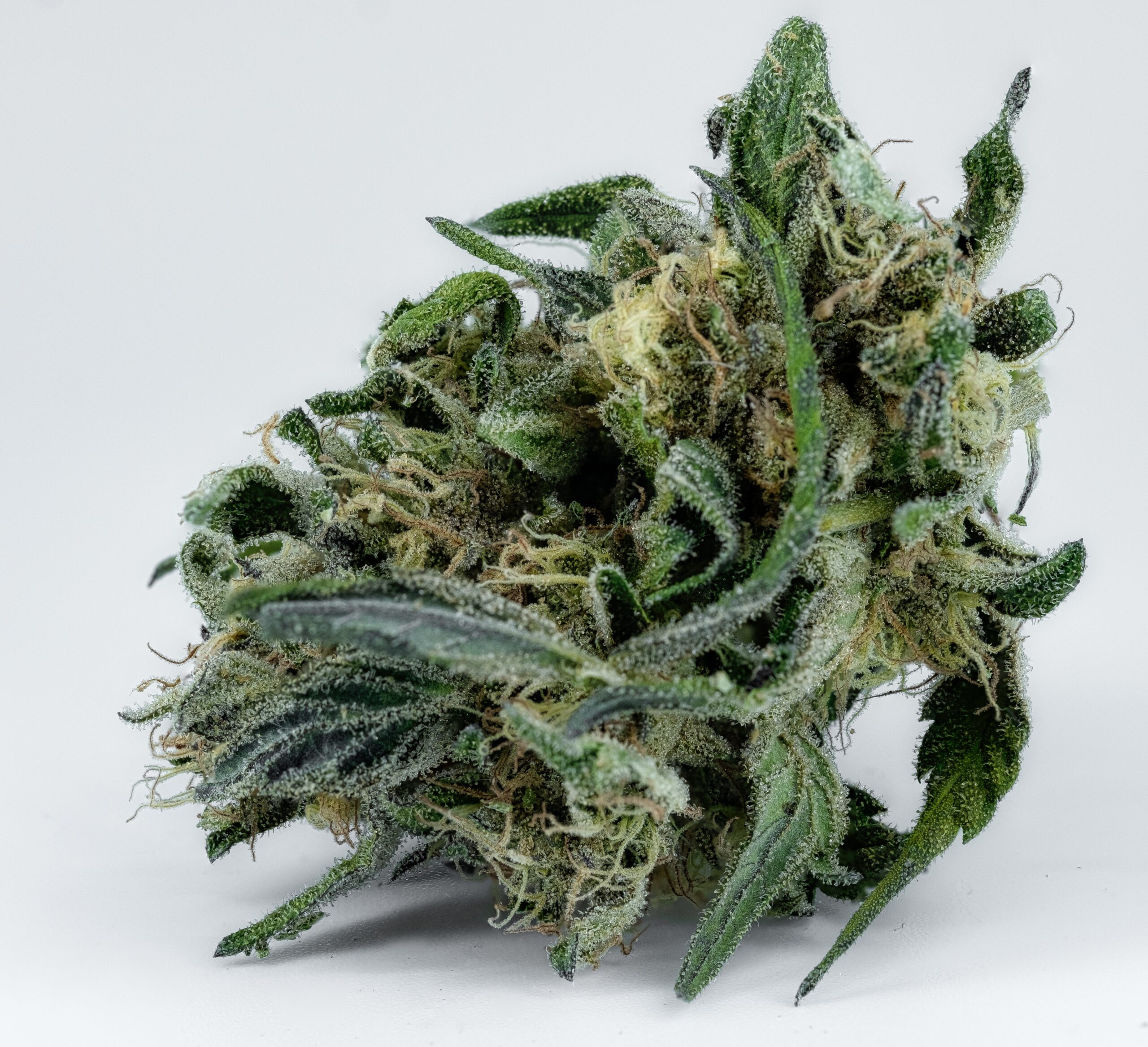


Bubba Kush is one of the most well-known cannabis strains in the world. Its name appears often in dispensary menus, online searches, and cannabis education resources. Many people want to know what Bubba Kush is, where it comes from, what it does, and why it has remained popular for so many years. This article is written to answer those questions in a clear and factual way, using simple language that is easy to understand.
At its core, Bubba Kush is a cannabis strain that is most often described as indica-dominant. It has a long history and a strong reputation for producing relaxing effects. Because of this, it is commonly linked to rest, calm, and physical relaxation. Over time, Bubba Kush has become a reference point for many other strains, meaning it is often used to compare effects, strength, and overall experience. This long-standing presence is one reason it continues to draw interest from both new and experienced cannabis consumers.
One reason Bubba Kush is widely searched online is that people often encounter the name before they understand what it means. Someone may see it listed at a dispensary or hear it mentioned in a conversation, then turn to a search engine to learn more. Common questions include whether it is an indica or sativa, how strong it is, what it is used for, and whether it is helpful for sleep or medical purposes. These questions are practical and often tied to personal needs, such as managing discomfort, improving rest, or understanding possible side effects. This article is designed to address those questions directly within each section, rather than offering vague or promotional descriptions.
Another reason for the continued interest in Bubba Kush is its reputation for consistency. While cannabis products can vary widely depending on how and where they are grown, Bubba Kush is often described as having a recognizable set of traits. These include a distinct aroma, a dense physical structure, and effects that tend to focus more on the body than the mind. Because of this, Bubba Kush is often discussed in educational materials about indica-dominant strains and their typical characteristics.
It is also important to understand that while Bubba Kush is well known, the experience it produces is not the same for everyone. Effects can change based on many factors. These include the amount used, the method of consumption, the individual’s body chemistry, tolerance level, and the exact version of the strain. Even two products with the same name can feel different if they were grown by different producers or processed in different ways. For this reason, information about Bubba Kush should always be viewed as general guidance, not a guarantee of a specific outcome.
This article takes an educational approach. It does not promote use or make personal recommendations. Instead, it focuses on explaining what Bubba Kush is, how it developed, and how it is commonly described in research, product labeling, and medical discussions. When medical or therapeutic uses are mentioned, they are presented in a general context and not as medical advice. Laws and regulations around cannabis also vary by location, so availability and legality depend on where a person lives.
The goal of this article is to give readers a full and balanced understanding of Bubba Kush. It covers its origins, genetic background, effects, strength, medical associations, possible side effects, and how it compares to similar strains. Each section builds on the last, helping readers move from basic knowledge to a deeper understanding without using complex terms or technical language. By the end of the article, readers should feel informed and better prepared to understand why Bubba Kush remains one of the most recognized names in cannabis culture.
In short, Bubba Kush is more than just a popular strain name. It is a part of cannabis history and a key example used to explain how indica-dominant strains are commonly experienced. Understanding Bubba Kush helps provide a broader understanding of cannabis itself, including how different strains are classified, why effects vary, and how people search for products that match their personal needs.
What Is Bubba Kush? Basic Strain Overview
Bubba Kush is a well-known cannabis strain that is widely recognized for its strong indica-dominant characteristics. It is often described as a classic strain because it has been available for decades and has influenced the development of many newer varieties. Bubba Kush is most commonly used for relaxation and is frequently associated with calming, body-focused effects.
Indica-Dominant Classification
Bubba Kush is classified as an indica-dominant hybrid. This means that while it may contain some sativa genetics, its effects, growth pattern, and physical traits are closer to those of indica strains. Indica-dominant strains are generally known for producing relaxing effects that are felt more in the body than in the mind. Because of this, Bubba Kush is often linked with evening or nighttime use.
The indica dominance of Bubba Kush also influences how the plant grows. It typically has a shorter, bushier structure with wide leaves. This growth style is common among indica plants and makes Bubba Kush easier to grow indoors compared to taller sativa varieties.
Typical THC and CBD Levels
Bubba Kush is best known for its moderate to high THC content. Most Bubba Kush products fall within a THC range of about 15% to 25%, depending on how the plant was grown and how the final product was processed. This level of THC is considered strong enough to produce noticeable effects but not always as intense as some modern high-THC strains.
CBD levels in Bubba Kush are usually low. In most cases, CBD content is under 1%. Because of this, Bubba Kush is not commonly used for CBD-specific purposes. Instead, its effects mainly come from THC and the plant’s terpene profile. Some growers have created Bubba Kush crosses with higher CBD, but the traditional version remains THC-focused.
Physical Characteristics of Bubba Kush
Bubba Kush has a distinct appearance that helps it stand out from other strains. The buds are usually dense, compact, and heavy, which is typical of indica-dominant cannabis. They often display deep green colors with hints of purple, especially when grown in cooler conditions.
The buds are also known for having a thick layer of trichomes. Trichomes are the tiny, crystal-like structures that contain cannabinoids and terpenes. A heavy trichome coating gives Bubba Kush a frosty look and contributes to its strong aroma.
The leaves are broad and dark green, another common indica trait. When grown properly, the plant produces sturdy branches that support its dense flowers.
Why Bubba Kush Is Considered a Foundational Strain
Bubba Kush is often called a foundational or legacy strain because it has played a major role in cannabis breeding. Many modern indica and hybrid strains use Bubba Kush genetics as part of their lineage. Breeders value Bubba Kush for its consistent effects, strong structure, and recognizable aroma.
Its long history also adds to its importance. Bubba Kush became popular before cannabis was widely legalized, which helped it gain a strong reputation through word of mouth and underground cultivation. Even with the introduction of many new strains, Bubba Kush has remained relevant and widely available.
Another reason Bubba Kush is considered foundational is its balance. It is strong but not extreme, relaxing but not overly stimulating, and flavorful without being harsh. These qualities make it a reference point for comparing other indica-dominant strains.
Common Uses and General Reputation
While specific effects vary, Bubba Kush is generally associated with calmness and physical relaxation. Because of this, it is often chosen by people looking for relief from stress or tension. Its reputation as a dependable, calming strain has helped it maintain popularity across different regions and markets.
Bubba Kush is available in many forms, including dried flower, concentrates, and infused products. Its consistency across product types also supports its reputation as a reliable strain.
Bubba Kush is an indica-dominant hybrid cannabis strain known for its dense buds, moderate to high THC levels, and long-standing role in cannabis history. It typically contains low CBD, has a compact growth pattern, and produces thick, resin-rich flowers. Bubba Kush is considered a foundational strain because of its influence on modern cannabis genetics and its consistent characteristics. These qualities have helped it remain popular and widely recognized over time.
The Origins and History of Bubba Kush
Bubba Kush is one of the most well-known cannabis strains in modern history, but its early origins are not fully documented. Much of what is known comes from breeder accounts, regional cannabis history, and genetic analysis. While some details remain debated, the general story of Bubba Kush’s development is widely accepted within cannabis research and cultivation communities.
Early Geographic Origins
Bubba Kush is commonly traced back to the United States, with most sources placing its origins in California during the early to mid-1990s. At that time, California was a major center for underground cannabis breeding. Growers experimented with genetics brought in from different parts of the world, especially strains from Afghanistan, Pakistan, and other regions known for indica plants.
The strain is believed to have first appeared in Southern California, where indoor cultivation was becoming more advanced. Growers were focused on creating plants with short flowering times, strong resin production, and relaxing effects. These goals shaped the early development of Bubba Kush.
Genetic Background and Parent Strains
The exact genetics of Bubba Kush are still discussed, but most accounts agree that it comes from indica-heavy lineage. One widely cited origin story suggests that Bubba Kush was created by crossing an Afghan landrace strain with another indica-dominant plant. Some sources also mention a possible connection to an early version of OG Kush, though this has not been confirmed through genetic testing.
Afghan landrace strains are known for their dense buds, high resin levels, and calming effects. These traits match many of the characteristics seen in Bubba Kush today. Because cannabis breeding was often informal and undocumented at the time, many early crosses were shared through clones rather than seeds. This makes it harder to track exact parent plants.
Despite this uncertainty, genetic studies consistently show that Bubba Kush is strongly indica-dominant, which supports the idea that it comes from traditional indica genetics rather than modern hybrid breeding.
Early Cultivation and Spread
In its early years, Bubba Kush was mainly grown and shared among small groups of cultivators. It gained attention because of its unique plant structure. Unlike taller cannabis plants, Bubba Kush grows short and bushy, with wide leaves and thick buds. This made it ideal for indoor growing, where space was limited.
As growers shared clones, Bubba Kush spread quickly throughout California. Its consistent growth pattern and reliable effects helped it stand out among many experimental strains. By the late 1990s, Bubba Kush had become a recognized name in underground cannabis circles.
Role of Underground Breeding Culture
The rise of Bubba Kush cannot be separated from the underground cannabis culture of the time. Because cannabis was illegal in most places, breeders often worked in private and did not keep formal records. Strains were named casually, sometimes based on nicknames, locations, or physical traits.
The name “Bubba” is believed to come from a nickname associated with the breeder or the plant itself. “Kush” refers to the Hindu Kush mountain region, which is known for producing indica landrace strains. This naming style was common and helped growers quickly understand the general type of plant they were dealing with.
As Bubba Kush became more popular, it was used as a parent strain in many new hybrids. Its genetics were valued for adding dense buds, earthy flavors, and relaxing effects to crossbred strains.
Entry Into the Legal Market
When medical cannabis programs began expanding in the early 2000s, Bubba Kush moved from underground cultivation into licensed dispensaries. Its reputation was already strong, which made it an easy choice for growers supplying medical patients. Over time, it became one of the standard indica strains offered in regulated markets.
Even as new strains entered the market, Bubba Kush remained popular due to its stable genetics and recognizable traits. Today, it is grown in many regions where cannabis is legal, often with slight genetic variations based on local breeding practices.
Bubba Kush developed during a key period in modern cannabis history, when underground breeders focused on quality, stability, and strong indica traits. While its exact genetics are not fully documented, its Afghan roots and California origins are widely accepted. Through clone sharing and informal breeding, Bubba Kush spread rapidly and became a foundation for many later strains. Its transition from underground cultivation to legal markets helped secure its lasting place in cannabis history.
Bubba Kush Genetics and Popular Variations
Bubba Kush is known not only for its effects but also for its genetics. Understanding its genetic background helps explain why this strain has stayed popular for decades and why so many variations exist today. While some details about its origins remain unclear, breeders and researchers generally agree on several key points about how Bubba Kush developed and how it has been adapted over time.
Genetic Background of Bubba Kush
Bubba Kush is widely described as an indica-dominant hybrid. Most sources trace its roots to a mix of landrace indica strains from Afghanistan or Pakistan and earlier hybrid strains that were popular in the United States during the 1990s. One commonly cited influence is an early version of OG Kush, though this connection is debated and not fully proven.
Because Bubba Kush was originally spread through informal breeding rather than official seed banks, its genetics were not recorded in a single, consistent way. This has led to slight genetic differences between plants labeled as Bubba Kush. Even so, the strain has maintained a recognizable profile over time, especially in terms of growth structure, aroma, and effects.
Bubba Kush plants tend to grow short and wide, which is typical of indica-dominant genetics. They often have thick stems, broad leaves, and dense buds. These traits suggest strong indica heritage, even when crossed with other strains.
Genetic Stability and Consistency
Despite early uncertainty around its origins, Bubba Kush is considered relatively genetically stable today. This means that plants grown from reliable clones or seeds usually show similar traits. These include compact growth, heavy resin production, and a terpene profile that leans earthy and sweet.
Genetic stability is important for growers and medical users. For growers, it allows more predictable results in yield and flowering time. For medical use, it helps ensure more consistent effects from one batch to another.
However, not all Bubba Kush products are genetically identical. Differences can appear based on how the plant was bred, grown, and harvested. Environmental factors such as light, temperature, and soil also play a role in shaping the final product.
Common Phenotypes of Bubba Kush
A phenotype is the physical expression of a plant’s genetics. Bubba Kush is known to produce several common phenotypes, or “phenos,” even within the same grow.
Some phenotypes show darker green or purple hues, while others remain lighter in color. Bud shape can also vary. Certain plants produce round, chunky buds, while others form longer and slightly looser flowers. Aroma differences are also common, with some phenotypes leaning more toward coffee or chocolate notes and others showing stronger earthy or spicy scents.
These variations do not mean the strain is low quality. Instead, they reflect the natural diversity found in cannabis genetics, especially in strains that were originally bred without strict controls.
Popular Bubba Kush Crosses and Variations
Because of its strong genetics and reliable effects, Bubba Kush has been used as a parent strain in many hybrids. Breeders often cross it with other strains to adjust potency, flavor, or growth traits.
Some variations are bred to increase THC levels, while others aim to enhance flavor or reduce flowering time. Bubba Kush has also been crossed with other indica strains to create even more relaxing effects, or with sativa-dominant strains to add mental clarity or energy.
While the names of these variations may differ, most Bubba Kush hybrids keep at least some of the original strain’s core traits. These often include deep relaxation, dense buds, and a rich aroma.
How Breeders Have Modified Bubba Kush Over Time
Over the years, breeders have worked to refine Bubba Kush for different purposes. Some have focused on indoor cultivation, selecting plants that grow well under artificial light and limited space. Others have aimed to improve resistance to pests or mold, which can be a concern with dense buds.
Modern breeding has also focused on terpene preservation. This means selecting plants that produce strong and consistent aromas. As consumer interest in flavor and scent has grown, this aspect of Bubba Kush genetics has become more important.
Despite these changes, many breeders try to stay close to the original genetic profile. This helps preserve what made Bubba Kush popular in the first place.
Bubba Kush genetics are shaped by a mix of strong indica heritage, early hybrid influences, and decades of selective breeding. While its exact origins are not fully documented, the strain has proven to be stable, adaptable, and reliable. Its natural genetic variation has allowed breeders to create many successful crosses while still keeping the core traits that define Bubba Kush. This balance between consistency and flexibility is one of the main reasons the strain remains widely grown and recognized today.
Aroma, Flavor, and Appearance
Bubba Kush is widely known for its strong sensory traits. These include its smell, taste, and visual appearance. Together, these qualities help distinguish Bubba Kush from many other cannabis strains. While exact traits can vary depending on how and where the plant is grown, Bubba Kush tends to show a consistent profile that many guides and studies describe in similar ways.
Aroma Profile
The aroma of Bubba Kush is usually rich and easy to recognize. It is most often described as earthy and deep, with warm and heavy notes. Many sources compare its smell to soil, wood, or damp forest ground. This earthy base aroma is one of the strain’s most defining features.
Along with the earthy scent, Bubba Kush often produces coffee- or cocoa-like notes. These smells can resemble roasted coffee beans or unsweetened dark chocolate. Some samples may also carry a slight sweetness, but it is usually mild rather than sugary.
In addition, many Bubba Kush plants give off spicy or herbal tones. These may resemble clove, pepper, or dried herbs. These scents become more noticeable when the buds are broken apart or ground, as this releases more aromatic compounds.
The aroma of Bubba Kush mainly comes from its terpene profile. Terpenes are natural compounds found in cannabis and many other plants. In Bubba Kush, terpenes such as myrcene, caryophyllene, and limonene are often present. These compounds are known for producing earthy, spicy, and slightly sweet scents. The balance of these terpenes plays a key role in the strain’s overall smell.
Flavor Characteristics
The flavor of Bubba Kush often reflects its aroma, especially when smoked or vaporized. Most descriptions note a smooth, earthy taste that stays consistent from the first inhale to the exhale. This flavor is usually not sharp or harsh, which makes it easier for some users to tolerate compared to stronger or more acidic strains.
Coffee and chocolate notes are also common in the flavor profile. These flavors tend to be more noticeable on the exhale, leaving a roasted or nutty aftertaste. In some cases, the flavor may lean more toward cocoa, while in others it may taste closer to espresso or dark roast coffee.
Spicy flavors can also appear, though they are often subtle. These may feel warm on the tongue or throat, rather than hot or biting. Herbal flavors, similar to dried leaves or tea, may also be present depending on the specific plant and curing process.
The flavor experience of Bubba Kush can change based on consumption method. Vaporizing at lower temperatures may highlight sweeter or herbal notes, while higher temperatures or smoking may bring out deeper, earthier flavors. Storage and freshness of the product also influence how strong or clear these flavors are.
Appearance and Visual Traits
Bubba Kush has a distinct visual appearance that sets it apart from many other strains. The buds are usually dense and compact, rather than long or fluffy. This tight structure is common in indica-dominant strains and reflects the plant’s growth pattern.
Color is another noticeable feature. Bubba Kush buds are often deep green, sometimes mixed with shades of olive or forest green. In some cases, purple tones may appear, especially when the plant is grown in cooler conditions. These purple hues can show up on the leaves, buds, or sugar leaves.
The buds are typically covered in a thick layer of trichomes, which are tiny crystal-like structures. Trichomes contain cannabinoids and terpenes, and they give the buds a frosted or slightly shiny look. This coating can make the buds feel sticky to the touch.
Bright orange or rust-colored pistils (hair-like structures) are also common. These pistils often stand out against the darker green or purple background, adding contrast to the bud’s appearance.
When properly cured, Bubba Kush buds tend to look firm and well-formed rather than dry or crumbly. Poor curing or storage can dull the color and reduce aroma, which is why appearance is often used as a quality indicator.
Bubba Kush is known for a strong and recognizable sensory profile. Its aroma is mostly earthy, with coffee, chocolate, and light spice notes. The flavor closely follows the smell, offering smooth, roasted, and herbal tastes. Visually, Bubba Kush stands out through its dense buds, deep green or purple coloring, heavy trichome coverage, and bright pistils. Together, these traits help explain why Bubba Kush remains one of the most easily identified and widely described cannabis strains.
Effects of Bubba Kush
Bubba Kush is widely known for its strong and calming effects. It is an indica-dominant strain, and its effects are usually felt more in the body than in the mind. However, the experience is not limited to physical sensations alone. Bubba Kush can affect mood, thinking, and energy levels as well. The effects can vary based on the individual, the amount used, and the method of consumption, but there are several effects that are commonly associated with this strain.
Mental Effects
One of the first effects many people notice from Bubba Kush is a sense of mental calm. Thoughts may slow down, and the mind may feel quieter. This effect is often described as relaxing rather than stimulating. Bubba Kush is not usually linked to high levels of mental energy or creativity. Instead, it tends to support a more peaceful and steady state of mind.
Some users report mild feelings of happiness or contentment. This does not usually come with intense excitement or bursts of focus. Instead, the mental effects are often described as gentle and steady. Because of this, Bubba Kush is often associated with evening or nighttime use rather than daytime activities that require alertness or quick thinking.
In higher amounts, Bubba Kush may cause mental heaviness. Concentration can become harder, and short-term memory may feel weaker for a time. These effects are more likely when larger doses are used or when THC levels are high.
Physical Effects
The physical effects of Bubba Kush are often more noticeable than the mental ones. Many people describe a deep sense of body relaxation that spreads slowly after use. Muscles may feel looser, and physical tension may decrease. This effect can make movement feel slower and more effortful.
A feeling often linked to Bubba Kush is “body heaviness.” This does not mean pain or discomfort, but rather a sense that the body wants to rest. For this reason, Bubba Kush is often connected with sitting, lying down, or preparing for sleep.
Some people may also notice a warm or soothing sensation in the body. Physical restlessness is usually reduced rather than increased. Because of these strong body-focused effects, Bubba Kush is not commonly chosen for physical activity or social events.
Onset Time and Duration
The time it takes for Bubba Kush effects to begin depends on how it is consumed. When smoked or vaporized, effects are often felt within a few minutes. The peak effects may occur within the first hour and then slowly decrease over the next two to three hours.
When Bubba Kush is consumed in edible form, the onset is much slower. Effects may take one to two hours to appear. However, once they begin, they may last much longer, sometimes six hours or more. The effects from edibles can also feel stronger and more intense than those from inhalation.
Factors That Influence Effects
Several factors can change how Bubba Kush feels. One major factor is dosage. Smaller amounts may lead to mild relaxation, while larger amounts can cause strong sedation and reduced mental clarity.
Tolerance also plays an important role. People with higher tolerance to THC may feel weaker effects compared to those with little or no tolerance. Body weight, metabolism, and overall health can also influence how long the effects last and how strong they feel.
The chemical makeup of the specific Bubba Kush product matters as well. THC levels can vary, and terpene content can affect how the strain feels. Products grown under different conditions may produce slightly different effects even if they share the same name.
Bubba Kush is known for its calming mental effects and strong physical relaxation. It tends to quiet the mind rather than energize it and often creates a heavy, restful feeling in the body. Effects usually begin quickly when inhaled and last a few hours, while edible forms last longer and feel stronger. Dosage, tolerance, and product quality all play a role in shaping the experience. Because of its relaxing nature, Bubba Kush is most often associated with rest, reduced activity, and end-of-day use rather than productivity or stimulation.
Is Bubba Kush Strong? Potency and THC Levels
Bubba Kush is widely known as a potent cannabis strain, especially when compared to many other indica-dominant varieties. Potency in cannabis usually refers to the amount of THC (tetrahydrocannabinol) present in the plant. THC is the main compound responsible for the psychoactive effects of cannabis. Understanding how strong Bubba Kush is requires looking at its typical THC levels, how those levels compare to other strains, and what factors can cause strength to vary from one product to another.
Typical THC Levels in Bubba Kush
Most Bubba Kush products contain moderate to high THC levels, usually ranging from 15% to 25% THC. Some carefully grown or specially bred versions may test slightly higher, while others may fall closer to the lower end of this range. CBD levels in Bubba Kush are usually very low, often below 1%, meaning the effects are mainly driven by THC rather than CBD.
A THC level above 15% is generally considered strong by many industry standards. Because Bubba Kush often falls well above this mark, it is commonly described as a high-potency strain. However, THC percentage alone does not fully explain how strong a strain may feel to someone using it.
How Bubba Kush Compares to Other Indica Strains
When compared to other indica-dominant strains, Bubba Kush is often placed in the upper-middle range for potency. Some modern strains bred for extreme THC content may exceed 30%, but Bubba Kush remains strong without reaching those extreme levels.
What sets Bubba Kush apart is not just its THC level, but how the cannabinoids and terpenes work together. This interaction, sometimes called the “entourage effect,” can make the strain feel stronger than the THC number alone suggests. Many indica strains with similar THC levels may feel different depending on their chemical makeup.
Why Perceived Strength Can Vary
Not everyone experiences Bubba Kush in the same way. Several factors influence how strong it feels, even if two products have the same THC percentage.
- Tolerance: People who use cannabis often may feel milder effects than those with little or no experience.
- Body chemistry: Weight, metabolism, and individual brain chemistry all play a role.
- Mood and setting: A calm or stressful environment can affect how strong the effects feel.
- Consumption method: Smoking, vaping, and edible forms can all produce different intensity levels.
Because of these factors, one person may find Bubba Kush very strong, while another may experience more moderate effects.
Impact of Cultivation Methods
How Bubba Kush is grown can also affect its potency. Factors such as lighting, nutrients, soil quality, and harvest timing all influence THC production. Indoor-grown Bubba Kush often tests higher in THC because growers can control environmental conditions more precisely. Outdoor-grown plants may vary more depending on climate and weather.
Curing and storage also matter. Poorly cured cannabis can lose potency over time, while properly stored flower can maintain its strength for longer periods.
Differences by Product Type
Bubba Kush is available in many forms, and potency can differ widely depending on the product.
- Flower: Most commonly falls within the 15%–25% THC range.
- Concentrates: Extracts made from Bubba Kush can reach much higher THC levels, sometimes above 60%.
- Edibles: THC content is measured per serving, and effects may feel stronger due to digestion and liver processing.
Because of these differences, strength should always be considered based on the product type, not just the strain name.
Understanding “Strong” in Practical Terms
A strong strain does not always mean overwhelming. In the case of Bubba Kush, strength is often associated with long-lasting and noticeable effects, rather than fast or intense stimulation. The strain’s potency tends to express itself more through physical relaxation than mental intensity.
This makes Bubba Kush a strain that many people approach with care, especially those who are new to cannabis or sensitive to THC.
Bubba Kush is generally considered a strong cannabis strain, with THC levels that often range from moderate to high. Its strength comes not only from THC content, but also from how its chemical components interact. Potency can vary based on growing methods, product form, and individual response. While not the most extreme strain available, Bubba Kush remains a powerful option that requires mindful and informed use.
Medical and Therapeutic Uses of Bubba Kush
Bubba Kush is often discussed in medical cannabis contexts because of its strong indica-dominant profile and well-known calming effects. While it is not a medicine approved by regulatory agencies, it is commonly referenced in medical cannabis programs and research discussions. This section explains how Bubba Kush is typically associated with symptom relief, why its chemical makeup matters, and why medical guidance is important when considering its use.
Common Medical Contexts for Bubba Kush
Bubba Kush is most often linked to conditions where relaxation and physical comfort are important. Because it is known for producing deep body effects, it is commonly discussed in relation to nighttime or end-of-day use. Medical cannabis patients and researchers often associate Bubba Kush with conditions that involve physical tension, restlessness, or difficulty relaxing.
In medical cannabis programs, indica-dominant strains like Bubba Kush are often categorized as supportive for patients who need help calming the body rather than increasing focus or energy. This makes Bubba Kush different from strains that are more stimulating or mentally uplifting. Its use is usually discussed in settings where sedation or strong relaxation is desired.
Symptoms Bubba Kush Is Commonly Associated With
Bubba Kush is frequently linked to relief from chronic pain. This includes muscle soreness, joint discomfort, and general body aches. The strain’s strong physical effects are often described as “heavy” or “grounding,” which is why it is commonly associated with pain-related conditions.
Another symptom often discussed alongside Bubba Kush is stress. High stress levels can cause both mental and physical tension. Bubba Kush is known for its calming effects on the nervous system, which is why it is often referenced in discussions about stress management.
Anxiety is another area where Bubba Kush is commonly mentioned. Its relaxing properties may help reduce racing thoughts and nervous tension for some individuals. However, responses to cannabis vary, and higher THC levels can sometimes increase anxiety in sensitive users. This is why careful use and professional guidance are important.
Sleep-related issues are also frequently associated with Bubba Kush. Many indica-dominant strains are discussed in the context of insomnia or disrupted sleep patterns. Bubba Kush’s ability to promote physical relaxation may make it easier for some people to fall asleep or stay asleep longer.
Bubba Kush is also sometimes mentioned in discussions about appetite stimulation. THC is known to influence appetite, and strains with higher THC levels may increase hunger in some individuals. This can be relevant for people dealing with appetite loss due to medical conditions or treatments.
Role of Cannabinoids and Terpenes
The potential medical relevance of Bubba Kush comes from its chemical makeup. Two main groups of compounds play a role: cannabinoids and terpenes.
THC (tetrahydrocannabinol) is the primary cannabinoid found in Bubba Kush. THC interacts with the body’s endocannabinoid system, which helps regulate pain, mood, sleep, and appetite. The relatively high THC levels in Bubba Kush are a key reason it is associated with strong physical effects.
CBD (cannabidiol) is usually present in much lower amounts in Bubba Kush. While CBD does not cause intoxication, it may influence how THC affects the body. Even small amounts of CBD can sometimes help balance THC’s intensity.
Terpenes also play an important role. Bubba Kush often contains terpenes such as myrcene, caryophyllene, and limonene. Myrcene is commonly linked to sedative and muscle-relaxing effects. Caryophyllene may interact with pain and inflammation pathways. Limonene is often associated with mood regulation. Together, these compounds may work alongside cannabinoids in what researchers call the “entourage effect.”
Importance of Medical Guidance and Regulations
It is important to understand that Bubba Kush is not a cure or a replacement for medical treatment. Its effects can vary widely depending on the individual, dosage, method of use, and overall health. People with existing medical conditions, mental health concerns, or those taking prescription medications should consult a healthcare professional before using cannabis.
Legal regulations also matter. Medical cannabis laws differ by region, and access to Bubba Kush may require medical authorization. Products sold through licensed dispensaries are more likely to be lab-tested for potency and contaminants, which improves safety and consistency.
Self-medicating without guidance can increase the risk of unwanted side effects, including dizziness, anxiety, or impaired coordination. Responsible use means understanding both the potential benefits and the limitations.
Bubba Kush is widely associated with medical cannabis discussions due to its strong relaxing and body-focused effects. It is commonly linked to pain, stress, sleep issues, and appetite concerns. These associations come from its THC content and terpene profile, which interact with the body’s natural systems. However, effects vary from person to person, and medical guidance is essential. Bubba Kush should be viewed as a supportive option within regulated and informed use, not as a standalone medical treatment.
Possible Side Effects and Safety Considerations
Like all cannabis strains, Bubba Kush can cause side effects. These effects are usually short term, but they can vary based on the person, the amount used, and the method of consumption. Understanding possible side effects and safety concerns helps readers make informed decisions and reduce avoidable risks.
Common Short-Term Side Effects
The most frequently reported side effects of Bubba Kush are considered mild to moderate. These effects are common across many cannabis strains, especially those with higher THC levels.
One of the most common effects is dry mouth, often called “cottonmouth.” This happens because THC reduces saliva production. Drinking water before and after use can help reduce this effect. Dry eyes are also common and may cause redness or irritation. Over-the-counter eye drops are often used to manage this symptom.
Another possible effect is drowsiness. Bubba Kush is known for its calming and body-focused effects, which may lead to tiredness or sleepiness. This effect can be stronger at higher doses or when used later in the day.
Some users may also experience slowed reaction time or reduced focus. These effects can affect coordination and attention. For this reason, activities such as driving, operating machinery, or making important decisions should be avoided while under the influence.
Less Common but Reported Reactions
While less frequent, some individuals may experience stronger or uncomfortable reactions. These effects are more likely when large amounts are consumed or when the user has a low tolerance to THC.
One possible reaction is dizziness or lightheadedness, especially when standing up quickly. This may be linked to temporary changes in blood pressure. Sitting or lying down can help reduce this feeling.
Another reported effect is anxiety or restlessness. Even though Bubba Kush is often associated with relaxation, THC can sometimes increase anxious feelings in certain individuals. This is more likely at higher doses or in people who are sensitive to THC.
In rare cases, some users may experience nausea or stomach discomfort. This is more common with edible products, which take longer to digest and may produce stronger effects over time.
Risk Factors Related to Overconsumption
Overconsumption is one of the main reasons side effects become uncomfortable. Bubba Kush often has moderate to high THC levels, which means using too much can increase the chance of unwanted effects.
Edibles present a higher risk of overuse because their effects are delayed. A person may consume more before feeling the initial dose, leading to stronger effects later. Inhaled forms, such as smoking or vaporizing, act faster and are easier to control in small amounts.
Tolerance also plays a role. New or occasional users may feel effects more strongly than experienced users. Body weight, metabolism, and overall health can also influence how the body responds to THC.
Mixing cannabis with alcohol or other substances can increase side effects and reduce safety. Combined use may lead to stronger impairment and higher health risks.
Guidance on Responsible Use and Contraindications
Responsible use begins with low doses, especially for individuals who are new to cannabis or unfamiliar with Bubba Kush. Gradual use allows time to understand how the body responds.
People with a history of anxiety disorders, heart conditions, or sensitivity to THC should use extra caution. THC can increase heart rate for a short time, which may be a concern for some individuals. Medical guidance is recommended for those with existing health conditions.
Pregnant or breastfeeding individuals are generally advised to avoid cannabis use due to potential risks that are still being studied. Cannabis may also interact with certain prescription medications, which makes professional advice important.
Using cannabis only in legal settings and purchasing products from licensed sources helps reduce safety risks. Regulated products are tested for potency, contaminants, and labeling accuracy, which supports safer use.
Bubba Kush may cause side effects similar to other THC-containing cannabis strains. Common effects include dry mouth, dry eyes, drowsiness, and reduced focus. Less common reactions may include dizziness, anxiety, or nausea, especially at higher doses. Overconsumption increases the risk of discomfort, particularly with edible products or low tolerance levels. Responsible use, starting with small amounts, and understanding personal health factors are key steps in reducing risk and supporting safer cannabis use.
Bubba Kush for Sleep and Relaxation
Bubba Kush is often linked with sleep and deep relaxation. This connection comes from its indica-dominant nature, its cannabinoid content, and the way many people describe its physical effects. While experiences can vary, this section explains why Bubba Kush is commonly discussed in relation to nighttime use, rest, and winding down.
Why Bubba Kush Is Often Associated With Nighttime Use
Bubba Kush is widely known as a strain that promotes calm and stillness rather than energy or alertness. Many indica-dominant strains are described this way, and Bubba Kush is one of the most well-known examples. Its effects are usually described as slow-building and body-focused, which can make it less suitable for busy daytime activities.
People often choose Bubba Kush later in the day because it may encourage a relaxed state that fits evening routines. These routines can include watching television, reading, or preparing for bed. Because it is not commonly linked with mental stimulation or productivity, it is usually not recommended for work or social events that require focus.
Another reason Bubba Kush is tied to nighttime use is its potential to reduce physical tension. A relaxed body can make it easier to settle into bed and remain still, which is an important part of falling asleep.
The Role of Indica-Dominant Strains in Relaxation
Indica-dominant strains are often grouped together because of their similar general effects. These strains are usually associated with physical calm, muscle relaxation, and a slower pace. Bubba Kush fits into this category due to its genetic makeup and reported effects.
Relaxation does not always mean immediate sleep. In many cases, it refers to a gradual calming of the body and mind. Bubba Kush is often described as helping reduce restlessness, which can be helpful for people who struggle to relax at the end of the day.
This calming effect may also support a smoother transition from wakefulness to rest. Instead of feeling alert or overstimulated, the body may feel more prepared for sleep.
Cannabis and Sleep: What Research Suggests
Research on cannabis and sleep is still developing. Some studies suggest that THC, the main psychoactive compound in cannabis, may help reduce the time it takes to fall asleep. Bubba Kush often contains moderate to high levels of THC, which may explain why it is commonly associated with sleep support.
Terpenes may also play a role. Bubba Kush is known for earthy and rich aromas, which are often linked to terpenes that may promote calmness. While research on terpenes is ongoing, they are believed to influence how cannabis affects the body and mind.
It is important to note that cannabis does not affect everyone the same way. Some people may feel relaxed, while others may experience different results. Because of this, Bubba Kush should not be seen as a guaranteed sleep aid.
Limits and Considerations for Sleep Use
Even though Bubba Kush is often linked with sleep, there are limits to what it can do. Cannabis is not a replacement for healthy sleep habits. Poor sleep can be caused by many factors, such as stress, diet, or irregular schedules. Bubba Kush may support relaxation, but it does not address these root causes.
Dosage is also important. Using too much may lead to discomfort, such as grogginess or difficulty concentrating the next day. Timing matters as well. Taking Bubba Kush too late at night may affect how refreshed someone feels in the morning.
Another consideration is tolerance. Over time, frequent use may reduce the effects, including those related to sleep. This is one reason why medical guidance is often recommended, especially for people using cannabis for ongoing sleep issues.
Bubba Kush is commonly associated with sleep and relaxation because of its indica-dominant traits, calming effects, and typical cannabinoid profile. It is often chosen for evening or nighttime use due to its potential to reduce physical tension and encourage rest.
While it may support relaxation and help some people prepare for sleep, results vary from person to person. Bubba Kush should be used thoughtfully, with attention to timing, dosage, and overall sleep habits. Understanding its limits is just as important as understanding its potential benefits.
Consumption Methods and Dosage Considerations
Bubba Kush can be consumed in several different ways. Each method affects how quickly the effects begin, how strong they feel, and how long they last. Understanding these differences helps readers make informed and responsible choices. This section explains the most common consumption methods, general dosage principles, and important safety and legal considerations.
Common Methods of Consumption
Smoking (Flower)
Smoking dried Bubba Kush flower is one of the most traditional methods. The cannabis is usually rolled into a joint, smoked in a pipe, or used in a water bong. When smoked, the active compounds enter the bloodstream through the lungs.
- Effects often begin within minutes
- The intensity can be easier to control because small amounts can be used
- Effects usually last 2 to 4 hours
Smoking creates immediate results, but it also involves combustion, which may irritate the lungs for some people.
Vaporizing (Flower or Concentrates)
Vaporizing heats cannabis without burning it. This releases cannabinoids and terpenes as vapor instead of smoke.
- Effects begin quickly, similar to smoking
- Many people find vaporizing smoother than smoking
- Flavor and aroma are often more noticeable
Vaporizing allows better temperature control, which may change how Bubba Kush feels depending on the heat level used.
Concentrates
Concentrates include products like wax, shatter, and oils. These contain much higher levels of THC than flower.
- Effects are strong and fast-acting
- Small amounts produce powerful results
- Not recommended for inexperienced users
Because Bubba Kush concentrates are highly potent, careful measurement is important to avoid overconsumption.
Edibles
Edibles include foods or drinks infused with cannabis, such as gummies or baked goods.
- Effects take longer to start, usually 30 minutes to 2 hours
- Effects last much longer, often 6 to 8 hours or more
- The experience can feel stronger and more body-focused
Edibles are processed through the digestive system and liver, which changes how THC affects the body. This delayed onset is a common reason people accidentally consume too much.
Differences in Onset and Duration
The way Bubba Kush is consumed greatly affects timing:
- Fast onset: Smoking and vaporizing
- Slow onset: Edibles
- Shorter duration: Inhaled methods
- Longer duration: Edibles and some oils
Understanding onset time helps prevent taking more too soon, which is a common cause of discomfort.
General Dosage Principles
There is no universal dose that works for everyone. Effects depend on body size, tolerance, metabolism, and sensitivity to THC. However, general principles apply:
- Start with a low amount
- Increase slowly if needed
- Wait long enough to feel full effects before using more
For inhaled methods, one or two small puffs may be enough for some people. For edibles, low doses are especially important due to delayed effects. Reading product labels and THC content is essential.
This information is not medical advice. People using cannabis for medical reasons should consult a qualified healthcare professional when possible.
Importance of Labeling and Product Testing
Legally regulated cannabis products are tested by certified laboratories. These tests usually show:
- THC and CBD levels
- Presence of pesticides or contaminants
- Product freshness and safety
Accurate labeling helps users understand potency and avoid unexpected effects. Unregulated products may lack this information, increasing health risks.
Legal and Safety Considerations
Cannabis laws vary by location. Some regions allow medical use, recreational use, or both, while others prohibit cannabis entirely. Users should always know and follow local laws.
Safety guidelines include:
- Avoid driving or operating machinery while impaired
- Store products away from children and pets
- Do not mix cannabis with alcohol or other substances without understanding risks
Responsible use reduces the chance of negative effects and legal issues.
Bubba Kush can be consumed through smoking, vaporizing, concentrates, or edibles, and each method affects how quickly and how strongly it works. Inhaled methods act fast but wear off sooner, while edibles take longer and last much longer. Because Bubba Kush often contains moderate to high THC levels, starting with a low dose and increasing slowly is important. Reading product labels, choosing tested products, and following local laws all play a key role in safe and informed use.
Legal Status and Availability
The legal status of Bubba Kush depends on where a person lives. Cannabis laws are not the same everywhere, and they can change over time. Because Bubba Kush is a cannabis strain, it follows the same laws that apply to marijuana in general. Understanding these laws is important for safety, compliance, and access.
Cannabis Laws Vary by Region
In some countries and regions, cannabis is legal for medical use, recreational use, or both. In other places, cannabis remains illegal or is only allowed under very limited conditions. Bubba Kush does not have a special legal category of its own. If cannabis is legal where a person lives, Bubba Kush may be legal as well. If cannabis is illegal, Bubba Kush is also illegal.
In areas with medical cannabis laws, Bubba Kush may be available to patients who have approval from a licensed healthcare provider. These programs often require a medical card or registration. The list of approved conditions varies by region, and rules can be strict.
In areas with recreational cannabis laws, adults above a certain age can legally buy Bubba Kush products without a medical reason. However, there are usually limits on how much can be purchased or possessed at one time.
In regions where cannabis is fully illegal, possession, sale, or use of Bubba Kush can lead to legal penalties. These penalties may include fines, confiscation, or other legal consequences. This is why it is important to know and follow local laws.
Medical vs. Recreational Availability
Where cannabis is legal, Bubba Kush may be sold in two main markets: medical and recreational.
In medical markets, Bubba Kush is often promoted for its potential calming and body-focused effects. Products may include dried flower, oils, capsules, or other forms. Medical cannabis products may be subject to specific labeling rules, dosage guidance, and quality controls.
In recreational markets, Bubba Kush is sold for adult use without medical approval. These products may include flower, pre-rolls, concentrates, edibles, and vape products. Recreational laws often focus on age limits, packaging rules, and public use restrictions.
Even in places where both markets exist, the products, prices, and strength levels may differ. Medical products may be cheaper or more potent, depending on local rules.
Licensed Dispensaries and Retailers
Where cannabis sales are legal, Bubba Kush should be purchased only from licensed dispensaries or retailers. Licensed sellers are required to follow safety and quality standards set by local regulators. These standards are meant to protect consumers.
Buying from licensed sources helps ensure:
- The product has been tested for harmful substances
- THC levels are clearly labeled
- The strain name matches the product
- Packaging meets safety requirements
Unlicensed sellers may not follow these rules. Products from these sources may be mislabeled, contaminated, or inconsistent in strength.
Product Testing and Quality Standards
In many legal markets, cannabis products must be tested by certified laboratories. These tests often check for:
- THC and CBD levels
- Pesticides
- Mold or bacteria
- Heavy metals
- Residual solvents (for concentrates)
Test results are usually available on the product label or through a batch number. This testing helps consumers make informed decisions and reduces health risks.
However, testing rules vary by location. Some regions have strict standards, while others have fewer requirements. This can affect the quality and consistency of Bubba Kush products across different markets.
Availability and Supply Differences
Availability of Bubba Kush can vary even in legal areas. Some regions may have many growers and retailers, making the strain easy to find. Other areas may have limited supply or only carry Bubba Kush occasionally.
Factors that affect availability include:
- Local cultivation laws
- Demand for the strain
- Licensing limits
- Production costs
- Seasonal growing conditions
Because Bubba Kush is a well-known strain, it is often used as a parent strain or adapted into hybrids. In some markets, these related strains may be more common than the original version.
Bubba Kush’s legal status depends entirely on local cannabis laws. It may be legal for medical use, recreational use, both, or not legal at all. Where it is legal, it is usually available through licensed dispensaries that follow safety and testing rules. Laws, availability, and product quality can vary widely by region. For anyone interested in Bubba Kush, understanding local regulations and purchasing from licensed sources is essential for safety and compliance.
How Bubba Kush Compares to Similar Strains
Bubba Kush is often compared to other indica-dominant cannabis strains because it shares many traits that are common in this category. These include relaxing body effects, calming mental effects, and a reputation for evening or nighttime use. Even so, Bubba Kush has several features that help it stand apart from similar strains. Understanding these differences can help readers see why Bubba Kush remains widely recognized even after many years on the market.
One of the most common comparisons is between Bubba Kush and other classic indica strains such as OG Kush, Hindu Kush, and Afghani varieties. While these strains may share genetic roots or similar effects, their overall experiences can differ in important ways.
Bubba Kush vs. OG Kush
Bubba Kush and OG Kush are often confused because of their similar names and shared history. However, they produce different effects for many people. OG Kush is known for a more balanced mix of mental stimulation and body relaxation. It may feel more uplifting at first, followed by calmness later on. Bubba Kush, by contrast, is more focused on physical relaxation from the start. Its effects are commonly described as heavier and more sedating.
Flavor is another point of difference. OG Kush often has sharper notes, such as citrus or pine, while Bubba Kush tends to have deeper, earthier flavors. These may include hints of coffee, cocoa, or spice. This difference in taste is linked to each strain’s terpene profile, which affects both aroma and effects.
Bubba Kush vs. Hindu Kush
Hindu Kush is a landrace strain, meaning it developed naturally in a specific region over time. It is known for strong indica effects and a straightforward, earthy aroma. Bubba Kush shares some of these traits, but it is generally considered more refined through selective breeding.
Compared to Hindu Kush, Bubba Kush often has a richer flavor profile and denser buds. Hindu Kush may feel more raw or simple in its effects, while Bubba Kush is often described as smoother and more consistent. This consistency has helped Bubba Kush become popular with growers and consumers alike.
Bubba Kush vs. Afghani Strains
Afghani strains are another group commonly compared to Bubba Kush. These strains are known for their strong body effects and resin-heavy buds. Bubba Kush shares the deep relaxation that Afghani strains are known for, but it often produces less mental fog at moderate doses.
In many cases, Afghani strains can feel very heavy and mentally dulling. Bubba Kush may still feel strong, but it is often described as more balanced, allowing users to remain mentally calm without complete mental shutdown. This difference can make Bubba Kush more approachable for some people.
Differences in Potency and Effects
When comparing Bubba Kush to similar indica-dominant strains, potency is an important factor. Bubba Kush usually falls in a moderate-to-high THC range, but it is not always the strongest option available. Some newer strains are bred to reach much higher THC levels.
Despite this, Bubba Kush remains popular because its effects are predictable. Many high-THC strains can feel overwhelming or inconsistent. Bubba Kush is often valued for its steady, long-lasting relaxation without sudden spikes in intensity. This reliability helps explain why it remains in demand even as stronger strains enter the market.
Flavor and Aroma Distinctions
Flavor plays a major role in how Bubba Kush compares to other indica strains. While many indica-dominant strains lean heavily toward pine, skunk, or fuel-like aromas, Bubba Kush is known for warmer, sweeter scents. These may include chocolate, coffee, or nutty notes.
These flavor differences are not just cosmetic. Terpenes influence how a strain feels as well as how it tastes. The terpene mix commonly found in Bubba Kush is associated with calming and grounding effects, which reinforces its reputation as a deeply relaxing strain.
Why Bubba Kush Remains Distinct
Even with many similar strains available, Bubba Kush continues to stand out for several reasons. First, it has a long history and a strong reputation. Many newer strains are still being evaluated, while Bubba Kush has decades of documented use and breeding.
Second, its effects are well-known and consistent. This makes it easier for consumers and medical users to know what to expect. Third, Bubba Kush has influenced many modern strains, meaning its genetics are still shaping the cannabis market today.
Rather than competing only on strength, Bubba Kush maintains its place by offering balance, reliability, and a distinct sensory experience. These traits help explain why it is still commonly compared to other indica strains and often chosen over them.
When compared to other indica-dominant strains, Bubba Kush stands out for its deep physical relaxation, rich flavor profile, and reliable effects. While it shares traits with strains like OG Kush, Hindu Kush, and Afghani varieties, it differs in balance, aroma, and consistency. Bubba Kush may not always be the strongest option, but its predictability and long-standing reputation continue to make it a benchmark strain in the cannabis world.
Conclusion: Key Takeaways About Bubba Kush
Bubba Kush is one of the most well-known cannabis strains, and its reputation has lasted for decades. This strain is best understood as an indica-dominant variety that is closely linked to relaxation, physical calm, and nighttime use. Throughout this article, Bubba Kush has been examined from several angles, including its origins, genetics, effects, medical relevance, safety considerations, and legal status. Looking at all of these areas together helps explain why Bubba Kush remains a reference point for many other strains.
The origins of Bubba Kush play a major role in its lasting popularity. Developed in the United States during the 1990s, the strain became widely recognized due to its strong indica traits and consistent effects. Its genetic background, while debated in some details, is generally tied to Afghan and Kush landrace varieties. These genetics are known for producing dense plants, calming effects, and earthy aromas. Over time, Bubba Kush became a base strain used by many breeders, which helped spread its influence across the cannabis market.
From a physical standpoint, Bubba Kush is easy to identify. It typically produces compact buds with dark green tones, orange hairs, and a thick layer of resin. The aroma is often described as earthy and rich, with notes that may remind people of coffee, chocolate, or spice. These traits come from the strain’s terpene profile, which also plays a role in shaping its effects. Flavor and smell are important to many users, but they also help researchers and growers understand how the plant expresses its genetics.
The effects of Bubba Kush are another reason it stands out. It is most often associated with deep physical relaxation and a calming mental state. Many people report feeling heavy or sedated after use, which is why the strain is commonly linked to evening or nighttime consumption. Bubba Kush is not typically described as energizing or stimulating. Instead, it is known for slowing the body down and reducing physical tension. These effects can vary based on dosage, tolerance, and the way the product is consumed, but the overall profile remains consistent.
Potency is an important factor when discussing Bubba Kush. The strain usually contains moderate to high levels of THC, though exact numbers depend on how it is grown and processed. While it may not always reach the highest THC levels found in modern hybrids, Bubba Kush is often considered strong because of how its effects feel. Strength is not only about THC percentage. The interaction between cannabinoids and terpenes can make the experience feel more intense, especially for those with lower tolerance.
Bubba Kush is also commonly discussed in medical contexts. It has been associated with symptom relief related to pain, stress, sleep problems, and appetite loss. These uses are linked to its relaxing and sedating effects. However, it is important to note that medical cannabis research is still developing. Effects can differ widely from person to person, and Bubba Kush should not be seen as a guaranteed solution for any condition. Medical guidance and local regulations should always be considered before use.
Safety is another key topic. Like many cannabis strains, Bubba Kush can cause side effects such as dry mouth, dry eyes, dizziness, or fatigue. In higher amounts, it may lead to discomfort or anxiety, especially for inexperienced users. Responsible use, proper dosing, and awareness of personal limits are essential. Bubba Kush is often not recommended for daytime use when alertness is needed, such as before work or driving.
Legal access to Bubba Kush depends entirely on location. Laws vary by country, state, and region, and these laws can change over time. In places where cannabis is legal for medical or adult use, Bubba Kush is often available through licensed sellers. Purchasing from regulated sources helps ensure product testing, accurate labeling, and safer consumption.
When compared to other indica-dominant strains, Bubba Kush continues to stand out for its balance of flavor, potency, and effects. While many newer strains have been developed, Bubba Kush remains a benchmark. It is often used as a comparison point when evaluating other relaxing or sleep-focused strains.
In summary, Bubba Kush remains important because it is consistent, well-studied, and widely recognized. Its long history, distinct effects, and ongoing presence in both medical and recreational markets explain why it continues to be searched and discussed. Understanding Bubba Kush in a clear and informed way allows readers to better grasp its role in cannabis culture and why it has remained relevant for so many years.
Research Citations
Fischedick, J. T., Hazekamp, A., Erkelens, T., Choi, Y. H., & Verpoorte, R. (2017).
Identification of terpenoid chemotypes among high (−)-trans-Δ9-tetrahydrocannabinol–producing Cannabis sativa L. cultivars.
— Identifies terpene chemotype groupings that include Bubba Kush, highlighting dominant myrcene and β-caryophyllene profiles.
Baron, E. P. (2018).
Patterns of medicinal cannabis use, strain analysis, and substitution effect among patients with headache disorders.
— Reports patient-reported outcomes where Bubba Kush appears among frequently selected medicinal strains.
Samarakova, M., et al. (2022).
Comparison of terpene profile in fresh and dry flowers of Cannabis sativa L. (Bubba Kush × OG Kush).
— Examines terpene stability and variation in a Bubba Kush–derived hybrid during post-harvest processing.
Ivanova, P., et al. (2022).
Individual variability of cannabinoid content in outdoor cultivated Bubba Kush × OG Kush Cannabis strain.
— Analyzes cannabinoid concentration differences between genetically similar plants grown under identical conditions.
Vergara, D., et al. (2019).
Gene copy number is associated with phytochemistry in Cannabis sativa. AoB PLANTS, 11(6), plz074.
— Uses the Pineapple Banana Bubba Kush (PBBK) genome to link gene duplication with cannabinoid and terpene output.
Cai, S., et al. (2021).
CannabisGDB: a comprehensive genomic database for Cannabis. Plant Biotechnology Journal.
— Describes genomic resources that include Pineapple Banana Bubba Kush as a reference marijuana genome.
National Center for Biotechnology Information (NCBI). (2017).
Cannabis sativa genome assembly: cultivar Pineapple Banana Bubba Kush.
— Official genome assembly record widely cited in cannabis genomics research.
Torres, A., et al. (2022).
High-throughput methods to identify male Cannabis sativa plants at early developmental stages. Journal of Cannabis Research.
— Utilizes genomic data derived from Pineapple Banana Bubba Kush in sex-determination marker development.
Hussain, T., et al. (2021).
Cannabis sativa research trends, challenges, and new-age perspectives. iScience.
— Reviews modern cannabis genomics and references Bubba Kush–derived genomes as milestones in the field.
Kamal, B. S., et al. (2018).
Cannabis and the anxiety of fragmentation—A systems approach for finding an anxiolytic cannabis chemotype. Frontiers in Neuroscience.
— Includes Bubba Kush among patient-rated strains associated with anxiolytic effects.
Questions and Answers
Q1: What is Bubba Kush?
Bubba Kush is a popular indica-dominant cannabis strain known for its relaxing, sedative effects and rich, earthy flavor profile.
Q2: What are the origins of Bubba Kush?
Bubba Kush is believed to have originated in the United States, likely from a cross involving OG Kush and an unknown indica strain, gaining popularity in California during the 1990s.
Q3: What type of strain is Bubba Kush?
Bubba Kush is an indica-dominant strain, often classified as a pure or near-pure indica.
Q4: What does Bubba Kush smell and taste like?
Bubba Kush typically has aromas and flavors of earth, coffee, chocolate, and sweet hash, sometimes with subtle notes of spice.
Q5: What effects is Bubba Kush known for?
Bubba Kush is known for deep physical relaxation, stress relief, and a calming mental effect that can lead to couch-lock or sleepiness.
Q6: What is Bubba Kush commonly used for?
Many people use Bubba Kush to help manage stress, anxiety, insomnia, pain, and muscle tension.
Q7: What is the typical THC content of Bubba Kush?
Bubba Kush usually has THC levels ranging from about 15% to 25%, depending on how it is grown and cultivated.
Q8: Is Bubba Kush suitable for daytime use?
Bubba Kush is generally better suited for evening or nighttime use due to its heavy, sedating effects.
Q9: What do Bubba Kush plants look like?
Bubba Kush plants are typically short and bushy with broad leaves, dense buds, and colors ranging from deep green to purple hues.
Q10: Why is Bubba Kush so popular?
Bubba Kush is popular because of its strong relaxation effects, distinctive flavor, reliability, and reputation as a classic indica strain.