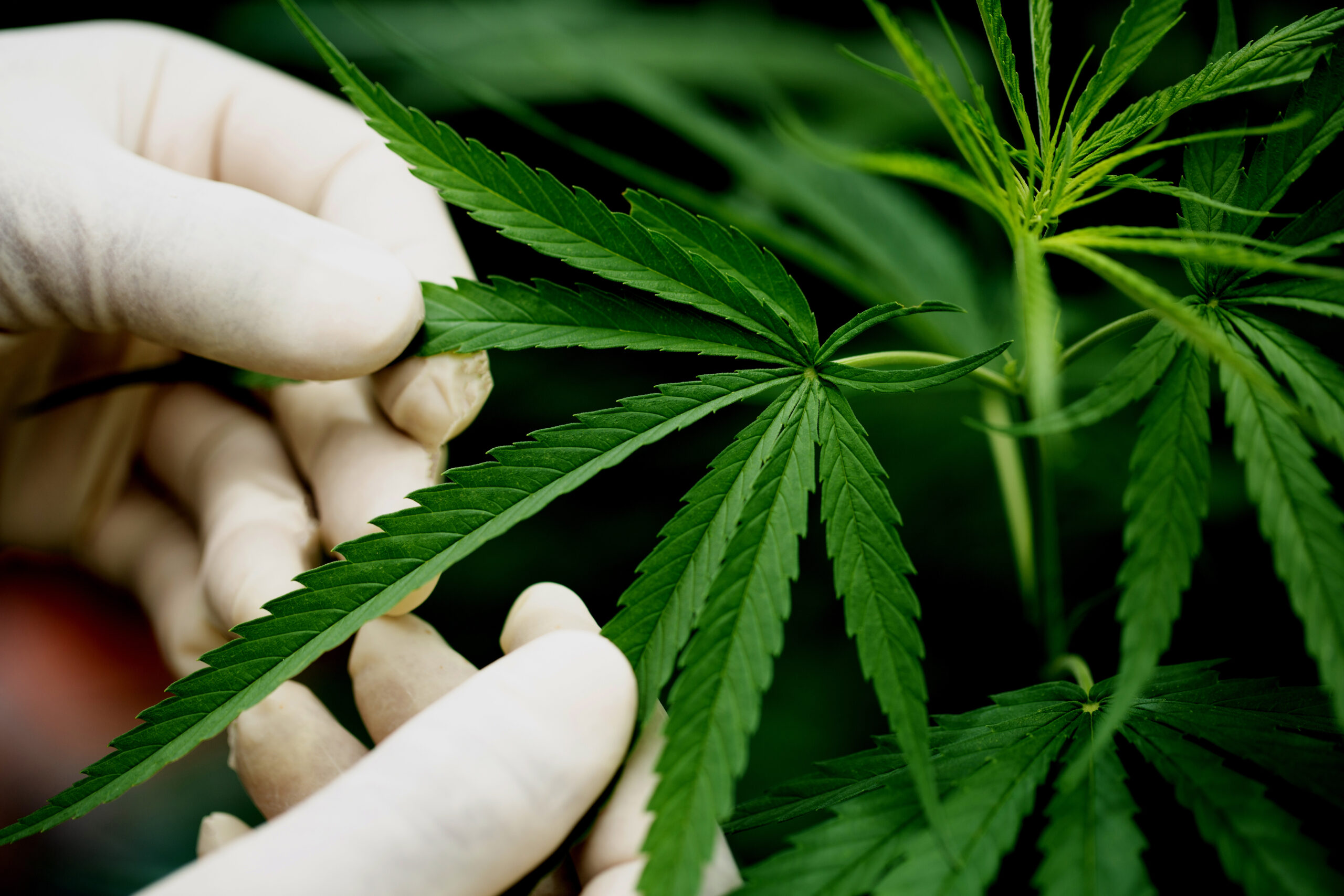


Cannabis is a plant that contains many natural compounds. Some of these compounds can affect how you feel and how your body works. The most talked-about compounds are called cannabinoids. You have probably heard of THC and CBD. THC is the main cannabinoid that can make a person feel “high.” CBD is widely used because it does not cause the same strong high as THC. But cannabis has many more cannabinoids than just these two. In fact, researchers have identified dozens of cannabinoids, and people are now paying more attention to the ones found in smaller amounts. These are often called “minor cannabinoids.”
One minor cannabinoid that is getting a lot of interest is CBN. CBN stands for cannabinol. Many people are searching for answers to simple questions like “What is CBN?” and “What does CBN do?” This is happening for a few reasons. First, more cannabis and hemp products are now sold in stores and online, so people see new labels and ingredients. Second, more people are looking for cannabis-related options for common issues like sleep problems, stress, or discomfort. Many products that claim to help with sleep include CBN, so it has become a popular topic. Third, the public is learning that cannabis is not just one thing. Different cannabinoids can have different effects, and the same person can react differently depending on the product and dose.
Even though CBN is often discussed online, it can be confusing. Some sources describe CBN as a “sleep cannabinoid,” but the full picture is more complex. Research on CBN is still developing, and not every claim you see in ads is fully proven. Also, some CBN products contain other cannabinoids, including THC. That matters because THC can change the effects, increase side effects, and affect things like drug testing. So, it is important to understand what CBN is, where it comes from, how it may work, and what risks it may bring.
This article is written to give you a clear, practical guide to CBN in cannabis. It starts with the basics, so you do not need a science background to follow along. You will learn what CBN is and how it is different from THC and CBD. You will also learn why CBN is usually found in low amounts in fresh cannabis and how it forms over time. This helps explain why older cannabis flower may contain more CBN than newly harvested flower. Understanding how CBN is made is useful because it also affects how CBN products are produced and labeled.
Next, the article explains how CBN may work in the body. Cannabinoids interact with a system in your body called the endocannabinoid system. This system is involved in many normal processes, such as mood, sleep, appetite, and how the body responds to stress. By learning the basics of how cannabinoids interact with this system, you can better understand why CBN may feel calming for some people and why its effects can depend on dose and product type.
The article also covers what CBN may be used for. Many people want to know if CBN helps with sleep and how strong it is compared to CBD or THC. We will review what is known so far, what is still uncertain, and why product formulas matter. For example, some sleep gummies contain CBN plus CBD, melatonin, or small amounts of THC. Those extra ingredients can change the results. It is important to separate what CBN might do on its own from what a combined product may do.
Safety is another major reason people search for CBN. You may wonder if CBN can cause side effects, if it can make you feel high, or if it could interact with medicines. Like many cannabinoids, CBN may cause drowsiness, dry mouth, or dizziness, especially at higher doses. People who are sensitive to THC may also want to know if CBN products can contain THC, even when the label focuses on CBN. This article explains common side effects, who should be more careful, and why starting low and going slow is a smart approach for many adults.
Legality is also a common concern. In some places, CBN may be sold as a hemp-derived product. In other places, the rules may be different depending on where the CBN comes from and how it is made. Laws can be confusing, and they can change. This guide will explain the basics of how CBN products are often regulated and why it is important to check local rules.
Finally, we will talk about real-world use. You will learn about common CBN product types like oils, capsules, gummies, and vapes. You will also learn what to look for on labels, why third-party testing matters, and how to reduce the risk of buying low-quality products. We will also address a big practical question: whether CBN can affect drug tests. Even if CBN itself is not the main target of most tests, THC in the product may still create a risk.
By the end of this article, you should have a clear understanding of what CBN is, why it exists in cannabis, what it may be used for, and what to watch out for. In short, CBN is a lesser-known cannabinoid that is often linked to relaxation and sleep, but it is not magic and it is not risk-free. Learning the basics will help you make safer, smarter choices if you decide to try it.
What Is CBN? Cannabinol Explained
CBN stands for cannabinol. It is one of the many natural compounds found in the cannabis plant. These compounds are called cannabinoids. Most people know THC and CBD, but cannabis contains many other cannabinoids in smaller amounts. CBN is often called a minor cannabinoid because it is usually present in low levels compared to THC or CBD.
CBN is interesting because it is closely linked to THC. In a simple way, you can think of CBN as a “changed form” of THC. Over time, THC can break down and turn into CBN. This is one of the main reasons CBN is usually found in small amounts in fresh cannabis flower.
What does CBN stand for?
CBN is short for cannabinol. You may also see it listed on product labels as “CBN” with a milligram amount, such as “CBN 10 mg.” That number tells you how much cannabinol is in one serving or one dose.
What kind of cannabinoid is CBN?
CBN is a cannabinoid that comes from cannabis. It is not the “main” cannabinoid that the plant produces in large amounts. Instead, CBN shows up more often when cannabis has been stored for a long time, or when THC has been exposed to air, heat, or light.
CBN is often described as:
- A minor cannabinoid
- Mildly psychoactive (it can affect the mind, but usually much less than THC)
- Associated with relaxing effects in many products
It is important to understand that “minor” does not mean “weak” or “useless.” It mainly means it is usually present in smaller amounts in the plant.
How is CBN different from THC?
THC (tetrahydrocannabinol) is the cannabinoid most known for causing a “high.” It strongly interacts with receptors in the brain linked to mood, memory, and coordination.
CBN is different in a few key ways:
- Lower intoxicating effect: CBN is generally much less intoxicating than THC.
- Different strength at receptors: THC is a strong activator of certain cannabinoid receptors. CBN tends to have a weaker effect.
- Often found in aged cannabis: THC is common in fresh cannabis. CBN becomes more noticeable as THC breaks down over time.
Some people assume CBN will feel exactly like THC, just weaker. That is not always true. Even if CBN is related to THC, it can have its own effect profile.
How is CBN different from CBD?
CBD (cannabidiol) is known for being non-intoxicating, meaning it does not cause a typical cannabis “high.” CBD is also common in hemp and many wellness products.
CBN compared to CBD:
- CBN may be mildly psychoactive, while CBD is not considered psychoactive in the same way.
- CBN is often linked to sleep products, while CBD is used for many reasons, such as calm, stress support, and general wellness.
- CBD is usually easier to find in high amounts in the plant or in extracts. CBN is often made by converting THC or processing cannabis material to increase CBN levels.
Both CBD and CBN are cannabinoids, but they do not act the same in the body.
Why is CBN usually found in small amounts in fresh cannabis?
Fresh cannabis flower is usually bred and harvested to keep THC and other active compounds at their peak. Right after harvest, cannabis tends to have more THC and very little CBN.
CBN becomes more common when:
- Cannabis is stored for a long time
- THC is exposed to oxygen (air)
- The plant material experiences heat or strong light
This is why older cannabis may have a different chemical makeup than fresh cannabis. In many cases, old cannabis can have less THC and more CBN than it had at the start.
Is CBN natural or made in a lab?
CBN can be natural because it comes from cannabis. However, most CBN products on the market are made through controlled processes that increase CBN levels. This is because cannabis usually does not produce large amounts of CBN on its own.
Some companies use methods that start with THC-rich extracts and then convert part of the THC into CBN. Others may use specialized processing to isolate CBN. Either way, the CBN itself can still be the same compound found in the plant. The difference is how it is collected and concentrated.
What does CBN look like on a product label?
You may see CBN sold alone or combined with other cannabinoids. Common label examples include:
- CBN isolate: Mostly CBN, with very little else
- Broad-spectrum: Multiple cannabinoids, usually without THC (depending on how it is made)
- Full-spectrum: Multiple cannabinoids and may include some THC
Many sleep products combine CBN + CBD, or CBN + small amounts of THC, because cannabinoids can affect each other’s impact. Product formulas vary a lot, so labels matter.
CBN, short for cannabinol, is a minor cannabinoid found in cannabis. It is closely related to THC because it often forms when THC breaks down over time. CBN is usually present in small amounts in fresh cannabis, but it can increase as cannabis ages or is exposed to air, heat, and light. Compared to THC, CBN is much less intoxicating. Compared to CBD, CBN may have a mild psychoactive effect and is commonly used in relaxation or sleep-focused products.
How Is CBN Made in Cannabis Plants?
CBN is short for cannabinol. It is a cannabinoid found in cannabis, but it is usually present in small amounts. One important thing to understand is that the cannabis plant does not “make” a lot of CBN on purpose. Instead, CBN is mostly a breakdown product. This means it forms when other cannabinoids change over time.
CBN forms when THC changes
In most cases, CBN comes from THC. THC is the well-known cannabinoid that can cause a “high.” Over time, THC can slowly change into other compounds. One of the main outcomes of that change is CBN.
You can think of it like this:
- Fresh cannabis often has more THC (or THCA before heating).
- As cannabis gets older, some of that THC starts to break down.
- When THC breaks down, it can form CBN.
This is why older or poorly stored cannabis may have higher CBN levels than fresh cannabis.
Why fresh cannabis usually has low CBN
When cannabis is newly harvested and stored well, THC has had less time and fewer chances to break down. That means there is often very little CBN in the plant material.
CBN does not normally show up in high amounts in:
- freshly dried flower
- properly cured flower stored in ideal conditions
- high-quality extracts made from fresh plant material
So, if a product claims to contain a lot of CBN, it usually means the CBN was made during processing or added as an ingredient, not just naturally present in the plant at high levels.
What causes THC to break down into CBN?
THC can change into CBN through a process linked to aging and exposure. The main factors that speed up this change are:
- Oxygen (air)
- Light (especially UV light)
- Heat
- Time
These factors work together to cause chemical reactions that turn THC into other compounds, including CBN.
Oxygen (air exposure)
When cannabis is exposed to air, oxygen can react with THC. This is a type of chemical change often called oxidation. Oxidation is one of the key reasons THC can turn into CBN over time.
That is why flower stored in a container that is opened often may lose potency faster. Every time the container opens, fresh oxygen enters.
Light exposure
Light, especially strong light or sunlight, can also break down THC. UV light is a major issue. It can speed up chemical changes in cannabinoids.
This is one reason why cannabis products are often packaged in:
- dark glass jars
- opaque containers
- boxes that block light
Heat
Heat can also push THC to break down faster. Cannabis kept in warm places—like a car, near a window, or next to electronics—may degrade quicker.
Heat does not just affect THC. It can also damage terpenes, which may change smell, flavor, and overall product quality.
Time
Even if cannabis is stored well, time still matters. Over months and years, THC can slowly degrade. With enough time, the amount of CBN can rise. But the exact amount depends on storage conditions and the starting cannabinoid profile.
Why “aged cannabis” may feel different
Some people say older cannabis feels more “sleepy.” One reason this may happen is that THC levels can drop while CBN levels can rise.
But it is important to be careful with this idea. Effects can change because of many things, including:
- lower THC potency
- changes in terpenes
- overall product freshness
- dose and personal tolerance
So, while CBN may play a role, it is not the only reason older cannabis might feel different.
How manufacturers make CBN for products
Because natural CBN levels in fresh cannabis are usually low, many brands create CBN in a more controlled way. There are a few common methods.
Controlled conversion from THC
Some producers start with THC and convert it into CBN using controlled processing. This usually involves exposure to factors like oxygen, heat, or other controlled chemical steps. The goal is to produce a consistent amount of CBN.
Using hemp-derived cannabinoids
In many markets, companies use hemp-derived sources to create cannabinoids. Hemp is cannabis with very low THC by law in some places. Manufacturers may convert certain hemp cannabinoids through processing to end up with CBN for oils, gummies, and capsules.
Purifying and testing
After making CBN, manufacturers often refine it into forms like:
- CBN isolate (mostly pure CBN)
- broad-spectrum blends (multiple cannabinoids, no or very low THC)
- full-spectrum blends (a wider range of plant compounds, may contain some THC)
Quality brands usually test products to confirm how much CBN is present and to check for unwanted chemicals or contamination.
CBN is mainly made when THC breaks down over time. This happens faster when cannabis is exposed to air, light, and heat. Fresh cannabis usually has low CBN because there has not been enough time for THC to degrade. Many CBN products on the market contain CBN that was created during processing and then added in measured amounts. If you want stable potency and quality, proper storage matters because it helps slow down THC breakdown and limits changes in cannabinoid levels.
How Does CBN Work in the Body?
CBN (cannabinol) affects the body mainly through a network called the endocannabinoid system, often shortened to ECS. The ECS is a set of receptors and chemical signals found throughout your body. Its job is to help keep important body functions in balance. This includes things like mood, sleep, appetite, pain signals, and immune response.
The endocannabinoid system (ECS) in simple terms
Think of the ECS as a “balance system.” Your body is always adjusting to stress, injury, and changes in the environment. The ECS is one tool your body uses to keep things steady.
The ECS has three main parts:
- Endocannabinoids
These are cannabinoid-like compounds your body makes on its own. The two best-known are anandamide and 2-AG. They act like messengers. - Receptors
These are like “locks” on the surface of certain cells. Cannabinoids can act like “keys” that fit into these locks. When a cannabinoid connects to a receptor, it can change what the cell does. - Enzymes
These break down endocannabinoids after they have done their job. This helps your body avoid overstimulation.
CBN is a plant-derived cannabinoid. It can interact with this system, but it does not act exactly the same way as THC or CBD.
CB1 and CB2 receptors explained
The ECS has two main receptor types:
CB1 receptors
- Found mostly in the brain and central nervous system (brain and spinal cord)
- Also found in smaller amounts in other tissues
- These receptors are strongly linked to effects like:
- changes in perception
- mood shifts
- memory changes
- the “high” feeling from THC
- changes in perception
THC strongly activates CB1 receptors, which is a major reason it can cause intoxication.
CB2 receptors
- Found mostly in the immune system and peripheral tissues
- Common in areas linked to inflammation and immune response
- These receptors are often linked to:
- immune activity
- inflammation signals
- discomfort responses
- immune activity
Many cannabinoids can influence CB2 receptors, either directly or indirectly.
How CBN interacts with these receptors
CBN can interact with both CB1 and CB2 receptors, but its effects are usually milder than THC.
- CBN and CB1: CBN can attach to CB1 receptors, but it tends to do so more weakly than THC. This is one reason CBN usually causes little to mild intoxication, especially at low to moderate amounts.
- CBN and CB2: CBN may also interact with CB2 receptors. This may help explain why CBN is being studied for effects related to inflammation and immune response.
It is important to understand that “attaching to a receptor” is not the whole story. Two cannabinoids can attach to the same receptor but cause different results. This can happen because they may:
- attach with different strength,
- activate the receptor in different ways,
- or influence other systems around the receptor.
CBN compared to THC and CBD in the ECS
CBN is often discussed alongside THC and CBD because they behave differently in the body.
CBN vs THC
- THC strongly activates CB1 receptors.
- CBN interacts more gently with CB1 receptors.
This is why THC is usually much more intoxicating than CBN. CBN is sometimes described as “less potent” in terms of its mind-altering effects.
CBN vs CBD
CBD is different because it does not strongly activate CB1 in the same direct way THC does. Instead, CBD often works by:
- changing how receptors respond,
- affecting how the body breaks down its own endocannabinoids,
- and interacting with other receptor systems beyond CB1 and CB2.
CBN is closer to THC than CBD in structure and in how it can connect to CB1. But CBN’s overall effect is usually less intense than THC.
Why CBN may feel calming for some people
Some people use CBN products because they want a calmer feeling, especially at night. One reason may be that CBN’s interaction with the ECS can influence systems related to:
- relaxation
- sleep-wake rhythms
- pain signaling
- appetite cues
However, the effects can vary depending on:
- the dose
- whether CBN is used alone or with other cannabinoids (like THC or CBD)
- the form (gummy, tincture, capsule, vape)
- a person’s tolerance and body chemistry
Also, many CBN products include other cannabinoids. This can change the experience because cannabinoids can influence each other.
Is CBN psychoactive?
CBN is considered mildly psychoactive, meaning it can cause some mental effects, but usually much less than THC. Some people may notice:
- light sedation or drowsiness
- a “heavy” body feeling
- mild mental slowing
These effects are more likely with higher doses or when CBN is combined with THC.
CBN works mainly by interacting with the body’s endocannabinoid system, especially the CB1 and CB2 receptors. CB1 receptors are mostly in the brain and are linked to intoxication, while CB2 receptors are more connected to immune and inflammation pathways. CBN can interact with both receptor types, but it usually activates CB1 more weakly than THC. That is why CBN is often described as having milder psychoactive effects. Overall, CBN’s effects depend a lot on dose, product type, and whether other cannabinoids are present.
What Does CBN Do? Effects on the Body and Mind
CBN stands for cannabinol. It is a cannabinoid found in cannabis. Most people learn about THC and CBD first, but CBN is getting more attention now because it may affect how the body feels and how the mind settles down. Still, CBN is not as well studied as THC or CBD, so some effects are based on early research and common product use reports. That means results can vary from person to person.
Commonly reported effects
Many people describe CBN as “gentle” compared to THC. It may feel calming, but not strongly intoxicating for most users. CBN is often used at night, especially in products that also contain other cannabinoids.
Commonly reported effects may include:
- A calmer mood
- A more relaxed body
- A “wind-down” feeling before sleep
- Mild changes in perception at higher doses (especially if THC is also present)
CBN is sometimes called a “sleep cannabinoid,” but it is important to know why this reputation exists. CBN often appears in products made for sleep, and it is also commonly mixed with THC, CBD, or both. When people feel sleepy after taking a CBN product, it may be from CBN, from THC, from the combination, or from the dose.
Relaxation and calming effects
CBN may support relaxation by interacting with the body’s endocannabinoid system (ECS). The ECS helps regulate many processes like mood, stress response, appetite, and sleep. CBN is thought to interact with cannabinoid receptors, including CB1 receptors (more linked with the brain) and CB2 receptors (more linked with immune and body systems). The exact way CBN works is still being studied, but this receptor activity may help explain why some people feel more at ease.
What “calming” can feel like:
- Less physical tension in the shoulders, jaw, or back
- A quieter mind, with fewer racing thoughts
- A smoother transition from being “on” to being ready to rest
If you are sensitive to cannabinoids, even a small amount could feel strong. If you are not sensitive, you may notice only mild effects.
Potential impact on sleep
Many CBN products are marketed for sleep. Some people say they fall asleep faster or wake up less during the night. But the truth is more complex.
CBN may support sleep in a few possible ways:
- Helping the body relax so it is easier to fall asleep
- Supporting calmness, which may reduce stress-related restlessness
- Working together with other cannabinoids (like THC or CBD)
It also matters how you take it. For example, an edible may take longer to start working but may last longer. A tincture may act faster, depending on how it is used. A vape may act quickly but may not last as long.
Also, sleep is influenced by many factors: caffeine, light exposure, stress, schedule, and overall health. So, even if CBN helps one person, another person may not notice much.
Effects on appetite
THC is well known for increasing appetite in many users. CBN may also affect appetite, but usually in a milder way. Some people report feeling a bit hungrier after taking CBN, while others do not notice any change.
If appetite changes happen, they may look like:
- More interest in food
- Stronger cravings, often for snack foods
- Eating more than usual, especially at night
Again, if a CBN product contains THC, appetite changes could be mostly from the THC. Reading the label matters.
Effects on inflammation and discomfort
Some early research suggests CBN may have effects related to inflammation and discomfort. People sometimes use CBN products for body aches or soreness, often in combination with CBD. But research is still limited, and it is too early to treat CBN as a proven solution for pain or inflammation.
If someone does feel relief, it may be due to:
- General relaxation (less tension can feel like less discomfort)
- The combined effect of multiple cannabinoids
- Better sleep, which can improve how the body feels the next day
If you are dealing with serious or ongoing pain, it is best to speak with a qualified healthcare professional.
Differences between low doses and high doses
Dose can change the experience a lot. CBN is sometimes described as mildly psychoactive, especially at higher doses or when paired with THC. Many people start with a low dose to test how they feel.
In general terms:
Lower doses may feel like:
- Light calming
- Slight body relaxation
- Minimal mental effects
Higher doses may feel like:
- Stronger drowsiness
- Heavier body feel
- More noticeable changes in focus or alertness
- Greater chance of side effects like dizziness or grogginess the next day
Also, the “high dose” line is not the same for everyone. Your body size, metabolism, tolerance, and product type can all change how CBN affects you.
Why your experience may differ
Two people can take the same CBN product and feel different effects. Common reasons include:
- Product formula: CBN alone vs CBN with THC, CBD, melatonin, or terpenes
- Dose size: Even small differences can matter
- Method of use: Edible vs tincture vs vape
- Timing: Taking it with food may change absorption
- Tolerance: Regular cannabis users may feel less from the same dose
- Personal sensitivity: Some people are more reactive to cannabinoids
CBN is a minor cannabinoid that may produce calming and relaxing effects for some people. Many users connect CBN with better sleep, but results can vary, and products often include THC or CBD, which can change the outcome. CBN may also affect appetite and may play a role in easing discomfort, but research is still developing. Overall, CBN is often described as milder than THC, and dose, product type, and personal tolerance can strongly shape how it feels.
Is CBN Good for Sleep? What Research Says
CBN is short for cannabinol. Many products market CBN as a “sleep cannabinoid.” The main idea is simple. CBN may help some people feel more relaxed and sleepy, which could make it easier to fall asleep or stay asleep. But the science is still developing, and the results are not the same in every study.
Why CBN Is Linked to Sleep
CBN is often connected to sleep for two main reasons.
First, it interacts with the body’s endocannabinoid system. This system helps regulate many functions, including sleep, mood, appetite, and pain. CBN binds weakly to CB1 receptors in the brain and CB2 receptors in the immune system. Because CB1 receptors are involved in sleep and wake cycles, researchers believe CBN may influence sleep patterns. However, its effects are much milder than THC.
Second, CBN is often used in “nighttime” formulas. Many sleep products combine CBN with CBD, small amounts of THC, melatonin, or herbal ingredients. When people feel sleepy after taking these products, it can be difficult to know which ingredient caused the effect. This makes it harder to study CBN alone.
What Human Research Shows So Far
Human research on CBN and sleep is growing, but it is still limited compared to research on THC and CBD.
In one controlled human study, researchers tested 20 mg of CBN alone and also tested 20 mg of CBN combined with different doses of CBD for seven nights. The goal was to measure changes in sleep quality compared with a placebo. Studies like this are important because they use a double-blind and placebo-controlled design. This reduces bias and improves accuracy. However, it was a short-term study, so it does not answer questions about long-term use.
Other clinical trials have been designed to test CBN using objective sleep measurements. These may include sleep lab testing or devices that measure brain waves and movement. Some studies have explored different doses, such as 30 mg and 300 mg, in people with insomnia disorder. These trials aim to measure both nighttime sleep and next-day effects, such as grogginess or alertness.
While research is ongoing, the total number of high-quality human studies is still small. More data is needed before clear medical guidelines can be created.
CBN Alone vs. CBN Combined With THC
This is a key point for understanding CBN and sleep.
Older research and reviews suggest that strong evidence for CBN alone as a sleep aid has been limited. Some early studies did not measure sleep directly, and some had small sample sizes.
However, when CBN is combined with THC, the effects may be different. THC is known to cause drowsiness in many people, especially at low to moderate doses. When CBN is added to THC, some research suggests the sedating effect may increase. But in these cases, it is hard to know whether CBN is boosting the effect or if THC is doing most of the work.
It is also important to note that THC can affect sleep in complex ways. Low doses may help some people fall asleep faster. Higher doses may disrupt sleep cycles or cause unwanted side effects. Because many CBN sleep products contain small amounts of THC, the sleep results may not be due to CBN alone.
What Animal Research Suggests
Animal studies have also explored CBN’s effects on sleep. In controlled lab settings, researchers have measured sleep changes in animals using brain-wave monitoring. Some results suggest that CBN may increase certain types of sleep or reduce the time it takes to fall asleep.
However, animal results do not always translate directly to humans. Human sleep patterns are more complex. While animal studies help guide research, they are not proof that CBN will work the same way in people.
Dosage Considerations in Sleep Products
CBN sleep products come in many strengths. Common doses range from 5 mg to 50 mg per serving. Clinical studies have tested doses like 20 mg, and some research trials are exploring higher amounts.
When thinking about dosage, several factors matter:
- More is not always better. Higher doses may increase side effects such as next-day drowsiness.
- Edibles may last longer. Gummies and capsules take longer to work but may stay in the body longer than tinctures.
- Combination products change the outcome. CBN mixed with THC or CBD may feel different than CBN alone.
- Product quality matters. Some products may contain more THC than listed, especially full-spectrum hemp extracts.
Because research is still developing, there is no universal “correct” dose for sleep. Responses may vary based on body weight, tolerance, metabolism, and sensitivity to cannabinoids.
What Research Can and Cannot Confirm
Research can support the idea that CBN is being actively studied for sleep. Early human trials show that it may influence sleep-related processes. It may promote relaxation, and it appears less intoxicating than THC.
However, research cannot yet confirm that CBN alone reliably treats insomnia. Long-term safety data is also limited. Most studies have been short-term, and many products on the market combine CBN with other active ingredients.
More large-scale and long-term studies are needed before clear medical claims can be made.
CBN is widely promoted as a sleep cannabinoid, and research into its effects on sleep is increasing. Early studies suggest it may influence sleep and relaxation, especially at certain doses. However, strong evidence for CBN alone as a proven insomnia treatment is still limited. Many sleep products combine CBN with THC or other ingredients, which can change the results.
CBN vs CBD: What Is the Difference?
CBN and CBD are both cannabinoids found in cannabis. They sound similar, but they are not the same. They come from different processes in the plant, they affect the body in different ways, and they are used for different reasons. Understanding the difference can help you choose products more safely and set realistic expectations.
What CBN Is
CBN stands for cannabinol. It is often called a “minor cannabinoid” because most cannabis plants do not make a lot of it on purpose.
CBN is mainly created when THC breaks down over time. When cannabis is exposed to air, heat, and light, some THC slowly changes into CBN. This is why older cannabis may contain more CBN than fresh cannabis.
CBN can have mild intoxicating effects for some people, especially at higher doses or when combined with THC. Many people describe it as less intense than THC.
What CBD Is
CBD stands for cannabidiol. It is one of the most well-known cannabinoids, and it can be found in both hemp and marijuana plants. Many hemp strains are bred to be high in CBD and very low in THC.
CBD is usually described as non-intoxicating, meaning it does not typically cause a “high” on its own. People often choose CBD products when they want possible benefits without feeling impaired.
How They Are Made in the Plant
This is one of the biggest differences:
- CBD is produced by the plant as it grows. Manufacturers can extract CBD from hemp or cannabis and refine it into oils, isolates, or other forms.
- CBN usually appears later, after THC has had time to change. Manufacturers may also create CBN extracts in a controlled process by converting THC into CBN and then refining it.
CBD is something the plant makes directly, while CBN is often a result of THC aging or being processed.
How They Work in the Body
Both CBN and CBD interact with the body’s endocannabinoid system (ECS), which helps regulate things like mood, sleep, appetite, and stress response. But they do not interact with the same targets in the same way.
- CBN is believed to interact more directly with CB1 receptors, which are linked to THC’s intoxicating effects. CBN is much weaker than THC, but this connection may explain why CBN can feel more “cannabis-like” to some people.
- CBD does not strongly activate CB1 receptors. Instead, it may influence the ECS in indirect ways and may also affect other systems in the body.
Because of these differences, CBN and CBD can feel very different in real use.
Effects: What You May Notice
People choose CBN and CBD for different reasons, but individual results vary.
CBN is commonly chosen for:
- Relaxation, especially in the evening
- Sleep-focused products (often paired with other cannabinoids)
- A “heavier” body feel compared to CBD for some users
CBD is commonly chosen for:
- Daytime use without a high
- General calming support
- Wellness routines where clear-headed effects are important
A key point: CBN may cause drowsiness more often than CBD, especially at higher doses or when taken with THC. CBD can still make some people feel sleepy, but it is usually less sedating.
Which One Is Stronger?
“Stronger” depends on what you mean.
- If you mean intoxicating strength, CBN is usually stronger than CBD, because CBD is not typically intoxicating.
- If you mean overall effect, it depends on the person and the goal. Some people feel CBD strongly. Others feel it only at higher doses. Some people notice CBN more because it can feel closer to THC.
Neither one is automatically “better.” They serve different needs.
Side Effects and Tolerance
Both cannabinoids can cause side effects, especially at higher amounts or when mixed with other compounds.
Possible CBN side effects:
- Sleepiness
- Dry mouth
- Dizziness
- Feeling “foggy,” especially if combined with THC
Possible CBD side effects:
- Tiredness
- Upset stomach
- Changes in appetite for some people
Also, CBD can affect how the body processes certain medicines. If you take prescription medication, it is smart to check with a healthcare professional before using CBD regularly.
Product Types and Labels
CBN and CBD products are sold in many forms, including:
- Oils and tinctures
- Gummies and other edibles
- Capsules
- Vape products (where legal)
Pay attention to the label, because the product may be:
- Isolate (mostly one cannabinoid)
- Broad-spectrum (multiple cannabinoids but little to no THC)
- Full-spectrum (includes THC and other cannabinoids)
This matters because full-spectrum products can increase intoxication risk and drug test risk.
Drug Testing Risk: A Practical Difference
Most drug tests look for THC or its breakdown products. CBD itself is not the usual target, and CBN is not commonly tested for either. The bigger issue is contamination or blending.
Even if a label says “CBD” or “CBN,” the product may still contain small amounts of THC, especially if it is full-spectrum. That THC is what can cause a positive drug test.
CBN and CBD are both cannabinoids, but they differ in important ways. CBD is usually non-intoxicating and is produced directly by the plant, while CBN is often created when THC breaks down over time and may feel more sedating for some people. Many people use CBD for daytime wellness routines and choose CBN for evening relaxation or sleep-focused products. The best choice depends on your goal, your sensitivity to THC-like effects, and how carefully the product is labeled and tested.
CBN vs THC: How Do They Compare?
CBN and THC are both cannabinoids found in cannabis. They are related, but they do not act the same in the body. Many people confuse them because CBN is formed from THC over time. Even so, the effects, strength, and common uses are different.
Potency comparison: which one is stronger?
THC is the main “high” cannabinoid in cannabis. It is known for strong mind-altering effects. For most people, THC can change mood, thinking, and perception in a noticeable way, even at moderate doses.
CBN is much weaker than THC when it comes to intoxication. People often describe CBN as “mild” or “subtle.” Some users feel relaxed or sleepy, but they usually do not feel the strong mental shift that THC can cause. In many products, CBN is used in smaller amounts and is often mixed with other cannabinoids, which can also shape the overall effect.
A simple way to remember it: THC is typically powerful and noticeable, while CBN is usually gentler and less intense.
Psychoactive strength: does CBN get you high?
THC is strongly psychoactive. That means it can make you feel “high.” It may cause:
- Euphoria (a “happy” or uplifted feeling)
- Altered time sense
- Strong body sensations
- Changes in focus and memory
- Increased sensory awareness (sounds and colors may feel stronger)
CBN may be mildly psychoactive, but it is not usually described as a classic “high.” Most people do not feel a strong mental buzz from CBN alone. Instead, they may feel:
- Calmness
- Heaviness in the body
- Drowsiness or an easier time winding down
However, the key detail is this: CBN products may still cause a high if they contain THC. Some CBN oils, gummies, or capsules are made with full-spectrum extracts, which can include THC. Even small amounts of THC can affect sensitive users, and higher amounts can cause a clear high.
So, if someone says, “CBN got me high,” it may be because the product also had THC in it.
How they feel: CBN effects vs THC effects
While every person responds differently, the general pattern looks like this:
THC tends to feel like:
- A stronger mental change
- A mood shift (up or down)
- More noticeable effects on thoughts and senses
- A bigger impact on coordination and reaction time
CBN tends to feel like:
- A softer body-focused relaxation
- Less mental stimulation
- More of a “wind-down” feeling
THC can be energizing for some people and sedating for others. The strain, dose, and your own body can change the experience. CBN is more commonly linked with relaxation and nighttime use, but it is still not guaranteed to make everyone sleepy.
Side effect comparison
THC and CBN can both cause side effects, but THC side effects are usually more common and stronger.
Possible THC side effects include:
- Anxiety or paranoia (especially with high doses)
- Faster heart rate
- Dry mouth and dry eyes
- Poor short-term memory during the effects
- Dizziness
- Increased hunger
- Impaired driving ability and slower reaction time
Possible CBN side effects include:
- Drowsiness (most common)
- Dry mouth
- Light dizziness or grogginess (especially at higher doses)
Also, CBN can feel stronger when combined with other cannabinoids. For example, a product with CBN + THC may feel more sedating than CBN alone. This is one reason labels matter.
Why CBN is considered much less intoxicating
There are two main reasons CBN is usually less intoxicating than THC:
- CBN does not activate the same “high” pathways as strongly as THC.
THC has a strong effect on receptors linked to intoxication. CBN interacts more gently, so the mental “high” tends to be weaker. - CBN is often used in products meant for calm and sleep support.
Many CBN products are designed to reduce stimulation and help people relax. These products may also use lower doses or combine CBN with calming ingredients.
Still, you should not assume a product is non-intoxicating just because it says “CBN.” Always check:
- The THC amount per serving
- Whether it is full-spectrum, broad-spectrum, or isolate
- If third-party lab testing is available (COA)
Medical research differences
THC has been studied for decades. There is more research on THC in areas like pain, nausea, appetite, and certain medical conditions. Some THC-based or THC-containing medicines exist in certain places.
CBN has less research overall. Interest is growing, especially around sleep and relaxation, but strong clinical proof is still limited compared to THC. That does not mean CBN has no value. It means the science is still catching up, and more human studies are needed.
When people choose CBN vs THC
People may choose THC when they want:
- Stronger effects
- A noticeable high
- More intense relief or mood change (where legal and appropriate)
People may choose CBN when they want:
- A milder experience
- A calmer, more body-relaxing effect
- A product that feels more “nighttime-friendly”
Your choice should also depend on your goals, tolerance, local laws, and whether you need to avoid intoxication (like driving, work, or drug testing).
THC is the main cannabinoid that causes a strong high, with clear mental and sensory changes. CBN is usually much milder and is more often linked with relaxation and winding down. CBN may not feel strongly intoxicating on its own, but CBN products can still make you high if they contain THC. The best way to stay safe is to read the label, check the THC content, and start with a low dose if you are new.
Potential Medical Uses of CBN
CBN (cannabinol) is a minor cannabinoid found in cannabis. Many people are interested in it because it may affect sleep, discomfort, and other body systems. But it is important to be clear: CBN research is still early. Some findings come from lab studies or animal studies, and only a small number come from human studies. Because of that, CBN should not be treated as a proven medical treatment for any disease.
Below are the most common medical use areas people ask about, what researchers have studied so far, and what limits still exist.
Sleep support
CBN is often marketed for sleep. People commonly describe it as calming or sedating. Researchers are now testing whether CBN actually improves sleep in controlled settings.
- A randomized, placebo-controlled human study tested 20 mg of CBN alone and also CBN combined with CBD for one week to see how it affected sleep quality. This kind of study design compares CBN to a placebo under controlled conditions.
- There are also clinical trials designed to test different doses of CBN and track safety and sleep outcomes in people with insomnia symptoms.
- Research published in a peer-reviewed journal reported that CBN can affect sleep using objective sleep measures and suggested that a CBN metabolite may also play a role.
What this means for readers: CBN is being studied for sleep in humans, which is promising. However, we still need larger studies and more consistent results before anyone can say CBN treats insomnia.
Pain and inflammation
Many cannabinoids interact with the body’s pain and immune signaling systems. CBN may influence these systems through cannabinoid receptors and other biological pathways. A recent scientific review described CBN’s potential effects across processes like pain perception, inflammation, and immune response.
There is also research looking at how minor cannabinoids, including CBN, may affect inflammatory signaling in lab models. Some studies tested CBN and other minor cannabinoids in immune cell systems to explore anti-inflammatory mechanisms.
What this means for readers: The strongest evidence for CBN and inflammation is still preclinical, meaning it comes from laboratory research. This does not prove it works for human pain conditions, but it does show why scientists are interested.
Appetite stimulation
Some cannabinoids can affect hunger signals. THC is well known for increasing appetite. People often ask whether CBN has similar effects. Scientific reviews of CBN’s pharmacology sometimes discuss appetite-related effects as a possible area of interest. However, strong human evidence is limited.
What this means for readers: You may see claims that CBN increases appetite, but there is not enough solid clinical research to confirm this effect in people.
Neuroprotective research
Neuroprotection means helping protect nerve cells from damage. Some cannabinoid research looks at conditions that affect the brain and nervous system. One well-known animal study tested CBN in a mouse model of ALS, also known as amyotrophic lateral sclerosis. The study reported that CBN delayed symptom onset in that model.
There are also broader medical discussions about cannabis compounds and neurological diseases, including symptom-focused research. However, these studies do not prove that CBN is a treatment for neurological disorders.
What this means for readers: The neuroprotective angle is interesting, but results in animals do not guarantee the same results in humans. Brain diseases are complex, and strong proof requires large human trials.
Antibacterial properties
Another area of research is whether cannabinoids can fight certain bacteria, including drug-resistant strains. Recent scientific reviews discuss cannabinoids as possible antibacterial agents, especially against some gram-positive bacteria such as Staphylococcus aureus, including MRSA.
Some laboratory studies also explore how cannabinoids may affect bacterial biofilms. Biofilms are protective layers that bacteria form, which can make infections harder to treat.
What this means for readers: This does not mean CBN is an antibiotic. It does not mean you should use cannabinoids to treat infections. It means researchers are studying cannabinoids in lab settings to see if they could help guide future drug development.
Current limitations of clinical research
CBN has real scientific interest, but there are major research gaps that readers should understand:
- Few large human trials. Many studies are small or short-term.
- Product differences. CBN products may contain other cannabinoids, including THC, which can change the effects.
- Dose and timing are not settled. Studies use different doses and forms, so results are hard to compare.
- Condition-specific evidence is limited. For most medical uses, we do not yet have strong proof that CBN alone works as a treatment.
Researchers are still learning how CBN behaves in the body, how it is absorbed, and what doses may be both safe and effective.
CBN is being studied for several possible medical uses, especially sleep. There is also early research interest in pain and inflammation, appetite, neuroprotection, and antibacterial effects. However, most of the evidence is still limited or based on laboratory and animal studies. At this time, CBN is not a proven treatment for any disease. Stronger answers will come from larger, well-designed human studies in the future.
Side Effects and Safety of CBN
CBN (cannabinol) is a minor cannabinoid found in cannabis. Many people use it for relaxation and sleep support, but safety questions come up fast. The truth is simple: CBN is still being studied, so we have more “likely” effects than “proven” effects in large human trials. Because of that, it helps to understand the most common side effects, who should be extra careful, and how to lower your risk.
Common side effects people may notice
Most reported side effects are similar to other cannabis-related compounds, especially when CBN is taken in higher doses or when it is combined with THC in a full-spectrum product. Reports often include:
- Sleepiness or next-day grogginess. CBN is often used at night, but it can make you feel heavy or slow the next morning, especially if the dose is too high.
- Dizziness or lightheadedness. Some people feel a head rush, especially when standing up quickly. This may be more likely if you are dehydrated, did not eat much, or are sensitive to cannabinoids.
- Dry mouth. This is common with many cannabinoids. It can feel like cotton mouth and may be annoying, but it is usually not dangerous.
- Headache or altered taste. These are also reported, though they are less common than sleepiness and dry mouth.
- Changes in appetite. Some people report increased appetite, especially with products that also contain THC.
Not everyone will feel side effects. But if you do, it is usually a sign to lower the dose, take it earlier in the evening, or change the product type.
Can CBN make you feel high or anxious?
CBN is usually described as mildly psychoactive. This means it may affect your mind a little, but it is not known to be as intoxicating as THC. Still, products can vary a lot, and some CBN items contain THC on purpose or by accident. When THC is present, side effects can include anxiety, paranoia, memory issues, or feeling mentally foggy.
This is why checking the product label and lab results is important. Even small amounts of THC can change how the product feels.
Safety risks that come from product quality
One of the biggest real-world safety issues is not CBN itself. It is what else is in the product.
- Wrong label claims. Some cannabis-derived products do not match what the label says. The amount of CBN or THC may be higher or lower than listed.
- THC contamination. If a product has more THC than expected, you may feel stronger effects than planned. This can also increase the risk of failing a drug test.
- Unapproved health claims. Some companies make medical claims that are not backed by strong research. This can mislead consumers about safety and effectiveness.
A practical safety step is to look for third-party lab testing, often called a Certificate of Analysis or COA. This report should list the amount of CBN, THC, and other cannabinoids in the product. It may also show testing for pesticides, heavy metals, and solvents.
Drug interactions and sedation risks
CBN has fewer documented drug interactions than CBD because it has been studied less. However, caution is still important.
One main concern is additive drowsiness. CBN may increase sleepiness when combined with other substances that slow the brain. These include:
- Prescription sleep medications
- Benzodiazepines
- Opioid pain medicines
- Alcohol
- Some antihistamines
When these substances are combined, the risk of strong sedation, confusion, or poor coordination may increase.
Another concern is how cannabinoids are processed in the liver. Some cannabinoids can affect liver enzymes that break down medications. If this happens, levels of certain drugs in the body may rise or fall. Even though most research has focused on CBD, it is wise to speak with a healthcare provider if you take regular prescription medications.
Who should be extra careful or avoid CBN
Because long-term human research is limited, some groups should use caution or avoid CBN unless advised by a healthcare provider:
- Pregnant or breastfeeding individuals. There is not enough safety data to confirm that CBN is safe during pregnancy or while nursing.
- Older adults. They may be more sensitive to dizziness or sedation, which can increase the risk of falls.
- People who drive or operate heavy machinery. CBN may slow reaction time, especially at higher doses.
- People taking sedating medications. Combining CBN with other calming substances can increase impairment.
Anyone with a serious medical condition should talk to a healthcare professional before trying new cannabinoid products.
How to reduce side effects
If you choose to use CBN, these steps may help lower your risk:
- Start low and go slow. Begin with the smallest suggested dose and increase slowly if needed.
- Use it at night. Since CBN may cause drowsiness, evening use is often safer.
- Avoid mixing with alcohol. This reduces the risk of excessive sedation.
- Choose tested products. Look for brands that provide clear lab reports.
- Monitor how you feel. If you notice unwanted effects, lower the dose or stop using the product.
CBN is generally considered to have mild side effects, with sleepiness, dizziness, and dry mouth being the most common. The biggest safety concerns often involve product quality, unexpected THC content, and mixing CBN with alcohol or sedating medications. Because research on CBN is still limited, careful dosing and product selection are important. Using low doses, checking lab reports, and speaking with a healthcare provider when needed can help reduce risks and improve safety.
Is CBN Legal?
CBN, short for cannabinol, sits in a confusing legal space because laws often focus on where a cannabinoid comes from and how much THC is in the final product, not just the cannabinoid name on the label. In many places, CBN can be sold, but the rules can change fast. It is important to check your local laws before buying or using any cannabinoid product.
Federal legality in the United States: hemp-derived vs marijuana-derived
In the United States, the biggest legal split is usually between hemp and marijuana.
- Hemp is cannabis that meets a legal THC limit.
- Marijuana is cannabis that does not meet that limit and is treated differently under federal law.
Under U.S. federal law, hemp is defined as Cannabis sativa L. and its parts and derivatives, including cannabinoids and extracts, as long as it stays under the legal THC threshold. This definition comes from federal law that sets rules for hemp production.
This matters because many CBN products are marketed as hemp-derived. If a CBN product is truly hemp-derived and meets federal requirements, it may be treated differently than a similar product made from marijuana.
Why “hemp-derived CBN” can still be legally tricky
Even if a product starts with hemp, other legal issues can appear.
- THC content in the final product
Many CBN products are labeled as full-spectrum or broad-spectrum. These may include small amounts of THC. If THC levels go over the legal limit, the product may be considered illegal in certain places. The exact THC limits and testing methods can vary by state. - How the CBN is made
Some cannabinoids are created or changed through chemical processes during manufacturing. Federal agencies have discussed how to treat cannabinoids that are made or altered through chemical conversion. While most of the focus has been on other cannabinoids, these discussions can affect how regulators view hemp-derived products in general. - FDA rules about foods and supplements
Even if a cannabinoid is not treated as a controlled substance, that does not automatically mean it can be sold in any form. The U.S. Food and Drug Administration regulates how cannabis-derived compounds can be added to food, drinks, or sold as dietary supplements. The FDA has stated that certain cannabinoids do not meet the legal definition of dietary supplements under federal law. This affects how companies market products such as gummies, capsules, and oils.
A product can be considered hemp-legal under one federal law but still face limits under food and drug laws. This is one reason why the market can be confusing.
State laws: different rules in different places
Even if a CBN product meets federal hemp rules, state laws can be stricter. Some states allow many hemp-derived cannabinoids. Other states restrict:
- certain product types, such as vape products,
- total THC levels,
- serving sizes,
- sales to people under a certain age,
- or specific cannabinoids.
In recent years, some states have passed new laws to regulate intoxicating hemp-derived products. While CBN is not strongly intoxicating, products that combine CBN with THC or other cannabinoids may fall under stricter rules. Because state laws vary, a product that is legal in one state may be restricted in another.
For this reason, consumers should always check the most recent state rules where they live.
Can you buy CBN online?
CBN products are widely sold online, especially products labeled as hemp-derived. However, online availability does not always mean the product is legal in your location. Some sellers ship nationwide without checking every local rule.
Before ordering online, it is wise to:
- Review your state or country laws.
- Check for third-party lab reports that show THC levels.
- Confirm the product meets local hemp regulations.
Online shopping makes access easier, but it does not remove legal responsibility.
International legal considerations
Outside the United States, CBN laws can vary even more. In some countries, cannabis is allowed for medical use. In others, most cannabis-derived products remain controlled or restricted.
International drug control treaties, such as the 1961 Single Convention on Narcotic Drugs, have shaped how countries regulate cannabis. Each country then creates its own laws based on those agreements and local policies.
Some countries allow hemp-derived extracts with strict THC limits. Others restrict all cannabis extracts, no matter the THC content. Because of this, CBN may be legal in one country and banned in another.
Why CBN laws may change
CBN laws may change for several reasons:
- Governments may update hemp regulations.
- States may tighten rules around hemp-derived cannabinoids.
- Lawmakers may respond to safety concerns.
- New research may influence policy decisions.
Cannabis laws have changed quickly over the past decade. As interest in minor cannabinoids like CBN grows, lawmakers may create clearer rules or stricter limits.
Because this area of law is still developing, it is important to stay informed and review updates from reliable sources.
CBN legality depends on where it comes from, how it is made, and how much THC is in the final product. In the United States, hemp-derived cannabinoids may be allowed under federal law if they meet THC limits. However, state laws can be stricter, and food and drug regulations can limit how CBN products are sold or marketed.
Outside the United States, rules vary widely by country. Because laws continue to change, anyone interested in using CBN should review current local regulations before buying or using these products.
How to Take CBN: Products and Dosage Forms
CBN can be taken in several ways. The best option depends on your goal, how fast you want it to work, and how long you want the effects to last. Some forms act quickly but wear off sooner. Other forms take longer to start but may last longer in the body.
Below are the most common ways people take CBN, along with what to know about dosing, labels, and quality.
CBN oils and tinctures
CBN oils (often called tinctures) are liquids you place under your tongue or swallow. Many people like them because they are easy to measure and adjust.
How they are used:
- Sublingual (under the tongue): Place the drops under your tongue and hold them there for 30–60 seconds before swallowing. This can help the body absorb it faster.
- Swallowed: You can swallow the oil directly or mix it into food or a drink. This usually takes longer to kick in.
Why people choose oils:
- You can start with a very small amount.
- You can increase slowly until you find your “sweet spot.”
- Many products combine CBN with CBD, small amounts of THC, or calming herbs.
Label tip: Check the label for mg of CBN per serving and mg of CBN per full bottle. Some labels only list “hemp extract” without clear CBN amounts. That is not helpful for dosing.
CBN capsules and softgels
Capsules and softgels are swallowed like vitamins. They are simple and consistent. Each capsule has a set amount of CBN.
How they work:
- You take one capsule with water.
- Because it must be digested, it can take longer to start working than oils placed under the tongue.
Why people choose capsules:
- No taste.
- Easy routine: same dose each time.
- Helpful for people who do not want to measure drops.
Downside: It is harder to take a smaller dose if you are sensitive. For example, if one capsule is 25 mg, you cannot easily take 10 mg unless the product offers smaller sizes.
CBN gummies and other edibles
Gummies and edibles are popular because they are easy and often taste good. But they can be tricky if you do not understand timing.
What to know about edibles:
- They must go through digestion, so they can take longer to start.
- The effects can also last longer than inhaled products.
- Eating a large meal, especially a fatty meal, may change how your body absorbs cannabinoids.
Why people choose gummies:
- Convenient, portable, and pre-measured.
- Good for people who want longer-lasting effects, like overnight support.
Common mistake: Taking more too soon. If you take an edible, it is smart to wait long enough before adding more, because the effects may build slowly.
CBN vapes and inhaled products
Vapes deliver CBN through inhalation. This is one of the fastest ways to feel effects, because the cannabinoids enter the bloodstream through the lungs.
Why people choose vaping:
- Faster onset compared to edibles.
- Easier to “test” a smaller amount by taking one puff and waiting.
Important caution:
- Inhalation can irritate the lungs.
- Product quality matters a lot. Avoid products with unclear ingredients.
- Some people prefer not to inhale anything for health reasons.
If you want fast effects but do not want to vape, an oil used under the tongue may be a better option.
CBN isolate vs full-spectrum products
CBN products are often labeled as isolate, broad-spectrum, or full-spectrum. These terms matter because they affect the experience and the risk of THC exposure.
CBN isolate
- Contains only CBN (or mostly CBN).
- Usually has the lowest risk of THC, but it depends on the lab test.
- May feel more “simple” and targeted.
Broad-spectrum
- Contains several cannabinoids and plant compounds, but is usually made to remove THC.
- Still check lab tests, because trace THC can sometimes appear.
Full-spectrum
- Contains a wider mix of cannabinoids and compounds, often including small amounts of THC.
- Some people feel full-spectrum products work better, but THC can raise the chance of intoxication and drug test risk.
If you are trying to avoid THC, isolate or broad-spectrum may be safer choices, but lab testing is still important.
How dosage is measured
Dosing can be confusing if you do not look carefully at the label.
Here are common label formats:
- “10 mg CBN per gummy” (easy to understand)
- “600 mg CBN per bottle” plus serving size (you must divide to know per dose)
- “Hemp extract 1,000 mg” (not the same as 1,000 mg CBN)
The most useful label clearly states:
- CBN per serving
- Number of servings
- Full cannabinoid profile (CBN, CBD, THC amounts)
Why product labeling and lab tests matter
Because CBN is often made from hemp extracts, product quality can vary. A trustworthy product should have third-party lab testing, often shown as a COA (Certificate of Analysis).
A COA should confirm:
- How much CBN is actually in the product
- How much THC is in the product
- That the product is screened for common contaminants (like heavy metals, pesticides, or leftover solvents)
If a brand cannot provide a recent COA, it is safer to choose another brand.
Starting dose and gradual adjustments
There is no single “perfect” dose for everyone. People respond differently based on body size, tolerance, and whether the product contains THC or CBD.
A simple approach is:
- Start low. Use the smallest labeled serving or less.
- Go slow. Increase in small steps over several days.
- Track results. Note the dose, the time you took it, and how you felt.
- Avoid mixing with alcohol or sedating medicines unless a healthcare professional says it is safe.
If the product includes THC, start even lower. THC can increase drowsiness and can also cause anxiety in some people.
CBN comes in oils, capsules, gummies, and vapes. Oils help you control dose more easily. Capsules and gummies are simple because they are pre-measured, but they can take longer to work. Vapes act fast, but inhalation is not for everyone. Always check the label for real CBN amounts, and look for third-party lab tests to confirm CBN and THC levels. Start with a low dose, increase slowly, and pay attention to how your body reacts.
Does CBN Show Up on a Drug Test?
Most people ask this question because they want to avoid a positive result on a workplace, school, military, or sports drug test. The short answer is this: most routine drug tests are not looking for CBN. They are mainly looking for THC use, usually by checking for THC’s main breakdown product (metabolite) in urine.
That said, there are important details that can still create risk. To understand that risk, it helps to know how drug testing works.
How Most Cannabis Drug Tests Work
Most standard drug testing programs use a two-step process:
- Screening test (immunoassay)
This is a fast test that checks whether cannabinoids are present above a set cutoff level. Many programs use a 50 ng/mL cutoff for the initial urine screen for marijuana metabolites. - Confirmatory test (GC/MS or LC/MS)
If the screening is positive, the lab often confirms it using a more precise method that measures a specific THC metabolite. Many programs use a 15 ng/mL confirmatory cutoff in urine.
When someone fails a drug test, it usually means they had enough THC metabolite in their body to cross the required cutoff level. These tests are built around THC exposure, not CBN exposure.
CBN Is Usually Not the Target
CBN (cannabinol) is a different cannabinoid from THC. A typical workplace urine test is not designed to detect CBN specifically. Most standard panels only test for THC metabolites.
However, the first step in drug testing, the screening test, is not perfect. Screening tests can sometimes react to compounds that look chemically similar. This is called cross-reactivity.
Cross-reactivity means the test may respond to something other than the main target. Research has shown that CBN can cross-react with certain urine immunoassays that are designed to detect THC metabolites. However, it usually takes much higher amounts of CBN compared to THC metabolite levels to trigger a positive screen.
In simple terms:
- CBN alone is less likely to cause a positive result, especially at common product doses.
- But a screening test may still flag “cannabinoids” in rare cases, depending on the type of test and the amount used.
The Bigger Risk: THC in CBN Products
In real-world situations, the most common reason people test positive after using cannabinoid products is not CBN itself. The bigger risk is THC contamination or added THC in the product.
Many CBN oils, gummies, and capsules are made from hemp extracts or full-spectrum blends. These products can contain trace amounts of THC. If you take them often, or take higher doses than recommended, THC can build up in the body over time.
Even small amounts of THC can trigger a positive test if used regularly. This is especially true for:
- Full-spectrum products, which contain multiple cannabinoids, including trace THC
- Sleep blends that combine CBN and THC
- Products that are poorly labeled or not properly tested
Even hemp-derived products can contain enough THC to create testing issues. Research and medical reports have warned that people can unintentionally consume THC from cannabinoid products.
Does Confirmatory Testing Protect You?
Sometimes, a person may test positive during the initial screening but negative during confirmatory testing. This can happen if the first test reacts to a compound, but the specific THC metabolite level is below the confirmatory cutoff.
If the confirmatory test is below the cutoff level, the final result is usually reported as negative. However, not all testing programs follow the same policies. Some programs may take action based on initial results, depending on their rules.
Because of this, you should not assume that confirmatory testing will always prevent a positive outcome.
How to Reduce Drug Test Risk When Using CBN
If drug testing is important in your job or situation, the safest choice is to avoid cannabinoid products entirely. However, if you choose to use CBN, these steps may reduce your risk:
- Choose CBN isolate products. These are designed to contain only CBN, without THC.
- Check for third-party lab reports (Certificates of Analysis). Look for THC listed as 0.00% or below detectable limits.
- Avoid full-spectrum products. These are more likely to contain THC.
- Avoid products that combine CBN and THC. Many sleep products intentionally include both.
- Use the lowest effective dose. Higher doses increase the risk of THC buildup.
Keep in mind that product labels are not always accurate. The cannabinoid market is not regulated the same way as prescription medications. Testing and quality control can vary between brands.
Most drug tests do not look for CBN. They usually test for a THC metabolite in urine using specific cutoff levels. CBN alone is unlikely to cause a positive result at normal doses.
However, there are still risks. Screening tests can sometimes cross-react with similar compounds. More importantly, many CBN products contain trace or added THC. That THC, not the CBN itself, is the main reason someone may fail a drug test.
How CBN Is Different From Other Minor Cannabinoids
CBN is one of many “minor cannabinoids” found in cannabis and hemp. The word “minor” does not mean it is unimportant. It mostly means it shows up in smaller amounts than THC and CBD in most plants. What makes CBN stand out is how it forms. Many cannabinoids are made by the plant as it grows. CBN, however, is mainly known for showing up when THC changes over time.
CBN: The “aged THC” cannabinoid
CBN is closely linked to THC because it often comes from THC breaking down. When cannabis sits for a long time, THC can slowly change into CBN. Heat, air, and light can speed up that change. This is one reason older or poorly stored cannabis may have more CBN than fresh cannabis. In short, CBN is often tied to storage and aging, not just plant genetics.
CBN is also usually described as only mildly intoxicating compared to THC. That means it may affect the mind, but it is not usually as strong as THC. Still, effects can vary a lot depending on the product and what else is in it.
CBN vs CBG: Different “starting points”
CBG (cannabigerol) is often called a “parent” cannabinoid. That is because the plant uses a CBG-related compound as a starting material to create other cannabinoids. As the plant develops, enzymes can convert that starting material into compounds that later become THC, CBD, and other cannabinoids.
CBN is different. It is not usually a main starting point in the plant. It is more known as a later-stage compound that can appear when THC breaks down. So, while CBG is often connected to early plant chemistry, CBN is often connected to later changes after harvest.
People also compare them because they are both sold as wellness-style products. But they are not the same, and they may not feel the same. Some people describe CBG products as more “clear” or “balanced,” while CBN products are often marketed for nighttime use. Marketing is not the same as proven science, though. The key point is this: CBG and CBN come from different pathways, and they may act differently in the body.
CBN vs CBC: Different roles and research focus
CBC (cannabichromene) is another minor cannabinoid. Like CBG, CBC is generally made by the plant as it grows. It is not mainly known as a breakdown product of THC the way CBN is.
CBC is studied for several body effects, including how it may interact with systems related to pain, swelling, and mood. CBN is more often discussed in the context of relaxation and sleep. But research on both is still limited compared to THC and CBD. Also, many effects people report could be influenced by other cannabinoids or terpenes in the same product.
A simple way to remember the difference:
- CBN is often linked to THC aging and storage changes.
- CBG is often linked to early-stage cannabinoid production in the plant.
- CBC is often linked to plant-made minor cannabinoids with growing research interest.
Why minor cannabinoids are gaining attention
There are a few big reasons minor cannabinoids are getting more popular:
- People want more options than THC. Some users want cannabis effects without feeling very high. That pushes interest toward cannabinoids that may be less intoxicating than THC.
- CBD opened the door. CBD products became widely known, and that made consumers curious about other cannabinoids too.
- Better testing and extraction. Labs can now measure smaller compounds more accurately. Manufacturers can also isolate or concentrate cannabinoids like CBN, CBG, and CBC.
- Targeted product trends. Many brands now sell products for specific goals, like “sleep,” “focus,” or “recovery.” Minor cannabinoids fit into that trend, even when research is still catching up.
Research gaps and what we still do not know
Even though interest is growing, there are still major gaps in research:
- Not enough large human studies. Many studies are small, early, or based on animals or lab models.
- Dose questions. We do not have clear, widely accepted dosing rules for CBN, CBG, or CBC.
- Product differences. Two products with the same label may not act the same. Purity, added THC, and other ingredients can change results.
- Long-term safety. We need more long-term data, especially for daily use.
Because of these gaps, it is best to treat strong health claims with caution. Minor cannabinoids are promising, but “promising” is not the same as “proven.”
The entourage effect: why combinations may feel different
The “entourage effect” is the idea that cannabinoids and terpenes may work better together than alone. In real life, many cannabis products are not pure CBN or pure CBG. They are blends. A product might combine CBN with CBD, small amounts of THC, and certain terpenes.
This matters because a CBN product with a little THC may feel stronger than CBN alone. Also, terpenes may affect how a product feels, such as whether it seems calming or uplifting. So, when people say “CBN helps me sleep,” it may not be only CBN doing the work. The whole mix may play a role.
CBN is different from other minor cannabinoids because it is often formed as THC breaks down over time, especially with heat, air, and light. CBG is more like an early “starting point” cannabinoid in the plant, while CBC is another plant-made minor cannabinoid with its own research path. Minor cannabinoids are popular because people want more choices, better control of effects, and more targeted products. At the same time, research is still limited, and product quality varies. Finally, the entourage effect helps explain why CBN, CBG, or CBC may feel different when combined with other cannabinoids and terpenes.
Who Should and Should Not Use CBN?
CBN (cannabinol) is often sold for relaxation and sleep support. Some people also use it for general comfort, like feeling less tense at night. Even though many products are easy to buy, CBN is still a cannabis compound. It can affect people differently. The safest approach is to think about your goals, your health, and your daily responsibilities before you try it.
Who might consider using CBN
Adults who want help winding down at night.
Many people look at CBN because they want to feel calmer before bed. If your main issue is that your mind feels “on” at night, you might be interested in a product that supports relaxation. Some people prefer CBN because it is usually described as less intense than THC. Still, it can cause drowsiness, so it makes the most sense when you can rest and do not need to be alert.
People who do not want strong intoxication.
CBN is often called “mild” compared to THC. That does not mean it is always non-intoxicating. Effects can change based on the dose, the product type, and whether the product also contains THC. But if you are trying to avoid a strong high, CBN-only or low-THC products may feel easier to manage than high-THC products.
People who are very sensitive to caffeine, stress, or nighttime tension.
Some people notice that their body feels tense at night, even if they are tired. Others feel restless after a stressful day. CBN products are often marketed for calm. If you are someone who wants a “quiet” feeling rather than a “buzz,” CBN may be a better fit than stimulating options.
People who want a simple, measured product format.
If you like clear dosing, capsules or softgels may feel more predictable than smoking or vaping. Tinctures can also help with measured dosing if the label is accurate. A measured form can help you avoid taking too much too fast.
Who should be cautious or avoid CBN
Anyone under the legal age for cannabis or hemp products.
CBN products are meant for adults. Teen brains are still developing. Also, laws and rules about cannabinoid products often focus on adult use only. If you are underage, it is better to avoid CBN unless a qualified medical professional is involved and local law allows it.
Pregnant or breastfeeding people.
If you are pregnant, trying to get pregnant, or breastfeeding, it is best to avoid CBN. There is not enough strong safety research. Also, cannabinoids can potentially affect a baby. In this situation, “not enough evidence” should be treated like a red flag.
People who need to drive, operate machines, or stay sharp.
CBN can make some people feel sleepy or slow. Even if you do not feel “high,” you may have slower reaction time. If you plan to drive, work with tools, or do any safety-sensitive task, do not use CBN beforehand. If you do try it, do it on a day when you can stay home and learn how your body reacts.
People with a history of strong reactions to cannabis products.
If THC has caused you anxiety, panic, dizziness, or confusion before, be careful. Some CBN products include THC, even if it is a small amount. Also, labeling is not always perfect. If you know cannabis makes you feel bad, CBN may still trigger unwanted effects.
People taking medications that can cause drowsiness.
CBN may add to sleepiness. This can matter if you take medicines like sleep aids, anxiety meds, some antidepressants, antihistamines, muscle relaxers, or certain pain medications. Mixing substances that make you sleepy can increase the risk of falls, poor focus, or breathing problems during sleep. You should talk to a clinician or pharmacist before combining CBN with these types of medications.
People with liver concerns or complex medical conditions.
Your liver helps process many substances, including cannabinoids and many medications. If you have liver disease or a serious health condition, it is safer to get medical guidance first. This is also true if you take multiple prescriptions.
People who are regularly drug tested.
Most drug tests look for THC or THC metabolites, not CBN. But many CBN products may contain trace THC, especially full-spectrum extracts. That small amount can build up over time, depending on how much you take and how sensitive the test is. If testing is a serious concern for your job, you may want to avoid CBN products entirely.
A safer way to approach CBN if you choose to try it
- Start low and go slow. Take the smallest serving size listed and wait long enough to judge the effect.
- Avoid mixing with alcohol or other sedating substances.
- Try it first on a night when you do not need to be up early.
- Choose products with clear labeling and third-party lab testing when possible.
- Stop if you feel unwell, overly sleepy, dizzy, anxious, or confused.
CBN may be a reasonable option for adults who want a calmer, more relaxed feeling at night and who can safely handle possible drowsiness. It is not a good fit for people who are pregnant or breastfeeding, underage, drug tested, or taking medicines that can increase sleepiness without medical advice. If you decide to use CBN, the safest path is a low dose, careful timing, and paying attention to how your body responds.
Conclusion
CBN, short for cannabinol, is one of the many cannabinoids found in cannabis. It is often called a “minor cannabinoid” because it usually appears in smaller amounts than THC or CBD. What makes CBN different is how it forms. Instead of being made in large amounts by the plant from the start, CBN is mainly created when THC breaks down over time. Heat, light, and oxygen can speed up this process. That is why older cannabis or poorly stored cannabis may have higher CBN levels than fresh cannabis.
CBN works through the body’s endocannabinoid system, which helps regulate functions like mood, sleep, appetite, and discomfort. The endocannabinoid system includes receptors, mainly CB1 and CB2. THC strongly activates CB1 receptors, which is why THC can cause an intense high. CBN appears to interact more gently with these receptors compared to THC. Because of that, CBN is usually described as mildly psychoactive. In simple terms, it may affect the mind a little, but it is not expected to feel as strong as THC for most people.
People often search for CBN because of its connection to sleep and relaxation. Many CBN products are marketed for nighttime use, and some people report that it helps them feel calmer or more ready to rest. However, it is important to be clear about what research shows right now. CBN is still being studied, and large human studies are limited. Some evidence suggests that CBN may support sleep, especially when combined with other cannabinoids like THC. But that does not mean CBN works the same way for everyone, or that it will automatically fix sleep problems. The best way to think about CBN is as a compound with potential, but also with open questions that scientists are still working to answer.
CBN is often compared to CBD because both are popular in wellness products, and both are less intoxicating than THC. Even so, they are not the same. CBD is not psychoactive in the typical sense, and it does not cause a high. CBN may have a mild psychoactive effect, especially at higher doses or when paired with THC. Their effects may also feel different. CBD is commonly used for calmness, stress support, and general balance, while CBN is more often linked to sleep and deep relaxation. CBN is also compared to THC because it comes from THC’s breakdown. But CBN is usually much weaker in intoxicating strength than THC. For someone who wants less “high” feeling, CBN may seem like a gentler option, though product formulas and doses matter a lot.
CBN is also studied for other possible uses beyond sleep. Early research and lab studies have explored areas like inflammation, discomfort, appetite, and even antibacterial effects. Some research also looks at possible protective effects in the brain. These areas are interesting, but they are not fully confirmed for everyday use. A key point is that “possible” does not mean “proven.” Many cannabis-related studies begin in cells or animals, and it can take time to learn what applies to humans and what dose is needed.
Safety is another major part of understanding CBN. Like many cannabinoids, CBN may cause side effects. The most common concerns are drowsiness, dizziness, dry mouth, and feeling tired the next day if the dose is too high. CBN may also interact with medications, especially those that cause sedation or affect the liver’s processing of drugs. That is why people who take prescription medicine, or who have ongoing health conditions, should be careful and consider speaking with a qualified healthcare professional. Pregnant or breastfeeding individuals should avoid cannabinoid products unless advised by a licensed medical provider, because safety data is limited. It is also smart to avoid driving or operating machinery after taking CBN until you know how it affects you.
Legality can be confusing. In many places, legality depends on where the CBN comes from. Hemp-derived cannabinoids are often sold under rules tied to hemp laws, while marijuana-derived products may fall under stricter cannabis laws. Rules can also differ by state or country, and laws can change over time. This means a product that is available in one place might not be legal in another. If legal status matters to you, check local rules before buying or using CBN.
If someone decides to try CBN, product choice and labeling matter. CBN can come in oils, tinctures, capsules, gummies, and vape products. Labels may list the amount of CBN per serving, but the full formula is important too. Some products include THC, CBD, or other cannabinoids. This can change the effects and also change the risk for drug testing. While CBN itself is not usually the main target of standard drug tests, many CBN products can contain THC, especially full-spectrum products. Even small amounts of THC could matter for someone who is tested at work. People who want the lowest risk often look for products made with CBN isolate and verified third-party lab testing, but no method can guarantee zero risk if THC is present.
The main takeaway is simple: CBN is a cannabinoid that forms as THC ages and breaks down, and it may support relaxation and sleep for some people. It is not as strong as THC in intoxicating effects, and it is not the same as CBD. Research is growing, but there are still limits, especially in large human studies. Anyone interested in CBN should focus on safe use, careful dosing, product quality, and awareness of local laws. With the right understanding, you can make a more informed choice about whether CBN fits your needs and your situation.
Research Citations
Khouchlaa, A., Khouri, S., Hajib, A., Zeouk, I., Amalich, S., Msairi, S., El Menyiy, N., Rais, C., Lahyaoui, M., Khalid, A., Abdalla, A. N., Ibrahim, S. E., El Omari, N., Goh, B. H., Kumari, Y., Tan, S. L., & Bouyahya, A. (2024). Health benefits, pharmacological properties, and metabolism of cannabinol: A comprehensive review. Industrial Crops and Products, 213, 118359. https://doi.org/10.1016/j.indcrop.2024.118359
Maioli, C., Cinci, L., & Brizzi, M. F. (2022). Cannabinol: History, syntheses, and biological profile of the greatest “minor” cannabinoid. Plants, 11(21), 2896. https://doi.org/10.3390/plants11212896
Arnold, J. C., Jain, S., Sinha, V., Das, A., et al. (2025). A sleepy cannabis constituent: Cannabinol and its active metabolite influence sleep architecture in rats. Neuropsychopharmacology, 50(3), 586–595. https://doi.org/10.1038/s41386-024-02018-7
Lavender, I. G., Marshall, N. S., McCartney, D., Cho, G., Irwin, C., Suraev, A., Gordon, R., Arnold, J. C., et al. (2026). Cannabinol for acute treatment of insomnia disorder in a randomized placebo-controlled crossover trial. Journal of Sleep Research, e70284. https://doi.org/10.1111/jsr.70284
Lavender, I., McCartney, D., Marshall, N., Suraev, A., Irwin, C., Gordon, C., et al. (2023). Cannabinol (CBN; 30 and 300 mg) effects on sleep and next-day function in patients with insomnia disorder: Protocol for a randomized, double-blind, placebo-controlled, crossover pilot trial. BMJ Open, 13(8), e071148. https://doi.org/10.1136/bmjopen-2022-071148
Kolobaric, A., Saleska, J., Hewlings, S. J., Bryant, C., Colwell, C. S., D’Adamo, C. R., Chen, J., & Pauli, E. K. (2024). A randomized, double-blind, placebo-controlled trial to assess the effectiveness and safety of melatonin and three formulations of Floraworks proprietary TruCBN™ for improving sleep. Pharmaceuticals, 17(8), 977. https://doi.org/10.3390/ph17080977
Farrimond, J. A., Whalley, B. J., & Williams, C. M. (2012). Cannabinol and cannabidiol exert opposing effects on rat feeding patterns. Psychopharmacology, 223(1), 117–129. https://doi.org/10.1007/s00213-012-2697-x
Karler, R., Cely, W., & Turkanis, S. A. (1973). The anticonvulsant activity of cannabidiol and cannabinol. Life Sciences, 13(11), 1527–1531. https://doi.org/10.1016/0024-3205(73)90141-0
Mahadevan, A., Siegel, C., Martin, B. R., Abood, M. E., Beletskaya, I., & Razdan, R. K. (2000). Novel cannabinol probes for CB1 and CB2 cannabinoid receptors. Journal of Medicinal Chemistry, 43(20), 3778–3785. https://doi.org/10.1021/jm0001572
Kundu, D., Franchini, L., Hasdemir, H. S., Lloyd, E., Maturano, J., Rabl, K., Denissiouk, A. N., Schumacher, M., Sarlah, D., Hellman, J., Tajkhorshid, E., Orlandi, C., & Das, A. (2025). Distinct interactions of cannabinol and its cytochrome P450-generated metabolites with receptors and sensory neurons. Journal of Medicinal Chemistry, 68(13), 13935–13953. https://doi.org/10.1021/acs.jmedchem.5c00938
Questions and Answers
Q1: What is CBN?
CBN stands for cannabinol. It is a cannabinoid found in the cannabis plant. It forms when THC breaks down over time due to heat, light, or air exposure. CBN is known for its mild psychoactive effects and is often linked to relaxation and sleep support.
Q2: How is CBN different from THC?
THC is the main psychoactive compound in cannabis that causes a strong “high.” CBN is much weaker than THC in terms of psychoactive effects. CBN usually produces mild effects and is more often associated with calming properties rather than an intense high.
Q3: How is CBN different from CBD?
CBD is a non-psychoactive cannabinoid that does not cause a high. CBN may have mild psychoactive effects, but they are much weaker than THC. Both CBD and CBN are studied for their potential wellness benefits, but they affect the body in slightly different ways.
Q4: How is CBN made?
CBN is not usually produced in large amounts in fresh cannabis plants. It forms when THC ages and oxidizes. As cannabis is exposed to light and air, THC slowly converts into CBN.
Q5: Does CBN make you sleepy?
CBN is often marketed as a sleep-support cannabinoid. Some early research and user reports suggest it may help promote relaxation and drowsiness. However, more scientific studies are needed to fully confirm its sleep-related effects.
Q6: Is CBN legal?
The legality of CBN depends on local laws. In some places, CBN derived from hemp is legal if it meets specific THC limits. In other areas, it may fall under general cannabis regulations. It is important to check local laws before buying or using CBN products.
Q7: What forms does CBN come in?
CBN is available in oils, tinctures, capsules, gummies, and vape products. It can also be found in products that combine CBN with CBD or melatonin for sleep support. Product types and availability depend on local regulations.
Q8: Does CBN have side effects?
CBN may cause mild side effects such as drowsiness, dry mouth, or dizziness. Because research is still limited, not all possible side effects are fully known. It is best to use caution and speak with a healthcare professional before use.
Q9: How does CBN work in the body?
CBN interacts with the body’s endocannabinoid system. This system helps regulate functions such as sleep, mood, appetite, and pain. CBN binds weakly to cannabinoid receptors, which may explain its mild effects.
Q10: Is CBN natural?
Yes, CBN is a natural compound found in cannabis. However, it appears in small amounts in fresh plants. Higher levels of CBN are usually found in aged cannabis where THC has broken down over time.