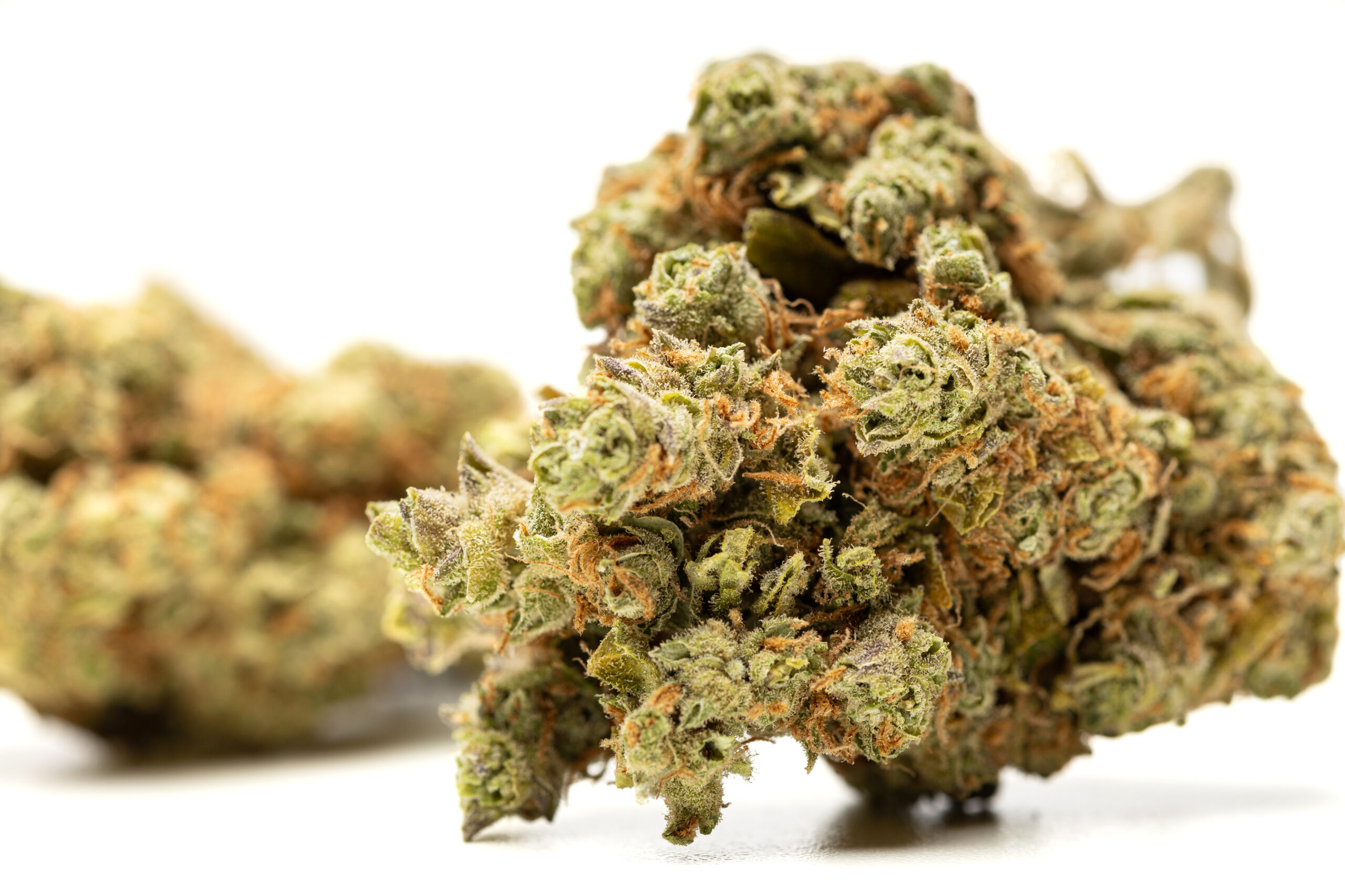


Grape Ape is a well-known cannabis strain that is often described as a strong indica. Over time, it has become one of the most searched cannabis strain names online. Many people want to know what Grape Ape is, where it comes from, how it affects the body and mind, and why it continues to be so popular years after its release. This article is written to give clear, factual answers to those questions in a way that is easy to understand.
Cannabis strains are often grouped by names, genetics, effects, and chemical makeup. Grape Ape stands out because it has a recognizable name, a distinct aroma, and effects that are commonly linked with indica strains. Because cannabis laws have changed in many regions, more people now have legal access to strain information through dispensaries, lab reports, and educational resources. This has increased interest in understanding specific strains rather than cannabis in general. Grape Ape is one of the strains that appears often in these searches.
Another reason Grape Ape is frequently researched is consistency. Many strains change over time or vary widely between growers. Grape Ape, however, is usually reported to have similar traits across different sources. These traits include its grape-like smell, its deep purple coloring in some cases, and its calming effects. Because of this, it is often used as an example when people want to learn what an indica strain is supposed to be like.
This article focuses on education rather than promotion. Cannabis affects people in different ways, and reactions can depend on many factors such as dose, tolerance, body chemistry, and method of use. For this reason, the goal here is not to tell readers how they should feel, but to explain what is commonly reported and supported by available data. Medical claims will not be made, and legal differences between regions will be clearly noted.
The topic of indica versus sativa is also important when discussing Grape Ape. Many people search for this strain because they are specifically looking for an indica. While the science behind these categories is more complex than simple labels, they are still widely used in dispensaries and consumer education. Grape Ape is commonly classified as indica-dominant, and understanding what that means helps explain why people associate it with relaxation and body-focused effects.
Search engines show that people are not only asking what Grape Ape is, but also how strong it is, what it tastes like, and whether it causes sleepiness or side effects. These questions suggest that users want practical, clear information before making decisions. This article is structured to answer those questions directly, using plain language and short explanations where possible. Each major section addresses a specific question that people often ask online.
It is also important to understand that cannabis strains are not fixed products like prescription drugs. Grape Ape grown in one location may be slightly different from Grape Ape grown somewhere else. Differences in soil, light, temperature, and curing methods can all affect the final product. Lab testing helps measure things like THC levels and terpene content, but even these numbers can change from batch to batch. This article explains averages and common ranges rather than exact values.
Popularity is another key focus. Grape Ape has remained relevant while many other strains have faded from attention. This is not only due to its effects, but also because of its name, appearance, and role in cannabis culture. Understanding why a strain becomes popular can help readers better understand how cannabis markets work and why certain strains stay in demand.
Finally, this article is written for readers with different levels of experience. Some may be learning about cannabis for the first time, while others may already be familiar with strain names and effects. By using simple English and clear explanations, the goal is to make the information accessible without oversimplifying it. The following sections will explore Grape Ape in detail, starting with its basic definition and moving through its origins, effects, potency, safety considerations, and legal status.
What Is Grape Ape?
Grape Ape is a cannabis strain that is best known for its strong indica effects, sweet grape-like aroma, and deep relaxing properties. It is commonly found in legal cannabis markets in flower form, as well as in concentrates and infused products. Grape Ape is widely recognized for producing calming, body-centered effects rather than energizing or stimulating ones.
At its core, Grape Ape is a cultivated cannabis variety, sometimes referred to as a cultivar. This means it is not a wild plant, but a strain that was intentionally bred to express specific traits. These traits include flavor, aroma, cannabinoid content, growth pattern, and effects. Over time, Grape Ape has become one of the most well-known indica strains due to its consistency and recognizable profile.
Indica Classification
Grape Ape is most often classified as an indica-dominant strain. In cannabis terms, indica strains are typically associated with relaxing physical effects, slower onset, and a heavier body sensation. This classification comes from both the plant’s genetic background and its commonly reported effects.
Indica plants like Grape Ape tend to grow shorter and bushier than sativa plants. They usually have broader leaves and denser buds. While modern cannabis science shows that effects are influenced more by cannabinoids and terpenes than by plant shape alone, the indica label is still widely used to describe how a strain generally feels to users.
THC and CBD Content
One of the most important parts of understanding Grape Ape is its cannabinoid profile, especially THC and CBD.
- THC (tetrahydrocannabinol) is the main psychoactive compound in cannabis.
- CBD (cannabidiol) is a non-intoxicating compound that may influence how THC feels in the body.
Grape Ape usually contains moderate to high THC levels, often ranging from the mid-teens to the low twenties in percentage. This level is strong enough to produce noticeable effects but is not considered extreme when compared to some modern high-THC strains.
CBD levels in Grape Ape are typically very low, often under 1%. Because of this, Grape Ape is not usually chosen for high-CBD purposes. Instead, its effects are mostly driven by THC along with aromatic compounds called terpenes.
Terpenes and Aroma
Grape Ape is especially known for its distinct smell, which many describe as sweet, fruity, and similar to grapes or berries. This aroma comes from terpenes, which are natural compounds found in many plants, including cannabis.
Terpenes not only affect smell and taste but may also influence how a strain feels. Grape Ape commonly contains terpenes linked to calming and relaxing effects. These compounds work together with THC in what researchers often call the “entourage effect,” meaning the overall experience is shaped by many compounds acting together rather than by THC alone.
Reputation in Cannabis Culture
Grape Ape has built a strong reputation over the years as a reliable and recognizable indica strain. It is often included in strain lists aimed at evening use or relaxation-focused categories. Because of its long presence in the cannabis market, it is sometimes considered a “classic” strain rather than a newer or experimental one.
Another reason for its popularity is consistency. While exact effects can vary based on growing methods and individual tolerance, Grape Ape is generally known to produce similar results across different batches. This makes it easier for consumers to understand what to expect.
How Grape Ape Is Commonly Sold
In legal markets, Grape Ape may be available in several forms, including:
- Dried cannabis flower
- Pre-rolled joints
- Concentrates such as wax or oil
- Vape cartridges
Each form can affect how quickly the effects begin and how long they last, but the core characteristics of the strain usually remain the same.
Important Distinction: Description vs. Medical Claims
It is important to note that describing Grape Ape’s effects is not the same as making medical claims. While many people associate indica strains with certain uses, cannabis laws and medical guidelines vary by location. Grape Ape is best understood as a strain with commonly reported relaxing effects, not as a guaranteed treatment for any condition.
Grape Ape is an indica-dominant cannabis strain known for its grape-like aroma, moderate to high THC content, and deeply relaxing effects. It contains very little CBD and gets much of its character from its terpene profile. Over time, it has earned a reputation as a consistent and well-known strain in legal cannabis markets. Understanding what Grape Ape is begins with recognizing it as a carefully bred cultivar designed to deliver calm, body-focused effects rather than energy or stimulation.
Origins and Genetics of Grape Ape
Grape Ape is a cannabis strain best known for its deep purple color, grape-like aroma, and strong indica effects. To understand why it behaves the way it does, it is important to look at its origins and genetic background. The traits people associate with Grape Ape today are not random. They are the result of careful breeding and the interaction of specific parent strains.
The Genetic Lineage of Grape Ape
Grape Ape is widely believed to be the result of crossing Mendocino Purps, Skunk #1, and Afghani genetics. Each of these parent strains contributes certain characteristics that shape how Grape Ape looks, smells, and feels.
- Mendocino Purps is known for its purple coloring and fruity aroma. This strain plays a major role in Grape Ape’s visual appearance and grape-like scent.
- Skunk #1 adds stability and consistency. It is often used in breeding because it produces reliable plants with strong aromas.
- Afghani is a classic indica landrace strain. It is known for heavy body effects, dense buds, and high resin production. Afghani genetics are a key reason Grape Ape is considered a strong indica.
By combining these genetics, breeders were able to create a strain that produces relaxing effects, colorful buds, and a distinct flavor profile.
Why Genetics Matter in Cannabis
Cannabis genetics determine nearly everything about a strain. This includes how tall the plant grows, how long it takes to flower, how strong it is, and what effects it produces. In the case of Grape Ape, its indica-heavy genetics explain why it is often associated with physical relaxation rather than mental stimulation.
Genetics also influence how much THC or CBD a plant can produce. Grape Ape usually has moderate to high THC levels, while CBD levels are typically low. This balance reflects the traits passed down from its parent strains, especially Afghani.
Phenotypes and Natural Variation
Even though Grape Ape has a known genetic background, not every plant is exactly the same. This is because of something called phenotype variation. A phenotype is how a plant’s genes express themselves based on growing conditions.
Factors that can change how Grape Ape turns out include:
- Light exposure
- Temperature
- Soil quality
- Nutrient levels
- Harvest timing
For example, cooler temperatures during flowering can increase purple coloring. Different growing environments can also affect smell, taste, and potency. This is why one batch of Grape Ape may smell more fruity, while another may lean more earthy or skunky.
Terpenes and Genetic Influence
Terpenes are natural compounds found in cannabis that give each strain its smell and flavor. Genetics play a major role in which terpenes a strain produces. Grape Ape often contains terpenes such as myrcene, pinene, and caryophyllene.
- Myrcene is commonly linked to relaxing effects and is found in many indica strains.
- Pinene can add a mild pine or fresh scent.
- Caryophyllene contributes spicy or earthy notes.
The combination of these terpenes, guided by genetics, helps explain why Grape Ape smells sweet and feels calming.
Stability Through Selective Breeding
Over time, breeders worked to stabilize Grape Ape’s genetics. Stability means that plants grown from the same strain are more likely to show similar traits. This makes the strain easier to grow and more predictable for consumers.
Stable genetics help ensure that Grape Ape continues to produce dense buds, rich purple colors, and consistent effects. This reliability has helped the strain remain popular for many years.
Grape Ape’s origins explain much of what makes the strain recognizable today. Its genetic roots in Mendocino Purps, Skunk #1, and Afghani give it strong indica effects, a grape-like aroma, and eye-catching purple buds. Natural variation can still occur, but careful breeding has made Grape Ape a stable and consistent strain. Understanding its genetics helps readers see why Grape Ape behaves the way it does and why it continues to stand out among indica strains.
Is Grape Ape an Indica or Hybrid?
Grape Ape is most often described as an indica-dominant cannabis strain. In many strain listings, it is labeled as a pure indica, while in others it is described as a strong indica-dominant hybrid. This difference in labeling can be confusing, especially for readers who are new to cannabis. To understand why this happens, it helps to look at how strains are classified and what traits Grape Ape shows in real-world use.
How Cannabis Strains Are Classified
Cannabis strains are commonly grouped into three main types: indica, sativa, and hybrid. These labels are used to describe how a plant grows and the kinds of effects it is known for. However, modern cannabis strains are rarely 100% one type. Most strains today are hybrids because of years of crossbreeding.
- Indica strains are usually linked to short, bushy plants and more body-focused effects.
- Sativa strains are often taller and associated with more uplifting or mental effects.
- Hybrids combine traits from both indica and sativa plants.
Grape Ape is placed on the indica side of this scale because its traits strongly match what people expect from an indica strain.
Why Grape Ape Is Considered Indica-Dominant
Even when Grape Ape is called a hybrid, it is almost always described as indica-dominant. This means the indica traits are much stronger than the sativa traits. These traits show up in several key ways.
First, the physical structure of the plant supports an indica classification. Grape Ape plants tend to be short and dense rather than tall and thin. The buds are often thick, compact, and heavy, which is common in indica strains. The leaves are also broader, another sign of indica genetics.
Second, the effects of Grape Ape match what is usually expected from an indica strain. Many people associate indica strains with physical relaxation, slower movement, and a calm mental state. Grape Ape is known for effects that focus more on the body than the mind. These effects are often described as grounding or sedating rather than energetic or stimulating.
Third, the timing of use often aligns with indica use. Indica strains are commonly used later in the day or at night. Grape Ape is frequently associated with evening or nighttime use because of its relaxing nature. This pattern further supports its indica-dominant status.
Botanical vs. Commercial Classification
Another reason for confusion is the difference between botanical classification and commercial classification.
From a botanical standpoint, cannabis plants are classified based on their physical traits and genetic background. From a commercial standpoint, strains are often labeled based on how they make users feel. Over time, the commercial system has become more common because it is easier for consumers to understand.
Grape Ape fits both systems in a similar way. Botanically, it shows indica-like growth traits. Commercially, it delivers effects that match what most people expect from an indica strain. This overlap is why it is rarely described as anything other than indica-dominant.
Why Some Sources Call It a Hybrid
Some sources label Grape Ape as a hybrid because it comes from crossbred parent strains. Since hybrids can still lean strongly toward one side, calling Grape Ape an indica-dominant hybrid is not incorrect. It simply means that while it may contain mixed genetics, the indica traits are the most noticeable.
This is common in modern cannabis. Very few strains today are fully pure indica or pure sativa. The term “indica-dominant hybrid” helps explain both its genetic mix and its strong indica expression.
How Classification Affects Expectations
Knowing whether a strain is indica or hybrid helps people set expectations. When a strain like Grape Ape is labeled as indica-dominant, it signals that the effects are more likely to be calming rather than energizing. It also suggests certain physical traits, such as dense buds and shorter plant height.
However, it is important to remember that classification is a guide, not a guarantee. Individual response can vary based on dose, tolerance, and method of use. Even so, Grape Ape’s consistent indica traits are one reason it has kept a clear identity over time.
Grape Ape is best described as an indica-dominant strain, and in many cases, it is treated as a pure indica. Its plant structure, growth pattern, and commonly reported effects all align closely with indica characteristics. While some sources call it a hybrid due to its mixed genetics, the indica traits clearly stand out. Understanding this classification helps readers better understand what Grape Ape is known for and why it is commonly associated with deep relaxation rather than stimulation.
What Does Grape Ape Smell and Taste Like?
One of the main reasons Grape Ape stands out among cannabis strains is its strong and recognizable smell and taste. Many people search for this strain because of its grape-like aroma, which is not common in most cannabis varieties. To understand why Grape Ape smells and tastes the way it does, it is helpful to look at its terpene profile, how cannabis develops flavor, and how growing and processing methods can change the final result.
Aroma Profile of Grape Ape
Grape Ape is best known for its sweet, fruity smell. The aroma is often described as similar to grapes, berries, or grape candy. This scent can be strong, even before the flower is handled or broken apart. When the buds are ground or burned, the smell often becomes deeper and richer.
Along with the grape-like scent, Grape Ape may also produce earthy and herbal notes. Some samples have a mild musky smell that is common in indica-dominant strains. These earthy tones balance the sweetness and give the aroma more depth.
The strength of the smell can vary from one batch to another. Fresh, well-cured flower usually has a stronger and more complex aroma. Older or poorly stored cannabis may lose some of its fruity scent over time.
Taste and Flavor Experience
The taste of Grape Ape often matches its smell. Many people report a sweet grape or berry flavor when inhaling. This flavor is usually most noticeable on the first few draws. As the smoke or vapor settles, the taste may change slightly.
On the exhale, Grape Ape can have a smooth, earthy finish. Some samples leave behind a mild herbal or spicy aftertaste. This combination of sweet and earthy flavors is part of what makes the strain easy to recognize.
The method of use can affect how strong the flavor is. Vaporizing Grape Ape often brings out more of the fruity taste, while smoking may highlight the earthy notes. Edible products made with Grape Ape extracts may taste different due to added ingredients and processing methods.
The Role of Terpenes
Terpenes are natural compounds found in cannabis and many other plants. They are responsible for smell and flavor. In Grape Ape, certain terpenes appear more often and help explain its unique profile.
One common terpene in Grape Ape is myrcene. Myrcene is known for earthy and musky smells and is often found in indica strains. Another terpene sometimes found in Grape Ape is pinene, which can add a mild herbal or pine-like note. Caryophyllene may also be present, contributing subtle spicy or peppery tones.
The grape-like smell does not come from an actual grape terpene. Instead, it is the result of several terpenes working together. This blend creates a scent that reminds many people of grapes, even though grapes themselves contain different compounds.
How Growing Conditions Affect Smell and Taste
The way Grape Ape is grown can strongly affect how it smells and tastes. Factors such as soil quality, nutrients, light exposure, and temperature all play a role in terpene development.
Plants grown under stable conditions with proper care are more likely to produce a strong aroma. Stress, pests, or poor nutrition can reduce terpene levels. Indoor-grown Grape Ape often has a more controlled and consistent scent, while outdoor-grown plants may show more variation.
Harvest timing also matters. If the plant is harvested too early or too late, the terpene balance may change. This can result in weaker flavor or a different smell than expected.
Curing and Storage Effects
After harvest, cannabis must be dried and cured. Proper curing helps preserve terpenes and improves taste. Grape Ape that is cured slowly and stored in airtight containers usually keeps its fruity aroma longer.
Poor curing or exposure to air, heat, or light can cause terpenes to break down. This may lead to a dull smell or a harsh taste. Over time, even well-cured cannabis will lose some flavor, which is why freshness matters.
Why Smell and Taste Matter
Smell and taste are not just about enjoyment. Terpenes may also interact with cannabinoids like THC. This interaction can affect how a strain feels when used. While research is ongoing, aroma and flavor are often used as indicators of strain quality and freshness.
Grape Ape is known for its sweet, grape-like smell and matching fruity flavor. These traits come from a specific mix of terpenes, along with careful growing and curing practices. Earthy and herbal notes balance the sweetness and give the strain depth. Differences in cultivation, processing, and storage can change how Grape Ape smells and tastes, but its grape-inspired profile remains one of its most recognizable features.
What Are the Effects of Grape Ape?
Grape Ape is widely known for its strong physical effects and calming nature. This strain is usually described as producing effects that are more body-focused than mind-focused. Because it is an indica-dominant strain, its effects tend to move slowly, build steadily, and last for several hours. Understanding how these effects work can help readers better understand why Grape Ape is so commonly discussed.
Overall Experience
The effects of Grape Ape usually begin with a mild mental shift. Many users report a gentle sense of calm rather than intense mental stimulation. Thoughts may feel slower, and mental pressure may feel reduced. This is often followed by stronger physical sensations that affect the muscles and body.
As the experience continues, the body effects tend to become more noticeable than the mental effects. This balance is one of the main reasons Grape Ape is associated with relaxation rather than energy or focus.
Physical (Body) Effects
One of the most common effects of Grape Ape is deep physical relaxation. Muscles may feel looser, heavier, or less tense. Some people describe a feeling of physical stillness, where the body feels more comfortable staying in one place rather than moving around.
These effects may increase gradually rather than all at once. This slow buildup can make the experience feel smoother compared to strains that act quickly. Because of this, Grape Ape is often associated with rest, calm environments, and reduced physical activity.
In higher amounts, the body effects can become stronger. Some individuals may feel heavy limbs or reduced motivation to move. This is why the strain is often linked with evening or nighttime use.
Mental (Cognitive) Effects
Compared to many other cannabis strains, Grape Ape is not usually associated with intense mental stimulation. Instead, it often produces a mild mental calm. Racing thoughts may slow down, and mental focus may narrow.
Some people experience a light mood lift or sense of contentment. However, this strain is not commonly linked with creativity, alert thinking, or high energy. Instead, it tends to reduce mental activity rather than increase it.
In some cases, mental clarity may decrease slightly, especially at higher doses. This can make tasks that require concentration more difficult.
Onset Time and Duration
The time it takes for Grape Ape to take effect depends on how it is used. When inhaled, effects may begin within minutes. When consumed in edible form, effects may take much longer to appear, sometimes up to two hours.
Once the effects begin, they tend to last for several hours. The physical relaxation may continue even after the mental effects start to fade. This longer-lasting body effect is one reason Grape Ape is often described as a “heavy” indica.
Dose and Tolerance Factors
The effects of Grape Ape can change depending on the amount used and the individual’s tolerance. Smaller amounts may produce mild relaxation without strong sedation. Larger amounts may increase physical heaviness and drowsiness.
People with lower tolerance may experience stronger effects from the same amount compared to experienced users. This includes both physical relaxation and mental slowing.
Method of Use and Effect Differences
How Grape Ape is consumed also affects its impact. Inhalation tends to produce faster and more controllable effects. Edible forms may create stronger and longer-lasting effects, especially in the body.
Because edibles are processed differently by the body, they may increase the sedating qualities of the strain. This can make the experience feel more intense and longer-lasting.
Individual Variation
Not everyone experiences Grape Ape in the same way. Body chemistry, tolerance, environment, and timing all play a role. Some individuals may feel more mental calm, while others feel stronger physical effects.
Environmental factors also matter. Calm settings may enhance relaxation, while busy environments may make the effects feel uncomfortable or overwhelming.
Grape Ape is known for its strong body-focused effects and calming nature. It usually begins with a mild mental calm, followed by deep physical relaxation. The strain tends to reduce movement, slow thoughts, and promote rest rather than activity. Effects build gradually, last several hours, and vary depending on dose, tolerance, and method of use. These characteristics explain why Grape Ape is commonly associated with relaxation and nighttime use rather than energy or focus.
What Is Grape Ape Used For?
Grape Ape is commonly used in both recreational and non-clinical wellness settings. Its uses are mostly based on its known effects, chemical profile, and how people typically respond to indica-dominant cannabis strains. This section explains those uses in a clear and factual way, without making medical claims or personal endorsements.
General Purpose of Use
Grape Ape is most often used for relaxation and rest. Because it is an indica-dominant strain, it is generally associated with calm, body-focused effects rather than energy or stimulation. For this reason, it is usually consumed during the evening or nighttime instead of the daytime.
People do not usually choose Grape Ape for activities that require focus, alertness, or physical coordination. Instead, it is more commonly used in low-activity settings where rest and comfort are the goal.
Relaxation and Stress Reduction
One of the main reasons Grape Ape is used is for physical and mental relaxation. The strain is known for effects that may feel calming or grounding. These effects are often linked to its terpene profile and indica genetics.
Relaxation does not mean the same thing for everyone. In general terms, users often report a slowing down of thought patterns and a reduction in physical tension. This is why Grape Ape is often associated with unwinding after a long day.
It is important to note that relaxation effects depend on several factors, including dose, tolerance, and method of use. Smaller amounts may lead to mild calmness, while higher amounts may cause stronger body effects.
Evening and Nighttime Use
Grape Ape is commonly used later in the day. This is because it is not typically described as energizing. Many people avoid using it before work, school, or other responsibilities that require attention.
The strain is often selected by people who are looking to disconnect from daily tasks and prepare for rest. This does not mean it causes sleep in all cases, but its effects may support a more restful state when used at appropriate times.
Timing plays a large role in how Grape Ape is experienced. Using it earlier in the day may lead to tiredness or lack of motivation for some individuals.
Body-Focused Effects
Another common use of Grape Ape is for its body-heavy effects. These effects are often described as a sense of physical ease or heaviness. This is a typical feature of many indica-dominant strains.
Because of this, Grape Ape is often chosen when physical comfort is a priority. It is not usually selected for physical activity or social events that involve movement.
These body effects may feel stronger at higher doses. New or sensitive users are often advised to start with small amounts to better understand how their body responds.
Non-Medical Wellness Contexts
Some people use Grape Ape in non-medical wellness routines, such as relaxation practices or quiet personal time. This can include listening to music, watching movies, or resting in a calm environment.
It is important to separate reported uses from approved medical treatments. While some users associate Grape Ape with relief from discomfort or restlessness, this article does not make medical claims. Cannabis strains are not approved treatments unless prescribed under specific medical programs and laws.
Always follow local regulations and professional guidance when cannabis is used in any health-related context.
Recreational Use
Grape Ape is also used for recreational enjoyment, especially by those who prefer indica strains. Its flavor profile and consistent effects contribute to its popularity in adult-use markets.
Recreational use focuses on experience rather than outcomes. People may choose Grape Ape because they expect a calm and predictable effect rather than an intense or stimulating one.
As with all recreational cannabis use, responsible consumption is important. This includes understanding dosage, avoiding mixing with other substances, and not operating vehicles or machinery.
Grape Ape is mainly used for relaxation, evening use, and body-focused effects. It is commonly chosen in calm settings where rest is the goal, not energy or focus. Its uses are based on its indica dominance, terpene profile, and typical effects. While it is popular in both recreational and wellness-related contexts, it should not be confused with approved medical treatment. Understanding timing, dose, and personal tolerance helps users make informed and responsible decisions when choosing Grape Ape.
How Strong Is Grape Ape?
When people ask how strong Grape Ape is, they are usually asking about potency. Potency describes how powerful the effects of a cannabis strain can be. This strength mainly depends on the levels of THC, CBD, and other natural compounds found in the plant.
Understanding Grape Ape’s strength helps readers make informed decisions, especially since potency can affect both the experience and possible side effects.
Average THC Levels in Grape Ape
Grape Ape is known as a moderately to highly potent indica-dominant strain. Most lab-tested samples show THC levels ranging between 18% and 25%. In some cases, especially with carefully grown or selected batches, THC levels may rise slightly above this range.
THC, or tetrahydrocannabinol, is the main compound responsible for the psychoactive effects of cannabis. The higher the THC level, the stronger the effects are likely to feel. Because Grape Ape often falls above 20% THC, it is generally considered stronger than many entry-level or low-THC strains.
However, THC content can vary for several reasons, including:
- Growing conditions
- Harvest timing
- Plant genetics
- Storage and curing methods
This means two samples labeled “Grape Ape” may not have the exact same strength.
CBD Content and Its Role
Grape Ape usually contains very low levels of CBD, often less than 1%. CBD, or cannabidiol, does not produce a high and is known for its balancing effects on THC. Because Grape Ape has little CBD, THC is more noticeable and may feel more intense for some users.
Low CBD levels mean the strain is not CBD-focused and is not typically chosen for those seeking non-intoxicating effects. This also explains why Grape Ape may feel stronger than strains with similar THC levels but higher CBD content.
How Terpenes Affect Perceived Strength
Potency is not only about THC numbers. Terpenes, which are aromatic compounds in cannabis, can change how strong a strain feels. Grape Ape is often rich in terpenes such as myrcene, caryophyllene, and pinene.
Myrcene, in particular, is linked to relaxing and body-heavy effects. When combined with moderate to high THC, this terpene may increase the feeling of physical heaviness. This can make Grape Ape seem stronger than strains with the same THC level but different terpene profiles.
In simple terms, terpenes can shape how THC works in the body. This is why strength is often described as both chemical and experiential.
Comparison to Other Indica Strains
Compared to many classic indica strains, Grape Ape falls into the mid-to-upper potency range. It is usually stronger than older or landrace indicas that test below 15% THC. However, it is often less potent than modern strains that exceed 28% or 30% THC.
This balance makes Grape Ape notable. It is strong enough to produce noticeable effects but not always among the most extreme options on the market.
How Consumption Method Affects Strength
The way Grape Ape is consumed also changes how strong it feels. Smoking or vaporizing typically leads to faster effects, while edible forms can feel stronger and last longer due to how THC is processed in the body.
Even with the same strain, a small dose may feel mild, while a larger dose can feel overwhelming. This is why potency should always be considered alongside dose size and method of use.
Why Strength Feels Different for Each Person
Not everyone experiences Grape Ape the same way. Factors that influence perceived strength include:
- Individual tolerance
- Body chemistry
- Frequency of use
- Time of day
Someone with low tolerance may find Grape Ape very strong, while an experienced user may experience it as moderate.
Grape Ape is generally considered a moderately strong to strong cannabis strain, with THC levels commonly ranging from 18% to 25% and very little CBD. Its terpene profile can enhance its effects, making it feel more powerful than THC numbers alone suggest. While it is not the strongest strain available, it is clearly above average in potency.
Knowing how strong Grape Ape can be helps readers understand why it is often associated with deep relaxation and why careful dosing is important. Strength depends not only on lab results but also on how the strain is used and who is using it.
Does Grape Ape Make You Sleepy?
Grape Ape is often linked with sleepiness and deep relaxation. This is one of the most common questions people search about this strain. While not everyone reacts the same way, Grape Ape is widely known for effects that can lead to drowsiness, especially at moderate to higher doses. Understanding why this happens requires looking at how the strain affects the body, the role of terpenes, and how timing and dosage influence the experience.
Sedative Effects and Body Relaxation
Grape Ape is an indica-dominant strain, and indica strains are commonly associated with calming, body-focused effects. Many users report feeling heavy, relaxed, or physically slowed after use. This type of body relaxation can make it easier for the body to rest, which may naturally lead to sleepiness.
The relaxing effect often begins with a gentle mental calm, followed by a deeper physical sensation. Muscles may feel loose, and tension may decrease. As the body relaxes, energy levels can drop. This is one reason Grape Ape is often used in the evening rather than during the day.
It is important to note that feeling sleepy is not the same as being forced to sleep. Grape Ape does not act like a sleep medication. Instead, it may create conditions that make rest easier, especially for people who struggle to relax at night.
The Role of Terpenes
Terpenes are natural compounds found in cannabis that affect smell, taste, and effects. Grape Ape is often high in myrcene, a terpene known for its calming and sedating properties. Myrcene is also found in foods like mangoes and hops.
Myrcene is believed to help the body relax by supporting muscle calm and reducing alertness. When combined with THC, myrcene may increase the feeling of heaviness or couch-lock, which can contribute to sleepiness.
Other terpenes sometimes found in Grape Ape, such as pinene or caryophyllene, may also play supporting roles. However, myrcene is usually the main terpene linked to the strain’s sleepy effects.
Drowsiness vs. Sleep Induction
There is an important difference between feeling drowsy and actually falling asleep. Grape Ape is more likely to cause drowsiness than immediate sleep. Some people may feel calm and heavy but remain awake, especially at lower doses.
Sleep induction usually depends on several factors, including:
- Dose size
- Individual tolerance
- Time of use
- Mental state before use
For some users, Grape Ape may help shorten the time it takes to fall asleep. For others, it may simply make resting more comfortable without causing full sleep.
Dose Matters
Dose plays a major role in how sleepy Grape Ape may make someone feel. Lower doses may cause light relaxation without strong sedation. Higher doses are more likely to lead to heavy body effects and drowsiness.
People with low THC tolerance may feel sleepy more quickly than experienced users. This is why careful dosing is important, especially for those using the strain for the first time.
Method of use also matters. Inhaled forms may cause faster effects, while edible forms may last longer and feel stronger, which can increase sleepiness later on.
Timing Considerations
Because of its relaxing and potentially sedating effects, Grape Ape is usually better suited for evening or nighttime use. Using it earlier in the day may reduce motivation, focus, or energy.
Many people choose to use Grape Ape a few hours before bedtime rather than right before sleep. This allows time for the body to unwind gradually. Using it too late at night may cause grogginess the next morning, especially if taken in higher amounts.
People with busy schedules or early mornings should consider timing carefully to avoid lingering effects.
Individual Differences
Not everyone will feel sleepy after using Grape Ape. Individual body chemistry, tolerance, and expectations all play a role. Some people may feel relaxed without feeling tired, while others may feel ready to rest shortly after use.
Other factors such as stress levels, caffeine intake, and overall health can also influence how sleepy the strain feels.
Grape Ape is commonly associated with sleepiness due to its indica dominance, calming body effects, and terpene profile, especially myrcene. While it does not act as a sleep drug, it may help create a relaxed state that supports rest. Dose, timing, and individual response all affect whether the strain causes mild drowsiness or deeper sedation. Understanding these factors can help users make informed decisions about when and how Grape Ape may fit into an evening routine.
What Are the Side Effects of Grape Ape?
Like all cannabis strains, Grape Ape can cause side effects. These effects do not happen to everyone, and their strength can vary from person to person. Factors such as dose, tolerance, body chemistry, and method of use all play a role. Understanding possible side effects helps readers make informed and cautious decisions.
Below is a detailed explanation of the most commonly reported side effects associated with Grape Ape, along with why they happen and when they are more likely to occur.
Common Short-Term Side Effects
The most frequently reported side effects of Grape Ape are considered mild and temporary. These usually fade as the effects of the strain wear off.
Dry mouth is one of the most common effects. Cannabis can reduce saliva production by affecting receptors in the mouth. This can cause a cotton-like feeling, thirst, or mild discomfort. Drinking water before and during use can help reduce this effect.
Dry eyes may also occur. This happens because cannabis can lower tear production and slightly reduce eye pressure. Some people notice redness, irritation, or itching. Eye drops are commonly used to relieve this symptom.
Drowsiness or fatigue is another common effect. Grape Ape is known for its relaxing properties, which can slow the body and mind. This effect is more noticeable at higher doses or when used later in the day. Because of this, activities that require focus or alertness may feel more difficult.
Dose-Related Effects
Many side effects of Grape Ape are linked to how much is consumed. Higher doses increase the chance and intensity of unwanted effects.
Dizziness or lightheadedness can occur, especially in people who are sensitive to THC. Standing up too quickly may worsen this feeling due to temporary changes in blood pressure.
Impaired coordination is also possible. Reaction time, balance, and motor control may be reduced. This is why driving or operating machinery after use is not recommended.
Increased heart rate can happen shortly after use. THC may cause the heart to beat faster for a short period. While this effect is usually temporary, it can feel uncomfortable, especially for people who are not used to cannabis.
Mental and Cognitive Effects
Grape Ape may also cause short-term mental effects, especially at higher THC levels.
Difficulty concentrating is common. Thoughts may feel slower or scattered, making tasks that require focus harder to complete.
Short-term memory issues may appear. This includes forgetting recent conversations or losing track of tasks. These effects are temporary and usually resolve once the strain wears off.
Anxiety or unease can occur in some individuals. Although Grape Ape is often linked to calming effects, high doses may cause restlessness or nervousness, especially in people sensitive to THC or new to cannabis.
Tolerance and Sensitivity Considerations
Not everyone reacts the same way to Grape Ape. Personal tolerance plays a major role in side effects.
People with low tolerance or little experience with cannabis may feel side effects more strongly. Starting with a small amount and waiting for effects to develop can help reduce discomfort.
Individuals with higher tolerance may experience fewer side effects, but this does not remove all risks. Overuse can still lead to unwanted effects such as fatigue or mental fog.
Potential Risks for Certain Individuals
Some people may be more likely to experience negative effects.
Those with heart conditions may want to be cautious due to the possible increase in heart rate.
People prone to anxiety or panic reactions may also need to be careful, as THC can sometimes increase anxious feelings.
Mixing Grape Ape with alcohol or other substances may increase side effects such as dizziness, nausea, or confusion.
Harm-Reduction Considerations
Several steps may help reduce the chance of side effects:
- Use small amounts, especially for new users
- Stay hydrated
- Avoid combining with alcohol
- Choose a safe and comfortable environment
- Avoid driving or risky activities
Grape Ape can cause side effects similar to many THC-dominant cannabis strains. The most common effects include dry mouth, dry eyes, drowsiness, and reduced focus. Higher doses increase the chance of dizziness, anxiety, and coordination issues. Most side effects are temporary and depend on dose, tolerance, and individual response.
By understanding these possible effects and using caution, readers can better understand how Grape Ape may affect the body and mind. This knowledge supports safer and more informed use without making medical or personal claims.
Is Grape Ape Suitable for Beginners?
Grape Ape is often discussed as a calming, indica-dominant cannabis strain, but this does not automatically mean it is ideal for beginners. Whether Grape Ape is suitable for someone new to cannabis depends on several important factors, including potency, effects, method of use, and personal sensitivity. This section explains these factors clearly so new users can understand potential risks and considerations.
Potency Considerations for New Users
One of the most important concerns for beginners is strength. Grape Ape commonly contains moderate to high levels of THC. THC is the main compound in cannabis that causes psychoactive effects. In many lab-tested samples, THC levels can range from the mid-teens to over 20 percent.
For someone with little or no experience, this level of THC may feel strong. Beginners often have a lower tolerance, meaning their bodies react more strongly to smaller amounts. Even a small dose of a higher-THC strain like Grape Ape can produce intense effects, such as heavy body sensations or mental fog. These effects may feel uncomfortable if the user is not prepared.
Because THC levels can vary by grower and product, it is difficult for beginners to predict exactly how strong a given batch of Grape Ape will be. This variability adds another layer of risk for first-time or inexperienced users.
Importance of Dosing and Method of Consumption
How Grape Ape is consumed plays a major role in how it affects beginners. Smoking or vaporizing usually leads to faster effects, often within minutes. This quick onset allows users to better control how much they consume, since they can stop if effects feel too strong.
Edibles, on the other hand, are more difficult for beginners. When cannabis is eaten, the effects take longer to appear, often 30 minutes to two hours. New users may mistakenly consume more during this waiting period, thinking the product is not working. When the effects finally begin, they can feel much stronger and last longer than expected.
Because Grape Ape is known for heavy, body-focused effects, consuming too much—especially through edibles—can lead to discomfort. This may include dizziness, anxiety, nausea, or extreme drowsiness. For beginners, these effects can be confusing or unpleasant.
Starting with a very small dose is essential. Many guidelines recommend beginning with the lowest possible amount and waiting long enough to understand the effects before using more.
Effect Profile and Beginner Experience
Grape Ape is commonly associated with deep relaxation and physical heaviness. While this may sound appealing, beginners may not know how their bodies will react. Some people may feel calm, while others may feel overly tired or mentally slowed.
New users sometimes expect cannabis to feel energizing or uplifting. Grape Ape’s indica-dominant nature may instead lead to couch-lock, where the body feels heavy and movement feels difficult. For a beginner, this sensation can be surprising or uncomfortable.
In addition, Grape Ape is not known for high CBD levels. CBD can help balance THC effects and reduce feelings of anxiety. Because Grape Ape usually contains very little CBD, beginners may be more likely to feel THC-related side effects, especially at higher doses.
Comparison With Lower-THC or Beginner-Friendly Strains
Many experts suggest that beginners start with strains that have lower THC levels or a more balanced THC-to-CBD ratio. These types of strains tend to produce milder effects and allow new users to learn how cannabis affects them.
Compared to those options, Grape Ape may be more intense. Its strong physical effects and higher THC content place it closer to intermediate-level strains. While some beginners may tolerate it well in very small doses, others may find it overwhelming.
This does not mean beginners must avoid Grape Ape entirely. It does mean they should approach it carefully, with clear expectations and conservative dosing.
Educational Guidance Without Endorsement
Grape Ape is neither universally suitable nor unsuitable for beginners. Its appropriateness depends on personal factors such as body chemistry, tolerance, health conditions, and the setting in which it is used.
Beginners should focus on education before trying any cannabis strain. This includes reading product labels, understanding THC percentages, choosing controlled consumption methods, and avoiding mixing cannabis with alcohol or other substances.
Consulting a licensed dispensary professional, where legal, can also help beginners make informed choices. However, no cannabis product should be viewed as risk-free, especially for new users.
Grape Ape may not be the best starting point for most beginners due to its moderate to high THC levels and strong physical effects. While some new users may tolerate it in very small doses, others may find it too intense. Beginners are generally better served by lower-THC or balanced strains that allow for easier dose control. If Grape Ape is chosen, careful dosing, slow use, and proper education are essential to reduce the risk of unwanted effects.
Why Is Grape Ape So Popular?
Grape Ape has remained a well-known cannabis strain for many years. Its popularity is not based on a single factor, but on a combination of consistent traits that appeal to a wide range of consumers. These traits include predictable effects, a distinct flavor profile, widespread availability, and strong recognition within cannabis culture. Together, these elements help explain why Grape Ape continues to rank highly in search results and dispensary menus.
One major reason for Grape Ape’s popularity is its consistency. Many cannabis strains vary widely from one batch to another, depending on how they are grown and processed. Grape Ape, however, is known for producing similar effects and characteristics across different growers and regions. This reliability makes it easier for consumers to know what to expect. For people seeking steady results rather than surprises, consistency is an important factor.
Another key reason for its popularity is its strong association with indica effects. Grape Ape is widely labeled as an indica-dominant strain, and its effects are often described as body-focused and calming. Many consumers look specifically for indica strains when they want relaxation, reduced stimulation, or evening use. Because Grape Ape clearly fits this category, it often appears in search queries related to relaxation and nighttime strains. This clear positioning helps maintain its demand.
Flavor and aroma also play a major role. Grape Ape is known for its sweet, grape-like scent and taste, which is uncommon compared to earthy or pine-heavy strains. These fruity notes come from its terpene profile, which includes compounds often linked to berry-like aromas. Flavor is an important part of cannabis selection, especially in legal markets where consumers can choose from many options. A recognizable and pleasant flavor profile makes Grape Ape easier to remember and easier to recommend in educational settings.
Cultural recognition is another important factor. Grape Ape has been present in the cannabis market for many years, long enough to become a familiar name. Over time, repeated exposure through strain lists, dispensary menus, and educational resources has helped establish it as a “classic” strain. When people research cannabis, they often encounter the same strain names repeatedly. Familiar names tend to receive more attention, which reinforces popularity over time.
Availability also contributes significantly. Grape Ape is commonly found in many legal cannabis markets, both in flower form and in processed products such as concentrates or vape cartridges. Because it is not rare or difficult to grow, many producers include it in their product lines. This wide availability increases search interest, since consumers are more likely to research strains they can actually purchase. A strain that is easy to find is more likely to stay relevant.
The strain’s moderate-to-high potency also plays a role. Grape Ape usually contains THC levels that are strong enough to be noticeable but not extreme compared to newer, high-THC strains. This places it in a middle range that appeals to a broad audience. Consumers looking for balance rather than maximum intensity often search for strains like Grape Ape. This helps it remain popular across different experience levels without being tied to a niche group.
Branding and naming also matter. The name “Grape Ape” is short, memorable, and easy to recognize. Clear and descriptive strain names tend to perform better in searches and product listings. A name that hints at flavor and strength can quickly communicate key information, even before a consumer reads detailed descriptions. This improves recall and increases curiosity.
Finally, Grape Ape’s popularity is supported by its educational presence. It is often used as an example when explaining indica strains, terpene profiles, or flavor-driven cannabis selection. Because it appears frequently in guides and informational content, it continues to attract attention from new audiences learning about cannabis for the first time.
Grape Ape remains popular because it delivers reliable effects, a distinct grape-like flavor, and clear indica characteristics. Its long history, wide availability, moderate potency, and recognizable name all contribute to ongoing interest. Rather than relying on trends, Grape Ape has built its reputation through consistency and clarity, which helps explain why it continues to be widely searched and commonly found in cannabis markets today.
Legal Status and Availability of Grape Ape
The legal status of Grape Ape depends on where a person lives and how cannabis is regulated in that location. Because Grape Ape is a cannabis strain that usually contains high levels of THC, it is treated the same as other THC-dominant cannabis products under the law. This section explains how legality works, where Grape Ape may be available, and what consumers should understand before trying to find it.
Cannabis Laws Vary by Region
Cannabis laws are not the same everywhere. Some countries allow cannabis for medical and adult use, while others still ban it completely. Even within the same country, laws can change from state to state or province to province.
In the United States, cannabis is illegal at the federal level. However, many states allow cannabis for medical use, adult use, or both. In states where adult-use cannabis is legal, strains like Grape Ape may be sold in licensed dispensaries. In medical-only states, Grape Ape may be available only to patients with a valid medical cannabis card.
In Canada, cannabis is legal at the federal level for adult use. This means Grape Ape may be legally sold through licensed retailers, depending on provincial rules and product availability.
In countries where cannabis remains illegal, Grape Ape is also illegal to grow, sell, or possess. This includes most parts of Asia, the Middle East, and some regions of Europe and Africa.
Because laws change often, it is important for individuals to check their local and national regulations before purchasing or possessing cannabis.
Medical vs. Adult-Use Markets
Where cannabis is legal, it is often divided into two markets: medical and adult use.
- Medical cannabis markets require patients to receive approval from a healthcare provider. Products are sold through licensed dispensaries and may have specific labeling or testing rules.
- Adult-use (recreational) markets allow legal purchase by adults over a certain age, usually 21.
Grape Ape may be available in both markets, but access depends on local supply and demand. In some areas, medical dispensaries may carry Grape Ape more often because it is commonly associated with relaxation and nighttime use.
Dispensary Availability
Even in legal regions, Grape Ape is not always easy to find. Cannabis strains are agricultural products, and availability depends on growers, harvest cycles, and consumer demand.
Some dispensaries may carry Grape Ape flower regularly, while others may only offer it in limited batches. In some cases, Grape Ape may be available only as a vape cartridge, concentrate, or edible made with Grape Ape-derived extracts.
Strain names can also vary. Some products may use similar names or be labeled as “Grape Ape hybrid” or “Grape Ape phenotype,” which can indicate small genetic differences.
Seeds and Home Cultivation
The legality of cannabis seeds is different from the legality of cannabis flower in some regions. In certain areas, seeds may be sold legally as novelty or collectible items, even if growing cannabis is restricted.
Where home cultivation is legal, adults may be allowed to grow a limited number of cannabis plants. In those regions, Grape Ape seeds may be available through licensed seed sellers or online seed banks.
In places where home growing is illegal, planting Grape Ape seeds can still lead to legal penalties, even if seeds themselves are sold openly. Always check local cultivation laws before purchasing seeds.
Online Sales and Shipping
Online cannabis sales are regulated strictly. In most cases, THC-containing cannabis products cannot be shipped across state or national borders, even between legal regions.
Licensed online sales usually require delivery within the same state or province. Buyers must verify age and identity, and deliveries are often handled by approved services.
Illegal online sellers may advertise Grape Ape products, but purchasing from unlicensed sources carries legal and safety risks.
Product Testing and Labeling
In legal markets, cannabis products must meet testing standards. Grape Ape sold legally is usually tested for:
- THC and CBD levels
- Mold and pesticides
- Heavy metals and contaminants
Labels typically include potency information, batch numbers, and health warnings. This helps consumers understand what they are buying and reduces risk.
Grape Ape is legal only in regions where THC cannabis is permitted by law. Its availability depends on local cannabis regulations, whether the market is medical or adult use, and whether licensed growers are producing the strain. Even in legal areas, Grape Ape may not always be in stock due to supply limits. Laws around seeds, home growing, and online sales can differ from flower laws, making it important to check local rules carefully. Understanding these legal factors helps consumers stay informed and avoid legal trouble while navigating cannabis availability.
Conclusion: Key Takeaways About Grape Ape
Grape Ape is a well-known cannabis strain that has stayed popular for many years. Its continued interest comes from a mix of genetics, effects, flavor, and availability. By looking at Grape Ape in a clear and factual way, it becomes easier to understand why it is often searched for and widely discussed.
At its core, Grape Ape is most often described as an indica-dominant strain. This classification is based on both its genetic background and its commonly reported effects. Indica strains are usually linked with physical relaxation and calming sensations, and Grape Ape fits this description closely. Its genetic lineage, which includes strains known for strong body effects and sweet aromas, plays a major role in how it behaves when used.
The strain is especially recognized for its distinct smell and taste. Many laboratory analyses point to a terpene profile that supports fruity and grape-like aromas. These terpenes are naturally occurring compounds in cannabis that affect both scent and experience. While growing methods and curing processes can change how strong these flavors are, the grape-related profile remains one of the strain’s most defining features. This makes it easy for people to recognize and distinguish from other indica strains.
In terms of effects, Grape Ape is commonly associated with calm, heavy, and body-focused sensations. These effects usually appear gradually and may last for several hours, depending on dose and method of use. Because of this, the strain is often discussed in relation to evening or nighttime use. Its effects are more physical than mental for many people, which aligns with its indica classification. However, responses can vary based on personal tolerance, body chemistry, and overall health.
Potency is another reason Grape Ape continues to draw attention. The strain often contains moderate to high levels of THC, while CBD levels are usually low. This combination means its effects can feel strong, especially for people with limited experience. Lab testing helps confirm potency levels, which can differ from one batch to another. Understanding these numbers is important for making informed decisions, especially for those who are new or sensitive to THC.
Grape Ape is also frequently mentioned in discussions about sleep and deep relaxation. While it is not a medical treatment, its sedating qualities are often linked to its terpene content, especially compounds known to support relaxation. This does not mean it causes sleep in every case, but it does explain why many people connect it with rest and winding down. Timing and dose play a large role in how these effects are felt.
Like all cannabis strains, Grape Ape can cause side effects. These may include dry mouth, dry eyes, dizziness, or discomfort when used in high amounts. These effects are usually short-term and related to dose. Being aware of possible side effects helps reduce risk and supports safer use. Starting with a small amount and paying attention to how the body reacts is often advised in educational materials.
For beginners, Grape Ape may require extra caution. Its potency and strong body effects can feel overwhelming for those with little experience. This does not make it unsuitable, but it does mean that careful dosing and understanding THC strength are important. Education, rather than assumption, helps people make better choices.
One of the main reasons Grape Ape remains popular is consistency. Many growers and producers aim to preserve its key traits, such as flavor and effects. It is also widely available in regions where cannabis is legal, which increases its visibility and recognition. Over time, this consistency has helped build its reputation as a reliable indica option.
Finally, legality plays a major role in access. Grape Ape is only available in areas where cannabis laws allow its sale or cultivation. Legal status can vary by country, state, or region, and laws may change over time. Checking local regulations is necessary before purchasing or possessing any cannabis product.
In summary, Grape Ape stands out because of its clear indica identity, recognizable flavor profile, notable potency, and calming effects. Its long-standing presence in legal cannabis markets and frequent search interest reflect a strain that many people want to understand before using. By focusing on facts rather than opinions, this article provides a clear overview of what Grape Ape is, how it works, and why it continues to hold a strong place in modern cannabis discussions.
Research Citations
AllBud. (n.d.). Grape Ape marijuana strain information and reviews. AllBud.
Weedmaps. (n.d.). Grape Ape (aka Purple Ape, Ape) weed strain information. Weedmaps.
CannaConnection. (n.d.). Grape Ape strain information. CannaConnection.
Leafwell. (n.d.). Grape Ape marijuana strain. Leafwell.
Dorm, D. (n.d.). Grape Ape strain for a mellow body buzz. Medical Jane.
Royal Queen Seeds. (n.d.). Grape Ape: Feminized cannabis seeds. Royal Queen Seeds.
SeedFinder. (n.d.). Grape Ape cannabis strain information. SeedFinder.
I Love Growing Marijuana. (2022). Grape Ape cannabis strain review and information. ILGM.
STIIIZY. (2023). Grape Ape strain: Flavor profile and effects. STIIIZY.
ATLRx. (2025). Grape Ape strain: History, effects, and cultivation. ATLRx.
Questions and Answers
Q1: Who is Grape Ape?
Grape Ape is a giant purple gorilla from a Hanna-Barbera animated television cartoon.
Q2: When did Grape Ape first appear on television?
Grape Ape first appeared in 1975 on The Grape Ape Show.
Q3: What is Grape Ape’s most famous catchphrase?
His most famous catchphrase is “Grape Ape, Grape Ape!”
Q4: How big is Grape Ape compared to other characters?
Grape Ape is enormous—often portrayed as taller than buildings and much larger than most cartoon characters.
Q5: Who is Grape Ape’s constant companion?
Grape Ape is usually accompanied by his small dog friend named Beegle Beagle.
Q6: What color is Grape Ape?
Grape Ape is purple with a lighter-colored face and belly.
Q7: Is Grape Ape aggressive or friendly?
Despite his size, Grape Ape is generally friendly, good-natured, and well-meaning.
Q8: What type of humor is common in Grape Ape cartoons?
The humor often comes from slapstick comedy and the contrast between Grape Ape’s huge size and gentle personality.
Q9: Which animation studio created Grape Ape?
Grape Ape was created by the animation studio Hanna-Barbera.
Q10: Why is Grape Ape memorable to audiences?
He is memorable for his unique purple color, giant size, simple speech, and catchy chant of his own name.