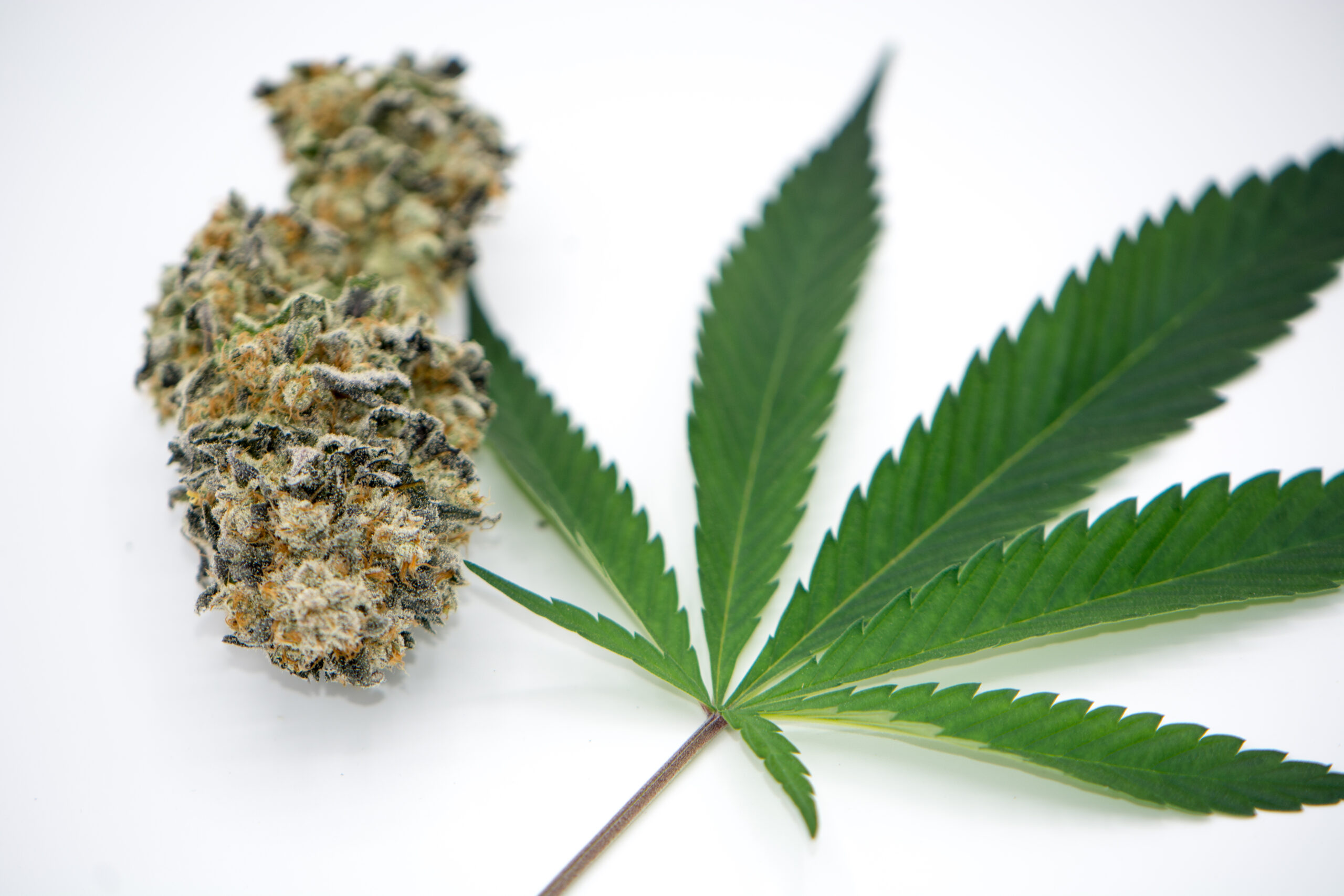


Sour Diesel is one of the most recognized cannabis strains in the world. Its name appears often in dispensary menus, online strain databases, and search engine results. For many readers, Sour Diesel is familiar by reputation, yet its true background, characteristics, and reasons for long-term popularity are not always clearly explained. This article begins by setting a clear foundation for understanding what Sour Diesel is and why it continues to draw attention decades after it first appeared.
At its core, Sour Diesel is a cannabis strain known for its strong aroma, high THC levels, and energizing effects. Over time, it has become a reference point for other sativa-dominant strains. Many newer varieties are compared to Sour Diesel in terms of smell, potency, or overall experience. Because of this, Sour Diesel is often used as a benchmark when discussing cannabis quality and strain classification.
One reason Sour Diesel is so widely searched is its long history. The strain is believed to have emerged in the United States during the early 1990s. Since then, it has maintained a steady presence despite major changes in cannabis cultivation, legalization, and consumer preferences. While many strains rise and fall in popularity, Sour Diesel has remained relevant across different generations of users. This staying power has made it a frequent topic of curiosity for both new and experienced consumers.
Another factor behind Sour Diesel’s popularity is its distinct sensory profile. The strain is widely known for its sharp, fuel-like smell mixed with citrus and earthy notes. This aroma is unusual when compared to sweeter or fruit-forward strains, which makes Sour Diesel stand out immediately. Because smell and flavor play a major role in cannabis selection, many people search for Sour Diesel simply to understand what makes it smell so different.
Search engines also reflect ongoing interest in Sour Diesel’s effects and strength. Questions about THC content, duration of effects, and general impact on mood or energy are among the most common searches. As cannabis products become more widely available, consumers want clear and reliable information before choosing a strain. Sour Diesel’s reputation as a strong, fast-acting strain leads many people to research it carefully.
In addition, Sour Diesel is often discussed in both recreational and medical cannabis contexts. While this article does not make medical claims, it is important to note that Sour Diesel frequently appears in discussions about daytime use, focus, and fatigue-related concerns. This dual presence increases online searches, as different audiences look for different types of information about the same strain.
Confusion around genetics also drives interest. Sour Diesel does not have one universally agreed-upon origin story. Multiple theories exist about its parent strains, and different growers may offer slightly different versions. This lack of certainty has made Sour Diesel a topic of ongoing discussion in cannabis research and cultivation circles.
The goal of this article is to provide a complete, clear, and fact-based breakdown of Sour Diesel. Each section addresses common questions people ask online, such as whether Sour Diesel is a sativa or indica, how strong it is, what it smells like, how long its effects last, and how it compares to similar strains. By organizing this information in a structured way, readers can build a full understanding without needing prior knowledge.
This article avoids opinions, personal stories, and promotional language. Instead, it focuses on widely accepted information drawn from cultivation data, lab testing trends, and general cannabis education sources. By the end, readers should have a clear picture of why Sour Diesel is considered a legendary strain and what sets it apart from others, based on facts rather than hype.
What Is Sour Diesel? (Basic Definition and Classification)
Sour Diesel is a well-known cannabis strain that is widely recognized for its strong aroma, high THC levels, and energizing effects. At its core, Sour Diesel is a sativa-dominant hybrid, meaning it comes from a mix of cannabis genetics but leans strongly toward the sativa side. This classification helps explain how the plant grows, how it affects the body and mind, and how it is commonly used.
In simple terms, Sour Diesel is a THC-focused cannabis strain that is usually chosen for its stimulating and fast-acting nature. It is commonly found in legal cannabis markets and is often used as a reference point when comparing other sativa-dominant strains.
Basic Cannabis Classification
Cannabis strains are generally grouped into three main categories: sativa, indica, and hybrid.
- Sativa strains are usually associated with uplifting and mentally stimulating effects.
- Indica strains are often linked to relaxing and body-focused effects.
- Hybrid strains combine traits from both sativa and indica plants.
Sour Diesel falls into the hybrid category, but it is most often labeled as sativa-dominant. This means that while it has mixed genetics, its growth patterns, chemical makeup, and effects are closer to those of a sativa plant.
Cannabinoid Profile Overview
Sour Diesel is best known for its high THC content. THC, or tetrahydrocannabinol, is the main psychoactive compound in cannabis. It is responsible for the “high” feeling many users associate with marijuana.
Most Sour Diesel samples test with THC levels ranging from the high teens to the mid-20% range, though exact numbers can vary depending on how and where the plant is grown. These levels are considered high compared to many average cannabis strains.
In contrast, Sour Diesel typically contains very low amounts of CBD. CBD, or cannabidiol, is a non-intoxicating compound often linked to calming effects. Because Sour Diesel is low in CBD, it is generally not balanced in terms of cannabinoids and is instead THC-forward.
This THC-dominant profile is a key reason why Sour Diesel is often described as powerful and fast acting.
Alternate Names and Common Nicknames
Sour Diesel is also known by several shortened or informal names. These include:
- Sour D
- Sour Deez
- Sour Diesel OG (less common and sometimes used incorrectly)
These names usually refer to the same strain or very similar genetic versions. However, naming can vary between growers and dispensaries, which can sometimes cause confusion. Despite this, “Sour Diesel” remains the most widely recognized and accepted name.
How Sour Diesel Is Commonly Categorized
In dispensaries and online strain databases, Sour Diesel is almost always listed as a sativa-dominant strain. It is commonly grouped with other energizing strains and is often recommended for daytime use due to its reported effects.
From a plant structure standpoint, Sour Diesel shows traits that match its classification. These may include:
- Taller growth patterns
- Lighter, airier buds
- Longer flowering times compared to indica strains
These physical traits further support its sativa-dominant label.
Why Sour Diesel Stands Out as a Defined Strain
What makes Sour Diesel easy to define is its consistency across many sources. While small differences can exist between growers, most versions of Sour Diesel share the same key features:
- Strong, fuel-like aroma
- High THC content
- Sativa-dominant classification
- Low CBD levels
Because of this consistency, Sour Diesel is often used as a baseline strain in cannabis education and research discussions.
Sour Diesel is a sativa-dominant hybrid cannabis strain known for its high THC levels and low CBD content. It is classified as a hybrid but leans heavily toward sativa in both effects and plant structure. Commonly called Sour D, the strain is widely recognized and consistently categorized in dispensaries and strain databases. Its clear definition, strong cannabinoid profile, and stable classification make Sour Diesel one of the most clearly identifiable cannabis strains available today.
What Are the Origins and Genetics of Sour Diesel?
The origins of Sour Diesel are one of the most discussed topics in cannabis history. Unlike some modern strains that come with detailed breeding records, Sour Diesel comes from a time when cannabis was often grown and shared without formal documentation. Because of this, its exact genetic background is not fully confirmed. However, researchers, growers, and strain historians generally agree on a few key points that help explain where Sour Diesel came from and how it became so well known.
Early History of Sour Diesel
Most sources trace the birth of Sour Diesel back to the early 1990s, mainly in the United States, with strong ties to the East Coast. During this period, cannabis breeding was mostly informal. Growers focused on results rather than recordkeeping. Seeds were often passed between growers, sometimes without clear labeling. This made it harder to track exact genetic lines.
Sour Diesel began gaining attention because of its strong smell, fast-acting effects, and clear-headed experience. These traits helped it stand out from many other strains available at the time. As demand grew, more growers began cultivating it, which helped spread the strain across different regions.
Why There Is Confusion About Its Genetics
One reason Sour Diesel’s genetics are debated is because multiple versions of the strain appeared around the same time. Some plants shared similar smells and effects but showed small differences in growth, flavor, or strength. These differences likely came from phenotype variation, which means plants grown from the same genetic line can still look and behave differently depending on environment and breeding selection.
Another reason for confusion is that Sour Diesel may have been created from accidental cross-pollination. In the early 1990s, many growers worked with multiple strains in close spaces. When pollen from one plant reached another, new hybrids could form without anyone planning it.
Most Commonly Accepted Genetic Lineage
Even though the exact origin is unclear, there is a widely accepted theory about Sour Diesel’s genetic makeup. Most experts believe it comes from a cross involving Chemdawg and Super Skunk, with some versions possibly influenced by Northern Lights.
- Chemdawg is often linked to Sour Diesel because of the similar sharp, fuel-like aroma. Chemdawg itself has an unclear origin, but it is known for strong potency and a chemical scent.
- Super Skunk is thought to add stability, yield, and a strong smell to the mix. Skunk genetics were very popular during the time Sour Diesel emerged.
- Northern Lights appears in some genetic theories as a possible influence, mainly because it was widely used in breeding during that era and known for adding resilience and structure to plants.
Not all growers agree on this full combination, but Chemdawg is almost always mentioned as a key parent strain.
Role of Phenotypes in Sour Diesel’s Identity
Sour Diesel is known for having several phenotypes, sometimes called “cuts,” such as East Coast Sour Diesel and Original Sour Diesel. These phenotypes share core traits but may differ slightly in smell, flowering time, or plant shape.
Phenotypes develop when growers select specific plants over many generations. Over time, these selections can become stable enough to be recognized as distinct versions of the same strain. This helps explain why Sour Diesel can vary slightly depending on where and how it is grown.
Why Sour Diesel Genetics Matter
Understanding the genetics of Sour Diesel helps explain why the strain behaves the way it does. Its sativa-dominant structure, strong aroma, and fast mental effects are all linked to its parent strains. These genetics also make Sour Diesel a popular parent strain for newer hybrids, especially those aimed at producing energetic or daytime effects.
Sour Diesel’s genetic mystery has also added to its reputation. Because it comes from an earlier era of cannabis breeding, it represents a bridge between classic strains and modern hybrids. Many breeders still try to recreate or preserve original Sour Diesel genetics, showing how important the strain remains.
Sour Diesel originated in the early 1990s, most likely in the United States, during a time when cannabis breeding was informal and poorly documented. Its genetics are not fully confirmed, but most evidence points to a combination of Chemdawg and Super Skunk, with possible influence from Northern Lights. The strain’s history includes multiple phenotypes and natural variation, which explains why different versions exist today. Despite the uncertainty around its exact lineage, Sour Diesel’s genetic background clearly explains its strong aroma, sativa-dominant traits, and lasting influence on cannabis breeding.
Is Sour Diesel a Sativa or Indica?
One of the most common questions people ask about Sour Diesel is whether it is a sativa or an indica strain. The short answer is that Sour Diesel is a sativa-dominant cannabis strain. However, to fully understand what this means, it is helpful to look more closely at how cannabis strains are classified and what specific traits Sour Diesel shows.
Understanding Sativa, Indica, and Hybrid Strains
Cannabis strains are usually grouped into three main categories: sativa, indica, and hybrid.
- Sativa strains are commonly linked to uplifting, energizing, and mentally stimulating effects. They often grow tall with narrow leaves and take longer to flower.
- Indica strains are generally associated with more relaxing, body-focused effects. These plants tend to be shorter, bushier, and have wider leaves.
- Hybrid strains are a mix of both sativa and indica genetics. Most modern cannabis strains fall into this category to some degree.
Sour Diesel is technically a hybrid, but it is strongly sativa-dominant. This means that while it may contain some indica genetics, its structure, growth patterns, and commonly reported effects align more closely with sativa strains.
Why Sour Diesel Is Considered Sativa-Dominant
Sour Diesel is labeled as sativa-dominant for several clear reasons. These reasons are based on how the plant grows, how it looks, and how it is commonly described in cannabis research and cultivation guides.
Plant structure is one key factor. Sour Diesel plants usually grow tall and stretch upward, which is typical of sativa strains. They often have long branches and require more vertical space when grown indoors.
Leaf shape also supports its sativa classification. Sour Diesel plants tend to have thinner, narrower leaves rather than the broad leaves seen on indica plants.
Flowering time is another important detail. Sativa-dominant strains usually take longer to flower than indicas. Sour Diesel typically has a flowering period of around 10 to 11 weeks, which is longer than most indica strains.
Growth Traits Linked to Sativa Genetics
Sour Diesel’s sativa dominance is especially clear when looking at how it grows during cultivation.
- It responds well to warm, controlled environments
- It may stretch quickly during the early flowering stage
- It often benefits from pruning or training techniques to manage height
- It generally produces light, airy buds rather than dense, compact ones
These traits match what growers expect from sativa-dominant plants and help explain why Sour Diesel is often recommended for growers who are familiar with managing taller cannabis strains.
Effects Commonly Associated With Sativa-Dominant Strains
While this article avoids personal opinions or testimonials, it is still useful to explain how strain classification is commonly understood.
Sativa-dominant strains like Sour Diesel are widely described as producing effects that are more cerebral than physical. This means they are often linked to mental stimulation rather than heavy body relaxation. Because of this, Sour Diesel is frequently grouped with strains that are associated with daytime or active use.
It is important to note that effects can vary depending on the individual, the dose, and the method of consumption. However, the strain’s sativa-dominant label helps explain why it is often discussed in the same category as other well-known sativa strains.
Why Classification Still Matters Today
Some modern cannabis experts point out that the sativa vs. indica system is not perfect. Many strains share mixed genetics, and chemical profiles like cannabinoids and terpenes may provide more precise information.
Even so, strain classification remains useful. For Sour Diesel, the sativa-dominant label gives readers and researchers a quick and clear idea of what to expect in terms of growth behavior, plant structure, and general effects.
Sour Diesel is best described as a sativa-dominant hybrid cannabis strain. Its tall growth, narrow leaves, longer flowering time, and widely recognized characteristics all support this classification. While it may contain some indica genetics, its overall profile aligns much more closely with sativa strains. Understanding this helps readers better grasp how Sour Diesel grows, how it is categorized, and why it is often discussed alongside other classic sativa-dominant cannabis varieties.
What Does Sour Diesel Smell and Taste Like?
One of the main reasons Sour Diesel stands out is its strong and easy-to-recognize smell and taste. Many cannabis strains share similar aromas, but Sour Diesel has a profile that is often described as sharp, intense, and long-lasting. Understanding its smell and flavor requires looking at both the sensory experience and the natural compounds that create it.
A Strong and Noticeable Aroma
Sour Diesel is best known for its powerful scent. The smell is often noticeable even before the plant is touched or prepared for use. This is due to the high concentration of aromatic compounds released from the flower.
The most common scent descriptions include:
- Fuel or diesel-like odor
This is the most defining feature of Sour Diesel’s aroma. The smell is often compared to gasoline or engine fuel. This sharp scent is the reason the word “diesel” appears in the strain’s name. - Sour and citrus notes
Alongside the fuel smell, many users notice a sour scent similar to lemon or grapefruit. This adds brightness to the aroma and balances the heavier diesel smell. - Earthy and herbal tones
Beneath the sharp and sour notes, there is often a mild earthy smell. Some people also detect hints of herbs or damp soil, which are common in many cannabis strains.
When combined, these scents create a layered aroma that is strong but complex. The smell tends to linger in the air, which is why Sour Diesel is often described as “pungent.”
Why Sour Diesel Smells the Way It Does
The smell of Sour Diesel comes from natural compounds called terpenes. Terpenes are found in many plants, including fruits, herbs, and trees. In cannabis, they are responsible for smell and flavor, and they also interact with cannabinoids like THC.
Sour Diesel is commonly associated with the following terpenes:
- Limonene
This terpene is also found in citrus fruit peels. It contributes to the sour, lemon-like scent found in Sour Diesel. - Myrcene
Myrcene has an earthy and slightly musky smell. It helps explain the herbal and ground-like notes in the strain. - Caryophyllene
This terpene has a spicy, pepper-like aroma. While not always obvious, it adds depth and warmth to the overall scent.
The exact terpene levels can vary depending on how and where the plant is grown. This is why some Sour Diesel samples smell more citrus-heavy, while others lean more toward fuel or earth.
Flavor Profile When Consumed
The taste of Sour Diesel often matches its smell, but it can feel smoother or more balanced during use. Many people report that the flavor becomes clearer when vaporized, as vaporization preserves terpenes better than high-heat combustion.
Common flavor notes include:
- Sharp sour taste on inhale
The first taste is often sour and citrus-like, similar to lemon rind or sour candy. - Diesel or chemical-like flavor
A fuel-like taste often follows, especially during the inhale. This flavor is strong but usually not sweet. - Earthy or herbal aftertaste
On the exhale, the flavor often settles into something more grounded. This can include mild herbal or woody notes.
The taste may stay in the mouth for several minutes after use. This lingering flavor is another reason Sour Diesel is easy to recognize.
How Growing and Storage Affect Smell and Taste
Not all Sour Diesel smells or tastes exactly the same. Several factors influence the final aroma and flavor:
- Growing conditions
Light, temperature, nutrients, and soil quality all affect terpene development. - Harvest timing
Plants harvested too early or too late may lose some aromatic strength. - Drying and curing process
Proper drying and curing help preserve terpenes. Poor handling can cause the smell and taste to fade. - Storage methods
Exposure to heat, air, or light over time can weaken aroma and flavor.
Because of these factors, Sour Diesel from different growers may show small differences while still keeping its core diesel-and-citrus identity.
Sour Diesel has one of the most recognizable smell and taste profiles among cannabis strains. Its strong diesel-like aroma, mixed with sour citrus and earthy notes, sets it apart from many others. These characteristics come from a combination of natural terpenes, especially limonene, myrcene, and caryophyllene. The flavor usually mirrors the smell, offering a sharp, sour inhale followed by fuel and herbal tones. While growing and storage conditions can affect intensity, Sour Diesel is widely known for its bold and lasting sensory profile.
How Strong Is Sour Diesel? (THC and Potency Levels)
Sour Diesel is widely known for having high potency, especially when compared to many older or more balanced cannabis strains. Its strength is one of the main reasons people search for information about it. Understanding how strong Sour Diesel is requires looking at its THC levels, how those levels compare to other strains, and what factors can change its overall potency.
Typical THC Levels in Sour Diesel
Most Sour Diesel flower contains THC levels ranging from 18% to 26%. In some lab-tested samples, the THC content may fall slightly below or above this range, but it is generally considered a high-THC strain.
THC, or tetrahydrocannabinol, is the main psychoactive compound in cannabis. It is the compound responsible for the “high” feeling. Strains with THC levels above 20% are often described as strong, especially for people with low or moderate tolerance.
Compared to the average cannabis strain, Sour Diesel usually tests higher. Many standard cannabis strains fall between 10% and 15% THC, which means Sour Diesel can be significantly stronger than what some users expect.
Low CBD Content and Its Role in Potency
Sour Diesel typically contains very low levels of CBD, often below 1%. CBD is a non-intoxicating cannabinoid that can soften or balance the effects of THC. Because Sour Diesel has little CBD, the effects of THC are more noticeable.
When a strain is high in THC and low in CBD, the psychoactive effects may feel more intense or fast-acting. This does not mean the strain is unsafe, but it does mean that dose control is important, especially for new or occasional users.
Why Sour Diesel Feels Strong to Many People
The strength of Sour Diesel is not only about numbers on a lab label. Several factors combine to make it feel powerful:
- High THC concentration
- Low CBD levels
- Sativa-dominant effects that are mentally stimulating
- Fast onset in many consumption methods
Because Sour Diesel is known for producing alert and energizing effects, some people notice its strength more quickly than with heavier, body-focused strains. The effects often begin in the mind rather than the body, which can feel intense if someone is not prepared.
Variation Between Batches and Growers
Not all Sour Diesel is the same. Potency can vary based on several growing and handling factors:
- Growing environment (indoor vs. outdoor)
- Climate and temperature control
- Soil quality and nutrients
- Harvest timing
- Curing and storage methods
Indoor-grown Sour Diesel often tests higher in THC because growers can tightly control light, temperature, and humidity. Outdoor-grown plants may have more variation, depending on weather conditions.
There are also different phenotypes of Sour Diesel. A phenotype is a variation of the same strain that shows slightly different traits. Some phenotypes produce higher THC levels, while others may focus more on aroma or yield.
Comparison to Other Popular Strains
When compared to many well-known cannabis strains, Sour Diesel often ranks on the stronger end of the scale:
- Stronger than many classic strains from the 1990s and early 2000s
- Similar in THC strength to other modern sativa-dominant strains
- Often less sedating but more mentally active than indica-heavy strains
This combination of strength and stimulation is one reason Sour Diesel continues to be widely discussed and researched.
How Potency Affects Responsible Use
Because Sour Diesel is strong, understanding potency helps people make informed choices. Higher THC strains require smaller amounts to reach the same effect as lower-THC strains. Starting with a low dose is commonly recommended in educational and harm-reduction materials.
Potency does not mean quality, but it does influence how a strain may affect different people. Factors such as body weight, tolerance, metabolism, and method of consumption all play a role in how strong Sour Diesel feels.
Sour Diesel is considered a high-potency cannabis strain, mainly due to its high THC levels and low CBD content. Most samples fall between 18% and 26% THC, placing it above average in strength. Its potency can vary depending on how it is grown and handled, but it is generally stronger than many common strains.
Knowing how strong Sour Diesel is allows readers to better understand why it has remained popular and why it often appears in discussions about potent cannabis strains. Potency is just one part of its profile, but it plays a major role in how Sour Diesel is recognized and categorized.
What Are the Common Effects of Sour Diesel?
Sour Diesel is widely known for its strong and fast-acting effects. These effects are mostly linked to its high THC content and its sativa-dominant genetics. While individual experiences can vary, research data, lab testing, and large-scale strain reports show consistent patterns in how Sour Diesel tends to affect the body and mind.
Mental and Cognitive Effects
One of the most recognized effects of Sour Diesel is its impact on mental activity. Because it is sativa-dominant, it is commonly associated with increased brain stimulation rather than physical sedation.
Many users report feeling:
- More mentally alert
- More focused on tasks or ideas
- More aware of their surroundings
These effects often begin shortly after consumption, especially when smoked or vaporized. The onset is usually faster than with indica-dominant strains. This quick onset is one reason Sour Diesel is often described as “fast-hitting.”
Sour Diesel may also lead to racing thoughts in some individuals. This does not happen to everyone, but it is more common when large amounts are consumed. For people who are sensitive to THC, this mental stimulation may feel intense rather than calm.
Energy and Physical Sensations
Unlike strains that promote relaxation or sleep, Sour Diesel is commonly linked to higher energy levels. It is often described as producing a feeling of being awake and active rather than tired.
Physical effects often include:
- A light body sensation rather than heavy sedation
- Reduced feelings of physical fatigue
- A sense of restlessness or motivation
These effects align with how sativa-dominant strains usually behave. Sour Diesel does not typically cause strong muscle relaxation. Instead, it may create a feeling of physical readiness or movement.
Because of this, Sour Diesel is often researched in the context of daytime use, although this depends on dosage and personal tolerance.
Mood-Related Effects
Sour Diesel is frequently associated with changes in mood. The most commonly reported mood-related effects include:
- Elevated mood
- Increased mental stimulation
- A feeling of mental clarity
These effects are linked to how THC interacts with receptors in the brain that influence dopamine and serotonin activity. This interaction does not work the same way for everyone, which is why results vary from person to person.
Some individuals may experience heightened sensitivity to their environment, such as sounds or light. This effect is more likely at higher THC levels.
Duration and Intensity of Effects
The intensity of Sour Diesel’s effects is often described as strong but not heavy. The effects usually peak within the first hour after consumption and then slowly decline.
Key factors that affect intensity include:
- THC percentage
- Amount consumed
- Method of use
- Individual tolerance
Because Sour Diesel often contains 20% THC or more, smaller amounts may produce noticeable effects. Higher doses can increase both stimulation and the risk of unwanted side effects.
Why Effects Can Vary Between Individuals
It is important to understand that Sour Diesel does not affect everyone the same way. Several factors influence how a person responds:
- Body chemistry
- Previous cannabis experience
- Sensitivity to THC
- Overall health
For some individuals, the stimulating effects may feel productive. For others, the same effects may feel overwhelming. This is why Sour Diesel is often described as a potent strain that requires careful dosing.
Sour Diesel is best known for its stimulating and fast-acting effects. It tends to affect the mind more than the body and is commonly linked to alertness, mental energy, and reduced fatigue. The strain does not usually produce heavy relaxation or sedation, which sets it apart from indica-dominant strains.
Because of its high THC content, Sour Diesel can feel intense, especially for those with lower tolerance. Understanding its effects helps explain why it remains one of the most widely researched and recognized cannabis strains.
What Is Sour Diesel Commonly Used For?
Sour Diesel is widely known for its strong presence in both recreational and research-focused cannabis discussions. Its common uses are usually explained by its chemical makeup, its sativa-dominant nature, and the type of effects it is often associated with. This section explains how Sour Diesel is commonly used, why it is often chosen for certain situations, and how it fits into broader cannabis use categories. This information is provided for educational purposes and does not make medical claims.
General Recreational Use
Sour Diesel is most often used in recreational settings. Many users select this strain because it is commonly linked with alert and energetic mental effects rather than heavy physical sedation. Because of this, it is often associated with daytime or early evening use rather than nighttime use.
Recreational users often choose Sour Diesel for activities that involve focus, creativity, or social interaction. Its reported effects are usually described as mentally stimulating, which makes it different from strains that are more relaxing or sleep-focused. This does not mean it works the same way for everyone, but this pattern helps explain why Sour Diesel is frequently mentioned in discussions about active or task-oriented cannabis use.
Sour Diesel is also popular among experienced users due to its higher THC levels. People with lower tolerance levels may approach this strain with caution, as stronger strains are more likely to produce unwanted effects if used in large amounts.
Association With Daytime Use
One of the most common questions about Sour Diesel is why it is often described as a “daytime strain.” This label comes from its sativa-dominant genetics and terpene profile. Sativa-dominant strains are generally linked to uplifting or energizing effects, while indica-dominant strains are more often associated with relaxation or sleep.
Sour Diesel’s terpene profile often includes limonene and caryophyllene, which are commonly found in strains described as stimulating or mood-lifting. Because of this combination, Sour Diesel is frequently used earlier in the day when people want to stay alert.
It is important to note that “daytime use” is a general description, not a rule. Individual responses can vary based on body chemistry, dosage, and method of consumption.
Presence in Medical Cannabis Research Discussions
Sour Diesel is often mentioned in medical cannabis conversations, especially in general educational content. This is mainly because of its high THC content and its reported effects on mood and energy levels.
In many regions, cannabis strains like Sour Diesel are researched or discussed in relation to symptom management. These discussions often focus on areas such as fatigue, mood changes, and lack of focus. However, it is important to clearly state that this does not mean Sour Diesel is approved to treat any medical condition.
Medical use of cannabis depends on local laws and guidance from licensed professionals. Sour Diesel’s role in these discussions is informational and based on reported patterns, not verified medical outcomes.
Use in Creative and Task-Based Settings
Sour Diesel is commonly linked to creative or mentally demanding activities. This includes tasks such as writing, art, music, or problem-solving. The strain’s reputation for promoting mental stimulation explains why it appears often in these contexts.
Some people report that strains like Sour Diesel help them stay engaged with tasks for longer periods. This does not mean it improves performance or focus for everyone, but it helps explain why the strain is often associated with creative environments.
Because Sour Diesel may increase mental activity, it may not be suitable for situations that require calmness or rest.
Social and Environmental Use
Another common use of Sour Diesel is in social settings. The strain is often discussed in relation to group activities or conversations. Its strong aroma and flavor also make it popular among users who value sensory experiences.
In these settings, Sour Diesel is often chosen for its noticeable effects rather than subtle ones. This can make it appealing in environments where people want a clear and recognizable experience.
As with all cannabis use, setting and dosage play a major role in how the strain is experienced.
Important Considerations and Responsible Use
Sour Diesel’s higher THC levels mean it may not be ideal for beginners. New users may be more sensitive to side effects such as anxiety or rapid heart rate, especially at higher doses.
Understanding personal tolerance and starting with small amounts is often recommended when dealing with stronger strains. Responsible use also includes awareness of local laws and restrictions related to cannabis.
Sour Diesel is commonly used in recreational, daytime, creative, and social contexts. Its sativa-dominant nature and higher THC content explain why it is often associated with mental stimulation rather than physical relaxation. While it is frequently discussed in medical cannabis education, it is not a medical treatment. Overall, Sour Diesel’s common uses reflect its chemical profile, reported effects, and long-standing presence in cannabis culture.
Does Sour Diesel Have Any Side Effects?
Like most cannabis strains that contain high levels of THC, Sour Diesel can cause side effects. These effects are usually short term, but they can feel uncomfortable for some people. The strength of the side effects often depends on the dose, the person using it, and how their body reacts to THC. Understanding these possible effects can help readers make informed and careful decisions.
Common Short-Term Side Effects
The most frequently reported side effects of Sour Diesel are considered mild and temporary. These effects are common across many THC-dominant cannabis strains.
Dry mouth is one of the most common side effects. This happens because THC can reduce saliva production. A dry or sticky feeling in the mouth may last for several hours. Drinking water before and after use can help reduce this effect.
Dry eyes may also occur. Some users experience redness, itchiness, or irritation in the eyes. This happens because THC can lower tear production and affect blood vessels in the eyes. Eye drops are often used to manage this effect.
Increased heart rate is another possible side effect. THC can temporarily raise heart rate, especially at higher doses. This effect usually fades as the effects of the strain wear off. People who are sensitive to changes in heart rate may notice this more strongly.
Mental and Cognitive Effects
Sour Diesel is known for its strong cerebral effects, which can sometimes feel overwhelming. These effects are more likely when larger amounts are used.
Anxiety or nervousness may occur in some individuals. High-THC strains can sometimes overstimulate the brain, leading to feelings of restlessness or unease. This is more common in people who are new to cannabis or sensitive to THC.
Racing thoughts can also happen. While Sour Diesel is often associated with mental energy, too much stimulation can make it hard to focus. Thoughts may feel scattered or move too quickly.
Difficulty concentrating is another possible effect. Although the strain is often linked to alertness, high doses can reduce short-term focus or memory. This effect is temporary and usually fades within a few hours.
Physical Discomfort
Some physical side effects may occur, especially when Sour Diesel is used in higher amounts.
Dizziness or lightheadedness can happen, particularly when standing up too quickly. This effect is linked to changes in blood pressure caused by THC.
Headaches have been reported in some cases. These may be linked to dehydration, sensitivity to THC, or overuse. Staying hydrated may help lower the chance of headaches.
Mild nausea is less common but still possible. This may happen if too much THC is consumed at once.
Why Side Effects Can Vary
Not everyone experiences side effects in the same way. Several factors influence how Sour Diesel affects the body and mind:
- Dosage: Higher doses increase the chance of stronger side effects.
- Tolerance: People with lower THC tolerance may feel effects more quickly and more strongly.
- Method of use: Smoking, vaping, or consuming cannabis in other forms can change how fast effects appear and how long they last.
- Individual sensitivity: Body chemistry, metabolism, and overall health all play a role.
Because Sour Diesel often tests at high THC levels, people who are new to cannabis may be more likely to notice side effects.
Managing and Reducing Side Effects
Side effects are usually short-lived and fade as the strain wears off. Some general steps can help reduce discomfort:
- Staying hydrated before and after use
- Starting with a small amount
- Using the strain in a calm and familiar setting
- Avoiding mixing cannabis with alcohol or other substances
If side effects feel intense, resting and allowing time for the effects to pass is often helpful.
Sour Diesel can cause side effects, especially because it is a high-THC, sativa-dominant strain. The most common effects include dry mouth, dry eyes, increased heart rate, and mental overstimulation. Some people may also experience anxiety, dizziness, or trouble focusing. These effects are usually temporary and depend on dose, tolerance, and individual response. Understanding these side effects helps readers approach Sour Diesel with awareness and caution, especially if they are new to strong cannabis strains.
How Long Do the Effects of Sour Diesel Last?
Understanding how long the effects of Sour Diesel last is important for people who want clear expectations before use. The duration can change based on several factors, including how the strain is consumed, how much is used, and how the body processes THC. While there is no single time frame that applies to everyone, general patterns are well documented.
Onset Time: When Effects Begin
The first thing to consider is how quickly the effects begin. This is known as the onset time. Sour Diesel can be consumed in several ways, and each method affects how fast the effects are felt.
- Inhalation (smoking or vaporizing):
When Sour Diesel is inhaled, the effects usually begin within 2 to 10 minutes. THC enters the bloodstream through the lungs and reaches the brain quickly. This makes inhalation the fastest method in terms of onset. - Edibles:
When Sour Diesel is consumed in edible form, the onset is much slower. Effects may begin anywhere from 30 minutes to 2 hours after consumption. This delay happens because THC must first be processed by the digestive system and liver before entering the bloodstream. - Concentrates or oils:
Methods such as dabbing or using cannabis oils may cause effects to appear quickly, often within 5 to 15 minutes, depending on the product and method used.
Because Sour Diesel is known for its high THC content, the onset may feel more noticeable once it begins, especially for those with lower tolerance.
Peak Effects: When Effects Are Strongest
After the onset phase, the effects of Sour Diesel usually reach a peak. This is the period when the psychoactive effects are strongest.
- For inhaled use, peak effects typically occur within 30 to 90 minutes.
- For edibles, peak effects may take 2 to 4 hours to fully develop.
During this time, users often report heightened mental stimulation, alertness, and energy. Because Sour Diesel is sativa-dominant, the peak phase is often described as more mentally active than physically sedating.
Total Duration of Effects
The total length of time the effects last can vary, but general estimates are consistent across many sources.
- Smoking or vaporizing:
The primary effects usually last 2 to 4 hours, with lighter residual effects possibly continuing for another hour or two. - Edibles:
Effects from edibles may last 6 to 8 hours, and in some cases longer, depending on dosage and individual metabolism. - High doses:
Larger amounts of Sour Diesel can extend the duration of effects. In such cases, lingering effects such as mental stimulation or difficulty relaxing may last longer than expected.
Residual effects are typically milder and may include lingering alertness or reduced fatigue.
Factors That Influence Duration
Several personal and external factors can affect how long Sour Diesel lasts in the body:
- Dosage:
Higher doses usually lead to longer-lasting effects. Lower doses may wear off more quickly. - Tolerance:
People who use cannabis regularly may experience shorter or less intense effects compared to those with little or no tolerance. - Body chemistry:
Metabolism, body weight, and overall health can influence how THC is processed. - Consumption method:
As noted earlier, inhalation leads to shorter but quicker effects, while edibles result in longer-lasting effects. - Environment:
The setting and activity level during use may also affect how the experience is perceived over time.
How Long THC from Sour Diesel Stays in the Body
While the noticeable effects may wear off within hours, THC can remain in the body for much longer. This does not mean the person is still experiencing effects, but it may be relevant for drug testing.
- THC metabolites can remain detectable for several days to weeks, depending on frequency of use.
- Occasional users may clear THC faster than frequent users.
This distinction is important when discussing duration, as effect duration and detectability are not the same.
The effects of Sour Diesel typically begin within minutes when inhaled and within hours when consumed as an edible. Peak effects usually occur within the first one to two hours for inhalation and later for edibles. Overall, the main effects last about 2 to 4 hours when smoked or vaporized and 6 to 8 hours or more when eaten. Factors such as dose, tolerance, metabolism, and consumption method all play a role in how long the effects last. Understanding these factors helps set realistic expectations and supports more informed use.
How Is Sour Diesel Grown? (Cultivation Overview)
Sour Diesel is known not only for its aroma and effects, but also for its specific growing traits. While it is not considered the easiest cannabis strain to grow, it is widely cultivated by experienced growers who understand its needs. This section explains how Sour Diesel grows, what conditions it prefers, and what growers should expect during cultivation.
Overall Growing Difficulty
Sour Diesel is generally considered a moderate to difficult strain to grow. This is mainly because of its strong sativa genetics. Sativa-dominant plants often grow tall, stretch quickly, and require careful control of light, space, and nutrients.
One of the biggest challenges is managing plant height. Sour Diesel can grow much taller than many indica strains, especially during the flowering stage. Without proper training or pruning, plants can outgrow indoor spaces. Because of this, Sour Diesel is often recommended for growers who already have some experience.
The strain is also sensitive to environmental changes. Sudden shifts in temperature, humidity, or feeding schedules may affect plant health and final yield.
Indoor vs. Outdoor Growing
Sour Diesel can be grown both indoors and outdoors, but each environment comes with different considerations.
Indoor growing allows for better control over light, temperature, and humidity. This makes it easier to manage the plant’s stretch and protect it from pests and weather. However, indoor growers must plan carefully for vertical space. Techniques such as topping, low-stress training (LST), and screen of green (SCROG) are often used to control height and improve light exposure.
Outdoor growing is possible in the right climate. Sour Diesel performs best in warm, sunny environments with long summers. Because it flowers later than many strains, it may struggle in areas with early fall rains or cold weather. Outdoor plants can grow very large and may produce higher yields, but they are more exposed to mold, pests, and weather damage.
Climate and Environmental Preferences
Sour Diesel prefers a warm, stable climate. Ideal daytime temperatures usually fall between 70°F and 85°F (21°C to 29°C). Cooler nighttime temperatures are acceptable, but large temperature swings should be avoided.
Humidity control is also important. During the vegetative stage, moderate humidity levels help support growth. As the plant enters flowering, humidity should be lowered to reduce the risk of mold and mildew. This is especially important because Sour Diesel develops long, dense buds that can trap moisture.
Good airflow is critical at all stages of growth. Strong air circulation helps prevent pests and fungal problems and supports healthy plant development.
Flowering Time and Growth Pattern
Sour Diesel has a long flowering time, which is common for sativa-dominant strains. Most plants take 9 to 11 weeks to fully flower indoors. Outdoor plants are usually ready for harvest in mid to late October, depending on climate.
During early flowering, Sour Diesel often goes through a strong stretch phase. This means the plant may double in height in a short period. Growers must plan ahead to manage this growth and prevent overcrowding.
The buds tend to be long and slightly airy rather than short and compact. This structure helps explain why proper airflow is so important during flowering.
Yield Expectations
When grown under proper conditions, Sour Diesel can produce moderate to high yields. Indoor yields often range from medium to high, depending on grower skill, lighting quality, and plant training methods. Outdoor plants, when grown in ideal climates, can produce larger harvests due to their size.
Yield quality is strongly tied to patience. Harvesting too early can reduce potency and aroma, while allowing the plant to fully mature helps preserve its terpene profile and cannabinoid content.
Nutrient and Maintenance Needs
Sour Diesel has moderate nutrient requirements. It responds well to balanced feeding but can be sensitive to overfeeding. Signs of nutrient stress should be addressed quickly to avoid long-term damage.
Regular pruning helps direct energy toward bud development and improves airflow. Removing lower growth that receives little light can also improve overall plant health.
Growers often note that consistent care and attention lead to better results than aggressive feeding or rapid growth techniques.
Sour Diesel is a sativa-dominant strain that requires patience, space, and environmental control. It grows tall, flowers slowly, and prefers warm, stable conditions with good airflow. While it may be challenging for beginners, experienced growers can achieve strong yields and healthy plants by managing height, humidity, and flowering time carefully. With proper planning and steady care, Sour Diesel can be grown successfully both indoors and outdoors.
How Does Sour Diesel Compare to Other Diesel Strains?
Sour Diesel is often grouped with other cannabis strains that include the word “Diesel” in their name. While these strains share some similarities, they are not the same. Each Diesel strain has its own genetic background, effects, aroma, and strength. Understanding these differences helps explain why Sour Diesel stands out while still being part of the larger Diesel family.
What Defines a “Diesel” Strain?
Diesel strains are usually known for their strong fuel-like smell. This scent is often sharp, sour, or chemical-like, similar to gasoline or diesel fuel. These aromas come from specific terpenes, especially limonene, myrcene, and caryophyllene. Most Diesel strains are sativa-dominant or balanced hybrids, and many are known for strong mental effects rather than heavy body effects.
Even though Diesel strains share a name and some traits, they can differ widely depending on their genetics and how they are grown.
Sour Diesel vs. NYC Diesel
NYC Diesel is one of the most commonly compared strains to Sour Diesel.
Genetics and Background
NYC Diesel is believed to be a mix of Sour Diesel and an Afghani or Hawaiian landrace strain. Because of this, NYC Diesel tends to be more balanced than Sour Diesel.
Aroma and Flavor
Both strains have a fuel-like smell, but NYC Diesel usually has sweeter notes. It often smells like citrus, grapefruit, or orange mixed with mild diesel. Sour Diesel, by contrast, has a sharper and more sour fuel scent with fewer sweet tones.
Effects
Sour Diesel is known for strong mental stimulation and alertness. NYC Diesel often feels slightly calmer and more balanced. While still mentally uplifting, NYC Diesel may include more physical relaxation than Sour Diesel.
Potency
Both strains can be strong, but Sour Diesel often tests higher in THC. This makes Sour Diesel more intense for some users, especially at higher doses.
Sour Diesel vs. Headband (Original Diesel)
Headband is sometimes called Original Diesel and is another close relative.
Genetics and Background
Headband is commonly believed to be a cross between Sour Diesel and OG Kush. This gives it a different structure and effect profile.
Aroma and Flavor
Headband still has a diesel scent, but it is usually smoother and more earthy. Sour Diesel smells sharper and more sour, while Headband may include pine or lemon notes.
Effects
The biggest difference is in body effects. Headband often produces a noticeable pressure or heavy feeling around the head, which is how it got its name. Sour Diesel is more energizing and less physically heavy.
Use Timing
Sour Diesel is often associated with daytime use due to its stimulating nature. Headband is more commonly used later in the day because of its stronger physical effects.
Sour Diesel vs. Other Diesel Variations
There are many other Diesel-related strains, including East Coast Diesel, California Diesel, and Lemon Diesel.
- East Coast Diesel is usually closer to Sour Diesel in aroma and effects, with strong fuel notes and energizing mental effects.
- California Diesel often includes sweeter or fruitier flavors and may be more balanced.
- Lemon Diesel combines fuel aromas with strong citrus flavors and may feel lighter or more uplifting than Sour Diesel.
These variations exist because breeders cross Diesel genetics with other strains to highlight certain traits, such as flavor, yield, or flowering time.
Why Diesel Strains Are Often Confused
Many Diesel strains share overlapping traits. Strong smells, high THC levels, and sativa-dominant effects can make them seem similar. In addition, different growers may label strains differently based on local naming practices or genetic variations.
Sour Diesel also has many phenotypes, meaning plants grown from the same strain can show small differences in smell, strength, or effect. This adds to confusion when comparing it to other Diesel strains.
Sour Diesel is one of the most well-known Diesel strains, but it is not the same as others in the category. Compared to NYC Diesel, Sour Diesel is sharper and more stimulating. Compared to Headband, it is lighter on the body and more energizing. Other Diesel strains may share fuel-like aromas, but they often differ in sweetness, balance, and overall intensity.
Sour Diesel stands out for its strong sour fuel smell, high THC levels, and clear sativa-dominant effects. While it shares a family name with other Diesel strains, its profile remains distinct within that group.
Conclusion: Why Sour Diesel Remains One of the Most Recognized Cannabis Strains
Sour Diesel remains one of the most widely recognized cannabis strains because it combines a distinct history, a clear genetic identity, and consistent characteristics that are easy to identify. Over several decades, it has maintained a strong presence in cannabis discussions, research, and strain databases. Its continued relevance is not based on trends or personal preference, but on repeatable traits that set it apart from many other strains.
One of the main reasons Sour Diesel stands out is its genetic background. Although there is some debate about its exact lineage, most sources agree that it developed in the early 1990s and is closely linked to strains such as Chemdawg, Super Skunk, and Northern Lights. This genetic mix helps explain why Sour Diesel shows both strong aroma traits and a sativa-dominant growth pattern. Even with variations between growers, the strain has remained genetically stable enough to be recognized across different regions and markets.
Sour Diesel is also known for its clear classification as a sativa-dominant strain. This classification is supported by its plant structure, longer flowering time, and commonly reported effects. Unlike indica-dominant strains that are often associated with physical sedation, Sour Diesel is more often linked to mental stimulation and alertness. These traits help explain why the strain is frequently discussed in relation to daytime or active use, especially in educational and informational cannabis content.
Another defining feature of Sour Diesel is its strong and recognizable aroma. The sharp, fuel-like scent combined with citrus and earthy notes makes it easy to identify, even among many modern hybrid strains. This aroma comes from its terpene profile, which is often dominated by limonene, myrcene, and caryophyllene. These terpenes play a major role in how the strain smells and tastes, and they help explain why Sour Diesel is often described in similar terms across different sources.
Potency is another factor that has contributed to Sour Diesel’s long-term recognition. The strain is known for having moderate to high THC levels, often higher than the average cannabis strain. While potency can vary depending on how the plant is grown and tested, Sour Diesel is generally considered a strong strain. This has made it a frequent topic in discussions about THC levels, tolerance, and responsible use, especially for those seeking clear information rather than promotional claims.
The effects associated with Sour Diesel are also a major reason for its ongoing relevance. It is commonly linked to increased focus, mental energy, and reduced fatigue. These effects align with its sativa-dominant nature and help explain why it continues to appear in educational articles, strain guides, and research summaries. It is important to note that effects can vary from person to person, but the consistency of reported outcomes has helped maintain its reputation over time.
Sour Diesel is also notable for its role in cultivation. While it is not considered the easiest strain to grow, it is well-documented and widely studied. Growers often note its longer flowering period and preference for controlled environments. These traits make it a useful reference point when comparing sativa-dominant strains and understanding how genetics influence growth patterns.
When compared to other Diesel-related strains, Sour Diesel continues to serve as a baseline. Strains such as NYC Diesel and Headband may share certain traits, but Sour Diesel remains the most widely referenced. This makes it an important strain for comparison and classification within cannabis research and education.
In summary, Sour Diesel remains one of the most recognized cannabis strains because of its stable genetics, distinct aroma, consistent effects, and well-documented history. Its continued presence is supported by clear, measurable traits rather than personal stories or trends. For readers seeking a factual and complete understanding of cannabis strains, Sour Diesel remains a key reference point in the broader cannabis landscape.
Research Citations
Fischedick, J. T. (2017). Identification of terpenoid chemotypes among high (−)-trans-Δ9-tetrahydrocannabinol-producing Cannabis sativa L. cultivars. Cannabis and Cannabinoid Research, 2(1), 34–47.
Orser, C., Johnson, S., Speck, M., Hilyard, A., & Afia, I. (2018). Terpenoid chemoprofiles distinguish drug-type Cannabis sativa L. cultivars in Nevada. Natural Products Chemistry & Research, 6, 304.
Zager, J. J., Lange, I., Srividya, N., Smith, A., & Lange, B. M. (2019). Gene networks underlying cannabinoid and terpenoid accumulation in cannabis. Plant Physiology, 180(4), 1877–1897.
Watts, S., McElroy, M., Migicovsky, Z., Maassen, H., van Velzen, R., & Myles, S. (2021). Cannabis labelling is associated with genetic variation in terpene synthase genes. Nature Plants, 7(10), 1330–1334.
Lynch, R. C., Padgitt-Cobb, L. K., Garfinkel, A. R., Knaus, B. J., Hartwick, N. T., Allsing, N., Aylward, A., Bentz, P. C., Carey, S. B., Mamerto, A., Kitony, J. K., Colt, K., Murray, E. R., Duong, T., Chen, H. I., Trippe, A., Harkess, A., Crawford, S., Vining, K., & Michael, T. P. (2025). Domesticated cannabinoid synthases amid a wild mosaic cannabis pangenome. Nature, 643(8073), 1001–1010.
Mansueto, L., McNally, K. L., Kretzschmar, T., & Mauleon, R. (2024). CannSeek? Yes we Can! An open-source single nucleotide polymorphism database and analysis portal for Cannabis sativa. Gigabyte, 135.
Schwabe, A. L. (2019). A multifaceted approach to address variation in Cannabis sativa (Doctoral dissertation). University of Northern Colorado.
Hurgobin, B., Oli, M. T., Welling, M. T., Doblin, M. S., Bacic, A., Whelan, J., & Burton, R. A. (2021). Recent advances in Cannabis sativa genomics research. New Phytologist, 230(1), 73–89.
Sirangelo, T. M. (2024). NLR- and mlo-based resistance mechanisms against powdery mildew in Cannabis sativa. Plants, 13(1), 105.
Henry, P. (2015). Multivariate chemical analyses of common Cannabis cultivars. Unpublished manuscript.
Questions and Answers
Q1: What is Sour Diesel?
Sour Diesel is a sativa-dominant cannabis strain known for its pungent diesel-like aroma and energizing, fast-acting effects.
Q2: What does Sour Diesel smell and taste like?
It has a strong, sharp aroma often described as diesel fuel mixed with citrus and earth, with a tangy, skunky taste on inhale.
Q3: What type of effects does Sour Diesel produce?
Sour Diesel typically produces uplifting, cerebral effects that promote energy, creativity, and mental clarity.
Q4: Is Sour Diesel more indica or sativa?
Sour Diesel is predominantly sativa, usually around 70–90% sativa depending on the phenotype.
Q5: What is the typical THC content of Sour Diesel?
THC levels commonly range from about 18% to 25%, making it a relatively potent strain.
Q6: When is the best time of day to use Sour Diesel?
Because of its energizing effects, it’s most often used during the daytime or early afternoon.
Q7: What medical or therapeutic uses is Sour Diesel known for?
Many users report it helps with stress, depression, fatigue, and mild pain due to its mood-boosting properties.
Q8: What are common side effects of Sour Diesel?
Common side effects may include dry mouth, dry eyes, anxiety, or restlessness, especially at higher doses.
Q9: Where did Sour Diesel originate?
Sour Diesel is believed to have originated in the United States in the early 1990s, though its exact genetics are debated.
Q10: Why is Sour Diesel so popular?
Its popularity comes from its strong aroma, fast-acting mental high, and consistent ability to boost energy and focus.