

The Mother Gorilla strain is a modern cannabis variety that has gained attention for its strength, genetics, and balanced effects. As more regions allow legal cannabis use, many people are searching for clear and reliable information about specific strains before they choose to grow or consume them. Mother Gorilla is often discussed alongside other well-known Gorilla strains, but it has its own identity that is shaped by its lineage, chemical makeup, and cultivation traits. This article explains what the Mother Gorilla strain is, how it was developed, and what makes it different from similar strains.
Cannabis strains are commonly grouped by their effects, flavors, and growing behavior. However, strain names alone do not always explain these traits. Mother Gorilla is a good example of this issue. While the name suggests a connection to the Gorilla family of strains, many people are unsure how close that connection really is. Others want to know whether Mother Gorilla is an indica, a sativa, or a hybrid, and what that means in practical terms. These questions appear often in search engines, which shows a clear need for structured and easy-to-understand information.
Another reason Mother Gorilla attracts interest is its reported potency. Many Gorilla-related strains are known for high THC levels, and Mother Gorilla is often included in that category. For new or cautious users, strength is an important factor. For growers, potency can affect market demand and cultivation decisions. This makes it necessary to explain THC levels, cannabinoid balance, and how these elements may vary depending on how the plant is grown and processed. Understanding potency is not about promoting use, but about helping readers make informed choices.
Flavor and aroma are also major points of interest. Cannabis strains produce different smells and tastes due to compounds called terpenes. Mother Gorilla is often described as having strong and noticeable aroma traits, which can influence both consumer preference and storage needs. For growers and distributors, terpene content also affects how the plant should be handled after harvest. This article explains these aspects in a factual way, without relying on personal opinions or user stories.
Effects are another common topic in online searches. People want to know what type of experience a strain may produce and how long those effects might last. While individual responses to cannabis can differ, strains like Mother Gorilla tend to show general patterns due to their chemical makeup. Describing these patterns in clear language helps readers understand what is commonly associated with the strain, while also reminding them that results can vary.
Cultivation difficulty is especially important for home growers and small-scale cultivators. Not all cannabis strains grow the same way, and some require more care, time, or experience. Mother Gorilla is often labeled as moderate or challenging to grow, depending on the environment and the grower’s skill level. Factors such as flowering time, yield size, plant structure, and resistance to pests all affect whether a strain is suitable for a beginner or better suited to an experienced grower. This article breaks down those factors in a simple and practical way.
Confusion between Mother Gorilla and other Gorilla strains is also common. Names like Gorilla Glue, Gorilla Glue #4, and similar varieties are well known, and many people assume all Gorilla strains are the same. This is not accurate. Mother Gorilla has its own genetic background and characteristics, which are explained later in this article to help clear up misunderstandings.
The goal of this article is to provide a clear, complete, and neutral explanation of the Mother Gorilla strain. It focuses on facts such as genetics, chemical composition, flavor profile, effects, and grow difficulty. It avoids opinions, reviews, and personal testimonials. Each section is designed to answer common questions found in search results, using simple language that is easy to follow. By the end of the article, readers should have a strong understanding of what the Mother Gorilla strain is and how it compares to other cannabis strains, without needing prior expert knowledge.
What Is the Mother Gorilla Strain?
The Mother Gorilla strain is a hybrid cannabis strain known for its strong potency, balanced effects, and genetic connection to the well-known Gorilla family of strains. It is recognized for combining powerful physical effects with noticeable mental stimulation, making it a strain that attracts attention from both consumers and growers. While it shares part of its name with Gorilla Glue–related strains, Mother Gorilla is its own distinct cultivar with specific traits that set it apart.
At its core, Mother Gorilla is most often classified as a hybrid leaning slightly toward indica. This means it tends to offer body-focused effects while still maintaining a level of mental clarity or alertness. However, the exact balance can vary depending on how the plant is grown, harvested, and cured. Some versions may feel more relaxing, while others may lean more toward uplifting or cerebral effects.
Hybrid Classification Explained
Cannabis strains are usually grouped into three main types: indica, sativa, or hybrid. Mother Gorilla falls into the hybrid category, meaning it comes from both indica and sativa genetics. Hybrids are bred to combine traits from both sides, such as physical relaxation from indica plants and mental stimulation from sativa plants.
Mother Gorilla’s hybrid nature helps explain why it does not cause immediate sedation for most users, even though it can feel strong. The indica influence often shows through in its dense buds and body effects, while the sativa side may contribute to mental focus or energy. This balance is one of the reasons the strain is often discussed as being versatile.
Place Within the Gorilla Strain Family
The name “Mother Gorilla” can sometimes cause confusion. Many people assume it is simply another version of Gorilla Glue or a renamed cut of a popular Gorilla strain. This is not accurate. Mother Gorilla belongs to the broader Gorilla strain family, but it has its own genetic makeup and characteristics.
The Gorilla strain family is known for high THC levels, sticky resin production, and strong aromas. Mother Gorilla shares some of these general traits, such as potency and resin-rich flowers, but it is not genetically identical to Gorilla Glue or other Gorilla-labeled strains. The use of the word “Mother” often points to breeding intentions, suggesting stability or a strong genetic foundation rather than being a parent plant in every case.
Naming and Identification
Mother Gorilla is sometimes confused with other strains because cannabis naming is not always standardized across markets. In some regions, the same strain name may be used for slightly different genetics. In other cases, growers may label a strain “Mother Gorilla” to reflect its Gorilla ancestry, even if the genetics vary slightly.
Because of this, consumers may notice differences in effects, aroma, or appearance depending on the source. These variations do not mean the strain is fake, but rather that cannabis plants can express different traits based on environment, phenotype, and cultivation methods. Still, most versions sold under the Mother Gorilla name share core features such as high THC potential and hybrid effects.
Appearance and General Traits
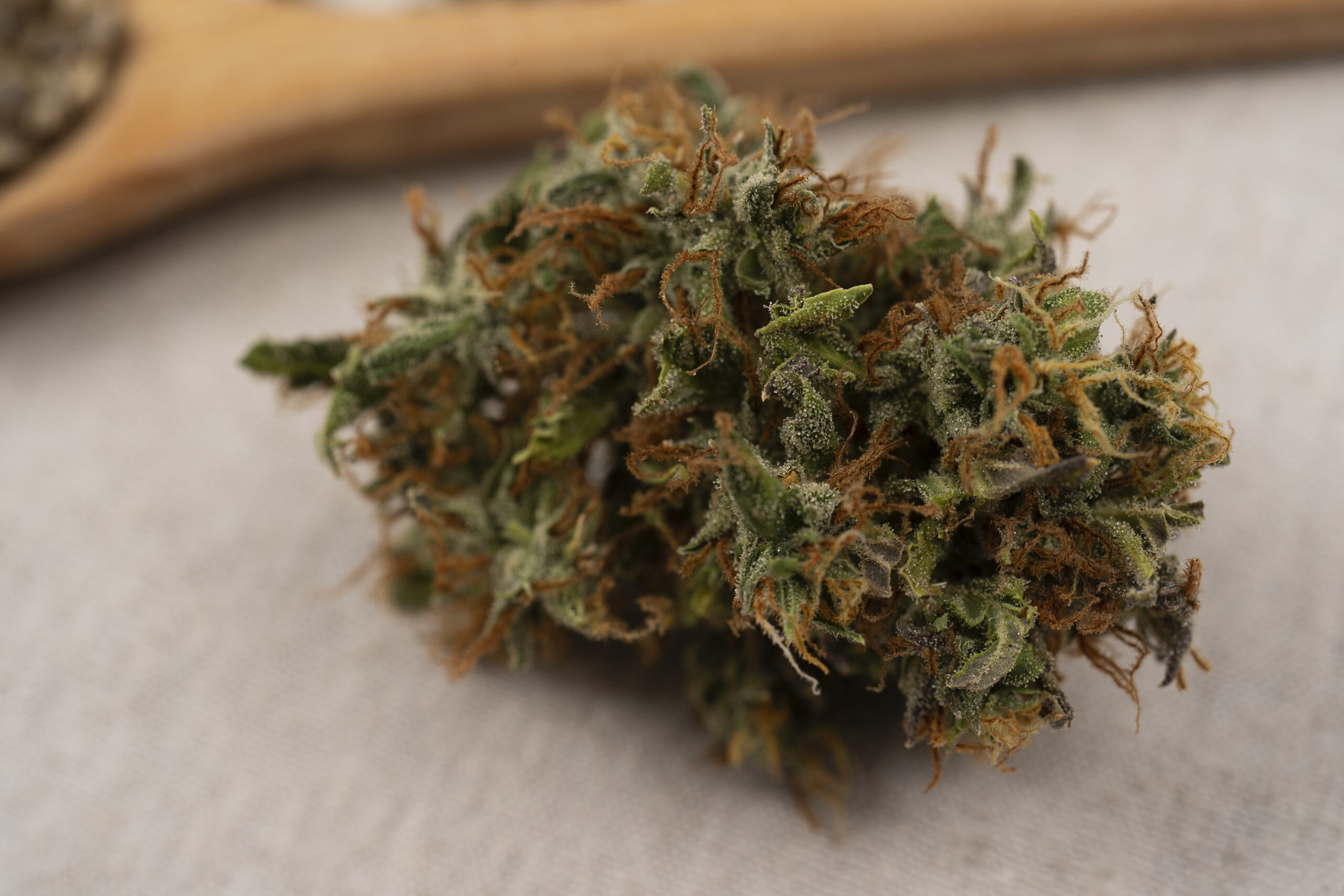
Mother Gorilla plants typically produce dense, compact buds that reflect their indica influence. The flowers are often coated in thick trichomes, giving them a frosty or sticky appearance. This heavy resin production is one of the strain’s most recognizable physical traits and is closely linked to its potency.
The color of the buds can range from deep green to lighter green shades, sometimes with orange or rust-colored pistils. When grown under cooler conditions, some plants may also show hints of purple. These visual traits make the strain easy to recognize for experienced growers, though appearance alone is not enough to confirm genetics.
Why Mother Gorilla Is Notable
Mother Gorilla stands out mainly because of its strength and balance. Many cannabis strains focus heavily on either mental effects or physical relaxation. Mother Gorilla aims to offer both in a single experience. This has made it popular in markets where consumers seek potent strains without extreme sedation.
Its reputation is also tied to the Gorilla strain family’s long-standing presence in cannabis culture. Gorilla-related strains are often associated with high THC content and strong aromas, and Mother Gorilla continues that pattern while maintaining its own identity.
Mother Gorilla is a high-potency hybrid cannabis strain with roots in the Gorilla family. It is not the same as Gorilla Glue, but it shares some family traits such as strong effects and heavy resin production. The strain is usually hybrid-leaning indica, offering both body relaxation and mental stimulation. While naming inconsistencies can cause confusion, Mother Gorilla is generally recognized as a distinct strain valued for its balance, strength, and recognizable Gorilla genetics.
Mother Gorilla Strain Genetics and Lineage
The genetics of a cannabis strain explain many of its key traits, including strength, flavor, growth pattern, and effects. Mother Gorilla is known for its strong genetic background and its connection to the well-known Gorilla strain family. Understanding where Mother Gorilla comes from helps explain why it behaves the way it does and why it stands out among modern hybrid strains.
Parent Strains and Genetic Origins
Mother Gorilla is a hybrid strain created by crossing two powerful parent strains: Gorilla Glue #4 (GG4) and Reina Madre. Each parent contributes specific traits that shape the final characteristics of Mother Gorilla.
- Gorilla Glue #4 is famous for its high THC levels, strong resin production, and intense effects. It is known for producing sticky buds and strong aromas.
- Reina Madre is a sativa-dominant strain recognized for its energetic growth pattern and uplifting mental effects.
By combining these two strains, breeders aimed to create a plant that balances potency, structure, and vigor. Mother Gorilla reflects this goal by offering both mental stimulation and physical relaxation, along with strong growth performance.
Relationship to the Gorilla Strain Family
Mother Gorilla belongs to the larger Gorilla strain family, which includes many varieties that trace back to Gorilla Glue genetics. These strains often share certain features, such as:
- High THC potential
- Dense and resin-heavy flowers
- Strong aromas with earthy or fuel-like notes
However, Mother Gorilla is not the same as Gorilla Glue #4. While it carries GG4 genetics, the addition of Reina Madre changes how the plant grows and how its effects are expressed. This makes Mother Gorilla its own distinct strain rather than a renamed version of GG4.
Genetic Stability and Phenotype Consistency
Genetic stability refers to how consistent a strain is when grown from seed. Mother Gorilla is considered moderately stable, especially when grown from well-bred seeds or clones. Most plants show similar traits, such as:
- Medium to tall height
- Strong central cola growth
- Dense bud formation
That said, some phenotypic variation can occur. A phenotype is the visible expression of a plant’s genetics. In Mother Gorilla, growers may notice small differences in:
- Plant height
- Bud density
- Aroma strength
- Flowering speed
These variations usually come from how much each plant leans toward one parent or the other. Some phenotypes may show more Gorilla Glue traits, while others express more Reina Madre influence.
Breeding Goals Behind Mother Gorilla
Mother Gorilla was bred with clear goals in mind. Breeders wanted to create a strain that:
- Maintains high potency without sacrificing balance
- Grows vigorously in both indoor and outdoor settings
- Produces heavy resin, making it suitable for concentrate production
- Offers a hybrid effect, combining mental clarity with body relaxation
The strain’s name reflects its genetic role. “Mother” suggests strength, foundation, and structure, while “Gorilla” points to its powerful ancestry. Together, the name signals a strain built on strong and reliable genetics.
How Genetics Influence Effects and Growth
The genetics of Mother Gorilla directly affect how the strain behaves. From Gorilla Glue #4, it inherits:
- High THC potential
- Sticky, trichome-rich buds
- Deep physical relaxation
From Reina Madre, it gains:
- Faster growth
- More uplifting mental effects
- Increased stretch during flowering
This combination creates a plant that can deliver strong effects while still being manageable for experienced growers.
Why Lineage Matters to Consumers and Growers
For consumers, knowing the lineage helps set expectations. A strain with Gorilla Glue genetics is often strong and long-lasting. The addition of Reina Madre suggests a more balanced and clear-headed experience.
For growers, lineage offers clues about plant care. Gorilla Glue genetics often require good airflow and support for heavy buds. Reina Madre genetics can lead to taller plants that benefit from training techniques.
Mother Gorilla’s genetics come from crossing Gorilla Glue #4 with Reina Madre, resulting in a strong and balanced hybrid. Its place within the Gorilla family explains its potency and resin production, while its sativa influence supports vigorous growth and mental clarity. Although some phenotypic variation exists, the strain is generally stable and reliable. Overall, Mother Gorilla’s lineage is the foundation for its strength, structure, and wide appeal.
THC, CBD, and Cannabinoid Content
Understanding the cannabinoid content of the Mother Gorilla strain is important for anyone researching its strength, effects, and general characteristics. Cannabinoids are the chemical compounds in cannabis that interact with the body’s endocannabinoid system. The most well-known cannabinoids are THC and CBD, but many smaller compounds also play supporting roles. This section explains what is commonly known about Mother Gorilla’s cannabinoid makeup in clear and simple terms.
THC Levels in Mother Gorilla
Mother Gorilla is widely classified as a high-THC cannabis strain. In most lab-tested samples, THC levels are commonly reported in the range of 20% to 28%, though some phenotypes may test slightly lower or higher. THC, or tetrahydrocannabinol, is the compound mainly responsible for the psychoactive effects of cannabis.
Because of these THC levels, Mother Gorilla is often described as a potent strain. This means that smaller amounts may produce noticeable effects compared to strains with lower THC content. THC concentration can influence how strong the effects feel, how quickly they begin, and how long they last. However, THC percentage alone does not tell the full story, since other cannabinoids and terpenes also affect the overall experience.
CBD Content and Balance
Mother Gorilla typically contains very low levels of CBD, often below 1%. CBD, or cannabidiol, is a non-intoxicating cannabinoid that can affect how THC feels in the body. Strains with higher CBD levels may feel more balanced or less intense to some users.
Because Mother Gorilla has little CBD, its effects are mostly driven by THC and supporting cannabinoids. This low CBD content means there is less natural moderation of THC’s intensity. For this reason, the strain is often categorized as THC-dominant rather than balanced or CBD-rich.
Minor Cannabinoids Present
In addition to THC and CBD, Mother Gorilla may contain small amounts of other cannabinoids. These can include:
- CBG (Cannabigerol): Often found in trace amounts, CBG is known as a “parent cannabinoid” because other cannabinoids form from it during plant growth.
- CBC (Cannabichromene): Usually present in very small quantities, CBC works alongside THC and terpenes.
- CBN (Cannabinol): May appear in aged flower or flower exposed to heat and light over time.
These minor cannabinoids usually appear at levels below 1%, but they still contribute to the strain’s overall chemical profile. While they do not cause intoxication on their own, they can influence how THC interacts with the body.
What Makes Mother Gorilla Feel Strong
Several factors explain why Mother Gorilla is often labeled as strong:
- High THC percentage: The primary driver of potency.
- Low CBD content: Less balancing effect against THC.
- Dense flower structure: More cannabinoids per gram of dried flower.
- Terpene interaction: Terpenes can change how THC is perceived, even without increasing THC levels.
Because of this combination, Mother Gorilla may feel more intense than strains with similar THC percentages but higher CBD or different terpene profiles.
Why THC Levels Can Vary
Not all Mother Gorilla plants will have the same cannabinoid content. THC and other cannabinoids can vary due to several factors:
- Growing conditions: Light, nutrients, temperature, and humidity all affect cannabinoid production.
- Phenotype differences: Seeds from the same strain can grow into plants with slightly different traits.
- Harvest timing: Harvesting earlier or later can change THC levels.
- Curing and storage: Improper handling can reduce cannabinoid strength over time.
Because of this, lab results should be seen as averages rather than exact guarantees.
Comparison to Other High-THC Strains
When compared to other modern hybrid strains, Mother Gorilla fits within the upper range of THC potency. It is similar in strength to many strains that are considered “top shelf” in regulated markets. However, it is not unique in having high THC, as many newer genetics also test above 20%.
What separates Mother Gorilla is not just raw THC numbers, but the way its cannabinoids work together with its terpene profile. This combination shapes how the effects are experienced, even when THC levels are similar to other strains.
Mother Gorilla is a THC-dominant cannabis strain with high THC levels commonly ranging from 20% to 28% and very low CBD content. Its strength is mainly driven by THC, supported by small amounts of minor cannabinoids like CBG and CBC. The lack of CBD means the effects are less balanced by non-intoxicating compounds, which can make the strain feel especially strong. Cannabinoid levels may vary depending on growing, harvesting, and storage conditions, but overall, Mother Gorilla is best understood as a potent, THC-focused strain with a complex chemical profile.
Terpene Profile and Flavor Characteristics
The flavor and aroma of the Mother Gorilla strain come mainly from its terpene profile. Terpenes are natural compounds found in many plants, including cannabis. They are responsible for smell and taste, and they also influence how a strain feels when used. While cannabinoids like THC get most of the attention, terpenes play a major role in shaping the overall experience.
What Are Terpenes and Why They Matter
Terpenes are aromatic oils produced in the resin glands of the cannabis plant. These same glands also produce cannabinoids. Each strain has a unique terpene mix, which helps explain why two strains with similar THC levels can still feel very different.
In Mother Gorilla, the terpene profile is usually strong and noticeable. This is common in strains that come from the Gorilla family. These strains are known for bold aromas that are easy to recognize even before the flower is used.
Dominant Terpenes Found in Mother Gorilla
While exact terpene levels can change depending on how the plant is grown and cured, Mother Gorilla is most often associated with a few key terpenes:
- Caryophyllene
This terpene is known for its spicy, pepper-like scent. In Mother Gorilla, caryophyllene often adds a sharp and earthy edge to the aroma. It is one of the most common terpenes found in modern hybrid strains. - Myrcene
Myrcene is a very common cannabis terpene. It produces earthy, herbal, and sometimes musky notes. In Mother Gorilla, myrcene often helps create a deep, grounded smell that many people describe as “natural” or “soil-like.” - Limonene
Limonene adds a lighter contrast to the heavier terpenes. It brings citrus notes, often described as lemon or orange peel. This terpene helps balance the overall flavor profile and prevents it from being too harsh. - Humulene (in smaller amounts)
Humulene has a woody, slightly bitter aroma. It is also found in hops. When present in Mother Gorilla, it can add a dry, herbal finish to both smell and taste.
Flavor Profile: What Mother Gorilla Tastes Like
When consumed, Mother Gorilla tends to have a layered flavor. The taste often changes from the first inhale to the aftertaste.
- Initial taste:
The first inhale usually delivers earthy and diesel-like flavors. These notes are strong and can feel heavy, especially when smoked. - Mid-palate flavor:
As the smoke or vapor settles, subtle sweet and citrus notes may appear. This is where limonene becomes more noticeable. - Aftertaste:
The finish is often described as spicy, woody, or slightly bitter. This lingering taste is linked to caryophyllene and humulene.
Overall, the flavor is usually described as bold rather than smooth. It is not a mild or neutral strain. People often recognize Mother Gorilla by taste alone, especially if they are familiar with Gorilla-related genetics.
Aroma Profile Before and After Use
Before use, Mother Gorilla flower typically has a strong smell. When the buds are broken apart, the aroma often becomes more intense.
- Unbroken buds:
Earthy, herbal, and slightly sweet scents are common. - Broken or ground buds:
Diesel, spice, and citrus notes become much stronger.
After combustion or vaporization, the smell tends to linger. The smoke odor is usually thick and noticeable, which is typical for strains with dense terpene content.
How Growing and Curing Affect Flavor
The terpene profile of Mother Gorilla can change based on how it is grown and handled:
- Growing conditions:
Light quality, nutrients, and temperature all affect terpene production. - Harvest timing:
Harvesting too early or too late can reduce aroma strength or change flavor balance. - Drying and curing:
Proper curing helps preserve terpenes. Poor curing can lead to flat or harsh taste.
Because of this, flavor quality may vary between growers and batches, even when the strain name is the same.
Mother Gorilla has a strong and complex terpene profile. Its aroma and flavor are shaped mainly by caryophyllene, myrcene, and limonene, with smaller contributions from other terpenes. The result is a strain with earthy, diesel, spicy, and citrus notes that change from inhale to aftertaste. The smell is bold, and the flavor is long-lasting. While exact characteristics can vary by grow method and curing process, Mother Gorilla is generally known for its intense and recognizable sensory profile.
Effects of the Mother Gorilla Strain
The Mother Gorilla strain is known for producing a mix of mental and physical effects. These effects are mainly linked to its high THC levels and balanced hybrid genetics. While the exact experience can vary from person to person, many of the effects follow clear and repeatable patterns. Understanding these effects can help readers know what to expect and how the strain may fit into different use settings.
Onset and Early Effects
The effects of Mother Gorilla usually begin fairly quickly after use. Many users report noticing changes within the first few minutes, especially when smoked or vaporized. The early stage often starts in the head before moving through the body.
At the beginning, mental effects are more noticeable than physical ones. These may include a sense of mental alertness, faster thinking, or increased awareness of surroundings. Some people experience a mild pressure behind the eyes or a warming sensation in the head. These signs often show that the strain is starting to take effect.
Because Mother Gorilla is high in THC, the onset can feel strong, especially for people with low tolerance. Starting with a small amount is often recommended to avoid feeling overwhelmed.
Mental and Cognitive Effects
Mental effects are a key part of the Mother Gorilla experience. These effects are often described as uplifting, stimulating, and engaging. Many users report feeling more focused or mentally active during the first part of the experience.
Common mental effects include:
- Increased alertness
- Heightened sensory awareness
- Faster or more creative thinking
- A general uplift in mood
Some people find that these effects make it easier to focus on tasks that require attention, such as reading or problem-solving. Others may notice that music, colors, or conversations feel more engaging than usual.
However, because the strain is potent, mental effects can sometimes become too intense. In higher amounts, Mother Gorilla may cause racing thoughts or mental overstimulation. This is more likely for people who are sensitive to THC or who use large doses.
Physical and Body Effects
As the mental effects settle, physical effects become more noticeable. These effects often bring a sense of relaxation throughout the body. Muscles may feel looser, and physical tension may ease.
Typical physical effects include:
- A relaxed or heavy body feeling
- Mild sedation as time passes
- Reduced restlessness
- A calm physical state
The body effects are usually not immediate couch-lock, but they can grow stronger over time. For many people, the strain shifts from a mentally active experience to a more relaxed and grounded one.
Because of this progression, Mother Gorilla is often seen as a strain that changes over time. It may feel more energizing at first and more calming later.
Duration and Strength of Effects
The effects of Mother Gorilla tend to last longer than those of lower-THC strains. Many people report effects lasting several hours, depending on dose and method of use.
The strongest effects usually appear within the first hour. After that, the experience slowly becomes less intense. The mental stimulation often fades before the body relaxation does.
The long-lasting nature of the strain means it may not be ideal for short or time-sensitive activities. Planning ahead is important, especially for people who need to stay alert or functional.
Functional and Situational Effects
Mother Gorilla can feel functional at low to moderate doses. Some users find it suitable for creative work, social settings, or focused activities. At these levels, the strain may provide mental energy without heavy physical effects.
At higher doses, the strain becomes more physically relaxing and mentally intense. This may make it better suited for quiet environments or evening use. Tasks that require coordination or quick reactions may become harder.
The setting, mindset, and timing of use all play a role in how the effects are experienced.
Variation Based on Dose and Tolerance
Dose and tolerance greatly affect how Mother Gorilla feels. People with higher THC tolerance may experience smoother and more manageable effects. Those with low tolerance may feel the effects much more strongly.
Small doses tend to highlight mental clarity and light body relaxation. Larger doses increase both mental intensity and physical heaviness. Because of this, careful dosing is important.
Hydration, food intake, and prior cannabis experience can also influence how the strain feels.
Mother Gorilla produces a clear mix of mental and physical effects. It often starts with strong mental stimulation, increased alertness, and sensory awareness. Over time, these effects shift toward physical relaxation and calm. The strain is long-lasting and potent, making dose control important. While it can feel functional at lower amounts, higher doses may lead to heavier body effects and mental intensity. Understanding these patterns helps readers better predict how the strain may affect them.
Potential Uses and Contextual Applications
Mother Gorilla is most often discussed in terms of how and when people choose to use it, rather than for medical claims. This section explains the common contexts and situations in which Mother Gorilla is typically used, based on its chemical makeup and general effects. The goal is to help readers understand how its characteristics may influence use choices, without making health or treatment claims.
General Use Contexts
Mother Gorilla is commonly described as a balanced hybrid. This means its effects are usually a mix of mental stimulation and physical relaxation. Because of this balance, people often consider it a versatile strain rather than one limited to a single type of activity or time of day.
Many users associate Mother Gorilla with moments when both focus and calm are desired. It is not usually grouped only with highly energizing strains or deeply sedating ones. Instead, it tends to fall somewhere in the middle. This makes it relevant in a range of everyday, non-medical settings.
Daytime vs. Evening Considerations
Mother Gorilla is often viewed as more flexible than very strong indica-dominant strains. In lower amounts, it may be chosen during the late morning or afternoon, when users want to stay alert but relaxed. At higher amounts, its effects may feel heavier and more calming, which can make it better suited for evening use.
Because Mother Gorilla typically contains high levels of THC, timing matters. Using it earlier in the day may affect productivity or coordination for some individuals. For this reason, people often plan their use around their responsibilities and environment.
Mental and Creative Contexts
Mother Gorilla is sometimes associated with mental engagement. This includes activities that require concentration, creative thinking, or sustained attention. The strain’s terpene and cannabinoid profile may support a clear-headed experience at moderate amounts.
In creative or problem-solving settings, users may seek strains that do not cause strong mental fog. Mother Gorilla is often described as offering a mental lift without intense overstimulation. This makes it relevant for activities such as:
- Creative hobbies
- Casual reading or media consumption
- Low-pressure social interaction
However, higher doses may reduce focus and increase mental heaviness, which is why moderation is often emphasized.
Physical Relaxation Without Full Sedation
Mother Gorilla is also linked to body relaxation, but it is not usually described as immediately sedating. This means it may be chosen in situations where physical tension relief is desired without strong couch-lock effects.
Some users prefer strains that allow them to remain physically comfortable while still able to move, talk, or engage with others. Mother Gorilla often falls into this category when used carefully. This makes it relevant in relaxed home settings, such as unwinding after daily tasks or easing into rest.
Social and Environmental Settings
In social contexts, Mother Gorilla is often discussed as a strain that can support conversation without strong anxiety or overstimulation for many users. That said, because THC sensitivity varies, social comfort can depend heavily on dose and personal tolerance.
Mother Gorilla is generally more suitable for familiar or controlled environments rather than highly demanding or public settings. High-THC strains can impair reaction time and judgment, which is why users often choose calm, private spaces.
Functional Awareness and Responsibility
Mother Gorilla is not typically associated with high-function or task-heavy use, such as driving, operating equipment, or complex decision-making. Like all THC-dominant strains, it may impair coordination, memory, and response time.
Because of this, responsible use usually involves planning ahead. Many people separate use from work duties, childcare, or other obligations. Understanding these limits is an important part of informed consumption.
Individual Variability
It is important to note that effects can vary widely from person to person. Factors such as body chemistry, tolerance, environment, and consumption method all play a role. What feels balanced to one person may feel overwhelming to another.
Mother Gorilla’s high THC levels mean that it is often approached with caution by those who are new to cannabis or sensitive to strong effects. Lower starting amounts are commonly recommended in informational sources.
Mother Gorilla is most often associated with flexible, non-medical use contexts that balance mental engagement and physical relaxation. Its effects make it relevant for calm social settings, creative activities, and periods of unwinding, especially when used in moderation. Because it is high in THC, careful timing, dose awareness, and responsible planning are important. Understanding these contextual factors helps readers make informed decisions based on environment, tolerance, and personal needs.
Side Effects and Tolerance Considerations
Like many cannabis strains with high THC levels, Mother Gorilla may cause side effects in some users. These effects are not the same for everyone. They can change based on dose, tolerance, body chemistry, and setting. This section explains the most common side effects linked to Mother Gorilla and outlines important tolerance considerations so readers can better understand how this strain may affect the body and mind.
Common Short-Term Side Effects
One of the most frequently reported side effects of Mother Gorilla is dry mouth, sometimes called “cotton mouth.” This happens because THC can reduce saliva production. Drinking water before and after use can help manage this effect.
Dry eyes are also common. THC may lower tear production, which can cause itching or mild discomfort. Eye drops are often used to relieve this issue.
Another possible effect is dizziness or lightheadedness, especially when standing up quickly. This may occur because THC can temporarily lower blood pressure. This effect is more likely at higher doses or in people with low tolerance.
Some users may experience fatigue or drowsiness, particularly as the effects wear off. Mother Gorilla is often described as having both mental and physical effects, and the body-focused effects may become stronger later on.
Mental and Cognitive Side Effects
Because Mother Gorilla is typically high in THC, it may affect thinking and focus. Short-term memory changes are possible, such as difficulty remembering details or following complex tasks. This effect is usually temporary.
Anxiety or restlessness can also occur, especially at higher doses. Some people may feel uneasy, overstimulated, or overly alert. This reaction is more common in users who are sensitive to THC or who consume more than their comfort level.
In rare cases, high-THC strains may lead to confusion or racing thoughts. This is more likely when large amounts are used in a short period of time. Calm surroundings and lower doses can help reduce this risk.
Dose-Dependent Effects
Many side effects linked to Mother Gorilla are dose-dependent, meaning they become more likely or more intense as the amount used increases. Smaller doses may result in fewer side effects, while larger doses may increase both physical and mental discomfort.
This is why dosage control is important. Starting with a low amount allows the body time to respond. Increasing slowly helps reduce unwanted effects and supports better tolerance awareness.
Tolerance and Sensitivity Differences
Tolerance refers to how the body reacts to repeated exposure to THC. People with higher tolerance may feel fewer side effects, while those with low tolerance may feel stronger effects from the same amount.
New or infrequent users often have lower THC tolerance. For these individuals, Mother Gorilla may feel intense, even at small doses. This can raise the chance of anxiety, dizziness, or mental discomfort.
Body weight, metabolism, and prior cannabis experience all play a role in how tolerance develops. Taking breaks between uses can help prevent tolerance from increasing too quickly.
Interaction With Environment and Timing
Side effects may also depend on where and when the strain is used. Busy or stressful environments can increase feelings of anxiety or discomfort. Quiet, familiar settings may reduce mental strain.
Time of day also matters. Using Mother Gorilla earlier in the day may feel different than using it later, especially if fatigue becomes noticeable. Mental alertness may decrease as physical relaxation increases.
Safety and Awareness Considerations
Because Mother Gorilla may impair coordination and reaction time, activities such as driving or operating machinery should be avoided while under its effects. THC can affect judgment and motor control even if the user feels alert.
Mixing cannabis with alcohol or other substances can increase side effects and reduce predictability. This combination may raise the risk of nausea, dizziness, or confusion.
Mother Gorilla may cause side effects similar to other high-THC cannabis strains. Common effects include dry mouth, dry eyes, dizziness, and fatigue. Mental effects such as anxiety or reduced focus may also occur, especially at higher doses or in users with low tolerance. Many of these effects depend on dose, personal sensitivity, and environment. Understanding tolerance levels, starting with low amounts, and choosing appropriate settings can help reduce unwanted reactions and support safer, more informed use.
Grow Difficulty and Cultivation Overview
The Mother Gorilla strain is usually considered a moderate to challenging plant to grow, depending on the grower’s experience and setup. While it is not the hardest strain available, it does require attention, planning, and basic cultivation knowledge. Growers who understand plant structure, feeding schedules, and environmental control will have better results than beginners with limited experience.
Overall Grow Difficulty Level
Mother Gorilla is best described as intermediate-level. Beginners can grow it, but mistakes are more likely if they are unfamiliar with cannabis growth cycles. The plant responds well to proper care, but it does not tolerate neglect or poor conditions as easily as some beginner strains.
Grow difficulty depends on several factors:
- Control of temperature and humidity
- Proper feeding and watering
- Training and pruning techniques
- Monitoring plant height and structure
When these factors are managed correctly, Mother Gorilla can produce strong, healthy plants with dense flower development.
Indoor vs. Outdoor Growing
Mother Gorilla can be grown indoors or outdoors, but indoor environments often provide better control and more consistent results.
Indoor Growing
Indoor cultivation allows growers to control light cycles, airflow, humidity, and temperature. This strain benefits from stable indoor conditions because it tends to stretch during flowering. Indoor growers can use training methods to manage height and improve light exposure.
Indoor growing advantages include:
- Better control of plant size
- Reduced risk from pests and weather
- More predictable flowering times
- Higher-quality buds when conditions are stable
However, indoor growers must watch humidity closely, especially during late flowering. Dense buds can trap moisture, which increases the risk of mold if airflow is poor.
Outdoor Growing
Outdoor cultivation is possible in warm, dry climates with long growing seasons. Mother Gorilla needs plenty of sunlight and protection from excess moisture. Rainy or humid regions may cause problems, especially near harvest time.
Outdoor growers should:
- Choose a sunny, well-ventilated location
- Protect plants from heavy rain
- Monitor pests regularly
- Ensure proper spacing between plants
Outdoor plants can grow much larger than indoor ones, which may increase yield but also require more space and support.
Plant Structure and Growth Pattern
Mother Gorilla plants usually grow tall and strong, with thick stems and wide branching. During the flowering phase, the plant often stretches significantly. This means growers must plan ahead to prevent plants from outgrowing their space.
Key structural traits include:
- Strong main stem
- Long side branches
- Dense flower clusters
- Heavy buds that may need support
Because buds can become large and heavy, stakes or trellises are often needed. Without support, branches may bend or break near harvest.
Training and Pruning Needs
Training is strongly recommended for Mother Gorilla. The plant responds well to common training methods used to control height and improve light coverage.
Common techniques include:
- Low-stress training (LST)
- Topping during early growth
- Pruning lower branches to improve airflow
These methods help the plant grow more evenly and allow light to reach more bud sites. Proper training can also reduce the risk of mold by improving air movement around the flowers.
Resistance to Pests and Environmental Stress
Mother Gorilla has average resistance to pests and disease. It is not especially fragile, but it is also not highly resistant. Regular inspection is important, especially when grown outdoors.
Common risks include:
- Spider mites
- Aphids
- Mold and mildew in humid conditions
Stable temperatures, good airflow, and proper spacing between plants help reduce these risks. Overwatering should be avoided, as it can weaken roots and increase disease problems.
Feeding and Watering Sensitivity
This strain prefers a balanced feeding schedule. Overfeeding can lead to nutrient burn, while underfeeding may reduce growth and flower development. Growers should follow a steady nutrient plan and adjust based on plant response.
Watering should be consistent but not excessive. The roots need oxygen as much as water. Letting the growing medium dry slightly between watering sessions helps maintain healthy root systems.
Mother Gorilla is a strain that rewards careful growers. It is not the easiest plant to grow, but it is also not overly difficult for those with basic experience. The plant grows tall, produces dense buds, and needs training, airflow, and environmental control to perform well. Indoor growers often see the best results, while outdoor growers must manage weather and humidity carefully. With proper planning and attention, Mother Gorilla can be successfully cultivated and produce strong, healthy plants with good yields.
Flowering Time, Yield, and Harvest Expectations
Understanding flowering time, yield, and harvest indicators is important for anyone growing the Mother Gorilla strain. These factors help growers plan their schedule, manage space, and set realistic expectations for production. This section explains each point clearly and in detail.
Flowering Time
Mother Gorilla has a moderate flowering period when grown indoors. On average, the flowering stage lasts 8 to 9 weeks after the light cycle is changed to 12 hours of light and 12 hours of darkness. This timeline places Mother Gorilla in the middle range compared to other hybrid strains.
Outdoor flowering depends on climate and daylight patterns. In outdoor environments, Mother Gorilla usually finishes flowering by late September to early October in the Northern Hemisphere. In warmer regions with long summers, plants may mature slightly earlier.
Flowering time can change based on several factors:
- Light intensity and consistency
- Temperature and humidity control
- Nutrient balance
- Plant genetics and phenotype variation
Growers should monitor plants closely rather than relying only on a calendar. Environmental stress or poor conditions can slow flower development and extend the flowering period.
Yield Expectations
Mother Gorilla is generally considered a medium-to-high yielding strain. Yield results depend heavily on growing conditions, training methods, and overall plant health.
Indoor Yield:
When grown indoors under controlled conditions, Mother Gorilla can produce approximately 400 to 500 grams per square meter. Proper lighting, airflow, and plant training can help reach the higher end of this range.
Outdoor Yield:
Outdoor plants tend to grow larger and may produce 500 to 700 grams per plant, depending on soil quality, sunlight exposure, and seasonal weather. In ideal outdoor conditions, yields may increase further.
Yield can be influenced by:
- Vegetative growth length
- Pruning and training techniques
- Pot size or root space
- Pest and disease prevention
Mother Gorilla develops dense, resin-heavy buds. While the buds are not always extremely large, their weight comes from density and resin content rather than size alone.
Bud Development and Structure
During flowering, Mother Gorilla forms compact, tightly packed buds. These flowers often appear thick and sticky due to a high level of resin production. Trichomes become visible early in the flowering stage and continue to develop until harvest.
Bud structure traits include:
- Firm and chunky flower clusters
- Heavy trichome coverage
- Bright green tones with orange or amber pistils
Because the buds are dense, proper airflow is important during late flowering to reduce moisture buildup and lower the risk of mold.
Harvest Readiness Indicators
Knowing when to harvest Mother Gorilla is essential for preserving potency and terpene content. Harvest timing should be based on plant observation, not just flowering time estimates.
Common signs that Mother Gorilla is ready for harvest include:
- Trichomes changing from clear to cloudy or milky
- Some trichomes turning amber
- Pistils darkening and curling inward
- Slower vertical plant growth
Most growers aim to harvest when the majority of trichomes are cloudy, with a small percentage turning amber. This stage usually reflects peak cannabinoid development.
Harvesting too early may reduce potency, while harvesting too late can change cannabinoid balance and reduce terpene freshness.
Post-Harvest Considerations
After harvest, proper drying and curing are important. Flowers should be dried slowly in a dark, well-ventilated space with controlled humidity. Once dried, curing helps stabilize cannabinoids and preserve flavor.
Although drying and curing do not change yield weight significantly, they affect final flower quality and shelf stability.
Mother Gorilla has a flowering time of about 8 to 9 weeks indoors and finishes outdoors in early fall. It offers moderate to high yields, with dense and resin-rich buds. Indoor growers can expect consistent results with proper environmental control, while outdoor growers may see larger yields in favorable climates. Harvest readiness should be determined by trichome and pistil development rather than timing alone. Overall, Mother Gorilla provides predictable flowering behavior and solid production when grown under stable conditions.
Mother Gorilla vs. Similar Gorilla Strains
Mother Gorilla is often compared to other cannabis strains that carry the “Gorilla” name. This usually includes strains like Gorilla Glue (also known as GG4), Gorilla Cookies, or other Gorilla-related hybrids. While these strains share some genetic roots or naming similarities, they are not the same. Understanding the differences can help readers avoid confusion and better understand what makes Mother Gorilla distinct.
Is Mother Gorilla the Same as Gorilla Glue?
Mother Gorilla is not the same strain as Gorilla Glue. The confusion mostly comes from the shared word “Gorilla” in the name and some overlap in effects and potency. Gorilla Glue is a well-known strain with a long history and widespread recognition. Mother Gorilla, on the other hand, is a newer and more specific hybrid that was developed with different breeding goals.
Even though both strains may produce strong effects and high THC levels, they come from different genetic pairings. This means their chemical makeup, flavors, and growing traits can vary in meaningful ways.
Genetic Differences
Gorilla Glue is known for a specific genetic mix that includes Chem’s Sister, Sour Dubb, and Chocolate Diesel. Mother Gorilla does not use the same genetic formula. Instead, it was bred from different parent strains, even if one or more of those parents may be related to Gorilla Glue or other Gorilla-type plants.
These genetic differences affect how the plant grows, how it smells, and how it feels when used. Even small changes in genetics can lead to noticeable differences in the final product.
Potency and Cannabinoid Comparison
Both Mother Gorilla and other Gorilla strains are often described as high in THC. However, the exact THC percentage can differ from strain to strain and even from plant to plant. Gorilla Glue is often tested in the low-to-mid 20% THC range, while Mother Gorilla may test slightly higher or lower depending on how it is grown.
The balance of cannabinoids also matters. Even if two strains have similar THC levels, differences in minor cannabinoids can change how the effects feel. This is one reason why Mother Gorilla may feel different from Gorilla Glue, even if both are strong.
Terpene and Flavor Differences
Flavor and aroma are areas where Mother Gorilla often stands apart. Gorilla Glue is widely known for its sharp, earthy, and diesel-like smell. Mother Gorilla may share some of these traits, but it often shows more variation, such as sweeter or creamier notes depending on the phenotype.
These differences come from the terpene profile. Terpenes are natural compounds that shape smell and taste. Even strains with related genetics can have very different terpene levels, which leads to a different sensory experience.
Effects and Overall Experience
Gorilla Glue is often described as heavy and deeply relaxing, with strong physical effects. Mother Gorilla may offer a more balanced effect, combining mental stimulation with body relaxation. This does not mean one is stronger or better, only that the effects may be expressed differently.
Because of these differences, people who expect Mother Gorilla to feel exactly like Gorilla Glue may be surprised. The shared name does not guarantee the same experience.
Growing Traits and Structure
From a cultivation standpoint, Gorilla Glue and Mother Gorilla can also differ. Gorilla Glue is known for producing sticky resin and dense buds, but it can be sensitive to certain growing conditions. Mother Gorilla may show different growth patterns, such as variations in height, flowering time, or yield.
These differences matter to growers, especially those choosing a strain based on space, skill level, or climate. Even within the Gorilla family, strains are not interchangeable when it comes to cultivation.
Why Naming Confusion Happens
The cannabis industry often uses familiar words in strain names to signal strength, flavor, or lineage. The word “Gorilla” has become linked with potency and resin production. As a result, many breeders use it even when the strain is not directly related to Gorilla Glue.
This naming trend can mislead readers into thinking all Gorilla strains are the same. In reality, the name alone does not provide enough information about genetics or effects.
Mother Gorilla and other Gorilla strains share a similar naming style, but they are not the same strain. Differences in genetics, potency, terpene profile, effects, and growing traits make each Gorilla-related strain unique. Mother Gorilla should be understood as its own hybrid, not as a version or copy of Gorilla Glue. Knowing these differences helps readers make clearer comparisons and avoid confusion when learning about Gorilla-named cannabis strains.
Storage, Handling, and Preservation Considerations
Proper storage and handling of the Mother Gorilla strain are important for keeping its quality stable over time. Cannabis flower is sensitive to air, light, heat, and moisture. If it is not stored correctly, it can lose flavor, aroma, and potency faster than expected. Understanding how storage works helps ensure that the strain maintains its original characteristics for as long as possible.
Why Proper Storage Matters
Cannabis contains cannabinoids and terpenes, which are responsible for its effects, aroma, and flavor. These compounds slowly break down when exposed to poor storage conditions. THC can degrade into CBN, which may reduce the strain’s strength. Terpenes can evaporate or oxidize, leading to weaker aroma and a flat or harsh taste. Proper storage helps slow down these changes and keeps the flower closer to its original state.
Ideal Storage Containers
The best containers for storing Mother Gorilla flower are airtight and non-reactive. Glass jars with tight-fitting lids are widely considered the most effective option. Glass does not affect flavor or smell and helps prevent air exchange. Plastic containers are not recommended for long-term storage because they can create static, which may damage trichomes. Some plastics may also absorb or release odors.
Vacuum-sealed containers can also work for short-term storage, but they may compress the buds and damage delicate structures. Metal containers can be acceptable if they are coated and airtight, but they should not expose the flower to direct light.
Light Exposure and Its Effects
Light, especially ultraviolet (UV) light, breaks down cannabinoids and terpenes. Continuous exposure can cause the flower to lose potency and aroma more quickly. For this reason, Mother Gorilla should always be stored in a dark place. Opaque or tinted glass containers are preferred, as they block light while still offering airtight protection. Clear containers should only be used if kept inside a dark drawer or cabinet.
Temperature Control
Heat speeds up chemical breakdown. High temperatures can dry out cannabis and reduce terpene content. Mother Gorilla should be stored in a cool environment, ideally between 60°F and 70°F (15°C to 21°C). Avoid placing containers near windows, heaters, electronics, or inside vehicles. Freezing is also not recommended, as it can make trichomes brittle and cause them to break off when handled.
Humidity and Moisture Balance
Humidity plays a major role in cannabis preservation. If humidity is too high, mold can develop. If it is too low, the flower becomes dry and harsh. The ideal relative humidity range for storing Mother Gorilla is between 55% and 65%. Many storage jars use humidity control packs to maintain this balance. These packs help keep moisture levels stable and reduce the risk of both mold and dryness.
Moisture should never be added directly to the flower using items like fruit peels or wet materials. These methods can introduce bacteria or mold and are not reliable.
Air Exposure and Oxidation
Oxygen causes oxidation, which slowly degrades cannabinoids and terpenes. Each time a container is opened, fresh air enters and begins this process again. To limit exposure, containers should only be opened when necessary. Using smaller jars instead of one large container can reduce how often the flower is exposed to air.
Grinding Mother Gorilla ahead of time also increases air exposure. Whole buds retain quality longer than ground material, so grinding should be done only right before use.
Handling Practices
Excessive handling can damage trichomes, which contain much of the plant’s cannabinoids and terpenes. Touching buds with bare hands may also transfer oils and moisture. When handling is needed, it should be minimal. Using clean tools instead of fingers can help preserve the flower’s structure and potency.
Shelf Life Expectations
When stored correctly, Mother Gorilla flower can retain most of its quality for six months to one year. After that time, gradual loss of aroma, flavor, and strength is common. Even under ideal conditions, cannabis does not remain unchanged forever. Proper storage slows degradation but does not stop it completely.
Proper storage and handling are essential for preserving the quality of the Mother Gorilla strain. Airtight containers, limited light exposure, stable temperatures, controlled humidity, and minimal handling all help protect cannabinoids and terpenes. By following these basic storage principles, users can extend shelf life and maintain the strain’s original flavor, aroma, and potency for a longer period of time.
Legal and Availability Considerations
Understanding the legal status and availability of the Mother Gorilla strain is important before researching, purchasing, or cultivating it. Cannabis laws vary widely by country, state, and even city. Because of this, access to Mother Gorilla can look very different depending on where someone lives. This section explains the main legal factors, how availability works in regulated markets, and what to consider when looking for this strain.
Legal Status Varies by Location
Cannabis is not legal everywhere. In some regions, cannabis is legal for both adult recreational use and medical use. In other places, it may be legal only for medical patients with a prescription. Some areas still consider cannabis illegal in all forms.
Mother Gorilla falls under the same legal rules as other high-THC cannabis strains. It does not have a special legal category of its own. If cannabis flower with high THC is restricted or banned in a region, Mother Gorilla would also be restricted or banned.
Even within countries where cannabis is legal, laws can differ by state or province. These laws may control:
- Who can buy cannabis
- How much cannabis can be purchased or possessed
- Where cannabis can be consumed
- Whether home cultivation is allowed
Because laws can change, it is important to check current local regulations rather than relying on outdated information.
Recreational vs. Medical Markets
In legal regions, cannabis is usually sold through either recreational (adult-use) markets or medical markets.
In recreational markets, Mother Gorilla may be available to adults who meet the legal age requirement, which is often 21 years old. Products are sold through licensed dispensaries and must meet testing and labeling standards.
In medical markets, access may require a medical recommendation or card. Some medical programs focus more on strains with specific cannabinoid profiles. Since Mother Gorilla is known for high THC and low CBD, it may not always be widely stocked in medical-only dispensaries, but availability can vary.
Availability of Mother Gorilla Flower
Mother Gorilla is not considered a mass-produced strain in many regions. Its availability depends on grower demand, licensing limits, and consumer interest. Some dispensaries may carry it as a limited or seasonal option rather than a permanent product.
Availability can also depend on:
- Local cultivation trends
- Popularity of Gorilla-related genetics
- Yield and grow difficulty for licensed producers
Because of these factors, Mother Gorilla may be easier to find in some markets than others.
Seed and Clone Availability
In regions where cultivation is legal, some people may look for Mother Gorilla seeds or clones instead of finished flower. This introduces another layer of legal complexity.
Some areas allow adults to grow a limited number of plants at home. Other areas restrict home growing or allow it only for medical patients. In places where home cultivation is illegal, possessing seeds or clones may also be restricted.
Even where seeds are legal to buy, shipping seeds across borders may violate local or international laws. Many seed banks operate in legal gray areas, and laws about seeds are often unclear or poorly enforced. This does not mean they are risk-free.
Labeling and Compliance Standards
In regulated markets, cannabis products must follow strict labeling rules. These usually include:
- THC and CBD percentages
- Batch or lot numbers
- Testing results for contaminants
- Warnings about impairment
If Mother Gorilla is sold legally, it should come with clear labeling that meets local compliance standards. Products without proper labels may indicate unregulated or illegal sales.
Online Availability and Risks
Some websites claim to sell Mother Gorilla flower, seeds, or related products online. Online availability does not always mean legal availability. In many regions, shipping cannabis across state or national borders is illegal, even if cannabis is legal in both locations.
Consumers should be cautious of online listings that do not clearly explain legal compliance, testing, or licensing. Mislabeling and strain name misuse are common in unregulated markets.
Why Availability Changes Over Time
Cannabis availability is not static. A strain that is easy to find one year may be rare the next. Changes in availability can happen due to:
- Shifts in consumer demand
- Changes in cannabis laws
- Grower preference for higher-yield strains
- Market saturation
Mother Gorilla’s presence in dispensaries may rise or fall depending on these factors.
Mother Gorilla’s legal status and availability depend entirely on local cannabis laws. It is treated like other high-THC cannabis strains and does not receive special legal consideration. In legal markets, it may be found in licensed dispensaries, though availability can be limited or seasonal. Seed and clone access adds additional legal concerns, especially across borders.
Before seeking out Mother Gorilla, it is important to understand local regulations, purchase only from licensed sources, and avoid assumptions based on availability in other regions. Laws and market conditions change often, so staying informed is key to responsible and legal access.
Conclusion
Mother Gorilla is a modern cannabis strain that stands out because of its strong genetics, high potency, and balanced characteristics. Throughout this article, we explored what makes this strain unique by looking closely at its background, chemical makeup, effects, flavor profile, and growing requirements. Understanding these elements together helps create a clear and accurate picture of what Mother Gorilla is and how it compares to other strains in the Gorilla family.
At its core, Mother Gorilla is a hybrid strain with a genetic structure that reflects both indica and sativa traits. This balance is one of its defining features. It does not lean fully toward heavy sedation or pure mental stimulation. Instead, it sits between the two, offering effects that may feel both mentally active and physically grounding. This balance is directly tied to its lineage, which comes from well-known Gorilla-related genetics bred for strength, resin production, and consistency. The strain was developed to deliver high potency while maintaining stable growth traits and a recognizable profile.
Potency is another key factor that defines Mother Gorilla. With THC levels that often test at the higher end of the spectrum, this strain is considered strong when compared to many others on the market. Its low CBD content means its effects are mainly driven by THC and supported by terpenes. Because of this, the strength of Mother Gorilla can vary depending on how it is grown, when it is harvested, and how it is consumed. These factors explain why users may experience different levels of intensity even when using the same strain name.
The terpene profile plays a major role in shaping how Mother Gorilla smells and tastes. Earthy, diesel-like, and slightly sweet notes are common, with subtle variations depending on the phenotype. These flavors are not random. They come from specific terpenes that are also found in many other well-known strains. Proper curing and storage are important to preserve these compounds, as exposure to light, air, and heat can reduce both aroma and flavor over time.
When discussing effects, it is important to stay focused on general patterns rather than individual reactions. Mother Gorilla is commonly associated with a noticeable onset that begins in the mind and gradually spreads through the body. The effects often last longer than average, which is typical for high-THC strains. While some people may use it in social or creative settings, others may prefer it later in the day. The experience can change based on dose, tolerance, and setting, which is why moderation and awareness are important.
Side effects are also part of the full picture. Like many potent strains, Mother Gorilla may cause dryness of the mouth or eyes and, in some cases, mental discomfort when consumed in large amounts. These effects are not unique to this strain but are more likely with high-THC cannabis. Understanding personal limits and starting with small amounts can help reduce unwanted reactions.
From a cultivation standpoint, Mother Gorilla is considered moderately difficult to grow. It is not the easiest strain for beginners, but it is also not the most demanding. Growers need to manage plant height, airflow, and nutrient levels carefully. Flowering times are fairly standard for a hybrid, and yields can be rewarding when the plant is grown in stable conditions. Both indoor and outdoor setups can work well, depending on climate and experience level.
It is also important to separate Mother Gorilla from similar strains, especially Gorilla Glue and other Gorilla-named varieties. While they may share genetic roots or general traits, they are not the same strain. Differences in breeding, terpene content, and growth behavior help explain why these strains should not be treated as interchangeable.
In summary, Mother Gorilla is defined by its strong genetics, high THC levels, complex flavor profile, and balanced hybrid effects. Its cultivation requires attention and care, and its potency calls for informed and responsible use. By understanding these factors together, readers can gain a clear and practical understanding of what the Mother Gorilla strain is, without relying on opinions or assumptions. This knowledge allows for better decision-making, whether the interest lies in cultivation, research, or general education.
Research Citations
Royal Queen Seeds. (n.d.). Mother Gorilla (formerly Royal Madre): Feminized cannabis seeds. Royal Queen Seeds.
AllBud. (n.d.). Mother Gorilla marijuana strain. AllBud.
Zamnesia. (n.d.). Mother Gorilla (Royal Queen Seeds) feminized. Zamnesia.
Gertsch, J., Leonti, M., Raduner, S., Racz, I., Chen, J.-Z., Xie, X.-Q., Altmann, K.-H., Karsak, M., & Zimmer, A. (2008). Beta-caryophyllene is a dietary cannabinoid. Proceedings of the National Academy of Sciences of the United States of America, 105(26), 9099–9104.
Klauke, A.-L., Racz, I., Pradier, B., Markert, A., Zimmer, A. M., Gertsch, J., & Zimmer, A. (2014). The cannabinoid CB₂ receptor–selective phytocannabinoid beta-caryophyllene exerts analgesic effects in mouse models of inflammatory and neuropathic pain. European Neuropsychopharmacology, 24(4), 608–620.
Aly, E., Khajah, M. A., & Masocha, W. (2019). β-Caryophyllene, a CB2 receptor–selective phytocannabinoid, suppresses mechanical allodynia in a mouse model of antiretroviral-induced neuropathic pain. Molecules, 25(1), 106.
Alberti, T. B., Barbosa, W. L. R., Vieira, J. L. F., Raposo, N. R. B., & Dutra, R. C. (2017). (−)-β-Caryophyllene, a CB2 receptor–selective phytocannabinoid, suppresses motor paralysis and neuroinflammation in a murine model of multiple sclerosis. International Journal of Molecular Sciences, 18(4), 691.
Surendran, S., Qassadi, F., Surendran, G., Lilley, D., & Heinrich, M. (2021). Myrcene—What are the potential health benefits of this flavouring and aroma agent? Frontiers in Nutrition, 8, 699666.
Reimann-Philipp, U., Speck, M., Orser, C., Johnson, S., Hilyard, A., Turner, H., Stokes, A. J., & Small-Howard, A. L. (2020). Cannabis chemovar nomenclature misrepresents chemical and genetic diversity: Survey of variations in chemical profiles and genetic markers in Nevada medical cannabis samples. Cannabis and Cannabinoid Research, 5(3), 215–230.
Birenboim, M., Chalupowicz, D., Maurer, D., Barel, S., Chen, Y., Fallik, E., Paz-Kagan, T., Rapaport, T., Sadeh, A., Kengisbuch, D., & Shimshoni, J. A. (2022). Multivariate classification of cannabis chemovars based on their terpene and cannabinoid profiles. Phytochemistry, 200, 113215.
Questions and Answers
Q1: What is the Mother Gorilla strain?
Mother Gorilla is a potent hybrid cannabis strain known for its strong effects, high THC levels, and a balance of cerebral stimulation with physical relaxation.
Q2: What are the genetics of Mother Gorilla?
Mother Gorilla is typically a cross between Gorilla Glue #4 and Reina Madre (or a similar strong hybrid, depending on breeder), giving it power, resin production, and complexity.
Q3: Is Mother Gorilla an indica, sativa, or hybrid?
Mother Gorilla is a hybrid strain, usually slightly indica-leaning, offering both mental uplift and body relaxation.
Q4: What is the typical THC content of Mother Gorilla?
Mother Gorilla often contains high THC levels, commonly ranging from about 20% to 27%, making it a strong strain best suited for experienced users.
Q5: What effects does Mother Gorilla produce?
Users commonly report euphoria, creativity, relaxation, and a heavy body high that can become sedating at higher doses.
Q6: What does Mother Gorilla taste and smell like?
Mother Gorilla typically has earthy, piney, and diesel-like aromas, with hints of citrus or sweetness depending on the phenotype.
Q7: What medical uses is Mother Gorilla known for?
Mother Gorilla is often used to help manage stress, chronic pain, insomnia, anxiety, and appetite loss due to its strong and long-lasting effects.
Q8: Is Mother Gorilla good for daytime or nighttime use?
Mother Gorilla is better suited for evening or nighttime use, as its potency and relaxing effects can be too heavy for daytime productivity.
Q9: What are common side effects of Mother Gorilla?
Common side effects include dry mouth, dry eyes, dizziness, and in some cases anxiety or couch-lock if consumed in large amounts.
Q10: Is Mother Gorilla easy to grow?
Mother Gorilla is considered moderately difficult to grow, requiring experience, proper humidity control, and sufficient space due to its vigorous growth and heavy resin production.