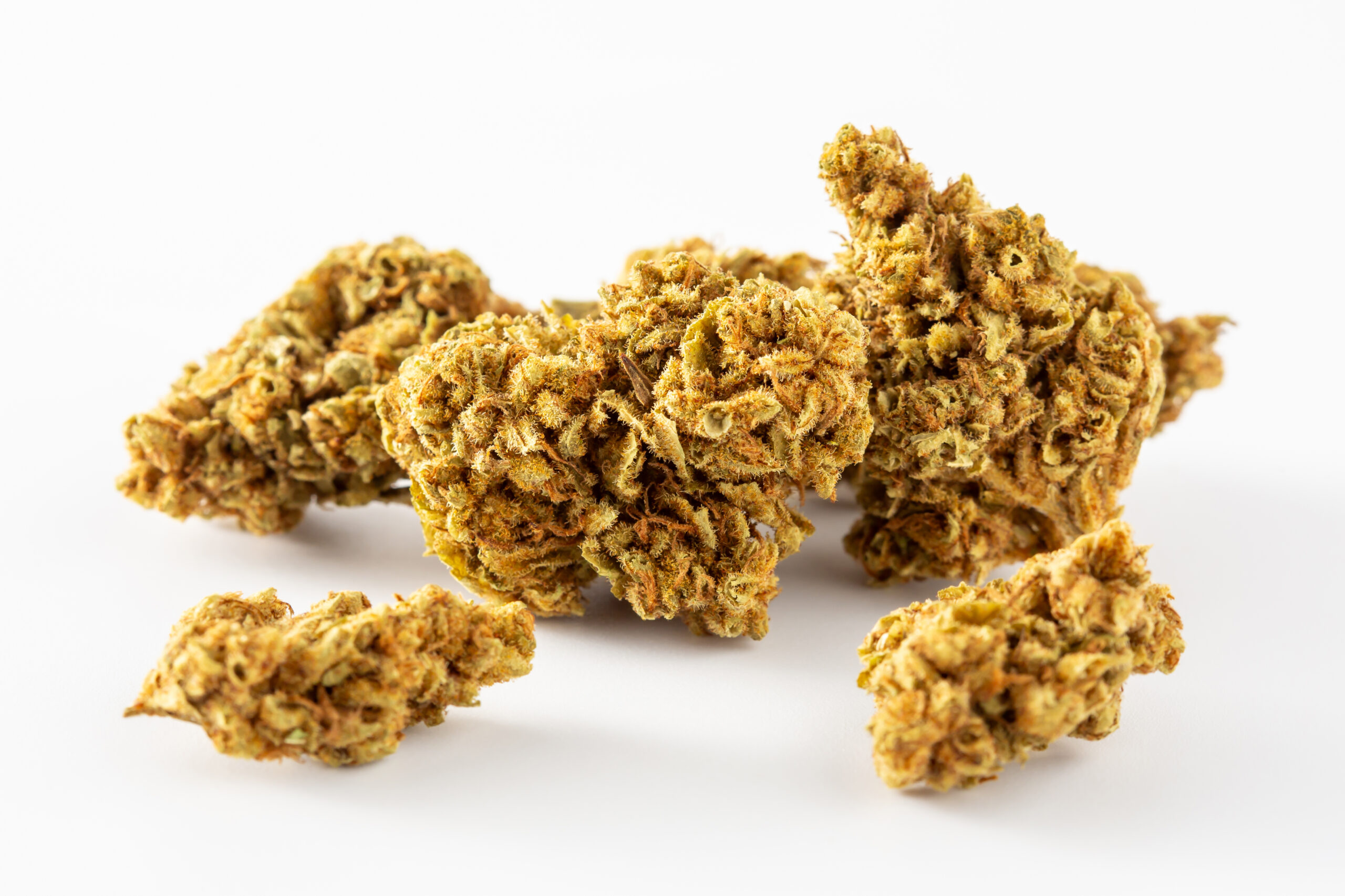


Sativa is one of the main labels people use for cannabis strains. When someone says “sativa,” they usually mean a strain that feels more uplifting, energizing, or clear-headed than other types. Many people look for sativa because they want a strain that fits daytime use, social plans, creative work, or tasks that need focus. That is why the phrase “purest sativa strain” shows up so often in search results. People want to know what “pure” means, whether pure sativas still exist, and which options are the closest match today.
It helps to start with one key point: most cannabis sold now is not truly “pure” in a genetic sense. Over many years, growers and breeders mixed plants from different regions to improve yield, shorten flowering time, increase potency, or create new flavors. Because of that, many strains on menus are hybrids, even if they are marketed as sativa. Some are “sativa-leaning” or “sativa-dominant,” which means they have more sativa traits than indica traits, but they are still mixed genetics. So, when people ask for the purest sativa, they are often looking for strains with strong sativa heritage, especially older “landrace” lines that were grown in one region for a long time.
This article explains what “pure sativa” can mean in real life, and how to think about it in a practical way. You will learn the difference between botanical ideas (how the plant grows) and consumer labels (how people describe effects). You will also see why it is hard to claim a strain is 100% sativa today, and why two products with the same strain name can feel different depending on who grew it and how it was tested.
You will also learn how sativa is usually compared with indica and hybrid. While the old labels can be helpful as a starting point, they do not guarantee a specific feeling. Effects often depend on the full chemical profile of the plant, including THC, CBD, minor cannabinoids, and terpenes. THC is the main intoxicating compound, but it is not the only factor that shapes the experience. Terpenes are aromatic compounds that can influence how a strain smells and may shape how the effects feel for many users. So, to understand “pure sativa,” you also need to understand why chemistry matters as much as genetics.
Another part of the “purest sativa” question is potency. Some people want the strongest sativa they can find. Others want a sativa that feels clear without being too intense. Potency is often shown as a THC percentage, but that number does not tell the full story. A lower-THC product can still feel strong if the terpene profile and overall balance fit your body. In the sections ahead, the article will explain what potency numbers mean, how to read them, and why “strongest” can mean different things to different people.
The article will also cover common reasons people choose sativa-type strains. These may include energy, focus, mood lift, or feeling more talkative and engaged. At the same time, it will explain possible downsides, such as feeling jittery, restless, or anxious—especially with high-THC products or large doses. Knowing both the benefits and the risks helps you make safer choices and set realistic expectations.
Finally, the article will list some of the best-known “pure or near-pure” sativa options, including classic landrace-related strains that are often seen as closer to true sativa genetics. It will also explain why these strains can be hard to find and why they may cost more or appear less often in stores. By the end, you should be able to understand what people mean by “purest sativa,” how to check strain claims more carefully, and how to choose options based on genetics and lab results instead of marketing words.
What Does “Pure Sativa” Really Mean?
When people search for the “purest sativa strain,” they are usually asking a simple question: Which sativa has the least mixing with other types of cannabis? To answer that well, we need to explain what “pure sativa” means, how strains are labeled today, and why truly pure sativas are not common.
What “sativa” means in two different ways
The word sativa is used in two main ways:
- Botanical (plant) meaning
In botany, sativa describes a type of cannabis plant that often grows tall, has longer and thinner leaves, and can take longer to flower. Many plants people call “sativa” today match these traits, but not all. - Consumer (effects) meaning
In dispensaries and online menus, sativa usually means a strain that is described as more energizing, uplifting, or focus-friendly. This is more about the reported experience than the plant’s exact genetics.
These two meanings do not always match. A plant can look like a sativa but still have mixed genetics. And a strain can be sold as “sativa” because of its effects, even if its genetic background is not fully sativa.
“Pure sativa” vs. “landrace sativa”
A pure sativa strain means the strain’s genetics are believed to come only from sativa-type cannabis lines, with no indica or other crossbreeding mixed in. In real life, “pure” usually means as close as possible.
A key term here is landrace. A landrace sativa is a traditional cannabis type that developed over a long time in a specific region, with less outside mixing. Landrace sativas often come from places near the equator, where the climate supports long growing seasons. Examples commonly discussed include Thai, Colombian, or certain African lines. Because landraces are older and less bred for modern markets, they are often considered the closest thing to “pure” sativa.
Why 100% pure sativa strains are rare today
Many modern strains are hybrids, meaning they are crosses of different genetic lines. There are a few main reasons this happened:
- Breeding for faster flowering: Classic sativas can take a long time to finish flowering. Many growers and breeders prefer faster harvest times.
- Breeding for higher yield: Some pure sativas can produce less dense buds or lower yields compared to modern hybrids.
- Breeding for specific traits: Over time, breeders crossed plants to get certain smells, flavors, cannabinoid levels, and growth patterns.
- Supply chain and labeling limits: In many markets, strain names and categories are used for shopping convenience, not strict science. That can lead to “sativa” labels on strains with mixed genetics.
Because of these factors, even strains marketed as “100% sativa” may not be genetically confirmed as fully pure. Some may be very sativa-dominant, but still have some hybrid influence somewhere in their history.
How breeders and sellers decide a strain is “pure” or “nearly pure”
There is no single global rule that defines “pure sativa.” Instead, people rely on several common signals:
- Genetic lineage and breeding history
Breeders may track parent plants and try to keep a strain close to traditional sativa lines. If a strain has documented roots in landrace sativa genetics, it may be described as pure or nearly pure. - Plant structure and growth traits
Sativa-leaning plants often grow taller, stretch more during flowering, and may have longer flowering times. These traits can support a “sativa” claim, but they do not prove purity by themselves. - Cannabinoid testing (like THC and CBD levels)
Lab reports can show how much THC, CBD, and other cannabinoids are present. However, lab numbers do not reveal whether the genetics are pure sativa. They only show chemical content. - Terpene profile
Terpenes are aromatic compounds that affect smell and may shape how a strain feels. Some sativas are known for certain terpene patterns (like higher limonene or pinene in some cases), but terpenes do not confirm genetics either. They are still useful clues. - Third-party genetic testing (where available)
Some services and breeders use genetic testing to compare strains. This can give stronger evidence, but it is not used for every strain and is not always easy for consumers to access.
A clear takeaway for readers
In most real-world shopping and research, “pure sativa” usually means one of these:
- A landrace sativa (or a strain closely built from landrace sativa lines), or
- A very sativa-dominant strain that is widely recognized as having mostly sativa genetics, even if it is not perfectly pure
So, if you want the “purest” option, the best place to start is often landrace sativas and well-documented sativa lines, along with trusted information about genetics and lab testing.
“Pure sativa” is a term people use for strains that are as close as possible to sativa-only genetics. In practice, truly 100% pure sativas are rare because most modern strains have been crossbred to improve yield, shorten flowering time, or sharpen certain traits. The purest options are usually landrace sativas or strains with strong, well-documented landrace roots. To judge purity, the most useful clues are genetic lineage records, breeder notes, and—when available—genetic testing, with lab results and terpene profiles used as supporting details.
How Is Sativa Different From Indica and Hybrid?
People often hear the words sativa, indica, and hybrid when shopping for cannabis. These labels can help you get a basic idea of what a plant is like. But they do not tell the full story by themselves. To understand the differences, it helps to look at three areas:
- how the plants grow and look,
- the climates they come from, and
- the chemicals inside the plant, like cannabinoids and terpenes.
Below is a clear breakdown of each point.
Plant Shape and Growth Pattern
Sativa plants usually grow tall and slim. Their branches often spread out, and they can become very large outdoors. Their leaves are often long and narrow. Because of their size, sativa plants may need more space and support during growth.
Indica plants are usually shorter and bushier. They often have a thicker main stem, with branches that stay closer to the plant. Their leaves are often wider and broader. Many indica plants are easier to manage in smaller spaces because they do not stretch as much.
Hybrid plants can look like either one, or a mix of both. Some hybrids are tall like sativa but thicker like indica. Others stay compact but still grow long, narrow leaves. Because hybrids are crosses, their shape depends on their parent strains.
Why this matters:
Plant shape affects how the plant is grown and harvested. For example, a tall sativa may need more vertical room and a longer grow cycle. A short indica may fit better in a small indoor space.
Flowering Time and Harvest Speed
Another key difference is how long the plant takes to flower.
- Sativas often have a longer flowering time. Many sativa-leaning plants can take 10–14 weeks (and sometimes longer) to fully mature once flowering begins.
- Indicas often flower faster, sometimes around 7–10 weeks.
- Hybrids fall in the middle, depending on which genetics are stronger.
Why this matters:
Longer flowering time can make some sativas harder to grow at a commercial scale, especially indoors. That is one reason many modern strains are hybrids—breeders often want faster harvests.
Where They Traditionally Grew Best
Sativa and indica are also linked to different natural environments.
Sativa plants are often connected to warm, sunny regions with longer growing seasons. In these places, plants can stay outdoors for a long time without early cold weather. This supports tall growth and long flowering.
Indica plants are often linked to cooler or mountain regions, where seasons can be shorter. A shorter plant with a faster flowering time can be an advantage in those conditions.
Hybrids were created in part to combine traits from both types. A hybrid might be bred to handle different climates, resist mold, or finish flowering sooner, while still keeping certain effects or aromas.
Important note:
Today, cannabis is grown in many controlled environments. Indoor growing can change how a plant behaves. Still, the original climate patterns help explain why sativas and indicas developed different traits over time.
Typical Effects: What People Usually Report
Many people describe sativa as more uplifting and energizing, while indica is often described as more relaxing and body-focused. Hybrids can lean either way.
Common reports include:
- Sativa-leaning strains: more alert, more social, more mental energy, more daytime use.
- Indica-leaning strains: more calm, more heavy body feeling, more quiet, more night use.
- Hybrids: can be balanced or lean toward one side.
However, these effect labels are not perfect. Two “sativa” strains can feel very different from each other. The reason is simple: the chemical profile matters more than the name on the label.
Chemical Differences: THC, CBD, and Terpenes
Cannabis effects come mostly from cannabinoids and terpenes.
Cannabinoids (THC and CBD)
- THC is the main compound linked to the “high.”
- CBD is not strongly intoxicating and can change how THC feels for some people.
Some people ask: “Are sativa strains stronger than indica?”
Not always. Strength is usually about THC percentage, dose, and how your body reacts. A strain labeled “indica” can have more THC than a strain labeled “sativa,” and the reverse can also be true.
Also, THC percent is not the only factor. A strain with moderate THC but certain terpenes may feel “stronger” to some people than a high-THC strain with a different terpene mix.
Terpenes (Aroma Compounds That Also Affect Feel)
Terpenes give cannabis its smell, like citrus, pine, or earth. They may also shape the experience by influencing mood and body sensation.
Examples:
- Limonene (often citrus-like): commonly linked to brighter mood.
- Pinene (pine-like): often linked to alertness.
- Myrcene (earthy): often linked to relaxation.
- Caryophyllene (peppery): often linked to a calming body feel.
Because of this, a “sativa” with a calming terpene profile might feel more relaxing than expected. And an “indica” with uplifting terpenes might feel more energizing than expected.
So, What Should Readers Take From This?
Sativa, indica, and hybrid labels can be a helpful starting point, especially for plant structure and general expectations. But they are not a guarantee of effects.
To understand what a strain will likely feel like, it is best to look at:
- the THC and CBD levels, and
- the terpene profile (if available from lab testing).
Sativa plants are often tall, slim, and slower to flower, and they are commonly linked to uplifting effects. Indica plants are often short, bushy, and faster to flower, and they are commonly linked to relaxing effects. Hybrid strains are mixes that can lean either way. Still, the label alone does not fully predict how a strain will feel. The most useful clues come from the strain’s chemical profile—especially THC, CBD, and terpenes—because those compounds play the biggest role in effects and potency.
What Is the Purest Sativa Strain Available Today?
When people search for the “purest sativa strain,” they usually mean a strain that is as close as possible to a true sativa genetic line. In simple terms, they want cannabis that is not mixed much (or at all) with indica genetics. This sounds straightforward, but it is not always easy to answer. That is because most strains sold today are hybrids, even when they are labeled “sativa.”
Purity depends on genetics, not just the label
A strain is “pure sativa” only if its genetics come from sativa plants without crossing them with indica or other mixed lines. In real life, many strains are bred over many years. Growers cross plants to change things like yield, flowering time, mold resistance, and THC level. Each cross can change the genetic mix.
Because of that, the word “sativa” on a menu or label does not always mean “pure.” It often means the effects tend to feel more energizing or uplifting. Some products labeled “sativa” are actually hybrid strains that behave like sativa, even if they are not genetically pure.
So, when talking about the “purest” sativa strains available today, the best approach is to focus on strains with:
- Documented lineage (where the genetics came from)
- Minimal hybrid crossing
- Landrace or near-landrace roots (explained below)
Why true 100% pure sativa strains are rare
There are several reasons true pure sativas are hard to find:
- Hybrid breeding is very common.
Many modern strains were created by crossing different cannabis types to make them easier to grow or more consistent. - Classic sativas often take longer to flower.
Some true sativas can take many weeks longer than other plants. That is not ideal for large-scale commercial growing. - Names are not always controlled.
Strain names can be reused or applied loosely. Two products with the same strain name may not be genetically identical, depending on the grower and source.
Because of these issues, the “purest sativa” you can find is often not a single universal answer. It depends on the source, the breeder history, and whether the strain has been kept stable over time.
Why landrace strains are often the purest
A landrace strain is a cannabis variety that developed over a long time in a specific region, with limited outside crossing. These strains are closer to the original cannabis genetics from their home areas.
Many well-known pure or near-pure sativas come from landrace backgrounds in places like:
- Parts of Africa
- Southeast Asia (Thailand and nearby regions)
- Central and South America
Landrace sativas are often used as parent genetics for newer strains. But the landrace lines themselves, when preserved well, are usually the closest thing to “pure sativa” that a consumer can find.
Examples commonly considered close to pure sativa
Below are strains that are widely known for being close to 100% sativa, or strongly tied to sativa landrace genetics. Availability can vary by location and producer, and some versions may be more hybridized than others. This is why checking a reliable source (like a breeder description or a verified genetics listing) matters.
Durban Poison
Durban Poison is one of the most famous sativa-leaning strains. It is commonly described as a pure African sativa or very close to it. It is often linked to South African genetics. People seek it out because it is known for effects that tend to feel:
- Clear-headed
- Energizing
- More “daytime” in character for many users
Potency can vary by grower, but it is often in a moderate-to-high THC range. The important point for “purity” is its reputation for having a strong, stable sativa identity.
Thai (landrace varieties)
“Thai” can refer to several traditional sativa lines from Thailand and nearby areas. These are classic sativas and are often tied to the historical “Thai stick” era. True Thai lines can be:
- Tall-growing plants
- Long-flowering
- Strongly sativa in structure and effect profile
Because “Thai” is sometimes used as a general marketing term, the most “pure” examples are usually those that come from breeders who clearly state the line is landrace-derived and not heavily crossed.
Colombian Gold
Colombian Gold is a well-known name linked to South American sativa genetics, often associated with Colombia. It is commonly described as a classic sativa type with a long history in cannabis culture.
Just like Thai lines, Colombian Gold can be hard to find in a truly preserved form. Some versions on the market may be crossed or stabilized with other genetics. Still, it remains one of the most recognized examples when discussing pure or near-pure sativa options.
Malawi
Malawi is another name that is often connected to African sativa landrace genetics, associated with Malawi. Some preserved Malawi lines are known for:
- Strong potency potential
- Long flowering time
- Clear sativa-type plant traits
Because of its strength in some versions, it is more often suggested for experienced consumers. But “purest sativa” is about genetics, not just THC. Malawi is included because it is strongly tied to landrace sativa heritage.
A practical way to think about “purest sativa”
Instead of expecting a perfect 100% answer, it helps to think in levels:
- Most likely to be pure or near-pure: landrace or preserved landrace lines (Thai, Malawi, Colombian-type lines)
- Often close to pure in common markets: Durban Poison (depending on source)
- Less likely to be pure: many modern “sativa” strains that were bred for faster harvests or bigger yields
The “purest sativa strain” is usually a strain with strong landrace sativa genetics and minimal mixing with indica. True 100% pure sativas are rare today because most cannabis has been crossbred over time. Still, strains like Durban Poison, traditional Thai sativa lines, Colombian Gold types, and Malawi are often listed among the best-known options that can be close to pure sativa—especially when they come from trusted sources with clear genetic history.
Top Landrace Sativa Strains
Landrace sativa strains are some of the closest examples we have to “pure” sativa genetics. A landrace strain is a cannabis variety that developed over a long time in one region, with little outside breeding. These plants adapted to local weather, soil, altitude, and daylight cycles. Because of that, landrace strains often have more stable, recognizable traits than many modern strains.
It is important to know one thing: “landrace” does not always mean easy to find or perfectly identical everywhere. Over many decades, seeds have been moved, crossed, and renamed. Even so, several well-known sativa landraces (and landrace-based lines) are still used as key reference points when people talk about “pure” sativa.
Below are four landrace sativa options that are commonly discussed when the goal is to find the purest sativa genetics possible. Each one has a clear geographic history and a reputation for strong sativa-type growth and effects.
Durban Poison
Origin: South Africa
Durban Poison is widely linked to South African sativa genetics, especially from the Durban area. It is often listed as a “pure sativa” or very close to 100% sativa in many strain catalogs. In real-world markets, it may vary by breeder and region, but it is still one of the most common “near-pure sativa” names people can actually find.
What makes it a classic sativa:
- Tall plant structure compared to many hybrids
- Narrower leaves typical of sativa lines
- A more uplifting and alert style of effect is commonly reported
THC levels (general range):
Durban Poison can test at moderate to high THC levels depending on how it is grown and tested. The exact number can differ a lot by batch, so a lab label matters more than a strain name.
Common terpene profile (general):
Durban Poison is often linked with terpenes such as terpinolene, pinene, and limonene. These terpenes are often associated with a fresh, sharp, or bright aroma. This matters because terpenes help shape how a strain feels, not just how it smells.
Thai Sativa
Origin: Southeast Asia (Thailand and nearby regions)
“Thai” is sometimes used as a broad label. It can refer to more than one local landrace population. Traditional Thai sativas are known for long flowering times and a strong sativa-type growth pattern.
What makes Thai sativas stand out:
- Very long flowering cycles compared to many modern strains
- Large, airy buds in some traditional growing styles
- Strong sativa traits in plant shape and effects
Potency range:
Thai sativas can be potent, but results vary widely. Some modern versions labeled “Thai” are not true landrace Thai genetics. Others may be Thai-influenced lines. Because of this, lab results and breeder information are key if you want the closest match to traditional Thai.
Aroma and terpenes (general):
Thai-type sativas are often described with spicy, herbal, or citrus-like notes. Terpenes can vary by local type, climate, and curing style, so you may see different results even under the same “Thai” name.
Colombian Gold
Origin: Colombia (South America)
Colombian Gold is one of the best-known South American sativa landraces. It has a long history and is often mentioned as a foundation for later breeding. Like other landraces, what is sold under this name today may not always be identical to older versions, but the genetic “idea” is well-established.
Key traits often linked to Colombian Gold:
- Sativa-style plant shape and longer flowering time
- Effects often described as uplifting and clear
- A classic “old-school” sativa profile used in breeding history
Potency range:
Colombian Gold is often moderate to strong in THC, but potency depends on growing conditions, harvest timing, and lab testing. Some traditional landraces may not always chase the highest THC numbers, yet they can still feel strong due to their terpene and cannabinoid balance.
Terpene profile (general):
Colombian sativa lines are often linked with earthy, sweet, or spicy aromas. Pinene, myrcene, and caryophyllene may show up, but exact profiles vary by grow and phenotype.
Malawi
Origin: Malawi (Africa)
Malawi is another famous African landrace sativa. It is often described as very strong and is sometimes used in breeding projects focused on powerful sativa traits. Malawi lines may be harder to find in many markets, but they remain important when discussing “pure sativa” options.
Why Malawi is often considered high-impact:
- Strong sativa growth traits
- A reputation for higher potency in some lines
- Intense effects that may feel “fast” or stimulating to some users
Potency range:
Some Malawi lines are known for high THC results, but this still depends on the specific genetic line and the grower’s methods. If you are comparing products, look for lab results and freshness dates.
Terpenes (general):
Malawi-type sativas are often described as having complex herbal, spicy, or sometimes fruity notes. Terpene profiles can shift a lot based on phenotype selection and curing.
Landrace sativa strains matter because they are closer to the original regional genetics that existed before heavy hybrid breeding became common. Durban Poison is one of the most widely available “near-pure” sativas and is often used as a reference point. Thai sativas are known for long flowering times and strong sativa traits, but the name can be used loosely, so genetics and lab labels matter. Colombian Gold is a classic South American sativa with a long history and a clear place in cannabis breeding. Malawi is an African landrace often linked with strong potency and intense sativa-style effects.
If your goal is the “purest sativa,” landraces (or verified landrace-based lines) are usually the best starting point—but strain names alone are not enough. Genetics, breeder credibility, and lab testing are what make the difference.
What Are the Benefits of Pure Sativa Strains?
When people ask for the “purest sativa strain,” they are usually looking for a certain type of effect. Sativa strains are often described as uplifting, active, and better for daytime use. While every person can react differently, there are clear reasons why many users prefer sativa genetics for specific goals.
Below are the most common benefits people look for when choosing a pure or nearly pure sativa strain. This section will explain each one in simple terms, so you can understand what these strains may offer and when they may fit best.
Uplifting mood and a “brighter” headspace
One of the main reasons people choose sativa strains is the mood effect. Many sativa strains are linked with feelings that are described as lighter, more positive, or more upbeat. Some people say they feel more social or more talkative. Others say they feel less “heavy” than they do with indica strains.
This does not mean sativa is always a “happy” strain for everyone. But in general, sativa strains are often chosen when someone wants to avoid feeling too slow or too sleepy. If your goal is to stay active and feel mentally alert, a pure sativa may match that goal better than a strong indica.
More energy for daytime use
Another common benefit is a more energized feeling. Many users choose sativa strains in the morning or early afternoon because they do not want a heavy, couch-lock effect. Some sativa strains may feel stimulating, like having more “get up and go.”
This is one reason sativas are often described as “day strains.” They may fit better for tasks like cleaning, working on a project, going for a walk, or doing something creative.
That said, “energy” can also mean “too much energy” for some people. If you are sensitive to THC or you take too large a dose, the same energizing effect can feel uncomfortable. The benefit usually depends on using a small amount and knowing your limits.
Increased focus and mental clarity
Many people search for sativa strains because they want better focus. Some sativas are known for effects that feel more clear-headed. Users may describe the feeling as being more alert, more interested, or more “locked in” to what they are doing.
This benefit is often linked to the overall cannabinoid and terpene profile, not just whether the strain is called sativa. For example, some sativa-leaning strains with certain terpene profiles may feel more sharp and fresh. Others may feel more dreamy or distracting.
If you are using cannabis for focus, it helps to start with a low dose. A small dose may support attention for some people, while a high dose can make focus worse.
Creativity and idea flow
Sativa strains are also popular for creative activities. Many users report that sativas can help ideas come faster or make it easier to explore different thoughts. This is why sativas are often chosen for writing, art, music, brainstorming, and other creative work.
The creative benefit is not always about being “more productive.” Sometimes it is about seeing things from a new angle, noticing details, or feeling more curious. For some people, that is the main reason they search for pure sativa genetics.
As with focus, dose matters. Too much THC can make thoughts feel scattered instead of helpful.
More social and conversational effects
Some people choose sativas for social settings. Certain sativa strains may make users feel more open, more talkative, or more engaged in a conversation. This is not true for every strain, but it is a common reason people look for sativa options.
If you are choosing a sativa for social use, it helps to pick one that is not too high in THC, especially if you are not experienced. A very strong sativa can sometimes create nervousness, which can make social situations harder.
Appetite effects and sensory enjoyment
Cannabis can increase appetite for many users, and sativa strains can also have this effect. Some people enjoy food more, notice flavors more, or feel more interested in eating. This can be helpful for those who struggle with appetite, but it can also lead to overeating if you are not careful.
Sativas may also change how you experience music, taste, and other sensory inputs. Some users find this enjoyable, especially in relaxing settings. This benefit is not limited to sativas, but many people report it with sativa-leaning strains.
Why effects can vary from person to person
Even if a strain is labeled “pure sativa,” effects can still vary. Here are a few reasons:
- THC level: Higher THC often feels stronger and can raise the chance of side effects.
- Terpenes: These aroma compounds can shape how a strain feels.
- Dose: Small amounts can feel clear and light; large amounts can feel intense.
- Tolerance: Regular users often feel less intense effects than new users.
- Setting: Your mood, stress level, and environment can change the experience.
So, the benefits listed above are common reasons people choose sativas, but they are not guaranteed outcomes.
Pure or nearly pure sativa strains are often chosen for their uplifting, active effects. Common benefits include a brighter mood, more daytime energy, improved focus, increased creativity, and a more social feel. Some users also notice appetite changes and stronger sensory enjoyment. Because effects depend on THC strength, terpene profiles, and dose, the best results usually come from starting low and learning which sativa types match your goals.
How Potent Are Pure Sativa Strains?
When people ask about the “purest sativa strain,” they often also ask about potency. Potency usually means how strong the effects feel. Most of the time, people use THC percentage as the main measure of potency. THC is the cannabinoid that causes the “high.” But THC is not the only thing that matters. The same THC level can feel very different from one strain to another.
Typical THC percentage ranges
Pure or nearly pure sativa strains can vary a lot in THC. Some older, traditional sativas may test in a moderate range, while newer sativa-leaning options can test very high.
Here are common THC ranges you may see:
- Low to moderate THC (10% to 18%)
These strains may feel lighter, clearer, or easier to manage for many users. They can still be strong, especially for beginners. - Moderate to high THC (18% to 25%)
Many modern sativa products fall here. This range often produces noticeable effects with a smaller amount. - Very high THC (25%+)
Some sativa-dominant options test above 25%. At this level, effects can feel intense, especially with large doses or fast methods like vaping.
Important note: A “pure sativa” label does not automatically mean high THC. Some landrace-style sativas are known more for their mental effects than their lab numbers.
Why potency varies by cultivation method
Even with the same genetics, potency can change based on how the plant is grown. This is because cannabinoids and terpenes are influenced by environment and handling.
Key factors that can change potency include:
- Light and temperature: Strong, steady light and stable temperatures can help a plant produce more cannabinoids.
- Nutrients and watering: Too much or too little can stress the plant and reduce quality.
- Harvest timing: Harvesting too early or too late can change the balance of THC and other compounds.
- Drying and curing: Poor drying can damage cannabinoids and terpenes. Good curing can improve smell, taste, and overall effect.
- Storage: Heat, light, and air can slowly break down THC over time.
Because of this, the “same strain” from two different growers can feel different.
Terpenes that influence perceived strength
Terpenes are aromatic compounds in cannabis. They help create the smell and flavor, like citrus, pine, or spice. Terpenes also shape how the high feels. This can make a strain seem stronger or weaker, even when the THC number is the same.
Terpenes often linked with common “sativa-like” effects include:
- Limonene: Often connected with a brighter, more upbeat feel.
- Pinene: Often linked with alertness and a sharp, fresh sensation.
- Terpinolene: Found in several energizing strains and can feel lively or stimulating.
- Myrcene: More common in many indica-leaning strains, but it can show up in sativas too. Higher myrcene can feel more relaxing or heavy for some people.
A sativa strain with strong limonene or pinene may feel more energizing and “fast,” which some people interpret as stronger.
Why high THC does not always equal stronger effects
It is easy to assume that higher THC always means a stronger high. In real life, it is not that simple. Two strains can both test at 22% THC, but one may feel calm and steady while the other feels intense and racy.
Here are common reasons why THC numbers do not tell the full story:
- Your tolerance: If you use cannabis often, a high THC number may feel less strong than it does for a new user.
- Dose size: A small dose of a high-THC strain may feel milder than a large dose of a moderate-THC strain.
- Method of use: Smoking or vaping can hit quickly. Edibles take longer and can feel stronger and longer lasting.
- Cannabinoid balance: Even small amounts of other cannabinoids may change the overall effect.
- Terpene profile: As explained above, terpenes can change the “speed,” mood, and intensity of the experience.
So, if you want to judge potency, it helps to look at THC + terpenes + your own response, not THC alone.
Practical tips for choosing a potent sativa
If you want a strong sativa experience but still want control, these steps can help:
- Check lab results when possible: Look for THC percentage and terpene info.
- Start low and go slow: Especially with high-THC strains or if you are new.
- Use small inhalations first: Wait several minutes before taking more.
- Pick the right time of day: Strong sativas may be better earlier in the day for many people.
- Avoid mixing with alcohol or other substances: This can make effects less predictable.
Pure or nearly pure sativa strains can be moderately potent or extremely potent. THC percentage is a useful clue, but it does not explain everything. Growing conditions, harvest timing, curing, and storage can change strength. Terpenes like limonene, pinene, and terpinolene can also shape how intense the effects feel. The best way to judge potency is to look at lab results, understand the terpene profile, and use careful dosing so you can find the strength level that fits your needs.
Are There Any Side Effects of Pure Sativa?
Pure sativa strains can feel energizing and uplifting for many people. But like any cannabis product, they can also cause side effects. Some side effects are mild and common. Others can feel stronger, especially with high-THC sativa strains, large doses, or if you are new to cannabis.
It helps to remember this: effects are not the same for everyone. Your dose, your tolerance, your mood, and the setting all matter. The same strain can feel smooth to one person and too intense for another.
Common short-term side effects
These are side effects many people report with sativa strains, especially when THC is high.
Dry mouth
This is very common. Cannabis can reduce saliva production for a while. Your mouth may feel sticky or cottony. Drinking water before and during use can help. Sugar-free gum or lozenges can also help.
Dry eyes
Some people notice red, dry, or itchy eyes. This happens because cannabis can lower pressure in the eyes and affect blood vessels. Eye drops can help if this bothers you.
Faster heart rate
THC can raise your heart rate for a short time. For some people, this feels like a quick “rush.” For others, it can feel uncomfortable. If you already get anxious easily, a fast heart rate can make that anxiety feel worse.
Dizziness or lightheadedness
This can happen if you use too much, stand up too fast, or use cannabis without eating. It can also happen if THC lowers your blood pressure for a short time. Sitting down, breathing slowly, and drinking water can help.
Trouble with short-term memory and focus
Even though many people use sativa for focus, THC can still affect memory and attention in the moment. You might lose your train of thought or forget what you were doing. This is more likely with higher doses.
Coordination changes
You may feel less steady or slower to react. For safety, avoid driving or using tools after using cannabis.
How high-THC sativa can affect new or sensitive users
High-THC sativa strains can feel very strong, especially for beginners. Some people expect sativa to feel “light” or “clean,” but a powerful sativa can be intense. When THC is high, the mind effects can come on quickly and feel sharp.
Common beginner problems include:
- Feeling “too high” too fast
- Racing thoughts
- Feeling restless or unable to relax
- Feeling overwhelmed in busy places
- Feeling shaky, tense, or “wired”
This does not mean the strain is bad. It often means the dose was too high for that person, or the setting was not calm. Edibles can make this worse because they last longer and can hit harder after a delay.
Anxiety and overstimulation concerns
One of the most searched questions about pure sativa is whether it can cause anxiety. The honest answer is: yes, it can, especially in certain situations.
Sativa strains are often described as energizing. That energy can sometimes turn into overstimulation. Overstimulation can feel like:
- A busy mind that will not slow down
- Worrying thoughts that repeat
- Feeling “on edge” or jumpy
- Feeling like your heart is pounding
- Feeling uncomfortable in crowds or loud spaces
Anxiety is more likely when:
- The THC level is high
- The dose is large
- You have low tolerance
- You already feel stressed or tired
- You use in a place that feels unsafe or too stimulating
- You mix cannabis with caffeine or other stimulants
- You are dehydrated or have not eaten
Terpenes may also play a role in how a strain feels. For example, some people find certain terpene profiles more alerting. Still, dose is usually the biggest factor.
Other possible effects
Nausea
Some people feel nauseous, especially with high doses. Eating a small snack and staying hydrated may help. If nausea is severe or keeps happening, it is a sign to reduce the dose or stop.
Headache
Headaches can happen for different reasons, like dehydration, poor sleep, or using too much. Drinking water and using smaller amounts can reduce the risk.
Paranoia or feeling uneasy
This can happen with high THC, especially when the mind is already stressed. The feeling often passes with time in a calm setting.
Sleep problems
Because many sativas feel uplifting, using them late at night can make it harder to fall asleep. If sleep is a goal, a lower dose or a different timing may work better.
Ways to lower the risk of side effects
If you want the benefits of pure sativa while avoiding common problems, these habits can help:
- Start low and go slow. Use a small amount first. Wait to see how you feel before using more.
- Choose lower-THC options when possible. Potency matters, especially for new users.
- Pay attention to the setting. Calm, familiar places reduce stress and overstimulation.
- Avoid mixing with alcohol or lots of caffeine. This can make effects harder to predict.
- Stay hydrated and eat something. This can help with dizziness and nausea.
- Plan your day. Do not use before driving, work tasks that require focus, or anything risky.
If you do feel too high, the safest response is simple: sit down, breathe slowly, sip water, and wait. Find a quiet place. Most uncomfortable cannabis effects fade with time.
Pure sativa strains can cause side effects, especially when THC is high or the dose is too large. Common issues include dry mouth, dry eyes, fast heart rate, dizziness, and short-term focus or memory changes. Some people also experience anxiety or overstimulation, which is more likely in stressful settings or with low tolerance. The best way to reduce side effects is to start with a small dose, choose products with clear lab results, and use in a calm environment.
How to Identify a True Sativa Strain
Many products are labeled “sativa,” but that label does not always mean the strain is a true or nearly pure sativa. Today, most strains are hybrids. They may still feel “sativa-like,” but their genetics can include indica or mixed lines. If you want the purest sativa possible, you need to look beyond the name on the jar. The best approach is to check genetics, lab results, and trusted sources.
Read the lab report first (if one is available)
A lab report is one of the most useful tools because it shows what is actually in the flower. It cannot prove the strain is genetically pure, but it can help you confirm the chemical profile you are buying.
When you look at a lab report, focus on these points:
- THC and CBD levels: Many sativa and sativa-leaning strains are high in THC and low in CBD, but that is not always true. Do not assume high THC equals “pure sativa.” Some hybrids are very high in THC too.
- Minor cannabinoids: Some reports include THCA, CBDA, CBG, CBC, and more. These can shape how a strain feels, even when THC is similar.
- Terpene profile: Terpenes are aromatic compounds that also affect the experience. Sativa-leaning strains often show higher levels of terpenes like limonene (citrus), pinene (pine), terpinolene (fresh, herbal), or ocimene (sweet, plant-like). This is not a strict rule, but it is a helpful clue.
If a product has no lab report, you are relying on marketing and memory. That can be risky if you are looking for a specific effect or trying to avoid anxiety.
Check breeder genetics and strain lineage
The word “pure” is about genetics. A true pure sativa usually comes from a landrace line (a strain that developed in one region over a long time) or from a breeder who kept the genetics very stable over many generations.
To check lineage, look for:
- Breeder or seed company information: Reputable breeders often list parent strains and genetic type (example: 100% sativa, or sativa-dominant).
- Strain family background: Landrace sativas often come from places near the equator, such as parts of Africa, Southeast Asia, and Central/South America. Examples people often mention include Durban Poison, Thai, Malawi, and Colombian Gold.
- Consistency across sources: If one site says a strain is 100% sativa, but many other trusted sources call it a hybrid, it is probably not truly pure.
A key point: dispensary menus may use “sativa” as a category for effects, not for genetics. That is why breeder lineage matters more than a store label.
Understand terpene clues (but do not treat them as proof)
Terpenes can support your decision because they help predict aroma and effect. For example:
- Pinene is often linked with a clear, alert feeling.
- Limonene is often linked with a brighter mood.
- Terpinolene is common in some sativa-leaning strains and is often described as fresh and uplifting.
Still, terpene profiles vary by how the plant was grown, when it was harvested, and how it was stored. Two batches of the same strain can test differently. So, treat terpenes as a strong clue, not final proof.
Spot marketing language that can mislead you
Some labels are designed to sell, not to educate. Be careful with phrases like:
- “Pure sativa” with no genetic proof
- “Sativa effects guaranteed”
- “100% sativa” without any breeder name, lineage, or testing details
Also, remember that strain names can be reused. One company’s “Thai” may be different from another company’s “Thai,” especially in markets where genetics are not tightly tracked.
Ask smart questions at the dispensary
If you are buying from a legal shop, staff may be able to help. Try asking simple, direct questions like:
- Do you know the breeder or grower for this strain?
- Is there a lab report for this batch?
- Is this listed as landrace, 100% sativa, or sativa-dominant hybrid?
- What are the top terpenes?
If the answers are unclear or the staff cannot provide details, that does not mean the product is bad. It just means you may not be able to confirm purity.
Use your own experience carefully
Effects can help you choose what works for you, but they should not be your only guide. Some hybrids feel very energizing, and some sativas can feel heavy depending on dose and tolerance. Also, many people react differently to the same strain.
If you are testing a new sativa strain:
- Start with a small amount
- Wait long enough to feel the full effect
- Note the energy level, focus, and anxiety risk
- Pay attention to flavor and smell, because these often match the terpene profile
To identify a true sativa strain, do not rely only on the word “sativa” on the label. Look for a lab report, check the breeder lineage, and use terpene results as helpful clues. Be cautious of vague marketing claims, and ask clear questions at the dispensary. In the end, the most reliable path is verified genetics plus testing, not just a popular strain name.
Best Pure or Nearly Pure Sativa Options for Different Needs
Not every sativa feels the same. Even strains that are called “pure sativa” or “almost pure sativa” can create different results. The reason is simple: each strain can have different THC levels, small amounts of other cannabinoids, and different terpene profiles. Those details can change how a strain feels in real life.
This section helps you match a pure or nearly pure sativa option to your main goal. The goal might be energy, focus, creativity, or stronger effects for experienced users. Keep in mind that strain labels can vary by seller. So, it helps to look for lab results and reliable genetics whenever you can.
For Energy
Many people search for sativa strains because they want an “up” feeling. They want a clear, awake effect that fits daytime use. In general, pure or nearly pure sativa strains are often linked with a more energizing experience than heavy indica strains.
Good options to look for include:
- Durban Poison
This is one of the best-known sativas. Many people choose it for daytime use because it often feels alert and active. It can be a good choice if you want energy without feeling heavy or sleepy. - Thai (landrace or Thai-leaning strains)
Thai sativas are often linked with a lively and stimulating effect. Because some Thai lines can be very strong, it is smart to start with a small dose. - Malawi (and Malawi-leaning strains)
Malawi is known for strong sativa traits. Some versions can feel intense, so it may be better for people who already know how sativas affect them.
Tips for using sativa for energy:
- Start low, especially if you are using a high-THC product.
- Use it earlier in the day. Late-day use can make sleep harder for some people.
- If you are sensitive to anxiety, avoid large doses. Energy can turn into jitters.
For Focus
Some people want a sativa that helps them stay on task. They want mental clarity, not a scattered feeling. This is where terpenes may matter a lot. Terpenes are aromatic compounds in cannabis that can shape the overall feel of a strain.
Terpene clues that may support focus:
- Pinene is often linked with a sharper, more “fresh” feeling.
- Limonene is often linked with a brighter mood and an uplifting effect.
- Terpinolene is found in many sativas and can feel energizing, though it may feel a bit “spacey” for some people.
Good options to look for include:
- Durban Poison (often chosen for a clear-headed effect)
- Colombian Gold (known as a classic sativa type, though availability can vary)
- Sativa-dominant strains with pinene or limonene listed on lab reports
Tips for using sativa for focus:
- Choose a lower dose than you would for “fun” use.
- Consider formats that are easier to dose, such as low-dose edibles or measured vape products.
- Avoid mixing with alcohol or other substances that can reduce focus.
For Creativity
Some users want a strain that supports creative thinking. They may want more open ideas, different perspectives, or a “flow” feeling. Sativas are commonly chosen for this goal, but the best choice still depends on the strain and the dose.
Good options to look for include:
- Colombian Gold
Often described as a classic sativa type. Some versions may feel upbeat and mentally active, which can fit creative work. - Thai lines
Some Thai-leaning strains can feel very cerebral. That can support brainstorming for some people, but it can also feel too intense for others. - Durban Poison
Some users pick it for creative daytime tasks because it can feel uplifting without feeling too heavy.
Tips for using sativa for creativity:
- Keep your dose moderate. Too much can reduce your ability to finish tasks.
- Set up your plan before you start: what you want to work on, and what “done” looks like.
- Stay hydrated and take breaks. Sativas can feel mentally “fast,” and breaks help you stay grounded.
For Experienced Users
Some pure or nearly pure sativa strains can be very potent. High THC can feel intense, especially when paired with certain terpene profiles. If you are new to cannabis, it is usually better to avoid the strongest sativas at first. But if you are experienced and want a stronger effect, there are options.
Strains often considered stronger include:
- Malawi
Some Malawi lines are known for high potency and a powerful head effect. Start low even if you have experience. - Certain Thai landrace or Thai-leaning strains
These can be very strong and long-lasting in effect. - High-THC versions of classic sativas (when lab tests show high THC)
Some modern grows produce higher THC than older versions of the same genetics.
Safety tips for experienced users:
- Potency can vary a lot between batches, even within the same strain name. Always check lab results if available.
- Strong sativas may raise anxiety or cause racing thoughts in some people. If that happens, lower the dose next time.
- Avoid combining high-THC sativas with stimulants like strong coffee if you are prone to jitters.
The best pure or nearly pure sativa strain depends on what you want. For energy, options like Durban Poison, Thai, and Malawi-leaning strains are common choices. For focus, look for strains with terpene profiles that may support clear thinking, such as pinene or limonene. For creativity, classic sativa types like Colombian Gold and Thai lines may help some users, especially at moderate doses. For experienced users, high-potency sativas like Malawi can feel intense, so dosing carefully is important. In all cases, start with a small amount, pay attention to lab results when possible, and choose a strain that matches your goal and comfort level.
Why Pure Sativa Strains Are Hard to Find
Many people search for the “purest sativa strain” because they want a clear, classic sativa experience. But in today’s cannabis market, truly pure sativa strains are uncommon. Most strains you see in stores are hybrids, even if the label says “sativa.” There are several reasons for this, and most of them come down to history, farming needs, and modern demand.
Hybridization changed the market
Over the last few decades, breeders have mixed genetics on purpose. They did this to create plants that grow faster, produce bigger yields, and fit indoor growing systems better. When breeders cross a sativa with an indica, the result is a hybrid. After that first cross, breeders may keep crossing and selecting plants for many generations.
This process can make a strain that feels “sativa-like,” but it is not pure. It may be sativa-dominant, meaning it leans sativa, but still carries indica genetics.
Also, many “classic” strain names have been used again and again over time. Two products with the same strain name may not share the same genetics. This is another reason it is hard to know if a strain is truly pure sativa unless the genetics are well documented.
Pure sativas often take longer to flower
One of the biggest practical reasons is flowering time. Many landrace sativas come from places near the equator. In those regions, the day length does not change much through the year. These plants evolved in a steady light cycle, so they often take a long time to finish flowering.
A pure sativa may need 12 to 16 weeks to flower, and sometimes longer. Many indica strains can finish in about 7 to 9 weeks. That time difference matters a lot for growers.
A longer flowering time means:
- More time before harvest
- Higher cost for electricity and labor (especially indoors)
- More risk of problems like mold, pests, or plant stress
For a commercial grower, time is money. Faster harvest cycles often win.
Pure sativas can be harder to grow indoors
Many modern cannabis farms grow indoors or in greenhouses. Pure sativa plants can be challenging in these setups.
Sativa plants often:
- Grow very tall
- Stretch a lot after flowering begins
- Produce long, airy buds instead of dense buds
Indoor rooms have limited ceiling height. Tall plants may need heavy training and support. That takes more work and more skill.
Also, airy buds are not “bad,” but many shoppers expect dense, heavy buds. Dense buds often look more “premium” to buyers, even though look does not always match quality. Because of this, growers may choose genetics that create the type of bud customers expect.
Yield and consistency are big factors
Another reason pure sativas are rare is yield. Many landrace sativas were not developed for modern commercial goals. They were shaped by nature, not by a market that wants large, consistent harvests.
Some pure sativas may produce less flower per square foot than modern hybrids. They also may vary more from plant to plant unless the genetics are stabilized.
Commercial growers often want:
- Predictable growth
- Even canopy height
- Reliable harvest size
- Consistent lab results
Hybrids are often bred to meet those needs.
Shipping, storage, and “bag appeal” influence what gets grown
Even after harvest, the supply chain affects what strains survive in the market. Dense buds usually ship and store better. They may break apart less and look “better” on display.
Pure sativas can have:
- Fluffier bud structure
- Different moisture behavior during curing
- A look that some buyers misunderstand as “less potent”
So even if a pure sativa is strong, it may lose in the marketplace because of how it looks and handles.
Labels are not always based on genetics
Another major issue is labeling. In many places, “sativa” and “indica” are used as effect labels, not genetic labels. A store might call something “sativa” if it tends to feel energizing, even if the genetics are mixed.
This can confuse shoppers. Someone may buy a “sativa” expecting a near-pure strain, but they may actually be getting a hybrid with a certain terpene profile.
If you want something close to pure, you usually need more than the label. You need:
- Verified breeder or seed source
- Genetic background information
- Lab tests (especially terpene results)
Pure sativa strains are hard to find because the modern market rewards plants that grow faster, stay shorter, and produce dense buds with reliable yields. Many pure sativas take longer to flower, can be challenging indoors, and may not match what buyers expect visually. On top of that, strain labels often describe effects instead of true genetics. If you want the purest sativa experience, you usually need to look for well-known landrace lines, trusted breeders, and clear genetic information, not just a “sativa” label on the jar.
Growing Pure Sativa Strains: What to Expect
Growing a pure sativa strain can be rewarding, but it is not always easy. Many “pure” sativas come from landrace genetics. These plants developed over a long time in warm regions near the equator. Because of that, they often grow differently than indica or modern hybrid strains. If you want to grow a pure sativa, it helps to know what the plant needs and what challenges may come up.
Climate Requirements
Pure sativas usually prefer a warm, stable climate. In nature, many landrace sativas come from places like parts of Africa, Southeast Asia, and Central or South America. These areas often have long seasons, steady sunlight, and higher humidity.
Here are the main climate factors to plan for:
- Temperature: Sativas often do best in warm temperatures. They can struggle if nights get too cold. If you live in a cooler area, indoor growing may be easier.
- Light: Many sativas are used to long, strong daylight. Outdoors, they often perform best where the growing season is long. Indoors, strong lighting helps the plant stay healthy through its long life cycle.
- Humidity and airflow: Some sativas can handle higher humidity better than dense indica buds. Still, humidity that stays too high without airflow can lead to mold. Good airflow is important, especially late in flower when buds get thicker.
- Rain and storms: Outdoors, long-flowering sativas may run into bad weather late in the season. Too much rain near harvest can damage buds and raise mold risk. If your fall season is wet, this is a big factor to consider.
A good way to think about it is simple: pure sativas tend to want conditions closer to a tropical or subtropical environment. If your local weather is far from that, you may need to adjust your setup.
Flowering Timeline
One of the biggest differences with pure sativa strains is flowering time. Many sativas take much longer to finish than indica strains or fast hybrids.
- Typical flowering time: Some pure sativas can take 10 to 16 weeks of flowering, and some can go even longer.
- Why they take longer: Sativas evolved in places with long seasons. They did not need to “finish fast” to avoid frost.
- What this means for you: A longer flowering time means you must keep the plant healthy for more weeks. You also must plan your grow schedule carefully, especially outdoors.
Long flowering does not automatically mean “better.” It simply means you need more patience and more control. Indoors, a longer grow also means higher costs because lights and fans run for more time.
Height Management
Pure sativas are known for growing tall. Some can stretch a lot when flowering begins. This can be a problem indoors, where ceiling space is limited. It can also be a problem outdoors if you need to stay discreet.
To manage height, growers often use training methods. These methods help keep the plant lower and more even, and they can also improve light coverage.
Common height-control methods include:
- Topping: Cutting the top growth to encourage the plant to grow more side branches. This can reduce the “tree-like” shape.
- Low-stress training (LST): Bending and tying branches to keep the plant wider instead of taller.
- Trellis or netting (SCROG-style training): Spreading branches under a net so the canopy stays flat and even.
- Pruning and cleanup: Removing weak lower growth so the plant focuses on stronger top buds.
If you skip height management, a pure sativa can outgrow your space fast. Planning early makes the whole grow smoother.
Yield Expectations
Pure sativa yields can vary a lot. Some sativas can produce large harvests, but the buds may look different than what people expect from modern dispensary strains.
Here is what to expect:
- Bud structure: Many sativas produce buds that are more airy and long, not tight and dense like many indica strains.
- Plant size: Even if buds are less dense, a tall plant with many flowering sites can still yield well.
- Time vs yield: Because sativas take longer, the yield may not feel “worth it” for some growers compared to faster hybrids. But others value the unique effects and terpene profiles.
- Environment matters: Sativas can yield better in warm, stable conditions. Cold nights, short seasons, or weak lighting can reduce results.
The key is to judge yield fairly. A pure sativa might not produce the same dense buds as a hybrid, but it can still produce a strong harvest when grown well.
Indoor vs Outdoor Considerations
Both indoor and outdoor growing can work, but each option has tradeoffs.
Indoor growing advantages:
- You control temperature, light, and humidity.
- You can avoid frost, storms, and seasonal changes.
- You can support long flowering without worrying about the weather.
Indoor growing challenges:
- Height can be a major issue.
- Long flowering increases electricity and setup costs.
- You must manage airflow and space carefully.
Outdoor growing advantages:
- The sun is strong and free.
- Plants can grow very large.
- In the right climate, sativas can thrive and reach their full potential.
Outdoor growing challenges:
- In many regions, the season may be too short for long-flowering sativas.
- Rain and humidity near harvest can lead to mold.
- You may need to protect plants from strong winds or heavy storms.
If you live in a place with a long, warm season, outdoor growing may be a great fit. If you live in a cooler or wetter region, indoor growing often gives you a better chance of success.
Growing pure sativa strains usually takes more time, space, and planning than growing many hybrids. These plants often want warm conditions, strong light, and a long season. They may flower for many weeks and stretch a lot in height, so training is important. Yields can be solid, but buds may be less dense than modern hybrid buds. Indoor growing offers control but costs more over time, while outdoor growing can be excellent in the right climate but risky in short or wet seasons. If you prepare for these traits, a pure sativa grow can be manageable and rewarding.
Frequently Confused Terms: “Sativa-Dominant” vs “Pure Sativa”
Many people use the word “sativa” as a shortcut for a certain type of effect, like feeling more awake or more focused. But strain labels can be confusing. Two terms that often get mixed up are “sativa-dominant” and “pure sativa.” They are not the same thing, and the difference matters if you are trying to find the purest sativa strain.
What “Pure Sativa” Means
A pure sativa usually means the strain is 100% sativa in its genetics, or very close to it. In real life, truly pure sativas are uncommon. That is because many strains have been crossbred for decades. Breeders often mix genetics to improve yield, shorten flowering time, or change potency.
When people say “pure sativa,” they often mean one of these:
- A landrace sativa, which is a strain that developed naturally in a specific region over many generations
- A strain that is bred from landrace sativas and kept very close to the original genetics
- A strain that is tested and documented to have sativa-only parent lines
Even then, “pure” depends on how well the genetics are recorded and how stable the strain is over time. Without clear breeding records, it can be hard to prove a strain is 100% sativa.
What “Sativa-Dominant” Means
A sativa-dominant strain is a hybrid. That means it has both sativa and indica genetics, but more sativa than indica. For example, a strain might be labeled:
- 70% sativa / 30% indica
- 80% sativa / 20% indica
- 60% sativa / 40% indica
In most dispensaries, many “sativa” strains are actually sativa-dominant hybrids. They may still give an uplifting effect, but they are not genetically pure sativas.
Why the Labels Can Be Misleading
Strain labels are often based on:
- How the plant grows
- The breeder’s description
- Consumer expectations
- Marketing choices
In some places, a strain is labeled “sativa” mainly because customers expect sativas to feel energizing. But effects can vary a lot, even within the same strain name. Two growers can produce the “same” strain with different results because of different growing methods, harvest timing, and curing.
Also, different companies sometimes use the same strain name for different genetics. That means the label on the jar may not match what you think you are buying.
Why Genetics Percentages Are Not Always Exact
You may see exact numbers like “85% sativa.” It sounds precise, but it is often an estimate. Here is why:
- Breeding histories may be incomplete
- Strains are sometimes renamed
- A “strain” can drift over time if it is not carefully stabilized
- Clones and seeds can produce slightly different plants
So the percentage can be helpful, but it should not be treated like a lab test. It is more like a guide.
Marketing vs. Verified Lineage
If you care about finding the purest sativa strain, you need more than a label. Marketing terms can make strains sound more “pure” than they really are. Words like:
- “Pure”
- “True sativa”
- “Classic sativa”
- “Landrace-style”
…do not guarantee anything by themselves.
Verified lineage is stronger proof. That means the strain’s parent genetics are clearly known and are backed by a trustworthy breeder or seed bank. Some brands provide background details like origin region, parent strains, and breeding method. Others do not.
A strain is more likely to be close to pure sativa if:
- The breeder lists landrace sativa parents
- The strain has a long history and stable traits
- The source is consistent (same breeder, same cut, same seed line)
Why Seed Source Matters
Where you get the strain matters almost as much as the name. There are two main ways strains are reproduced:
- Clones: A cutting from a mother plant. This helps keep genetics consistent.
- Seeds: Seeds can vary, especially if the strain is not stabilized.
For “pure sativa” hunting, reliable seed sources are key. A trusted breeder is more likely to preserve true sativa genetics. Unverified sources may sell seeds under popular strain names, even if the genetics do not match.
Also, many pure sativa plants take longer to flower and may grow tall. Because of this, some sellers may avoid true pure sativas and offer sativa-dominant hybrids instead, since they are easier to grow and sell.
How to Use These Terms the Right Way
If your goal is the purest sativa strain, use these simple rules:
- Pure sativa = genetics goal. You are looking for documented sativa-only ancestry, often linked to landrace lines.
- Sativa-dominant = effect goal. You want a mostly sativa-type experience, but the plant is still a hybrid.
If you mainly care about daytime energy or focus, a good sativa-dominant hybrid may be enough. But if you are focused on purity, you should look for clear genetics and a reliable source, not just a label.
“Pure sativa” and “sativa-dominant” sound similar, but they are different. Pure sativa means the strain is genetically sativa, usually linked to landrace origins, and it is rare in modern markets. Sativa-dominant means the strain is a hybrid that leans sativa, which is much more common. Because labels can be used for marketing, the best way to get closer to true purity is to look for clear lineage information and consistent, trusted seed or clone sources.
Legal and Availability Considerations
When people search for the purest sativa strain, they often focus on genetics, effects, and potency. But there is another part that matters just as much: whether you can legally buy it, and whether it is actually available where you live. Cannabis rules can be very different from one place to another. Even in areas where cannabis is legal, the details can change what you can purchase, how much you can buy, and what kind of products are sold.
Different laws in different places
Cannabis laws vary by country, state, province, and even city. In some places, cannabis is fully illegal. In others, it is legal only for medical use. Some areas allow adult-use cannabis (often called “recreational”), while others allow only low-THC products.
These differences can affect “pure sativa” access in a few ways:
- You may not be allowed to buy flower at all. Some places only allow oils, capsules, or other processed products.
- THC limits may restrict what is sold. If the law sets a THC cap, very potent sativa options may not be sold legally.
- Only licensed sellers may be allowed. If legal cannabis is limited to approved shops, the selection may be smaller than expected.
Because of this, a strain that is common in one region might be rare or unavailable in another.
Why strain names and labels can be confusing
In a legal market, products often come with a strain name, such as “Durban Poison” or “Thai.” But strain names are not always consistent across companies. Two products with the same name can be different in genetics and effects. This happens because:
- Some growers use the name as a “style label,” not a verified genetic line.
- Some products are renamed for marketing.
- Some strains are crossed with other genetics over time, but the old name stays.
So, when you want something close to a pure sativa, you should not rely on the name alone. You need more proof than a label on a jar.
Lab testing and what it can (and cannot) tell you
In many regulated markets, cannabis products are tested in labs. Testing can help you compare products and avoid surprises. The most common things shown on a label are:
- THC and CBD percentages
- Major cannabinoids (like THC-A, CBD-A, CBG)
- Terpene content (sometimes listed as a total percent and sometimes by specific terpenes)
- Safety testing results (like contaminants, depending on the region)
Lab results can be helpful, but they do not confirm “pure sativa genetics” by themselves. A lab report does not usually say whether a strain is a landrace or a true genetic line. It mostly shows the chemical profile of that batch. Still, lab reports can help you find products that match typical sativa-like traits, such as certain terpene patterns and a THC range that fits your goals.
Tip: If you want a more “true-to-type” product, look for brands that provide detailed batch info and clear sourcing, not just a strain name.
How regulations can limit what stores carry
Even when cannabis is legal, rules can reduce variety:
- Packaging and labeling rules may limit how much detail companies can put on products.
- Testing and compliance costs may push small craft growers out of the market, which can reduce rare strain options.
- Supply chain limits can affect freshness and selection. Sativa strains can be harder to grow in some setups due to longer flowering times, which may reduce how often shops restock them.
- Product category rules might limit certain items (like pre-rolls, concentrates, or high-THC extracts).
Because many near-pure sativas come from older genetics with longer grow cycles, they may not be the top choice for large-scale producers focused on speed and yield. That can make them harder to find, even in legal markets.
Availability problems you may run into
When searching for the purest sativa strain, you may face a few common issues:
- Limited selection: Stores may carry mostly hybrids because they sell fast and are easier to grow at scale.
- Seasonal stock: Some growers release certain sativa lines only in specific runs, so they appear for a short time and then disappear.
- Different versions of the same strain: One “Durban Poison” might be close to a classic line, while another is a cross that still uses the name.
- Freshness and storage: Flower that sits too long can lose aroma and terpene strength, which can change the experience.
If you want the best chance of finding a strong option, look for high-quality retailers that rotate stock often and provide clear product details.
Staying safe and avoiding illegal products
In places where cannabis is illegal or loosely regulated, you may see products sold without proper testing. That can be risky. Without testing, you cannot easily know the true THC level or whether the product has contaminants.
If cannabis is legal where you live, buying from a licensed shop is usually the safest route because products often follow testing and packaging rules. If it is not legal, the safest option is to avoid illegal markets and focus on legal, compliant options available in your area.
How to shop smarter for “pure sativa” goals
If your goal is “purest possible sativa,” focus on what you can verify:
- Look for clear lineage information from a trusted breeder or brand.
- Use lab reports to compare THC and terpene profiles.
- Ask about sourcing (where it was grown, whether it is indoor or outdoor, and how fresh it is).
- Be flexible: if a true landrace-type sativa is not available, a high-quality sativa-dominant strain with similar traits may be your best option.
Legal rules and real-world availability can strongly affect which sativa strains you can buy. Cannabis laws vary widely, and even legal markets may not carry many near-pure sativas due to growing time, supply limits, and compliance costs. Strain names can also be misleading, so it helps to look for lab reports, clear sourcing, and trusted brands. If you shop based on verified details instead of labels alone, you have a better chance of finding a sativa option that matches your goal for purity, potency, and quality.
Conclusion
The idea of the “purest sativa strain” sounds simple, but it can be hard to prove in real life. Many modern cannabis strains have mixed genetics because growers have been crossbreeding plants for decades. Because of that, truly “100% sativa” strains are uncommon in most markets. When people say “pure sativa,” they often mean a strain that is very sativa-leaning, has verified genetics, and shows typical sativa-style effects.
A pure or nearly pure sativa is usually linked to landrace genetics. Landrace strains are older cannabis types that developed in specific regions over many years. Some well-known examples connected to strong sativa lineages include Durban Poison, Thai sativa types, Colombian Gold, and Malawi. These strains are often discussed because they are closer to traditional sativa genetics than many newer strains. Still, the “purest” option can vary depending on where you live, what seeds or products are available, and how the strain is labeled and tested.
Pure sativa strains are often chosen for daytime use. Many people look for them because they want an uplifting, energizing, or clear-headed effect. Some users describe better focus, stronger motivation, or a more active mood compared to heavier strains. These effects are not only about the strain name. They are also shaped by the plant’s chemical profile, mainly cannabinoids like THC and CBD, and terpenes like limonene and pinene. That is why two strains both labeled “sativa” can feel very different.
Potency is another key part of the search. Some sativa strains can test very high in THC, but high THC does not always mean the same experience for everyone. A person’s tolerance, how much they use, and how they consume it can change the outcome a lot. Also, terpenes can affect how strong the experience feels. For example, a strain with moderate THC but a terpene profile that feels stimulating may still feel intense for some people.
It is also important to understand side effects. Some people are more sensitive to energizing strains. In those cases, a strong sativa may feel too fast or too intense. This can show up as nervousness, a racing mind, or trouble relaxing. Other common effects include dry mouth and dry eyes. If someone is new to cannabis, or sensitive to THC, starting with a low dose can help reduce unwanted effects.
Because labels can be confusing, choosing a true sativa should be done with care. If you want the purest option possible, look for clear genetic information from a trusted source. If lab results are available, review the THC and CBD levels and look at the terpene list. This gives better clues than strain names alone. Also, be aware that “sativa-dominant” and “pure sativa” are not the same. Sativa-dominant usually means hybrid genetics with more sativa traits, not a fully sativa background.
Pure sativas can also be harder to grow and harder to find. Many take longer to flower, grow taller, and may need more space and training. These challenges are one reason why commercial growers often prefer hybrids that finish faster and produce more predictable yields. This affects what shows up in dispensaries and what is widely available.
In the end, the best approach is to focus on verified genetics and tested profiles instead of marketing terms. The purest sativa strains are often landrace-based or close to landrace lines, but availability depends on location and supply. If your goal is energy, focus, or a daytime-friendly option, look for strains known for strong sativa traits and support that choice with lab information when possible. That will give you the best chance of finding a sativa that matches your needs, while staying aware that true “purity” is rare in today’s cannabis market.
Research Citations
Small, E., & Cronquist, A. (1976). A practical and natural taxonomy for Cannabis. Taxon, 25(4), 405–435. doi:10.2307/1220524
Lynch, R. C., Vergara, D., Tittes, S., White, K., Schwartz, C. J., Gibbs, M. J., et al. (2016). Genomic and chemical diversity in Cannabis. Critical Reviews in Plant Sciences, 35, 349–363. doi:10.1080/07352689.2016.1265363
McPartland, J. M. (2018). Cannabis systematics at the levels of family, genus, and species. Cannabis and Cannabinoid Research, 3, 203–212. doi:10.1089/can.2018.0039
McPartland, J. M., & Small, E. (2020). A classification of endangered high-THC cannabis (Cannabis sativa subsp. indica) domesticates and their wild relatives. PhytoKeys, 144, 81–112. doi:10.3897/phytokeys.144.46700
Schwabe, A. L., Hansen, C. J., Hyslop, R. M., & McGlaughlin, M. E. (2021). Comparative genetic structure of Cannabis sativa including federally produced, wild collected, and cultivated samples. Frontiers in Plant Science, 12, 675770. doi:10.3389/fpls.2021.675770
Ren, G., Zhang, X., Li, Y., Ridout, K., Serrano-Serrano, M. L., Yang, Y., et al. (2021). Large-scale whole-genome resequencing unravels the domestication history of Cannabis sativa. Science Advances, 7, eabg2286. doi:10.1126/sciadv.abg2286
Zhang, Q., Chen, X., Guo, H., Trindade, L. M., Salentijn, E. M. J., Guo, R., Guo, M., Xu, Y., & Yang, M. (2018). Latitudinal adaptation and genetic insights into the origins of Cannabis sativa L. Frontiers in Plant Science, 9, 1876. doi:10.3389/fpls.2018.01876
Dufresnes, C., Jan, C., Bienert, F., Goudet, J., & Fumagalli, L. (2017). Broad-scale genetic diversity of Cannabis for forensic applications. PLoS ONE, 12, e0170522. doi:10.1371/journal.pone.0170522
Fischedick, J. T. (2017). Identification of terpenoid chemotypes among high (−)-trans-Δ9-tetrahydrocannabinol-producing Cannabis sativa L. cultivars. Cannabis and Cannabinoid Research, 2(1), 34–47. doi:10.1089/can.2016.0040
Herwig, N., Utgenannt, S., Nickl, F., Möbius, P., Nowak, L., Schulz, O., & Fischer, M. (2025). Classification of cannabis strains based on their chemical fingerprint: A broad analysis of chemovars in the German market. Cannabis and Cannabinoid Research, 10(3), 409–419. doi:10.1089/can.2024.0127
Questions and Answers
Q1: What is a purest sativa strain?
A purest sativa strain is a cannabis plant that is almost 100% sativa genetics. It comes from original sativa landrace plants and has very little or no indica influence. These strains usually grow tall, have thin leaves, and produce uplifting effects.
Q2: How is a pure sativa different from a hybrid strain?
A pure sativa strain contains only sativa genetics, while a hybrid is a mix of sativa and indica. Hybrids can have balanced effects. Pure sativas are known for energetic, clear-headed, and stimulating effects.
Q3: What are the effects of the purest sativa strains?
The purest sativa strains often create a strong mental high. Users may feel focused, creative, alert, and motivated. These strains are commonly used during the daytime because they are less likely to cause heavy body relaxation.
Q4: Which strains are considered some of the purest sativas?
Some well-known pure or near-pure sativa strains include Durban Poison, Panama Red, Thai, and Colombian Gold. These strains come from regions close to the equator and are known for their strong cerebral effects.
Q5: Are pure sativa strains stronger than other strains?
Strength depends on THC levels, not just genetics. Some pure sativas have high THC content, while others have moderate levels. The effect may feel strong mentally, even if the THC percentage is not the highest.
Q6: Do pure sativa strains help with focus and productivity?
Many users report that pure sativa strains improve focus, creativity, and mental energy. Because of these effects, they are often used for work, social activities, or creative projects. However, effects can vary from person to person.
Q7: Do pure sativa strains cause anxiety?
In some people, strong sativa strains may increase anxiety or cause a racing heart. This is more common with high THC levels or large doses. Starting with a small amount can help reduce this risk.
Q8: Why do pure sativa plants take longer to grow?
Pure sativa strains often have a longer flowering time compared to indica strains. They may take 10 to 16 weeks to fully flower. This is because they evolved in tropical climates with longer growing seasons.
Q9: Where do the purest sativa strains come from?
The purest sativa strains usually come from tropical regions such as Thailand, Colombia, Mexico, and parts of Africa. These areas have warm climates that support tall, narrow-leaf plants.
Q10: Are pure sativa strains easy to grow?
Pure sativa strains can be challenging to grow. They grow tall and may stretch a lot during flowering. Growers often need more vertical space and patience because of the longer flowering period.