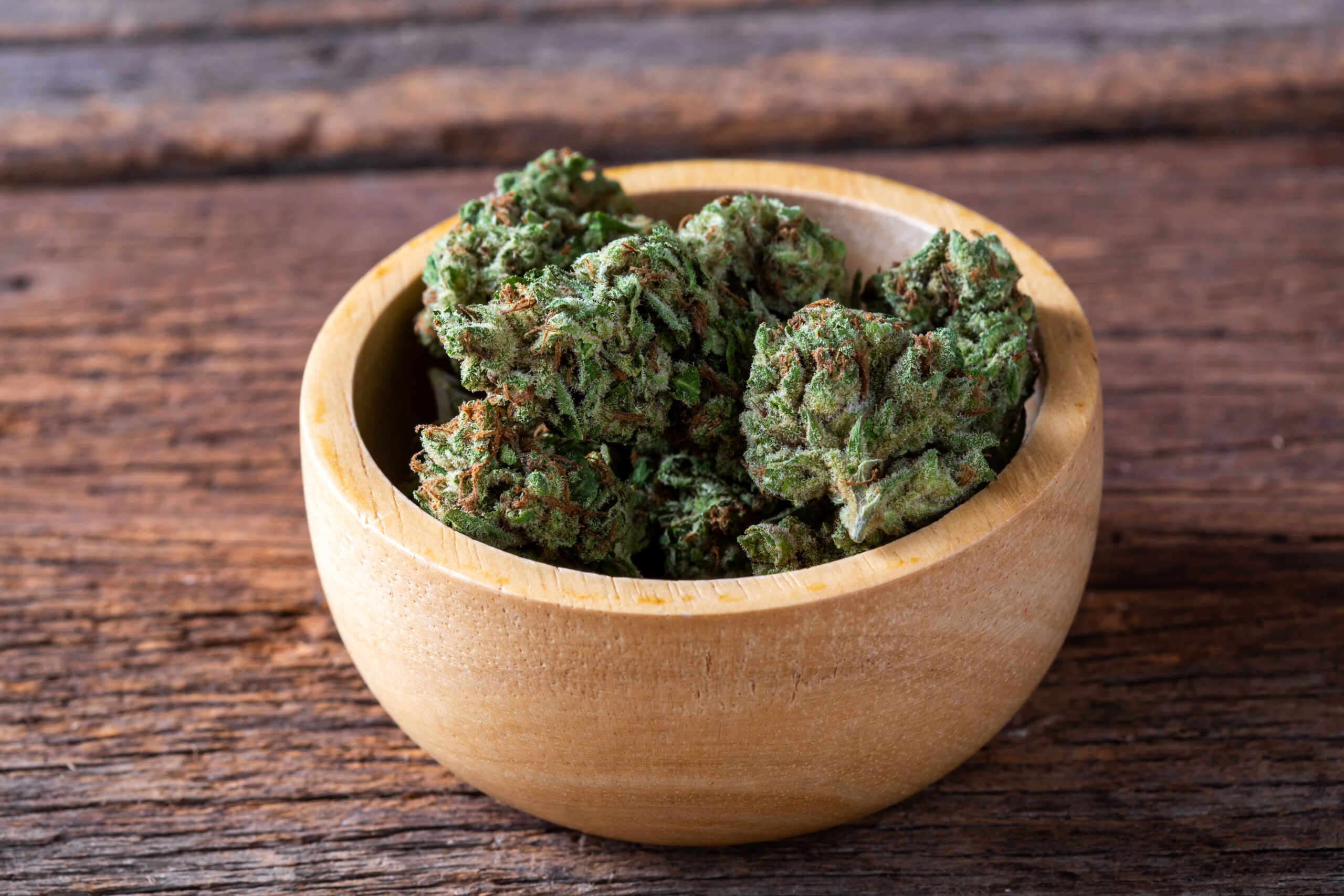


White Widow is one of the most recognized cannabis strains in the world. For many years, it has been known by growers, researchers, and consumers across many countries. Even people who are new to cannabis often hear the name White Widow early on. This strain is often described as a “classic” because it helped shape how modern cannabis strains are bred, labeled, and understood today.
White Widow first became widely known in the 1990s, a time when cannabis breeding was changing quickly. Before this period, many strains were grown from landrace plants, which are natural cannabis varieties that developed in specific regions of the world. As breeding methods improved, growers began crossing these plants to create more stable strains with predictable effects, growth patterns, and potency. White Widow was one of the first strains to gain global attention during this new era of cannabis development.
One reason White Widow remains important is its balance. It is commonly described as a hybrid strain, meaning it contains both indica and sativa genetic traits. This balance made it appealing to a wide range of users and growers. Instead of producing effects that were strongly sedating or overly stimulating, White Widow became known for offering a mix of mental and physical effects. This balance also made it easier for breeders to use White Widow genetics when creating new strains.
Another reason White Widow stands out is its appearance. The strain is named after the thick layer of white resin that forms on its buds. This resin comes from trichomes, which are small, crystal-like structures that contain cannabinoids and terpenes. When the plant reaches maturity, these trichomes give the buds a frosted look. This visual trait helped White Widow become easy to recognize and remember, even among many other strains.
Over time, White Widow spread far beyond its place of origin. It became available in seed banks, dispensaries, and research discussions across Europe, North America, and other regions. As cannabis laws changed in different countries, White Widow often appeared early in legal markets because of its long history and stable genetics. This helped keep the strain relevant even as hundreds of new strains entered the market.
People often search for information about White Widow because they want clear and reliable answers. Common questions include what kind of strain it is, how strong it is, what effects it produces, and how difficult it is to grow. Some people are interested in its chemical makeup, such as THC levels and terpene content. Others want to understand why it became so popular and how it compares to newer strains. This article is designed to answer those questions in a clear and structured way.
It is also important to note that White Widow is often discussed in both recreational and educational settings. Researchers and industry professionals study it because it represents an important step in cannabis breeding history. Growers value it for its resilience and predictable growth. Educators and writers use it as an example when explaining cannabis strain types, plant anatomy, and hybrid genetics. Because of this, White Widow is often used as a reference point when learning about cannabis more broadly.
This article takes an informative approach. It does not rely on personal opinions, stories, or testimonials. Instead, it focuses on clear explanations, commonly reported characteristics, and widely accepted information. The goal is to help readers understand what White Widow is, where it came from, and why it continues to be discussed today. Each section builds on the last, guiding the reader from basic definitions to more detailed topics like effects, growing conditions, and comparisons with other strains.
By the end of this guide, readers should have a complete understanding of White Widow as a cannabis strain. Whether someone is researching cannabis history, learning about plant genetics, or seeking general knowledge, this introduction sets the foundation for the detailed sections that follow.
What Is White Widow? Strain Classification and Overview
White Widow is a well-known cannabis strain that has been popular for many years. It is often used as a reference point when people talk about classic or foundational cannabis strains. To understand why White Widow is so widely recognized, it helps to look closely at how it is classified, what makes it different from other strains, and what general traits define it.
Strain Classification
White Widow is classified as a hybrid cannabis strain. This means it is made by crossing two different types of cannabis plants: indica and sativa. Most sources describe White Widow as a balanced hybrid, often close to a 50/50 ratio. Some versions may lean slightly toward indica or sativa, depending on how they were bred, but the strain is generally known for balance rather than extremes.
Being a hybrid affects how White Widow grows and how it is commonly described. Indica plants are usually shorter and bushier, while sativa plants are often taller and lighter in structure. White Widow shows traits from both sides. This balance is one reason the strain has stayed popular with growers and consumers for decades.
General Characteristics
White Widow is best known for its thick coating of white, crystal-like resin. This resin comes from trichomes, which are tiny glands that produce cannabinoids and terpenes. The heavy trichome layer gives the buds a frosty look, which is where the name “White Widow” comes from.
The buds themselves are usually dense and compact. They are often light green in color, with bright orange or rust-colored hairs. When properly grown and cured, the buds tend to look very sticky and well-developed.
In terms of strength, White Widow is considered a moderate to high potency strain. It is not usually listed among the strongest strains available today, but it is still strong enough to be taken seriously, especially by people with low tolerance. This balanced strength has helped it remain relevant even as newer, more potent strains have entered the market.
Indica vs. Sativa Traits
White Widow does not fit neatly into only one category. Instead, it combines features from both indica and sativa plants. From its indica side, it often shows sturdy growth, dense buds, and noticeable physical effects. From its sativa side, it may show more uplifting or mentally stimulating traits.
Because of this mix, White Widow is often described as a strain that offers both mental and physical effects without strongly leaning in one direction. This makes it a common choice for people looking for a well-rounded experience rather than something that feels too heavy or too energetic.
How White Widow Is Commonly Described
White Widow is often called a “classic” or “foundational” strain. This is because it has been used as a parent strain in many newer hybrids. Its stable genetics and well-known traits make it useful for breeding and comparison.
The strain is also known for being consistent. While small differences can appear between growers or seed sources, White Widow usually keeps the same core features: visible resin, balanced effects, and a recognizable aroma. This consistency has helped build trust and familiarity over time.
How White Widow Compares to Other Cannabis Strains
When compared to many modern strains, White Widow is often seen as balanced rather than extreme. Some newer strains focus heavily on very high THC levels, strong flavors, or specific effects. White Widow takes a more middle-ground approach. It offers solid potency, clear traits, and a dependable profile.
Because of this, White Widow is often used as a learning strain. New growers study it to understand plant structure and resin production. New consumers encounter it as an example of what a traditional hybrid strain is like.
Why White Widow Still Matters
Even though cannabis breeding has advanced, White Widow remains important. It represents a time when breeders focused on balance, reliability, and overall quality. Many people still use White Widow as a benchmark when judging other strains.
Its name, appearance, and general profile are recognized worldwide. This long-standing reputation is rare and speaks to how well-rounded the strain is.
White Widow is a balanced hybrid cannabis strain known for its heavy resin production, stable genetics, and classic status. It blends indica and sativa traits in a way that creates a well-rounded profile. With moderate to high potency, dense frosty buds, and consistent characteristics, White Widow continues to serve as a reference point in the cannabis world. Its lasting popularity comes from balance, reliability, and a clear identity rather than extreme features.
The History and Origins of White Widow
White Widow is one of the most well-known cannabis strains in the world, and its history plays a big role in its lasting popularity. To understand why this strain became so important, it helps to look at where it came from, how it was created, and how it spread across different countries over time.
Early Development in the 1990s
White Widow was first developed in the early 1990s, a time when cannabis breeding was growing quickly in Europe. During this period, breeders were experimenting with combining cannabis plants from different parts of the world. The goal was to create strains with strong effects, stable growth, and reliable results.
The strain was created in the Netherlands, which had become a central hub for cannabis genetics. At that time, the country allowed cannabis seed development and research more openly than many other places. This made it possible for breeders to work with rare plant genetics and refine them over several generations.
White Widow stood out soon after its release because of its unique look and balanced effects. Its heavy layer of white resin crystals made it easy to recognize, even among other high-quality strains.
Parent Genetics and Landrace Roots
White Widow is a hybrid strain created by crossing two landrace cannabis varieties. Landrace strains are plants that developed naturally in specific regions over long periods of time. These plants adapted to their environments without modern breeding methods.
One parent of White Widow is a Brazilian sativa landrace. This type of cannabis is known for producing uplifting and energetic mental effects. Brazilian sativas often grow tall and take longer to flower, but they are valued for their clear and active qualities.
The other parent is a South Indian indica landrace. Indica plants from this region are usually shorter, stronger, and more resistant to harsh conditions. They are often linked to physical relaxation and dense bud growth.
By combining these two very different plants, breeders created a strain that offered both mental stimulation and physical balance. This mix helped White Widow appeal to a wide range of users and growers.
Rise to Popularity in Europe
After its release, White Widow quickly gained attention in European cannabis circles. It won several awards in the 1990s, which helped build its reputation. Growers appreciated its strong resin production, while consumers noticed its consistent effects.
Coffee shops and seed catalogs across Europe began featuring White Widow as a top-tier strain. Its name became widely known, even among people who were new to cannabis. At a time when many strains were unstable or unpredictable, White Widow offered reliability.
This early success helped set a standard for future hybrid strains. Many breeders began using White Widow genetics as a base for new varieties, hoping to copy its balance and strength.
Global Spread and Long-Term Influence
As cannabis culture expanded worldwide, White Widow spread beyond Europe. Seeds were shared, sold, and bred in many regions, including North America and other parts of the world. Over time, different versions of White Widow appeared, some slightly changed due to local growing conditions or breeding choices.
Despite these variations, the core traits of White Widow stayed mostly the same. Its strong resin coverage, balanced effects, and moderate growing difficulty remained key features. This consistency helped protect its reputation even as newer strains entered the market.
White Widow also influenced the creation of many modern hybrids. Breeders used it to add potency, resin production, or balance to new strains. Because of this, its genetic impact can still be found in many cannabis varieties today.
White Widow’s history is closely tied to the growth of modern cannabis breeding. Developed in the Netherlands in the 1990s, it combined Brazilian sativa and South Indian indica landrace genetics to create a balanced and reliable hybrid. Its early success in Europe helped it spread around the world, where it became a foundation for many future strains. Even decades later, White Widow remains an important part of cannabis history due to its stable genetics, global influence, and lasting recognition.
White Widow Genetics and Phenotypes
White Widow is best known as a balanced hybrid cannabis strain, meaning it combines traits from both indica and sativa plants. To understand how White Widow behaves, grows, and produces effects, it is important to look closely at its genetics and the phenotypes that come from those genetics.
Indica and Sativa Genetic Balance
White Widow is commonly described as a 50/50 hybrid, although some versions may lean slightly indica or slightly sativa depending on the breeder. Its genetics come from two very different landrace strains:
- A Brazilian sativa landrace, known for uplifting and cerebral characteristics
- A South Indian indica landrace, valued for resin production and physical structure
When these two plants were crossed, the result was a strain that combines mental stimulation with physical balance. This genetic mix is one of the main reasons White Widow became popular. It does not strongly favor one side, making it more versatile than strains that are heavily indica or heavily sativa.
What “Hybrid” Means for White Widow
Being a hybrid affects how White Widow grows and how it is commonly described:
- Plant structure often shows indica traits, such as strong branches and compact buds
- Leaf shape may fall between wide indica leaves and narrow sativa leaves
- Growth speed is usually moderate and predictable
- Flowering time is shorter than many pure sativas
This balance also helps explain why White Widow adapts well to different growing environments and why it has been used as a parent strain in many later hybrids.
Understanding Phenotypes
A phenotype is how a plant’s genetics show themselves in the real world. Even when seeds come from the same strain, plants can look and behave differently. These differences happen because of genetic variation and growing conditions such as light, temperature, and nutrients.
White Widow is known for producing fairly stable phenotypes, but variations still occur. These differences do not change the strain’s identity, but they can affect appearance, growth pattern, and chemical makeup.
Common White Widow Phenotype Variations
There are several phenotype types commonly reported with White Widow:
- Balanced Phenotype
- Even mix of indica and sativa traits
- Medium height with strong branching
- Dense buds with heavy trichome coverage
- Even mix of indica and sativa traits
- Indica-Leaning Phenotype
- Shorter, bushier plant
- Broader leaves
- Faster flowering time
- Slightly heavier bud structure
- Shorter, bushier plant
- Sativa-Leaning Phenotype
- Taller growth
- Narrower leaves
- Longer flowering time
- Lighter, more elongated buds
- Taller growth
Despite these differences, most phenotypes still show the defining feature of White Widow: thick resin production, which gives the buds their frosty, white appearance.
Stability Across Seed Lines
One reason White Widow remains widely grown is its genetic stability. Many strains change significantly over time, but White Widow has remained relatively consistent. This stability comes from careful breeding and selection during its early development.
However, not all White Widow seeds are identical. Different seed banks may use slightly different parent plants or breeding methods. As a result, growers may notice small differences between versions labeled as “White Widow.” These differences are usually minor and do not remove the strain’s core traits.
Original White Widow vs. Modern Variations
The original White Widow developed in the 1990s is often considered the reference point for the strain. Over time, breeders created new versions to improve yield, resistance, or growth speed. Some modern variations may:
- Flower slightly faster
- Produce larger yields
- Show stronger resistance to pests or mold
While these changes can improve cultivation, the basic genetic structure remains the same. The strain is still defined by its hybrid balance and resin-heavy buds.
Why Genetics Matter to the Consumer
Understanding White Widow’s genetics helps explain why it behaves the way it does. Its balanced genetic background is the reason it:
- Produces consistent results across different grows
- Maintains popularity across many regions
- Serves as a parent strain for newer hybrids
Genetics also help explain why White Widow is often recommended as a reference strain when learning about cannabis classification.
White Widow is a genetically balanced hybrid created from Brazilian sativa and South Indian indica landrace strains. Its genetics give it a mix of physical structure, moderate growth speed, and strong resin production. While different phenotypes can appear, most White Widow plants remain consistent in form and chemical traits. This genetic stability is a key reason why White Widow continues to be widely recognized and cultivated decades after its introduction.
THC, CBD, and Cannabinoid Profile of White Widow
White Widow is best known for its balanced but noticeable strength. To understand why this strain feels the way it does, it helps to look closely at its cannabinoid profile. Cannabinoids are the natural chemical compounds found in cannabis that interact with the body’s endocannabinoid system. The most important ones in White Widow are THC and CBD, along with smaller amounts of other minor cannabinoids.
THC Levels in White Widow
THC, or tetrahydrocannabinol, is the main psychoactive compound in cannabis. It is responsible for the “high” that users feel. White Widow is generally considered a moderately to highly potent strain based on its THC content.
Most White Widow varieties contain THC levels between 18% and 25%. Some carefully grown versions may fall slightly below or above this range, depending on genetics, growing conditions, and harvest timing. This THC range places White Widow above beginner-level strains but below the most extreme high-THC varieties on the market today.
Because of this strength, White Widow tends to produce clear and noticeable effects without being overwhelming for many experienced users. However, people with low tolerance may feel strong effects even at smaller amounts. This is why understanding THC levels is important before use.
CBD Content in White Widow
CBD, or cannabidiol, is another major cannabinoid. Unlike THC, CBD does not cause intoxication. Instead, it is known for its balancing role in many cannabis strains.
White Widow typically contains very low CBD levels, usually below 1%. In many cases, the CBD content is so small that it does not play a major role in the overall experience. This means White Widow is THC-dominant, not CBD-rich.
Because CBD can reduce or soften some THC effects, strains with low CBD—like White Widow—may feel sharper or more direct in their impact. This does not mean the strain is harsh, but it does mean the effects are mostly driven by THC rather than balance between THC and CBD.
Minor Cannabinoids in White Widow
In addition to THC and CBD, White Widow contains small amounts of minor cannabinoids. These may include CBG (cannabigerol), CBC (cannabichromene), and trace amounts of others. While these compounds are present in low levels, they still contribute to the strain’s overall profile.
Minor cannabinoids do not usually stand out on their own, but they work together with THC and terpenes in what is often called the entourage effect. This term describes how cannabis compounds interact with each other to shape the final experience.
How Cannabinoids Affect the Overall Experience
Because White Widow has high THC and low CBD, its effects are often described as strong, clear, and fast-acting. The THC interacts directly with receptors in the brain that affect mood, perception, focus, and physical sensation.
The low CBD content means there is less natural buffering of THC’s intensity. As a result, dosage plays a key role. Smaller amounts may feel stimulating and balanced, while higher amounts may feel more intense or mentally heavy for some people.
It is also important to note that individual response varies. Body chemistry, tolerance level, and consumption method all influence how cannabinoids are felt. Two people using the same strain may have different experiences even at the same dose.
Consistency Across White Widow Variations
While White Widow is generally consistent in its cannabinoid profile, some variation exists. Differences in seed lines, growing techniques, and harvest timing can slightly change THC levels. Indoor-grown White Widow often reaches higher THC percentages than outdoor-grown plants, though both usually stay within the same general range.
Despite these small differences, White Widow remains known for its reliable THC-dominant structure. This consistency is one reason it has remained popular for decades.
White Widow is a THC-dominant hybrid strain with THC levels commonly ranging from 18% to 25%. Its CBD content is very low, usually under 1%, meaning most of its effects come directly from THC. Small amounts of minor cannabinoids add depth but do not change the overall profile. This combination explains why White Widow is often described as strong, clear, and long-lasting, while still maintaining balance when used in appropriate amounts.
Terpene Profile and Aroma Characteristics
White Widow is known not only for its effects but also for its strong and recognizable smell and taste. These qualities come from compounds called terpenes. Terpenes are natural chemicals found in many plants, including cannabis. They are responsible for aroma, flavor, and they also help shape how a strain feels when used.
Understanding the terpene profile of White Widow helps explain why it smells the way it does and why its effects feel balanced rather than overwhelming.
What Are Terpenes and Why They Matter
Terpenes are aromatic oils produced in the same resin glands that create cannabinoids like THC. In cannabis, terpenes do three main things:
- They give each strain its smell and taste
- They influence how the effects feel
- They help explain differences between strains with similar THC levels
White Widow is famous for its strong terpene presence, which is easy to notice even before the buds are broken apart. This terpene richness is one reason the strain has stayed popular for so many years.
Primary Terpenes Found in White Widow
While terpene levels can vary by grower and environment, White Widow usually contains a consistent group of dominant terpenes.
Myrcene
Myrcene is often the most common terpene in White Widow. It is also found in herbs like thyme and hops. In White Widow, myrcene contributes to:
- Earthy and musky smells
- A slightly herbal taste
- A grounding, body-centered feel
Even though myrcene is often linked to relaxing strains, in White Widow it works alongside other terpenes to keep the effects balanced.
Caryophyllene
Caryophyllene adds a spicy, pepper-like note to White Widow’s aroma. It is also found in black pepper and cloves. This terpene:
- Gives White Widow a warm, spicy edge
- Adds depth to the flavor
- Helps explain why the strain does not feel overly sharp or edgy
Pinene
Pinene is responsible for fresh, pine-like scents. In White Widow, pinene:
- Adds a clean, woody aroma
- Brightens the overall smell
- Helps balance the heavier earthy notes
This terpene plays a key role in keeping White Widow’s aroma crisp rather than heavy.
Overall Aroma Profile
When smelling White Widow, many people notice the scent before seeing the buds. The aroma is often described as:
- Earthy
- Woody
- Spicy
- Herbal
Fresh buds tend to smell sharper and more pine-forward. Dried and cured buds usually bring out deeper earthy and pepper notes. When broken apart, the smell becomes stronger and more complex, showing the full terpene mix.
The scent is strong but not sweet. White Widow is not fruity or sugary. Instead, it leans toward natural, plant-based smells that reflect its landrace roots.
Flavor Profile When Consumed
The taste of White Widow usually follows its smell closely. Common flavor notes include:
- Earthy and woody tones on inhale
- Mild spice and herbs during use
- A slightly peppery aftertaste
Some users notice a clean, almost fresh finish rather than a lingering heavy flavor. The taste is often described as smooth, especially when the flower is well cured.
The flavor does not overpower the senses. Instead, it stays balanced, which matches the strain’s overall character.
How Terpenes Influence the Effects
Terpenes do more than affect smell and taste. They also work together with cannabinoids to shape how a strain feels. This interaction is sometimes called the “entourage effect.”
In White Widow:
- Myrcene adds a mild body calm
- Pinene supports mental clarity
- Caryophyllene helps smooth the overall experience
This balance is one reason White Widow often feels clear-headed while still offering physical comfort. The terpene profile helps prevent the effects from leaning too far in one direction.
White Widow’s terpene profile is a major part of its lasting appeal. Its mix of earthy, spicy, and woody aromas creates a strong but balanced sensory experience. The flavor closely matches the smell, offering a clean and natural taste.
Most importantly, the terpenes help explain why White Widow feels stable and well-rounded. Instead of sharp highs or heavy effects, the terpene blend supports a steady and controlled experience. This balance is one reason White Widow continues to be recognized as a classic strain even decades after its introduction.
Effects of White Widow: Mental and Physical Characteristics
White Widow is widely known for producing a balanced mix of mental and physical effects. Because it is a hybrid strain, its effects are often described as sitting between stimulating and relaxing. However, the exact experience can vary depending on dose, personal tolerance, and the specific version of the strain.
This section explains the mental effects, physical effects, onset and duration, and why experiences can differ between individuals, using clear and simple language.
Mental Effects
One of the most noticeable effects of White Widow is its impact on the mind. Many users report feeling mentally alert and clear-headed, especially during the early stages of the experience.
Common mental characteristics include:
- Increased alertness and awareness
- A sense of mental energy
- Improved focus on simple tasks
- Heightened sensory perception, such as sound or color
Unlike some heavy indica-dominant strains, White Widow is less likely to cause strong mental sedation at moderate doses. Instead, it often produces a bright and active mental state, which is why it is frequently associated with daytime or early evening use.
As the effects continue, the mental stimulation may soften. Some users experience a calm and settled mental state rather than ongoing stimulation. This shift is common with balanced hybrid strains and reflects the influence of both indica and sativa genetics.
At higher doses, mental effects can become more intense. This may include racing thoughts or difficulty concentrating. These effects are usually dose-related and more common in people with lower THC tolerance.
Physical Effects
White Widow also produces noticeable physical sensations. These effects tend to develop more slowly than the mental effects but often last longer.
Common physical characteristics include:
- A light to moderate body relaxation
- Reduced muscle tension
- A feeling of physical ease without heavy drowsiness
- Mild warmth or tingling sensations
The physical effects are often described as relaxing but not immobilizing. Many people report being able to remain active while still feeling physically comfortable. This balance is one reason White Widow is often considered a “functional” strain when used responsibly.
As with the mental effects, physical sensations may increase with higher doses. Stronger doses may lead to heavier body relaxation, which can reduce motivation for movement or physical activity.
Onset of Effects
The onset of White Widow’s effects is generally moderate and steady rather than sudden. Mental effects often appear first, followed by physical sensations.
Typical onset pattern includes:
- Early mental stimulation and alertness
- Gradual physical relaxation
- A balanced state where both effects overlap
The timing of onset can vary based on several factors, including the method of consumption, metabolism, and overall tolerance. While some people notice effects quickly, others may experience a slower build-up.
Duration of Effects
White Widow’s effects are known for being long-lasting compared to many other strains.
In general:
- Mental effects tend to peak earlier
- Physical effects often last longer
- Residual effects may continue at a mild level after the peak
The total duration can vary, but many users report that the main effects last several hours. The gradual decline of effects is often described as smooth rather than abrupt.
Why Effects Can Vary Between Individuals
Not everyone experiences White Widow in the same way. Several factors influence how the strain feels, including:
- Individual THC tolerance
- Body chemistry and metabolism
- Dose size
- Environment and setting
Genetic differences in the plant itself can also play a role. Different growers and seed lines may produce slightly different chemical profiles, which can change how the effects are perceived.
Because of these variables, it is common for people to describe White Widow as either more energizing or more relaxing, even though it is genetically balanced.
White Widow produces a combination of mental clarity and physical relaxation that reflects its hybrid nature. Mental effects often include alertness and focus, while physical effects provide comfort without heavy sedation. The experience usually develops gradually and lasts for several hours.
White Widow is best understood as a strain that aims to balance stimulation and relaxation rather than leaning strongly in one direction. This balance is a key reason it has remained well-known and widely discussed for many years.
Common Uses and Reported Applications
White Widow is widely known as a balanced hybrid strain. Because of this balance, it is often chosen for many general, non-medical use situations. This section explains the most common ways White Widow is used and why people often select it. The focus here is on typical patterns of use, not personal opinions, testimonials, or health claims.
General Recreational Use
White Widow is most often used for general recreational purposes. Its balanced nature means it is usually neither too stimulating nor too sedating. This makes it suitable for people who are looking for a steady and manageable experience rather than an intense one.
Many users choose White Widow when they want to stay active and aware. It is commonly associated with a clear-headed experience compared to strains that are strongly indica- or sativa-dominant. Because of this, it is often selected by people who want to remain functional while still experiencing noticeable effects.
White Widow is also popular with users who want a consistent strain. Its long history and stable genetics make it easier to predict how it will feel compared to newer or more experimental strains.
Daytime and Early Evening Use
White Widow is commonly associated with daytime or early evening use. This does not mean it is limited to these times, but its effects are often described as fitting well within active hours of the day.
The strain is frequently chosen when users want to:
- Stay mentally alert
- Remain socially engaged
- Complete routine tasks
- Enjoy creative or focused activities
Because White Widow is not usually linked with strong physical heaviness, it is often avoided late at night by people who prefer strains known for sleep-focused effects.
Social and Group Settings
White Widow is often selected for social settings. Balanced hybrid strains are commonly used in group environments because they tend to produce effects that are easier to manage across different tolerance levels.
In social situations, White Widow is often chosen for its:
- Moderate strength
- Clear mental effects
- Limited tendency to overwhelm inexperienced users
This makes it a frequent option in shared environments where users want a strain that does not strongly limit communication or interaction.
Creative and Focus-Oriented Activities
Another common use for White Widow is during creative or focus-based activities. These may include writing, art, music, or problem-solving tasks. Balanced hybrids are often chosen for these activities because they may support steady attention without strong mental fog.
White Widow is commonly described as providing:
- A focused mental state
- Reduced mental distraction
- Sustained engagement over time
Because the strain is not usually associated with strong physical relaxation, it may be preferred over heavier indica strains for activities that require sitting, thinking, or planning.
General Relaxation Without Sedation
White Widow is also used for general relaxation. However, this relaxation is often described as mild and controlled rather than deeply sedating.
People often choose White Widow when they want to:
- Unwind after daily responsibilities
- Reduce mental tension
- Maintain awareness and energy
This makes it a common choice for users who want to relax without feeling slowed down or disengaged.
Use by New and Experienced Users
White Widow is commonly used by both new and experienced users. Its long-standing reputation and predictable effects make it easier to approach compared to strains with extremely high THC levels.
For newer users, White Widow is often selected because:
- Effects are generally balanced
- Potency is strong but not extreme
- Experiences are easier to control with lower amounts
For experienced users, it is often chosen as a dependable option that delivers consistent results without excessive intensity.
Non-Medical Context Only
It is important to clarify that White Widow is discussed here only in general, non-medical terms. While cannabis strains are sometimes discussed in medical contexts, this section does not make health claims or suggest treatment uses. Individual responses to cannabis can vary widely based on personal factors, dosage, and environment.
White Widow is commonly used because of its balance, consistency, and versatility. It is often selected for daytime or early evening use, social settings, creative tasks, and general relaxation. Its effects are usually described as manageable and steady, which makes it suitable for a wide range of users. Because it does not strongly lean toward stimulation or sedation, White Widow remains a popular choice for those seeking a well-rounded cannabis experience.
White Widow Side Effects and Considerations
Like many cannabis strains with moderate to high THC levels, White Widow can cause side effects in some users. These effects are usually temporary and depend on factors such as dose, individual tolerance, and experience level. Understanding these possible reactions helps readers make informed and responsible decisions.
Common Short-Term Side Effects
The most frequently reported side effects linked to White Widow are considered mild and short-lasting. These effects often occur when too much is consumed or when a user has a low tolerance to THC.
One of the most common side effects is dry mouth, often called “cottonmouth.” This happens because THC reduces saliva production. Drinking water before and after use can help reduce discomfort.
Dry eyes are also common. Some users notice redness or irritation, especially after extended use. Over-the-counter eye drops are often used to manage this effect.
Another possible side effect is dizziness or lightheadedness, particularly when standing up quickly. This can happen because THC may temporarily lower blood pressure. Sitting down and resting usually helps until the feeling passes.
Mental and Cognitive Effects
White Widow is known for its strong mental effects, which can be positive or uncomfortable depending on the user and dosage. In some cases, users may experience anxiety, nervousness, or restlessness, especially when consuming higher amounts.
Some individuals may also notice racing thoughts or difficulty focusing. While White Widow is often described as mentally stimulating, too much THC can overwhelm the brain and make it harder to concentrate.
In rare cases, especially among new or sensitive users, White Widow may cause paranoia or unease. These feelings are usually temporary and fade as the effects wear off. Starting with a low dose can help reduce the risk of these reactions.
Physical Sensations and Body Effects
Physically, White Widow may cause mild headaches, particularly if the user is dehydrated. Staying hydrated before use can lower this risk.
Some people may experience increased heart rate for a short time. This is a known effect of THC and usually passes without issue. However, individuals sensitive to changes in heart rate may wish to be cautious.
Another possible physical effect is fatigue after the main effects wear off. While White Widow often starts with uplifting sensations, some users feel tired later, especially if consumed in the evening.
Factors That Influence Side Effects
Several factors play a role in how strongly side effects are felt. Dosage is one of the most important. Higher amounts increase the chance of unwanted effects, while lower doses are usually easier to manage.
Tolerance level also matters. Regular users may experience fewer side effects than beginners. People new to cannabis often feel stronger effects even at low doses.
Consumption method can influence how quickly side effects appear. Faster onset may feel more intense at first, while slower onset may feel more gradual. Regardless of method, starting low and waiting before increasing intake is generally advised.
Body chemistry and metabolism differ from person to person. Age, weight, hydration, and overall health can all affect how the body responds.
Responsible Use Considerations
Understanding personal limits is key when using White Widow. Avoid mixing it with alcohol or other substances, as this can increase side effects. Using it in a calm and familiar setting may also reduce discomfort.
People who are sensitive to THC or who prefer milder effects may want to limit the amount used or choose strains with lower THC levels.
It is also important to be aware of local laws and regulations. Legal status varies by location, and responsible use includes following all applicable rules.
White Widow can cause side effects, but most are mild and temporary. The most common include dry mouth, dry eyes, dizziness, and mental overstimulation. Anxiety or discomfort is more likely at higher doses or among new users. Many side effects can be reduced by staying hydrated, using small amounts, and understanding personal tolerance. By approaching White Widow with awareness and moderation, users can better manage its effects and avoid unnecessary discomfort.
How Long Do White Widow Effects Last?
Understanding how long the effects of White Widow last helps readers set clear expectations. While the experience can vary from person to person, there are common time patterns that apply to most users. These patterns depend on several factors, including how White Widow is consumed, how much is used, and individual body chemistry.
Typical Duration of White Widow Effects
For most people, the noticeable effects of White Widow last between 2 and 4 hours. This time range refers to the main effects, such as mental alertness and physical sensations. Some lighter effects may remain for a longer period, especially after the main experience fades.
White Widow is known as a balanced hybrid. Because of this balance, its effects often start clearly, peak steadily, and then fade in a gradual way rather than stopping suddenly.
Onset Time: How Quickly Effects Begin
The time it takes for White Widow effects to begin depends mainly on the method of consumption:
- Inhalation (such as smoking or vaporizing):
Effects usually begin within 5 to 15 minutes. This is because cannabinoids enter the bloodstream quickly through the lungs. - Ingested forms (such as edibles):
Effects may take 30 minutes to 2 hours to appear. The body must first digest and process the cannabinoids, which takes more time.
Once the effects start, White Widow often builds steadily rather than all at once. This gradual rise is part of what makes the strain easy to recognize.
Peak Effects and Their Length
The peak effects of White Widow usually last 1 to 2 hours. During this period, users commonly notice the strongest mental and physical sensations associated with the strain.
At the peak stage:
- Mental effects tend to feel clear and active
- Physical sensations are noticeable but usually not overwhelming
- Focus and awareness are often more pronounced
After the peak, the effects slowly begin to decrease rather than stopping abruptly.
Comedown Phase and Residual Effects
After the main effects fade, a comedown phase follows. This phase may last another 1 to 2 hours. During this time, users often feel lighter effects that are less intense but still present.
Residual effects may include:
- Mild physical relaxation
- Reduced mental stimulation
- A calm or neutral state
These lingering effects are usually subtle and do not interfere with normal activities for most people.
Factors That Affect How Long White Widow Lasts
Several factors influence the duration and strength of White Widow’s effects:
Dosage
Larger amounts typically last longer and feel stronger. Smaller amounts often result in shorter, lighter effects.
Tolerance Level
People with higher tolerance may experience shorter-lasting effects. Those with lower tolerance may feel effects for a longer time.
Body Chemistry
Metabolism, body weight, and hydration levels can all affect how quickly cannabinoids are processed.
THC Content
White Widow usually contains moderate to high THC levels. Higher THC content can extend both the peak and comedown phases.
Consumption Method
Inhaled methods tend to produce faster and shorter experiences. Ingested methods often last longer due to slower processing by the body.
Short-Term vs. Long-Term Effects
White Widow does not produce long-term effects from a single session. All noticeable effects are short-term and temporary. Once cannabinoids are fully processed by the body, the experience ends.
Some users may notice:
- Mild tiredness after effects fade
- A brief change in focus or energy levels
These effects usually pass on their own within a short time.
Consistency of Duration
White Widow is considered a stable strain, meaning its effects are relatively predictable when grown and prepared under similar conditions. However, variations in growing environment and cannabinoid content can still cause slight differences in duration.
White Widow effects typically last 2 to 4 hours, with peak effects lasting about 1 to 2 hours. Effects begin quickly when inhaled and more slowly when ingested. The experience fades gradually and may include mild lingering sensations. Duration depends on dosage, tolerance, body chemistry, and consumption method. Overall, White Widow offers a clear and time-limited experience that follows a steady and predictable pattern.
Growing White Widow: Difficulty, Yield, and Environment
White Widow is widely known as a reliable and adaptable cannabis strain for cultivation. It is often described as suitable for growers with different experience levels, from beginners to advanced cultivators. This section explains, in clear and simple terms, how difficult White Widow is to grow, what kind of yields can be expected, and which environments work best.
Overall Difficulty Level
White Widow is generally considered moderately easy to grow. It does not require highly specialized skills, but it still benefits from basic knowledge of plant care. This balance makes it a common choice for first-time growers who want a dependable strain, as well as for experienced growers who value consistency.
The plant is known for its strong structure and resilience. It can tolerate small mistakes in watering, feeding, or temperature better than many more delicate strains. However, like all cannabis plants, it still needs proper light, nutrients, and airflow to reach its full potential.
White Widow also responds well to common training techniques, such as pruning or low-stress training. These methods can help control plant height and improve light exposure, but they are optional rather than required.
Indoor Growing Conditions
White Widow performs very well in indoor environments, where light, temperature, and humidity can be controlled.
- Lighting: Strong and consistent lighting is important, especially during flowering. White Widow reacts well to both LED and high-intensity discharge lights.
- Temperature: The ideal temperature range is usually between 20–26°C (68–79°F) during the day, with slightly cooler nights.
- Humidity: Lower humidity levels are recommended during flowering to protect the dense buds from mold. Good airflow is especially important.
- Space: The plant typically grows to a medium height indoors, making it suitable for grow tents and limited spaces.
Indoor flowering time is usually 8 to 10 weeks, which is considered average. This predictable cycle makes planning easier for growers.
Outdoor Growing Conditions
White Widow can also grow successfully outdoors, especially in warm and sunny climates.
- Climate: It prefers mild to warm conditions with low to moderate humidity. Mediterranean-style climates are often ideal.
- Sunlight: Full sunlight supports strong growth and resin production.
- Harvest Time: Outdoor plants are usually ready for harvest in late September to early October, depending on the region.
One advantage of outdoor growing is size. When given enough space and sunlight, White Widow can grow taller and produce larger yields than indoor plants. However, outdoor growers must be more careful about weather changes, pests, and mold.
Soil and Nutrient Needs
White Widow grows well in both soil and hydroponic systems.
- Soil: High-quality soil with good drainage supports steady growth and helps prevent root problems.
- Hydroponics: In hydro systems, growth may be faster, but careful monitoring of nutrients and pH levels is required.
The plant does not need excessive feeding. Overfeeding can reduce quality, so balanced nutrients are recommended. During flowering, extra attention should be given to phosphorus and potassium levels.
Yield Expectations
White Widow is known for stable and rewarding yields.
- Indoor yields: Often range from moderate to high when grown under proper conditions.
- Outdoor yields: Can be higher due to increased space and natural light.
The buds are usually dense and heavily coated in resin. This thick layer of trichomes is one reason White Widow has remained popular among growers for many years.
Resistance and Plant Traits
White Widow shows good resistance to common pests and diseases compared to many strains. Its strong genetics help protect it from minor stress, but it is still important to maintain cleanliness and airflow to avoid mold, especially during flowering.
White Widow is a well-balanced strain for cultivation. It is moderately easy to grow, adapts well to both indoor and outdoor environments, and produces consistent yields. The plant prefers warm temperatures, controlled humidity, and good airflow. While it does not demand advanced skills, basic care and attention can greatly improve results. Because of its resilience, predictable flowering time, and solid yield potential, White Widow remains a dependable option for many growers.
White Widow Appearance and Bud Structure
White Widow is best known for how it looks. Its appearance is one of the main reasons the strain became famous and why it is still easy to recognize today. From the color of the buds to the thick layer of resin, every part of White Widow’s structure helps explain both its name and its reputation.
Why White Widow Is Called “White Widow”
The name “White Widow” comes from the strain’s heavy coating of trichomes. Trichomes are tiny, crystal-like glands that grow on cannabis flowers. They produce cannabinoids and terpenes, and they also give the plant its frosty look.
White Widow produces an unusually large number of trichomes. As the plant reaches full maturity, these resin glands cover the buds so densely that the flowers appear white or silver rather than green. Under good lighting, the buds can look as if they are dusted with sugar or frost. This white appearance is the defining visual feature of the strain and the reason for its name.
The word “widow” is often linked to how powerful and resin-heavy the strain became compared to others available when it was first released. However, the key visual reference is the strong white coating that sets it apart.
Bud Size and Shape
White Widow buds are usually medium to large in size. They tend to grow in a compact and dense form rather than long or airy shapes. This density is common in hybrid strains with strong indica genetics.
The buds often form thick clusters along the branches. When properly grown, they feel firm to the touch and hold their shape well. This tight structure allows the trichomes to pack closely together, which increases the strain’s frosted appearance.
The shape of the buds is usually rounded or slightly cone-like. They are not thin or stretched, which makes them easy to trim and handle after harvest.
Coloration of White Widow Buds
While White Widow is known for looking white, its base color is still green. The leaves and calyxes are often a bright to medium green shade. As the plant matures, orange or rust-colored pistils (hair-like structures) appear throughout the buds. These pistils provide contrast against the pale trichomes and green background.
In some growing conditions, especially cooler temperatures late in flowering, White Widow may also show light yellow or pale lime tones. Purple coloring is less common in this strain compared to others, but slight color variation can still happen depending on genetics and environment.
Trichome Density and Resin Production
Trichomes are the most important visual feature of White Widow. The strain is known for producing thick, sticky resin that coats not only the buds but also the surrounding sugar leaves. These trichomes are usually milky white at peak maturity, which signals that the plant is ready for harvest.
High trichome production is one reason White Widow has remained popular with growers. The resin is evenly spread across the flower, not just concentrated in small areas. This creates a consistent look and texture across the entire bud.
Because of this resin coverage, White Widow buds often feel sticky and slightly oily when handled. This is normal and expected for the strain.
Visual Signs of Maturity
Knowing when White Widow is fully mature is easier because of its visible traits. As the plant finishes flowering, the trichomes change from clear to cloudy white. Many growers watch this change closely, as it helps determine the best harvest time.
At maturity:
- Trichomes appear thick and milky
- Pistils darken and curl inward
- Buds become firm and heavy
- Resin production is at its peak
These signs help growers identify when White Widow has reached its full visual and chemical potential.
Consistency Across Grow Cycles
One reason White Widow is considered a classic strain is its visual consistency. When grown from stable genetics, it produces similar bud shapes, colors, and resin levels across different grow cycles. While small differences can occur due to environment, the overall look remains reliable.
This consistency has helped White Widow maintain its reputation over many years, even as newer strains enter the market.
White Widow’s appearance is one of its most defining features. Its dense, medium-to-large buds are coated in thick white trichomes that give the strain its name and frosty look. The bright green flowers, orange pistils, and heavy resin production make it easy to recognize and visually striking. These traits also signal maturity and quality, helping growers and consumers identify the strain with confidence. White Widow’s look is not just iconic—it reflects the genetics and structure that have kept it popular for decades.
White Widow Compared to Other Popular Strains
White Widow is often used as a reference point when people compare cannabis strains. Because it has been widely known and grown for decades, many newer strains are measured against it. To understand why White Widow still matters, it helps to compare it with other popular strains in terms of genetics, potency, effects, and growing traits.
Genetics and Balance Compared to Other Strains
White Widow is a balanced hybrid, usually close to a 50/50 mix of indica and sativa genetics. This balance is one of its defining features. Many modern strains lean heavily toward one side, either strong indica or strong sativa. White Widow sits in the middle.
Compared to indica-dominant strains, White Widow usually feels more mentally active and less sedating. Indica-heavy strains are often linked to strong body relaxation and slower movement. White Widow still provides physical calm, but it usually allows the user to stay alert and functional.
When compared to sativa-dominant strains, White Widow tends to feel more grounded. Strong sativas are often described as very energetic or mentally intense. White Widow usually offers mental clarity without being overwhelming, which is why it is often described as a “balanced” experience.
Potency Compared to Modern High-THC Strains
White Widow is considered potent, but it is not extreme by modern standards. Many newer strains are bred to reach very high THC levels. These strains often focus on raw strength rather than balance.
White Widow’s THC levels are usually moderate to high. This places it below some newer strains that aim for maximum potency. However, White Widow’s effects are often described as steady and controlled. This makes it easier for many people to manage compared to very strong modern strains that can feel intense or unpredictable.
In simple terms, White Widow may not be the strongest strain available, but its effects are often seen as more even and reliable.
Effects Compared to Other Hybrid Strains
Many hybrid strains exist today, but not all are truly balanced. Some hybrids still behave more like indica or more like sativa. White Widow stands out because it usually delivers both mental and physical effects in a noticeable but controlled way.
Compared to newer hybrids, White Widow often has:
- A clearer mental effect
- Less heavy sedation
- A smoother transition between mental and physical sensations
Some modern hybrids focus on either strong relaxation or strong stimulation. White Widow usually avoids extremes. This makes it easier to predict how it may feel compared to newer strains that vary widely between batches.
Growing Characteristics Compared to Other Strains
White Widow is often compared to other strains because it is relatively easy to grow. Many popular strains today require careful control of temperature, humidity, and nutrients. Some are sensitive and do not respond well to mistakes.
White Widow is known for:
- Strong resistance to common plant issues
- Adaptability to indoor and outdoor environments
- Consistent flowering patterns
Compared to more delicate strains, White Widow is often more forgiving. This makes it popular with beginner growers and those who prefer stable results. While it may not always produce the highest yields compared to some modern hybrids, it usually delivers consistent quality.
Appearance Compared to Other Cannabis Strains
White Widow is visually distinct. Its thick layer of white trichomes sets it apart from many other strains. While many strains are resin-rich, White Widow became famous for this feature early on.
Compared to strains with darker buds or fewer visible trichomes, White Widow often looks brighter and more frosted. This visual trait influenced many later strains that were bred to increase resin production.
Why White Widow Is Considered a Benchmark Strain
White Widow is often called a benchmark strain because it helped define what a modern hybrid could be. Many breeders used it as a starting point when creating new strains. Its balance, stability, and resin production influenced cannabis breeding for years.
When people say a strain is “like White Widow,” they often mean it offers:
- Balanced effects
- Moderate to strong potency
- Reliable growth
- Broad appeal
Few strains maintain this level of recognition over such a long time.
White Widow continues to stand out when compared to other popular strains. While newer strains may be stronger or more specialized, White Widow remains valued for its balance, consistency, and versatility. It does not focus on extremes, which is why it is often used as a comparison point. Its lasting presence shows how a well-balanced strain can remain relevant even as cannabis breeding continues to evolve.
Conclusion: Why White Widow Remains a Foundational Cannabis Strain
White Widow has remained one of the most recognized cannabis strains in the world for many years. Its long-lasting popularity is not based on trends or marketing, but on a combination of history, genetics, effects, and ease of cultivation. From its early development in Europe to its presence in modern cannabis markets, White Widow continues to serve as a reference point for growers, researchers, and consumers.
One of the main reasons White Widow stands out is its balanced genetic background. By combining sativa and indica landrace genetics, breeders created a strain that does not lean too heavily in one direction. This balance has helped White Widow appeal to a wide range of users. It also made the strain useful as a breeding foundation, influencing many newer hybrids that aim to offer both mental stimulation and physical relaxation.
The chemical profile of White Widow also plays an important role in its continued relevance. With THC levels that are strong but not extreme by modern standards, it represents a middle ground between older low-potency strains and newer high-THC varieties. This makes it easier for people to understand how potency affects experience without entering the highest strength range. Its low CBD content and clear cannabinoid structure also make it a useful example for educational discussions about how THC-dominant strains behave.
White Widow’s terpene profile further adds to its identity. The earthy, woody, and slightly spicy aromas are easy to recognize and are often used to explain how terpenes shape scent and flavor. Because the terpene mix is consistent across many versions of the strain, White Widow is often used as a reference when learning how aroma connects to perceived effects. This consistency has helped it maintain a clear identity even as cannabis breeding has expanded.
From an effects standpoint, White Widow is known for producing a combination of mental alertness and physical calm. This dual effect is one of the reasons it is often described as a “balanced hybrid.” The experience is commonly discussed in terms of clarity, focus, and moderate body sensation, rather than extremes. This makes it easier to explain and understand, especially for educational or informational purposes. The predictable nature of its effects has helped keep it relevant over time.
White Widow has also maintained its place because of its role in cultivation. It is widely considered a manageable strain for growers, including those with limited experience. Its resistance to common plant issues, moderate flowering time, and reliable yields have made it a practical choice. These traits also made it popular during earlier stages of cannabis legalization, when many growers were still learning modern cultivation techniques.
The strain’s appearance has also contributed to its lasting reputation. The thick layer of white trichomes is visually striking and clearly connected to the strain’s name. This heavy resin production made White Widow easy to identify and helped establish visual standards that are still used today when describing mature cannabis flowers.
Beyond its physical traits, White Widow holds historical importance. It represents a key moment in modern cannabis breeding, when selective genetics became more refined and internationally shared. Many later strains trace some part of their lineage back to White Widow or were developed using similar breeding goals. This gives the strain a lasting role in cannabis history, even as new varieties continue to appear.
In summary, White Widow remains a foundational cannabis strain because it combines stability, balance, and clarity. Its genetics are well documented, its effects are widely understood, and its growth traits are reliable. Rather than being replaced by newer strains, White Widow has become a standard by which others are compared. For anyone seeking to understand cannabis strains from an educational perspective, White Widow continues to serve as a clear and useful example.
Research Citations
Backer, R., Schwinghamer, T., Rosenbaum, P., & McCarty, V. (2019). Closing the yield gap for cannabis: A meta-analysis of factors determining cannabis yield. Frontiers in Plant Science, 10, 495.
Barcaccia, G., Palumbo, F., Scariolo, F., Vannozzi, A., Borin, M., & Bona, S. (2020). Potentials and challenges of genomics for breeding cannabis cultivars. Frontiers in Plant Science, 11, 573299.
Eichhorn Bilodeau, S., Wu, B.-S., Rufyikiri, A.-S., MacPherson, S., & Lefsrud, M. (2019). An update on plant photobiology and implications for cannabis production. Frontiers in Plant Science, 10, 296.
Fischedick, J. T. (2017). Identification of terpenoid chemotypes among high (−)-trans-Δ9-tetrahydrocannabinol-producing Cannabis sativa L. cultivars. Cannabis and Cannabinoid Research, 2(1), 34–47.
Hesami, M., Pepe, M., & Jones, A. M. P. (2023). Morphological characterization of Cannabis sativa L. throughout its complete life cycle. Plants, 12(20), 3646.
Janta, P., & Vimolmangkang, S. (2024). Chemical profiling and clustering of various dried cannabis flowers revealed by volatilomics and chemometric processing. Journal of Cannabis Research, 6(1), 41.
Lewis, M. A., & Backes, M. D. (2014). Breeding, production, processing and use of medical cannabis (U.S. Patent Application No. US20140298511A1). United States Patent and Trademark Office.
United Nations Office on Drugs and Crime. (2022). Recommended methods for the identification and analysis of cannabis and cannabis products (ST/NAR/40/Rev.1). United Nations.
Alchimia Grow Shop. (n.d.). History of the White Widow.
Seed City. (n.d.). The story of White Widow.
Questions and Answers
Q1: What is the White Widow strain?
A classic hybrid cannabis strain known for balanced effects that combine mental stimulation with physical relaxation.
Q2: What is the genetic background of White Widow?
It is typically a 50/50 hybrid bred from a Brazilian sativa landrace and a South Indian indica.
Q3: Why is it called “White Widow”?
The name comes from the thick layer of white, crystal-like trichomes that coat the buds.
Q4: What are the typical THC levels in White Widow?
THC levels usually range from about 18% to 25%, depending on the phenotype and grower.
Q5: What effects does White Widow produce?
It delivers an uplifting, euphoric head high followed by a relaxed but not overly sedating body effect.
Q6: What does White Widow taste and smell like?
It has earthy, woody, and pine flavors with subtle spicy or herbal notes.
Q7: Is White Widow better for daytime or nighttime use?
Its balanced nature makes it suitable for both daytime and evening use, depending on dosage.
Q8: What medical uses is White Widow associated with?
It is commonly associated with relief from stress, anxiety, mild pain, depression, and fatigue.
Q9: How difficult is White Widow to grow?
It is considered moderately easy to grow and is suitable for beginners and experienced growers.
Q10: What makes White Widow popular worldwide?
Its strong resin production, balanced effects, stable genetics, and long-standing reputation make it a global favorite.