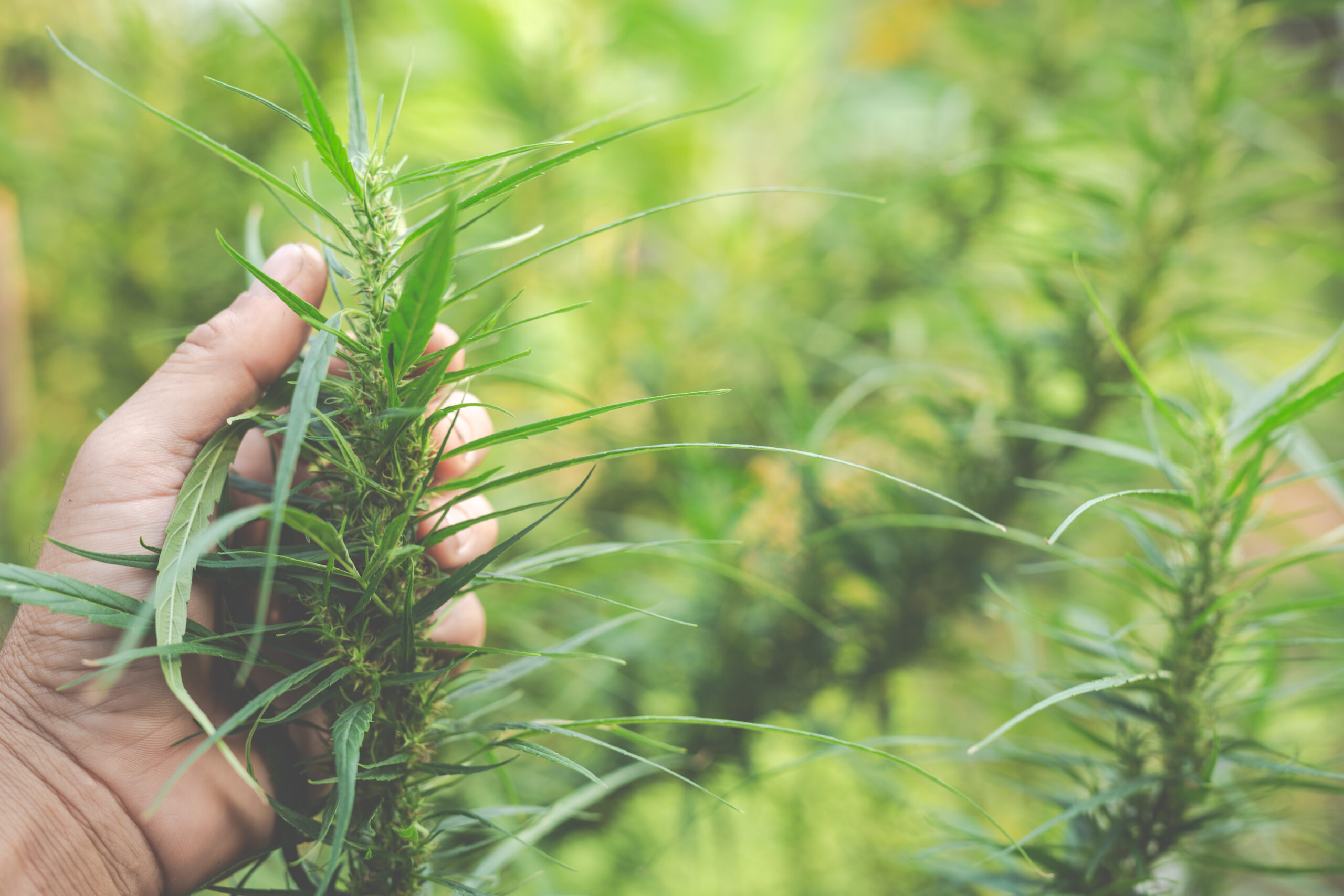


Harvesting is the final and most important stage of growing cannabis plants. It is the point where all the time, care, and effort put into growing the plant comes together. Harvesting cannabis means cutting the plant at the right moment so the flowers, also called buds, have reached full maturity. This stage directly affects the quality, strength, smell, and overall value of the final product. Because of this, knowing when and how to harvest cannabis plants is just as important as knowing how to grow them.
Many growers believe harvesting is simple and only involves cutting the plant when it looks ready. In reality, harvest timing is a careful decision based on plant signals, growth stages, and visible changes. Harvesting too early or too late can reduce the quality of the buds, even if the plant was grown perfectly. A well-grown cannabis plant can still deliver poor results if it is harvested at the wrong time or handled incorrectly during harvest.
Cannabis plants do not become “ready” all at once. The flowers slowly develop during the flowering stage. During this time, cannabinoids like THC and CBD form inside the plant, along with aromatic compounds called terpenes. These compounds reach their peak levels near the end of flowering. Harvesting at the right time helps preserve these compounds. Harvesting too early may result in underdeveloped buds with lower potency. Harvesting too late may cause the plant to lose freshness and quality.
Another reason harvest timing matters is consistency. Growers want buds that look similar, smell clean, and dry evenly. Harvesting at the correct time helps ensure the buds are firm, well-formed, and easier to trim and cure. Poor timing can lead to airy buds, harsh flavors, or uneven drying, which can cause mold or loss of aroma.
This article focuses on when and how to harvest cannabis plants using clear, factual information. It explains what harvesting means, why timing matters, and how growers can recognize signs that a plant is ready. The goal is to help readers understand the full harvest process, not just the cutting step. Harvesting includes choosing the right day, using the proper tools, handling plants gently, and preparing buds for the next stages like drying and curing.
Different cannabis plants also have different harvest needs. Some plants mature faster than others. Autoflower plants follow a fixed timeline, while photoperiod plants depend on light cycles. Even within the same grow space, plants may not all be ready on the same day. Understanding harvest timing helps growers avoid guessing and instead rely on clear plant signals.
Harvesting cannabis is not only about maximizing strength. It is also about protecting the plant’s natural structure. Rough handling during harvest can damage trichomes, which are small resin glands that hold most of the plant’s active compounds. Good harvest practices reduce waste and help maintain the plant’s original quality.
Tools and preparation also matter. Clean cutting tools reduce the risk of contamination. Proper planning makes the process smoother and safer. Harvesting without preparation can lead to mistakes that are hard to fix later, such as crushed buds or uneven drying conditions.
This article is written in a clear and simple way to help beginners and experienced growers understand harvest basics. It answers the most common questions people search online about harvesting cannabis. These include when to harvest, how to tell if a plant is ready, what tools to use, and what steps to follow after cutting the plant. Each section builds on the next so readers can follow the process from start to finish.
By understanding why harvest timing matters, growers can make better decisions and avoid common problems. Correct harvesting supports better results without relying on opinions or guesswork. The sections that follow will explain each part of the harvest process in detail, helping readers learn how to harvest cannabis plants with care, accuracy, and confidence.
What Does “Harvesting Cannabis” Mean?
Harvesting cannabis is the process of cutting down a cannabis plant after it has finished growing and flowering. It is the point where the plant’s life cycle ends, and the usable parts of the plant are collected. Harvesting is not just about cutting the plant. It is a planned step that starts before the cut and continues into trimming, drying, and curing.
Many new growers think harvesting cannabis only means removing buds from the plant. In reality, harvesting includes several connected actions. These actions must be done in the right order to protect the plant’s quality. A good harvest helps preserve cannabinoids, terpenes, and the overall structure of the buds.
Harvesting vs. Other Post-Grow Steps
Harvesting is often confused with trimming, drying, and curing. These are related steps, but they are not the same.
Harvesting is the act of cutting the plant or its branches. This usually happens at the end of the flowering stage. At this point, the plant has stopped growing new flowers and has reached maturity.
Trimming is the removal of extra leaves from the plant. This can happen right after harvest or after the plant has dried. Trimming helps improve airflow, appearance, and cleanliness of the buds.
Drying is the slow removal of moisture from the harvested plant. Drying helps prevent mold and prepares the buds for curing.
Curing is the final step. It happens after drying and involves storing buds in controlled conditions. Curing helps stabilize moisture and allows chemical processes inside the buds to finish.
Harvesting always comes first. If harvesting is done poorly, the next steps cannot fix the damage. This is why understanding what harvesting means is important before cutting any plant.
Where Harvesting Fits in the Cannabis Life Cycle
Cannabis plants go through clear growth stages. These stages include germination, seedling, vegetative growth, flowering, and harvest.
During the flowering stage, the plant focuses on producing buds. These buds slowly change in size, density, and chemical makeup. Harvesting marks the end of flowering. Once the plant is harvested, it can no longer develop or improve.
This makes harvest timing critical. If a plant is harvested too early, it may not have finished forming its compounds. If harvested too late, parts of the plant may begin to break down. Harvesting is the moment where growth stops and preservation begins.
Why Harvesting Is More Than Just Cutting
Harvesting cannabis is not a rough or rushed task. The way a plant is handled during harvest affects the final result. Buds are covered in tiny structures that can be damaged easily. Rough handling can reduce quality and cause loss of valuable plant material.
Clean tools are also important. Dirty scissors or gloves can introduce contaminants. These can lead to mold or spoilage later during drying and curing.
The environment during harvest also matters. Excess heat, light, or humidity can harm the plant at this stage. This is why many growers prepare their harvest space before cutting the plant.
Whole-Plant vs. Branch Harvesting
Harvesting cannabis can be done in different ways. Some growers cut the entire plant at once. Others remove branches one at a time.
Whole-plant harvesting means cutting the main stem near the base. This method is simple and fast. It is often used when plants mature evenly.
Branch harvesting means cutting individual branches. This method is helpful when parts of the plant mature at different speeds. It also allows better airflow during drying.
Both methods are part of harvesting. The choice depends on plant size, structure, and growing conditions.
Why Harvesting Is a Skill, Not a Single Action
Harvesting cannabis requires observation, preparation, and care. It is not just the last step of growing. It is the first step of preserving what the plant has produced.
A good harvest protects the work done during weeks or months of growing. A poor harvest can reduce quality even if the plant was healthy.
Understanding what harvesting cannabis truly means helps growers make better decisions. It sets the foundation for trimming, drying, and curing success.
Harvesting cannabis is the process of cutting a mature plant at the end of its flowering stage. It is different from trimming, drying, and curing, but it directly affects all of them. Harvesting marks the end of growth and the start of preservation. It involves careful cutting, clean tools, gentle handling, and proper timing. When done correctly, harvesting protects the plant’s quality and prepares it for the next steps after growth is complete.
When Is the Best Time to Harvest Cannabis Plants?
Knowing when to harvest cannabis plants is one of the most important steps in the growing process. Harvesting too early or too late can change how the final buds look, smell, and perform. There is no single day that works for every plant. Instead, the best harvest time depends on several clear signs and growing factors.
There Is No Single “Perfect” Harvest Day
Many new growers look for an exact harvest date, but cannabis does not work that way. Even plants of the same strain can mature at different speeds. Some may finish earlier, while others need more time. This is why harvest timing should be based on plant maturity, not just a calendar.
Seed banks often give a flowering time range, such as 8 to 10 weeks. This range is only a guide. It tells you when to start checking your plant, not when to cut it down. The real decision comes from watching how the plant develops near the end of flowering.
The General Harvest Window
Most cannabis plants are ready for harvest during the late flowering stage. This usually happens when the plant has stopped producing new white hairs and focuses on finishing the buds. At this stage:
- Buds are full-sized and firm
- Resin production is at its highest
- The plant is no longer stretching or growing taller
For many photoperiod plants, this window happens between weeks 8 and 11 of flowering. Autoflower plants often finish earlier, usually between 9 and 12 weeks from seed. These are general time frames and should always be confirmed by visual checks.
Why Timing Matters So Much
Harvest timing affects three main things: potency, aroma, and overall quality.
- Harvesting too early may result in smaller buds and lower cannabinoid levels. Buds may feel light and underdeveloped.
- Harvesting too late can cause cannabinoids and terpenes to break down. Buds may lose freshness, and plant material may begin to degrade.
The goal is to harvest when the plant has fully matured but before quality starts to decline.
Factors That Influence Harvest Timing
Several factors can change when a cannabis plant is ready to harvest:
Genetics
Different strains mature at different speeds. Some are bred to finish quickly, while others take longer.
Growing Environment
Light intensity, temperature, humidity, and airflow all affect plant development. Plants grown indoors may finish faster than outdoor plants because conditions are more controlled.
Plant Health
Healthy plants often mature on schedule. Plants under stress from pests, poor nutrition, or environmental issues may finish early or late.
Grower Goals
Some growers prefer harvesting slightly earlier or later based on plant characteristics. This choice should still stay within the natural harvest window.
Why Visual Signs Are Better Than Dates
Relying only on flowering weeks can lead to mistakes. Two plants planted on the same day can finish at different times. Visual signs give real-time information about maturity.
The most reliable harvest indicators include:
- Trichome color and clarity
- Changes in pistil color and shape
- Overall bud density and resin coverage
These signs work together to show when a plant is truly ready.
Start Checking Early, Harvest Carefully
Once your plant enters the final weeks of flowering, begin checking it daily. Use a simple magnifier if needed. This prevents missing the best harvest window and helps you act at the right time.
Cutting the plant should never be rushed. Waiting a few extra days to confirm maturity is usually better than harvesting too soon.
The best time to harvest cannabis plants depends on plant maturity, not a fixed date. While flowering time ranges offer guidance, visual signs provide the most accurate information. Bud development, plant health, genetics, and growing conditions all influence harvest timing. By understanding the general harvest window and watching clear maturity signals, growers can harvest at the right moment for consistent and reliable results.
How to Tell If a Cannabis Plant Is Ready to Harvest
Knowing when a cannabis plant is ready to harvest is one of the most important skills for growers. Harvesting too early or too late can reduce quality, strength, and overall results. Instead of relying on a calendar alone, growers should look closely at the plant itself. Cannabis plants show clear physical signs when they reach full maturity. These signs appear in the buds, trichomes, pistils, and even the leaves.
The best way to tell if a cannabis plant is ready to harvest is by using several signs together. No single sign should be used on its own. When multiple signs appear at the same time, the plant is usually ready.
Bud Size and Density
One of the first things to check is the size and shape of the buds. As cannabis plants mature, buds become thicker, heavier, and more solid. Early in flowering, buds look small and loose. Over time, they swell as the plant finishes producing cannabinoids and resins.
A mature bud feels firm when gently touched. It should not feel airy or soft. The spaces between bud sites also fill in near harvest time. If buds still look thin or stretched, the plant likely needs more time.
Bud growth usually slows down in the final stage of flowering. When you notice that buds are no longer getting bigger day by day, this is often a sign that the plant is nearing harvest readiness.
Trichome Appearance
Trichomes are tiny, crystal-like glands that form on buds and nearby leaves. They contain most of the plant’s cannabinoids and aromatic compounds. Trichomes are one of the most accurate signs of harvest readiness.
At first, trichomes look clear and glass-like. As the plant matures, they turn cloudy or milky. Some may later turn amber. Most growers look for mostly cloudy trichomes, with a small amount of amber.
You will need a magnifying tool, such as a jeweler’s loupe or small microscope, to see trichomes clearly. The naked eye is not enough. When checking trichomes, focus on the buds, not the leaves. Leaf trichomes can mature faster and give a false signal.
Pistil Color and Shape
Pistils are the thin, hair-like strands that grow from the buds. Early in flowering, pistils are white and straight. As the plant matures, pistils change color and shape.
When a cannabis plant is close to harvest, many pistils turn orange, brown, or reddish. They also begin to curl inward toward the bud. While pistils are not as accurate as trichomes, they are still useful visual clues.
If most pistils are still white and sticking out, the plant is usually not ready. If many have darkened and curled, harvest time is approaching.
Leaf Changes and Fading
Another sign of readiness is changes in the leaves. Near the end of flowering, cannabis plants often slow nutrient uptake. This causes fan leaves to fade from deep green to lighter shades of green or yellow.
This natural fading is normal and does not mean the plant is unhealthy. It shows that the plant is using stored nutrients to finish flower production. When several large fan leaves start to yellow and die off, harvest is often close.
However, leaf color alone should never be the only signal. Always check buds and trichomes as well.
Resin Production and Stickiness
Mature cannabis plants produce more resin. When ready for harvest, buds feel sticky and coated with visible crystals. This sticky feel is a sign that resin glands are fully developed.
If buds feel dry or lack shine, they may not be ready yet. Increased aroma is another sign that resin and plant compounds are at their peak.
Why Signs Must Be Used Together
Each cannabis plant grows slightly differently. Genetics, environment, and growing method all affect timing. That is why no single sign can confirm harvest readiness on its own.
The most reliable method is to look at several signs at once:
- Buds are swollen and firm
- Trichomes are mostly cloudy
- Pistils are darkening and curling
- Leaves show natural fading
When these signs appear together, the plant is usually ready to harvest.
To tell if a cannabis plant is ready to harvest, growers must observe the plant closely. Mature buds become dense and firm, trichomes change from clear to cloudy, pistils darken and curl, and leaves begin to fade. Resin production also increases near harvest time. Using all these signs together gives the most accurate result. By learning to read these natural signals, growers can choose the right harvest moment and avoid cutting plants too early or too late.
Trichomes Explained: The Most Accurate Harvest Indicator
Trichomes are the most reliable way to know when a cannabis plant is ready to harvest. While pistils and leaf color can give helpful clues, trichomes show what is happening inside the plant at a chemical level. This is why many growers use trichomes as the final check before harvest.
What Are Trichomes?
Trichomes are tiny, crystal-like structures that grow on cannabis buds and nearby leaves. They look like small clear hairs or frost when seen with the naked eye. Under magnification, they look like tiny mushrooms with a stalk and a round head.
Trichomes have one main job: to produce and store cannabinoids and terpenes. Cannabinoids include compounds like THC and CBD. Terpenes are the aromatic oils that give cannabis its smell and flavor. Because trichomes hold these compounds, their condition tells you how mature the plant really is.
Why Trichomes Matter More Than Other Signs
Other harvest signs, such as pistil color or leaf yellowing, can change because of stress, genetics, or environment. Trichomes, however, change color in a predictable way as the plant matures. This makes them more accurate than surface-level signs.
Trichomes also help growers avoid harvesting too early or too late. Cutting the plant at the wrong time can reduce potency or cause loss of aroma. Watching trichomes closely helps prevent these problems.
The Three Main Trichome Colors
Trichomes change color as cannabis flowers mature. There are three main stages to watch for:
Clear trichomes
Clear trichomes mean the plant is not ready. At this stage, cannabinoid production is still developing. Harvesting now usually results in weak aroma and lower potency. Buds may also feel underdeveloped and light.
Cloudy or milky trichomes
Cloudy trichomes show that cannabinoid levels are near their peak. Most growers consider this the main harvest window. Buds are fully formed, resin is thick, and aroma is strong. Many growers choose to harvest when most trichomes look cloudy.
Amber trichomes
Amber trichomes mean the plant is moving past peak maturity. Some cannabinoids begin to break down at this stage. A small amount of amber can be normal, but too much amber can reduce freshness and flavor. This stage often signals that harvest should happen soon.
How to Check Trichomes Properly
Trichomes are very small, so magnification is required. A jeweler’s loupe, pocket microscope, or digital magnifier works well. A magnification level of 30x to 60x is usually enough to see color clearly.
When checking trichomes, look at the buds, not the large fan leaves. Leaves can show amber earlier than buds and may give a false signal. Check multiple buds across the plant, especially those near the top and middle.
Good lighting is important. Natural light or a white LED makes color changes easier to see. Avoid colored grow lights when checking trichomes, as they can distort color.
Timing Trichomes With Other Harvest Signs
While trichomes are the best indicator, they should not be used alone. Trichome color works best when combined with other signs, such as bud density, slowed growth, and reduced water uptake. When several signs point to maturity and trichomes are mostly cloudy, the plant is usually ready.
Checking trichomes daily during late flowering is helpful. Changes can happen quickly near harvest time, and regular checks reduce guesswork.
Trichomes give the clearest picture of cannabis maturity because they show cannabinoid and terpene development directly. Clear trichomes mean the plant needs more time. Cloudy trichomes signal peak readiness. Amber trichomes show the plant is moving past its prime.
Using trichomes as the main harvest guide helps growers harvest at the right moment. This leads to better quality, stronger aroma, and more consistent results. When timing matters most, trichomes provide the most accurate answer.
Pistils, Fan Leaves, and Other Visual Clues
Visual clues are one of the easiest ways to judge when a cannabis plant is close to harvest. While tools like magnifiers help with trichomes, many growers first look at pistils, fan leaves, and overall plant appearance. These signs are easy to spot with the naked eye and give useful context when deciding harvest timing. However, no single visual clue should be used alone. The best results come from reading several signs together.
Pistils: What They Show and What They Don’t
Pistils are the thin, hair-like strands that grow from cannabis flowers. Early in flowering, pistils are usually white, straight, and soft. As the plant matures, these pistils begin to change in color and shape.
During late flowering, pistils slowly darken from white to shades of orange, brown, or red. They also begin to curl inward toward the bud instead of sticking straight out. This change happens as the flower reaches maturity and signals that the plant is getting closer to harvest.
A common guideline is that many plants are near harvest when about 70 to 90 percent of the pistils have darkened and curled. However, pistils alone are not fully reliable. Some strains darken pistils early, while others continue growing fresh white pistils late into flowering. Environmental stress, light intensity, or genetics can also affect pistil color.
Because of this, pistils should be used as a timing reference, not a final decision tool. They help confirm maturity, but they should always be checked alongside other signs.
Fan Leaves and Natural Color Changes
Fan leaves are the large leaves that grow from the main stems and branches. As cannabis plants move toward the end of their life cycle, these leaves often change color. This change is natural and usually expected.
Late in flowering, the plant begins to slow down nutrient uptake. As a result, fan leaves may turn pale green, yellow, or even show signs of fading. This does not always mean there is a problem. In many cases, it simply means the plant is using stored nutrients to finish flower production.
Some plants may show purple, red, or bronze tones in their leaves during late flowering. These color changes can be linked to genetics or cooler temperatures. While leaf fading alone does not mean the plant is ready to harvest, it often appears when the plant is nearing maturity.
It is important to separate natural fade from nutrient problems. If leaf yellowing happens very quickly or much earlier in flowering, it may signal stress. When fading happens slowly near the end of the flowering period, it is usually a normal part of the harvest window.
Bud Shape, Density, and Flower Structure
Bud appearance also offers helpful clues. As harvest time approaches, buds stop growing taller and instead become denser and firmer. The spaces between calyxes tighten, and flowers feel heavier when gently handled.
Mature buds often look swollen and well-formed rather than airy or loose. The flower surface may appear sticky due to resin buildup, even without close inspection. If buds still look thin or soft, the plant likely needs more time.
Another clue is growth slowdown. During early flowering, buds seem to grow daily. Near harvest, this growth slows or stops. This pause often signals that the plant is finishing its cycle.
Overall Plant Behavior Near Harvest
In the final weeks before harvest, the entire plant begins to slow down. New leaf growth becomes rare, vertical stretching stops, and energy focuses on flower completion. Water uptake may also slow, and soil may stay moist longer than before.
Plants near harvest often appear less vibrant but more stable. This is normal. The goal at this stage is not rapid growth, but maturity and flower completion.
Why Visual Clues Must Be Used Together
No single visual sign can confirm the perfect harvest time. Pistils can darken early. Leaves can fade due to stress. Buds can look large before they are fully mature. This is why visual clues should always be combined.
When pistils are mostly dark and curled, fan leaves are naturally fading, bud growth has slowed, and flowers look dense and finished, the plant is likely within the harvest window. These signs work best when confirmed with trichome inspection.
Pistils, fan leaves, and overall plant appearance provide valuable clues about harvest timing. Darkened and curled pistils suggest maturity, fading fan leaves show the plant is finishing its life cycle, and dense buds signal flower completion. While these visual signs are easy to observe, they should never be used alone. When combined, they offer a clear and simple way to judge whether a cannabis plant is close to harvest.
Does Harvest Time Affect THC, CBD, and Terpene Levels?
Harvest timing plays a direct role in how much THC, CBD, and terpenes a cannabis plant contains at the end of its growth cycle. These compounds develop mostly during the final weeks of flowering, and small changes in timing can affect how strong, flavorful, or balanced the harvested buds become. Understanding how these compounds form and change helps growers choose the right moment to harvest.
THC and CBD development near harvest
THC and CBD are cannabinoids that form inside tiny resin glands called trichomes. These trichomes appear mostly on buds and sugar leaves. During early flowering, trichomes are still forming and contain lower levels of cannabinoids. As the plant matures, cannabinoid production increases and reaches its highest levels close to harvest time.
THC levels usually rise until the plant reaches peak maturity. If a plant is harvested too early, THC may not be fully developed. This can lead to weaker buds with less potency. On the other hand, if harvest is delayed too long, THC can slowly break down into other compounds. This does not mean the buds are useless, but the chemical balance changes.
CBD develops in a similar way, but the ratio of THC to CBD depends on the plant’s genetics. Harvest timing does not turn a low-THC plant into a high-THC one or the other way around. However, harvesting too early can reduce the total cannabinoid content, including CBD.
What happens when cannabis is harvested early
Early harvest usually means trichomes are still clear or only starting to turn cloudy. At this stage, cannabinoids are still building. Buds may look formed, but the chemical content inside the trichomes is not at its highest level.
Harvesting early can result in:
- Lower THC and CBD levels
- Less aroma and weaker smell
- Lighter buds with less resin
Some growers choose early harvest on purpose, but from a chemical point of view, this usually means the plant did not reach full cannabinoid potential.
What happens when cannabis is harvested late
Late harvest occurs when many trichomes turn amber. At this stage, THC begins to slowly break down due to light, oxygen, and natural aging. CBD is more stable but can still decline if harvest is delayed too long.
Harvesting late can lead to:
- Slightly reduced THC levels
- More degraded cannabinoids
- Changes in aroma and flavor
Late harvest does not ruin the plant, but it does change the final chemical profile. Buds may feel heavier and darker, but potency may not increase beyond peak maturity.
Terpenes and harvest timing
Terpenes are aromatic compounds that give cannabis its smell and taste. These compounds are more fragile than cannabinoids. They can evaporate or break down easily due to heat, light, and time.
Terpenes are most abundant when trichomes are healthy and mature, but not over-aged. If a plant is harvested too early, terpene levels may be low because they have not fully developed. If harvest is delayed too long, terpenes may degrade or evaporate while still on the plant.
Proper timing helps preserve:
- Strong natural aroma
- Clear strain-specific scent
- Balanced flavor profile
Harvest timing alone does not protect terpenes. Gentle handling, correct drying, and proper curing also play important roles, but timing sets the starting point.
Why timing matters more than exact days
Cannabis plants do not follow exact calendars. Two plants grown at the same time may mature at different rates due to light, nutrients, and environment. This is why counting days is less reliable than observing plant signals like trichome color and bud development.
Cannabinoids and terpenes change gradually, not all at once. Harvest timing is about choosing the moment when these compounds are most stable and developed, not chasing a single exact day.
Harvest timing has a clear effect on THC, CBD, and terpene levels. Harvesting too early can reduce cannabinoid strength and aroma because the plant has not finished producing these compounds. Harvesting too late can cause THC and terpenes to slowly break down, changing the chemical balance of the buds. The best results come from harvesting when cannabinoids have reached their peak and terpenes are still fresh and strong. Watching trichomes and overall plant maturity helps ensure the final harvest reflects the plant’s full potential.
Harvest Timing for Different Cannabis Types
Not all cannabis plants are harvested at the same time. Harvest timing depends on the type of cannabis plant, how it grows, and how it responds to light. Understanding these differences helps growers avoid harvesting too early or too late. This section explains harvest timing for photoperiod plants, autoflower plants, and the general differences between indica, sativa, and hybrid plants.
Photoperiod Cannabis Plants
Photoperiod cannabis plants are the most common type. These plants depend on light cycles to move from the vegetative stage to the flowering stage. Outdoors, they flower as days become shorter. Indoors, growers control flowering by changing the light schedule, usually to 12 hours of light and 12 hours of darkness.
Because flowering is triggered by light, photoperiod plants usually have a longer and more predictable flowering time. Most photoperiod plants are ready to harvest 8 to 10 weeks after flowering begins, but this can vary by strain and growing conditions.
When harvesting photoperiod plants, growers should not rely only on the calendar. The best approach is to combine time estimates with visual signs, such as:
- Trichome color changes
- Darkening and curling pistils
- Bud swelling and firmness
Photoperiod plants also allow more flexibility. If a plant needs extra time, it can stay in flower longer as long as conditions remain stable. This makes careful observation especially important during the final weeks.
Autoflower Cannabis Plants
Autoflower cannabis plants are different. They do not depend on light cycles to begin flowering. Instead, they flower automatically based on age. Most autoflower plants complete their entire life cycle in 8 to 12 weeks from seed.
Because autoflowers grow and flower quickly, their harvest window is often shorter. This means timing is more critical. Waiting too long can cause trichomes to turn amber quickly, while harvesting too early can reduce bud size and potency.
Autoflower plants are usually ready to harvest 2 to 4 weeks after flowering begins, but growers should focus more on plant maturity than on days alone. Signs to watch include:
- Trichomes turning mostly cloudy
- Pistils changing from white to orange or brown
- Slowed growth and reduced water use
Another key difference is size. Autoflowers are often smaller, so many growers harvest the entire plant at once instead of cutting branches over time.
Indica Cannabis Harvest Timing
Indica plants tend to have shorter flowering times and a compact structure. Many indica-dominant plants are ready to harvest earlier than other types, often around 7 to 9 weeks of flowering.
Indica buds usually become dense and firm near harvest. Trichomes often turn cloudy quickly, and pistils darken faster. Because of this, growers should begin checking maturity early to avoid missing the ideal harvest window.
Sativa Cannabis Harvest Timing
Sativa plants usually take longer to flower. Some sativa-dominant plants may need 10 to 14 weeks or more before they are ready to harvest. Their buds are often lighter and more airy, which can make maturity harder to judge.
Growers should not rush sativa harvests. Harvesting too early may result in underdeveloped buds. Patience is important, and trichome inspection is especially useful for sativa plants.
Hybrid Cannabis Plants
Hybrid plants fall between indica and sativa types. Their harvest timing depends on which traits are more dominant. Many hybrids are ready within 8 to 10 weeks of flowering.
For hybrids, growers should focus less on plant labels and more on actual plant signals, such as trichomes, pistils, and bud development.
Harvest timing changes based on cannabis type. Photoperiod plants rely on light cycles and offer more flexibility. Autoflower plants grow fast and need closer timing. Indica plants usually finish sooner, while sativa plants often need more time. Hybrids vary widely. No matter the type, the best harvest decisions come from watching the plant closely and combining time estimates with clear visual signs of maturity.
Tools Needed to Harvest Cannabis Properly
Harvesting cannabis is not hard, but using the right tools makes a big difference. Good tools help protect the buds, keep plants clean, and reduce waste. They also make the harvest process faster and safer. This section explains the essential tools, optional tools, and how to prepare everything before you start.
Essential Tools for Harvesting Cannabis
Some tools are considered basic. Most growers use these items no matter the plant size or grow setup.
Pruning shears or garden scissors
Pruning shears are used to cut thick branches and main stems. They should be sharp and easy to control. Dull blades can crush stems instead of cutting them cleanly. This can damage buds and make harvesting harder. For smaller plants, strong garden scissors may be enough. For larger plants, pruning shears work better.
Trimming scissors
Trimming scissors are small and sharp. They are used to remove excess leaves from buds. These scissors allow careful cuts without touching or squeezing the flowers. Many trimming scissors have spring-loaded handles, which reduce hand strain during long trimming sessions.
Disposable or reusable gloves
Gloves protect buds from oils, sweat, and dirt on your hands. They also keep sticky resin off your skin. Nitrile or latex gloves are commonly used. Gloves should fit well so you can still feel what you are doing. Clean gloves help reduce contamination and protect the quality of the harvest.
Clean work surface
A clean table, tray, or flat surface is needed to place cut branches and buds. This surface should be easy to wipe down and free from dust or debris. Using a clean area helps keep buds safe from dirt and mold.
Optional Tools That Make Harvesting Easier
These tools are not required, but they can improve comfort and efficiency, especially during larger harvests.
Magnifying loupe or handheld microscope
A magnifying tool helps check trichomes before cutting the plant. While this is often used earlier, it can still be helpful during harvest to confirm readiness. Most growers use a 30x to 60x magnifier.
Drying racks or hangers
Drying racks allow branches or buds to hang freely after harvest. Proper spacing improves airflow and reduces mold risk. Some racks are designed for whole branches, while others are made for trimmed buds.
Collection tray or trim bin
A tray or trim bin catches fallen leaves and plant material. This keeps the workspace clean and organized. Some trim bins include screens to separate small plant particles during trimming.
Protective clothing or apron
Harvesting can be sticky and messy. Wearing old clothes or an apron helps protect your clothing from resin and plant stains.
Cleaning and Preparing Harvest Tools
Before harvesting, all tools should be cleaned. Dirty tools can spread mold, bacteria, or pests from one plant to another.
Tool cleaning steps
- Wash scissors and shears with warm water
- Wipe blades with rubbing alcohol
- Dry tools fully before use
Cleaning should also be done during harvest if blades become sticky. Resin buildup can make tools harder to use and less accurate.
Choosing the Right Tools for Your Grow Size
The number of plants and plant size affect which tools work best.
- Small home grow: Basic scissors, gloves, and a clean table are usually enough
- Medium grow: Add trimming scissors, drying racks, and a trim tray
- Large grow: Strong pruning shears, multiple scissors, extra gloves, and organized drying space help save time
Using tools that match the grow size reduces fatigue and prevents rushed mistakes.
Safety Tips When Using Harvest Tools
Sharp tools can cause injury if used carelessly. Always cut away from your body and keep fingers clear of blades. Take breaks to avoid hand strain. Store tools safely when not in use, especially around children or pets.
Harvesting cannabis works best when the right tools are used. Sharp pruning shears and trimming scissors help protect buds from damage. Gloves and clean surfaces reduce contamination. Optional tools like drying racks and trim bins make the process smoother and more organized. Cleaning tools before and during harvest is important for plant safety and quality. By preparing tools ahead of time and choosing equipment that fits the grow size, growers can harvest cannabis more safely, cleanly, and efficiently.
Step-by-Step: How to Harvest Cannabis Plants
Harvesting cannabis plants is the process of cutting and removing the mature flowers from the plant. Doing this step correctly helps protect the buds, preserve plant compounds, and prepare the harvest for drying. Below is a clear, step-by-step guide that explains how to harvest cannabis plants safely and carefully.
Step 1: Prepare the Plant Before Cutting
Before you harvest, make sure the plant is ready. The flowers should be fully developed, and the plant should show clear signs of maturity. It is best to stop watering the plant one to two days before harvest. This allows excess moisture to leave the plant, which can make drying easier later.
Choose a clean, calm work area with good lighting. Harvesting can take time, so work in a place where you can move freely. Wash your hands or wear gloves to avoid transferring dirt or oils onto the buds. Clean tools help prevent contamination and damage.
Step 2: Decide Between Whole-Plant or Branch Harvesting
There are two common ways to harvest cannabis plants:
- Whole-plant harvest means cutting the main stem at the base and removing the entire plant at once. This method is often used for smaller plants or limited spaces.
- Branch-by-branch harvest means cutting one branch at a time. This method gives more control and is useful for larger plants or when buds mature at different speeds.
Choose the method that best fits your plant size and drying space. Both methods work when done carefully.
Step 3: Cut the Plant Properly
Use sharp pruning shears or scissors to make clean cuts. Dull tools can crush stems and damage plant tissue. When cutting branches, hold the stem firmly and cut at the base of the branch. Avoid pulling or tearing the plant, as this can harm the buds.
Cut slowly and with control. Keep the buds supported with your hand so they do not fall or bump into hard surfaces. Rough handling can knock off resin and damage flower structure.
Step 4: Handle Buds Gently
Cannabis buds are delicate. They are covered in small resin glands that can be damaged by squeezing or rubbing. Hold branches by the stem, not the flowers. Avoid stacking fresh buds on top of each other, as this can cause flattening or bruising.
If you are harvesting indoors, place cut branches gently on a clean surface or hang them right away. If outdoors, move harvested material inside as soon as possible to avoid dust, insects, or moisture.
Step 5: Remove Large Fan Leaves (Optional at Harvest)
Some growers remove large fan leaves during harvest. These are the big leaves without visible resin. Removing them can improve airflow during drying. However, smaller sugar leaves are usually left on the buds until trimming later.
Do not rush this step. Removing only the largest leaves is enough at this stage. Fine trimming is usually done after drying.
Step 6: Organize and Label Harvested Material
If you are harvesting more than one plant or strain, keep everything labeled. Use tags or separate drying lines to avoid mixing plants. Organization helps later when drying and curing.
Check branches for pests, mold, or damaged areas. Remove any unhealthy parts right away to protect the rest of the harvest.
Step 7: Move Directly to Drying Setup
After cutting, the plant should move quickly into a drying space. Hanging branches upside down is common and helps keep buds evenly shaped. Make sure branches are not touching each other. Good airflow is important, but avoid strong fans blowing directly on the buds.
Temperature and humidity should stay stable. This helps prevent mold and allows slow, even drying.
Harvesting cannabis plants is a careful process that requires clean tools, gentle handling, and clear steps. Preparing the plant, choosing the right cutting method, and handling buds with care all help protect quality. Whether you harvest the whole plant or cut branch by branch, slow and steady work is best. Once cutting is complete, moving the plant quickly into a proper drying setup helps ensure a smooth transition to the next stage. Taking time during harvest can make a big difference in the final result.
Wet Trimming vs. Dry Trimming After Harvest
After harvesting cannabis plants, the next important step is trimming. Trimming means removing extra leaves from the buds. This step helps improve appearance, airflow, and overall quality. There are two main trimming methods: wet trimming and dry trimming. Each method is used at a different time and has clear benefits and limits. Understanding both methods helps growers choose the best option for their setup and goals.
What Is Wet Trimming?
Wet trimming is done right after harvest, while the plant is still fresh and full of moisture. The buds have not started drying yet. At this stage, leaves are firm and stick out from the buds, which makes them easier to see and cut.
During wet trimming, growers remove:
- Large fan leaves
- Smaller sugar leaves that stick out from the buds
The trimmed buds are then hung or placed on drying racks.
Benefits of Wet Trimming
Wet trimming is often chosen because it is faster and easier. Leaves are stiff and do not curl around the buds yet, so cutting takes less time. This method also helps buds dry more evenly because extra plant material is removed early. Better airflow around the buds can reduce the risk of mold, especially in humid environments.
Wet trimming also saves space. Since leaves are removed first, buds take up less room in drying areas. This is helpful for growers with limited space.
Drawbacks of Wet Trimming
The main downside of wet trimming is that buds may dry too quickly. Fast drying can reduce terpene preservation, which affects aroma and flavor. Buds can also shrink more and feel slightly harsher if drying happens too fast.
Wet trimming can also be messy. Fresh plants release sticky resin, which can build up on tools and gloves quickly.
What Is Dry Trimming?
Dry trimming is done after the buds have dried. In this method, the whole plant or branches are hung to dry with most leaves still attached. Trimming happens later, usually after several days when the buds feel dry on the outside.
Once dry, leaves curl inward toward the buds. Growers then carefully trim away the dried leaves.
Benefits of Dry Trimming
Dry trimming allows buds to dry more slowly. Slow drying helps protect terpenes and can improve smell and taste. Many growers prefer this method for quality-focused harvests.
Dry trimming also protects buds during drying. The extra leaves act as a natural shield against light, air, and handling damage. This can help preserve trichomes and reduce breakage.
Another benefit is less mess. Dry leaves are not sticky, which makes cleanup easier.
Drawbacks of Dry Trimming
Dry trimming takes more time and patience. Since leaves curl around the buds, trimming requires careful work to avoid cutting into the flower. This method also needs more drying space because leaves are left on longer.
There is also a higher risk of mold if drying conditions are poor. Extra leaves can trap moisture if airflow and humidity are not controlled properly.
When Each Method Is Typically Used
Wet trimming is commonly used when:
- Humidity is high
- Mold risk is a concern
- Faster processing is needed
- Space is limited
Dry trimming is often chosen when:
- Growers want better aroma and flavor
- Drying conditions are well controlled
- Quality is a top priority
- Time is not limited
There is no single “correct” method. Both wet and dry trimming can produce good results when done properly.
Choosing the Right Method
The best trimming method depends on:
- Local climate
- Drying space and airflow
- Time available for trimming
- Desired final quality
Many growers also use a hybrid approach. They remove large fan leaves right after harvest, then dry the buds with sugar leaves still on. Final trimming is done after drying. This balances airflow and slow drying.
Wet trimming and dry trimming are both effective ways to prepare cannabis buds after harvest. Wet trimming is faster and helps reduce mold risk, but buds may dry too quickly. Dry trimming slows drying and can improve aroma and flavor, but it takes more time and space. Choosing the right method depends on environment, equipment, and goals. By understanding how each method works, growers can trim cannabis buds safely and efficiently while protecting overall quality.
Common Harvesting Mistakes and How to Avoid Them
Harvesting cannabis plants is a critical step. Even if a plant has grown well, mistakes at harvest can lower quality, reduce potency, or damage buds. Many problems happen because growers rush, guess timing, or handle plants the wrong way. This section explains the most common harvesting mistakes and shows clear ways to avoid them.
One of the biggest mistakes is harvesting too early. When cannabis is cut before it is fully mature, the buds are often small, light, and less potent. Trichomes may still be clear, which means cannabinoids have not fully developed. Early harvest can also result in weak aroma and poor flavor. To avoid this mistake, growers should always check trichomes, pistils, and bud structure together. Using a magnifying tool to look at trichomes helps confirm maturity instead of guessing based on the calendar.
Another common mistake is harvesting too late. Waiting too long can cause trichomes to turn dark amber or brown, which may reduce cannabinoid strength. Overripe buds can also lose terpenes, making the final product smell dull or grassy. Leaves may start dying off, and buds can become overly dry or fragile. To avoid late harvesting, growers should inspect plants daily once they reach the expected harvest window. Regular checks prevent missing the ideal harvest period.
Rough handling of buds is another frequent problem. Trichomes are very delicate and can break off easily. Squeezing buds, stacking branches on top of each other, or dropping trimmed flowers can reduce resin content. This lowers quality and potency. To avoid damage, buds should be handled gently at all times. Hold branches instead of flowers, move slowly, and avoid unnecessary contact with the buds.
Using dirty or dull tools is also a serious mistake. Unclean scissors or pruning shears can spread bacteria, mold, or plant disease. Dull blades can crush stems instead of cutting cleanly, which stresses the plant and damages branches. To prevent this, tools should be cleaned with alcohol before harvesting and sharpened if needed. Clean cuts help protect the buds and make trimming easier.
Many growers make the mistake of harvesting in poor environmental conditions. High humidity during harvest can increase the risk of mold, while very dry air can cause buds to dry too fast. Heat can also cause terpene loss during cutting. To avoid these issues, harvest should be done in a clean, cool, and well-ventilated space. Keeping temperatures moderate and humidity controlled helps preserve quality.
Another mistake is not preparing the plant before harvest. Some growers forget to stop feeding nutrients before cutting. This can leave extra minerals inside the plant, which may affect taste after drying. While preparation methods vary, sudden harvest without any planning can lead to harsher final results. Avoid this by planning harvest timing in advance and allowing the plant to naturally slow nutrient use near the end of flowering.
Improper cutting technique is also common. Cutting too close to buds can damage flowers, while cutting uneven branches can make hanging difficult. Some growers rush and cut randomly, leading to broken branches and uneven drying. The best approach is to cut branches carefully, leaving enough stem for hanging. Taking time during cutting improves both drying and trimming later.
Another mistake is harvesting the entire plant at once when it is not ready. Sometimes the top buds mature faster than lower buds. Cutting everything at the same time can result in uneven quality. To avoid this, growers should inspect different parts of the plant. If needed, harvest can be done in stages, allowing lower buds more time to mature.
Finally, poor hygiene during harvest can cause serious problems. Harvesting in dirty areas, touching buds with bare hands, or allowing pets near plants increases contamination risk. Dust, hair, and bacteria can stick to sticky buds. To prevent this, hands should be clean, gloves can be worn, and the harvest area should be tidy and controlled.
Harvesting mistakes often come from rushing or guessing. The most common problems include harvesting too early or too late, handling buds roughly, using dirty tools, and ignoring environmental conditions. Other issues include poor cutting methods, lack of preparation, and weak hygiene practices. These mistakes can reduce potency, aroma, and overall quality. By watching plant maturity closely, using clean tools, handling buds gently, and working in a clean space, growers can avoid these errors. Careful harvesting protects the work done during the entire grow and leads to better results after drying and curing.
What to Do Immediately After Harvesting Cannabis
Once cannabis plants are cut, the work is not finished. What happens right after harvest has a strong effect on final quality. This stage prepares the buds for drying and curing. Careful handling, the right environment, and clean methods help protect cannabinoids and terpenes.
Handle the Plant Gently
Right after cutting, cannabis buds are very delicate. The resin glands on the flowers can break easily if handled roughly. Always hold branches by the stems and avoid touching the buds as much as possible. Do not squeeze or stack fresh flowers. Pressure can damage trichomes and lower quality.
Keep harvested plants out of direct sunlight. Light and heat can start breaking down important plant compounds right away. Move plants quickly to a clean, shaded area where drying will begin.
Decide How to Hang the Plant
There are two common ways to prepare cannabis for drying:
- Whole-plant hanging
The entire plant is hung upside down. This method slows down drying and is often used for smaller plants or dry climates. - Branch-by-branch hanging
Large plants are cut into branches and hung separately. This improves airflow and makes handling easier.
Both methods work if airflow and conditions are controlled. The goal is slow and even moisture loss.
Set Up the Drying Space
The drying space should be prepared before harvest. Once plants are cut, they should be placed in the drying area right away.
Key drying conditions include:
- Temperature: 60–70°F (15–21°C)
- Humidity: 50–60% relative humidity
- Light: Complete darkness or very low light
- Airflow: Gentle air movement, not direct fans on buds
High heat can dry buds too fast. Very low humidity can make flowers brittle on the outside while moisture stays trapped inside. Too much humidity can cause mold. Balanced conditions help buds dry slowly and evenly.
Maintain Cleanliness
Cleanliness matters after harvest. Dust, pet hair, and dirt can stick to sticky buds. Make sure the drying area is clean before hanging plants. Tools, racks, and hooks should also be clean and dry.
Wash hands before handling plants. Gloves are often used to keep buds clean and to prevent resin buildup on skin.
Avoid Stacking or Piling Buds
Fresh cannabis should never be piled together. This traps moisture and blocks airflow. Moisture buildup can lead to mold, which can ruin an entire harvest.
Each branch or plant should have space around it. Buds should not touch walls, floors, or each other. Good spacing helps air move evenly around the flowers.
Monitor Conditions Daily
After hanging the plants, check the drying area every day. Use a thermometer and hygrometer to track temperature and humidity. Make small adjustments as needed.
Signs to watch for include:
- Strong musty smells (can signal mold)
- Buds drying too fast
- High humidity spikes
If humidity rises, increase airflow slightly or reduce moisture in the room. If buds feel dry too quickly, lower airflow or raise humidity slightly.
Prepare for the Next Step
The drying stage usually lasts 7–14 days, depending on plant size and environment. During this time, moisture slowly leaves the plant. The goal is for stems to bend and then snap, not fold or break too fast.
Once drying is complete, buds are ready for trimming and curing. Proper drying makes trimming easier and helps curing work correctly.
What you do right after harvesting cannabis plays a major role in final quality. Gentle handling protects delicate trichomes. Hanging plants correctly allows moisture to leave slowly and evenly. Clean, dark, and well-controlled drying conditions reduce the risk of mold and damage. By setting up the right environment and monitoring it daily, growers help preserve flavor, aroma, and overall plant quality before moving on to trimming and curing.
Legal and Safety Considerations When Harvesting Cannabis
Harvesting cannabis is not only about timing and technique. It is also important to understand legal rules and basic safety practices. Laws and safety steps help protect growers, other people, and the environment. This section explains what growers need to think about before, during, and after harvest.
Understanding Local Cannabis Laws
Cannabis laws are different in every country, state, and region. Some places allow cannabis for medical use, some allow adult use, and others do not allow it at all. Even where cannabis is legal, there are often strict rules about growing and harvesting.
Many regions limit:
- The number of plants allowed per person or household
- Where plants can be grown (indoors, outdoors, or both)
- Whether plants must be hidden from public view
- When and how cannabis can be harvested
Before harvesting, growers should confirm that their plants follow all local rules. Harvesting a plant that exceeds legal size or plant limits may lead to fines or other penalties. Some laws also control how much dried cannabis a person may keep after harvest.
Age and Licensing Requirements
In legal regions, cannabis cultivation is usually restricted by age. Only adults over a certain age are allowed to grow or harvest plants. Some areas require licenses or permits, especially for medical patients or small-scale producers.
Growers should keep documentation available if required. This may include:
- Medical cannabis cards
- Personal grow permits
- Proof of age
Following licensing rules helps avoid legal trouble during or after harvest.
Safe Harvest Locations
Cannabis should always be harvested in a private and secure space. Harvesting plants in public view may break local laws, even if growing is legal. Outdoor growers should choose a quiet time and ensure plants are not visible to neighbors or passersby.
Indoor growers should:
- Lock doors if possible
- Limit access during harvest
- Keep children and pets away
Privacy reduces legal risk and helps prevent contamination or accidents.
Safe Handling of Cannabis Plants
Harvesting cannabis involves cutting tools and sticky plant material. Safety matters during every step. Sharp scissors and pruning shears can cause injury if used carelessly.
Basic safety tips include:
- Wearing gloves to protect skin from resin buildup
- Using clean, sharp tools to reduce strain and slipping
- Cutting away from hands and body
- Taking breaks to avoid hand fatigue
Clean tools also reduce the risk of mold, bacteria, or pests spreading between plants.
Personal Health Considerations
Some people may experience skin irritation, eye dryness, or breathing discomfort during harvest. Cannabis pollen, plant dust, and strong aromas can cause mild reactions.
To reduce health risks:
- Wear gloves and long sleeves
- Use eye protection if trimming large amounts
- Ensure good airflow in the harvest area
Growers with asthma or allergies should be extra careful and consider wearing a mask.
Storage and Transportation After Harvest
After harvest, cannabis must be handled and stored legally. Many regions regulate:
- How much cannabis can be stored
- Where it can be stored
- Whether it can be transported
Freshly harvested plants should be moved discreetly and kept out of public view. Storage areas should be locked and secure. Improper storage may break local laws, even if the plants were grown legally.
Growers should never transport cannabis across borders or into restricted areas. Even short-distance transport may be regulated.
Plant Waste Disposal
Harvesting creates waste such as stems, fan leaves, and roots. In some regions, cannabis waste must be rendered unusable before disposal. This may include shredding or mixing plant material with other waste.
Proper disposal helps:
- Prevent misuse
- Reduce environmental impact
- Stay compliant with local rules
Composting may be allowed in some areas, but growers should check local guidelines first.
Fire and Electrical Safety
Indoor growers should take extra care with lighting and electrical systems before harvest. Turning off grow lights and equipment safely helps reduce fire risks. Wet floors, extension cords, and overloaded outlets can be dangerous.
Simple safety steps include:
- Powering down equipment before cutting plants
- Keeping water away from electrical sources
- Using grounded outlets and proper ventilation
Harvesting cannabis is more than cutting plants at the right time. Legal awareness and safety practices are essential for responsible growing. Knowing local laws helps avoid fines and legal problems. Safe handling protects health and prevents accidents. Secure storage and proper disposal keep cannabis out of the wrong hands.
By understanding legal limits, following safety steps, and respecting local rules, growers can complete the harvest process smoothly and responsibly. Taking these precautions helps ensure that the final stage of cannabis cultivation is both compliant and safe.
Conclusion: Best Practices for Harvesting Cannabis Successfully
Harvesting cannabis is one of the most important steps in the entire growing process. Even if a plant grows well from seed to flower, poor harvest timing or bad handling can reduce quality. This section reviews the key points covered in this guide and explains how careful harvesting helps protect the time and effort spent growing cannabis plants.
The first and most important factor in harvesting cannabis is timing. Cannabis plants should be harvested when they reach full maturity. This usually happens near the end of the flowering stage. Harvesting too early can lead to small buds, lower cannabinoid levels, and weak aroma. Harvesting too late can cause cannabinoids and terpenes to break down, which may lower overall quality. Because there is no single harvest day that works for every plant, growers must watch for multiple signs of readiness rather than rely on a calendar alone.
One of the most reliable ways to know when a cannabis plant is ready is by checking the trichomes. Trichomes are the tiny, crystal-like structures that form on buds and nearby leaves. As the plant matures, trichomes change from clear to cloudy and then to amber. Cloudy trichomes usually signal peak maturity, while amber trichomes show further aging. Observing trichomes with a magnifying tool helps growers make a more accurate harvest decision.
Other visual signs also help confirm harvest readiness. Pistils often darken and curl inward as flowering ends. Fan leaves may yellow as the plant slows nutrient intake. Buds should appear dense, well-formed, and sticky with resin. While none of these signs should be used alone, together they provide strong evidence that the plant is ready to harvest.
Harvest timing also affects cannabinoid and terpene levels. Cannabinoids such as THC and CBD develop late in flowering. Terpenes, which create aroma and flavor, are sensitive to heat, light, and rough handling. Harvesting at the right time and handling buds gently helps protect these compounds. This is why clean tools, careful cutting, and minimal bud contact are important during harvest.
Different types of cannabis plants may require different harvest approaches. Photoperiod plants follow light cycles and usually have longer flowering times. Autoflower plants flower based on age and often mature faster. While plant genetics can influence harvest timing, maturity signs like trichomes and bud structure remain the most reliable indicators for all plant types.
Using the right tools also plays a key role in successful harvesting. Sharp, clean scissors or pruning shears allow for clean cuts that reduce plant damage. Gloves help protect buds from contamination and prevent resin loss. Clean tools also lower the risk of mold and bacteria spreading during harvest. Preparing tools before cutting saves time and helps keep the process organized.
The harvest process itself should be slow and controlled. Plants can be cut in sections or harvested whole, depending on size and setup. Buds should be handled gently to avoid knocking off trichomes. After cutting, growers must decide whether to wet trim or dry trim. Both methods can be effective when done correctly, as long as drying conditions are well controlled.
What happens immediately after harvest is just as important as the harvest itself. Buds should be dried in a clean space with good airflow, stable temperatures, and moderate humidity. Proper drying prepares cannabis for curing, which further improves stability and shelf life. Skipping or rushing these steps can undo the benefits of a well-timed harvest.
Legal and safety awareness is also part of responsible harvesting. Growers should always follow local laws related to cultivation and handling. Plants and leftover material should be stored and disposed of safely. Clean workspaces and proper storage help reduce risks and protect harvested material.
In summary, successful cannabis harvesting depends on careful observation, correct timing, proper tools, and gentle handling. By watching maturity signs, understanding plant development, and following clean harvest practices, growers can protect quality and consistency. Harvesting is not just the end of the growing cycle, but the final step that determines how well the plant’s potential is preserved.
Research Citations
Das, P. C., Vista, A. R., Tabil, L. G., & Baik, O.-D. (2022). Postharvest operations of cannabis and their effect on cannabinoid content: A review. Bioengineering, 9(8), 364.
Massuela, D. C., Hartung, J., Munz, S., Erpenbach, F., & Graeff-Hönninger, S. (2022). Impact of harvest time and pruning technique on total CBD concentration and yield of medicinal cannabis. Plants, 11(1), 140.
Linder, E. R., Young, S., Li, X., Henriquez Inoa, S., & Suchoff, D. H. (2022). The effect of harvest date on temporal cannabinoid and biomass production in the floral hemp (Cannabis sativa L.) cultivars BaOx and Cherry Wine. Horticulturae, 8(10), 959.
Alden, M. J., & Faust, J. E. (2025). Optimal harvest timing: Quantifying temporal changes in dry mass and tissue cannabinoids for high-CBD Cannabis sativa grown in controlled environments. HortScience, 60(4), 624–630.
Tran, J., Dimech, A. M., Vassiliadis, S., Elkins, A. C., Cogan, N. O. I., Naim-Feil, E., & Rochfort, S. J. (2025). Determination of optimal harvest time in Cannabis sativa L. based upon stigma color transition. Plants, 14(10), 1532.
Brikenstein, N., Birenboim, M., Kenigsbuch, D., & Shimshoni, J. A. (2024). Optimization of trimming techniques for enhancing cannabinoid and terpene content in medical cannabis inflorescences. Medical Cannabis and Cannabinoids, 7(1), 111–118.
Birenboim, M., Brikenstein, N., Duanis-Assaf, D., Maurer, D., Chalupowicz, D., Kenigsbuch, D., & Shimshoni, J. A. (2024). In pursuit of optimal quality: Cultivar-specific drying approaches for medicinal cannabis. Plants, 13(7), 1049.
Chasiotis, V., Tsakirakis, A., Termentzi, A., Machera, K., & Filios, A. (2022). Drying and quality characteristics of Cannabis sativa L. inflorescences under constant and time-varying convective drying temperature schemes. Thermal Science and Engineering Progress, 28, 101076.
Das, P. C., Baik, O.-D., & Tabil, L. G. (2024). Microwave-infrared drying of cannabis (Cannabis sativa L.): Effect on drying characteristics, energy consumption and quality. Industrial Crops and Products, 211, 118215.
Kanabus, J., Bryła, M., & Roszko, M. (2024). Effect of selected drying methods on the cannabinoid profile of Cannabis sativa L. var. sativa inflorescences and leaves. Polish Journal of Food and Nutrition Sciences, 74(4), 408–418.
Questions and Answers
Q1: When is the best time to harvest cannabis plants?
The best time to harvest cannabis is when the trichomes on the buds turn mostly milky white with some amber color. This stage shows that THC levels are near their peak. Many growers also watch the pistils, which usually darken and curl inward when the plant is ready.
Q2: How can you tell if your cannabis plant is ready to harvest?
You can tell a cannabis plant is ready to harvest by checking trichome color with a magnifying tool, looking at pistil changes, and noting slowed growth. Mature plants often stop producing new white hairs and focus energy on bud swelling.
Q3: What happens if cannabis is harvested too early?
If cannabis is harvested too early, the buds may have lower THC levels and weaker effects. Early-harvested buds are often smaller, less aromatic, and may produce a more anxious or short-lasting high.
Q4: What happens if cannabis is harvested too late?
Harvesting cannabis too late can cause THC to break down into CBN, which may lead to more sedative effects. Buds may feel heavier and produce a more sleepy result, but flavor and potency can decline if the delay is too long.
Q5: How long does the cannabis flowering stage last before harvest?
The flowering stage usually lasts 8 to 10 weeks for most cannabis strains, though some can take longer. Indica strains often finish sooner, while sativa strains may need several extra weeks before harvest.
Q6: Should cannabis be flushed before harvest?
Flushing cannabis before harvest means giving only plain water for the last 1 to 2 weeks. Many growers do this to reduce nutrient buildup in the plant, which may improve taste and smoothness after drying and curing.
Q7: What tools are needed to harvest cannabis plants?
Common tools for harvesting cannabis include clean pruning shears or scissors, gloves, and containers for collected buds. Some growers also use a magnifying glass or jeweler’s loupe to check trichomes before cutting.
Q8: Is it better to harvest cannabis in the morning or at night?
Many growers prefer to harvest cannabis at the end of the dark cycle. During this time, plants may have higher resin levels because they are not actively photosynthesizing.
Q9: How should cannabis buds be handled right after harvest?
After harvest, cannabis buds should be handled gently to protect trichomes. Branches are usually hung upside down or trimmed and placed on drying racks in a cool, dark area with good airflow.
Q10: How long does it take to dry cannabis after harvest?
Drying cannabis usually takes 7 to 14 days, depending on humidity, temperature, and bud size. Proper drying is important to prevent mold and to prepare buds for curing, which further improves flavor and quality.