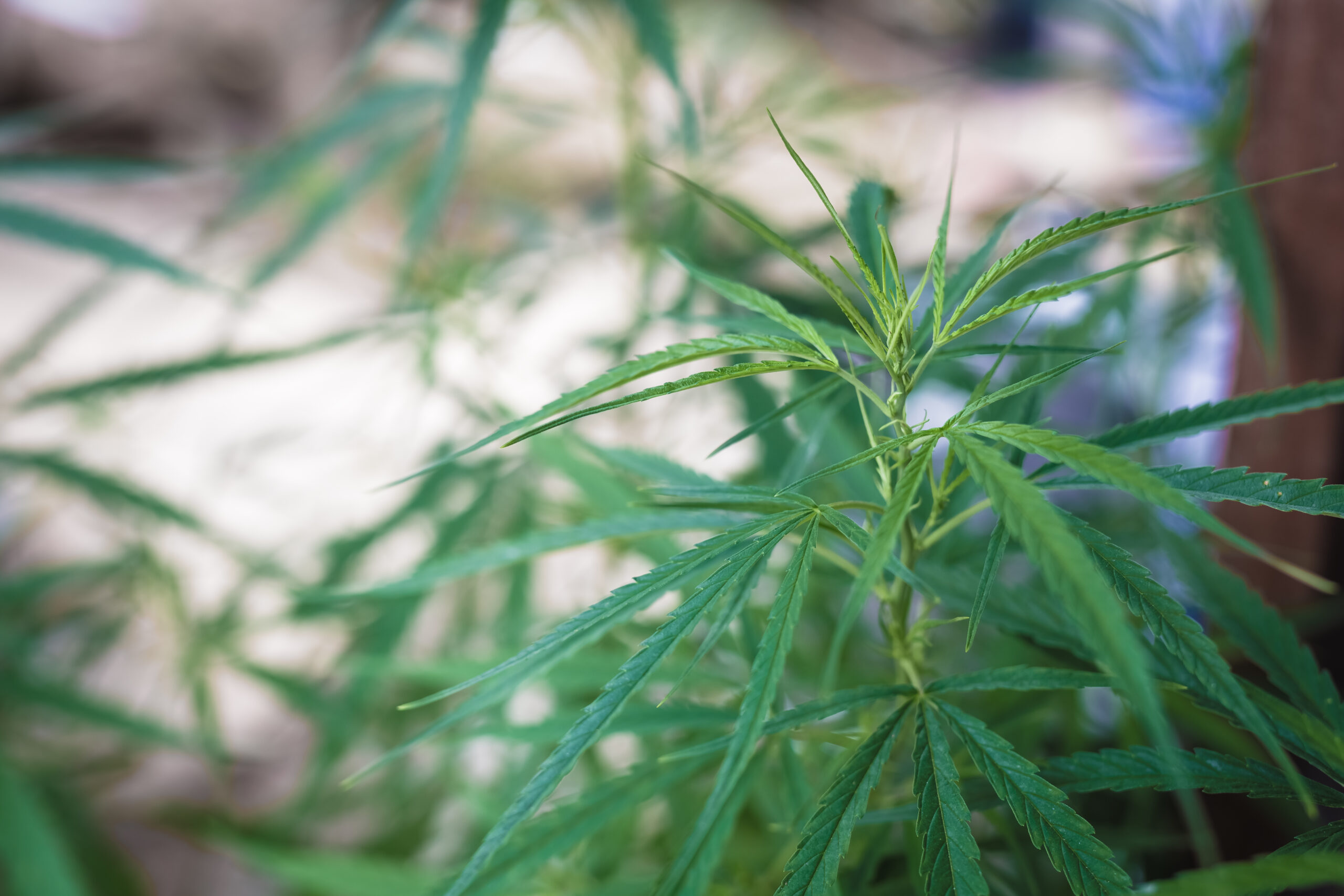
Autoflowers are a popular type of cannabis plant because they grow fast and are easier to manage than many other types. Unlike photoperiod plants, autoflowers do not need a change in light schedule to start flowering. Instead, they begin flowering based on age. This is one of the main reasons many growers choose them, especially for outdoor growing. Their short life cycle makes them a good option for people who want a quicker harvest or want to fit more than one grow into a single season.
Even though autoflowers are known for being simple to grow, timing still matters a lot. Many people think that because these plants are hardy and fast, they can be planted outside at almost any time. That is not true. The success of an outdoor autoflower grow depends heavily on when the seeds or seedlings are put outside. Plant too early, and the plants may struggle in cold weather. Plant too late, and they may miss the best part of the season. In both cases, the result can be slower growth, smaller plants, and lower yields.
Outdoor growing always depends on natural conditions. A grower cannot fully control the weather, the amount of sun, or the changes in temperature the way an indoor grower can. That is why planting at the right time is so important. Autoflowers have a short window to grow, develop strong roots, build leaves and branches, and then produce flowers. Because the life cycle is short, they do not have much time to recover from stress. A few weeks of poor weather at the start of growth can affect the plant for the rest of its life. This makes timing one of the most important parts of planning an outdoor autoflower grow.
Temperature is one of the biggest factors. Young autoflower plants do best when the weather is warm but not too hot. If the soil is too cold, seeds may take longer to sprout, or they may fail to sprout at all. If seedlings are placed outside before the last frost has passed, they can be damaged or killed. Cold nights can also slow root growth and weaken young plants. On the other hand, very high heat can also cause problems. If autoflowers are planted during a period of strong heat, especially when they are still small, they may become stressed. Heat stress can affect leaf health, water use, and flower development.
Sunlight is another key part of timing. Autoflowers do not rely on shorter days to begin flowering, but they still need plenty of strong light to grow well. More sunlight usually means better growth, stronger branches, and better flower production. If they are planted when days are long and sunny, they often perform better than plants started when the season is already changing. This is why many growers aim for late spring or early summer, depending on the local climate. They want the plants to spend most of their short life cycle in warm, bright conditions.
Weather patterns also matter. Rain, wind, sudden temperature drops, and long periods of cloud cover can all affect plant growth. Outdoor autoflowers do best when they start in stable weather. Strong rain can damage seedlings. Heavy wind can bend or break young stems. Too much moisture can also raise the risk of mold and root problems. Since autoflowers move quickly from one stage of growth to the next, a bad start can be hard to fix later. Good timing helps avoid these common outdoor problems.
The right planting time can also affect yield. Yield means the amount of flower the plant produces by harvest time. Bigger yields usually come from healthy plants that had the chance to grow without major stress. When autoflowers are planted during the best part of the outdoor season, they often grow larger before flowering starts. This gives them more time to build a strong structure. A stronger structure can support more bud sites and better flower development. In simple terms, good timing helps the plant make the most of its short life.
Plant health is closely tied to timing as well. A plant that starts in the right conditions is more likely to resist pests, disease, and stress. Healthy early growth leads to better roots, better leaves, and stronger stems. These parts of the plant all work together. The roots take in water and nutrients. The leaves capture light and turn it into energy. The stems support the plant and move water and nutrients where they are needed. If one part suffers early on, the whole plant may suffer later.
This article explains the most important things growers need to know about when to plant autoflowers outdoors. It will look at the best planting times in different climates, how temperature and sunlight affect outdoor growth, and what can happen if plants go outside too early or too late. It will also explain how many outdoor grows may be possible in one season, whether it is better to start seeds indoors, and how to choose a good outdoor planting spot. By understanding these points, readers can make better decisions and improve their chances of getting healthy plants and better yields.
What Are Autoflowering Cannabis Plants?
Autoflowering cannabis plants are a type of cannabis that begin to flower on their own after a certain age. They do not need a change in light schedule to start making buds. This is the main feature that makes them different from other cannabis plants. For many growers, this makes autoflowers easier to understand and easier to manage, especially outdoors.
To understand autoflowers clearly, it helps to look at what they are, how they differ from photoperiod plants, where they come from, and how their life cycle works from seed to harvest.
What Autoflowering Cannabis Means
The word “autoflowering” means the plant flowers automatically. In simple terms, the plant moves from the early growth stage into the flowering stage because of age, not because of changes in daylight hours.
Most traditional cannabis plants depend on light exposure to know when it is time to flower. Outdoors, these plants usually start flowering as the days get shorter later in the growing season. Autoflowers do not wait for that signal. They begin flowering after a few weeks of growth, even if the days are still long.
This trait can make outdoor growing more flexible. A grower does not have to wait for late summer or early fall for flowering to begin. Instead, the plant follows its own internal schedule. That is why autoflowers are often chosen by people who want a faster harvest or who live in areas with shorter growing seasons.
Autoflowers are still cannabis plants, so they need the same basic things all plants need. They need light, water, air, nutrients, and a healthy growing space. But because they move through their life cycle quickly, timing becomes very important. Once they begin flowering, there is less time to correct mistakes.
How Autoflowers Differ From Photoperiod Cannabis Plants
The biggest difference between autoflowers and photoperiod cannabis plants is the way they begin flowering.
Photoperiod plants depend on the number of light and dark hours they get each day. Outdoors, they usually stay in the vegetative stage during the long days of spring and summer. As the season changes and daylight hours become shorter, the plants begin to flower. This means photoperiod plants are strongly tied to the natural light pattern of the year.
Autoflowers do not work that way. They begin flowering based on age, usually within a few weeks after sprouting. Because of this, they can often be planted and harvested faster than photoperiod plants.
Another important difference is plant size. Autoflowers are often smaller and more compact than photoperiod plants. This can be helpful for growers with limited outdoor space or for those who want a more discreet grow. Their smaller size can also make them easier to manage in containers.
The shorter life cycle of autoflowers is another major difference. Many autoflower varieties finish much faster than photoperiod plants. This quick turnaround can allow growers in warm climates to plant more than one crop in a season.
Still, the fast growth of autoflowers also brings limits. Because they do not stay in the vegetative stage for long, they have less time to recover from stress. Problems such as overwatering, poor soil, rough transplanting, or nutrient mistakes can reduce growth quickly. Photoperiod plants often have more time to recover because their vegetative stage can last much longer.
The Genetic Background of Autoflowers
Autoflowering cannabis plants are linked to Cannabis ruderalis. Ruderalis is a type of cannabis that developed in regions with short summers and tough growing conditions. In those areas, waiting for shorter days to begin flowering would not always work well. Because of this, ruderalis developed the ability to flower based on age instead of light changes.
Modern autoflowers usually are not pure ruderalis plants. Instead, they are often bred by combining ruderalis genetics with indica or sativa strains. The goal is to keep the automatic flowering trait while improving other qualities such as size, aroma, yield, and cannabinoid content.
This breeding process is important because ruderalis on its own is often smaller and less productive than other cannabis types. By crossing it with other strains, breeders create plants that keep the speed and automatic flowering of ruderalis but offer stronger overall performance.
As a result, modern autoflowers are very different from older autoflower lines. Many current varieties are more reliable, more productive, and better suited for outdoor growing than early versions were.
The Typical Life Cycle of Autoflowers
Autoflowering cannabis plants move through a short and steady life cycle. The first stage is germination. This is when the seed opens and the first root begins to grow. Soon after that, the seedling stage begins. In this stage, the young plant is small and delicate. It starts growing its first true leaves and building its root system.
Next comes the vegetative stage. During this part of the cycle, the plant focuses on growing stems, branches, and leaves. This stage is important because it shapes the size and structure of the plant. In autoflowers, this stage is usually short compared with photoperiod plants. The plant may only spend a few weeks growing before it starts flowering.
After that, the flowering stage begins. The plant shifts its energy toward producing buds. During this time, growers watch closely for healthy bud development and signs that the plant is moving toward maturity. Because autoflowers flower on their own, this stage begins whether the grower is ready or not.
The final stage is harvest. When the plant reaches maturity, it is cut, dried, and cured. From seed to harvest, many autoflowers finish their full life cycle in about two to three months, though some may take a little longer depending on the variety and growing conditions.
This short life cycle is one reason autoflowers are popular outdoors. They can finish before bad weather arrives in some regions. They also allow growers to plan around seasonal limits more easily.
Autoflowering cannabis plants are designed to flower automatically with age instead of waiting for changes in daylight. That single trait makes them different from photoperiod plants and shapes the way they are grown. Their background comes from Cannabis ruderalis, a hardy type of cannabis adapted to short seasons. Today’s autoflowers combine that automatic flowering trait with improved genetics from other cannabis types. They also move through a fast life cycle, from seed to harvest in just a few months. Understanding these basics makes it much easier to see why timing matters so much when planting autoflowers outdoors.
Why Timing Is Important for Outdoor Autoflower Cultivation
Timing is one of the most important parts of growing autoflowers outdoors. Many new growers focus first on seeds, soil, pots, or nutrients. Those things matter, but the time you plant can shape the whole grow from start to finish. Autoflowers have a short life cycle, so they do not have much time to recover from stress. Because of that, planting at the right time can make a big difference in plant size, health, and final yield.
Outdoor conditions change from week to week. Temperature rises and falls. Rain may come early or late. Days may be long, bright, and warm, or they may be cool, cloudy, and damp. Autoflowers respond to all of these changes. If you plant when the weather is too cold, growth may slow down right away. If you plant too late, the plants may miss the best part of the season. Good timing helps the plant use the best weather during its short life.
Temperature, Sunlight, and Weather All Affect Growth
Autoflowers need the right environment to grow well outdoors. Temperature is one of the first things to consider. Seeds and seedlings are very sensitive to cold. If the soil is too cold, seeds may sprout slowly or not at all. If young plants stay in chilly weather for too long, they may become weak and small. Cold stress can also slow root growth, and healthy roots are needed for strong plants.
Warm weather usually helps autoflowers grow faster. When daytime temperatures are mild and steady, plants can focus on building leaves, stems, and roots. But too much heat can also cause problems. Very hot weather can dry the soil fast, stress the plant, and make water loss happen more quickly. This is why timing is not just about avoiding cold. It is also about choosing a season with balanced temperatures.
Sunlight is another major factor. Autoflowers do not depend on light cycle changes in the same way photoperiod plants do, but they still need strong light to grow well. Outdoor plants that get long hours of direct sun often grow faster and produce better yields. If planting time matches the sunniest part of the season, the plant has a better chance to become full and healthy before flowering ends.
Weather also matters in a bigger way. Heavy rain can soak the soil and damage small plants. Strong wind can bend or break stems. Long periods of cloudy weather can slow growth because the plant gets less light. Humid conditions may also raise the risk of mold and mildew, especially later in the plant’s life. Planting at the right time helps reduce the chance that the plant will spend important growth weeks in poor conditions.
The Short Life Cycle Makes Timing More Important
Autoflowers grow and flower on their own schedule. Most strains are ready to harvest in about 8 to 12 weeks from seed, though some may take a bit longer. This short cycle is one of the main reasons people choose autoflowers. They grow fast, and in some climates, growers may fit more than one outdoor run into one season.
But this speed also creates a challenge. Autoflowers do not have much time to recover from setbacks. A photoperiod plant may stay in its vegetative stage for a longer time, which gives it more room to bounce back after stress. An autoflower does not usually have that extra time. If it spends its first two or three weeks in cold weather, poor light, or heavy rain, that lost growth cannot always be regained later.
This is why timing matters so much. The early stage of life is very important for autoflowers. In just a short time, they go from seedling to active growth, then into flowering. If the plant struggles during that early window, it may stay smaller for the rest of its life. Smaller plants often mean lighter yields.
Risks of Planting Too Early or Too Late
Planting too early can expose autoflowers to cold soil, low night temperatures, and even frost in some places. Frost can kill young plants very quickly. Even if frost does not happen, cool weather can still slow growth. A plant that starts weak may never reach its full size. Early spring weather can also be unstable, with sudden rain, wind, or cold snaps that harm seedlings.
Planting too late also creates problems. By late summer or early fall, the days may start to get shorter, and the weather may become less predictable. There may be more rain, less sun, or cooler nights. An autoflower planted late may not have enough time to enjoy the strongest growing conditions. It may stay smaller, flower under weaker light, or finish when the weather is turning poor.
In very hot regions, planting at the wrong time can also place seedlings into extreme heat. That kind of stress can slow early development just as much as cold can. So the goal is not simply to plant as early as possible or as late as possible. The goal is to match the plant’s short life cycle with the best outdoor conditions in your area.
Good Timing Helps Maximize Yield and Plant Health
When autoflowers are planted at the right time, they can grow during the most favorable part of the season. This usually means warmer soil, steady temperatures, strong sunlight, and fewer weather shocks. Under those conditions, seedlings establish faster, roots spread better, and the plant can build more size before flowering moves ahead.
A healthy plant with a strong start is more likely to resist stress, handle small weather changes, and produce better flowers. Good timing can also support better airflow, lower disease risk, and stronger overall structure. When the plant grows well from the beginning, each later stage becomes easier to manage.
Yield is closely tied to this early success. Autoflowers do not have endless time to grow, so every week matters. A plant that spends its early life in a good outdoor environment often becomes larger and more productive than one planted at the wrong time. Bigger yields are not only about genetics or feeding. They also come from giving the plant the right seasonal window.
Timing is important in outdoor autoflower cultivation because these plants grow fast and have little time to recover from stress. Temperature, sunlight, and weather all shape how well they perform. Planting too early can bring cold and slow growth, while planting too late can reduce light and expose the plant to poor end-of-season weather. When growers plant at the right time, autoflowers are more likely to stay healthy, grow larger, and produce better yields.
When Is the Best Time to Plant Autoflowers Outdoors?
Planting autoflowers outdoors at the right time is important for healthy plants and better yields. Autoflowering cannabis plants grow quickly. Most of them finish their life cycle in about 8 to 12 weeks from seed to harvest. Because their growth period is short, the timing of planting can strongly affect how large the plants grow and how much they produce.
When growers plant at the right time, plants receive the best combination of warm temperatures, long daylight hours, and stable weather. These conditions help the plants grow strong roots and large flowers. Planting too early or too late can limit growth and reduce the final harvest.
General Planting Window in Most Climates
In many regions, the best time to plant autoflowers outdoors is during spring or early summer. Most growers wait until the weather becomes stable and the risk of cold nights is low. This usually happens after winter ends and temperatures begin to rise.
For many temperate regions, the typical planting window begins in late April or May. During this period, the days are getting longer and the temperature is warm enough for seeds to sprout and grow well. Planting during this time allows the plants to grow during the warmest months of the year.
In warmer climates, planting can begin earlier in the year. Some growers start in early spring because the temperatures warm up sooner. In tropical or very warm regions, autoflowers may be planted almost any time of the year as long as there is enough sunlight and the weather is not too extreme.
Because autoflowers grow quickly, some growers plant multiple rounds during the same season. For example, one group of plants may start in spring, while another group begins in early summer. This method can allow more than one harvest within the same year.
Importance of Planting After the Last Frost
One of the most important rules when planting autoflowers outdoors is to wait until the last frost has passed. Frost can damage or kill young seedlings. Autoflower seeds and small plants are sensitive to cold conditions, especially during their first few weeks of life.
When frost occurs, temperatures drop close to or below freezing. This can slow plant growth or cause the leaves to wilt and die. Even mild frost can stress young plants and stop their development.
Because of this risk, growers often check local frost dates before planting. The last frost date is the average date when the final frost of the season usually happens in a specific region. Planting after this date reduces the chance that young plants will experience freezing temperatures.
Waiting for warmer weather also helps the soil warm up. Seeds tend to germinate better when the soil temperature is comfortable and stable. Cold soil can slow or stop the germination process.
Typical Temperature Requirements for Germination and Early Growth
Temperature plays a major role in how well autoflowers grow outdoors. Seeds usually germinate best when temperatures are warm but not too hot. Most growers aim for daytime temperatures between about 70°F and 85°F (21°C to 29°C).
When temperatures fall below about 60°F (15°C), plant growth can slow down. Young seedlings may grow very slowly or show signs of stress. Extremely cold conditions may damage the plant.
Warm temperatures help seeds sprout faster and allow roots to develop properly. During early growth, plants also need stable nighttime temperatures. Large drops in temperature at night can shock young plants and reduce growth speed.
Hot weather can also affect plants if temperatures rise too high. Very hot conditions can cause water stress and leaf damage. Because of this, many growers plant in spring so that the plants grow during a period of moderate warmth instead of extreme heat.
Seasonal Timing Guidelines for Successful Outdoor Planting
Seasonal timing can vary depending on the local climate. In cooler regions, growers usually plant in late spring when the weather becomes warm and stable. This gives plants enough time to grow before colder temperatures return later in the year.
In moderate climates, planting often begins in mid to late spring. Growers may start a second planting in early summer to produce another harvest before autumn arrives.
In warm or tropical climates, the growing season can be longer. Some growers plant several times throughout the year because the temperatures remain warm. However, it is still important to consider factors such as heavy rainfall, strong storms, or extremely hot periods.
Choosing the right season helps ensure that autoflowers receive enough sunlight and warmth throughout their short life cycle. When plants grow during the most favorable months, they are more likely to develop strong stems, healthy leaves, and full flowers.
The best time to plant autoflowers outdoors usually falls in spring or early summer when temperatures are warm and stable. Growers often wait until after the last frost to protect young seedlings from cold damage. Warm soil, comfortable daytime temperatures, and longer daylight hours help seeds germinate and support healthy plant growth. By choosing the right season and watching local weather patterns, growers can give autoflowers the best conditions to grow and produce a successful harvest.
How Climate Zones Affect Autoflower Planting Time
Climate plays a major role in deciding when to plant autoflowers outdoors. Temperature, sunlight, rainfall, and seasonal changes are different in every region. Because autoflowering cannabis has a short life cycle, growers must plan planting time carefully based on local weather conditions. A plant that grows well in one climate may struggle in another if it is planted at the wrong time.
Understanding climate zones helps growers choose the best planting schedule. In general, outdoor growers adjust their planting times depending on whether they live in a cold climate, a temperate climate, or a warm or tropical climate.
Planting Autoflowers in Cold Climates
Cold climates usually have long winters and short summers. In these areas, the outdoor growing season is limited because temperatures stay low for much of the year. Frost is also a major concern for young plants.
For this reason, autoflowers should not be planted outdoors until the last frost has passed. Soil and air temperatures must be warm enough to support germination and early growth. Most growers wait until daytime temperatures stay around 18–24°C (65–75°F). Soil that is still cold can slow down seed germination or prevent seeds from sprouting.
Because summers are short in cold regions, growers often plant autoflowers between late spring and early summer. This gives plants enough time to grow and finish their life cycle before temperatures drop again in early fall.
Some growers in colder areas start seeds indoors to give plants an early start. Seedlings are then moved outside once the weather becomes stable and warm. This method helps protect young plants from cold stress while still allowing them to grow outdoors during the best part of the season.
Planting Autoflowers in Temperate Climates
Temperate climates usually have moderate seasons with warm summers and mild springs. These conditions often provide a longer outdoor growing season compared to cold regions.
In temperate areas, many growers begin planting autoflowers in mid to late spring. By this time, the risk of frost has mostly passed and temperatures are warm enough for seedlings to grow well. Spring planting allows plants to receive strong sunlight during early summer, which supports healthy growth and better yields.
Because the growing season is longer, some growers in temperate climates can plant multiple autoflower cycles in one year. A common schedule includes planting one crop in spring and another in early or mid-summer. Since autoflowers typically take about 8 to 12 weeks to finish, this schedule allows growers to harvest more than once during the same season.
However, timing still matters. If plants are started too late in the year, they may face cooler weather and shorter days during their final growth stages. This can slow development and reduce yield.
Planting Autoflowers in Warm or Tropical Climates
Warm and tropical climates often have long growing seasons and high temperatures throughout the year. In many of these regions, frost is not a concern. This gives growers more flexibility when choosing planting times.
Autoflowers can often be planted earlier in the year compared to colder regions. In some areas, planting can start in early spring or even late winter if temperatures stay warm enough.
Because the climate remains warm for longer periods, growers may be able to complete several autoflower cycles in one year. Some regions allow three or even four harvests depending on local weather patterns.
However, high heat and heavy rainfall can also create challenges. Very hot temperatures may stress young plants, while frequent rain can increase the risk of mold or root problems. For this reason, growers in tropical areas often plan planting times to avoid the most intense heat or the peak rainy season.
Planting at the beginning of a stable warm period often gives plants the best chance to grow strong and healthy.
Adjusting Planting Schedules Based on Regional Weather
Even within the same climate zone, weather conditions can vary from year to year. Temperature changes, unexpected storms, and seasonal shifts can affect outdoor growing conditions.
Many growers monitor local weather forecasts before planting seeds outdoors. Soil temperature, nighttime temperatures, and rainfall patterns are all important factors to consider. If temperatures are still unstable, growers may wait a little longer before planting.
Some growers also use gardening tools such as soil thermometers or weather apps to track outdoor conditions. These tools help growers choose the safest time to plant seeds and reduce the risk of weather-related problems.
By adjusting planting schedules based on real weather conditions instead of only calendar dates, growers can improve plant survival and overall harvest success.
Climate zones strongly influence when autoflowers should be planted outdoors. Cold climates require growers to wait until late spring when frost risk has passed. Temperate climates often allow spring planting and sometimes multiple harvests in one season. Warm and tropical climates provide the most flexibility but may require careful timing to avoid extreme heat or heavy rain.
How Many Times Can You Plant Autoflowers Outdoors in One Season?
Autoflowering cannabis plants grow much faster than traditional photoperiod cannabis. Because of their short life cycle, growers often ask how many times they can plant autoflowers outdoors in one season. The answer depends on several factors, including climate, temperature, daylight, and the total length of the outdoor growing season. Understanding these factors helps growers plan planting schedules and possibly harvest more than once in a year.
Understanding the Short Growth Cycle of Autoflowers
One reason autoflowers are popular is their fast growth cycle. Most autoflowering cannabis plants go from seed to harvest in about 8 to 12 weeks. This means a grower can harvest a plant in about two to three months after planting.
Autoflowers begin flowering automatically based on age instead of changes in daylight. Photoperiod cannabis plants need long nights to start flowering, but autoflowers do not rely on this light cycle. Because of this trait, autoflowers can grow and flower during any part of the outdoor season as long as the weather conditions are suitable.
This short life cycle makes it possible to plant multiple rounds of autoflowers in the same outdoor growing season. Instead of waiting all year for one harvest, growers may plant new seeds every few weeks. Each new planting can create another harvest later in the season.
However, this approach works best in places where the outdoor growing season is long enough to support several cycles. If the season is too short or temperatures drop too early, growers may only have time for one or two planting cycles.
Possibility of Multiple Outdoor Harvests in Warm Climates
Warm climates often allow the most planting opportunities. In regions with mild temperatures and long periods without frost, autoflowers can be planted several times throughout the year.
In these climates, the outdoor growing season may begin early in spring and continue through late fall. This long period of stable weather allows growers to plant autoflowers in stages. For example, a grower might plant seeds in early spring, then plant another group a few weeks later. As the first plants near harvest, the second group is still growing.
This method is often called staggered planting. It spreads out the harvests and allows growers to collect multiple crops in one outdoor season.
Some warm regions even allow outdoor planting almost year-round if temperatures stay within safe ranges. However, most growers still plan their planting around the months with the strongest sunlight and stable weather conditions.
Typical Planting Schedules for Two or Three Harvests per Year
In many outdoor locations, growers can complete two or three autoflower cycles in one season. A common schedule starts in late spring when the risk of frost has passed and soil temperatures are warm enough for germination.
The first planting may begin in late spring. These plants grow during the early part of the warm season and may be ready for harvest in mid-summer. After harvesting the first group, growers can plant a second round of autoflower seeds.
The second cycle grows during the warm summer months and may be harvested in early fall. In regions with long growing seasons, a third planting may be possible. This final cycle would grow during late summer and early fall before temperatures start to drop.
Spacing out plantings by several weeks can help growers maintain continuous production during the season. Instead of harvesting all plants at once, each group reaches maturity at different times.
This approach can also help growers manage plant care more easily. Smaller groups of plants are often easier to monitor for watering, nutrient needs, and pest control.
Factors That Limit the Number of Outdoor Autoflower Cycles
Even though autoflowers grow quickly, some conditions limit how many cycles can be planted outdoors. Temperature is one of the most important factors. Autoflower seedlings need warm soil and stable weather to grow properly. If temperatures fall too low, plant growth may slow down or stop.
The length of the warm season also matters. In colder regions, the outdoor growing season may only last a few months. If cold weather arrives early in fall, there may not be enough time for a second or third planting.
Sunlight is another important factor. Autoflowers can grow under many daylight conditions, but strong sunlight supports healthier growth and larger plants. Late-season plantings may receive fewer hours of direct sunlight, which can reduce plant size and yield.
Heavy rain, storms, and strong winds may also affect outdoor growing schedules. Poor weather can damage young plants or slow their growth. Growers often plan planting times to avoid the harshest parts of the season.
Pests and plant diseases can also affect how many cycles are possible. Repeated planting in the same area may increase pest pressure, which may require careful monitoring and garden management.
Autoflowering cannabis plants grow quickly, which makes it possible to plant more than once in a single outdoor season. Because most autoflowers reach harvest in about 8 to 12 weeks, growers in warm climates may complete two or even three planting cycles each year. Staggered planting schedules allow growers to harvest multiple crops over several months. However, the number of outdoor cycles depends on climate, temperature, sunlight, and the total length of the growing season. By understanding these factors, growers can plan planting times that match their local outdoor conditions.
What Temperature Is Best for Planting Autoflower Seeds Outdoors?
Temperature is one of the most important factors when planting autoflower seeds outdoors. Autoflower plants grow quickly and have a short life cycle, so early conditions can strongly affect their growth. If the temperature is too cold or too hot during the first weeks, seedlings may grow slowly or fail to survive. Understanding the right temperature range helps growers choose the best time to plant and support healthy plant development.
Ideal Soil and Air Temperature for Germination
Autoflower seeds need warm conditions to germinate well. Germination is the stage when the seed begins to sprout and produce its first root and leaves. For most cannabis seeds, the ideal temperature range is between 70°F and 85°F (21°C to 29°C). Within this range, seeds usually sprout within a few days.
Soil temperature is just as important as air temperature. Even if the air feels warm during the day, soil may still be cold after winter. Seeds planted in cold soil may take longer to germinate or may fail to sprout at all. Warm soil helps the seed absorb water and start the growth process.
When soil temperatures are stable and warm, seedlings tend to emerge faster and grow more evenly. The first leaves, known as cotyledons, appear quickly, followed by the first true leaves. These early stages are important because they set the foundation for the rest of the plant’s growth.
In outdoor growing, soil temperature often becomes suitable in mid to late spring in many regions. Waiting until the soil warms up helps improve germination success and reduces early stress on the plant.
Minimum Safe Temperatures for Young Plants
After seeds germinate, the young plants must continue growing in stable temperatures. Autoflower seedlings are sensitive during their early stages, and cold weather can slow their growth.
The minimum safe temperature for young autoflower plants is usually around 60°F (15°C). When temperatures drop below this level, plant growth often slows down. Leaves may develop more slowly, and roots may not expand well in cold soil.
Night temperatures are especially important. Even if daytime temperatures are warm, very cold nights can cause stress to seedlings. Large swings between day and night temperatures can also affect plant development. Consistent conditions help young plants grow stronger.
If outdoor temperatures remain below the safe range, seedlings may appear small or weak. In some cases, cold exposure may damage plant tissues or stop growth completely. This is why many growers wait until the risk of frost has passed before planting autoflower seeds outdoors.
Effects of Cold or Extreme Heat on Seedlings
Both cold and extreme heat can affect young autoflower plants. Cold temperatures slow down the plant’s internal processes. This includes nutrient absorption, root growth, and leaf development. When plants stay cold for too long, they may remain small throughout their life cycle.
Extreme heat can also cause problems. When temperatures rise above 90°F (32°C) for long periods, young plants may struggle to keep enough moisture. Leaves may begin to curl, droop, or dry out. High heat can also cause the soil to dry too quickly, which increases stress on the plant.
Very hot conditions may also reduce early growth. If seedlings experience heat stress early in their life cycle, the plant may not develop to its full size. Since autoflowers grow quickly, early setbacks may reduce the final yield.
The best outdoor conditions usually involve warm days and mild nights. Balanced temperatures allow the plant to grow steadily without stress.
Tools and Methods for Monitoring Outdoor Temperatures
Monitoring temperature helps growers decide when conditions are safe for planting. One common method is using a soil thermometer. This simple tool measures the temperature in the soil where seeds will be planted. By checking soil temperature for several days, growers can see whether conditions are stable enough for germination.
Weather forecasts are another useful tool. Checking upcoming temperatures helps determine whether a cold front or heat wave may occur soon after planting. Stable weather conditions during the first week after planting improve seedling survival.
Some growers also use digital outdoor thermometers that track both daytime and nighttime temperatures. This helps them understand how much temperatures change within a 24-hour period.
Monitoring temperature before planting helps reduce risks. It allows growers to choose the right moment when soil and air temperatures are warm enough for strong early growth.
Temperature plays a key role in successful outdoor autoflower planting. Seeds germinate best when soil and air temperatures stay between 70°F and 85°F (21°C to 29°C). After germination, young plants grow more safely when temperatures remain above 60°F (15°C). Cold weather can slow growth, while extreme heat may stress seedlings and reduce plant development. By checking soil temperature, watching weather forecasts, and planting during stable conditions, growers can create a better start for autoflower plants and support healthier growth throughout the life cycle.
Should You Start Autoflowers Indoors Before Moving Them Outside?
Many growers wonder if they should start autoflower seeds indoors before placing the plants outside. Autoflowering cannabis plants grow very quickly, so the early stages of growth are important. Because of this short life cycle, the way a grower starts the plant can affect its size, strength, and final yield.
Some growers prefer to start seeds indoors to give the plant a strong beginning. Others plant seeds directly outdoors to avoid disturbing the roots later. Both methods can work well if they are done correctly. Understanding the benefits and risks of each method helps growers decide which option fits their outdoor growing conditions.
Starting Seeds Indoors vs. Direct Sowing Outdoors
Starting autoflower seeds indoors means germinating the seeds and growing the seedlings in a controlled environment. This can include a small grow light, a sunny window, or a simple indoor grow setup. The goal is to give the young plant stable temperatures, steady light, and protection from harsh outdoor conditions.
Direct sowing means planting the seed directly in the outdoor soil or container where the plant will grow for its entire life. This method avoids transplanting and allows the plant’s roots to grow naturally without interruption.
Many growers choose to start indoors when the outdoor weather is still cold or unstable. Seedlings are delicate during the first weeks of life. Sudden drops in temperature, heavy rain, or strong wind can damage very young plants. Indoor starting allows growers to protect the seedling during this fragile stage.
However, direct sowing outdoors can also work well when the weather is warm and stable. In climates where spring temperatures rise quickly, planting seeds directly outdoors can simplify the process. The seed germinates in its final container or soil bed and grows without any movement or transplanting.
Benefits of Early Indoor Germination
Starting autoflowers indoors can give growers more control over the plant’s early growth. Temperature and light can stay steady, which helps seeds germinate faster and more reliably. Warm conditions often allow seeds to sprout within a few days.
Indoor starting also protects seedlings from common outdoor threats. Small plants can be damaged by pests, heavy rain, or sudden cold nights. Keeping the plants inside for the first one or two weeks reduces these risks.
Another benefit is an earlier start to the growing season. In cooler climates, the outdoor soil may stay cold long after winter ends. By starting seeds indoors, growers can begin the growth cycle before outdoor conditions are fully ready. Once the weather becomes stable, the young plants can move outside and continue growing.
This method can also allow growers to plan their harvest timing more carefully. If plants start earlier in the season, they may finish growing during periods of stronger sunlight and warmer weather.
When to Transplant Autoflower Seedlings Outdoors
If seeds start indoors, the plants usually move outdoors once they are strong enough to handle outdoor conditions. This often happens after the seedling has developed several sets of leaves and the weather has become warm and stable.
Temperature plays a key role in deciding when to transplant. Outdoor daytime temperatures should generally stay above about 65°F (18°C). Night temperatures should also remain mild, because cold nights can slow growth or stress the plant.
Before moving the plant outdoors permanently, growers often allow it to adjust slowly to outdoor conditions. This process is sometimes called hardening off. The plant may spend a few hours outside each day while still returning indoors at night. Over several days, the plant becomes used to natural sunlight, wind, and outdoor temperatures.
This gradual transition helps reduce shock and allows the plant to continue growing smoothly after transplanting.
Risks of Transplant Shock with Autoflower Plants
Autoflower plants are different from photoperiod cannabis plants because they have a fixed life cycle. Most autoflowers grow from seed to harvest in about 8 to 12 weeks. Because of this short timeline, any stress during early growth can reduce the plant’s size and final yield.
Transplanting can sometimes cause stress if the roots are disturbed. When roots are damaged or compressed during the move, the plant may pause growth while it recovers. For autoflowers, even a short pause can affect the plant’s overall development.
One way to reduce transplant stress is to start seeds in biodegradable pots or small containers that allow the entire root ball to move into the final container. Another method is to transplant very early, before the roots grow large and tangled.
Many growers also choose to plant autoflower seeds directly into their final containers. This avoids transplanting entirely and removes the risk of root disturbance.
Starting autoflowers indoors before moving them outside can help protect seedlings and provide a controlled start to the growing process. Indoor germination allows growers to manage temperature, light, and early plant care more easily. It can also allow plants to begin growing earlier in the season.
However, transplanting must be done carefully because autoflowers grow quickly and can experience stress if their roots are disturbed. Some growers avoid this risk by planting seeds directly outdoors in their final containers. The best approach depends on outdoor climate conditions, temperature stability, and the grower’s available setup for early plant care.
How Much Sunlight Do Outdoor Autoflowers Need?
Sunlight is one of the most important factors when growing autoflowers outdoors. Like all cannabis plants, autoflowers use sunlight to produce energy through photosynthesis. This process helps the plant grow leaves, stems, and flowers. Without enough sunlight, the plant may grow slowly and produce smaller yields. For this reason, choosing a sunny outdoor location is very important.
Unlike photoperiod cannabis plants, autoflowers do not rely on changes in daylight hours to start flowering. Instead, they begin flowering based on age. Even though they do not need a specific light cycle to bloom, they still need strong and consistent sunlight to grow well. More light usually means stronger growth and better harvests.
Ideal Daily Sunlight Exposure for Autoflower Plants
Autoflowers grow best when they receive at least 6 to 8 hours of direct sunlight each day. Direct sunlight means the plant is not shaded by buildings, trees, fences, or other objects. The light should fall directly on the plant for most of the day.
Many experienced growers try to give autoflowers even more light if possible. In outdoor gardens, plants that receive 10 to 12 hours of sunlight each day often grow larger and healthier. Longer sunlight exposure helps the plant produce more energy, which supports stronger growth during its short life cycle.
Because autoflowers grow quickly, they have less time to recover from poor conditions. If the plant receives weak sunlight during the early weeks, it may stay small throughout its life. For this reason, sunlight during the seedling and early vegetative stages is especially important.
Morning sunlight is often very helpful for outdoor plants. It dries moisture from leaves and soil after the night. This helps reduce the risk of mold and fungal problems. Afternoon sunlight also supports strong growth, but very intense heat during midday can sometimes stress young plants in hot climates.
Why Full Sun Improves Plant Growth and Yield
Full sun exposure allows autoflowers to grow stronger and produce more flowers. When a plant receives plenty of light, it can make more sugars during photosynthesis. These sugars fuel the plant’s growth and help form dense buds during the flowering stage.
Plants that grow in full sun often develop thicker stems and larger leaves. Strong stems help support the weight of the buds later in the growing cycle. Healthy leaves also capture more light, which improves the plant’s overall energy production.
In contrast, plants that grow in partial shade may stretch toward the light. This stretching can make stems thin and weak. When this happens, the plant may not support heavy buds well. Shaded plants also tend to produce fewer flowers because they do not receive enough energy from sunlight.
Since autoflowers have a short life cycle, every day of strong growth matters. Good sunlight from the start helps the plant reach its full potential before it begins flowering.
Placement Strategies for Outdoor Gardens
Choosing the right location for outdoor autoflowers can make a big difference in plant health. A location that faces south in the northern hemisphere usually receives the most sunlight during the day. This direction allows plants to capture sunlight from morning until evening.
Open areas such as gardens, patios, or balconies often provide good sunlight exposure. It is best to avoid locations where tall trees, buildings, or walls block the sun. Even a few hours of shade each day can reduce the total light the plant receives.
When growing in containers, the pots can sometimes be moved during the day. This allows the plants to follow the sun and avoid shaded areas. Movable containers can help increase total sunlight exposure in small spaces like yards or balconies.
Spacing between plants is also important. When plants grow too close together, their leaves can block sunlight from reaching lower branches. Good spacing allows light to reach all parts of the plant, which supports even growth.
Effects of Shade or Limited Sunlight on Plant Development
Limited sunlight can slow the growth of autoflower plants. When the plant does not receive enough light, it cannot produce as much energy. This can lead to smaller leaves, weaker stems, and reduced bud production.
Plants growing in shade often stretch toward the nearest light source. This stretching causes the plant to become tall and thin. Such plants may also develop fewer branches, which means fewer sites where flowers can grow.
Another common effect of low sunlight is delayed growth during the early stages. Because autoflowers grow quickly, slow early development can limit the final size of the plant. Once the plant begins flowering, it cannot return to the vegetative stage to grow larger.
Low sunlight may also create a damp environment around the plant. Shade can keep soil and leaves moist for longer periods. This increases the chance of mold, mildew, or pest problems.
Outdoor autoflowers grow best when they receive strong and consistent sunlight. Most plants need at least 6 to 8 hours of direct sunlight each day, while 10 to 12 hours can support even stronger growth. Full sun helps plants produce energy, build strong stems, and develop healthy buds.
Choosing the right outdoor location is very important for success. Areas with open sky and minimal shade allow plants to capture more light throughout the day. When sunlight is limited, plants may grow slowly, stretch toward the light, and produce smaller yields.
How Long Do Autoflowers Take to Grow Outdoors?
Autoflowers are known for their short life cycle. This is one of the main reasons many growers choose them for outdoor growing. In general, outdoor autoflowers take about 8 to 12 weeks from seed to harvest. Some very fast strains may finish in as little as 7 weeks, while others may take closer to 13 weeks. The exact time depends on the genetics of the plant and the outdoor conditions during the grow.
This short growing period is different from photoperiod cannabis plants, which usually need a much longer season. Autoflowers begin to flower based on age, not on changes in daylight hours. That means they move from one stage to the next on their own. Because of this, growers need to understand the timeline clearly. A small delay or a period of stress can have a bigger effect because the plant has less time to recover.
Typical Life Cycle Length of Autoflower Plants
The full outdoor life cycle of an autoflower is usually divided into three main stages: seedling, vegetative growth, and flowering. Each stage is short, so every week matters.
The seedling stage usually lasts about 1 to 2 weeks. This is when the seed sprouts and the young plant begins to grow its first true leaves. During this stage, the plant is small and fragile. It needs warmth, light, and gentle care. If the weather is too cold, too wet, or too windy, growth may slow down.
The vegetative stage often lasts around 2 to 4 weeks. During this time, the plant grows taller, develops more leaves, and starts building the branches that will later hold flowers. Outdoors, this is a key stage for plant size. A stronger and healthier plant at this point often has a better chance of producing a larger yield later.
The flowering stage usually takes about 4 to 6 weeks, though some strains may take longer. During flowering, the plant focuses less on growing stems and leaves and more on making buds. This is when the plant needs steady sunlight, proper watering, and stable conditions. Once flowering begins, the plant is already moving toward harvest, so there is less time to fix major problems.
When all stages are added together, most outdoor autoflowers are ready in around 2 to 3 months. This fast finish is helpful in places with a short growing season. It also allows some growers in warm climates to plant more than one crop in a single year.
Stages of Growth from Seedling to Harvest
The first stage begins when the seed germinates. After the seed opens and the taproot appears, the young plant pushes above the soil. The seedling will first show small round leaves, then the first sets of true cannabis leaves. At this point, the root system is also developing. Healthy roots are important because they support all future growth.
Next comes the vegetative stage. This is when the plant builds structure. It produces more leaves, branches, and stem growth. The leaves collect sunlight, which helps the plant make energy. A healthy vegetative stage often leads to a stronger flowering stage. Since autoflowers do not stay in vegetation for long, this part of the cycle moves quickly.
Soon after, the plant enters pre-flowering. This is the transition between vegetative growth and full flowering. Small signs of sex may appear, and the plant starts preparing to form buds. In autoflowers, this can happen when the plant is only a few weeks old. Many growers are surprised by how fast this stage begins.
Then the plant moves into full flowering. Bud sites enlarge, and resin production increases. Over time, the flowers become denser and more developed. During this stage, the plant may still stretch a little, but most of its energy goes into flower production. Near harvest time, growers often watch the buds closely for signs of maturity.
The final stage is harvest. This happens when the plant has reached the end of its cycle and the buds are mature enough to cut. At this point, the speed of the plant’s life cycle is clear. What started as a seed only a few weeks earlier is now ready to harvest.
Environmental Factors That May Speed Up or Slow Down Growth
Even though autoflowers follow a set life cycle, outdoor conditions still affect how fast and how well they grow. Warm temperatures usually help young plants grow faster. Cold weather can slow root development, reduce leaf growth, and stress the plant. If the plant experiences too much stress early on, it may stay smaller for the rest of its life.
Sunlight is another major factor. Outdoor autoflowers grow best with plenty of direct sun each day. Strong light supports photosynthesis, which gives the plant energy to grow and flower. If the plant is kept in a shady area, growth may slow down and flower production may be weaker.
Water also matters. Too little water can cause drooping, slow growth, and poor flower formation. Too much water can damage roots and reduce oxygen in the soil. Both problems can affect the speed and health of the plant. Well-drained soil helps keep water levels balanced.
Nutrients play an important role as well. A plant that gets proper nutrition during the short vegetative stage often becomes stronger before flowering starts. If nutrients are missing, the plant may turn pale, grow slowly, or produce smaller buds. On the other hand, too much fertilizer can also stress autoflowers because they are often more sensitive than photoperiod plants.
Wind, heavy rain, pests, and disease can also affect timing. Outdoor plants must deal with natural conditions, and each stress can slow progress. Because autoflowers have such a short life cycle, even a short period of trouble can reduce growth.
How Planting Time Affects Total Harvest Time
Planting time can change how an autoflower performs outdoors, even if the strain has a general timeline. A seed planted at the right time of year often grows faster and more smoothly because it gets better temperatures and stronger sunlight from the start.
For example, a plant started after the last frost in late spring may move through its stages with fewer problems. The soil is warmer, the days are longer, and the weather is often more stable. This helps the plant grow well during its early weeks, which supports better flowering later.
A plant started too early may grow more slowly because cold soil and cool nights can hold it back. Even if it survives, it may remain smaller than expected. Since autoflowers begin flowering by age, not by size, a slow start can lead to a smaller harvest at the end.
A plant started too late may face a different problem. It may grow during hotter weather, weaker late-season light, or rainy conditions near harvest. This can also affect total yield and bud quality. So while the life cycle may still be around 8 to 12 weeks, the results can be very different depending on when the plant was started.
Outdoor autoflowers usually take about 8 to 12 weeks from seed to harvest, though some may finish a little faster or slower. Their life cycle moves through the seedling, vegetative, and flowering stages quickly, so each stage matters. Good weather, strong sunlight, proper watering, and healthy soil can support faster and stronger growth. Poor conditions can slow the plant down and reduce final yield. Planting at the right time gives autoflowers the best chance to complete their short life cycle in healthy outdoor conditions, which leads to a better harvest.
What Happens If You Plant Autoflowers Too Early?
Planting autoflowers too early outdoors can cause many problems, especially during the first few weeks of growth. At this stage, young plants are still weak and sensitive. They do not have a strong root system yet, and they cannot handle sudden changes in weather as well as older plants can. Even though autoflowers are known for their fast growth, that speed can work against them when the timing is wrong. Because they have a short life cycle, any stress in the beginning can affect the whole plant later on.
Many growers want to start as early as possible so they can get a longer season or even more than one harvest. That idea makes sense, but the weather must be ready first. If the air is still cold, the soil is still cool, or frost is still possible, planting too soon can slow growth, damage the plant, or even kill it. This is why outdoor timing matters so much with autoflowers.
Frost Damage and Cold Stress
One of the biggest risks of planting autoflowers too early is frost. Frost can happen when temperatures drop very low at night, even if the daytime weather seems mild. A young autoflower seedling has soft tissues and thin leaves, so it is not built to handle freezing conditions. A single cold night can cause serious harm.
When frost touches a seedling, the water inside the plant cells can freeze. This can damage the cells and cause the leaves to wilt, turn dark, or collapse. In some cases, the seedling may not recover at all. Even if frost does not fully kill the plant, it can weaken it so much that future growth becomes poor.
Cold stress can also happen without a full frost. If outdoor temperatures stay too low, the plant may stop growing well. The roots may struggle in cold soil, and the seedling may not take up water and nutrients in the right way. Instead of growing quickly and strongly, the plant may stay small and weak for too long. Since autoflowers do not have much time to recover, that early setback can reduce final yield.
Slow Growth Caused by Low Temperatures
Low temperatures do not always kill an autoflower, but they often slow it down. This is a major problem because autoflowers grow on a fixed schedule. Unlike photoperiod plants, they do not wait for the perfect moment to flower. They move through each stage of growth based on age. This means a plant that struggles early may still begin flowering on time, even if it has not had enough time to grow large.
When temperatures are too low, seeds may take longer to sprout. Seedlings may develop more slowly. Leaves may stay small, and the stem may remain thin. The roots can also grow at a slower rate in cold soil, which limits how much support the plant can get from below the surface.
As a result, the whole plant can become stunted. A stunted autoflower often stays short and produces fewer branches. Fewer branches usually mean fewer bud sites. By harvest time, the plant may have much smaller yields than it would have if it had been planted under better conditions.
Increased Vulnerability to Pests and Disease
A healthy plant is better able to defend itself. A stressed plant is easier for pests and disease to affect. This is another reason why planting too early can create trouble. When autoflowers grow in cold, wet, or unstable conditions, they often become weaker than normal. That weakness can make them more likely to suffer damage from insects, mold, and other problems.
Cool spring weather often comes with extra moisture. Wet soil and damp air can create the wrong environment for young cannabis plants. If the soil stays too wet for too long, roots may struggle to breathe. This can lead to root problems, poor nutrient uptake, and weak development. Damp conditions can also increase the risk of fungal issues.
Pests can also be a problem when seedlings are already stressed. Insects and garden pests often target weak young plants because they are easier to damage. A strong seedling may recover from minor feeding, but a cold-stressed one may not. When a plant is already using energy just to survive, it has less energy left for growth and repair.
Signs That Young Plants Are Struggling in Early-Season Conditions
It is important to know what stress looks like in a young autoflower. A struggling seedling may show clear signs that outdoor conditions are not right yet. One common sign is slow or almost no growth. If the plant looks the same for several days or does not seem to get bigger, cold stress may be the cause.
Leaves may also change in appearance. They can droop, curl, or lose color. Some seedlings may develop yellowing leaves, dark patches, or a dull, lifeless look. The stem may appear weak, thin, or unable to support the plant well. In severe cases, the whole plant may lean over or stop developing new leaves.
Another sign is poor recovery after cold nights. A healthy plant should perk up again when the weather improves. But if the seedling continues to look weak day after day, it may be under too much stress. Slow drying soil, pale growth, and a general lack of vigor are all warnings that the plant was moved outdoors too soon.
Growers should also pay attention to the soil itself. Even if the sun feels warm during the day, cold soil can still hold a seedling back. This is why checking only daytime air temperature is not enough. Both air and soil conditions matter.
Planting autoflowers too early can lead to frost damage, cold stress, slow growth, and a higher risk of pests and disease. Because autoflowers have a short life cycle, early stress can affect the entire season and reduce final yield. Young plants need stable warmth, healthy soil, and safe outdoor conditions to grow well from the start. In simple terms, planting a little too early can cost far more than waiting a little longer. The best results usually come when the danger of frost has passed, temperatures are steady, and the plant can begin life outdoors without fighting against the weather.
What Happens If You Plant Autoflowers Too Late?
Planting autoflowers too late outdoors can cause several problems. Autoflowers grow fast, which is one reason many growers like them. But that short life cycle also means timing matters a lot. Unlike photoperiod plants, autoflowers do not wait for a change in light hours to begin flowering. They move from seedling stage to flowering based mostly on age. Because of this, they do not have much time to recover from stress or poor outdoor conditions.
When seeds go into the ground late in the season, the plants may still grow, but they often do not reach their full size or full yield. They may also face weaker sunlight, cooler nights, heavy rain, or early bad weather before harvest. All of these things can reduce plant health and bud development.
Reduced Sunlight During Later Growing Months
One of the biggest problems with late planting is reduced sunlight. Autoflowers need plenty of direct sun to grow well outdoors. Strong sunlight helps the plant build energy, grow branches, and form healthy flowers. When planted late, the plants may spend much of their life during a part of the season when days are already getting shorter or when the sun is less intense.
Even though autoflowers do not depend on light schedule changes to flower, they still need enough light for strong growth. Less sunlight means less energy for the plant. This often leads to slower growth, smaller stems, fewer bud sites, and lighter harvests. A plant can survive with less sun, but it usually will not perform at its best.
Late-season sunlight can also be blocked by weather patterns. In many places, late summer and early fall bring more cloudy days, storms, or long periods of rain. This can make the problem even worse. If the plant gets only a few hours of strong direct light each day, it may stretch, stay small, or produce airy buds instead of dense ones.
Smaller Plants and Reduced Yields
Another common result of late planting is smaller plants. Autoflowers have a limited time to grow before they begin flowering. If outdoor conditions are not ideal during the early growth stage, the plant may stay short and weak. It will not have enough time to make up for that lost growth later.
A healthy autoflower usually needs a good start. Warm temperatures, enough sunlight, and steady conditions help it grow quickly in its first few weeks. That early growth matters because once flowering starts, the plant focuses more on bud production than on getting bigger. If you plant too late and the plant starts life in weaker conditions, it may enter flowering before it has built a strong structure.
This usually means fewer branches, smaller flowers, and lower total yield. The buds may also be less uniform. Some parts of the plant may mature too fast while others stay underdeveloped. In simple terms, a late-planted autoflower often uses its short life cycle trying to survive instead of producing as much as it could.
Weather Risks Near the End of the Season
Late planting also increases the chance that the plant will finish during poor weather. This is risky because the final weeks of flowering are very important. During this stage, buds become thicker, heavier, and more developed. If the weather turns cold, wet, or unstable at that time, the plant can suffer.
Cold nights can slow growth and stress the plant. Heavy rain can keep buds wet for too long. Too much moisture around thick flowers can raise the risk of mold or bud rot. Strong winds and storms can also damage branches or knock over containers. In some areas, the end of the season may bring morning dew, fog, or sudden temperature drops. These conditions are not ideal for plants close to harvest.
Pests can also become a problem late in the season. Some insects and plant diseases become more active during certain weather patterns. A plant that is already stressed from weak sunlight or cool temperatures may have a harder time fighting them off. Because autoflowers grow so quickly, even a short period of stress near harvest can affect quality.
Timing Limitations for Late Planting Attempts
Many new growers think they can plant autoflowers at almost any time because the plants finish fast. While autoflowers do have a shorter cycle than photoperiod plants, there is still a limit. You need enough warm days, enough sun, and enough stable weather from planting to harvest.
In warm climates, growers may be able to plant later than in cold climates. Some regions even allow more than one outdoor autoflower cycle in a year. But in cooler places, planting too late can mean the plant runs out of good weather before it finishes. That is why local climate matters so much.
Before planting late, it helps to count backward from the expected bad weather in your area. If a strain usually takes 9 to 11 weeks from seed to harvest, the plant needs that full period in suitable outdoor conditions. If fall rain, cold nights, or early frost arrive before that, the timing may not work well. Even if the plant survives, the final result may be disappointing.
Late planting can sometimes work if conditions stay warm and bright long enough. But it is usually less reliable than planting during the stronger part of the season. The later you plant, the smaller the margin for error becomes.
Planting autoflowers too late can lead to weaker sunlight, smaller plants, lower yields, and greater weather risk near harvest. Because autoflowers grow on a fixed timeline, they do not have much time to recover from poor outdoor conditions. A late start can affect the whole life of the plant, from early growth to final bud quality. For better results, it is important to plant when warm temperatures, long sunny days, and stable weather are still available. This gives autoflowers the best chance to grow strong and produce a better harvest.
How to Choose the Best Outdoor Location for Autoflowers
Choosing the right outdoor location is one of the most important parts of growing autoflowers well. Even if you plant at the right time, your plants can still struggle if the spot is too shady, too wet, too windy, or too cramped. Autoflowers grow fast and have a short life cycle, so they do not have much time to recover from poor conditions. That is why location matters so much from the start.
A good outdoor growing spot should give your plants enough sunlight, healthy soil, proper drainage, and protection from rough weather. It should also fit the way you plan to grow, whether that means planting directly in the ground or using containers. When all of these factors work together, autoflowers are more likely to grow strong, stay healthy, and produce better yields.
Sunlight Exposure
Autoflowers need a lot of light to grow well outdoors. The best location is usually the one that gets full sun for most of the day. In simple terms, full sun means at least six hours of direct sunlight daily, but more is often better for cannabis plants. Many growers aim for eight or more hours of strong direct sun if possible.
Sunlight helps the plant make energy through photosynthesis. That energy supports root growth, leaf development, flower production, and overall health. When a plant does not get enough sun, it often stays small. It may also produce fewer buds and take longer to finish. Since autoflowers already have a short growing period, lost light can reduce yield fast.
When checking a location, it helps to watch how the sun moves across the space during the day. A spot may seem bright in the morning but become shaded in the afternoon by a wall, fence, tree, or nearby building. Shade from large plants can also change over time as the season moves forward. A place that looks open in early spring may become more shaded by summer.
South-facing areas are often a good choice because they usually get stronger and longer sun exposure during the day. Open yards, patios, garden corners, and rooftops can all work if they receive enough light. The goal is to find the clearest, brightest area available. If the location only gets limited sun, the plants may still grow, but they are less likely to reach their full potential.
Soil Quality and Drainage
Good soil is another key part of a strong outdoor location. Autoflowers grow best in soil that is loose, airy, and rich enough to support healthy root growth. If the soil is too hard, compact, or heavy, roots can struggle to spread. That can slow down the whole plant.
Healthy soil should also drain well. This means water should move through it at a steady rate instead of sitting around the roots for too long. Cannabis plants do not like waterlogged soil. If the ground stays too wet, the roots can suffer from low oxygen, stress, or rot. Wet soil can also increase the risk of mold and other plant problems.
One simple way to test drainage is to water the area and watch what happens. If puddles stay on the surface for a long time, drainage may be poor. If the soil becomes muddy and dense after rain, that is another warning sign. On the other hand, if water drains too fast and the soil dries out almost at once, the area may need more organic matter to help hold moisture.
The best outdoor spot usually has balanced soil that can hold enough water for the plant but still let extra moisture escape. Many growers improve outdoor soil before planting. They may mix in compost, coco coir, peat-free organic matter, or other materials that improve structure. The exact mix can vary, but the goal stays the same: roots need air, water, and room to grow.
It is also important to think about the cleanliness of the soil. Areas near chemical runoff, dirty standing water, or contaminated ground are not ideal. A clean growing area gives plants a healthier start and lowers the chance of problems later in the season.
Protection From Strong Wind and Heavy Rain
Weather can be hard on young autoflowers, especially in the early stages. Strong wind can bend stems, dry out the soil, damage leaves, or even snap small plants. Heavy rain can soak the soil, knock over containers, or stress the plant if storms happen often. Because autoflowers grow quickly, repeated weather stress can reduce growth during important stages.
That is why the best outdoor location gives some natural protection. A plant does not need to be hidden away from all airflow, because some air movement is healthy. Good airflow can help reduce excess moisture around the leaves. But there is a difference between light airflow and harsh wind.
A useful growing spot may have a fence, wall, hedge, or other barrier nearby that blocks strong gusts without fully cutting off sun. The barrier should not create heavy shade over the plants. It should simply reduce the force of the wind. This helps stems stay upright and supports more stable growth.
Rain is another issue to consider. In areas with frequent downpours, low spots in the yard can become risky because water may collect there. These wet pockets can lead to soggy soil and root stress. A slightly raised area is often safer because it drains better after storms. If the weather is very wet in your region, containers can also help because they allow more control over soil and drainage.
Checking your yard after strong weather can tell you a lot. If one area floods, stays muddy, or gets hit hard by wind, it may not be the best location for autoflowers. A more sheltered area with steady light is often a better choice.
Containers or In-Ground Planting
The best location also depends on whether you plan to grow in containers or directly in the ground. Both methods can work well, but each one changes how you use your outdoor space.
In-ground planting can be a good option if you have healthy soil and a sunny garden area. Plants in the ground do not dry out as fast as those in containers, and their roots have more natural room to spread. This can support steady growth when conditions are good. In-ground plants also do not need to be moved, which can be helpful because autoflowers do not like much stress.
However, in-ground growing gives you less control. If the soil is poor, too wet, or badly placed, fixing those problems can take more work. You also cannot move the plant if weather or sunlight changes.
Containers give more flexibility. You can place pots in the sunniest part of the yard and move them if needed. This is useful if one side of the space gets better light at different times of the season. Containers also help when garden soil is weak or when you want better control over drainage and soil mix.
Still, containers dry out faster than ground soil, especially in hot weather. That means plants may need more frequent watering. Pots can also heat up quickly in strong sun. Choosing the right size container matters too, because autoflowers need enough root space to grow well during their short life cycle.
The choice between containers and in-ground planting often depends on your space, weather, and soil conditions. A small patio may work better with pots, while a sunny backyard with healthy soil may be ideal for in-ground growing.
The best outdoor location for autoflowers is bright, well-drained, and protected from the harshest weather. A good spot should receive strong direct sunlight, have soil that supports healthy roots, and avoid areas where water collects or wind becomes too strong. It should also match your growing method, whether you choose containers or plant directly in the ground. When you choose the location carefully before planting, you give autoflowers a better chance to stay healthy, grow evenly, and produce stronger yields by harvest time.
Step-by-Step Guide to Planting Autoflowers Outdoors
Planting autoflowers outdoors works best when each step is done at the right time and in the right way. Autoflowers grow fast, so they do not have much time to recover from mistakes. That is why good preparation matters before the seed even goes into the soil. A healthy start can help the plant grow stronger, flower on time, and produce a better yield by harvest.
Prepare the Soil or Containers First
Before planting, choose whether the autoflowers will grow in the ground or in containers. Both options can work well outdoors, but each has its own needs. Growing in the ground gives roots more room to spread. This can help the plant grow larger if the soil is rich and drains well. Containers give more control over soil quality and make it easier to move plants if weather changes.
If planting in the ground, the soil should be loose, airy, and well-draining. Heavy soil that stays wet for too long can harm young roots. Wet soil can slow growth and raise the chance of root problems. Good outdoor soil should also hold enough moisture to support the plant between waterings. Mixing in compost, coco coir, or perlite can improve soil structure. Compost adds organic matter. Coco coir helps the soil hold water while still staying light. Perlite improves drainage and airflow.
If using containers, choose a pot large enough for the full life of the plant. Because autoflowers grow quickly, it is often better to place them in their final pot from the start. This helps avoid transplant stress. Many growers use fabric pots because they allow better airflow around the roots. A container should also have enough drainage holes so extra water can escape.
The planting area should receive strong sunlight for most of the day. Autoflowers do best in a spot with full sun. The area should also have some protection from strong wind, heavy rain, and standing water.
Germinate the Seeds Carefully
Once the soil or containers are ready, the next step is germination. Germination is the process that causes the seed to open and begin growing. Healthy germination gives the plant a stronger start outdoors.
There are different ways to germinate autoflower seeds. Some people place seeds between moist paper towels until a small taproot appears. Others soak the seed in water for a short time before planting. Some plant the seed directly into the soil. No matter which method is used, the goal is the same: keep the seed warm, moist, and protected while it begins to grow.
The seed should not be left in very wet conditions for too long. Too much water can reduce oxygen around the seed and may cause rot. The seed also should not dry out during this stage. A steady, slightly moist environment is best. Warm temperatures usually help seeds sprout faster than cool temperatures.
If the seed is started indoors first, it should be handled gently when moved outside. The new taproot is fragile. Any damage at this stage can slow the plant down before it even begins its short life cycle outdoors.
Plant at the Right Depth and Give Enough Space
After the seed has germinated, or if it is being sown directly, it should be planted at the correct depth. A shallow hole is usually best. If the seed is planted too deep, the seedling may struggle to reach the surface. If it is too close to the top, it may dry out too fast or become unstable as it grows.
The soil should be lightly covered after planting. It should not be packed down hard. Loose soil makes it easier for the seedling to push upward and allows air to move around the root zone.
Spacing is also important when planting more than one autoflower outdoors. Plants need room for light, airflow, and root growth. If they are too close together, the leaves may block sunlight from one another. Crowded plants can also trap moisture, which can increase the chance of mold, mildew, and pests. Good spacing helps each plant grow in its own space without too much competition.
Give Special Care During the Seedling Stage
The seedling stage is one of the most important parts of outdoor growth. At this point, the plant is small and weak compared with a mature autoflower. It needs gentle care, stable conditions, and close attention.
Young seedlings need light soon after they emerge. If outdoor sunlight is strong and the weather is mild, they can begin adapting to natural conditions. Still, very harsh sun, strong wind, or cold nights can stress them. In some cases, temporary protection may help during the first days outside. A simple cover or sheltered area can reduce stress while the seedling gets stronger.
The soil should stay slightly moist during this stage, but not soaked. Small seedlings do not use large amounts of water, so overwatering is a common mistake. When the soil stays too wet, roots may not get enough air. This can slow early growth and make the plant weaker.
It is also important to watch for pests. Small outdoor seedlings can be damaged by insects, birds, or other animals. Checking plants every day can help catch early signs of trouble before serious damage happens.
Because autoflowers have a short life cycle, slow growth during the seedling stage can affect the final size of the plant. A strong early start gives the best chance for healthy growth during the weeks ahead.
Start Watering and Feeding the Right Way
After the seedling begins to settle in, watering and nutrients become more important. Autoflowers need water on a steady schedule, but not in excess. The goal is to keep the roots healthy and active. Soil that stays too dry can slow growth. Soil that stays too wet can damage roots and reduce oxygen.
Outdoor growers should pay attention to the weather when watering. Hot, dry days may increase water needs. Cool or rainy days may reduce them. Rather than following the same amount every day, it is better to check the soil and water based on the plant’s actual condition.
Nutrients should also be used with care. Autoflowers usually do not need heavy feeding, especially early on. Rich soil may already provide enough nutrients for the first part of growth. Giving too much fertilizer too soon can stress the plant. It is better to begin lightly and increase only if the plant shows it needs more support.
As the plant grows, it will need the right balance of nutrients for each stage. Early growth usually depends more on nutrients that support leaves and stems. Later, flowering needs change. Since autoflowers move from one stage to the next quickly, careful timing matters.
Planting autoflowers outdoors is not only about putting a seed in the ground. It is a process that begins with good preparation and continues through careful early care. The soil or containers should support healthy roots, seeds should be germinated in a stable environment, and seedlings should be protected during their most fragile stage. Watering and feeding should stay balanced, since autoflowers grow fast and do not recover as easily as slower plants. When each step is done well, the plant has a better chance to grow strong, flower on time, and produce a better outdoor harvest.
Conclusion
Choosing the right time to plant autoflowers outdoors can make a big difference in how well the plants grow. Timing affects almost every part of the process, from seed germination to final yield. Because autoflowers have a short life cycle, they do not have much time to recover from poor conditions. This is why outdoor planting should not be rushed. A good start gives the plant a better chance to grow strong, stay healthy, and produce better results by harvest time.
One of the most important things to watch is temperature. Autoflower seeds and young seedlings do best when the weather is warm enough for steady growth. Cold soil can slow germination, weaken early growth, and increase the risk of damage. Frost is especially harmful to young plants. Planting too early in the season may seem like a way to get a head start, but it can lead to stress that reduces growth from the beginning. Since autoflowers move quickly from one growth stage to the next, early stress can affect the whole life of the plant. This is why many growers wait until the last frost has passed and the soil has had time to warm up.
Sunlight is another major factor. Outdoor autoflowers need strong, direct light to grow well. Even though they do not depend on light cycles the same way photoperiod plants do, they still need enough daily sun to build energy and develop healthy flowers. A plant that gets many hours of sunlight each day usually grows larger and stronger than one kept in shade. This is why the season matters. Planting during a time of year with longer, brighter days often supports better growth. If a plant is started too late, it may still grow, but it may receive weaker light or face poor weather before it has time to finish well.
Seasonal timing also affects how many outdoor grows are possible in one year. In cooler climates, there may only be one safe planting window. In warmer climates, growers may be able to plant two or even three rounds of autoflowers in one season. This is possible because autoflowers usually finish faster than photoperiod plants. Even so, each planting must still match the weather. Warm regions can offer more flexibility, but heavy rain, very high heat, or long periods of humidity can still create problems. Good timing is not only about picking a month. It is about matching the plant’s life cycle with the most stable part of the season.
Location also plays a big role in outdoor success. A well-timed planting can still struggle if the plant is placed in poor soil, deep shade, or an area with strong wind and standing water. Autoflowers grow best in spots that receive full sun, drain well, and give the roots enough room. Some growers choose containers so they can move plants when needed. Others plant directly in the ground for more root space. Both methods can work, but timing and site conditions must support the plant from the start. Good planning before planting often prevents many problems later.
It is also important to think about whether to start seeds indoors or plant them outside right away. Starting indoors can help growers avoid cold weather and give seedlings a stronger start. But autoflowers do not always respond well to stress from transplanting. Because of this, any move outdoors should be done carefully and at the right time. Whether seeds are started inside or outside, the goal is the same: protect the plant during its early days so it can grow steadily without setbacks.
Understanding local climate conditions is one of the best ways to improve results. There is no single planting date that works everywhere. A grower in a cool northern area may need to wait much longer than a grower in a warm southern region. Local frost dates, average spring temperatures, rainfall, and summer sunlight all matter. Looking at the local weather pattern helps growers choose a planting time that gives autoflowers the best chance to complete their life cycle under good conditions.
In the end, the best time to plant autoflowers outdoors is when the weather is warm, frost is no longer a risk, and the plants can receive strong sunlight through most of their growth period. Good timing helps avoid early stress, supports healthy development, and improves the chance of a better harvest. Autoflowers may be fast-growing plants, but they still depend on the right outdoor conditions. When growers match planting time to temperature, sunlight, and local climate, they give their plants the best possible start. That careful timing often leads to healthier plants, smoother growth, and bigger yields.
Research Citations
Coolong, T., Cassity-Duffey, K., & Joy, N. (2023). Role of planting date on yield and cannabinoid content of day-neutral and photoperiod-sensitive hemp in Georgia, USA. HortTechnology, 33(1), 138–145.
Chiluwal, A., Sandhu, S. S., Sandhu, H., Irey, M., Johns, F., & Sanchez, R. (2023). Cannabidiol industrial hemp growth, biomass, and temporal cannabinoids accumulation under different planting dates in southern Florida. Agrosystems, Geosciences & Environment, 6, e220347.
Chiluwal, A., Sandhu, S. S., Irey, M., Johns, F., Sanchez, R., & Sandhu, H. (2023). Temporal cannabinoids profile and biomass yield in cannabigerol dominant industrial hemp under different planting dates in southern Florida. Agrosystems, Geosciences & Environment, 6(2), e20376.
Cosentino, S. L., Testa, G., Scordia, D., & Copani, V. (2012). Sowing time and prediction of flowering of different hemp (Cannabis sativa L.) genotypes in southern Europe. Industrial Crops and Products, 37, 20–33.
Toth, J. A., Stack, G. M., Carlson, C. H., & Smart, L. B. (2022). Identification and mapping of major-effect flowering time loci Autoflower1 and Early1 in Cannabis sativa L. Frontiers in Plant Science, 13, 991680.
Steel, L., Welling, M., Ristevski, N., Johnson, K., & Gendall, A. (2023). Comparative genomics of flowering behavior in Cannabis sativa. Frontiers in Plant Science, 14, 1227898.
Kurtz, L. E., Brand, M. H., & Lubell-Brand, J. D. (2023). Gene dosage at the autoflowering locus effects flowering timing and plant height in triploid cannabis. Journal of the American Society for Horticultural Science, 148(2), 83–88.
Petit, J., Salentijn, E. M. J., Paulo, M.-J., Thouminot, C., van Dinter, B. J., Magagnini, G., Gusovius, H.-J., Tang, K., Amaducci, S., Flick, U., Lisson, S. N., & Trindade, L. M. (2020). Genetic architecture of flowering time and sex determination in hemp (Cannabis sativa L.): A genome-wide association study. Frontiers in Plant Science, 11, 569958.
Amaducci, S., Colauzzi, M., Zatta, A., & Venturi, G. (2008). Flowering dynamics in monoecious and dioecious hemp genotypes. Journal of Industrial Hemp, 13(1), 5–19.
Ansari, O., Faux, A.-M., Destrac-Irvine, A., Lisson, S. N., Amaducci, S., & Salentijn, E. M. J. (2025). A photoperiod-based classification of industrial hemp (Cannabis sativa L.) and its agronomic implications. Industrial Crops and Products. Advance online publication.
Questions and Answers
Q1: When is the best time to plant autoflowers outdoors?
The best time to plant autoflowers outdoors is in spring after the last frost. Most growers plant them when daytime temperatures stay between 65–80°F (18–27°C). Autoflowers grow quickly, so warm and stable weather helps them develop strong roots and healthy growth.
Q2: Can autoflowers be planted outdoors in early spring?
Autoflowers can be planted in early spring, but only if the risk of frost has passed. Cold temperatures slow their growth and may damage young plants. It is safer to plant them when nights remain above 50°F (10°C).
Q3: How many outdoor autoflower harvests can you get in one season?
In warm climates, growers can harvest two to three autoflower crops in one season. Because autoflowers usually finish in 8–12 weeks, it is possible to plant new seeds every few weeks during spring and summer.
Q4: Do autoflowers need long daylight hours outdoors?
Autoflowers do not rely on light cycles to start flowering. They begin flowering automatically after a few weeks of growth. However, more sunlight still helps them grow larger and produce better yields.
Q5: What temperature is ideal for planting autoflowers outdoors?
The ideal temperature for planting autoflowers outdoors is between 65–80°F (18–27°C). These conditions allow the plants to grow steadily without stress from cold or excessive heat.
Q6: Can you plant autoflowers outdoors in summer?
Yes, autoflowers can be planted in summer as long as temperatures are not extremely hot. In very hot regions, growers may plant them slightly earlier or provide shade during the hottest part of the day.
Q7: How long do autoflowers take to grow outdoors?
Most autoflowers take about 8–12 weeks from seed to harvest. Some strains may take slightly longer, but they generally grow faster than photoperiod cannabis plants.
Q8: Should autoflowers be started indoors before moving them outside?
Some growers start autoflowers indoors to protect them from cold weather. After about one to two weeks, the seedlings can be moved outside once temperatures are warm and stable.
Q9: What happens if you plant autoflowers too early outdoors?
Planting autoflowers too early can expose them to cold weather or frost. This stress may slow their growth or damage the plants, which can reduce the final yield.
Q10: How do you know if outdoor conditions are ready for autoflowers?
Outdoor conditions are ready when the last frost has passed, temperatures stay warm, and the plants can receive plenty of sunlight. Consistent warm weather and good soil conditions help autoflowers grow successfully outdoors.