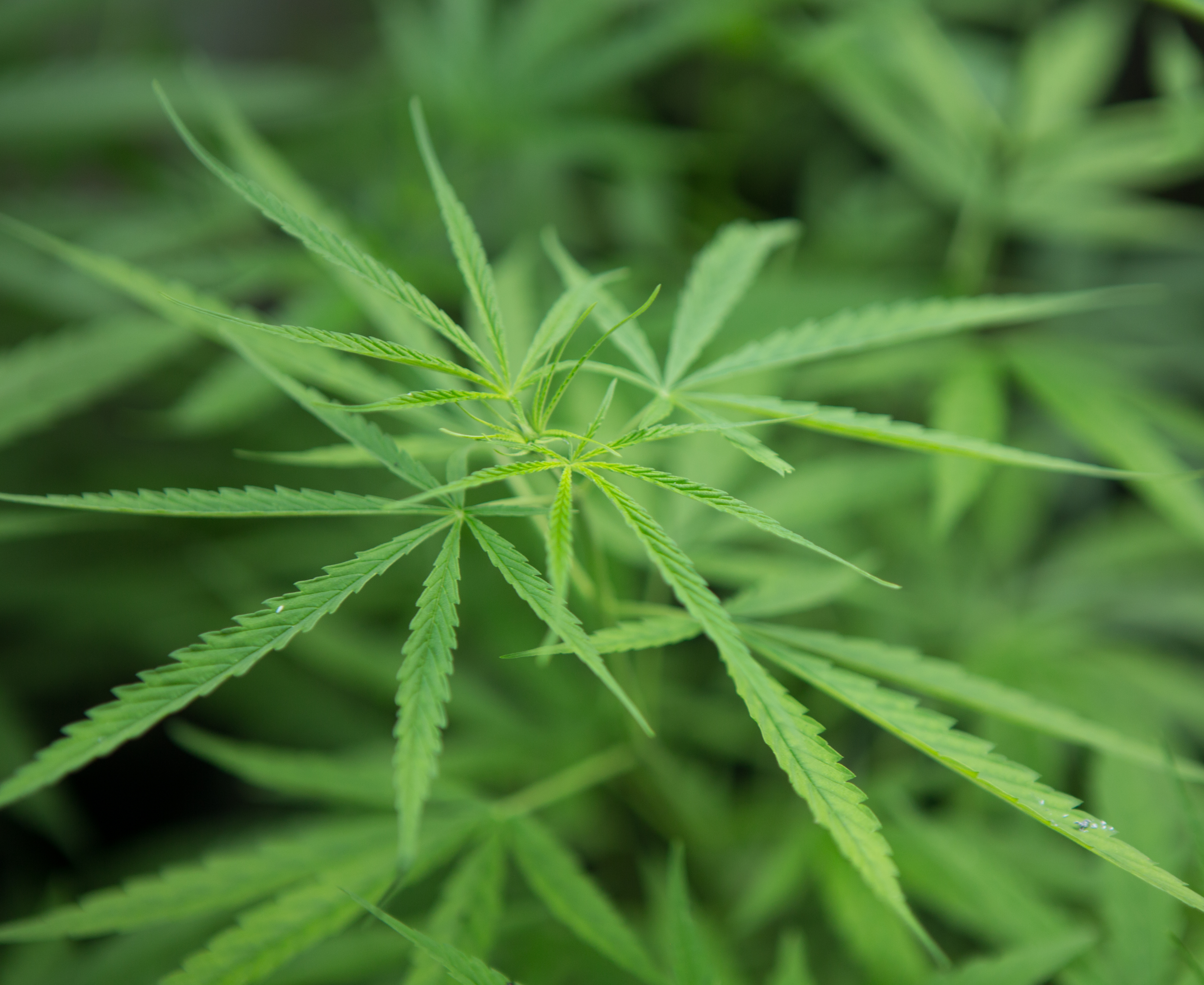


The switch to the flowering stage is one of the most important steps in growing cannabis. This is the point when the plant moves away from mainly producing leaves, stems, and branches. It begins to focus more of its energy on forming flowers. The timing of this change can affect the final size of the plant, the shape of the canopy, the use of space, and the amount of flower the plant may produce.
Cannabis plants pass through several stages during their life cycle. These stages include germination, seedling growth, vegetative growth, flowering, and harvest. Each stage has a different purpose. During the vegetative stage, the plant builds its basic structure. It develops a larger root system, thicker stems, more branches, and more leaves. These parts help the plant collect light, absorb water, and support future flowers.
The flowering stage begins when the plant receives the right signal. For photoperiod cannabis plants, this signal is linked to the number of light and dark hours they receive each day. Indoor growers can control this signal by changing the light schedule. A common flowering schedule is 12 hours of light followed by 12 hours of complete darkness. This longer dark period tells the plant that the season is changing and that it is time to reproduce.
Outdoor photoperiod plants work in a different way because the grower does not normally control the sun. These plants often begin flowering as summer ends and the days become shorter. The exact timing depends on the location, season, local weather, and genetics of the plant. Some outdoor growers also use light-deprivation methods to create a longer dark period, but this requires careful timing and a suitable setup.
Autoflowering cannabis plants do not depend on a 12-hour dark period to begin flowering. They start flowering mainly according to their age and genetics. This means an autoflower may begin producing flowers even when it receives 18 or more hours of light each day. Because of this difference, the term “switching to flowering” usually applies more directly to photoperiod plants grown indoors.
There is no single age, height, or week that is correct for every plant. One grower may switch a plant after only a few weeks of vegetative growth. Another may keep a plant growing for much longer. The right choice depends on several connected factors. These include plant maturity, plant health, available space, strain genetics, growing method, container size, root development, and the expected flowering stretch.
Plant maturity is one of the first factors to consider. A very young plant may not be ready to flower, even if it has reached a certain height. Seed-grown plants often need time to become sexually mature. Signs of maturity may include the appearance of pre-flowers and a change from matching node growth to alternating nodes. A mature plant is usually better prepared to respond to a flowering light schedule.
Plant health is also important. A plant should not enter flowering with serious nutrient problems, pests, diseases, root damage, or severe stress. These problems may become harder to correct after flowering starts. During flowering, the plant changes how it uses its energy. It begins supporting stretch, flower development, and later flower weight. A weak plant may struggle to manage these demands.
Available space plays a major role in deciding when to switch. Cannabis plants often continue to grow quickly during the first part of flowering. This growth is known as the flowering stretch. Some plants may grow only a little taller, while others may double or even triple in height. Growers must leave enough room between the top of the plant and the grow light. They must also account for the height of the container and the safe distance required below the light.
Strain genetics can greatly change the amount of stretch. Many indica-dominant plants stay shorter and develop a bushier shape. Many sativa-dominant plants grow taller, form longer branches, and stretch more after flowering begins. Hybrid plants may show traits from either side. For this reason, strain information can help growers estimate when to change the light schedule. Still, actual growth may vary due to lighting, temperature, training, nutrition, and other conditions.
The growing method also affects the timing. A Sea of Green setup often uses many small plants with a short vegetative period. A Screen of Green setup may require a longer vegetative period so the branches can fill most of the screen. Plants that have been topped, bent, or heavily trained may also need recovery time before flowering starts.
The main goal is to switch when the plant is mature, healthy, and at a suitable size for the available area. Switching too early may lead to a smaller plant with fewer flower sites. Switching too late may create an overcrowded canopy, poor airflow, and branches that grow too close to the light. Both situations can reduce efficiency and make the flowering stage harder to manage.
Careful planning before the switch can prevent many problems. Growers should check plant height, canopy width, root condition, light distance, ventilation, humidity control, and timer settings. They should also make sure the dark period will remain free from light leaks.
Understanding when to switch to flowering is not about following one fixed rule. It is about reading the plant and matching its needs to the growing space. A healthy and mature plant, combined with good timing and proper preparation, creates a stronger starting point for the flowering stage.
What Does Switching to the Flowering Stage Mean?
Switching to the flowering stage means moving a cannabis plant from leaf and stem growth into flower production. This change is one of the most important points in the plant’s life cycle. During the vegetative stage, the plant focuses on building its basic structure. After the switch, it begins using more of its energy to form flowering sites and develop buds.
The switch does not produce mature flowers right away. Cannabis plants need time to respond to the new light schedule. During this transition period, they may grow taller, produce more branches, and begin showing early signs of flowering. Growers need to understand this process because the plant’s needs begin to change.
Photoperiod cannabis plants depend on the length of the light and dark periods to know when flowering should begin. Indoor growers can control this signal by changing the timer. Outdoor plants usually begin flowering when the days become shorter and the nights become longer.
Autoflowering plants are different. They begin flowering based mainly on age rather than a major change in the light schedule. For this reason, the term “switching to flowering” usually applies to photoperiod cannabis plants grown indoors.
The Purpose of the Vegetative Stage
The vegetative stage gives a cannabis plant time to build the structure it needs to support flowers later. During this stage, the plant mainly develops roots, stems, branches, and leaves. Each part has an important role in future growth.
The root system absorbs water and nutrients from the growing medium. A larger and healthier root system can support more plant growth above the soil. Strong roots also help the plant deal with changes in watering, feeding, and environmental conditions.
Stems and branches create the plant’s frame. They must be strong enough to hold leaves and future flowers. Weak branches may bend or break when the flowers become heavier. A plant with healthy branches is also easier to train and support.
Leaves collect light and use it to produce energy through photosynthesis. This energy supports new growth and later helps the plant form flowers. Healthy leaves are important during both the vegetative and flowering stages.
The length of the vegetative stage affects the plant’s final size. A longer vegetative period often produces a larger plant with more branches and flowering sites. However, a larger plant also needs more room, water, nutrients, and light. Growers must balance plant size with the limits of the growing space.
A plant should usually enter flowering when it has reached a useful size and is growing in a steady way. It should have a strong root system, healthy leaves, and several established branches. A plant that is still weak or recovering from stress may not respond well to the switch.
The vegetative stage is also the main time for plant training. Growers may bend branches, top the plant, or use a screen to create a wider and more even canopy. These methods can improve light exposure, but the plant needs time to recover before flowering begins.
How Photoperiod Cannabis Starts Flowering
Photoperiod cannabis plants respond to changes in the daily light cycle. They remain in vegetative growth when they receive long periods of light and shorter periods of darkness. Indoor growers often use 18 hours of light and 6 hours of darkness during this stage, although other vegetative schedules may also be used.
To start flowering indoors, growers commonly change the schedule to 12 hours of light and 12 hours of darkness each day. The longer dark period signals that the season is changing. The plant responds by moving toward reproductive growth.
The dark period must remain uninterrupted. Even a small amount of unwanted light can disturb the plant’s natural response. Light leaks may come from open tent vents, indicator lights, doors, windows, or equipment inside the growing area.
A single brief interruption may not always cause a serious problem, but repeated interruptions can create stress. They may delay flower development or cause uneven growth. A stable timer and a dark growing space are important during flowering.
The plant does not need a slow or gradual change from the vegetative schedule to 12 hours of light. Many indoor growers move directly to the new schedule. The plant then begins adjusting to the longer night.
Outdoor photoperiod plants respond to natural changes in daylight. As summer ends, nights become longer. This signals the plant to begin flowering. The exact timing depends on location, season, genetics, and local light conditions.
Artificial light near an outdoor plant can also affect flowering. Streetlights, security lights, or lights from windows may disturb the dark period. Outdoor growers should consider these light sources when choosing a location.
What Changes After the Light Schedule Is Switched?
After the light schedule changes, the plant enters a transition period. It does not move from vegetative growth to full flower production in one day. Several changes happen over the following days and weeks.
One of the first changes is rapid vertical growth. This is often called the flowering stretch. The plant may produce longer stems and greater space between the nodes. Some plants may grow much taller during this period, while others may stretch only a little.
Genetics strongly affect the amount of stretch. Sativa-dominant plants often stretch more than compact indica-dominant plants. Light distance, temperature, training, and plant health can also affect vertical growth.
The stretch helps the plant create more space for future flowering sites. New growth may appear at the tops of branches and near the points where branches meet the main stems. These areas can later develop into clusters of flowers.
Early pre-flowers may also become easier to see. Female plants usually produce small growths with fine white hairs. These signs show that the plant has started moving into flowering. Male plants may develop small round pollen sacs instead.
During this transition, the plant still needs nitrogen because it continues producing stems and leaves. Growers should not remove all vegetative nutrients as soon as the timer changes. A sudden and extreme nutrient change can create stress or deficiencies.
Water use may also increase as the plant becomes larger. More leaves and faster growth can cause the plant to use water more quickly. However, growers should still check the growing medium before watering. A fixed schedule can lead to overwatering or underwatering.
The environment may need adjustment as well. A larger canopy can hold more heat and moisture. Good airflow becomes more important because crowded leaves can create damp areas. Ventilation should move fresh air through and around the plant without causing strong wind stress.
Light position may also need regular checking. As the plant stretches, the tops can move closer to the grow light. Too much light or heat can damage the upper leaves and flowering sites. The light may need to be raised while maintaining suitable intensity.
Switching to the flowering stage means giving a photoperiod cannabis plant the light signal needed to begin flower production. The vegetative stage prepares the plant by building healthy roots, stems, branches, and leaves. Indoor growers normally start the transition by changing to 12 hours of light and 12 hours of uninterrupted darkness.
After the switch, the plant continues growing before full flowers appear. It may stretch, form new flowering sites, and show clear pre-flowers. Water, nutrients, airflow, and light position may also need adjustment. Understanding these changes helps growers prepare the plant and the growing space for a stable flowering stage.
How Long Should Cannabis Stay in the Vegetative Stage?
The vegetative stage is the period when a cannabis plant builds its main structure. During this time, the plant develops roots, stems, branches, and leaves. It also creates the growth sites that may later hold flowers. The length of this stage can affect the final size of the plant, the shape of the canopy, and how well the plant fits inside the growing area.
There is no single vegetative period that works for every cannabis plant. Some growers switch plants to flowering after only a few weeks. Others keep plants in vegetative growth for two months or longer. The correct timing depends on the plant’s age, health, genetics, growing method, container size, and available space.
A grower should not decide based on the calendar alone. Plant development is more important than the exact number of days. A healthy plant that has reached a suitable size may be ready to flower. A stressed or weak plant of the same age may need more time.
Typical Vegetative Time for Indoor Plants
Many indoor photoperiod cannabis plants remain in the vegetative stage for about three to eight weeks. This range is only a general guide. It begins after the early seedling stage, when the plant has started producing stronger leaves and faster growth.
A short vegetative period may be useful in a small tent or low grow room. It can help prevent plants from becoming too tall after the flowering stretch begins. Short veg times are also common when growers use several small plants instead of a few large ones.
A longer vegetative period allows plants to develop more branches and cover a wider area. This may be useful when a grower has a large space or wants each plant to fill more of the canopy. However, longer growth does not always mean better results. Plants that become too large may block light from lower branches, restrict airflow, and grow too close to the lamps.
Plant health should guide the decision. A plant that is growing quickly, holding its leaves well, and showing no serious stress may be ready within the planned time. A plant that has suffered from poor watering, nutrient problems, heat, pests, or root damage may need extra time to recover.
Container size also affects how long a plant can remain in vegetative growth. A small pot may limit root development and cause the plant to become root-bound. A larger container gives the roots more room, but it also allows the plant to grow larger. Growers should match the container size to the planned plant size and the available growing space.
Growing From Seeds Versus Clones
Plants grown from seeds usually need more time before flowering than plants grown from clones. A young seedling must pass through several stages of early development. It must build a root system, produce true leaves, strengthen its stem, and reach sexual maturity.
Switching a seed-grown plant too early may result in a very small plant. Young plants may still enter flowering under the correct light schedule, but their structure may not be developed enough to support many flowering sites. Giving seedlings enough vegetative time helps them form stronger branches and a wider root system.
Many seed-grown plants begin showing signs of maturity after several weeks. These signs may include pre-flowers at the nodes and a change from opposite branch growth to alternating branch growth. The exact timing differs between varieties and growing conditions.
Clones are different because they are cut from mature mother plants. Even though a new clone is small, its tissue comes from a sexually mature plant. Once the clone has developed healthy roots and started producing steady new growth, it may be able to enter flowering sooner than a seed-grown plant.
A clone should not be switched immediately after it forms its first roots. It needs time to become established in its growing medium. Weak roots may not support the rapid growth that often happens during the early flowering stretch. The clone should be firmly rooted, healthy, and growing at a steady rate before the light schedule changes.
The source plant also matters. A clone taken from a healthy mother plant is more likely to establish quickly. A clone taken from a stressed, diseased, or nutrient-deficient plant may grow slowly and require a longer recovery period.
How Plant Size Affects Vegetative Time
Plant size is one of the most important factors when deciding when to flower. Indoor growers must consider the space above and around each plant. Cannabis plants often grow much taller during the first weeks after the flowering schedule begins. This increase is known as the flowering stretch.
A plant should usually be switched before it reaches the maximum height available in the grow room. The final space must include the height of the pot, the plant, the lamp, and the safe distance between the lamp and the canopy.
Small plants need less vegetative time. Growers using the Sea of Green method often flower many small plants after a short veg period. The goal is to create a full canopy with several small plants rather than waiting for each one to become wide and heavily branched.
Other growers use fewer plants and allow them to grow larger. A Screen of Green setup may require a longer vegetative stage because branches must be trained across a screen. The plants are usually switched when much of the screen is filled. The remaining open areas can then fill during the early flowering stretch.
Training methods can also extend the vegetative period. Topping, bending, pruning, and mainlining can slow growth for a short time. Plants need time to recover and create new branches. A grower should wait until healthy growth has returned before starting flowering.
The plant should fit the method. A tall, untrained plant may need to enter flowering earlier than a low, wide plant. A trained plant may have the same age but use the available space more efficiently.
Can Cannabis Stay in the Vegetative Stage Too Long?
Photoperiod cannabis can remain in vegetative growth for a long period when it receives a suitable light schedule. Mother plants are sometimes kept in vegetative growth for months or even years so growers can take clones from them.
However, keeping a production plant in vegetative growth for too long can create practical problems. The plant may become too tall, wide, or dense for the growing area. Branches may overlap, making it difficult for light to reach the lower canopy. Thick leaf growth may also reduce airflow and increase moisture around the plant.
Large plants may require more water, nutrients, root space, and support. They may also be harder to move, inspect, prune, or treat if a pest problem appears. Once flowering begins, a large plant may stretch beyond the safe lighting distance.
Roots can also become crowded if the container is too small. A root-bound plant may dry out quickly, stop growing well, or show signs of nutrient stress. Transplanting may help, but the plant should have time to recover before flowering.
A long vegetative period can be useful when the grower has enough room and a clear training plan. It becomes a problem when growth is not controlled. Regular pruning, training, spacing, and canopy checks are important when plants remain in veg for an extended time.
Cannabis plants often stay in the vegetative stage for about three to eight weeks, but this range should not be treated as a strict rule. Seed-grown plants usually need more time to mature, while rooted clones may be ready sooner. Small plants and Sea of Green setups often use short vegetative periods. Larger plants, trained canopies, and Screen of Green methods usually need more time.
The switch should be based on plant health, maturity, size, root condition, genetics, and available space. A plant should be strong enough to handle the rapid growth that follows the light change. Waiting too long can create height, airflow, lighting, and root-space problems. The best time is when the plant is healthy, established, and still small enough to fit safely after the flowering stretch.
What Signs Show That a Cannabis Plant Is Ready to Flower?
Choosing the right time to switch a cannabis plant to flowering takes more than counting the number of weeks since germination. A plant may be several weeks old and still not be ready. Another plant may reach maturity faster because of its genetics, growing conditions, or strong early growth. Growers should look at the plant’s physical development, health, roots, and growth pattern before changing the light schedule.
A plant that is ready to flower should be mature enough to handle the change. It should also be healthy, stable, and large enough for the available grow space. Flowering requires a great deal of energy. Weak or stressed plants may struggle to form strong flower sites. For this reason, growers should inspect several signs instead of relying on plant age alone.
The Appearance of Pre-Flowers
Pre-flowers are one of the clearest signs that a cannabis plant has reached sexual maturity. They usually form at the nodes, where branches meet the main stem. These small growths appear before full flowering begins.
Female pre-flowers often develop a small teardrop-shaped calyx with thin white hairs. These hairs are called pistils. Male pre-flowers usually form small round sacs without hairs. Growers who want seedless flowers normally identify and remove male plants before the pollen sacs open.
The appearance of pre-flowers shows that the plant is mature enough to respond well to a flowering light schedule. However, growers do not always need to wait for large or obvious pre-flowers. Some plants may show them earlier or later than others. Genetics, plant health, light quality, and growing conditions can affect when they appear.
Growers should inspect the upper and middle nodes closely. A small magnifying glass may help when the growth is difficult to see. Pre-flowers should not be confused with new leaves, small branch shoots, or stipules. Stipules are narrow, pointed growths that appear near the nodes, but they do not show the sex of the plant.
Mature Leaf and Branch Development
A cannabis plant should have enough leaves and branches to support future flower growth. During the vegetative stage, the plant builds the structure it will use during flowering. Each healthy branch can hold several flower sites, while the leaves collect light and help produce energy.
A mature plant normally has several established nodes, strong side branches, and active growth tips. The exact number of branches will depend on the strain, training method, and desired final size. A small plant used in a Sea of Green setup may be switched earlier. A larger plant grown under a screen may need more time to develop and fill the available area.
The stems should be firm enough to support fast growth during the first weeks of flowering. Thin or weak branches may bend once flowers gain weight. Plant supports can help later, but a strong structure should still be developed before the switch.
Leaf development is also important. Healthy leaves should have a normal shape and color for the strain. They should not be heavily damaged, curled, burned, or covered with spots. A few older leaves with minor damage may not be a serious concern. Widespread leaf problems may show that the plant is under stress and needs more time before flowering.
Alternating Nodes and Plant Maturity
Node formation can help growers judge plant maturity. Young cannabis plants often produce branches in matching pairs on opposite sides of the main stem. This pattern is known as symmetrical or opposite node growth.
As the plant becomes mature, the branches may begin to grow in an alternating pattern. One branch forms on one side of the stem, while the next develops slightly higher on the other side. Alternating nodes are a common sign that the plant has moved beyond its early seedling stage.
This change does not always happen at the same time for every plant. Some strains develop alternating nodes quickly, while others take longer. Clones may already show alternating growth because they were taken from mature mother plants.
Growers should treat alternating nodes as one useful sign rather than a strict rule. A plant with healthy roots, good branching, and strong growth may be ready even if its node pattern is not fully alternating. It is best to consider node development together with other signs.
A Healthy and Established Root System
Roots support the entire cannabis plant. They absorb water, oxygen, and nutrients from the growing medium. A plant entering the flowering stage needs a healthy root system because its demand for resources will increase.
Plants should be fully established in their final container before flowering begins. Transplanting during early flowering can cause stress, slow development, and disturb the roots. Growers should complete major transplanting before changing the light schedule and allow the plant time to recover.
A healthy root system often supports steady growth above the soil. The plant should not wilt without a clear reason or remain wet for long periods. Water should drain well, and the growing medium should not have a sour or unpleasant smell.
Root-bound plants may show slow growth, fast drying, yellow leaves, or roots circling tightly around the inside of the container. A root-bound plant may still flower, but limited root space can affect water use, nutrient uptake, and final growth. Repotting before the switch may provide better results.
Growers using hydroponic systems should also inspect roots when possible. Healthy roots are usually light in color and free from slime or strong odors. Dark, soft, or damaged roots may point to poor oxygen levels, disease, or water temperature problems.
Stable and Vigorous Growth
A plant that is ready to flower should show steady and active growth. New leaves and shoots should appear regularly, and the plant should recover well after watering or light training. Strong growth shows that the environment is suitable and that the plant can handle the demands of flowering.
Growers should look for healthy leaf color, firm stems, upright growth, and active branch tips. The plant should not show major signs of nutrient deficiency, pest damage, heat stress, overwatering, or light burn.
Stable growth also means that the plant is not recovering from a recent problem. A plant that has just been topped, transplanted, heavily pruned, or treated for pests may need more time. The safest time to switch is after normal growth has returned.
Minor issues do not always require a long delay. One damaged leaf or a small mark may not affect flowering. However, repeated wilting, slow growth, severe yellowing, or widespread spots should be corrected first.
Growers should also consider the plant’s size. A healthy plant may be mature, but it can still be too small or too large for the grow space. The expected flowering stretch must be included in the decision. Many plants grow much taller during the first weeks after the light change.
A cannabis plant is ready to flower when it shows several signs of maturity and good health. Pre-flowers, strong branches, mature node growth, healthy roots, and steady new growth all help confirm that the plant can handle the change.
Plant age alone is not enough. Growers should examine the full condition of the plant and make sure it has recovered from stress, training, or transplanting. A healthy and established plant has a better chance of producing strong flower sites and completing the flowering stage without serious problems.
What Is the Best Plant Height for Switching to Flowering?
Choosing the right plant height before flowering is an important part of indoor cannabis growing. A plant does not stop growing when the light schedule changes. Most cannabis plants continue to gain height during the first few weeks of flowering. This fast growth is often called the flowering stretch.
Growers need to plan for this stretch before switching the lights. A plant that looks small during the vegetative stage may soon become too tall for the grow space. It may reach the grow light, suffer heat stress, or block light from reaching lower branches. A plant that is switched too early may remain small and may not make full use of the available area.
There is no perfect height that works for every cannabis plant. The best height depends on the strain, growing method, plant health, container size, light type, and total space available. Growers should focus on the expected final height rather than the height of the plant on the day of the switch.
Planning for the Final Plant Height
The first step is to measure the full height of the growing area. This measurement should run from the floor to the highest safe position of the grow light. However, not all of this space is available for the plant.
The container takes up part of the height. A large pot may be 12 inches or more in height. The grow light and hanging equipment also use space near the top of the tent or room. Plants must also stay a safe distance from the light. This distance helps prevent heat damage, leaf bleaching, and light stress.
For example, a grow tent may be 72 inches tall. The pot may use 12 inches, while the light and hanging system may use another 10 inches. The plant may also need to stay at least 12 inches away from the light. After these areas are removed, the plant may only have about 38 inches of safe vertical space.
This means the grower should not wait until the plant is 38 inches tall before switching to flowering. The plant will likely continue to grow after the change. The switch must happen earlier so the plant can stretch without reaching the light.
Horizontal space also matters. A plant may grow wider as the branches rise and flowering sites develop. Growers should consider whether nearby plants will become crowded. An overcrowded canopy can reduce airflow and stop light from reaching the lower growth.
Understanding the Flowering Stretch
The flowering stretch normally happens during the first two to three weeks after the light schedule changes. Some plants may continue stretching for longer. During this time, stems grow quickly, branch spaces become longer, and new flowering sites develop.
The amount of stretch depends strongly on genetics. Some compact plants may increase their height by around 50 percent. Other plants may double or even triple in height. Sativa-dominant plants often stretch more than shorter indica-dominant plants, although each strain can behave differently.
Several growing conditions can also affect the stretch. Weak light may cause plants to grow taller as they search for stronger light. Excess heat can also cause longer, thinner growth. Too much space between the plant and the light may lead to wider gaps between the nodes.
Healthy plants often stretch more strongly than weak plants because they have enough energy for fast growth. This is one reason growers should solve major health problems before starting the flowering stage. A healthy plant can be trained and managed more easily during the transition.
Growers should watch the plants closely after the switch. The light may need to be raised as the canopy grows. Branches may also need to be bent, tied, or guided through a support net. Waiting until the plants reach the light can make height control more difficult.
The Half-Height Guideline
A common guideline is to switch a cannabis plant when it reaches about half of the desired final height. This method works best when the plant is expected to double in size during flowering.
For example, a grower may have room for a plant that is 40 inches tall. If the strain normally doubles in height, the switch may happen when the plant is close to 20 inches. The plant may then stretch to around 40 inches during early flowering.
This is only a planning guide. It is not a fixed rule. A plant that stretches by only 50 percent can be allowed to grow taller before the switch. A plant that may triple in height should be switched much earlier.
Growers should also consider the shape of the plant. A trained plant may be short but very wide. Even if it has not reached half of the final height, it may already fill most of the growing area. Once the canopy is wide enough, switching to flowering can prevent overcrowding.
Plants grown under a screen may also be switched based on screen coverage rather than height. The branches can continue filling the open areas during the flowering stretch. This creates a more even canopy and helps more flowering sites receive direct light.
Why Indica and Sativa Genetics May Require Different Timing
Indica-dominant plants often have a shorter and wider growth pattern. Their branches may stay closer together, and the spaces between nodes are often shorter. These plants may stretch less during flowering, so growers may allow them to become taller before changing the light schedule.
Sativa-dominant plants often have a taller and more open structure. Their branches may grow longer, and the distance between nodes can be wider. These plants may stretch strongly after the switch. Growers often begin flowering earlier to keep them within the available space.
Hybrid plants can show traits from both sides. One hybrid may stay short, while another may grow like a tall sativa. The strain name alone does not always show how the plant will behave. Growers should check the breeder’s growth information and observe the plant during the vegetative stage.
Fast vertical growth, long spaces between nodes, and thin flexible branches may suggest that the plant will continue stretching strongly. Short growth, thick stems, and close node spacing may suggest a more controlled stretch.
Growers should also consider differences between individual plants. Even plants from the same seed pack may not grow at the same speed or reach the same height. The tallest plants may need extra training before flowering so the canopy remains level.
The best plant height for switching to flowering depends on the final space available and the amount of stretch expected. Growers should measure the room carefully and subtract the space used by the pot, light, hanging equipment, and safe light distance.
A useful starting point is to switch when the plant reaches about half of the desired final height. This works well for plants that usually double in size. Strains with limited stretch may be allowed to grow taller, while strains with strong sativa growth may need an earlier switch.
Plant shape is just as important as height. A wide, trained canopy may be ready for flowering even when it is still short. Careful planning before the switch can help prevent light stress, overcrowding, and height problems later in the flowering stage.
How Do Strain Genetics Affect the Right Time to Switch?
Strain genetics have a major effect on when a cannabis plant should be switched from the vegetative stage to the flowering stage. Different strains grow at different speeds, reach different heights, and stretch by different amounts after the light schedule changes. A plant that stays short and compact can usually remain in vegetative growth longer than a plant that grows tall and quickly.
Growers should not choose a flowering date based only on the age of the plant. Two plants of the same age may have very different sizes and growth habits. One may have short spaces between its branches, while another may already be growing toward the light. Understanding the expected shape and growth pattern of a strain makes it easier to choose the right switching time.
Indica-Dominant Strains
Indica-dominant strains are commonly linked with shorter plants, thicker stems, broad leaves, and close spacing between nodes. Nodes are the points where branches and leaves grow from the main stem. When the spaces between nodes are short, the plant often develops a dense and compact shape.
These plants may be easier to manage in rooms or tents with limited height. Since many indica-dominant plants do not stretch as much as taller strains, growers may allow them to stay in the vegetative stage for a longer period. This extra time can help the plants produce more branches and create a wider canopy before flowering begins.
However, growers should not assume that every indica-dominant strain will stay small. Some hybrids with strong indica traits can still grow quickly during the first few weeks of flowering. Plant health, light intensity, temperature, container size, and training methods can also change the final height.
A grower should watch the actual plant instead of relying only on its label. If the plant is compact, healthy, and still has enough room to grow, it may benefit from more vegetative time. If it is already filling the available space, switching earlier may prevent overcrowding later.
Sativa-Dominant Strains
Sativa-dominant strains often grow taller and have longer spaces between their nodes. Their branches may be thinner, and their leaves are often narrower than those found on indica-dominant plants. These strains may continue strong upward growth after the flowering light schedule begins.
The increase in height during early flowering is known as the flowering stretch. Some sativa-dominant plants may double in height, while others may grow even more under favorable conditions. For this reason, growers often need to switch them earlier than compact strains.
Waiting too long can create several problems. The top branches may grow too close to the light, which can lead to heat stress or light damage. Lower branches may also receive less light if the canopy becomes too crowded. Poor airflow can develop around dense leaves and branches, increasing the risk of moisture problems.
Growers working with sativa-dominant plants should carefully measure the available vertical space. They must include the height of the container, the space used by the light, and the safe distance required between the light and the plant canopy. The plant should be switched before it reaches the full available height because more growth will occur after flowering begins.
Training can help control tall plants, but it does not remove the need for good timing. Bending, tying, or using a screen can spread branches across a wider area. Even with training, a vigorous sativa-dominant strain may need an earlier switch.
Hybrid Strains
Most modern cannabis strains are hybrids. This means they contain a mix of indica and sativa genetics. A hybrid may grow like one parent, show features from both parents, or behave differently depending on the growing environment.
The words indica-dominant and sativa-dominant can provide a basic starting point, but they do not give a complete prediction. One hybrid may remain short during vegetative growth and then stretch heavily after the switch. Another may grow tall at first but slow down soon after flowering begins.
Growers should study the plant’s real behavior. Important signs include the speed of vertical growth, the distance between nodes, the strength of side branches, and how quickly the canopy fills. These details are often more useful than the strain category alone.
Growers using more than one hybrid in the same space may face extra challenges. Each strain may reach a different height or require a different amount of vegetative time. A shorter plant may need more time, while a taller plant may need to be switched sooner. Since all plants in one room usually share the same light schedule, growers may need to use training or raised platforms to keep the canopy even.
A mixed grow works best when strains have similar growth patterns. If the strains are very different, planning must begin early. This can prevent one plant from blocking light from another during flowering.
Fast-Flowering Photoperiod Strains
Fast-flowering photoperiod strains are bred to complete the flowering stage in less time than many standard photoperiod strains. However, a short flowering period does not always mean the plant should have a short vegetative period.
The vegetative stage and flowering stage serve different purposes. Vegetative growth allows the plant to build its roots, stems, branches, and future flowering sites. A fast-flowering strain still needs enough structure to support healthy flower production.
Growers should decide when to switch based on plant size, health, maturity, and available space. If a fast-flowering plant is still small or recovering from stress, switching too soon may limit its final size. If the plant is vigorous and has already filled the planned canopy area, it may be ready even after a shorter vegetative period.
Fast-flowering strains can be useful when growers want a shorter total crop cycle. They may also suit areas where temperature or humidity becomes harder to control later in the season. Still, their expected speed should not replace careful observation.
The Importance of Breeder Information
Breeder information can help growers understand how a strain may behave. Useful details may include expected indoor height, flowering time, plant structure, and the amount of stretch after the light schedule changes. This information can help growers estimate when the plant should be switched.
However, breeder descriptions should be treated as a guide rather than a fixed promise. The same strain can grow differently in separate environments. A plant under strong lighting may develop differently from one under weak lighting. Container size, root health, temperature, nutrition, and training can also affect its size.
Growers should compare breeder information with the plant in front of them. For example, a breeder may describe a strain as medium height, but the actual plant may be growing faster than expected. In that case, switching earlier may be safer. Another plant may grow slowly because of a recent transplant or cooler conditions. It may need more vegetative time before flowering.
Keeping basic notes can improve future timing. Growers can record the plant’s height when the light schedule changes and its final height after the stretch ends. These records make it easier to plan future crops of the same strain.
Genetics strongly influence the best time to switch a cannabis plant to flowering. Indica-dominant strains often stay shorter and may allow a longer vegetative stage. Sativa-dominant strains often stretch more and may need to be switched earlier. Hybrids can show a wide range of growth patterns, so their actual development should be watched closely.
Fast-flowering strains still need enough vegetative growth to build a healthy structure. Breeder information can provide useful estimates, but the plant’s height, health, growth speed, and available space should guide the final decision. The safest approach is to combine genetic information with careful observation and allow enough room for the flowering stretch.
How Does the Growing Method Change Flowering Time?
The growing method has a major effect on when a cannabis plant should enter the flowering stage. Some methods are designed to produce many small plants, while others focus on creating a wide canopy from one or several larger plants. Each method needs a different amount of vegetative growth.
Growers should not use the same schedule for every setup. A plant grown naturally may be ready to flower at one height, while a trained plant may need more time to recover and fill its space. The main goal is to switch at a point when the plants can use the available light and space without becoming too crowded.
Sea of Green
Sea of Green, often called SOG, uses many small cannabis plants placed close together. The goal is to create a level canopy made of several main stems. Growers usually give these plants a short vegetative period before changing the light schedule.
This method works because each plant does not need to grow many large side branches. Instead, the grower focuses on one main flower cluster or a small number of flowering sites on each plant. Plants may be switched to flowering soon after they have developed strong roots and steady new growth.
The exact timing depends on the strain, pot size, starting material, and available space. Clones may be switched earlier because they come from mature plants. Seed-grown plants often need more time to reach maturity before they can flower well.
Growers must also think about the flowering stretch. Even small plants can grow much taller after the light schedule changes. Plants placed too close together may block light and reduce airflow if they stretch more than expected. For this reason, a SOG grow should be planned before the plants enter flowering.
A short vegetative stage can help growers complete more crop cycles during the year. However, switching too early may result in weak roots, thin stems, and small plants. The plants should look healthy and stable before flowering begins.
Screen of Green
Screen of Green, also known as SCROG, uses a screen or net placed above the plants. Branches are guided across the screen to create a flat and wide canopy. This method allows light to reach many flowering sites at the same level.
SCROG plants usually need a longer vegetative stage than SOG plants. They must grow enough branches to cover most of the screen before the light schedule changes. A plant that is switched too early may not fill the available space, which can leave empty areas under the grow light.
Growers often switch when around 60 to 80 percent of the screen is filled. The remaining space can be covered during the early flowering stretch. The correct amount depends on how much the strain is expected to stretch.
A compact strain may need to fill more of the screen before flowering. A taller strain may only need to cover part of the screen because its branches may grow quickly after the switch. Understanding the strain’s growth pattern is very important in a SCROG setup.
The branches should be spread across the screen without causing damage. Growers can continue guiding flexible stems during the first part of flowering. Once the stems become firm and flowers start forming, heavy bending should be reduced.
The plant should also be healthy before the switch. A screen full of weak or damaged branches may not support a strong flowering canopy. Good root health, steady growth, and even canopy development are signs that the plant is close to being ready.
Low-Stress Training
Low-stress training involves gently bending and securing branches to control plant shape. This method helps create a wider canopy and allows more growing tips to receive direct light.
LST can change the timing of the flowering switch because the plant needs time to respond to each adjustment. After a branch is bent, smaller shoots may begin growing upward. This creates more possible flowering sites, but it does not happen at once.
Growers should allow enough time for the plant to develop a balanced shape. The main branches should be strong, and the new shoots should show active growth before flowering begins. A plant that is switched too soon after bending may not fully use the benefits of the training.
LST usually causes less stress than cutting the plant. Even so, sharp bends, broken stems, or tight ties can slow growth. All ties should be checked often because stems become thicker during vegetative growth.
The plant’s final width should also be considered. A well-trained plant may stay short but spread across a large area. This can make plant height a poor guide on its own. Canopy coverage, branch strength, and available horizontal space may be more useful when choosing the switch date.
Topping and Mainlining
Topping involves cutting off the plant’s main growing tip. This encourages two or more branches to become main stems. Mainlining is a more structured form of training that uses repeated topping and branch control to create a balanced plant.
Both methods can increase the number of flowering sites, but they also place stress on the plant. The plant needs time to heal after each cut. New branches must begin growing strongly before the plant is ready for flowering.
Growers should not switch immediately after topping. A recently topped plant may slow down for several days while it repairs the cut and redirects its energy. Switching during this recovery period can reduce growth and limit canopy development.
The recovery time may vary. A healthy plant growing under stable conditions may recover quickly. A plant affected by poor lighting, incorrect watering, root problems, or nutrient stress may need longer.
Mainlining usually requires a longer vegetative stage because the plant may be topped more than once. Each stage of training must be completed before the next one begins. The grower should wait until the final branches are strong, evenly spaced, and actively growing.
The plant should also have enough time to develop thick stems. Flower clusters may become heavy later in the flowering stage. Strong branches are better able to hold this weight without bending or breaking.
Untrained Plants
Untrained cannabis plants grow in their natural shape. They often develop one tall main stem with several smaller side branches. These plants may need less vegetative time than heavily trained plants because they do not need to recover from cutting or bending.
Height is especially important when growing untrained plants. The main stem can grow quickly during the flowering stretch. A plant that already reaches most of the available vertical space before the switch may become too tall.
Growers should measure the distance from the top of the pot to the grow light. They must also leave safe space between the light and the final canopy. The size of the light, the heat it produces, and its recommended hanging distance must all be included.
Tall strains may need to be switched earlier than short strains. Some plants may double in height, while others may stretch even more. Waiting too long can lead to light stress, burned leaves, weak lower growth, and poor airflow.
Natural plants may also form an uneven canopy. The top flower may receive strong light while lower branches remain shaded. Growers can remove weak lower growth before flowering, but heavy pruning should be completed early enough for the plant to recover.
The right time to switch to flowering depends heavily on the growing method. Sea of Green plants usually need a short vegetative stage because growers use many small plants. Screen of Green plants need more time to fill most of the screen. Low-stress training requires time for bent branches and new shoots to develop. Topped and mainlined plants must fully recover before flowering begins. Untrained plants often need an earlier switch because they grow upward and may stretch beyond the available height.
Growers should look at more than plant age. Canopy coverage, branch strength, plant health, root development, strain genetics, and available space all matter. The best time to switch is when the plant has formed the right shape for the chosen growing method and is healthy enough to handle the demands of flowering.
Should Plants Be Healthy Before Switching to Flowering?
A cannabis plant should be healthy before it enters the flowering stage. Flowering requires a large amount of energy because the plant must stretch, form new growth sites, and begin producing flowers. A weak or stressed plant may struggle to complete these changes. Problems that seem small during vegetative growth can become more serious after the light schedule changes.
The flowering stage is also less forgiving than the vegetative stage. During vegetative growth, growers often have more time to correct nutrient issues, improve watering habits, control pests, or help a plant recover from training. Once flowering begins, the plant starts to focus more of its energy on reproduction. This can make recovery slower and may affect flower development.
Before making the switch, growers should examine the leaves, stems, roots, and overall growth pattern. Healthy plants should show steady new growth, firm stems, normal leaf color, and no major signs of pests or disease. The growing area should also have stable temperature, humidity, lighting, and airflow.
Nutrient Problems
Major nutrient problems should be corrected before flowering begins. A plant with yellowing leaves, burned leaf tips, brown spots, weak stems, or slow growth may not be ready for the switch. These signs can point to a nutrient shortage, excess fertilizer, or a problem with nutrient uptake.
A nutrient deficiency happens when the plant does not receive enough of an important element. Nitrogen, calcium, magnesium, phosphorus, and potassium are common nutrients linked to plant growth. However, visible symptoms do not always mean that more fertilizer is needed. Incorrect root-zone pH can prevent a plant from using nutrients that are already present.
Nutrient burn is another concern. It often appears as brown or dry leaf tips and may happen when the feeding solution is too strong. Adding more nutrients in this situation can make the damage worse. Growers should first check the feeding strength, pH, and watering routine.
Plants should show clear signs of recovery before flowering. New leaves should look healthier, and the damage should stop spreading. Older damaged leaves may not return to their original color or shape, so new growth is often a better guide. A plant that is still losing leaves or showing fresh damage needs more time in vegetative growth.
Nutrient changes should also be made with care. Flowering plants often need a different nutrient balance, but the change should not happen too quickly. Cannabis still uses nitrogen during the early stretch. Removing too much nitrogen at once may cause early yellowing and weak growth.
Pest and Disease Problems
Pests and diseases should be controlled before flowers begin to form. Small pest populations can grow quickly, especially in a warm indoor space. Common problems may include spider mites, thrips, fungus gnats, aphids, powdery mildew, and root disease.
Pests can damage leaves, reduce photosynthesis, and weaken the plant. Some insects feed on plant sap, while others damage roots or leaf tissue. During early vegetative growth, treatment may be easier because the plant has no dense flowers. Once buds begin forming, some control methods may no longer be suitable.
Dense flowers can trap moisture and make disease management more difficult. Spraying flowers may increase the risk of mold or leave unwanted material on the plant. For this reason, growers should inspect the upper and lower sides of leaves before switching. They should also check stems, soil surfaces, pots, and nearby equipment.
Powdery mildew often appears as a white coating on leaves. Root disease may cause drooping, slow growth, weak stems, or an unpleasant smell around the root zone. These conditions should not be ignored. A plant may continue growing for a time, but the stress can reduce its strength during flowering.
The grow space should also be cleaned before the switch. Dead leaves, spilled soil, standing water, and dirty tools may support pests or harmful fungi. Good airflow and proper spacing can reduce humid areas where disease may develop.
Heat, Light, and Water Stress
Environmental stress can prevent a cannabis plant from entering flowering in good condition. High heat may cause leaves to curl upward, wilt, or develop dry edges. Excessive light can lead to pale upper leaves, bleaching, or raised leaf edges. Weak lighting may cause thin stems, wide spaces between nodes, and slow growth.
Temperature should be stable before the light schedule changes. Large swings between the light and dark periods may increase stress. The ventilation system should be able to control heat from the grow lights and remove warm, humid air.
Watering problems are also common. Overwatering keeps the root zone wet for too long and reduces the amount of oxygen available to the roots. The plant may droop even though the growing medium is still wet. Leaves may become heavy, and growth may slow.
Underwatering can also cause drooping, dry leaf edges, and weak growth. A badly dry root zone can damage fine roots and reduce the plant’s ability to absorb water and nutrients. Repeated cycles of severe dryness and heavy watering can place added stress on the plant.
Growers should create a stable watering routine before flowering. Watering should be based on the condition of the growing medium, the weight of the container, and the plant’s actual needs. A fixed schedule may not work because water use changes with plant size, temperature, airflow, and humidity.
Transplant and Training Recovery
Cannabis plants need time to recover after transplanting or major training. Repotting can disturb the root system, even when it is done carefully. Topping, pruning, bending, and mainlining can also slow growth for a short period.
A recently transplanted plant may droop or pause its growth while the roots adjust to the new container. Switching to flowering during this recovery period adds another major change. The plant must respond to the new light schedule while also rebuilding roots and adapting to fresh soil or another growing medium.
Topping removes the main growing tip and encourages side branches to develop. This can create a wider canopy, but the plant needs time to form healthy new shoots. Heavy pruning may also leave fewer leaves available for photosynthesis. Flowering should begin only after the plant starts producing steady new growth again.
The exact recovery time depends on the plant and the amount of stress involved. Growers should not rely only on a fixed number of days. They should look for upright leaves, active growth tips, firm branches, and normal water use.
Low-stress training may cause less damage, but the plant still needs to adjust to its new shape. Branches should be secure, evenly spaced, and strong enough to support future flowers. Any broken or badly damaged branch should be treated before flowering.
Why Flowering Should Not Be Used to Fix a Weak Plant
Changing the light schedule does not solve health problems. It only moves the plant into a new stage of growth. A weak plant will carry its nutrient, pest, root, or environmental problems into flowering.
Some growers may switch early because they hope the plant will improve once it begins to flower. However, flowering often increases the plant’s demands. The plant may need more water, stronger airflow, greater root activity, and better environmental control. Existing problems can become harder to manage during this period.
A weak root system may not support the flowering stretch. Damaged leaves may limit the plant’s ability to produce energy. Pest damage may spread across the canopy, while high humidity can increase the risk of mold as flowers become denser.
Waiting for recovery is often better than rushing the switch. Photoperiod plants can remain in vegetative growth while problems are corrected. This extra time allows growers to improve plant health, control pests, adjust nutrition, and create a more stable environment.
A plant does not need to be perfect, but it should be growing well. Minor damage on older leaves may not be a serious concern when new growth is healthy. The main goal is to make sure the problem is no longer active and the plant is strong enough to handle the next stage.
Cannabis plants should enter flowering in a healthy and stable condition. Serious nutrient problems, pests, diseases, heat stress, light stress, and poor watering habits should be corrected before the light schedule changes. Plants should also recover from transplanting, topping, pruning, or other training methods.
Healthy new growth is one of the clearest signs that a plant is ready. Strong stems, active growth tips, normal leaf color, and a stable root zone show that the plant can support the flowering stretch. Switching a weak plant does not remove existing problems and may make them more difficult to correct. Giving the plant enough recovery time can support steadier growth and healthier flower development.
How Should the Grow Space Be Prepared Before the Switch?
Preparing the grow space before switching cannabis plants to the flowering stage can prevent many common problems. Plants often grow much faster during the first part of flowering. Their branches may stretch, the canopy may become thicker, and water use may increase. Flowers also create more moisture and odor as they develop. A grow room that worked well during the vegetative stage may become crowded or difficult to control after the light schedule changes.
Growers should inspect the entire growing area before starting flowering. The space should have enough room for plant growth, suitable lighting, steady airflow, and reliable temperature and humidity control. Timers, fans, filters, and support systems should also be tested before flowers begin forming. Making these changes early is easier than trying to install or repair equipment around large plants and delicate buds.
Checking Available Vertical and Horizontal Space
The first step is to measure the usable space around the plants. Growers should check both vertical height and horizontal width. Vertical space is especially important because cannabis plants can grow quickly during the flowering stretch. Some plants may increase greatly in height during the first two or three weeks after the light schedule changes.
The full height of the grow room is not the same as the usable plant height. Space is needed for the container, growing medium, light fixture, ventilation equipment, and a safe distance between the light and the canopy. For example, a grow tent may appear tall, but the actual area available for plant growth may be much smaller after all equipment is installed.
Growers should estimate the final plant height before switching. Genetics, plant health, training methods, and light intensity can all affect stretching. A tall strain may need to enter flowering earlier than a short and compact strain. Plants should not be allowed to grow so close to the light that the upper leaves become bleached, curled, or burned.
Horizontal space also matters. Branches may spread outward as they stretch and form flowers. Crowded branches can block light and reduce airflow inside the canopy. Each plant should have enough room to develop without pressing heavily against nearby plants or the walls of the grow tent.
Growers can gently arrange branches before flowering to create a level and open canopy. Low-stress training, plant ties, or netting may help spread growth across the available area. Any major training should be completed early enough for the plants to recover before the switch.
Testing the Timer and Light Schedule
Photoperiod cannabis plants depend on a stable light schedule to enter and remain in the flowering stage. Indoor growers commonly switch to 12 hours of light followed by 12 hours of darkness. A reliable timer is needed to control this schedule every day.
The timer should be tested before the first flowering cycle begins. Growers should confirm that the lights turn on and off at the correct times. Digital timers should be checked for incorrect settings, power failures, or backup battery problems. Mechanical timers should be inspected to make sure the pins or tabs are placed correctly.
The timer and electrical system must also be able to handle the power used by the lighting equipment. Overloaded plugs, damaged cords, and loose connections can create safety risks. Electrical equipment should be kept away from standing water, wet floors, and leaking irrigation systems.
Growers should choose light and dark periods that fit the temperature of the growing area. Some growers operate lights during the cooler part of the day or at night to reduce heat. The exact hours are less important than keeping the schedule stable.
The dark period must remain uninterrupted. Repeated changes in the schedule can stress plants and delay normal flowering. Once a suitable schedule is chosen, it should remain the same throughout the flowering cycle unless there is a serious reason to change it.
Preventing Light Leaks
A light leak occurs when unwanted light enters the grow space during the dark period. Even a small light source can disturb the darkness if it is bright enough or reaches the plants every night. Common sources include open vents, gaps around doors, indicator lights, extension cords, windows, and nearby room lighting.
Before flowering, growers should stand inside or inspect the grow space while the main lights are off. The surrounding room should be brightly lit during this test. This makes small gaps easier to see. Zippers, seams, ventilation openings, cable ports, and door frames should receive special attention.
Light leaks can often be covered with suitable tape, blackout material, weather stripping, or light-blocking vent covers. Air openings should not be sealed in a way that stops needed ventilation. Light traps can block outside light while still allowing air to move through a vent.
Small lights from equipment may also need attention. Bright indicator lights on heaters, humidifiers, fans, power strips, and controllers can be covered if doing so does not create a safety problem. Growers should avoid opening the grow area during the dark period unless it is necessary.
A steady dark cycle supports a clear flowering response. It also reduces the risk of delayed flowering, irregular growth, or stress caused by changing light conditions.
Preparing Ventilation and Humidity Control
Cannabis plants release water vapor through their leaves. As plants grow larger and develop flowers, the amount of moisture in the grow space may increase. Thick canopies can trap warm and humid air, especially around the lower branches and inside developing flowers.
The exhaust fan should be tested before the switch. It should be able to remove warm, humid air and replace it with fresh air. Intake openings should also be clear. Blocked filters, dirty fan blades, and crushed ducting can reduce airflow.
Oscillating or circulation fans help move air around the plants. Air should pass above, below, and through the canopy. However, strong airflow should not blow directly at one part of the plant for long periods. Constant strong wind can dry leaves and stress branches.
Humidity control becomes more important as flowers become larger and denser. High humidity can create conditions that support mold and other fungal problems. A dehumidifier may be needed in humid locations or sealed grow rooms. It should be tested in advance to confirm that it can manage the expected moisture level.
Temperature and humidity sensors should be placed near the canopy rather than only near the floor or ceiling. Conditions can vary in different parts of the room. Checking more than one location may reveal warm or humid areas that need better airflow.
Odor control should also be prepared before flowering begins. Developing cannabis flowers can create a strong smell. A carbon filter connected to the exhaust system is commonly used to reduce odors. The filter, fan, and duct connections should be checked for leaks and proper airflow.
Installing Plant Supports
Cannabis branches may need support as flowers gain weight. Weak branches can bend, split, or fall over late in flowering. Installing supports before flowers become large reduces the risk of damaging the plants.
Common support systems include stakes, cages, soft plant ties, and horizontal nets. Stakes can support individual branches or the main stem. Cages can hold branches around the outside of a plant. A net can spread branches across the grow area and help maintain an even canopy.
Support materials should not have sharp edges that can cut stems. Ties should be soft and loose enough to allow branches to grow thicker. Growers should check ties often and adjust them if they begin pressing into the plant.
A support net should be installed at a useful height before the flowering stretch becomes difficult to manage. Branches can then be guided through open sections as they grow. This approach can improve light coverage and stop one branch from shading another.
Supports should also leave enough room for watering, plant checks, and cleaning. A system that completely blocks access can make later care more difficult. Growers should be able to inspect the leaves, stems, growing medium, and lower canopy throughout flowering.
A well-prepared grow space makes the switch to flowering easier and safer. Growers should measure the available height and width, estimate the expected stretch, and arrange the canopy before space becomes limited. The light timer should be tested, and the 12-hour dark period should remain stable and free from light leaks.
Ventilation, airflow, temperature, humidity, and odor control should also be checked before flowers develop. Plant supports should be installed early enough to guide growth and hold heavy branches later in the cycle. Careful preparation helps create a stable environment where plants can flower without overcrowding, heat stress, excess humidity, or equipment problems.
How Should Growers Make the Transition to Flowering?
The switch from vegetative growth to flowering is an important stage in the cannabis life cycle. A smooth transition helps the plant adjust to a new light schedule, stronger flowering light, different nutrient needs, and faster water use. Sudden mistakes during this period may lead to stress, weak growth, or poor flower development.
Before making the switch, growers should confirm that the plants are healthy and large enough for the available space. The timer, ventilation system, and lighting equipment should also be checked. Once flowering begins, plants may stretch quickly, so it is easier to solve space or equipment problems before changing the light cycle.
Changing to a 12/12 Light Schedule
Indoor photoperiod cannabis plants are commonly moved to a schedule of 12 hours of light followed by 12 hours of darkness. The longer dark period signals to the plant that the season is changing and that it is time to begin flowering.
A reliable timer should control the lights. Turning the lights on and off by hand increases the risk of an uneven schedule. Even small timing mistakes may confuse the plant if they happen often. The light period and dark period should begin at the same time each day.
The 12 hours of darkness should remain uninterrupted. Growers should avoid opening the grow room, using bright inspection lights, or allowing outside light to enter during this period. Light leaks may delay flowering or create stress. The grow area should be checked carefully before the first night of the new schedule.
Some growers choose to run the lights during the night and keep them off during the day. This plan may help control heat because outdoor temperatures are often lower at night. It may also reduce power costs in places where electricity rates change during the day. The most important point is to choose a schedule that can remain stable.
Should the Light Schedule Be Changed Gradually?
Indoor growers do not normally need to reduce the number of light hours in small steps. A healthy photoperiod plant can usually move directly from a vegetative schedule, such as 18 hours of light and six hours of darkness, to a 12/12 flowering schedule.
A gradual change may copy the natural shortening of days outdoors, but it also makes the transition take longer. Moving directly to 12/12 gives the plant a clear signal and makes the flowering calendar easier to track.
Growers should still avoid making several other major changes on the same day. Heavy pruning, transplanting, topping, and strong nutrient changes may all cause stress. Completing these tasks before the light switch gives the plant time to recover.
Light training can continue during the early stretch if needed, but hard training should be limited. Branches may become less flexible as flowering continues. Any bending should be done slowly to avoid breaking stems.
Adjusting Light Height and Intensity
Flowering plants need enough light to support strong growth, but more light is not always better. A light placed too close to the canopy may cause heat stress, leaf curling, bleaching, or dry leaf edges. A light placed too far away may lead to weak growth and excessive stretching.
Growers should follow the distance guidance provided by the light manufacturer. The correct distance depends on the type of light, its power, the size of the grow area, and the age of the plants. The top of the canopy should be checked often because plants may gain height quickly during the first two or three weeks after the switch.
The canopy should also be kept as even as possible. Tall branches may receive too much light while shorter branches remain shaded. Tying taller stems outward or using a support screen can improve light coverage.
Light intensity may be increased in stages if the plants were growing under weaker vegetative light. A sudden jump to full power may stress leaves that are not used to high intensity. Growers should watch for signs such as upward-curling leaf edges, pale tops, or leaves that feel dry and stiff.
Airflow also affects how plants handle stronger light. Good ventilation helps remove heat from the canopy. Fans should move air around the plants without blowing strongly on one area for long periods.
Moving From Vegetative to Flowering Nutrients
Cannabis nutrient needs change during flowering, but the change should not happen too quickly. Plants continue to build stems and leaves during the early flowering stretch. For this reason, they still need nitrogen during the transition.
Stopping vegetative nutrients too early may lead to pale leaves and weak growth. At the same time, using a high-nitrogen feeding plan for too long may produce too much leafy growth. A balanced change is usually better than an instant switch.
Growers should follow the feeding instructions for the nutrient system they use. Some programs include a transition formula that combines vegetative and flowering nutrients for a short time. Other programs slowly reduce nitrogen while increasing nutrients designed for flower development.
More fertilizer does not always produce larger flowers. Overfeeding may burn roots, damage leaf tips, or create salt buildup in the growing medium. Growers should begin with a moderate strength and adjust based on plant response.
The pH of the water and root zone should also remain within a suitable range for the growing medium. Incorrect pH may prevent the plant from absorbing nutrients, even when enough fertilizer is present. Regular checks may help identify problems before they become severe.
Watering During the Transition
Water use often changes after the flowering switch. Plants may grow faster, form more leaves, and develop a wider root system. These changes may cause the growing medium to dry more quickly.
Growers should not water only according to a fixed calendar. The correct watering time depends on the container size, plant size, temperature, humidity, airflow, and growing medium. Checking the moisture level is more useful than watering on the same day every week.
The top layer of the medium may look dry while deeper areas remain wet. Growers can lift the container to compare its wet and dry weight or check the soil below the surface. Water should be applied evenly so that the full root zone receives moisture.
Overwatering reduces the amount of oxygen around the roots. This may slow growth and cause drooping leaves. Underwatering may also cause drooping, dry soil, and weak stems. Learning the difference between these two problems is important because adding more water to an overwatered plant makes the condition worse.
Drainage should be checked before flowering. Water should not remain trapped at the bottom of the container. Trays should be emptied when needed, and drainage holes should remain clear.
A successful transition to flowering depends on stable conditions and careful observation. Photoperiod plants are commonly moved directly to a 12/12 light schedule, with a completely dark and uninterrupted night period. Growers should use a reliable timer and check the grow space for light leaks.
Lighting should be adjusted to provide strong coverage without creating heat stress or bleaching. Nutrients should shift gradually because plants still need nitrogen during the early stretch. Watering should respond to the changing needs of the plant instead of following a fixed calendar.
The first weeks after the switch often bring rapid growth. Regular checks of plant height, leaf condition, moisture, airflow, and root health can prevent small problems from becoming serious. A stable environment gives the plant the best chance to move into flowering with strong stems, healthy leaves, and an even canopy.
Conclusion: Choosing the Right Time to Switch to Flowering
Choosing the right time to switch a cannabis plant to the flowering stage is an important part of managing its growth. There is no single day, week, or plant height that works for every situation. The best timing depends on several factors that work together. These include the plant’s age, maturity, health, genetics, size, root condition, training method, and available growing space. A grower should look at the whole plant instead of making the decision based on only one sign.
Plant maturity is one of the first things to consider. A plant should have enough time to build a strong root system, healthy stems, useful branches, and several active growth points. Seed-grown plants may need more time before they are mature enough to flower. Clones may be ready sooner because they come from mature parent plants. Signs such as pre-flowers and alternating nodes may show that a plant has reached sexual maturity. However, maturity does not always mean that the plant is at the right size. A mature plant may still need more vegetative growth to fill the available canopy.
Plant health is just as important as maturity. A plant should enter flowering in stable condition. It should show steady new growth, firm stems, and healthy leaves. Serious nutrient problems, pests, diseases, root damage, and watering stress should be corrected first. Flowering places new demands on the plant. It begins to stretch, form flowering sites, and use more energy. Existing problems may become harder to manage once this process starts. Dense flowers can also make pest and mold treatment more difficult. Waiting until the plant has recovered may lead to more stable growth during flowering.
Height and available space must also guide the decision. Cannabis plants often grow much taller during the first part of flowering. This rapid growth is known as the flowering stretch. Some plants may gain only a small amount of height, while others may double or even triple in size. Genetics have a major effect on this response. Compact indica-dominant plants often stretch less than tall sativa-dominant plants. Hybrid strains may behave in different ways, so information about the specific strain can be useful.
A grower should calculate the usable vertical space before changing the light schedule. The total height of the room or tent is not the same as the space available for the plant. Space is also needed for the container, grow light, hanging equipment, ventilation system, and safe distance between the light and the canopy. Switching too late can cause branches to grow close to the light. This may lead to heat stress, light damage, or the need for difficult training during flowering. Switching earlier can help prevent these problems when a strain is expected to stretch heavily.
The training method also affects the right time to begin flowering. Small plants grown in a Sea of Green system may need only a short vegetative period. Plants grown under a Screen of Green setup usually remain in vegetative growth until much of the screen is filled. The flowering stretch can then fill the remaining open spaces. Topped, bent, or mainlined plants may need extra time to recover and develop new branches. A plant should not be switched immediately after heavy training or transplanting. Healthy new growth is a good sign that recovery is complete.
Canopy coverage should be considered along with plant height. A grower may have several short plants that already fill the available floor space. Keeping them in vegetative growth for too long may create overcrowding. Crowded branches can block light and reduce airflow through the canopy. This can create weak lower growth and increase moisture around the leaves. The goal is not always to grow the tallest plant. A wide, even canopy can use the available light more effectively and may be easier to manage.
The growing area should be fully prepared before the transition starts. Timers should be tested, and the dark period should remain free from unwanted light. Ventilation, air movement, and humidity control should be working well. Flowering plants may release more moisture and develop stronger odors as they grow. Stakes, cages, or support nets should be installed before heavy flowers make the branches harder to move. Planning these details early can reduce stress later.
The change in lighting, feeding, and watering should also be managed with care. Photoperiod plants are commonly moved to a schedule with 12 hours of light and 12 hours of uninterrupted darkness. The nutrient program should not change too quickly. Plants still need nitrogen during the early transition because they continue to produce stems and leaves. Water use may also change as the canopy becomes larger. Watering should be based on the condition of the root zone rather than a fixed daily routine.
The best time to switch to flowering is when the plant is mature, healthy, properly sized, and suited to the available space. The roots should be established, recent stress should be resolved, and the canopy should be close to the desired coverage. The grow room should also be ready for the plant’s increased height, moisture, and support needs. Careful timing cannot guarantee perfect results, but it can prevent many common problems. A well-planned switch gives the plant a stronger starting point and makes the flowering stage easier to control from beginning to end.
Research Citations
Ahrens, A., Llewellyn, D., & Zheng, Y. (2023). Is twelve hours really the optimum photoperiod for promoting flowering in indoor-grown cultivars of Cannabis sativa? Plants, 12(14), 2605. https://doi.org/10.3390/plants12142605
Ahrens, A., Llewellyn, D., & Zheng, Y. (2024). Longer photoperiod substantially increases indoor-grown cannabis’ yield and quality: A study of two high-THC cultivars grown under 12 h vs. 13 h days. Plants, 13(3), 433. https://doi.org/10.3390/plants13030433
Dang, M., Muthu Arachchige, N., & Campbell, L. G. (2022). Optimizing photoperiod switch to maximize floral biomass and cannabinoid yield in Cannabis sativa L.: A meta-analytic quantile regression approach. Frontiers in Plant Science, 12, 797425. https://doi.org/10.3389/fpls.2021.797425
Dowling, C. A., Shi, J., Toth, J. A., Quade, M. A., Smart, L. B., McCabe, P. F., Schilling, S., & Melzer, R. (2024). A FLOWERING LOCUS T ortholog is associated with photoperiod-insensitive flowering in hemp (Cannabis sativa L.). The Plant Journal, 119(1), 383–403. https://doi.org/10.1111/tpj.16769
Leckie, K. M., Sawler, J., Kapos, P., MacKenzie, J. O., Giles, I., Baynes, K., Stout, J. M., Jones, A. M. P., & Celedon, J. M. (2024). Loss of daylength sensitivity by splice site mutation in Cannabis pseudo-response regulator. The Plant Journal, 118(6), 2020–2036. https://doi.org/10.1111/tpj.16726
Moher, M., Jones, A. M. P., & Zheng, Y. (2021). Photoperiodic response of in vitro Cannabis sativa plants. HortScience, 56(1), 108–113. https://doi.org/10.21273/HORTSCI15452-20
Peterswald, T. J., Mieog, J. C., Azman Halimi, R., Magner, N. J., Trebilco, A., Kretzschmar, T., & Purdy, S. J. (2023). Moving away from 12:12: The effect of different photoperiods on biomass yield and cannabinoids in medicinal cannabis. Plants, 12(5), 1061. https://doi.org/10.3390/plants12051061
Steel, L., Welling, M., Ristevski, N., Johnson, K., & Gendall, A. (2023). Comparative genomics of flowering behavior in Cannabis sativa. Frontiers in Plant Science, 14, 1227898. https://doi.org/10.3389/fpls.2023.1227898
Toth, J. A., Stack, G. M., Carlson, C. H., & Smart, L. B. (2022). Identification and mapping of major-effect flowering time loci Autoflower1 and Early1 in Cannabis sativa L. Frontiers in Plant Science, 13, 991680. https://doi.org/10.3389/fpls.2022.991680
Zhang, M., Anderson, S. L., Brym, Z. T., & Pearson, B. J. (2021). Photoperiodic flowering response of essential oil, grain, and fiber hemp (Cannabis sativa L.) cultivars. Frontiers in Plant Science, 12, 694153. https://doi.org/10.3389/fpls.2021.694153
Questions and Answers
Q1: When should I switch cannabis plants to the flowering stage?
Most growers switch photoperiod cannabis plants to flowering after 4 to 8 weeks of vegetative growth. The best time depends on plant size, strain, growing space, and overall plant health.
Q2: How big should a cannabis plant be before flowering?
A plant is often ready when it reaches about half of the desired final height. Many cannabis plants stretch to two or three times their size during the first weeks of flowering.
Q3: What light schedule starts the flowering stage?
Indoor photoperiod cannabis plants usually begin flowering when the light schedule changes to 12 hours of light and 12 hours of complete darkness each day.
Q4: Can I switch to flowering too early?
Yes. Switching too early may result in smaller plants, fewer flowering sites, and a lower final yield. However, early flowering may be useful when growing in a small space.
Q5: Can I wait too long before switching to flowering?
Yes. Plants that remain in the vegetative stage too long may become too tall or crowded. This can cause poor airflow, uneven light coverage, and limited space during the flowering stretch.
Q6: How do I know if a cannabis plant is mature enough to flower?
A mature plant often has several healthy nodes, strong branches, rapid growth, and alternating branch patterns. Some plants may also show pre-flowers where the branches meet the main stem.
Q7: Should I switch to flowering after topping or training?
Allow the plant time to recover after topping, pruning, or heavy training. Growers often wait several days or until healthy new growth appears before changing the light schedule.
Q8: Should unhealthy cannabis plants be switched to flowering?
It is usually better to correct nutrient problems, pests, root issues, or environmental stress before flowering. Plants have less time to recover once flower production begins.
Q9: Do autoflowering cannabis plants need a light schedule change?
No. Autoflowering plants begin flowering based mainly on age rather than changes in light exposure. They can remain under the same daily light schedule throughout their life cycle.
Q10: How does growing space affect when to switch to flowering?
Limited vertical space may require an earlier switch because plants can stretch quickly after flowering begins. Growers should consider the height of the container, lights, and safe distance between the plant canopy and the light.