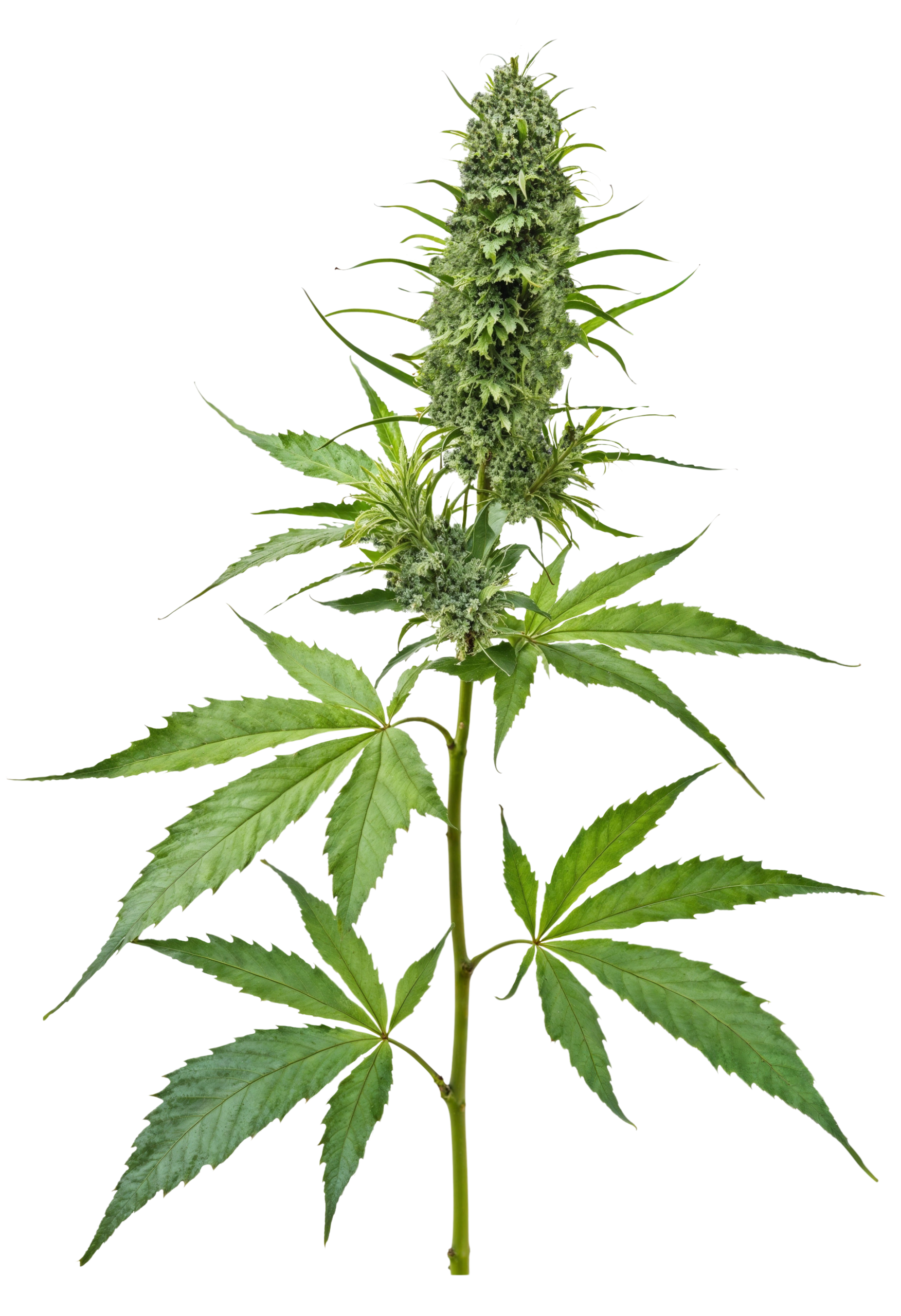


White Widow feminized seeds are one of the most searched cannabis seed types in the world. Many growers know the name, but not everyone understands what makes this seed line so popular. Some people want to know if White Widow is easy to grow. Others want to know how strong it is, how long it takes to flower, or whether it grows well indoors and outdoors. These are common questions, especially for new growers who want a strain that is well known, reliable, and easier to manage than many other options. This guide is designed to answer those questions in a clear and simple way.
White Widow is a famous cannabis strain with a long history in the seed market. It became well known because of its balanced genetics, frosty buds, and strong reputation among growers. Over time, White Widow built a name as a strain that can perform well in different grow setups. It is often described as a classic strain because it has stayed popular for many years, even as many newer strains have entered the market. That long-lasting interest is one reason growers continue to search for White Widow feminized seeds today.
The term “feminized seeds” is also important to understand. Feminized seeds are bred to produce female plants in almost all cases. This matters because female cannabis plants are the ones that grow the buds most growers want. Male plants do not produce the same type of harvest and can pollinate female plants, which may reduce bud quality and change the final result. For that reason, many growers choose feminized seeds to make the growing process more direct and efficient. Instead of spending time and space identifying and removing male plants, growers can focus on plant care, growth, and yield.
That is a big reason why White Widow feminized seeds appeal to so many people. They combine the reputation of a classic strain with the practical benefits of feminized genetics. This can make the strain a strong choice for growers who want a more predictable garden. It can also help beginners feel more confident, since they do not have to manage as many problems early in the growing process. At the same time, more experienced growers often like White Widow because it has a proven track record and can respond well to good growing practices.
Another reason White Widow gets so much attention is its overall plant profile. Growers often look for strains that offer a mix of manageable growth, solid yields, and a well-known cannabinoid range. White Widow is often discussed in those terms. People want to know how tall it grows, what the buds look like, and whether the plant can handle common growing challenges. They also want to know about flowering time, because harvest timing can affect planning, space use, and grow cycle management. These practical questions matter just as much as the strain’s reputation.
Search engines also show that many people want clear answers about strength and effects. White Widow is known for being potent, but potency can vary depending on genetics, phenotype, and growing conditions. That means growers should understand that the name alone does not tell the whole story. Seed quality, plant care, temperature, lighting, nutrients, and harvest timing can all affect the final result. A good guide should explain these factors in simple language so growers know what to expect and what they can control.
This article will break down the most important facts growers need to know about White Widow feminized seeds. It will explain what these seeds are and how they differ from regular seeds. It will cover the origin and genetics of White Widow so readers can better understand how the strain developed its traits. It will also explain what White Widow plants usually look like, including their structure, bud form, and heavy trichome coverage that gives the strain its famous white and frosty look.
The guide will also explore the strain’s usual THC and CBD profile, along with the plant traits growers often associate with White Widow. It will explain whether White Widow is a good option for beginners and why many growers see it as a practical strain for learning basic cannabis cultivation. Just as important, it will look at indoor and outdoor growing, since many growers want to know where the strain performs best and what type of environment supports healthy growth.
In addition, this article will discuss flowering time, expected yield, and the growing conditions that support strong plant development. It will cover common challenges such as stress, pests, mold, and feeding problems, along with basic ways to reduce those risks. It will also explain how to choose high-quality White Widow feminized seeds, since starting with good seeds can make a major difference in plant health and consistency. Finally, the guide will touch on legal and safety concerns, because growers should always understand the rules in their area before buying or planting cannabis seeds.
By the end of this article, readers should have a much clearer understanding of White Widow feminized seeds and what makes them important in the cannabis seed market. Whether someone is new to growing or simply wants to learn more about this classic strain, the goal is the same: to provide clear, useful, and easy-to-follow information. White Widow has remained popular for a reason, and understanding its genetics, growth habits, and seed type can help growers make more informed decisions from the very start.
What Are White Widow Feminized Seeds?
White Widow feminized seeds are cannabis seeds bred to grow into female plants almost every time. This matters because female cannabis plants produce the buds that growers want to harvest. Male plants do not produce the same usable flowers. Instead, they make pollen. If male plants are left near female plants, they can pollinate them. When that happens, the female plants shift their energy away from making large, resin-rich buds and start making seeds instead. For most growers, that is not the goal.
White Widow is one of the best-known cannabis strains in the world. It is famous for its frosty look, balanced hybrid traits, and strong resin production. When growers buy White Widow feminized seeds, they are choosing a version of this strain that is designed to make the growing process simpler. These seeds are meant to help growers avoid the trouble of identifying and removing male plants early in the grow cycle.
To understand White Widow feminized seeds clearly, it helps to break the topic into two parts. First, there is the White Widow strain itself. Second, there is the meaning of the word feminized. When these two ideas come together, growers get a seed that offers the genetics of White Widow with the added benefit of producing female plants with a very high rate of success.
Understanding the White Widow strain
White Widow is a hybrid cannabis strain. It is widely known for producing plants with thick trichome coverage. Trichomes are the tiny, crystal-like glands that form on the buds and nearby leaves. They contain cannabinoids and terpenes, which play a major role in the plant’s chemical profile. The heavy coat of trichomes is one reason the strain is called White Widow. The buds often look pale or silvery because they are so covered in resin.
White Widow plants usually show a balanced structure that reflects both indica and sativa traits. In many cases, growers see sturdy branches, medium height, and dense flowers. This balance is one reason the strain has remained popular over time. It can fit many grow setups and often appeals to growers looking for a plant that is manageable but still productive.
When people search for White Widow feminized seeds, they are often looking for that classic White Widow profile in seed form. They want the well-known traits of the strain, but they also want a more predictable growing experience.
What feminized seeds mean
Feminized seeds are seeds made to produce female plants in nearly all cases. In regular cannabis seeds, each seed has a chance of becoming either male or female. That means growers using regular seeds must watch the plants closely as they mature. Once early sex signs appear, the grower needs to remove male plants before they release pollen.
Feminized seeds reduce that step. Because they are bred to produce female plants, growers do not need to spend as much time checking for males. This saves time, space, and effort. It also helps growers use their grow room or garden more efficiently, since nearly every plant is expected to produce flowers.
For many growers, especially beginners, this is a major advantage. A person who starts with ten regular seeds may end up with only five or six female plants. The rest may be male and need to be removed. With feminized seeds, the grower is more likely to keep nearly every plant in the garden.
Why female plants are important
Female cannabis plants are important because they produce the buds most growers want. These buds are the flower clusters that develop during the bloom stage. They are also the part of the plant known for high resin content and strong cannabinoid production.
Male plants have a different role in the plant life cycle. They are useful for breeding because they provide pollen. But for growers focused on flower production, male plants are usually unwanted. If pollen reaches a female plant, the female starts making seeds. This can reduce bud size, resin output, and overall harvest quality.
That is why feminized seeds are so popular. They help growers focus on growing female plants from the start. This makes the process more direct and lowers the chance of accidental pollination.
How White Widow feminized seeds are useful for growers
White Widow feminized seeds are useful because they combine strain familiarity with practical convenience. A grower choosing these seeds is not just choosing White Widow as a strain. They are also choosing a method that helps make the crop easier to manage.
This can be especially helpful for home growers, small-scale growers, and people with limited space. If a grower only has room for a few plants, losing half of them to male sex can be frustrating. Feminized seeds help reduce that risk. They make it easier to plan the grow, estimate the plant count, and use resources more wisely.
These seeds can also support more even garden management. Since growers are dealing mostly with female plants, they can focus more on lighting, watering, feeding, training, and climate control rather than plant sex removal. That does not mean feminized seeds remove every challenge. Growers still need proper care and good conditions. But they do make one major part of the process simpler.
Are feminized seeds always female
Feminized seeds are made to produce female plants almost all the time, but no seed type can promise perfect results in every case. Plant stress, unstable genetics, or poor breeding methods can sometimes lead to problems. This is why seed quality matters. Well-bred feminized seeds from reliable sources are generally more consistent and dependable.
Growers should still monitor plant health during the grow cycle. Even with feminized seeds, stable conditions are important. Too much stress from light leaks, heat, poor watering, or other problems can affect plant development. Good genetics and good grow practices work best together.
Why White Widow feminized seeds stay popular
White Widow feminized seeds remain popular because they offer two things growers often want at the same time. First, they give access to a famous and trusted cannabis strain. Second, they make the grow more efficient by reducing the chance of male plants.
This mix of strain reputation and practical value makes them attractive to many types of growers. Beginners may like them because the process is easier to manage. More experienced growers may like them because they save time and make better use of limited grow space.
White Widow feminized seeds are seeds bred to grow into female White Widow plants in almost every case. They combine the classic traits of the White Widow strain with the convenience of feminized genetics. This means growers are more likely to get bud-producing plants without the added task of removing males. In simple terms, these seeds help make cannabis growing more predictable, more efficient, and easier to manage, especially for growers who want a straightforward path to flower production.
The Origin and Genetics of the White Widow Strain
White Widow is one of the best-known cannabis strains in the world. It has been popular for many years and is often used as a reference point when growers talk about classic hybrid strains. Many people know the name, but fewer understand where the strain came from and why its genetics matter so much. When growers buy White Widow feminized seeds, they are not just buying a famous name. They are buying a plant with a long history and a genetic background that helps explain its shape, growth pattern, and resin production.
Where White Widow Came From
White Widow first became well known in the 1990s. It rose to fame during a time when many growers and breeders were looking for strains that could offer strong resin production, solid yields, and balanced hybrid traits. White Widow stood out because it combined these features in one plant. It quickly gained attention in seed catalogs, coffee shops, and grow rooms. Over time, it became one of the most recognized cannabis strains on the market.
The strain built a strong reputation because it was seen as reliable and distinct. Its buds were known for their heavy coating of white-looking trichomes, which gave the strain its famous name. This frosty look made it easy to recognize. As more growers tried it, White Widow became part of cannabis culture in many countries. Even today, it remains a common choice for growers who want a classic strain with a proven track record.
Because White Widow has been around for a long time, many versions now exist. Different breeders may offer slightly different White Widow seed lines. Some may lean more toward one parent, while others may keep a more balanced hybrid profile. Even so, the original identity of White Widow is still tied to its classic genetic mix and its strong resin-heavy buds.
The Parent Genetics Behind White Widow
White Widow is usually described as a hybrid made from two main parent lines: a Brazilian sativa landrace and a South Indian indica. This combination is a big reason why the strain developed such a unique identity.
A landrace strain is a strain that developed in a natural region over a long time. These plants adapted to their local climate and environment. The Brazilian sativa side of White Widow is often linked to energy, height, and a more open growth style. Sativa plants usually grow taller and may have a lighter structure than indica plants. They can also take longer to flower in some cases. In White Widow, the sativa influence helps shape the plant’s upper growth, branch pattern, and part of its overall balance.
The South Indian indica side adds a different set of traits. Indica plants are often shorter, bushier, and more compact. They are also known for producing dense flowers. In White Widow, the indica influence helps support tighter bud structure, manageable height, and a flowering time that is shorter than many pure sativa strains. This side of the plant also plays a role in how White Widow adapts to indoor growing.
When these two genetic backgrounds were combined, the result was a hybrid that brought together parts of both worlds. White Widow is not usually seen as a pure sativa or a pure indica. Instead, it sits in the middle, which is one reason it appeals to so many growers.
How Genetics Shape Plant Structure
The genetics of White Widow strongly affect how the plant looks and grows. Because it comes from both sativa and indica backgrounds, growers often see a medium-sized plant with a balanced structure. It is usually not as tall and stretched as a pure sativa, but it is also not as short and dense as a heavy indica.
Many White Widow plants develop strong side branches. This can help the plant form multiple bud sites instead of just one main top. For growers, this is useful because it can support better canopy development and more even light exposure. The branch structure also makes White Widow a strain that may respond well to training methods, depending on the grower’s setup.
The leaves often show hybrid traits too. Some plants may have somewhat broad leaves from the indica side, while others may show a slightly more mixed form. Since phenotypes can vary, not every White Widow plant will look exactly the same. Still, the strain often stays within a familiar range. Growers usually expect a plant that is sturdy, balanced, and practical to manage.
How Genetics Influence Resin and Trichome Production
One of the most famous traits of White Widow is its thick layer of trichomes. Trichomes are tiny resin glands that form on the buds and nearby leaves. They hold many of the plant’s cannabinoids and terpenes. In White Widow, these trichomes often appear in large amounts, giving the flowers a frosty and pale look.
This strong resin production is one of the main reasons the strain became famous. The genetics behind White Widow support this heavy coating, which is often one of the first things growers notice as the plant moves through flowering. A healthy White Widow plant can develop buds that look almost dusted in white crystals. That visual effect helped create the strain’s name and its lasting reputation.
For growers, strong trichome production can be important because it is often linked to the plant’s chemical profile and overall appeal. Resin-rich buds may also suggest that the plant has good breeding stability in this area, especially when seeds come from a trusted source.
Why White Widow Became So Important in Cannabis Breeding
White Widow did not just become popular as a single strain. It also became important in the larger world of cannabis breeding. Because it had such recognizable traits, breeders and growers often used it as a standard when comparing other hybrids. Its balance, resin production, and strong identity helped make it a strain people remembered.
Over the years, White Widow also helped shape interest in classic European seed lines and modern hybrid breeding. It became a strain that many growers tried at least once, especially those who wanted to understand the basics of a proven hybrid. Its long-term success shows how much value growers place on stable genetics and repeatable results.
Today, White Widow remains relevant because it connects older cannabis breeding traditions with the needs of modern growers. It is a classic strain, but it still fits into current cultivation because its genetic mix continues to offer practical benefits.
The White Widow strain has a long and important history in cannabis cultivation. It became famous in the 1990s and earned a strong reputation for its frosty buds, hybrid balance, and reliable performance. Its genetics come from a Brazilian sativa landrace and a South Indian indica, and this mix helps explain its structure, flowering traits, and resin production. These parent lines work together to create a plant that is balanced, easy to recognize, and still widely respected today. For growers, understanding the origin and genetics of White Widow makes it easier to see why this strain has remained a trusted choice for so many years.
What Makes White Widow Feminized Seeds Different From Regular White Widow Seeds?
White Widow feminized seeds and regular White Widow seeds may come from the same famous strain, but they are not the same product. The biggest difference is the kind of plants they are likely to produce. This matters a lot to growers because it affects space, time, effort, and final results. If a person does not understand this difference before planting, it can lead to problems later in the grow cycle.
To understand the difference clearly, it helps to first know what regular seeds do and what feminized seeds are made to do.
What Regular White Widow Seeds Produce
Regular White Widow seeds are made through natural breeding between a male cannabis plant and a female cannabis plant. Because of this, each seed has a chance of becoming either male or female. In most cases, growers expect about half of the plants to be male and half to be female, though the exact split can vary.
This is important because male and female cannabis plants do not serve the same purpose in a typical grow. Female plants are the ones most growers want because they produce the resin-rich buds that White Widow is known for. Male plants do not grow those same harvestable flowers. Instead, male plants produce pollen.
If male plants are left near female plants, they can pollinate the females. Once pollinated, female plants stop putting as much energy into bud growth and begin making seeds instead. This can lower flower quality and reduce the kind of harvest most growers want. For this reason, growers using regular seeds usually need to watch plants closely during the early flowering stage so they can identify and remove males in time.
That means regular seeds often require more skill, more attention, and more growing space. A grower may plant ten regular seeds, but only part of those may end up being useful female plants for flower production.
What White Widow Feminized Seeds Are Designed to Do
White Widow feminized seeds are bred to produce female plants almost every time. Seed producers do this by using special breeding methods that encourage a female plant to create pollen. That pollen is then used to fertilize another female plant. Since male genetics are not part of the process in the usual way, the resulting seeds are much more likely to grow into female plants.
For growers, this changes the whole process. Instead of planting seeds and waiting to see which plants are male and which are female, they can plant feminized seeds with much more confidence that nearly every plant will become a bud-producing female.
This is one of the main reasons feminized seeds are so popular. They help remove one of the biggest unknowns in cannabis growing. A grower can plan the garden more easily, use space more wisely, and spend less time removing unwanted plants.
Why Female Plants Matter So Much
The reason feminized seeds are valued comes down to the role of female plants. White Widow is usually grown for its flowers, which are known for being dense, frosty, and rich in cannabinoids and terpenes. Those flowers come from female plants.
When growers buy White Widow feminized seeds, they are usually trying to make the growing process more direct. They want the plants that produce buds, not the plants that produce pollen. This is especially useful for home growers, small growers, and beginners who may not want the extra work of identifying plant sex.
With regular seeds, a grower may spend weeks caring for young plants before learning which ones must be removed. During that time, the grower has already used water, nutrients, light, and space on plants that may not end up in the final crop. Feminized seeds reduce that waste.
How Feminized Seeds Help With Space and Planning
Space is one of the biggest limits in any grow room, tent, greenhouse, or outdoor garden. When a grower uses regular White Widow seeds, some of that space will likely be taken up by male plants until they can be identified and removed. This can make planning harder.
With feminized White Widow seeds, growers can make better use of every pot, light, and square foot of growing area. If they plant six seeds, they can expect nearly all six to become female. This makes it easier to decide how many seeds to buy, how many containers to prepare, and how much equipment is needed.
This also helps with timing. Since the grower does not need to spend as much effort checking for males, the grow can move forward with fewer surprises. For many growers, that makes feminized seeds more efficient.
Why Many Growers Choose Feminized White Widow Seeds
Growers often choose feminized White Widow seeds because they want a simpler path from seed to harvest. White Widow is already known as a strong and popular strain. When that strain is offered in feminized form, it becomes even more attractive to growers who want a reliable setup.
Feminized seeds are often a good fit for people who want to focus on plant care, not plant sorting. They can spend more time on watering, feeding, training, lighting, and airflow instead of worrying about separating male plants from female plants.
This can be especially helpful for new growers. Regular seeds are not bad, but they usually ask more from the person growing them. Feminized seeds remove one major challenge, which can make the learning process easier.
Are There Still Things Growers Need to Watch For?
Even though feminized seeds are made to produce female plants, growers still need to provide good growing conditions. Poor light, weak genetics, stress, and environmental problems can still affect plant health. Feminized seeds do not guarantee a perfect grow. They simply reduce the chance of male plants appearing.
Growers should still buy seeds from reliable breeders and pay attention to plant care from start to finish. A strong seed gives a good start, but the final result still depends on the environment and the grower’s methods.
The main difference between White Widow feminized seeds and regular White Widow seeds is simple but very important. Regular seeds can grow into either male or female plants, while feminized seeds are bred to produce female plants almost every time. Since female plants are the ones that grow the buds most people want, feminized seeds make the process easier, more efficient, and more predictable. For many growers, especially beginners or those with limited space, White Widow feminized seeds offer a more practical and reliable way to grow this well-known strain.
What Do White Widow Plants Look Like?
White Widow plants have a look that many growers can spot right away. They are known for their thick coating of resin, strong branch growth, and buds that often appear light in color because of heavy trichome coverage. This is one reason the strain has stayed well known for so long. When growers ask what White Widow feminized plants look like, they usually want to know about the plant’s size, leaf shape, bud structure, and overall appearance during the flowering stage.
Plant Size and Overall Shape
White Widow plants usually grow into medium-sized plants. This makes them easier to manage than very tall strains, especially for growers working in smaller indoor spaces. Indoors, many White Widow plants stay at a moderate height if they are given proper care and light control. Outdoors, they can become larger because they have more root space and more access to natural sunlight.
The plant often has a balanced structure. It is not usually too short and bushy, but it is also not extremely tall and narrow. Because White Widow is a hybrid, its shape often shows traits from both indica and sativa lines. Many plants develop a strong main stem with several side branches growing outward. This gives the plant a full and healthy appearance.
The branching pattern is important because it supports bud growth across the plant. Instead of forming only one main cola, White Widow often produces several bud sites. This can help create an even canopy when grown well. For indoor growers, this structure can be useful because it allows light to reach more parts of the plant.
Leaf Shape and Color
White Widow plants usually have broad to medium-width leaves. The leaf shape often sits between what growers expect from indica and sativa plants. The leaves are not always as thin and long as a pure sativa, and they are not always as short and wide as a heavy indica. This balanced leaf structure reflects the hybrid nature of the strain.
During healthy vegetative growth, the leaves are often a rich green color. The shade of green can vary depending on genetics, lighting, nutrients, and the growing environment. Some plants may show deep green leaves, while others may look lighter green. In general, healthy White Widow leaves should look firm, full, and slightly lifted rather than weak or droopy.
The leaves also tend to grow in a way that gives the plant a dense and active look. When the plant is thriving, the foliage can become thick. This means growers may need to watch airflow carefully, especially indoors. Good airflow helps support healthy growth and can reduce excess moisture around the leaves and buds.
Branching and Growth Pattern
One of the most noticeable features of White Widow is its strong branch development. The plant often builds sturdy side branches that can hold a fair amount of bud weight later in flowering. This is useful because White Widow can produce dense flowers with a heavy resin layer.
As the plant grows, it often becomes wide enough to fill its space well. The branches may spread outward while still holding a fairly upright shape. This can make the plant look compact but productive. The structure is one reason many growers find White Widow manageable. It often responds well to basic training methods because the branches are strong enough to handle careful shaping.
The spacing between nodes can vary, but many White Widow plants show moderate internodal spacing. This means the plant is not too stretched and not too crowded when grown in good conditions. Balanced node spacing helps create a plant that can support healthy bud formation across the canopy.
Bud Appearance and Structure
White Widow buds are one of the biggest reasons the strain stands out. The flowers are usually thick, compact, and well formed. They often grow in clusters around the branches and can become dense by harvest time. In many cases, the buds feel firm and look heavy for their size.
The bud shape is often rounded or slightly chunky rather than long and airy. This gives White Widow a solid and attractive look during the flowering phase. Many growers notice that the buds begin to look brighter as resin production increases. This makes the plant look almost frosted from a distance.
The pistils, or hair-like structures on the buds, often begin as white and later change color as the plant matures. Depending on the phenotype and stage of growth, these pistils may turn orange, amber, or light brown near harvest. This color change adds contrast to the buds and makes the resin stand out even more.
Heavy Trichome Coverage
The most famous visual trait of White Widow is its thick coat of trichomes. Trichomes are tiny resin glands that form on the buds and nearby leaves. In White Widow, this coating can become very heavy, giving the flowers a white or silvery look. This frosted appearance is what helped inspire the strain’s name.
As flowering continues, the trichome layer often becomes more obvious. Buds may look as if they have been dusted with sugar. In strong plants, the resin can spread beyond the buds and onto the small surrounding leaves. This gives the entire top part of the plant a sticky, crystal-covered appearance.
This heavy resin production is one of the most recognizable parts of White Widow. It does not just affect the look of the buds. It also tells growers that the plant is developing one of the strain’s most valued features. When people think of White Widow, they often picture this thick blanket of white crystals first.
Color Changes Near Harvest
Most White Widow plants stay mainly green during much of their life cycle, but some color changes can appear near harvest. The buds may still look green underneath, but the dense trichome layer can make them appear pale or icy. At the same time, the pistils often darken and add more color contrast.
Some phenotypes may show small changes in leaf color late in flowering, especially if temperatures shift or the plant is nearing the end of its cycle. Even so, White Widow is most often known for its frosty white look rather than bright purple or red tones. Its beauty comes more from resin coverage and bud density than from dramatic color changes.
White Widow feminized plants are usually medium in size, strong in structure, and easy to recognize once flowering begins. They often have a balanced hybrid shape, healthy green leaves, sturdy side branches, and dense buds. The most famous feature is the thick trichome coating that gives the flowers a white, frosted appearance. For many growers, this combination of solid plant structure and resin-rich buds is what makes White Widow such a visually striking strain.
How Strong Is White Widow? THC and CBD Levels Explained
White Widow is known as a strong hybrid strain, but its exact strength can vary from one seed line to another. That is important for growers to understand. When people search for White Widow feminized seeds, they often want to know how much THC and CBD the plant may produce and what those numbers really mean. In many strain descriptions, White Widow is listed as a moderate to high THC strain, while its CBD level is usually described as low. Different sources place White Widow in a fairly broad THC range, which shows that genetics, breeder selection, phenotype, and growing conditions all play a part in the final result.
What THC Means in White Widow
THC stands for tetrahydrocannabinol. It is the main psychoactive cannabinoid in cannabis. When growers ask how strong White Widow is, they are usually asking about THC. This is because THC is the compound most linked to the strain’s overall intensity. White Widow is often described as having THC levels around 15% on some strain listings, while other seed sellers and strain databases place it closer to 18% to 20%. Some versions may even reach slightly higher levels under ideal conditions.
This spread in numbers does not mean one source is always wrong. It usually means White Widow is not one single plant with one fixed lab result. Instead, it is a classic strain name used across many seed lines and phenotypes. Over time, breeders have maintained and reproduced the strain in different ways, which can create small differences in cannabinoid levels.
For a grower, this means it is best to think of White Widow as a strain that commonly falls in the medium-to-strong THC category. A plant grown from one breeder’s feminized seeds may test lower than a plant grown from another breeder’s stock. Even seeds sold under the same name can produce slightly different results because plants show natural variation. In simple terms, White Widow is generally strong enough to be considered potent, but the exact strength depends on the seed source and how the plant is grown and cured.
What CBD Levels Are Usually Like
CBD stands for cannabidiol. Unlike THC, CBD does not produce an intoxicating effect. In White Widow, CBD is usually low. Some strain descriptions list CBD at about 1% or lower, while others simply describe it as low without giving an exact number.
This tells growers that White Widow is not normally selected for high CBD content. Instead, its reputation is based more on resin production, hybrid genetics, and noticeable THC levels. Because CBD levels are low, White Widow is generally grouped with strains that focus on THC potency rather than balanced cannabinoid ratios.
The low CBD level also affects the plant’s chemical profile. Cannabis strains that contain both high THC and high CBD are sometimes bred for specific medical uses. White Widow, however, is usually grown for its classic hybrid characteristics rather than for CBD production. Growers who want higher CBD content would normally choose a different strain that was bred specifically for that purpose.
Why White Widow Strength Can Vary
Many new growers expect one exact THC number for a strain, but cannabis does not work that way. White Widow strength can change for several reasons. The first reason is breeder selection. One breeder may keep White Widow close to a classic balanced profile, while another breeder may select plants that produce higher THC levels.
The second reason is phenotype variation. Even when seeds come from the same breeder, each plant may grow slightly differently. One plant may produce slightly stronger cannabinoid levels than another. These natural variations are normal in cannabis cultivation.
Growing conditions also play a major role. Light intensity, temperature, humidity, soil quality, and nutrient levels can influence how the plant develops. A healthy plant that receives proper care has a better chance of reaching its full cannabinoid potential. On the other hand, a plant that experiences stress, poor lighting, or nutrient problems may produce lower potency.
Harvest timing and curing also affect the final result. If a plant is harvested too early or too late, cannabinoid levels can change. Proper drying and curing help preserve the cannabinoids and terpenes that form in the plant’s trichomes.
How Cannabinoid Levels Shape the Plant’s Profile
THC and CBD numbers help describe a strain, but they do not tell the whole story. The overall chemical profile of White Widow is created by the interaction between cannabinoids and terpenes. Terpenes are aromatic compounds that contribute to the plant’s scent and chemical complexity.
White Widow has long been known for its heavy trichome production. These trichomes appear as a white or frosty coating on the buds, which is one reason the strain received its name. Inside these trichomes are cannabinoids and terpenes that shape the plant’s chemical makeup.
Two White Widow plants with similar THC levels may still differ in aroma and chemical profile because terpene levels can vary. This is why growers often pay attention to resin production and plant health rather than focusing only on THC numbers.
What Growers Should Take Away From These Numbers
When reading seed descriptions, it helps to understand that THC percentages are estimates rather than guarantees. If one White Widow seed listing reports 15% THC and another reports 20%, the difference may reflect different breeding lines or growing conditions.
White Widow feminized seeds are bred to produce female plants, but feminization does not guarantee identical potency in every plant. The final cannabinoid level still depends on genetics, plant care, and environmental conditions.
Growers who want consistent results should focus on selecting seeds from reliable breeders and maintaining stable growing conditions. Healthy plants with strong resin production are more likely to produce the cannabinoid levels expected from the strain.
White Widow is widely recognized as a potent hybrid strain that usually contains moderate to high THC and very low CBD. Many versions fall within a general THC range of about 15% to 20%, although some plants may produce slightly higher levels under ideal conditions. The exact potency can vary depending on the breeder, plant phenotype, and growing environment.
For growers, the key point is that White Widow feminized seeds are valued for their reliable female plants, strong resin production, and classic hybrid cannabinoid profile. Understanding THC and CBD levels helps growers set realistic expectations when cultivating this well-known strain.
What Effects Are Associated With the White Widow Strain?
White Widow is one of the most well-known cannabis strains in the world. It is often described as a balanced hybrid, meaning it contains traits from both sativa and indica plants. Because of this genetic balance, the effects linked to White Widow may include both mental and physical responses. These effects are influenced by the plant’s cannabinoids and aromatic compounds known as terpenes.
Understanding the possible effects of a strain helps growers and readers better understand why the plant became so widely recognized. The following sections explain how White Widow may affect the mind and body and what factors can influence these experiences.
Mental and Cognitive Effects
White Widow is often linked to noticeable mental stimulation. Many reports describe an increase in alertness and mental activity. The strain contains relatively high levels of THC, which is the primary psychoactive compound found in cannabis. THC interacts with receptors in the brain that influence mood, perception, and awareness.
Because of this interaction, some users report that White Widow may produce a clear and active mental state. This can include increased focus, faster thinking, or stronger awareness of surroundings. These effects are often connected to the strain’s partial sativa heritage, which comes from Brazilian sativa genetics.
The cerebral effects of White Widow may appear fairly quickly after consumption. The experience often begins with a sense of mental energy. Some people describe this stage as uplifting or mentally stimulating. During this time, thoughts may feel more active and attention may shift more quickly between ideas.
However, the strength and duration of these effects depend on several factors. These include the THC content of the plant, the amount used, and the person’s tolerance level. Different growing conditions may also change the chemical profile of the plant, which can slightly change the mental experience.
Physical Body Effects
In addition to mental stimulation, White Widow is also associated with physical effects in the body. Because the strain contains indica genetics from South Indian cannabis plants, it may also create a sense of physical relaxation.
This body response may develop gradually after the initial mental effects begin. As the experience continues, muscles may feel more relaxed and the body may feel calmer. Some descriptions mention a light body sensation that spreads slowly through the arms, legs, and shoulders.
This combination of mental activity and body relaxation is often linked to hybrid cannabis strains. The balance between these two responses is one reason White Widow became a well-known variety among growers and consumers.
The body effects may vary depending on the plant’s cannabinoid and terpene profile. Some plants grown from White Widow feminized seeds may produce slightly different terpene combinations. Terpenes are natural aromatic compounds found in cannabis that can influence scent and may also affect how the strain feels.
Role of Cannabinoids and Terpenes
The effects of White Widow are largely influenced by its chemical composition. Cannabinoids such as THC and CBD interact with the body’s endocannabinoid system. This system plays a role in regulating mood, sleep, appetite, and other physical processes.
White Widow typically contains moderate to high THC levels and low CBD levels. THC is responsible for most of the strain’s psychoactive effects. When THC binds to cannabinoid receptors in the brain, it can change perception, mood, and sensory awareness.
Terpenes also play a role in the plant’s overall characteristics. White Widow often contains terpenes such as myrcene, caryophyllene, and pinene. These compounds contribute to the plant’s aroma and flavor, which often includes earthy, woody, and slightly spicy notes.
Some research suggests that cannabinoids and terpenes may work together in a process often called the “entourage effect.” This idea suggests that the combination of these compounds may influence the overall experience more than a single compound alone. Because each plant can develop slightly different chemical levels, the effects may vary from one harvest to another.
Factors That Can Influence the Effects
The effects linked to White Widow can change depending on several growing and environmental factors. Growing conditions such as light intensity, nutrient levels, soil quality, and temperature can influence cannabinoid production.
For example, plants grown under strong lighting conditions may produce higher levels of cannabinoids. Proper drying and curing methods may also help preserve terpene content, which helps maintain the plant’s aroma and chemical profile.
Individual tolerance is another factor that may influence how a person experiences the strain. People with higher tolerance levels may respond differently than those with little experience.
Because of these variables, the effects associated with White Widow should be understood as general descriptions rather than fixed outcomes.
White Widow is widely known as a balanced hybrid strain with both mental and physical effects. The strain is commonly associated with a combination of cerebral stimulation and gradual body relaxation. These effects are mainly influenced by the plant’s THC levels and terpene profile.
Cannabinoids interact with the body’s endocannabinoid system, while terpenes contribute to the plant’s aroma and may influence how the strain feels. Growing conditions, plant genetics, and individual tolerance can all affect the final experience.
Is White Widow Easy to Grow? Difficulty Level for Beginners
White Widow feminized seeds are often seen as a good choice for new growers. Many people ask if this strain is easy to grow because they want a plant that is not too hard to manage. In general, White Widow is known for being strong, adaptable, and fairly forgiving. That does not mean it grows perfectly without care, but it usually handles small mistakes better than more sensitive strains.
One reason growers like White Widow is that it tends to have balanced growth. It is not usually as demanding as some strains that need very exact light, feeding, or climate control. White Widow can do well indoors and outdoors, which also makes it flexible for different types of growers. A beginner with a small indoor grow tent or a person with a suitable outdoor space may both find it manageable.
Another reason it is beginner-friendly is the feminized seed type. Feminized seeds are bred to produce female plants in almost every case. This helps new growers avoid one of the biggest beginner problems, which is spending time and resources on male plants. Male plants do not produce the buds most growers want. With White Widow feminized seeds, the grower can focus more on plant care and less on identifying and removing males.
Why Many Beginners Choose White Widow
White Widow has a long-standing reputation as a reliable strain. Beginners often choose it because they want a plant that gives them a fair chance of success. Some strains are known for being hard to control, growing too tall, reacting badly to small feeding mistakes, or developing problems quickly in poor conditions. White Widow is usually more stable than that.
Its hybrid background also helps. Since it has both indica and sativa traits, it often shows a balanced structure. Many White Widow plants grow with good side branching and a manageable shape. This makes them easier to fit into small indoor spaces compared to strains that stretch too much. Outdoors, the plant can also perform well when the climate is suitable.
For a beginner, this balance matters. A plant that grows in a more predictable way is easier to water, train, prune, and harvest. It also helps the grower learn the basics without feeling overwhelmed.
How Forgiving Is White Widow?
No cannabis strain is completely foolproof, but White Widow is often described as forgiving. This means it can recover from small mistakes better than some other strains. If a new grower waters a bit too much one week or gives a little too much nutrient, White Widow may still continue growing well if the problem is corrected quickly.
This forgiving nature is helpful because beginners are still learning how to read their plants. They may not always know the early signs of overwatering, underwatering, heat stress, or nutrient burn. White Widow gives a little more room for error than very delicate strains. That can make the learning process less stressful.
Still, forgiveness does not mean neglect is fine. A grower still needs to watch temperature, humidity, light distance, airflow, and feeding levels. If these problems continue for too long, White Widow can still suffer like any other cannabis plant. Leaves may yellow, growth may slow, and buds may not develop as well as they should.
Resistance to Pests and Mold
Another reason White Widow is often recommended to beginners is its reputation for being fairly hardy. Hardy plants are usually stronger against common growing problems. White Widow can show decent resistance to stress and may cope better with changing conditions than more fragile strains.
Some growers also say White Widow has reasonable resistance to mold and pests when grown in good conditions. This can be useful because mold and insects are common concerns, especially for new growers who are still learning how to control humidity and airflow. Dense buds, poor ventilation, and too much moisture can all raise the risk of mold. White Widow is not immune, but it is often considered less troublesome than some high-maintenance strains.
Good habits still matter. Clean grow spaces, proper air movement, regular plant checks, and steady humidity control are all important. Even a strong strain can develop pest or mold problems if the environment is poor. Beginners should understand that plant strength helps, but basic care is still essential.
Can White Widow Grow in Different Environments?
White Widow is known for adapting to different growing setups. This is one of its strongest points for beginners. It can grow indoors under artificial lights, and it can also do well outdoors in the right climate. Because of this, growers have more options when deciding how to raise the plant.
Indoors, White Widow often stays at a manageable size, especially when the grower uses training methods and controls the light schedule well. Outdoors, it can become larger and produce more, as long as it gets enough sun and the weather stays suitable. This flexibility makes it easier for beginners to work with the space they have.
It can also respond well to different growing methods, including soil and some hydroponic setups. Soil is often easier for beginners because it gives a buffer against small feeding mistakes. White Widow tends to do well in soil, which makes it even more appealing to first-time growers.
What Makes It Easier Than Some Other Strains?
White Widow is easier than some other strains because it does not usually demand extreme precision. Some cannabis strains need very close attention at every stage. They may react fast to small changes in pH, nutrients, or heat. White Widow is often more stable, which gives beginners more time to notice problems and fix them.
Its flowering time is also fairly reasonable. Beginners do not want a strain that takes too long because longer grow cycles mean more time for mistakes or environmental problems. White Widow usually finishes in a moderate time frame, which helps growers reach harvest without waiting too long.
The plant’s structure can also be easier to manage. It often develops a strong central stem with good side branches. This shape can support bud growth while still allowing light to reach more of the plant. For a new grower, that means less struggle in keeping the canopy even and healthy.
Challenges Beginners Should Still Expect
Even though White Widow is beginner-friendly, it is not a plant that grows well without attention. Beginners should still expect a few challenges. One of the most common issues is overfeeding. New growers sometimes think more nutrients will always lead to faster growth, but too much feeding can harm the plant. White Widow still needs a balanced nutrient schedule.
Watering is another common problem. Too much water can slow root growth and cause drooping leaves. Too little water can also stress the plant. Beginners need to learn to water based on the plant’s needs, not just on a fixed routine.
Light management matters too. If the light is too weak, the plant may grow thin and stretched. If the light is too strong or too close, leaves can become stressed. Temperature and humidity must also stay in a healthy range. White Widow may be more forgiving than some strains, but poor conditions can still reduce yield and bud quality.
White Widow feminized seeds are widely seen as a good option for beginners because the strain is strong, adaptable, and easier to manage than many others. It can handle small mistakes, grows well in different environments, and usually does not require expert-level skill to produce solid results. The feminized seed type also makes the process simpler by helping growers avoid male plants.
At the same time, beginners should not assume the plant will thrive without care. Good watering habits, proper feeding, airflow, and climate control still matter. In the end, White Widow is not the easiest plant in the world, but it is one of the more beginner-friendly cannabis strains. For many new growers, it offers a strong mix of reliability, flexibility, and manageable difficulty.
Growing White Widow Feminized Seeds Indoors
Growing White Widow feminized seeds indoors gives growers more control over the plant’s environment. This is one of the main reasons many people choose indoor growing. With the right setup, growers can manage light, temperature, humidity, airflow, and feeding more easily than they can outdoors. White Widow is often seen as a strong and reliable strain, which makes it a good choice for indoor growers who want a plant that is manageable and productive.
Indoor growing also helps protect plants from heavy rain, strong wind, sudden weather changes, and many outdoor pests. Since White Widow feminized seeds are bred to produce female plants, growers can focus their time and space on bud-producing plants instead of sorting out male plants. This can make the whole process more efficient.
Why White Widow Does Well Indoors
White Widow is well suited to indoor growing because it usually grows in a compact and controlled way. It can adapt well to grow tents, small rooms, and other indoor spaces when the environment is kept stable. Many White Widow plants develop a bushy shape with strong side branches. This growth pattern can be helpful indoors because it allows light to reach more bud sites when the plant is trained and spaced well.
Another reason White Widow works well indoors is that growers can better protect its resin-rich buds. This strain is known for heavy trichome production. Indoors, it is easier to control moisture and reduce the risk of mold forming on dense flowers. Good control over the environment can help the plant stay healthy from seedling stage to harvest.
Light Requirements
Light is one of the most important parts of indoor growing. White Widow needs strong light to grow well and produce healthy buds. During the vegetative stage, many growers keep the lights on for about 18 hours a day and off for 6 hours. This longer light period helps the plant build stems, leaves, and branches before flowering starts.
When it is time to begin flowering, growers usually switch to a 12 hours on and 12 hours off light cycle. This change tells the plant to start making flowers. The dark period should stay consistent. Light leaks during the dark cycle can stress the plant and may affect flower growth.
The type of light also matters. Modern LED grow lights are a common choice because they are energy efficient and produce less heat than many older systems. Other growers may use HID lights, but these often create more heat and may require stronger ventilation. No matter which system is used, the goal is the same: provide even, strong light without burning the plant.
The distance between the light and the plant should be watched closely. If the light is too close, the leaves may curl, bleach, or dry out. If it is too far away, the plant may stretch too much and produce weaker growth. Healthy indoor plants usually show steady growth, firm stems, and leaves that look full but not stressed.
Temperature Control
White Widow grows best when indoor temperatures stay in a comfortable range. During the day, many growers aim for warm but not hot conditions. At night, temperatures are usually kept a little cooler. Sudden temperature swings can stress the plant and slow growth.
If the grow room gets too hot, the plant may become weak, dry out too fast, or show signs of heat stress. Leaves may droop, curl upward, or look thin. If the room gets too cold, growth can slow down and roots may not take up water and nutrients as well.
Indoor growers often use fans, exhaust systems, and sometimes air conditioning or heaters to keep temperatures stable. Even a simple grow tent setup can work well if the air moves properly and the heat from the lights is managed. Keeping the room stable is often better than chasing exact numbers every hour.
Humidity and Moisture Management
Humidity is another major part of successful indoor growing. Young White Widow plants usually do better with a bit more moisture in the air, especially during the seedling and early vegetative stages. As the plant gets older and begins to flower, lower humidity is usually safer.
This is important because White Widow can produce thick, sticky buds. If the air stays too damp during flowering, mold and mildew can become serious problems. Dense buds can trap moisture inside, especially if airflow is poor. Indoor growers need to pay close attention to this during the later weeks of flowering.
A hygrometer can help measure humidity in the grow area. Dehumidifiers may help in wet conditions, while humidifiers can help when the air is too dry. The best approach is to keep moisture balanced and avoid major swings. Healthy humidity levels support steady growth and help lower the risk of disease.
Ventilation and Airflow
Fresh air is important for White Widow plants indoors. Plants use carbon dioxide during growth, and they also need moving air to help control heat and moisture. Without ventilation, the grow room can become too warm, too humid, and too still. This creates a poor environment for healthy growth.
An exhaust fan helps remove hot, stale air from the room or tent. An intake opening or fresh air source helps bring in cooler air. Inside the grow space, oscillating fans help move air around the leaves and branches. This airflow can strengthen stems and reduce the chance of mold, mildew, and pest problems.
Good airflow becomes even more important once White Widow enters flowering. Buds become larger and denser, and crowded plants can trap warm, wet air between branches. Spacing plants well and trimming excess growth can improve airflow and make the environment safer.
Growing Medium and Container Choice
White Widow feminized seeds can be grown in soil, coco coir, or hydroponic systems indoors. Soil is often the easiest option for beginners because it is familiar and can be more forgiving. Good-quality soil with proper drainage helps roots grow well and reduces the risk of water buildup.
Coco coir is another popular option. It can support fast growth, but it usually needs more careful feeding and watering. Hydroponic systems can also work well for White Widow, but they often require more attention and more control over nutrients, water quality, and pH.
Container size matters too. A small pot may limit root growth and plant size. A larger pot gives roots more room but also takes up more space in the grow room. The right pot size depends on how long the plant will stay in the vegetative stage and how large the grower wants it to become.
Watering and Feeding Needs
White Widow needs regular care, but overwatering is a common mistake indoors. The top layer of the growing medium should usually dry a bit before the next watering. Constantly wet soil can reduce oxygen around the roots and lead to root problems.
A healthy watering routine depends on pot size, plant size, room temperature, and the type of growing medium. Smaller plants need less water than large flowering plants. Growers should look at the weight of the pot, the dryness of the soil, and the condition of the leaves before watering again.
Feeding should also be balanced. During the vegetative stage, the plant often needs more nitrogen to support leaf and stem growth. During flowering, it usually needs more phosphorus and potassium to support bud development. Too much fertilizer can damage the plant, while too little can slow growth and reduce yield. Signs of nutrient stress may appear as yellowing leaves, burnt leaf tips, or weak growth.
Checking pH is also important indoors. If the pH is too high or too low, the plant may not take in nutrients properly even when they are present in the soil or water. This can cause problems that look like a nutrient shortage.
Flowering Time Indoors
One reason growers like White Widow indoors is its fairly manageable flowering time. In many cases, White Widow flowers in about 8 to 10 weeks once the light cycle is changed to 12 hours on and 12 hours off. Some plants may finish a little sooner or later depending on phenotype, growing conditions, and how the plant was managed during the vegetative stage.
During flowering, growers should watch bud development closely. The plant may stretch during the first part of flowering, so height should be planned ahead of time. This is especially important in tents or rooms with limited vertical space. Training the plant early can help keep the canopy even and prevent the top branches from getting too close to the lights.
As flowering continues, smell often becomes stronger and resin production increases. At this stage, environmental control becomes even more important. Stable temperatures, lower humidity, and steady airflow help support healthy buds until harvest time.
Expected Indoor Yield
White Widow is often chosen by indoor growers because it can produce a solid yield when grown under good conditions. Indoor yield depends on many factors, including lighting strength, plant size, training method, pot size, feeding, and overall plant health. A well-grown plant in a stable indoor setup can reward the grower with dense, resin-rich flowers.
Growers should remember that yield is never based on genetics alone. Even strong seeds need the right care. Poor lighting, weak airflow, overwatering, nutrient problems, or heat stress can reduce results. On the other hand, careful training, steady feeding, and a healthy environment can improve both quality and output.
Indoor Training and Space Control
White Widow can respond well to basic plant training indoors. Since indoor space is often limited, many growers use simple methods to shape the plant and improve light exposure. Topping, low-stress training, and light pruning are common approaches. These methods can help create a more even canopy and allow more bud sites to receive strong light.
This matters because indoor lights work best when the plant canopy is level. If one branch grows much taller than the rest, it may block light from reaching lower branches. Managing plant shape early can help improve airflow and support better bud development across the whole plant.
Training should be done with care. Too much stress at the wrong time can slow growth. Many growers shape the plant during the vegetative stage and reduce stress once heavy flowering begins.
Growing White Widow feminized seeds indoors can be a practical choice for growers who want more control and consistency. This strain usually adapts well to indoor spaces and can perform well when light, temperature, humidity, and airflow are managed carefully. Strong lighting, balanced feeding, and steady watering all play a big role in healthy growth.
Indoor growers also need to pay close attention during flowering, when dense buds require lower humidity and better ventilation. With a stable setup and regular care, White Widow can produce healthy plants, a manageable flowering period, and a rewarding indoor harvest.
Growing White Widow Feminized Seeds Outdoors
Growing White Widow feminized seeds outdoors can be a good choice for growers who have the right climate and enough sunlight. This strain is known for being fairly strong and adaptable, which is one reason many growers choose it for outdoor gardens. Still, outdoor growing comes with its own challenges. The plant must deal with changing weather, pests, rain, wind, and shifts in temperature. When growers understand these factors, they can give White Widow the best chance to grow well and produce healthy flowers.
Best Climate for Outdoor Growth
White Widow usually does best in a warm, sunny climate with moderate humidity. Like many cannabis plants, it needs plenty of direct light each day to grow strong stems, healthy leaves, and full buds. Outdoor plants often perform best when daytime temperatures stay mild to warm and nights do not become too cold. Sudden drops in temperature can slow growth and stress the plant.
This strain can handle some changes in weather better than more delicate strains, but it still prefers stable conditions. Long periods of cold, heavy rain, or high humidity can create problems, especially during the flowering stage. Too much moisture around the plant may raise the risk of mold or mildew. For this reason, growers often look for outdoor spots with good air movement and enough space between plants.
In cooler regions, White Widow may still grow outdoors, but timing becomes more important. Growers need to start at the right point in the season so the plant has enough warm days to finish flowering before cold autumn weather arrives. In warmer regions, the strain may have a longer and easier growing period.
Choosing the Right Outdoor Location
The planting location has a major effect on outdoor success. White Widow plants need strong sunlight for most of the day. A site with full sun exposure helps the plant build energy and support better flower production. Areas that stay shaded for too long can lead to slower growth and smaller yields.
The location should also have good drainage. Soil that stays wet for too long can damage roots and make the plant weak. If water collects around the base after rain, the roots may suffer. Many growers choose raised beds or light, loose soil to help extra water drain away more easily.
Airflow is another important part of site selection. A good outdoor location should allow fresh air to move around the plants. This helps reduce excess moisture on leaves and buds. At the same time, the area should not be so exposed that strong winds damage stems or dry the plant too fast. A space that gets sun and gentle airflow often works best.
Soil and Nutrient Needs Outdoors
Outdoor White Widow plants usually do best in healthy, well-draining soil with plenty of organic matter. Rich soil supports root growth and helps the plant take in water and nutrients more evenly. Before planting, many growers improve the soil with compost or other organic material. This can make the growing medium more balanced and better able to hold the right amount of moisture.
The plant needs different nutrients at different stages of growth. During the vegetative stage, it uses more nitrogen to support leaf and stem development. During flowering, it needs more phosphorus and potassium to help support bud growth. Outdoor growers need to watch the plant closely for signs of nutrient problems. Yellowing leaves, burnt tips, or weak growth may suggest that feeding levels need to be adjusted.
It is also important to keep soil pH in a proper range. If the pH is too high or too low, the plant may not absorb nutrients well, even if those nutrients are present in the soil. Healthy soil, balanced feeding, and steady watering all work together to support strong outdoor growth.
Watering and General Care
Outdoor White Widow plants need regular watering, but they do not do well in waterlogged soil. The goal is to keep the soil moist without making it soggy. Hot weather may cause the soil to dry out faster, especially in containers or smaller garden beds. Rainfall can also affect how often a grower needs to water.
A good watering routine depends on the local climate, soil type, and plant size. Larger plants in hot weather often need more water than smaller plants in cooler conditions. Growers should check the soil before watering instead of following a fixed schedule without adjustment. This helps avoid both overwatering and underwatering.
Outdoor care also includes checking for pests, damaged leaves, or early signs of mold. Since the plant is exposed to nature, it may attract insects or face stress from storms. Regular inspection helps growers catch small problems before they become serious. Support stakes or simple plant training may also help outdoor White Widow plants stay upright and receive better light.
Outdoor Flowering Time and Harvest Period
White Widow feminized seeds grown outdoors usually begin flowering as daylight hours become shorter. This often happens naturally as the season moves from summer into early fall. The exact timing depends on the local climate and the specific genetics of the seed.
Many White Widow plants are ready for harvest in early to mid-autumn, though the exact harvest window can vary. Outdoor growers need to pay close attention near the end of flowering because weather becomes more important at this stage. Rain, cold nights, and high humidity can all affect the final weeks of growth. If the buds stay damp for too long, mold may become a major problem.
A careful grower watches bud development closely and harvests at the right time. Harvesting too early may reduce overall flower maturity, while waiting too long in poor weather can damage the crop. Good timing is one of the most important parts of outdoor growing.
What Affects Outdoor Yield
Outdoor White Widow plants can produce solid yields when they get enough sun, space, and proper care. Yield depends on several factors, including climate, soil quality, watering, nutrition, and the total length of the growing season. A healthy plant with strong roots and full light exposure usually performs better than one growing in poor soil or limited sun.
Plant size also affects yield. Outdoor plants often have more room to spread out than indoor plants, which can lead to larger growth and more bud sites. However, large size alone does not guarantee better results. The plant still needs steady care and protection from stress.
Poor weather is one of the biggest factors that can lower outdoor yields. Long periods of rain, low light, strong wind, or sudden cold can all slow development. This is why growers often plan their season carefully and choose the best available location before planting.
Growing White Widow feminized seeds outdoors can be rewarding when the plant has the right mix of sunlight, warmth, airflow, and good soil. This strain can adapt well, but it still needs careful attention throughout the season. Outdoor growers should focus on climate, drainage, watering, and protection from excess moisture, especially during flowering. With good planning and steady care, White Widow can grow into a healthy outdoor plant and produce a strong harvest.
Flowering Time and Expected Yield of White Widow
One of the most common questions growers ask is how long White Widow takes to flower and how much cannabis the plant can produce. Flowering time and yield are important because they affect the entire growing schedule and the final harvest. While White Widow is known for reliable production, several factors can influence both the flowering period and the amount of cannabis harvested. These factors include growing environment, lighting conditions, plant care, and cultivation techniques.
Average Flowering Time
White Widow feminized plants usually have a moderate flowering period compared with many other cannabis strains. In most indoor growing setups, the flowering stage lasts about 8 to 10 weeks. The exact time depends on the specific genetics of the seed and the conditions provided during the grow.
The flowering stage begins after the plant enters the reproductive phase. For indoor growers, this usually happens when the light schedule changes from long daylight hours to a cycle of 12 hours of light and 12 hours of darkness each day. This lighting change signals the plant to begin producing buds.
During the first weeks of flowering, White Widow plants focus on forming small bud sites along the branches. As the weeks pass, these buds grow larger and begin producing more trichomes. Trichomes are the tiny resin glands that give the buds their frosty or white appearance. This is the feature that helped give the strain its name.
Many growers monitor the maturity of the plant rather than relying only on the calendar. The final weeks of flowering are when the buds gain the most density and resin. Harvesting too early may reduce both yield and cannabinoid development, while harvesting too late may affect the plant’s chemical balance. Because of this, growers often observe the development of the plant closely during the last stages of flowering.
Flowering Time Outdoors
When grown outdoors, White Widow plants follow the natural seasonal light cycle. Instead of switching lights manually, the plant begins flowering when the days become shorter near the end of summer.
In many regions with suitable climates, White Widow plants are ready for harvest around late September or early October. However, this timeline can vary depending on latitude, local weather patterns, and the time when the seeds were planted.
Outdoor plants often grow larger than indoor plants because they have more space and access to natural sunlight. As a result, their flowering stage may produce larger buds and greater overall yield. Still, weather conditions such as rain, temperature swings, or humidity can affect the development of the plant during this time.
Typical Indoor Yield
White Widow feminized seeds are known for producing stable and productive plants. Indoor growers often report harvests ranging from 400 to 500 grams per square meter under good conditions. This yield estimate assumes that the plants receive proper lighting, balanced nutrients, and good airflow throughout the growing cycle.
Indoor yields depend heavily on the strength and quality of the lighting system. Strong lighting allows the plant to develop larger buds and increases the number of bud sites on each branch. Growers who manage temperature and humidity carefully can also help the plant grow more efficiently.
Plant spacing also plays a role in yield. When plants have enough room to expand, they can develop stronger branches that support heavier buds. Proper pruning and canopy management can also help light reach more parts of the plant, which improves bud development.
Typical Outdoor Yield
Outdoor White Widow plants can produce larger harvests when grown in the right environment. With strong sunlight and adequate soil nutrients, individual plants may produce 500 to 600 grams or more per plant.
The large root space available outdoors allows the plant to grow taller and develop thicker branches. Larger plants usually support more bud sites, which can lead to higher yields at harvest time.
However, outdoor cultivation also depends on factors that growers cannot fully control. Soil quality, rainfall, pests, and temperature changes can all influence how much cannabis a plant produces. Careful monitoring of the growing area and early action against potential problems can help protect the harvest.
Factors That Influence Yield
Several key factors determine how much White Widow a grower can harvest. Lighting is one of the most important. Strong and consistent light helps the plant produce energy through photosynthesis, which supports bud growth.
Nutrition also plays a major role. Cannabis plants require balanced nutrients during both the vegetative and flowering stages. Nitrogen supports early plant growth, while phosphorus and potassium become more important during flowering.
Temperature and humidity must also stay within a healthy range. Excess heat can slow plant growth, while high humidity can increase the risk of mold during flowering. Good airflow and ventilation help keep the environment stable.
Growers sometimes use plant training methods to improve yield. Techniques such as topping, low stress training, or canopy management can help distribute light more evenly across the plant. When more bud sites receive light, the plant can produce a more consistent harvest.
White Widow feminized seeds are known for their balanced flowering time and dependable yields. Indoors, the flowering stage usually lasts about eight to ten weeks, while outdoor plants are often ready to harvest in early autumn. Indoor harvests often range between 400 and 500 grams per square meter, while outdoor plants may produce 500 grams or more per plant under good conditions.
Although these numbers provide a useful estimate, the final yield depends on how well the grower manages lighting, nutrients, temperature, and plant care. When the plant receives the right environment and consistent attention, White Widow can produce a stable and productive harvest.
Ideal Growing Conditions for White Widow Plants
White Widow feminized seeds grow best when the plant has a stable and balanced environment from start to finish. Like most cannabis plants, White Widow needs the right mix of light, temperature, humidity, water, nutrients, and root space. When these conditions stay in a healthy range, the plant is more likely to grow strong stems, healthy leaves, and thick flowers. Good conditions also lower the risk of stress, disease, and poor yields.
The Right Temperature Range
Temperature plays a big role in how well White Widow grows. This strain usually does best in a mild to warm environment. During the daytime, many growers aim for temperatures around 70 to 80 degrees Fahrenheit. At night, a slight drop is normal, but the air should not become too cold. Large swings between day and night temperatures can stress the plant and slow growth.
If the room gets too hot, leaves may curl, dry out, or lose color. High heat can also make the plant use water too fast. If the environment gets too cold, growth may become slow and weak. Cold conditions can also affect root health and nutrient uptake. Keeping the temperature steady is often more helpful than chasing exact numbers every hour.
Humidity and Air Moisture
Humidity is the amount of moisture in the air. White Widow needs different humidity levels at different stages of growth. Young seedlings like a little more moisture in the air because their roots are still small. During the vegetative stage, moderate humidity can support leaf and stem growth. In the flowering stage, lower humidity is usually better because thick buds can trap moisture.
If humidity stays too high during flowering, mold and mildew may become a problem. This is especially important with dense buds. If the air is too dry, the plant may lose water too fast and show signs of stress. A stable room with proper airflow helps control humidity and keeps the plant healthier from seedling to harvest.
Light Needs for Strong Growth
White Widow plants need strong light to grow well. Light gives the plant the energy it needs to make leaves, branches, and flowers. During the vegetative stage, growers usually give longer periods of light each day to help the plant build size and structure. During flowering, the light cycle changes so the plant starts making buds.
Poor lighting can lead to weak stems, slow growth, and low yields. Plants may stretch too much if the light source is too weak or too far away. Strong light should be balanced with proper distance, because light that is too close can stress or burn the plant. White Widow often responds well to a bright and steady setup, whether the plant is grown indoors under lamps or outdoors in direct sunlight.
Soil Quality and Root Health
Healthy roots need healthy soil or another clean growing medium. White Widow usually performs best in loose, airy soil that drains well. Soil that holds too much water can lead to root problems. Soil that dries too fast may not hold enough moisture and nutrients. A good balance helps the roots breathe and take in what the plant needs.
Many growers look for soil rich in organic matter because it can support steady growth. The root zone should stay moist but not soaked. When roots have enough oxygen, the whole plant often grows more evenly. Strong roots support stronger stems, better leaf health, and better flower development later in the cycle.
Watering the Right Way
Watering seems simple, but it is one of the most common areas where growers make mistakes. White Widow does not do well when it is overwatered again and again. Roots need water, but they also need air. If the growing medium stays wet all the time, the roots may weaken and disease can develop.
At the same time, underwatering can make the plant droop, dry out, and stop growing well. The best approach is to water based on the condition of the soil or growing medium, not just on a fixed schedule. Many growers wait until the top layer feels dry before watering again. The goal is even moisture, not constant wetness.
Nutrients and Feeding Balance
White Widow needs nutrients to grow, but more is not always better. During the vegetative stage, the plant usually needs more nitrogen to support leaf and stem growth. During flowering, it often needs more phosphorus and potassium to support bud development. A balanced feeding plan can help the plant grow well without causing stress.
Too many nutrients can burn the plant. Signs may include leaf tip damage, dark leaves, or slowed growth. Too few nutrients can lead to pale leaves, weak stems, and poor flower production. Feeding should be adjusted based on the plant’s stage and appearance. White Widow often grows best when nutrients are given in a steady and moderate way.
pH and Nutrient Uptake
Even when nutrients are present, the plant may not be able to use them if the pH is off. pH affects how roots absorb nutrients from soil or water. If the pH moves too far outside the proper range, the plant may show deficiency signs even when food is available.
For soil growing, many growers aim for a slightly acidic range. This helps support better nutrient uptake and healthier root activity. When pH is checked and managed well, White Widow plants are less likely to suffer from nutrient lockout. This can make a big difference in plant health over time.
Airflow and Ventilation
White Widow needs fresh air and steady airflow to stay healthy. Good ventilation helps control temperature and humidity. It also strengthens stems and lowers the chance of mold, mildew, and pests. Stale air can trap heat and moisture, which creates a poor growing environment.
Indoor growers often use fans and exhaust systems to move air through the space. The goal is not to blast the plant with strong wind, but to keep the air moving. Outdoors, natural airflow can help, but the growing area should still have enough space around the plant so leaves and buds do not stay damp for long periods.
Space and Plant Management
White Widow usually grows with a strong central structure and healthy side branching. It needs enough space for light to reach many parts of the plant. Crowded plants can block airflow and light, which may lead to lower bud quality and a higher risk of disease.
Proper spacing also helps growers inspect the plant more easily. They can spot pests, damaged leaves, or moisture problems before they become serious. Training methods may also help shape the plant and improve light exposure, but the main goal is to keep the canopy open, healthy, and even.
White Widow plants grow best in a clean, stable, and well-managed environment. Mild temperatures, balanced humidity, strong light, loose soil, careful watering, proper nutrients, and healthy pH all work together to support good growth. Airflow and enough space also matter because they protect the plant from mold, stress, and weak development.
When growers focus on these core conditions, White Widow feminized seeds are more likely to produce healthy plants with solid structure and strong flower growth. Good results usually come from steady care, close observation, and small adjustments made at the right time.
Common Growing Challenges and How to Prevent Them
White Widow feminized seeds are often seen as a good choice for many growers because the plants are strong and usually adapt well to different setups. Even so, no cannabis plant is free from problems. White Widow can still face stress from poor care, weak growing conditions, or changes in temperature and humidity. If growers understand the most common problems early, they can take steps to prevent them before they hurt the plant.
This section explains the main growing challenges that can affect White Widow plants and how to lower the risk of each one.
Nutrient Problems
One of the most common problems when growing White Widow is poor feeding. This can happen when the plant gets too many nutrients or too few. Both can slow growth and reduce bud quality.
If a White Widow plant is not getting enough nutrients, the leaves may turn pale or yellow. Growth may become slow, and the plant may look weak. Nitrogen is often the nutrient linked to yellow leaves during the vegetative stage. During flowering, low levels of phosphorus or potassium can also affect bud growth.
Too many nutrients can also cause damage. This is often called nutrient burn. The tips of the leaves may turn brown or look dry and burnt. In more serious cases, the leaves may curl, darken, or show signs of stress. Overfeeding is common when growers give nutrients too often or mix them too strongly.
The best way to prevent nutrient problems is to start with a simple feeding plan. It helps to follow the nutrient maker’s guide, but it is often safer to begin with a lower dose than the full amount. Growers should watch how the plant responds before increasing feed levels. A good growing medium and the right pH level also help the roots absorb nutrients correctly. If the pH is off, the plant may not be able to use the nutrients in the soil or water, even if they are present.
Watering Mistakes
Watering problems are another major issue for White Widow plants. Both overwatering and underwatering can lead to stress.
Overwatering is very common, especially with new growers. When the roots stay too wet for too long, they cannot get enough oxygen. This can lead to drooping leaves, slow growth, and root problems. The soil may stay heavy and wet, and the plant may look tired even though it has plenty of water.
Underwatering can also cause leaves to droop, but the soil will feel dry and light. If the plant goes too long without water, growth can slow down, and the plant may struggle to recover.
To avoid watering mistakes, growers should check the soil before watering again. The top layer should feel dry before more water is added. Pots with drainage holes are very important because they help extra water escape. Many growers also lift the pot to feel its weight. A light pot often means it is time to water, while a heavy pot usually means the soil is still wet inside.
Pests and Insects
White Widow plants can attract pests just like other cannabis strains. Common pests include spider mites, fungus gnats, aphids, and whiteflies. These insects can damage leaves, weaken growth, and spread quickly if not controlled.
Spider mites are especially harmful because they are small and hard to see at first. They often hide under leaves and feed on plant tissue. Fungus gnats are linked to wet soil and often appear when the growing medium stays damp for too long. Aphids feed on plant sap and can gather on stems and leaves.
The best way to prevent pest problems is to keep the grow area clean. Dead leaves should be removed, and tools should be kept sanitary. New plants should be checked carefully before they are placed near healthy plants. Good airflow also helps because still, damp air can create a better environment for pests. Growers should inspect the tops and undersides of leaves often so they can catch small pest problems before they become large infestations.
Mold and Mildew
Mold and mildew are serious problems for White Widow, especially during flowering when buds become thick and resin-rich. Powdery mildew may appear as a white, dusty layer on leaves. Bud rot is even more serious because it affects the flowers from the inside and may not be noticed right away.
These problems are more likely in humid spaces with poor airflow. Crowded branches, wet conditions, and low air movement can all raise the risk. Once mold reaches the buds, the damaged flowers may no longer be safe or usable.
Prevention is very important. Growers should keep humidity at proper levels, especially during flowering. Air should move well through the grow room or tent, and plants should have enough space between them. Pruning some lower or crowded growth can also help improve airflow. It is also wise to avoid getting water on buds and leaves late in the day or during dark periods indoors.
Temperature and Humidity Stress
White Widow grows best when the environment stays stable. Large swings in heat, cold, or humidity can stress the plant and affect growth.
If temperatures are too high, leaves may curl upward, edges may dry out, and the plant may lose water too fast. Extreme heat can also slow bud growth and reduce resin production. If temperatures are too low, growth may become slow and weak. Cold nights can also stress the plant, especially if the roots become too cold.
Humidity matters too. High humidity can raise the risk of mold, while very low humidity may cause the plant to lose moisture too quickly. Young plants and seedlings need more humidity than flowering plants, so the grower should adjust conditions as the plant develops.
The best way to manage this is by using a thermometer and humidity meter in the grow area. These tools help growers notice changes before they become serious. Fans, vents, heaters, or dehumidifiers may be needed depending on the growing setup.
Light Stress and Poor Positioning
White Widow needs good light, but too much light or poor lamp placement can cause problems. If lights are too close, leaves may bleach, curl, or show burned spots. If lights are too far away, the plant may stretch and become tall and weak as it searches for more light.
Outdoor plants can also face light-related stress if they are placed in a shaded area with limited sun. Weak light often leads to poor growth and lower yields.
To prevent light stress, growers should place lights at the right distance for the type being used. Plants should be checked often for signs of stretching or burning. Indoors, it helps to adjust light height as the plant grows taller. Outdoors, choosing a spot with strong daily sunlight is very important.
Root Health and Poor Airflow in the Medium
Healthy roots are the base of a healthy White Widow plant. If the roots are damaged, compacted, or kept in poor soil, the whole plant will suffer. Root problems often come from overwatering, poor drainage, or a medium that holds too much water and not enough air.
When roots do not get enough oxygen, growth slows and the plant may become weak or discolored. In bad cases, root rot may develop. This can be hard to fix once it becomes severe.
Growers can prevent root problems by using quality soil or another well-aerated medium. Pots should drain well, and the root zone should never stay soggy for long periods. Fabric pots or containers with strong drainage can help improve airflow around the roots.
Stress From Training and Handling
White Widow usually responds well to training methods, but rough handling can still cause stress. Bending branches too hard, pruning too much at once, or transplanting carelessly can slow growth.
Plants need time to recover after training. If too much is done in a short time, the plant may become stressed and stop growing as well as it should. This is even more important during flowering, when recovery time is limited.
To lower this risk, growers should handle the plant gently and avoid major changes all at once. Training is often best done during the vegetative stage, when the plant is still growing fast and can recover more easily.
White Widow feminized seeds can produce strong, healthy plants, but growers still need to watch for common problems. Nutrient issues, watering mistakes, pests, mold, heat stress, light problems, and root damage can all affect plant health and yield. The good news is that most of these challenges can be reduced or avoided with steady care, clean growing conditions, and close observation.
The best prevention method is simple: pay attention to the plant every day. Small signs of stress often appear before a problem becomes serious. When growers act early and keep the growing space balanced, White Widow plants are much more likely to stay healthy from seedling to harvest.
How to Choose High-Quality White Widow Feminized Seeds
Choosing high-quality White Widow feminized seeds is one of the most important steps in the growing process. Strong seeds give growers a better chance of healthy plants, steady growth, and good yields. Poor-quality seeds can lead to weak plants, slow development, low germination rates, and uneven results. For that reason, growers should take time to understand what separates a good seed from a bad one before they buy.
Why Seed Quality Matters
Seed quality affects almost every stage of growth. It influences how well a seed sprouts, how strong the seedling becomes, and how stable the plant grows over time. Even when a grower has the right light, soil, water, and nutrients, poor seeds can still create problems. A plant can only perform as well as its genetics allow.
White Widow is known for its balanced hybrid traits, frosty buds, and reliable growth. But these results depend a lot on the seed itself. If the genetics are weak or unstable, the plant may not show the traits growers expect from White Widow. One plant may grow tall and thin, while another may stay short and bushy. Bud size, resin production, and flowering time may also vary more than expected.
When growers start with better seeds, they improve the odds of getting plants that match the strain description. This is especially important for growers who want a more predictable harvest.
How Healthy White Widow Feminized Seeds Look
The first thing many growers notice is the way the seed looks. While appearance alone does not tell the full story, it can still give useful clues. Healthy White Widow feminized seeds are usually dark brown, gray, or tan. Some seeds have small stripes, speckles, or marbled patterns on the shell. These signs often show that the seed is mature.
A mature seed usually has a hard outer shell. It should feel firm and dry, not soft or fragile. If a seed looks pale green, very light, or white, it may be immature. Immature seeds often do not germinate well because they were not fully developed before harvest.
Cracked seeds, damaged shells, or seeds with a weak structure may also be poor choices. Physical damage can make it harder for the seed to sprout. In some cases, damage can let in moisture or disease, which may ruin the seed before it even gets planted.
Even though color and shape are helpful signs, they do not guarantee success. A good-looking seed can still have weak genetics. Still, checking appearance is a useful first step when judging quality.
Why Feminized Genetics Should Be Stable
When buying White Widow feminized seeds, growers are usually looking for one main benefit: female plants. Female plants produce the buds that growers want. Male plants produce pollen and can cause unwanted pollination. Once pollination happens, the female plant shifts energy away from bud growth and starts making seeds instead.
That is why stable feminized genetics matter so much. Good feminized seeds are bred to produce female plants in almost every case. While no seed can promise perfect results every time, high-quality feminized seeds should have a very high chance of producing female plants.
Stable genetics also help plants grow in a more consistent way. This means the plants are more likely to have similar height, structure, flowering time, and bud quality. Consistency makes the growing process easier, especially for indoor growers who need to manage plant size and light distance with care.
If feminized seeds come from poor breeding methods, the plants may become unstable. This can raise the risk of stress-related issues, including hermaphroditic traits. That is why growers should look for seeds from trusted breeders who focus on stable and proven genetics.
Why Breeder Reputation Is Important
The breeder plays a major role in seed quality. A trusted breeder is more likely to offer seeds that are properly developed, stored well, and bred with care. This can make a big difference in germination rates and plant performance.
Good breeders usually provide clear information about the strain. For White Widow feminized seeds, this may include expected flowering time, indoor and outdoor height, yield range, and general plant traits. When a breeder gives detailed and realistic information, it often shows that the strain has been tested and understood.
Growers should also look for signs that the breeder has a solid history. A company with a strong reputation is more likely to stand behind its products. Reliable breeders often have quality control steps in place to reduce weak or unstable seeds. They may also store seeds correctly to protect freshness and germination power.
A lack of clear information can be a warning sign. If the seller gives very little detail, makes extreme claims, or offers prices that seem far too low, growers should be cautious. Seed quality is not just about branding, but breeder reliability often matters a great deal.
How Storage and Freshness Affect Seeds
Even strong genetics can lose value if seeds are stored poorly. Seeds are living material, and they need proper care before they reach the grower. Heat, light, and moisture can all damage seed quality over time. If seeds are exposed to bad conditions, they may become weak or fail to germinate.
Fresh seeds that have been stored in a cool, dark, and dry place tend to perform better. Good sellers protect seeds during packaging and shipping so they stay stable until they are planted. Poor packaging, on the other hand, can expose seeds to too much humidity or temperature change.
Growers should remember that older seeds are not always useless, but freshness does matter. In general, fresher seeds have better germination potential than seeds that have been stored carelessly for a long time.
Matching Seed Quality to Growing Goals
Different growers may have different goals, so choosing the right White Widow feminized seeds also means thinking about the grow setup. Some growers want compact indoor plants with short flowering times. Others want outdoor plants that can handle climate changes better. Reading the strain details helps growers choose seeds that fit their space, schedule, and skill level.
Seed quality is not only about whether a seed sprouts. It is also about whether the plant fits the grower’s needs. A high-quality seed should offer a good balance of stable genetics, reliable performance, and traits that match the grow plan.
High-quality White Widow feminized seeds give growers a stronger start and a better chance of success. Good seeds are usually mature, firm, and well formed, but appearance is only one part of the picture. Strong genetics, reliable feminization, careful storage, and a trusted breeder all matter just as much. When growers choose seeds with care, they improve the chances of healthy plants, steady growth, and harvests that reflect the true traits of White Widow.
Legal and Safety Considerations for Growing Cannabis
Before anyone buys White Widow feminized seeds or starts a grow, it is important to understand two things: the law and basic safety. Cannabis rules are not the same everywhere. In some places, people may legally buy seeds but cannot grow them. In other places, home growing may be allowed, but there may still be limits on plant count, storage, possession, or where plants can be kept. Around the world, cannabis laws differ by country and jurisdiction, and even within legal systems there can be separate rules for personal use, medical use, and commercial production.
Know the Law Before You Grow
The first legal step is simple: check the rules where you live before you order seeds or germinate them. Do not assume that seed sales, personal use, and cultivation are treated the same way. A place may allow one of these activities and still restrict the others. Some laws focus on age limits. Others focus on the number of plants allowed, where those plants can be grown, how much cannabis a person may keep, and whether the grow must be hidden from public view.
Growers should also remember that local rules may matter as much as national or state laws. Landlords, housing contracts, and local building or safety rules may place extra limits on growing at home. A person may also face different rules if they grow outdoors instead of indoors. In some legal systems, outdoor growing areas may have added location or security rules. The safest approach is to confirm the current law from official government sources in your area instead of relying on old forum posts, social media comments, or seed bank marketing pages. Cannabis policy changes over time, so current rules matter more than past practice.
Keep Your Grow Safe and Secure
Legal growing also comes with a duty to keep the space safe. Even where home cultivation is allowed, growers are expected to reduce risk for other people in the home and nearby community. Safety guidance for home growing emphasizes security, responsible storage, and proper cultivation practices. That means plants, tools, and harvested material should be kept where children, pets, and unauthorized visitors cannot reach them. It also means growers should think about smell control, privacy, and theft prevention.
Indoor growing needs extra care because it uses equipment, water, and enclosed space all at once. Lights, fans, timers, pumps, and other electrical tools can become a fire risk if they are overloaded, poorly installed, or used in wet areas. Moisture is another concern. Warm, damp air can lead to mold growth in the room and in the building itself. Mold is not just bad for plants. It can also affect the air people breathe. Good ventilation, clean equipment, and regular checks for leaks or damp spots can help lower these risks.
Be Careful With Chemicals, Air Quality, and Handling
Some growers use nutrients, pest control products, disinfectants, and other chemicals during cultivation. These products should never be handled carelessly. Labels should be followed carefully, and only products allowed by local law should be used. Mixing chemicals without proper knowledge can damage plants and create health risks.
Research on cannabis cultivation environments has identified possible exposure concerns related to pesticides, fertilizers, disinfectants, volatile compounds, and plant dust. These materials can irritate the skin, eyes, or lungs, especially in closed indoor spaces. Growers who work with these materials should follow safety instructions and maintain proper airflow in the grow area.
Simple habits can make a big difference. Wash hands after handling plants or grow products. Keep chemicals in their original containers. Do not store them near food or drinks. Make sure the room has steady airflow. If a product releases fumes or dust, avoid breathing it directly. If trimming, drying, or cleaning creates plant particles in the air, stronger ventilation or protective equipment may be necessary. These steps help protect both the grower and anyone else living in the space.
Responsible Growing Matters
Growing cannabis is not only about producing a healthy White Widow crop. It is also about acting responsibly. That means respecting the law, protecting others in the home, and keeping the grow space clean and secure. It also means knowing your limits. A small, well-managed grow is often safer than a large setup that pushes the limits of available space, electrical capacity, or experience.
Even experienced growers benefit from reviewing rules and safety steps before each new grow cycle. Laws can change, and new equipment or products may introduce new safety concerns. Staying informed and cautious helps avoid legal problems and reduces the chance of accidents.
White Widow feminized seeds may be straightforward to cultivate, but the legal and safety aspects of cannabis growing should never be ignored. Before starting a grow, it is essential to confirm the current laws in your area and understand any limits related to cultivation. Growers should also create a safe growing environment by managing electricity, moisture, airflow, and chemical use responsibly. When cannabis is grown with attention to both legal rules and safety practices, it protects the grower, the household, and the surrounding community.
Conclusion
White Widow feminized seeds remain a popular choice because they offer a mix of strong genetics, reliable growth, and a growing process that is easier to manage than regular seeds. For many growers, the biggest advantage starts with the feminized seed itself. Since feminized seeds are bred to produce female plants in nearly all cases, growers can use their space, time, and resources more wisely. They do not have to spend as much effort checking for male plants and removing them. This makes the growing process more direct, especially for people who want a smoother start.
Another reason White Widow feminized seeds stand out is the strain’s long history and balanced genetic background. White Widow is known as a hybrid with roots in Brazilian sativa and South Indian indica lines. That mix helps explain why the plant often shows both strong growth and a balanced structure. It also helps explain why White Widow has stayed well known for so many years. Growers often look for strains with a proven record, and White Widow continues to be one of the names that comes up again and again.
The plant’s appearance is also part of what makes it easy to recognize. White Widow plants usually develop dense buds with a thick layer of trichomes. This frosty coating is the reason for the strain’s name. In many cases, the plant also has strong side branches, medium to tall growth, and a shape that works well in both indoor and outdoor settings. These traits can be useful for growers because they make the plant easier to understand as it moves through each stage of growth.
When growers ask about strength, White Widow is often discussed because of its THC content. Exact levels can vary by breeder, phenotype, and growing conditions, but the strain is generally known for moderate to high THC levels and much lower CBD levels. This means growers should not expect every White Widow plant to be exactly the same, even if they come from the same seed type. Good seed quality, stable genetics, proper feeding, and a healthy environment all play a role in the final result.
Many new growers also want to know if White Widow is easy to grow. In general, it is often seen as beginner friendly because it can adapt well to different setups and usually does not have an extremely difficult growth pattern. That does not mean it grows well without care. It still needs the right light, temperature, humidity, water, and nutrients. But compared with more demanding strains, White Widow is often viewed as manageable for people who are still learning.
Indoor growers can benefit from more control over the environment. With the right lighting, airflow, and humidity levels, White Widow can grow steadily and flower in a fairly predictable time. Outdoor growers can also have success, especially in a climate with enough warmth, sunlight, and protection from heavy moisture problems. In either setting, flowering time and yield can change based on the setup, the season, and the grower’s methods. This is why it is important to treat yield estimates as general ranges rather than fixed results.
Good growing conditions matter at every stage. Healthy soil or a balanced growing medium, the right pH, careful watering, and proper feeding all support better plant development. At the same time, growers need to watch for common challenges such as pests, mold, overwatering, nutrient stress, and poor airflow. Small problems can become serious if they are ignored. Regular plant checks and a clean growing space can help prevent many of these issues before they spread.
Seed quality is another major part of success. High-quality White Widow feminized seeds are more likely to give growers stable, healthy plants. Mature seeds, strong genetics, and a reliable breeder can make a real difference in germination, plant vigor, and consistency. Starting with poor seeds can lead to weak growth and uneven results, even if the grower does many other things well.
It is also important to remember that cannabis laws are not the same everywhere. Before buying or growing White Widow feminized seeds, growers need to understand the rules in their area. Legal status can change by country, state, province, or city. Safety matters too. A clean grow space, careful storage, and responsible handling all help reduce risk.
In the end, White Widow feminized seeds continue to attract growers because they offer a well-known strain with practical benefits. They combine recognizable genetics, strong visual appeal, reasonable growability, and the convenience of feminized seed production. For growers who take the time to learn the strain, create the right environment, and choose good seeds, White Widow can be a solid and dependable option. Clear knowledge, careful planning, and steady plant care are what help turn those seeds into healthy and productive plants.
Research Citations
Adal, A. M., Doshi, K., Holbrook, L., & Mahmoud, S. S. (2021). Comparative RNA-Seq analysis reveals genes associated with masculinization in female Cannabis sativa. Planta, 253(1), Article 17.
DiMatteo, J., Kurtz, L., & Lubell-Brand, J. D. (2020). Pollen appearance and in vitro germination varies for five strains of female hemp masculinized using silver thiosulfate. HortScience, 55(4), 547–549.
Flajšman, M., Slapnik, M., & Murovec, J. (2021). Production of feminized seeds of high CBD Cannabis sativa L. by manipulation of sex expression and its application to breeding. Frontiers in Plant Science, 12, Article 718092.
Hesami, M., Pepe, M., & Jones, A. M. P. (2023). Morphological characterization of Cannabis sativa L. throughout its complete life cycle. Plants, 12(20), Article 3646.
Kim, J., Kim, D.-G., Kim, W. J., Lee, Y.-J., Lee, S. H., Ryu, J., Kim, J. H., & Kim, S. H. (2024). Characterization of male flower induction by silver thiosulfate foliar spray in female cannabis at the middle reproductive stage for breeding. Plants, 13(17), Article 2429.
Lee, S., Kim, E. J., Kwon, E., Oh, S. J., Cho, M., Kim, C. M., Lee, W., & Hong, J. (2023). Identification of terpene compositions in the leaves and inflorescences of hybrid cannabis species using headspace-gas chromatography/mass spectrometry. Molecules, 28(24), Article 8082.
Lubell, J. D., & Brand, M. H. (2018). Foliar sprays of silver thiosulfate produce male flowers on female hemp plants. HortTechnology, 28(6), 743–747.
Mohan Ram, H. Y., & Sett, R. (1982). Induction of fertile male flowers in genetically female Cannabis sativa plants by silver nitrate and silver thiosulphate anionic complex. Theoretical and Applied Genetics, 62, 369–375.
Mohan Ram, H. Y., & Sett, R. (1982). Reversal of ethephon-induced feminization in male plants of Cannabis sativa by ethylene antagonists. Zeitschrift für Pflanzenphysiologie, 107, 85–89.
San Nicolas, M., Villate, A., Alvarez-Mora, I., Olivares, M., Aizpurua-Olaizola, O., Usobiaga, A., & Amigo, J. M. (2024). NIR-hyperspectral imaging and machine learning for non-invasive chemotype classification in Cannabis sativa L. Computers and Electronics in Agriculture, 217, Article 108551.
Questions and Answers
Q1: What are White Widow feminized seeds?
White Widow feminized seeds are cannabis seeds bred to produce only female plants of the White Widow strain. Female plants are important because they produce the resin-rich buds that growers harvest.
Q2: What makes White Widow feminized seeds different from regular seeds?
The main difference is that feminized seeds are bred to grow into female plants almost every time, while regular seeds can produce both male and female plants. This helps growers avoid removing male plants and saves time and space.
Q3: How strong is the White Widow strain grown from feminized seeds?
White Widow is known for moderate to high THC levels, often ranging from about 18% to 25%. This can produce strong effects that include mental stimulation and physical relaxation.
Q4: Are White Widow feminized seeds good for beginner growers?
Yes, many growers consider White Widow feminized seeds suitable for beginners. The plants are known for being resilient, adaptable to different environments, and relatively easy to maintain.
Q5: How long does it take to grow White Widow from feminized seeds?
White Widow plants usually have a flowering time of about 8 to 10 weeks after the flowering stage begins. From seed to harvest, the full growing cycle typically takes around 3 to 4 months.
Q6: Can White Widow feminized seeds be grown indoors and outdoors?
Yes, White Widow can grow well both indoors and outdoors. Indoor growers can control light and climate, while outdoor growers often plant in warm and sunny environments for healthy growth.
Q7: What kind of yield can growers expect from White Widow feminized seeds?
Indoor yields can reach around 400 to 500 grams per square meter under good conditions. Outdoor plants may produce several hundred grams per plant when grown in suitable climates.
Q8: What does the White Widow plant look like during growth?
White Widow plants usually grow to a medium height with dense buds covered in white, crystal-like resin. The leaves are often dark green, and the buds look frosty because of heavy trichome production.
Q9: Do White Widow feminized seeds require special nutrients?
These plants generally grow well with standard cannabis nutrients that provide nitrogen, phosphorus, and potassium. During flowering, they may benefit from higher phosphorus and potassium levels to support bud development.
Q10: Why do growers choose White Widow feminized seeds?
Many growers choose White Widow feminized seeds because the strain is known for potency, stable genetics, high resin production, and reliable yields. Feminized seeds also reduce the risk of male plants, making cultivation easier and more efficient.