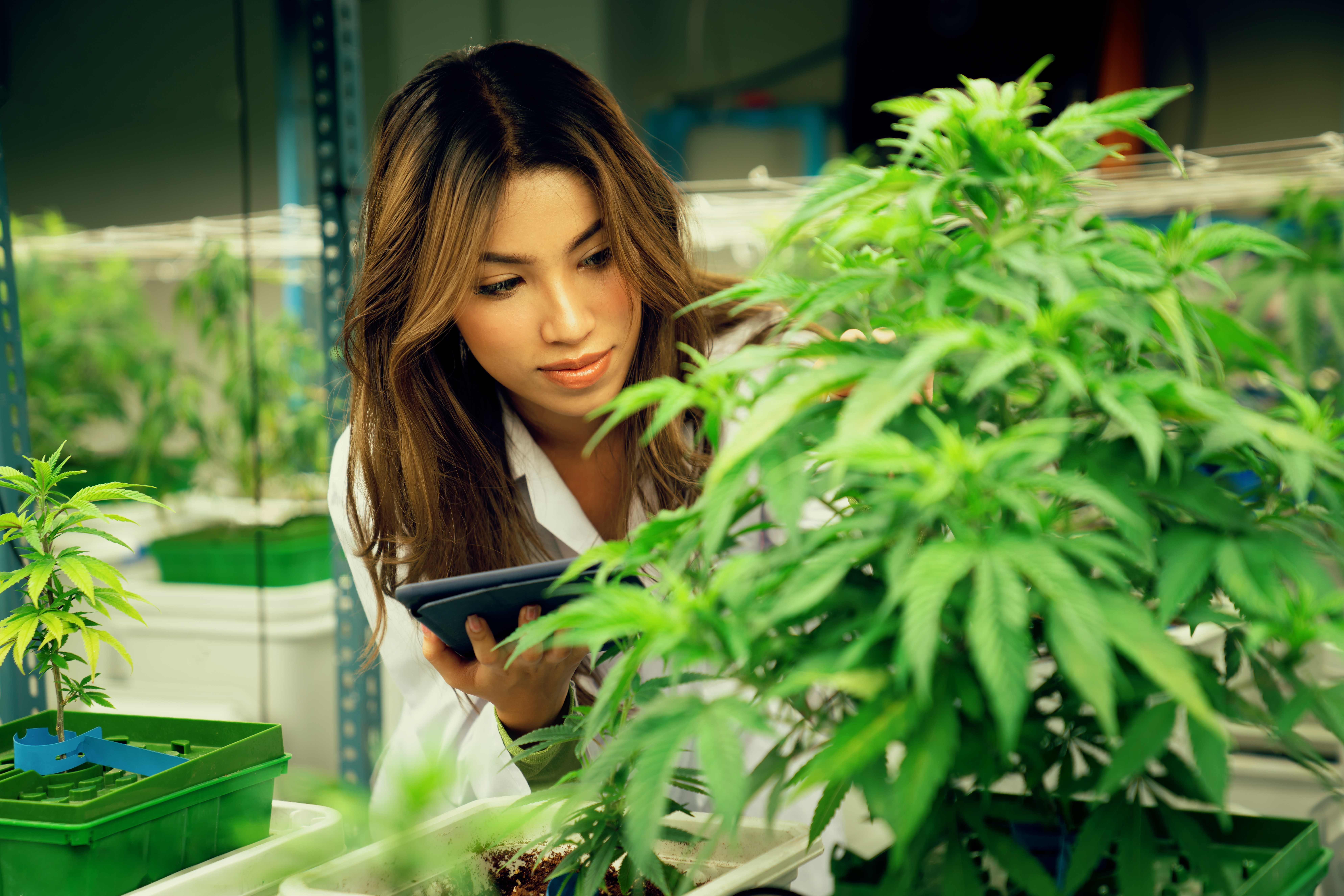
Many people ask why indoor cannabis is often called stronger than outdoor cannabis. This question comes up often because buyers, growers, and curious readers want to know what really makes one type seem more powerful than the other. In simple terms, “stronger” usually means the cannabis has a higher level of compounds that affect how it feels, smells, and performs. For most people, the main compound they think about is THC. THC is the cannabinoid most closely linked with the strong psychoactive effect of cannabis. When a product has more THC, people often describe it as stronger. But THC is only one part of the full picture.
Cannabis strength, also called potency, includes more than just one number on a label. Potency can also be shaped by other cannabinoids and by terpenes. Cannabinoids are the natural chemical compounds found in the cannabis plant. THC and CBD are the best known, but they are not the only ones. Terpenes are the compounds that give cannabis its smell and may also shape the overall experience. For example, one product may test high in THC but still feel different from another product with a similar THC level because the terpene profile is different. This is one reason why talking about cannabis strength can be more complex than it first seems.
To understand why indoor cannabis is often seen as stronger, it helps to know the basic difference between indoor and outdoor growing methods. Indoor cannabis is grown inside a controlled space, such as a grow room, warehouse, or other enclosed area. In this setup, growers manage almost every part of the plant’s environment. They control the light, temperature, humidity, airflow, water, and feeding schedule. Outdoor cannabis is grown outside under natural sunlight and natural weather conditions. Growers can still care for the plants, but they do not have the same level of control over the environment. Rain, heat, wind, pests, and changing seasons all affect how the plants grow.
This difference in growing conditions is one of the main reasons the indoor versus outdoor debate matters. The environment around a cannabis plant affects how the plant develops from seedling to harvest. Cannabis is a responsive crop. It reacts to stress, light quality, temperature changes, water supply, and nutrient levels. When growers can control those factors very closely, they can often guide the plant toward steady growth and better consistency. That is a major advantage of indoor cultivation. Outdoor growing can also produce excellent cannabis, but the results can vary more because nature is harder to predict.
Many buyers see indoor cannabis as premium because it often looks more polished and tests higher in THC. Buds grown indoors may have a dense structure, bright color, and thick trichome coverage. Trichomes are the tiny, crystal-like structures on the plant where many cannabinoids and terpenes are produced. A heavy trichome coating often makes cannabis look more potent, and in many cases it is linked with high cannabinoid content. Indoor growers often aim for this result by keeping the plant in a stable environment that supports resin production. Outdoor cannabis may still be high quality, but it may look different because it has grown under changing natural conditions.
At the same time, it is important not to oversimplify the issue. Indoor does not always mean better, and outdoor does not always mean weak. Genetics play a huge role in how strong a cannabis plant can become. A plant with strong genetics for high THC can perform well in different environments, though the final result may still depend on how it is grown. The timing of harvest also matters. If a plant is cut too early or too late, the cannabinoid profile can shift. Drying and curing matter too, because poor post-harvest handling can reduce quality even after a strong crop has been grown. In other words, strength is shaped by many connected steps, not just whether the plant was grown inside or outside.
This topic matters because people often want a clear answer to a simple question: why is indoor weed stronger than outdoor? The answer usually comes down to control. Indoor growers can fine-tune the growing space in ways that are difficult outdoors. They can use strong artificial lights, set exact light cycles, keep humidity in a target range, and protect plants from many outside threats. These choices can support steady plant growth and can help increase the development of cannabinoids and terpenes. Outdoor growers rely on the power of the sun, which can be a major benefit, but they also face more variables that may affect the final product.
In this article, the goal is to explain these differences in a clear and practical way. We will look at what cannabis potency really means, how indoor and outdoor methods differ, and why those differences can affect THC levels, resin production, and overall quality. We will also examine lighting, climate control, nutrients, plant stress, genetics, harvest timing, and post-harvest handling. By the end, readers will have a better understanding of why indoor cannabis is often described as stronger, while also seeing that outdoor cultivation can still produce powerful and high-quality flower under the right conditions.
What Does Cannabis Potency Mean?
Cannabis potency means how strong a cannabis product is. In most cases, people use the word potency to talk about how much THC a product contains. THC is the main cannabinoid linked to the intoxicating effect of cannabis. When a person says a flower, vape, or concentrate is strong, they usually mean it has a higher THC level or creates a stronger overall effect.
Even so, potency is not just about one number on a package. Cannabis is made up of many natural compounds. These compounds work together and affect how the product feels. That is why two cannabis products with similar THC levels may still feel different. One may feel more intense, while another may feel smoother, lighter, or more balanced. To understand potency the right way, it helps to look at cannabinoids, terpenes, lab testing, and strain variation as a whole.
THC, CBD, and Other Cannabinoids
THC stands for tetrahydrocannabinol. It is the cannabinoid most often used to measure cannabis strength. In flower, THC is usually shown as a percentage. In oils, vapes, and edibles, it is often shown in milligrams. A higher THC level often means a stronger psychoactive effect, but it does not tell the full story by itself.
CBD, or cannabidiol, is another major cannabinoid. Unlike THC, CBD does not cause the same intoxicating effect. It is often discussed because it may change how a person experiences THC. In some products, CBD may make the overall effect feel more even or less intense. Because of this, a product with both THC and CBD may feel different from one that is mostly THC, even if the THC level is high.
Cannabis also contains other cannabinoids in smaller amounts. These can include CBG, CBN, CBC, and others. They are usually present in lower levels, but they still matter. These compounds may add to the overall effect of the product. This means potency is not only about the main cannabinoid. It is also about the full chemical profile of the plant.
When people compare indoor and outdoor cannabis, they often focus on THC because it is easy to measure and easy to market. But true potency is more than a single THC percentage. The plant’s total cannabinoid makeup helps explain why some cannabis feels stronger, richer, or more complete than others.
How Terpenes Influence Perceived Strength
Terpenes are aromatic compounds found in cannabis and many other plants. They give cannabis its smell and flavor. Some terpenes may smell earthy, citrusy, fruity, spicy, or pine-like. While terpenes are best known for aroma, they also help shape how cannabis feels to the user.
This is why perceived strength can be different from lab-measured THC strength. A cannabis flower with moderate THC but a rich terpene profile may feel more powerful than another flower with higher THC but weaker aroma and less terpene content. In simple terms, the product may not test as the strongest, but it may still feel stronger to the person using it.
For example, one cannabis product may feel sharp and intense, while another may feel calm and steady. The THC numbers may be close, but the terpene mix can change the overall experience. This is one reason many growers and buyers look beyond THC alone when they judge quality and potency.
Terpenes also help explain why indoor cannabis is often seen as premium. Indoor growers can control heat, light, humidity, and harvest timing more closely. That can help protect delicate terpenes and create a more concentrated final product. So when people say indoor cannabis is stronger, they may be reacting to both higher THC and a more noticeable terpene profile.
How Potency Is Measured Through Laboratory Testing
Cannabis potency is usually measured through lab testing. A sample of flower or cannabis oil is sent to a laboratory, where it is tested for cannabinoids and sometimes terpenes. The lab then provides results that show how much THC, CBD, and other compounds are present.
For cannabis flower, potency is often shown as a percentage by weight. For example, a flower labeled 20% THC means that part of the flower’s chemical content is THC. For oils or edibles, potency is often listed in milligrams. These numbers help buyers compare products, but they should still be read with care.
Lab results can vary for several reasons. One reason is sampling. Not every part of a cannabis plant is exactly the same. The top buds may test differently from lower buds. One batch may also differ from the next batch, even if it comes from the same strain. Growing conditions, harvest timing, drying, and storage can all affect the final result.
Testing methods can matter too. Different labs may use different equipment or slightly different standards. That is why potency numbers are helpful, but they are not perfect. They offer a useful guide, not a complete description of how the product will feel.
Why Potency Varies Even Within the Same Strain
Many people think a strain will always have the same strength, but that is not how cannabis works. Even within the same strain, potency can change. This happens because genetics are only one part of the story. The growing environment also plays a major role.
A plant grown indoors under steady light, controlled heat, and careful feeding may produce different results than the same strain grown outdoors in changing weather. Soil quality, water supply, pest pressure, and stress can all change how cannabinoids develop. This means one version of a strain may test much higher than another version of that same strain.
Harvest timing also matters. If a grower harvests too early or too late, the cannabinoid profile may shift. Drying and curing can also affect the final product. Poor post-harvest handling may lower quality, reduce terpene retention, or make the cannabis feel less potent overall.
This is why strain names alone do not guarantee strength. A well-grown crop and a poorly grown crop can produce very different outcomes, even if both come from the same genetic line. When comparing indoor and outdoor cannabis, this is an important point. Indoor growers often have more control over the factors that shape potency, so their final product may be more consistent.
Cannabis potency means more than just a high THC number. THC is a major part of strength, but CBD, minor cannabinoids, terpenes, lab testing, and growing conditions all matter too. Potency is best understood as the full chemical and sensory strength of a cannabis product, not just one figure on a label. This helps explain why cannabis from the same strain can feel different, and why indoor cannabis is often described as stronger than outdoor.
Why Is Indoor Weed Often Stronger Than Outdoor?
Many people ask why indoor weed is often called stronger than outdoor weed. In most cases, the answer comes down to control. Indoor cannabis grows in a space where the grower can manage almost everything the plant needs. Outdoor cannabis grows under natural conditions, which can be good in some ways, but those conditions also change from day to day. Because of that, indoor plants often grow in a more stable and predictable way.
When people say indoor weed is stronger, they usually mean it has higher THC levels or a more intense effect. THC is the main compound in cannabis that causes the high. Indoor growing does not automatically make every plant stronger, but it gives growers more tools to push plants toward high cannabinoid production. That is why indoor cannabis often tests at higher potency than outdoor cannabis.
Controlled growing environments and their effect on plant development
Indoor growing gives cannabis plants a controlled environment. This means the grower can manage the room, tent, or facility where the plants live. Light, temperature, humidity, airflow, water, and nutrients can all be adjusted on purpose. This level of control can have a big effect on how the plant develops from seedling to harvest.
Cannabis plants respond to their environment all the time. If the environment is too hot, too cold, too wet, or too dry, the plant may not grow at its best. A stressed plant may spend more energy trying to survive instead of building flowers rich in cannabinoids and terpenes. In an indoor setup, growers can reduce many of these problems before they harm the plant.
Indoor plants also tend to receive more uniform care. Each plant can be placed at the right distance from the light. Watering can follow a set schedule. Feeding can be measured more closely. This helps plants grow more evenly. When plant growth is more even, flower quality often becomes more consistent too. That consistency is one reason indoor cannabis is often seen as premium.
Consistency in temperature, humidity, and lighting
One major reason indoor weed can be stronger is that indoor growers can keep temperature and humidity in a narrow range. Cannabis plants do best when conditions stay close to ideal. If the temperature swings too much, plant growth can slow down. If humidity is too high, mold and mildew may become a problem. If humidity is too low, the plant may become stressed.
Outdoor plants face all kinds of weather changes. A hot day can be followed by a cold night. A dry week can be followed by heavy rain. Strong wind, heat waves, or sudden storms can affect how the plant grows. These changes are normal outside, but they can make it harder for the plant to stay in peak condition through the whole growing cycle.
Lighting is another big factor. Indoor growers can set the light schedule with precision. During the vegetative stage, plants can get long periods of light. During flowering, growers can switch to a strict light and dark cycle. This helps guide the plant through each growth stage at the right time. Controlled lighting can support dense bud development and strong resin production, which can lead to higher potency.
Ability to optimize nutrient delivery
Cannabis plants need the right mix of nutrients to grow well. These include nitrogen, phosphorus, potassium, and smaller trace minerals. Indoor growers often have a better chance to control feeding because they can measure what goes into the growing medium and watch how plants respond.
When nutrient delivery is well managed, the plant can focus on healthy leaf growth, root development, and flower formation. During flowering, proper nutrition can support bud growth and cannabinoid production. If plants get too little or too much of certain nutrients, growth may suffer. This can affect both yield and strength.
Outdoor growers can still grow healthy plants, but they usually have less control. Rain can wash nutrients through the soil. Soil quality may vary from one area to another. Pests or nearby plants can also affect nutrient use. Indoor systems, especially hydroponic or carefully managed soil systems, allow growers to make quicker changes if a problem appears. This can help keep plants in a more ideal state from start to finish.
Protection from environmental stress and contaminants
Outdoor cannabis plants face many outside threats. These include insects, animals, mold, dust, heavy wind, and sudden weather events. Even when a grower does a good job outdoors, nature can still interfere. A storm near harvest can damage buds. Too much rain can raise the risk of rot. Long dry periods can stress the plant. These problems may reduce final quality.
Indoor cannabis is not free from problems, but it is better protected from many outside threats. The grower can filter air, clean the space, inspect plants often, and respond faster to signs of trouble. Keeping the growing area enclosed can also reduce the chance of outside contamination.
When plants deal with less stress, they often grow in a more stable way. That does not mean all stress is bad, because some forms of mild stress can affect plant chemistry. Still, heavy or repeated stress usually hurts plant health more than it helps. Indoor cultivation lowers the chance of major environmental damage, and that can support better flower quality and stronger final product.
Indoor weed is often stronger than outdoor weed because the grower has much more control over the plant’s environment. Stable temperature, steady humidity, planned lighting, and precise feeding all help the plant grow under near-ideal conditions. Indoor plants are also better protected from storms, pests, and other outdoor problems that can lower quality.
This does not mean outdoor cannabis is always weak. Outdoor plants can still be potent, especially in the right climate and with skilled growing methods. But indoor cultivation gives growers a better chance to produce consistent, high-THC flowers again and again. In simple terms, indoor weed is often stronger because the plant has fewer problems, more support, and a more controlled path from growth to harvest.
How Lighting Affects Cannabis Strength
Lighting is one of the biggest reasons indoor cannabis is often stronger than outdoor cannabis. Cannabis plants use light to grow, form flowers, and make cannabinoids like THC and CBD. They also use light to produce terpenes, which affect smell, flavor, and how the cannabis feels to the user. When growers control light well, they can guide the plant through each growth stage in a steady and careful way. This can lead to flowers with more resin, stronger cannabinoid content, and a more consistent result.
Indoor growers pay close attention to lighting because the cannabis plant reacts strongly to both the amount of light and the timing of light. Light is not just a source of energy for the plant. It also acts like a signal. It tells the plant when to grow leaves, when to stretch, and when to begin flowering. Since indoor growers can control these signals, they can create conditions that help the plant focus on strong flower production.
Importance of Light Intensity for Cannabinoid Production
Light intensity means how strong the light is. Cannabis plants usually need a lot of light, especially during the flowering stage. When the plant receives enough strong light, it can make more energy through photosynthesis. That energy helps the plant grow larger buds and support the production of cannabinoids and terpenes.
If the light is too weak, the plant may stretch too much as it tries to reach the light source. It may also produce smaller buds and less resin. Less resin often means lower levels of THC and other compounds. This is one reason some cannabis turns out less potent. The plant simply did not get enough strong light at the right time.
Indoor growers can increase light intensity to a level that supports healthy growth without causing too much stress. This balance matters. Very high light can sometimes damage the plant if heat is also too high. But when light intensity is managed well, it can help the plant direct more of its energy into flower and resin production. That is one reason indoor cannabis is often described as dense, frosty, and strong.
Comparison Between Artificial Grow Lights and Natural Sunlight
Natural sunlight is powerful and full spectrum, which means it contains a wide range of light wavelengths. Outdoor cannabis plants can benefit from this. In good weather and in the right climate, sunlight can help cannabis grow very large and healthy. However, sunlight changes every day. Cloud cover, storms, shade, shorter days, and seasonal changes can all affect how much light the plant gets.
Indoor grow lights are different because they are controlled by the grower. The plant gets light on a set schedule every day. The grower can also place the lights at the proper distance from the canopy, which is the top layer of the plants. This creates more even light across the crop. Instead of depending on weather and season, the indoor grower builds a repeatable light environment.
Sunlight may be stronger in some situations, but indoor lighting is more consistent. That consistency can make a major difference. A cannabis plant that gets stable light day after day is less likely to deal with interruptions that slow growth or reduce flower quality. This is one reason indoor cannabis often tests higher in THC. The plant spends more time in a carefully managed environment.
Types of Indoor Lighting Used in Cannabis Cultivation
Indoor cannabis growers use several kinds of grow lights. Common types include LED lights, high-pressure sodium lights, and metal halide lights. Each type has different strengths. Some are used more during the vegetative stage, while others are popular during flowering.
LED lights are widely used because they are energy efficient and can produce strong light with less heat than older systems. This helps growers keep the grow room stable. High-pressure sodium lights have also been popular for flowering because they provide strong light that can help support bud development. Metal halide lights have often been used during the earlier growth stage because of their light spectrum.
The type of light matters, but what matters more is how well it is used. A good indoor setup places lights at the right height, gives plants the right number of light hours, and avoids hot spots or dark areas. When growers manage these details well, the plants receive steady support from seedling to harvest.
How Growers Control Light Cycles to Increase Potency
Cannabis plants are sensitive to light cycles. In the vegetative stage, growers often give the plants long periods of light each day. This helps the plants grow stems, branches, and leaves. When it is time for flowering, growers change the schedule to give the plant longer periods of darkness. This signals the plant to begin making flowers.
This control is very useful indoors. Outdoor plants must follow the natural season. Indoor plants do not. Growers can decide when flowering starts and how long each stage lasts. This helps them plan the growth cycle with more precision.
A steady light cycle reduces confusion and stress for the plant. If the light schedule changes too much, the plant may not flower well. In some cases, unstable light can even cause poor bud formation. Indoor growers avoid this by using timers and controlled systems. As a result, the plant can stay focused on flower growth and resin production. This can improve the final strength of the cannabis.
Effects of Light Spectrum on Plant Chemistry
Light spectrum means the different colors or wavelengths of light. Cannabis plants respond in different ways to different parts of the light spectrum. Blue light is often linked with compact vegetative growth. Red light is often linked with flowering and bud development. A balanced spectrum can support the plant through its full life cycle.
This matters because plant chemistry does not develop by chance. The way a plant grows affects the way it produces cannabinoids and terpenes. If the light spectrum supports healthy structure and strong flower formation, the plant may produce better resin and stronger chemical content. Indoor growers can choose lights that are designed to give the plant the spectrum it needs at each stage.
Outdoor plants receive natural sunlight, which includes a full spectrum, but they cannot avoid changes caused by weather, season, and location. Indoor growers, by contrast, can make adjustments to support more uniform development. This can help explain why indoor cannabis often has a more predictable potency level from one harvest to the next.
Lighting plays a major role in cannabis strength. Strong and steady light helps the plant grow healthy flowers and produce more resin, which is where many important compounds are found. Indoor growers often have an advantage because they can control light intensity, timing, and spectrum with much more precision than outdoor growers can. While sunlight is powerful and can support excellent outdoor crops, indoor lighting creates a more stable environment. That stability often leads to stronger, more consistent cannabis.
Environmental Control in Indoor Cannabis Cultivation
Indoor cannabis is often seen as stronger than outdoor cannabis because growers can control the growing space very closely. This control affects how the plant grows, how healthy it stays, and how much resin it makes. Resin is important because it contains many of the cannabinoids and terpenes that shape the plant’s strength, smell, and overall quality. When growers can manage the environment day after day, they can create conditions that help the plant perform at its best.
Outdoor plants grow under the sun, and that can be a major benefit. But outdoor conditions also change all the time. A hot week, a cold night, too much rain, dry air, or strong wind can all affect plant growth. Indoor growing reduces those sudden changes. That is one of the main reasons many indoor growers can produce cannabis with more consistent potency.
Regulation of Temperature and Humidity Levels
Temperature and humidity are two of the most important parts of the indoor growing environment. Cannabis plants do best when both stay within a healthy range. If temperatures get too high, the plant may become stressed. If they get too low, growth can slow down. In both cases, the plant may use more energy trying to survive instead of building flowers and producing cannabinoids.
Indoor growers can adjust heating and cooling equipment to keep temperatures steady during the day and at night. This matters because cannabis plants respond to temperature changes at every stage of growth. During the vegetative stage, the plant needs conditions that support leaf and stem growth. During the flowering stage, the plant needs a different balance to help buds develop well. A stable indoor setup makes that easier to achieve.
Humidity is also very important. If humidity is too high, plants may face mold or mildew problems, especially when buds become thick and dense. If humidity is too low, the plant may dry out too fast and struggle to function well. Indoor growers can use humidifiers, dehumidifiers, and ventilation tools to keep moisture in the air at better levels.
This close control helps the plant stay in a more comfortable environment. When the plant is not fighting heat stress, cold stress, or moisture problems, it can focus more on healthy growth. That can lead to better flower development, stronger resin production, and more even results across the crop.
Carbon Dioxide Management and Its Role in Plant Growth
Cannabis plants use carbon dioxide, or CO2, during photosynthesis. This is the process plants use to turn light, water, and CO2 into energy for growth. In an outdoor setting, plants use the CO2 that is naturally present in the air. Indoors, growers can sometimes manage CO2 levels more closely.
In some indoor grow rooms, growers add extra CO2 to support faster or stronger plant growth. This is usually done only when the rest of the environment is already well controlled. If lighting, temperature, watering, and nutrients are not in balance, adding more CO2 will not help much. But when all these parts work together, the plant may use that extra CO2 to grow more efficiently.
This does not mean CO2 alone makes cannabis stronger. It is only one part of the whole system. Still, it can support better growth when used correctly. Stronger plant growth may help the plant produce larger, healthier flowers. Under the right indoor conditions, this can support higher cannabinoid development and better overall quality.
Indoor growers can also make sure air does not become stale. In a sealed or semi-sealed room, plants can use up available CO2 quickly. Good environmental control helps maintain fresh air or proper CO2 supply, which supports steady growth from one day to the next.
Airflow and Ventilation Systems
Airflow is another major part of indoor environmental control. Cannabis plants need moving air for several reasons. First, airflow helps keep temperature and humidity more even across the room. Without it, some plants may get too warm while others stay cooler. Some spots may become too damp, which can raise the risk of mold.
Second, gentle air movement helps plants grow stronger stems. When air moves around the plant, it creates a more natural condition that encourages structure and support. This is useful as buds begin to gain weight later in the flowering stage.
Ventilation systems also help remove excess heat from grow lights and equipment. Indoor lighting can produce a lot of heat, especially in closed spaces. Without proper ventilation, the room may become too hot very quickly. That can stress plants and reduce quality.
Ventilation also helps control odor, humidity, and air freshness. Fresh air supports healthy plant function. It also lowers the chance that moisture will sit around buds and leaves for too long. This matters because dense cannabis flowers can trap moisture, and trapped moisture can lead to rot or fungal growth.
By using fans, intake systems, exhaust systems, and filters, indoor growers can keep the room more balanced. This level of control is difficult to match outdoors, where wind, rain, and daily weather shifts are always changing.
Precision Control Compared With Outdoor Climate Variability
The biggest difference between indoor and outdoor growing is consistency. Outdoor growers work with nature. Indoor growers build a controlled system. Outside, even a skilled grower cannot fully control a heat wave, a cold front, a week of heavy rain, or sudden dry weather. These changes can affect how the plant grows and how much energy it puts into flower and resin production.
Indoor cultivation reduces this uncertainty. The grower can decide how much light the plant gets, how warm the room stays, how much moisture stays in the air, and how often air moves through the space. This means the plant is exposed to fewer shocks and fewer sudden changes.
That consistency can make a big difference over time. Cannabis plants grow through many stages, and each stage depends on the environment. If conditions stay stable, the plant can develop in a more predictable way. Bud structure may become more uniform. Resin production may be stronger. Potency may also be more consistent from one harvest to the next.
Outdoor cannabis can still be excellent, especially in regions with long, sunny seasons and mild weather. But outdoor results often depend more on local climate and timing. Indoor growing gives the cultivator more direct control over the outcome.
Impact on Resin Production and Cannabinoid Development
Resin production is one of the most important reasons indoor cannabis is often seen as stronger. The resin contains compounds such as THC, CBD, and many terpenes. These compounds help shape the effects, aroma, and flavor of the plant.
When a cannabis plant grows in a stable indoor environment, it may be better able to direct its energy toward flower and resin development. Good temperature control, proper humidity, balanced airflow, and strong environmental management all support this process. The goal is not only to grow bigger buds, but also to grow buds with strong chemical content.
Stress can sometimes increase certain plant defenses, but too much stress often harms quality. A plant that deals with repeated weather swings, water problems, pests, or mold risk may not develop as evenly. Indoor growers try to reduce these harmful stresses while still giving the plant what it needs to mature fully.
As a result, indoor flowers are often dense, resin-rich, and visually consistent. This does not mean every indoor crop is stronger than every outdoor crop. Growing skill, genetics, harvest timing, and post-harvest handling also matter. Still, controlled indoor environments often give growers a better chance of producing cannabis with higher and more reliable potency.
Environmental control is one of the main reasons indoor cannabis is often stronger than outdoor cannabis. Indoor growers can regulate temperature and humidity, manage airflow, support photosynthesis through CO2 control, and reduce sudden climate changes that may stress the plant. These factors help create a stable space where cannabis can grow well and produce healthy flowers.
Indoor cultivation gives growers more control over the conditions that shape plant strength. When that control is used well, it can support better resin production, stronger cannabinoid development, and more consistent results. That is why environmental control plays such a major role in the indoor versus outdoor cannabis debate.
Nutrient Management and Feeding Precision
Nutrient management is one of the main reasons indoor cannabis often tests stronger than outdoor cannabis. Cannabis plants need the right balance of food at every stage of growth. When growers can control that balance closely, plants usually grow more evenly and produce more resin. Resin matters because it holds much of the plant’s THC, terpenes, and other cannabinoids.
Indoor growing gives cultivators more control over what the plant receives each day. Outdoor growing can still produce healthy plants, but the feeding process is less exact because the environment changes more often. Rain, wind, heat, cold, and soil changes can affect how nutrients move through the plant. That is why feeding precision is such an important part of the indoor versus outdoor cannabis discussion.
How indoor growers monitor and control nutrients
Indoor growers can measure almost every part of the feeding process. They can track how much nitrogen, phosphorus, and potassium a plant gets. They can also watch smaller nutrients like calcium, magnesium, sulfur, iron, zinc, and manganese. These nutrients all support plant growth in different ways. Some help build leaves and stems. Others help the plant make flowers, oils, and resin.
Because indoor growers work in a controlled space, they can feed plants on a set schedule. They can change the mix during each stage of life. In the early vegetative stage, plants usually need more nitrogen to grow strong stems and healthy leaves. In the flowering stage, growers often reduce nitrogen and increase phosphorus and potassium. This shift supports bud development and helps the plant focus more energy on flower production.
Indoor growers also test the pH and electrical conductivity, or EC, of the water and nutrient solution. pH matters because it affects how well the plant can absorb nutrients. Even when nutrients are present, the plant may not use them well if the pH is too high or too low. EC helps growers estimate how strong the nutrient mix is. If the mix is too weak, the plant may not get enough food. If it is too strong, the plant can suffer nutrient burn. With indoor growing, these problems can often be spotted and corrected quickly.
This level of control helps plants avoid major swings in growth. Steady growth often leads to more uniform flowers, better trichome production, and more reliable potency from one harvest to the next.
Differences between soil, hydroponic, and other indoor growing systems
Indoor cannabis can be grown in several ways, and each system affects feeding. Soil growing is one common method. In soil, nutrients are held in the growing medium and released over time. This can create a more natural buffer, which means mistakes may be less severe at first. Good soil can also support microbial life that helps break down nutrients into forms the plant can use.
Hydroponic systems are different. In hydroponics, plants are usually grown in water with a nutrient solution instead of regular soil. Because the roots sit in or near nutrient-rich water, plants can absorb food quickly. This often leads to fast growth and large yields. It also gives growers very direct control over feeding. They can change the formula quickly if the plant shows signs of stress or deficiency.
Other indoor systems, such as coco coir growing, sit somewhere between soil and hydroponics. Coco coir can hold water well while also allowing strong root airflow. It often requires frequent feeding, but it also gives growers close control over nutrient levels.
Each method has strengths and limits, but they all offer more precision than many outdoor settings. The main point is that indoor growers can match the feeding system to the needs of the plant and the goals of the crop.
Effects of balanced nutrients on cannabinoid concentration
Balanced nutrients support plant health, and healthy plants usually have a better chance of producing strong flowers. Cannabinoid concentration does not come from nutrients alone, but feeding plays a major role in helping the plant reach its genetic potential. A plant that receives the right nutrients at the right time can devote more energy to flower growth and resin development.
When nutrient levels are balanced, the plant is less likely to waste energy dealing with stress. Instead, it can focus on building dense buds and producing trichomes. Trichomes are the small resin glands that contain much of the THC and many aromatic compounds. If the plant stays healthy through the full cycle, trichome production is often better and more consistent.
Balanced feeding also helps with leaf health, root strength, and water movement through the plant. These basic functions matter because they support photosynthesis and flower formation. If one part of the system fails, the plant may survive, but it may not produce top-quality buds.
That is why skilled indoor growers treat nutrients as part of a complete system. Lighting, temperature, humidity, airflow, and feeding all work together. Strong cannabis is often the result of this full system staying in balance from start to finish.
Risks of nutrient deficiencies in outdoor environments
Outdoor cannabis plants face more variables, and those variables can make nutrient problems harder to manage. The soil outdoors may look rich, but nutrient levels can vary from one part of the ground to another. Heavy rain can wash nutrients away. Dry weather can slow nutrient uptake. Extreme heat can stress roots and affect how the plant uses water and minerals.
Outdoor growers also have less control over timing. If a nutrient deficiency appears, a fix may take longer to work because weather conditions can slow recovery. For example, a plant with low nitrogen may yellow and lose vigor. A plant with low calcium or magnesium may develop weak spots or poor growth. During flowering, these issues can reduce bud quality and overall potency.
Soil pH can also shift outdoors due to rain, irrigation water, and natural soil conditions. When the pH moves out of range, plants may struggle to take in nutrients even if the nutrients are present. This creates a problem called nutrient lockout. Lockout can weaken the plant and reduce its ability to produce large, resin-rich flowers.
Outdoor cultivation can still succeed, especially in good climates with skilled growers, but nutrient control is usually less exact. That lower precision is one reason outdoor cannabis may vary more in strength.
Why precise feeding can influence plant potency
Precise feeding can influence potency because cannabis plants respond to consistency. When plants receive the right amount of nutrients, water, and root-zone support, they are more likely to grow without major interruptions. This helps them complete their life cycle in a stable way. Stable growth supports better flower formation and stronger resin production.
Precise feeding does not mean giving more nutrients. In fact, overfeeding can hurt the plant. Too much fertilizer can burn roots, damage leaf tissue, and reduce flower quality. Precision means giving the plant what it needs, when it needs it, and in the right amount. Indoor growers are often better able to do this because their environment is controlled.
Over time, this careful approach can lead to buds that are denser, more uniform, and often higher in THC. It can also help preserve terpene quality, which shapes aroma, flavor, and the way strength is perceived by users. Potency is not only about a high THC number. It is also about how well the plant developed through the full growing process.
Nutrient management is a major part of why indoor cannabis is often seen as stronger than outdoor cannabis. Indoor growers can monitor feeding closely, adjust nutrients by growth stage, and respond fast when problems appear. Systems like soil, hydroponics, and coco coir all allow more control than many outdoor setups. Balanced nutrients help the plant stay healthy and support strong trichome production, while outdoor plants face more risk from changing soil and weather conditions. When feeding is precise and steady, cannabis plants are more likely to reach their full potential in strength and overall quality.
Protection From Environmental Stress and Pests
One big reason indoor cannabis is often stronger than outdoor cannabis is protection. Cannabis plants are living organisms, and like all plants, they react to their surroundings. When a plant faces too much stress, it has to spend energy dealing with that stress instead of putting that energy into growth, flower development, and resin production. Since cannabinoids like THC are made in the plant’s flowers and trichomes, anything that harms healthy flower growth can affect strength in the final product.
Indoor growing gives cultivators more control over what the plant faces each day. Outdoor growing can still produce healthy plants, but it also exposes them to many risks that are hard to predict or manage. These risks include pests, diseases, strong winds, heavy rain, drought, heat waves, and sudden drops in temperature. All of these can change how the plant grows and how much resin it produces.
Common Outdoor Threats Such as Pests, Diseases, and Weather Extremes
Outdoor cannabis plants grow in a natural environment, which means they are open to many outside threats. In some ways, this is normal for any crop. But cannabis can be sensitive, especially during the flowering stage. This is the stage when the plant is making dense buds, sticky trichomes, and important compounds like THC and terpenes. If something damages the plant during this time, the quality and strength of the harvest may drop.
Pests are one of the most common problems outdoors. Aphids, spider mites, caterpillars, thrips, and whiteflies can all feed on cannabis plants. Some chew leaves. Others suck fluids from the plant. Even when pests do not destroy the whole crop, they weaken the plant and reduce its ability to grow well. A plant that is losing nutrients and energy to insects may not produce flowers as fully as a healthy plant would.
Disease is another serious problem. Outdoor plants can be exposed to mold, mildew, root rot, and fungal infections. Bud rot is one of the biggest concerns because it can damage flowers from the inside. A bud may look fine at first, but moisture trapped inside dense flower clusters can lead to rot. When this happens, growers may lose large parts of the crop. Even if some flowers survive, damaged plants often do not reach the same level of quality or potency.
Weather is also a major factor. Outdoor cannabis plants cannot escape the climate around them. They may face long periods of rain, very high heat, cold nights, dry air, or strong wind. A sudden storm can break branches or soak flowers. Too much humidity can increase mold risk. Too little water can slow growth. A plant growing outdoors must adapt to all of this, and not every season is ideal.
How Storms, Drought, and Temperature Swings Affect Plant Chemistry
Environmental stress does more than change how a plant looks. It can also change what is happening inside the plant. Cannabis chemistry is shaped by growing conditions. When the environment becomes too harsh, the plant may shift its energy away from building large, healthy flowers.
Storms are a good example. Heavy rain can physically damage buds and leaves. Wet conditions can also dilute the growing environment and raise the chance of fungal disease. If storms happen late in the season, close to harvest, they can be especially harmful because mature flowers are more dense and more likely to trap moisture.
Drought also creates problems. Cannabis needs water for nearly every part of growth. When water is limited, the plant cannot move nutrients as well. Photosynthesis slows down, growth becomes weaker, and flower development may stall. Some stress can change resin output, but too much stress usually harms the plant more than it helps. A severely dry plant is not likely to perform at its best.
Temperature swings can also reduce consistency. Cannabis tends to grow best within a stable temperature range. If days are very hot and nights are too cold, the plant has to keep adjusting. These changes can affect metabolism, nutrient uptake, and flower formation. Extreme heat may also reduce terpene retention because some aromatic compounds are more sensitive to high temperatures. This can change not only how strong the cannabis feels, but also how it smells and tastes.
Pest Management in Indoor Environments
Indoor growing does not remove every risk, but it makes pest control much easier. In a closed environment, growers can check plants more often and respond faster when a problem appears. They can inspect leaves, monitor humidity, clean equipment, and limit outside contamination. This makes it easier to stop a small pest issue before it turns into a major outbreak.
Indoor grow rooms are also easier to protect because fewer outside factors enter the space. There is no direct exposure to wild insects, heavy rain, or dirty runoff from surrounding land. Many indoor cultivators use clean growing practices such as filtered air, sealed rooms, controlled watering, and routine sanitation. These steps lower the chance that pests or disease will spread across the crop.
Because indoor growers have more control, they can keep the plant in a more stable and healthy condition from start to finish. A healthier plant is better able to focus on flower growth and resin production. That does not guarantee the strongest cannabis every time, but it improves the chances of getting a clean, potent harvest.
Reduced Plant Stress and Its Relationship to Cannabinoid Production
Cannabis plants produce cannabinoids and terpenes as part of their natural biology. These compounds develop mainly in the trichomes, which are the small resin glands found on the flowers. For strong flower production, the plant needs steady light, proper water, good airflow, balanced nutrients, and protection from major threats.
When stress becomes too high, the plant may not develop as well. It may grow slower, produce smaller buds, or form less resin. In some cases, stress can even lead to poor plant health late in the season, which lowers overall harvest quality. Indoor growers try to avoid these problems by creating a stable environment where the plant can stay healthy and productive.
This is one reason indoor cannabis often tests higher in THC. It is not only about lights or nutrients. It is also about reducing losses from pests, disease, and weather damage. The more stable the growing conditions, the easier it is for the plant to reach its full genetic potential.
Protection from environmental stress is a major advantage of indoor cannabis cultivation. Outdoor plants face many challenges, including insects, mold, storms, drought, and temperature swings. These problems can weaken the plant and reduce flower quality. Indoor growing allows better pest control and better protection from outside threats, which helps the plant stay healthy during the most important stages of growth. In simple terms, when cannabis plants deal with less stress, they are more likely to produce strong, resin-rich flowers.
Genetics and Strain Selection in Indoor Growing
Cannabis potency does not come from growing methods alone. One of the most important factors is genetics. Genetics refers to the inherited traits that a cannabis plant receives from its parent plants. These traits control how the plant grows, how much resin it produces, and how many cannabinoids it can create.
Growers often choose specific strains for indoor cultivation because they are known to produce strong effects and high levels of THC. When growers combine strong genetics with a controlled indoor environment, they can increase the chances of producing potent cannabis.
Understanding how genetics and strain selection work helps explain why indoor cannabis often appears stronger than outdoor cannabis.
The Role of Cannabis Genetics in Potency
Every cannabis plant has a genetic profile that determines its potential. This profile affects many characteristics, including plant size, flowering time, aroma, and cannabinoid production.
Some strains naturally produce higher levels of THC than others. THC, or tetrahydrocannabinol, is the main compound responsible for the psychoactive effects of cannabis. A plant with genetics that support high THC production has a greater chance of producing strong cannabis.
Genetics also influence the development of trichomes. Trichomes are the tiny crystal-like structures that form on cannabis flowers. These structures contain cannabinoids and terpenes. Plants with strong genetics often produce more trichomes, which can increase potency.
Even with perfect growing conditions, a plant cannot exceed the limits set by its genetics. In other words, genetics define the plant’s maximum potential strength.
Why High-THC Strains Are Commonly Grown Indoors
Indoor growers often focus on strains that are known for high THC content. These strains are bred specifically for potency and consistent results.
Growing these strains indoors allows cultivators to control the environment in ways that help the plants reach their genetic potential. Indoor spaces provide stable lighting, temperature, humidity, and nutrients. These conditions help high-THC strains grow more consistently.
Another reason high-THC strains are grown indoors is predictability. Indoor cultivation allows growers to repeat the same growing conditions each cycle. This makes it easier to produce cannabis with similar potency levels each time.
Because of this consistency, indoor facilities often prioritize strains that perform well in controlled environments and produce dense, resin-rich flowers.
Breeding Cannabis for Indoor Environments
Cannabis breeders often develop new strains specifically for indoor cultivation. Breeding is the process of selecting parent plants with desirable traits and combining them to create new varieties.
For indoor growing, breeders may focus on traits such as compact plant size, short flowering time, and high resin production. These characteristics work well in indoor spaces where lighting and space can be limited.
High resin production is especially important. Resin contains cannabinoids and terpenes, which contribute to potency and aroma. When breeders select plants that produce large amounts of resin, the resulting strains are more likely to produce strong cannabis.
Over time, many modern cannabis strains have been refined through selective breeding. This process has helped create plants that perform well under artificial lights and controlled environments.
Genetic Expression in Indoor vs Outdoor Growing
Although genetics determine the plant’s potential, the growing environment influences how those genetics are expressed. Genetic expression refers to how the plant’s traits appear during growth.
Indoor environments allow growers to manage factors such as temperature, light intensity, humidity, and nutrient levels. When these factors are carefully controlled, plants can develop in ways that support strong cannabinoid production.
Outdoor plants experience more environmental changes. Weather conditions, shifting temperatures, and seasonal changes can affect how a plant grows. These variations may influence how strongly certain genetic traits appear.
For example, a strain bred for high THC production may reach its full potential in a controlled indoor environment. The same strain grown outdoors might produce slightly different results because of environmental stress or inconsistent growing conditions.
This does not mean outdoor cannabis cannot be potent. However, indoor environments often make it easier for growers to maintain conditions that support consistent genetic expression.
Genetics play a central role in cannabis potency. Each strain has a genetic limit that determines how much THC and resin it can produce. Indoor growers often select strains with high-THC genetics and cultivate them in controlled environments that help those plants reach their full potential.
Selective breeding has also produced many strains designed specifically for indoor cultivation. These strains often produce dense flowers and high levels of resin when grown under controlled lighting and environmental conditions.
While genetics set the foundation for potency, the growing environment influences how those traits develop. Indoor cultivation allows growers to create stable conditions that support strong genetic expression. As a result, the combination of powerful genetics and precise environmental control often contributes to the higher potency associated with indoor cannabis.
Do Outdoor Cannabis Plants Ever Produce Strong Weed?
Outdoor cannabis plants can produce strong weed. Indoor cannabis often gets more attention for high THC levels, but outdoor plants can still become very potent under the right conditions. The idea that outdoor weed is always weak is too simple. Strength depends on many factors, including climate, sunlight, genetics, soil quality, water, plant care, and harvest timing. When these factors come together in a good way, outdoor cannabis can develop high cannabinoid levels, rich terpene content, and strong resin production.
Outdoor Cannabis Can Be Potent in the Right Conditions
Outdoor cannabis grows in a natural setting, which means the plant depends on the environment around it. This can be a challenge, but it can also be an advantage. If the plant gets strong sunlight, healthy soil, enough water, and a long growing season, it can grow large and healthy. A large, healthy plant has more time and space to build flowers, trichomes, and cannabinoids.
Potency is not only about THC percentage. It also involves the full chemical makeup of the plant. Outdoor cannabis can produce a wide range of cannabinoids and terpenes when it grows in stable and favorable conditions. In some cases, outdoor plants may test lower in THC than top indoor plants, but they may still feel strong because of the full mix of compounds in the flower.
Outdoor plants also tend to grow bigger than indoor plants. Because they have more root space and more natural light over a long period, they can produce large yields. Bigger size does not always mean stronger weed, but it can support full plant development when the plant stays healthy from seedling to harvest.
Natural Sunlight Can Be a Major Advantage
One of the biggest strengths of outdoor growing is sunlight. The sun gives cannabis a full light spectrum that is hard to copy perfectly indoors. Sunlight changes during the day and across the season, and this natural pattern supports normal plant growth. Cannabis evolved outdoors, so it is well suited to use this kind of light.
Strong sunlight helps the plant carry out photosynthesis, which is the process it uses to make energy. More energy can support better growth, stronger branches, fuller buds, and more resin production. Resin is important because trichomes, the sticky glands on cannabis flowers, contain much of the plant’s THC and terpenes.
In areas with long, bright days, outdoor cannabis can thrive. Full sun exposure can help plants develop dense flowers and strong aromas. However, sunlight alone does not guarantee high potency. The plant still needs the right genetics and proper care. Too much heat, poor soil, or weak genetics can reduce the plant’s final quality even if the sun is strong.
Some Climates Are Better for Potent Outdoor Cannabis
Climate plays a major role in outdoor cannabis strength. Not all regions are equally suited for growing potent plants. The best outdoor growing areas usually have long summers, lots of sun, low to moderate humidity, and mild weather during the flowering stage. These conditions help plants grow steadily without too much stress.
Warm daytime temperatures can support growth, but very high heat can harm the plant. If temperatures stay too hot for too long, the plant may become stressed. This can slow development or reduce flower quality. Cool nights can sometimes help the plant, but early frost can damage buds before harvest. Rain during late flowering can also be a problem because too much moisture can lead to mold and rot.
Dry regions with good airflow often help outdoor cannabis perform well. Good airflow lowers the risk of mildew and other plant diseases. Areas with a long growing season also give plants more time to mature fully. This matters because cannabinoids and terpenes continue to develop as the plant moves through flowering.
Greenhouse, Outdoor, and Indoor Growing Are Not the Same
It is also important to understand the difference between greenhouse, outdoor, and indoor production. These methods may seem similar, but they are not the same.
Outdoor cannabis grows fully outside under natural weather and sunlight. The grower has less control over temperature, humidity, rain, wind, and pests. This can make the crop more risky, but it also lowers some costs and uses natural light.
Indoor cannabis grows inside a controlled space. The grower can adjust lighting, temperature, humidity, air movement, and feeding schedules. This high level of control is one reason indoor weed is often more consistent and sometimes more potent.
Greenhouse growing sits between the two. Greenhouses use sunlight like outdoor grows, but they also give growers more control over the environment. A greenhouse can protect plants from heavy rain, strong wind, and some pests. It may also allow the grower to manage temperature and humidity more closely. Because of this balance, greenhouse cannabis can sometimes offer strong potency along with more stable growing conditions.
Why Outdoor Weed May Be Different, Not Necessarily Weaker
Outdoor cannabis is often described as weaker, but that is not always correct. In many cases, it is simply different. Indoor growers often focus on pushing THC levels as high as possible. Outdoor growers may produce flower with a broader natural profile. This can include strong aroma, complex terpene content, and a different balance of cannabinoids.
The final effect of cannabis depends on more than one number on a lab report. A plant with slightly lower THC may still feel powerful because of the way its cannabinoids and terpenes work together. For this reason, outdoor weed should not be judged only by whether it matches the highest indoor THC levels.
Outdoor cannabis plants can absolutely produce strong weed. When they are grown in a good climate, under strong sunlight, with solid genetics and proper care, they can develop impressive potency and quality. Natural sunlight can help the plant grow well, and certain regions give outdoor crops the long, stable seasons they need. While indoor growing offers more control, outdoor growing can still produce excellent results. In the end, outdoor cannabis is not always weaker than indoor cannabis. Its strength depends on how and where it is grown, and in the right setting, it can be both potent and high quality.
How Harvest Timing Affects Cannabis Strength
Harvest timing plays a big role in how strong cannabis turns out. Even if a plant has good genetics, strong light, and the right nutrients, the final result can still change if it is cut too early or too late. This is because cannabis plants keep developing during the flowering stage. As the flowers mature, the plant’s trichomes change, and those changes affect THC levels, terpene content, and overall quality.
Many people focus on where cannabis is grown, such as indoors or outdoors. That matters, but timing matters too. A well-grown plant can lose some of its potential if it is harvested at the wrong moment. To understand why indoor cannabis is often seen as stronger, it helps to look at how growers decide when a plant is ready.
Why Trichome Maturity Matters
Trichomes are the tiny, crystal-like glands that cover cannabis flowers. They hold much of the plant’s cannabinoids and terpenes. THC, CBD, and many aroma compounds are found in these small resin glands. When growers talk about checking if a plant is ready, they often mean checking the trichomes.
At first, trichomes look clear. This usually means the plant is still developing. At this stage, the cannabinoids may not be at their peak yet. If cannabis is harvested when most trichomes are still clear, the flower may be less potent. It may also have less smell and flavor because the terpene profile may not be fully developed.
As the plant matures, the trichomes usually become cloudy or milky. This stage is often linked with peak THC production. Many growers see this as the best time to harvest if the goal is strong, high-THC cannabis. When most trichomes are cloudy, the flower is often at or near its highest potency.
If the plant stays in the flowering stage longer, some trichomes begin to turn amber. This can mean that THC is starting to change into other compounds over time. At this point, the effect of the cannabis may feel different. Some growers prefer a mix of cloudy and amber trichomes, depending on the result they want. Still, waiting too long can lower the bright, fresh quality of the flower and may reduce the sharp, strong effect that many buyers expect from premium indoor cannabis.
How Indoor Growers Control Flowering Cycles
One reason indoor growers often produce stronger cannabis is that they have more control over the flowering cycle. Indoor plants are usually grown under artificial lights, and growers can decide exactly how many hours of light and darkness the plant gets each day. This is important because cannabis flowering is strongly affected by light cycles.
When growers want the plant to begin flowering, they change the light schedule. In many indoor grow rooms, plants are moved from a longer light period to a schedule with equal light and darkness, often 12 hours of each. This tells the plant it is time to flower. Since the grower controls the schedule, they can plan the crop more precisely.
This control helps in two ways. First, it allows the grower to track the plant’s progress more closely from the start of flowering to harvest. Second, it reduces surprises. Indoor plants do not have to deal with changing weather, early storms, or unusual seasonal shifts. This makes it easier to harvest when trichomes are at the best stage.
Indoor growers can also inspect plants closely in a stable environment. They can use magnification tools, monitor flower development day by day, and choose the best harvest window. That level of control can make a big difference in final potency.
Differences Between Indoor and Outdoor Harvest Timing
Outdoor growers do not have the same level of control. Outdoor cannabis depends on natural sunlight and seasonal changes. The plant begins flowering as the days grow shorter, but the exact timing can vary based on climate, region, and weather patterns.
This means outdoor harvests can be harder to manage. If cold weather comes early, the grower may need to harvest sooner than planned. If there is heavy rain late in the season, the flowers may face mold risk. Strong wind, sudden drops in temperature, or long wet periods can all push an outdoor grower to cut the crop before it reaches full maturity.
Outdoor growers may also have larger plants and bigger fields to manage. Because of that, it can be more difficult to inspect every plant at the perfect moment. Some plants may be ready earlier, while others need more time. In a large outdoor crop, harvest timing may be less exact than in a small, closely managed indoor room.
This does not mean outdoor cannabis is always weak. Outdoor plants can still become potent, especially in places with long, dry, sunny growing seasons. But it does mean that hitting the perfect harvest window is often easier indoors than outdoors.
How Timing Affects THC and Terpene Preservation
Harvest timing affects more than just THC. It also affects terpenes, which are the compounds that give cannabis its smell and help shape its overall effects. If a plant is harvested too early, terpene development may be incomplete. The flower may smell less rich or complex. If it is harvested too late, some terpenes may begin to fade, especially if the plant has been exposed to heat, light, or poor weather for too long.
THC levels can also change as the plant matures. A plant that is cut before peak trichome development may not reach its full potency. A plant that is left too long may still be strong, but it may not have the same fresh, high-THC profile that many people expect from top-shelf flower.
This is one reason harvest timing is often treated as a final quality test. The grower has already spent months raising the plant. Now they must choose the right moment to lock in the best possible balance of strength, aroma, and quality.
Harvest timing is one of the most important parts of cannabis cultivation. Trichomes show growers when the plant is approaching peak maturity, and that stage strongly affects THC levels and terpene quality. Indoor growers often have an advantage because they can control light cycles, monitor plants closely, and harvest at a more exact time. Outdoor growers can still produce strong cannabis, but weather and seasonal changes can make perfect timing harder to achieve. In the end, a strong cannabis crop is not only about how the plant is grown. It is also about knowing the right moment to harvest it.
Drying and Curing: The Final Step in Potency
Drying and curing are the last major steps before cannabis is ready to use. These steps happen after the plant is cut down and trimmed, but they are just as important as the growing stage. A plant may look healthy and strong at harvest, but poor drying or poor curing can lower its quality. This can affect how strong it feels, how it smells, how it tastes, and how smooth it is when used. That is why many growers pay close attention to what happens after harvest.
Many people think potency depends only on how much THC the plant made while it was growing. THC is important, but post-harvest handling also matters. Drying and curing do not create more THC out of nowhere, but they help protect the cannabinoids and terpenes that are already there. If these compounds break down too fast, the cannabis may feel less powerful or less enjoyable. In simple terms, drying and curing help preserve the work that was done during the grow.
Why Post-Harvest Processes Affect Perceived Strength
When people talk about cannabis being strong, they often mean more than just the lab test number. They may also mean how fast it hits, how full the effects feel, and how rich the smell and taste are. This is where drying and curing matter. If cannabis is dried too fast, it can lose important terpenes. Terpenes are the natural compounds that give cannabis its smell and help shape the user’s experience. When too many terpenes are lost, the cannabis may seem flat or harsh, even if its THC level is still fairly high.
Drying too slowly can also cause problems. If too much moisture stays in the flower for too long, mold and mildew can develop. This makes the product unsafe and lowers quality. Poor moisture control can also lead to uneven drying, where the outside feels dry but the inside still holds too much water. That can make the flower burn badly and feel rough.
Curing has its own role in perceived strength. During curing, the flower continues to change in a slow and controlled way. Chlorophyll starts to break down more fully, which helps reduce the grassy smell and harsh taste. At the same time, the aroma becomes more noticeable and the flower becomes more balanced. Many people feel that well-cured cannabis delivers a smoother and fuller effect than flower that is rushed to market. So while the curing process may not raise THC numbers, it often improves the overall experience and makes the product feel better in use.
Controlled Indoor Curing Environments
Indoor cannabis often has an advantage during the drying and curing stage because the environment can be controlled more closely. Growers can manage room temperature, humidity, airflow, and light levels with much greater precision. This control helps protect the flower from sudden changes that can damage quality.
For drying, most growers want a space that is cool, dark, and stable. Too much heat can dry the flower too quickly and cause terpene loss. Too much light can also damage cannabinoids over time. In an indoor setting, growers can reduce these risks by using sealed rooms, fans, air systems, dehumidifiers, and other tools. This creates a more predictable drying process.
The same is true during curing. After drying, cannabis is often placed in sealed containers or kept in carefully managed storage areas. Growers monitor moisture levels so the flower does not become too wet or too dry. Indoor systems make it easier to keep conditions steady day after day. This matters because curing works best when changes happen slowly. A stable space gives the flower time to settle, preserve aroma, and reach a better final quality.
Outdoor-grown cannabis can also be dried and cured indoors after harvest, and many producers do that. However, larger outdoor harvests may be harder to manage because there is simply more plant material at once. That can make it harder to keep every batch at the same quality level. Indoor harvests are often smaller and more controlled, which can make the post-harvest process easier to manage.
Moisture Control and Terpene Preservation
Moisture control is one of the most important parts of drying and curing cannabis. Right after harvest, the plant holds a lot of water. That water must be removed slowly enough to protect the flower, but fast enough to stop mold from growing. Finding the right balance is the goal.
If the flower becomes too dry too quickly, the outer layer can harden while the inside still holds moisture. This uneven drying can trap water inside the bud and lead to problems later. It can also make the flower brittle and cause terpenes to fade. Since terpenes are sensitive compounds, they can evaporate when exposed to too much heat, air, or light. Once they are lost, they do not come back.
Terpene preservation matters because terpenes help define the smell and flavor of the flower. They also shape how the effects are perceived. A flower with good terpene retention may feel richer and more complete than one that has lost much of its aroma. This is one reason indoor cannabis is often seen as more premium. Careful post-harvest handling can help preserve these compounds and keep the final product closer to its best state.
During curing, moisture continues to move from the center of the bud outward. This slow balancing process helps create a more even texture. Growers often open storage containers at planned times to release built-up moisture and freshen the air. If done correctly, this helps prevent mold while also protecting the flower’s structure and aroma. The result is cannabis that smells cleaner, tastes better, and often feels stronger to the user because more of its natural compounds remain intact.
Differences in Curing Practices Between Indoor and Outdoor Harvests
Indoor and outdoor cannabis can both be cured well, but the process often differs because the scale and harvest conditions are not the same. Indoor grows usually produce smaller, more frequent harvests. This gives growers more time and space to focus on each batch. They can sort, trim, dry, and cure in a more detailed way. Because of this, the final product may be more uniform.
Outdoor grows are often larger and harvested during a shorter time window. When many plants are ready at once, the drying and curing process can become more difficult to manage. More space is needed, and the risk of uneven handling may go up. If weather conditions are humid during harvest season, that can also create added pressure. Growers must move quickly while still trying to protect quality.
Another difference is exposure before harvest. Outdoor plants face wind, rain, dust, insects, and changing temperatures. Even if the crop is healthy, these outside factors can affect the condition of the flower going into the drying room. Indoor plants usually enter post-harvest processing in a more controlled state, which can make the next steps easier.
Still, outdoor cannabis is not automatically lower quality. When skilled growers use proper drying rooms and careful curing methods, outdoor flower can be excellent. The main difference is that indoor systems often make consistency easier. That steady control is one reason indoor cannabis is often linked with stronger aroma, cleaner taste, and a more polished final product.
Drying and curing are the final steps that help protect cannabis potency and quality after harvest. These steps do not replace good growing methods, but they help preserve the cannabinoids and terpenes the plant already made. When drying and curing are done well, the flower keeps more of its aroma, tastes smoother, and often feels stronger in use.
Indoor cannabis often benefits from better control during this stage because growers can manage temperature, humidity, airflow, and storage conditions more closely. Moisture control helps prevent mold and protects the flower’s texture, while terpene preservation supports smell, flavor, and the overall effect. Outdoor cannabis can also be dried and cured well, but larger harvests and changing harvest conditions can make the process harder to manage. In the end, strong cannabis is not only about how it is grown. It is also about how carefully it is handled after harvest.
Indoor vs Outdoor Cannabis: Key Differences at a Glance
Indoor and outdoor cannabis growing methods are very different. Each method changes how the plant grows, how strong it becomes, and how consistent the final product is. Many growers and consumers compare indoor and outdoor cannabis because the growing environment affects potency, yield, and overall quality. Understanding these differences helps explain why indoor cannabis is often considered stronger than outdoor cannabis.
Growing Environment
The biggest difference between indoor and outdoor cannabis is the growing environment. Indoor cannabis is grown inside controlled spaces such as grow rooms, warehouses, or specialized cultivation facilities. Growers control almost every factor in the environment. This includes temperature, humidity, airflow, light cycles, and carbon dioxide levels. Because these factors stay stable, the plants grow in a predictable way.
Outdoor cannabis grows in natural environments. The plants depend on sunlight, seasonal weather, and natural soil conditions. Outdoor plants may face temperature swings, heavy rain, drought, wind, and other environmental changes. These natural factors can affect how the plant grows and how much resin it produces.
Indoor growing allows cultivators to maintain ideal conditions every day. This level of control helps plants stay healthy and focus their energy on producing cannabinoids and terpenes. Outdoor growing can still produce high-quality cannabis, but the results may vary depending on climate and seasonal conditions.
Differences in Plant Size and Yield
Indoor and outdoor plants also grow differently in size. Indoor cannabis plants are usually smaller because they grow in limited spaces. Growers often trim and train the plants so they stay compact and produce dense flowers. Indoor plants focus their energy on producing buds rather than growing large stems or branches.
Outdoor cannabis plants can grow much larger. With enough space, sunlight, and soil nutrients, outdoor plants may reach several feet tall and develop wide branches. Because of their size, outdoor plants can produce larger total yields. However, the buds may be less dense than indoor buds because the environment is less controlled.
Indoor growers often focus on producing smaller harvests with high potency and consistent quality. Outdoor growers may produce larger harvests, but the strength and appearance of the buds can vary depending on weather and growing conditions.
Cannabinoid Levels and Potency
One of the most discussed differences between indoor and outdoor cannabis is cannabinoid levels. Cannabinoids are chemical compounds in the plant that include THC, CBD, and many other substances. THC is the compound most often linked with cannabis strength.
Indoor cannabis often has higher THC levels because growers control the plant’s environment during every stage of growth. Strong lighting, steady temperatures, and precise nutrients help the plant produce more resin. Resin contains the cannabinoids and terpenes that give cannabis its potency and aroma.
Outdoor cannabis can still contain strong cannabinoid levels, especially in warm regions with long growing seasons. Natural sunlight is very powerful and can support healthy plant growth. However, outdoor plants must adapt to changing conditions, which may affect resin production. As a result, cannabinoid levels in outdoor cannabis sometimes vary more from one harvest to another.
Cost and Resource Differences
Indoor and outdoor cannabis growing methods also differ in cost and resource use. Indoor cultivation requires specialized equipment. Growers need lighting systems, ventilation equipment, climate control systems, and monitoring tools. These systems use electricity and require ongoing maintenance.
Because indoor growing involves more equipment and energy use, it often costs more to produce cannabis indoors. The higher production costs may also influence the final price of indoor cannabis products in legal markets.
Outdoor growing uses natural sunlight and the outdoor climate. This reduces the need for artificial lighting and climate control systems. As a result, outdoor cultivation can be less expensive in many cases. However, outdoor growers must still manage irrigation, pest control, and seasonal planting schedules.
Typical Potency Ranges
Indoor cannabis is often associated with higher potency levels. In many modern cultivation facilities, indoor cannabis flowers may reach THC levels above 20 percent. Some highly specialized indoor strains may even test higher when grown under ideal conditions.
Outdoor cannabis can also produce strong THC levels, but the range may be wider. In some outdoor harvests, THC levels may fall between moderate and high levels depending on the strain and growing conditions. Environmental factors such as sunlight exposure, rainfall, and temperature shifts can influence the final potency.
Even though indoor cannabis is often labeled as stronger, both indoor and outdoor cannabis can produce high-quality flowers when grown carefully. The growing method is only one factor that affects potency. Genetics, nutrients, harvest timing, and curing practices also play important roles.
Indoor and outdoor cannabis cultivation each have unique advantages and challenges. Indoor growing focuses on environmental control, consistent quality, and often higher cannabinoid levels. Outdoor growing relies on natural sunlight and large growing spaces, which can produce large harvests but sometimes less predictable potency.
Because indoor environments allow growers to control light, temperature, nutrients, and humidity, indoor cannabis often develops dense buds and higher THC levels. Outdoor cannabis may produce larger plants and larger yields, but environmental changes can affect consistency.
Conclusion: Understanding How Growing Methods Shape Cannabis Strength
Indoor cannabis is often seen as stronger than outdoor cannabis because growers can control almost every part of the plant’s environment. That control matters a lot. Cannabis plants respond to light, heat, moisture, nutrients, airflow, and stress. When growers manage these factors closely, they can help the plant grow in a more steady and predictable way. This often leads to higher THC levels, better resin production, and a more uniform final product. That is why indoor cannabis is often described as more potent.
One of the main reasons indoor cannabis can be stronger is the stable growing environment. Indoor growers do not have to depend on changing weather. They can set the temperature, humidity, and light cycle to match the plant’s needs during each stage of growth. In the vegetative stage, the plant needs one type of care. In the flowering stage, it needs another. Indoors, growers can make these changes at the right time and keep conditions steady day after day. Outdoors, plants may face heat waves, cold nights, long rain periods, strong wind, or sudden humidity changes. These outside conditions can affect how the plant grows and how much energy it puts into making cannabinoids and terpenes.
Lighting is another major reason indoor cannabis often tests higher in THC. Growers use strong artificial lights and place them at set distances from the plants. They can also control how many hours of light and darkness the plants get. This matters because cannabis flowering depends on light cycles. Indoor growers can keep the schedule exact, which supports steady flower development. They can also use lighting systems designed to encourage dense buds and strong trichome production. Outdoor plants get free natural sunlight, which is powerful and broad in spectrum, but sunlight changes with the season, cloud cover, location, and weather. Even though sunlight can help plants grow large and healthy, it does not give the same level of daily control that indoor systems provide.
Nutrient control also plays a big part in cannabis strength. Indoor growers can monitor what the plant receives and when it receives it. In soil or hydroponic systems, they can adjust feeding to support strong flower growth. If a plant shows signs of too much or too little nutrition, growers can often react quickly. Outdoors, soil quality may vary from one spot to another. Rain can wash nutrients away. Dry conditions can slow uptake. These factors can make feeding less exact. Since potency is tied to overall plant health and flower development, better nutrient precision can help support stronger indoor crops.
Another important factor is protection from stress. Outdoor cannabis plants face insects, mold, plant disease, dust, and harsh weather. Too much stress can reduce plant quality. While some stress responses can change plant chemistry, too much stress usually hurts growth and weakens the crop. Indoor plants are not free from risk, but they are usually better protected. Growers can filter air, manage pests, and reduce exposure to sudden damage. A healthier plant can often spend more of its energy making flowers, resin, and cannabinoids instead of struggling to survive.
Genetics also shape the final result. Not all cannabis plants have the same potential. Some strains are bred for very high THC levels, dense buds, and heavy resin. These types are often chosen for indoor production because the indoor setting helps bring out those traits. Even the best genetics, however, still depend on the right growing method. A strong strain grown poorly may not reach its full potential. A well-grown plant with good genetics usually performs better when its environment supports steady development from seed or clone to harvest.
At the same time, outdoor cannabis should not be seen as low quality by default. Outdoor plants can still be very strong, especially when grown in a good climate with rich soil, proper care, and enough sunlight. In some regions, outdoor growers produce excellent cannabis with strong terpene profiles and solid cannabinoid levels. Natural sunlight can support vigorous growth, and outdoor plants often grow much larger than indoor plants. Greenhouse growing can also combine parts of both systems by using sunlight along with some environmental control. So while indoor cannabis often leads in potency, outdoor cannabis can still be high quality and effective.
Harvest timing, drying, and curing also affect how strong cannabis feels and tests. A plant harvested too early may not reach its full cannabinoid potential. A plant harvested too late may begin to change in cannabinoid balance. After harvest, poor drying and curing can damage the flower and reduce terpene quality. Indoor growers often have more control during these final stages too. They can dry and cure cannabis in measured conditions that help preserve aroma, flavor, and potency. This adds to the reason indoor cannabis is often sold as a premium product.
In the end, indoor cannabis is often stronger because the growing method gives growers more control over the factors that influence plant chemistry. Light, temperature, humidity, nutrients, pest protection, and harvest timing can all be managed with more precision indoors. That does not mean outdoor cannabis is always weak or inferior. It means that indoor cultivation is better suited for producing consistent, high-potency results on a regular basis. When readers understand how these growing methods work, the difference becomes much clearer. Cannabis strength is not based on one single factor. It is the result of genetics, environment, grower skill, and post-harvest care all working together.
Research Citations
Potter, D. J., & Duncombe, P. (2012). The effect of electrical lighting power and irradiance on indoor-grown cannabis potency and yield. Journal of Forensic Sciences, 57(3), 618–622.
Vanhove, W., van Damme, P., & Meert, N. (2011). Factors determining yield and quality of illicit indoor cannabis (Cannabis spp.) production. Forensic Science International, 212(1–3), 158–163.
Rodriguez-Morrison, V., Llewellyn, D., & Zheng, Y. (2021). Cannabis yield, potency, and leaf photosynthesis respond differently to increasing light levels in an indoor environment. Frontiers in Plant Science, 12, 646020.
Llewellyn, D., Golem, S., Foley, E., Dinka, S., Jones, A. M. P., & Zheng, Y. (2022). Indoor grown cannabis yield increased proportionally with light intensity, but ultraviolet radiation did not affect yield or cannabinoid content. Frontiers in Plant Science, 13, 974018.
Holweg, M. M. S. F., Kaiser, E., Kappers, I. F., Heuvelink, E., & Marcelis, L. F. M. (2024). The role of red and white light in optimizing growth and accumulation of plant specialized metabolites at two light intensities in medical cannabis (Cannabis sativa L.). Frontiers in Plant Science, 15, 1393803.
Magagnini, G., Grassi, G., & Kotiranta, S. (2018). The effect of light spectrum on the morphology and cannabinoid content of Cannabis sativa L. Medical Cannabis and Cannabinoids, 1(1), 19–27.
Konvalina, P., Neumann, J., Hoang, T. N., Bernas, J., Trojan, V., Kuchař, M., Lošák, T., & Varga, L. (2024). Effect of light intensity and two different nutrient solutions on the yield of flowers and cannabinoids in Cannabis sativa L. grown in controlled environment. Agronomy, 14(12), 2960.
Zandkarimi, F., Decatur, J., Casali, J., Gordon, T., Skibola, C., & Nuckolls, C. (2023). Comparison of the cannabinoid and terpene profiles in commercial cannabis from natural and artificial cultivation. Molecules, 28(2), 833.
Swift, W., Wong, A., Li, K. M., Arnold, J. C., & McGregor, I. S. (2013). Analysis of cannabis seizures in NSW, Australia: Cannabis potency and cannabinoid profile. PLoS ONE, 8(7), e70052.
Potter, D. J., Clark, P., & Brown, M. B. (2008). Potency of Δ9-THC and other cannabinoids in cannabis in England in 2005: Implications for psychoactivity and pharmacology. Journal of Forensic Sciences, 53(1), 90–94.
Questions and Answers
Q1: Why is indoor weed often stronger than outdoor weed?
Indoor cannabis is often stronger because growers can fully control the environment. They can adjust lighting, temperature, humidity, and nutrients to help the plant produce more THC. This controlled setup helps plants grow consistently and reach higher potency compared to outdoor plants that depend on weather and seasonal changes.
Q2: Does indoor lighting make cannabis stronger?
Yes, indoor lighting can increase cannabis potency. Growers use strong LED or high-intensity lights that mimic the sun and provide steady light cycles. This allows the plant to focus on producing cannabinoids like THC without interruptions from clouds, rain, or shorter daylight hours.
Q3: Can growers control THC levels better indoors?
Growers can influence THC levels more effectively indoors because they manage the plant’s environment throughout the entire growing cycle. By controlling factors such as light intensity, nutrients, and stress levels, growers can encourage plants to develop higher cannabinoid concentrations.
Q4: Why does outdoor weed sometimes have lower THC?
Outdoor cannabis grows under natural conditions, which can vary greatly. Rain, temperature swings, pests, and limited sunlight can stress the plants or slow their development. These environmental factors may reduce the plant’s ability to produce high levels of THC compared to controlled indoor conditions.
Q5: Is indoor weed always stronger than outdoor weed?
Indoor weed is not always stronger, but it often tests higher in THC because of controlled growing methods. However, skilled outdoor growers can still produce potent cannabis if the climate is ideal and the plants receive strong sunlight and proper care.
Q6: How does climate affect outdoor cannabis potency?
Climate plays a major role in outdoor cannabis potency. Plants need consistent sunlight, moderate temperatures, and balanced humidity to produce high levels of cannabinoids. If conditions change too often or become extreme, the plant may focus on survival rather than producing THC.
Q7: Do nutrients and fertilizers impact cannabis strength?
Yes, nutrients and fertilizers affect cannabis strength. Indoor growers carefully measure nutrients such as nitrogen, phosphorus, and potassium to support growth and resin production. When plants receive the right nutrients at the right time, they can produce more cannabinoids and terpenes.
Q8: Why do indoor cannabis buds look denser than outdoor buds?
Indoor cannabis buds often look denser because the growing environment is tightly controlled. Strong lighting and stable temperatures encourage compact flower growth. Outdoor buds may appear looser because plants grow larger and receive less consistent light intensity.
Q9: Does sunlight make outdoor cannabis weaker than indoor light?
Natural sunlight is powerful and can grow very healthy cannabis plants. However, indoor lights can be positioned close to the plant and kept consistent every day. This steady light exposure can help indoor plants produce more resin and THC compared to outdoor plants that experience changing daylight conditions.
Q10: Does growing method affect terpene and cannabinoid levels?
Yes, the growing method can affect terpene and cannabinoid levels. Indoor cultivation allows growers to fine-tune environmental conditions to maximize both THC and aroma compounds. Outdoor plants may develop unique terpene profiles from natural conditions, but their cannabinoid levels may vary more depending on weather and growing conditions.