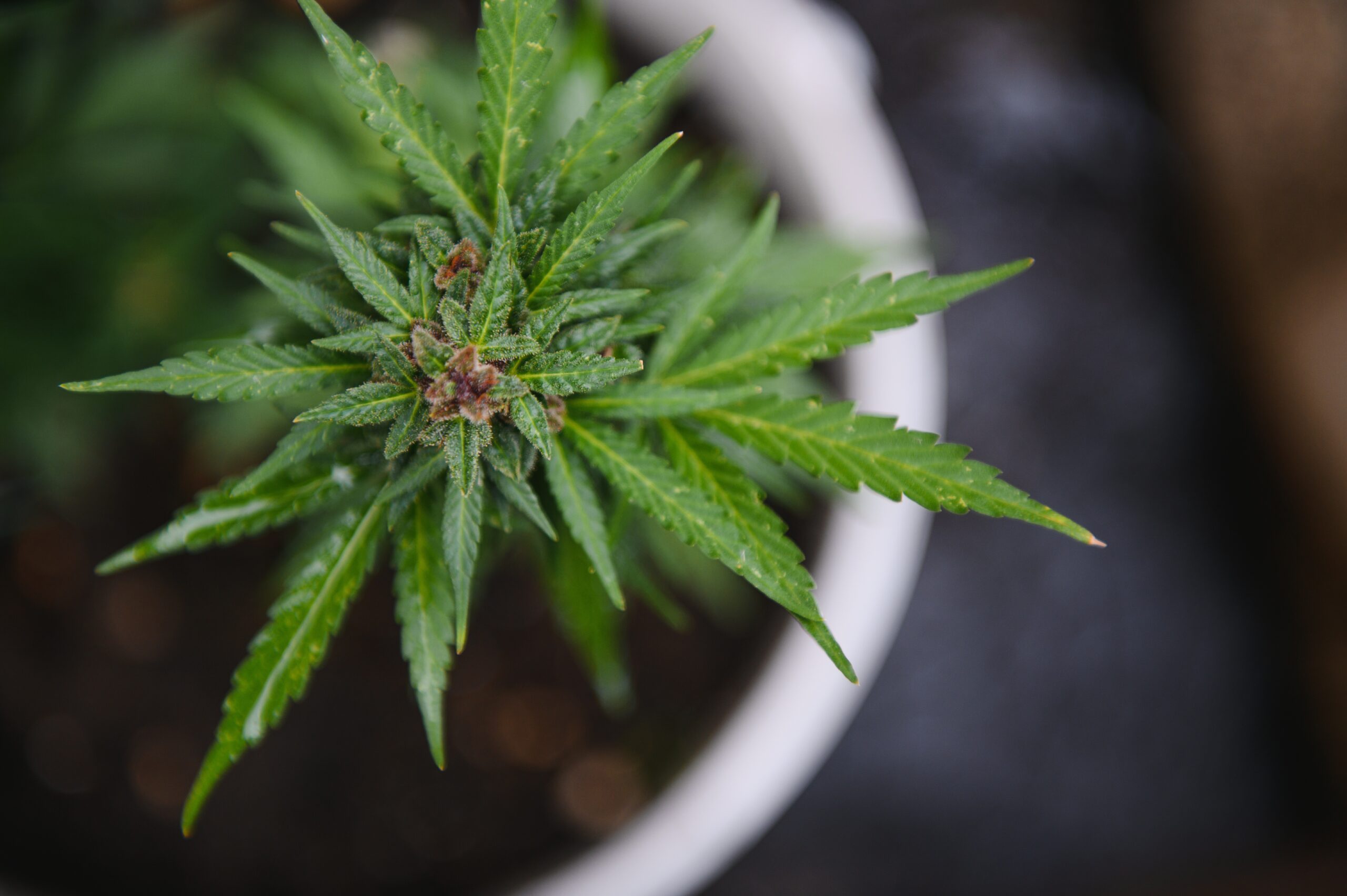


Willie Nelson cannabis seeds are linked to a strain that many growers know as a classic. It has been around for years and still gets attention from people who want to grow something with a strong name and a long history. For many readers, the first question is simple. What makes this strain special, and what should you know before you try to grow it? That is what this guide is here to explain.
This article is made for people who want clear answers about Willie Nelson cannabis seeds. Some readers may be totally new to growing. Others may have grown a few plants before and now want to try a strain that is a little more demanding. In both cases, it helps to start with the basics. A good grow does not begin at harvest. It begins with knowing what kind of plant you are dealing with, what it needs, and what problems may come up along the way.
Willie Nelson is often described as a sativa leaning strain. That matters because plant type affects the way a strain grows. A sativa leaning plant may stretch more, take longer to flower, and need more room than a short and stocky plant. That does not mean it is impossible to grow. It just means you need the right expectations from the start. A lot of growing mistakes happen when people treat every strain the same way. Willie Nelson is not the kind of plant most people should rush. It usually needs time, attention, and a setup that can support its growth from seed to harvest.
Many people search online for the same kinds of answers before they buy seeds. They want to know if Willie Nelson is easy to grow. They want to know how long it takes to flower. They want to know if it grows better indoors or outdoors. They also want to know what kind of yield they can expect, how tall the plant may get, and what signs show that it is ready to harvest. These are practical questions, and they matter because they help you decide whether this strain fits your space, your climate, and your skill level.
This guide will walk through those questions in a clear and simple way. It will explain what Willie Nelson cannabis seeds are and why this strain is still talked about today. It will cover the usual plant traits growers want to know before starting. It will also explain the main stages of growth, from germination and seedling care to the vegetative stage, flowering, and harvest. Each step matters. When you understand what should happen during each stage, it becomes easier to spot problems early and fix them before they become bigger.
You will also learn about the growing conditions this strain often needs. Light, airflow, temperature, water, and space all affect how the plant performs. A plant with a long flowering time needs steady care over a longer period. A taller plant may need training so it stays under control. A strain with strong growth may still run into trouble if the room is too humid, the feeding is too heavy, or the plant does not have enough space. These details may sound small, but together they shape the final result.
Another goal of this article is to make the process feel easier to follow. Cannabis growing can seem confusing when you read too much at once or come across advice that is hard to understand. That is why this guide keeps the focus on the main facts and the most useful questions. You do not need to know every advanced method on day one. You do need a clear picture of what this strain is like and what it may ask from you as a grower.
It is also important to remember that seed listings can vary. The same strain name may appear on different seed sites, but details can change depending on the breeder, the seed type, and the phenotype. One source may describe a certain flowering time, while another gives a slightly different range. One seller may offer regular seeds, while another may list feminized seeds. That is why growers should always read the seed details carefully before buying. Small differences at the start can affect the whole grow.
In the sections that follow, this article will break everything down step by step. It will explain what kind of strain Willie Nelson is, what makes it stand out, and what you should expect during the grow cycle. It will answer the most common search questions in a way that is easy to understand and useful in real life. The goal is not to make growing sound hard or easy without reason. The goal is to give you a clear view of what growing Willie Nelson cannabis seeds really involves, so you can decide if this classic strain is the right choice for your next grow.
What Are Willie Nelson Cannabis Seeds
Willie Nelson cannabis seeds are seeds that grow into the Willie Nelson strain. This strain is known for its strong sativa background and its long history in cannabis growing. When people search for Willie Nelson cannabis seeds, they usually want to know what kind of plant they are getting, where the strain came from, and what makes it different from other seeds on the market.
The first thing to understand is that Willie Nelson is not just a random strain name. It is a known strain with a clear identity in cannabis breeding. Over the years, growers and seed sellers have described it as a sativa leaning plant with special genetics that shape the way it grows, flowers, and matures. That is why it is important to learn what these seeds are before trying to grow them.
The Genetics Behind Willie Nelson
One of the most common things people want to know is where Willie Nelson comes from. Willie Nelson is often described as a cross between Vietnamese Black and Highland Nepalese. These parent strains are important because they help explain why Willie Nelson grows the way it does.
Vietnamese Black is often linked to strong sativa traits. Highland Nepalese also adds to the strain’s background and helps form its overall profile. When these two lines are brought together, the result is a strain that many growers know for its energy, strong plant vigor, and longer flowering period.
Genetics are important in cannabis because they affect much more than appearance. They can influence plant size, branch pattern, flower timing, and how much room a grower may need. In the case of Willie Nelson, the genetics help explain why this strain is not usually seen as a fast, compact plant for very small spaces.
Why Willie Nelson Is Often Called a Sativa Dominant Strain
Willie Nelson is usually described as sativa dominant or strongly sativa leaning. This label gives growers an early idea of what to expect. In simple terms, sativa dominant plants often grow taller, stretch more during flowering, and take longer to finish than many indica dominant plants.
This does not mean every single Willie Nelson plant will look exactly the same. Seeds can show some variation from plant to plant, especially if they are not from a highly uniform line. Still, the general pattern matters. With Willie Nelson, growers often expect a plant that needs room to grow and time to mature.
This is one reason people should not buy seeds based on strain name alone. A person who wants a short, fast indoor plant may struggle with a strain that has more stretch and a longer bloom cycle. A person who understands sativa growth habits may be better prepared for what Willie Nelson can do.
Why Seed Type Matters
Another important point is that not all Willie Nelson seeds are sold in the same form. Some may be regular seeds. Some may be feminized. In some cases, seed banks may describe the strain in slightly different ways depending on the breeder.
Regular seeds can grow into male or female plants. This means growers must watch early plant development and remove males if they want to grow buds without pollination. Feminized seeds are bred to produce female plants much more often. This can make the process easier for people who want to focus on flower production.
Knowing the seed type before buying is very important. A new grower who expects every plant to be female may run into problems if they buy regular seeds without understanding what that means. Clear seed information helps growers plan better and avoid mistakes early in the process.
Why Breeder Information Is Important
Not every seed seller offers the exact same version of a strain. This is why breeder information matters. A trusted breeder or seed source usually gives more detail about genetics, growth style, flowering time, and seed type. That information helps growers know what they are buying.
With a strain like Willie Nelson, this is especially useful because growers often want to confirm whether the seeds match the classic description of the strain. They may want to know if the plant is expected to have long flowering times, tall growth, or strong sativa traits. Good breeder information helps answer those questions before the grow begins.
This step can save time and money. Buying seeds without checking the source can lead to confusion later if the plants do not match the grower’s expectations.
What Growers Should Expect From These Seeds
Growers looking at Willie Nelson cannabis seeds should expect a strain with a strong identity and a more classic growth profile. These seeds are often tied to a plant that may take more patience than many modern strains bred for speed. The plant may need more time in flower and more space to grow well.
This does not mean the seeds are a bad choice. It simply means they are best understood before planting. A grower who wants to work with a classic sativa leaning strain may find that Willie Nelson seeds offer a very different experience from short, fast finishing hybrid seeds.
It also helps to know that cannabis seeds are only the starting point. Good results still depend on setup, care, environment, and timing. Even strong genetics need proper growing conditions to perform well.
Willie Nelson cannabis seeds are seeds that grow into a classic sativa leaning strain with a known genetic background. They are often linked to Vietnamese Black and Highland Nepalese, which helps explain the plant’s taller growth, longer flowering time, and distinct growing style. These seeds are not all sold in the same form, so growers should always check whether they are buying regular or feminized seeds and confirm the breeder details before starting. In simple terms, Willie Nelson cannabis seeds are best understood as a seed choice for growers who want a classic strain with clear identity, strong genetics, and a growth pattern that rewards patience and planning.
What Makes Willie Nelson a Classic Strain
Willie Nelson is often called a classic strain because it has a long history, a clear identity, and traits that growers still talk about years after it first became popular. It is widely described as a sativa-leaning strain bred from Vietnamese Black and Highland Nepalese. It is also tied to Reeferman Seeds and is commonly noted as a 2005 Cannabis Cup winner in the sativa category. Those details matter because they help explain why this strain still stands out in a market full of newer names.
Its Background Helped Build Its Reputation
A strain usually becomes a classic when people can trace where it came from and why it gained attention in the first place. In the case of Willie Nelson, growers often point to its parent strains, Vietnamese Black and Highland Nepalese. These genetics helped shape the plant’s sativa-heavy character, which is one reason the strain built a strong following. Many strain listings also connect it to Reeferman, which gives it a clear breeding background instead of a vague or uncertain origin story.
This matters because many newer strains are promoted with strong claims, but not all of them keep a steady identity over time. A classic strain usually has a more defined story. With Willie Nelson, the genetics, breeder connection, and long-running reputation all help support that label. People know what kind of plant they are talking about when they refer to Willie Nelson, and that kind of clarity helps a strain stay relevant.
The Award Added to Its Legacy
Another reason Willie Nelson is seen as a classic strain is its link to a major cannabis award. Multiple sources describe it as the winner of the 2005 High Times Cannabis Cup in the Best Sativa category. Winning a known competition can raise a strain’s profile in a big way. It gives growers and buyers a reason to pay attention, and it often helps the strain build a stronger place in cannabis history.
Awards alone do not make a strain great forever, but they can mark the moment when a strain breaks through and becomes widely known. In Willie Nelson’s case, that award is still one of the first facts mentioned in many strain descriptions. That tells us the win was not just a short-term marketing point. It became part of the strain’s long-term identity.
It Has Traits That People Still Recognize
Classic strains usually have features that make them easy to remember. Willie Nelson is often described as a mostly sativa or sativa-dominant strain with a clear-headed, uplifting profile. It is also commonly listed as having a flowering time of about 10 to 12 weeks, which is longer than many fast-finishing modern strains. That longer bloom period is one of the reasons it feels like an older-school cultivar rather than a newer quick-turn crop.
The plant structure also helps set it apart. Some descriptions note that it can grow tall and stretch more than shorter, bushier strains. That is another trait many growers connect with sativa-leaning plants. In simple terms, Willie Nelson does not always act like a fast, compact strain made for small spaces and short harvest windows. It has a style that feels more traditional, and that helps explain why many growers call it a classic.
Why It Still Stands Out From Newer Strains
Today, many cannabis strains are bred to flower faster, stay shorter, or produce certain flavors that are popular right now. Willie Nelson stands apart because it is known more for its established identity than for chasing modern trends. Its reputation comes from older breeding work, known parent lines, and a long record of interest from growers and strain databases.
This does not mean newer strains are worse. It simply means Willie Nelson represents a different kind of value. Some growers want something with history. Some want a plant that feels tied to an earlier era of cannabis breeding. Others are interested in strains that have kept their name and reputation over time instead of fading away after a short burst of hype. Willie Nelson fits that classic category because people still recognize it, still grow it, and still describe it in very similar ways across seed and strain sources.
What “Classic” Means for a Grower
For a grower, calling Willie Nelson a classic strain is not just about history. It also says something about what to expect from the plant. A classic strain may come with traits that are well known but not always the easiest for every setup. In this case, growers often need to be ready for a longer flowering period and a more sativa-like growth pattern. That means patience matters. Space matters too. Light control and plant training may also matter more than they would with a shorter, quicker strain.
At the same time, a classic strain can be appealing because its general traits are already well documented. A grower who chooses Willie Nelson is not walking into something completely unknown. There is a clear picture of its background, growth style, and flowering range. That can make planning easier, especially for someone who wants to grow a strain with a recognized place in cannabis culture.
Willie Nelson is called a classic strain because it has a known breeding background, a long-running reputation, and a major award that helped build its name. Its connection to Vietnamese Black, Highland Nepalese, and Reeferman gives it a clear identity, while its 2005 Cannabis Cup win helped secure its place in strain history. It also stands out because it still carries traits many growers associate with older-school sativa-leaning cannabis, including a longer flowering time and a more traditional growth style. Taken together, these points explain why Willie Nelson is not just another strain name. It is a cultivar with history, recognition, and a lasting place in cannabis growing culture.
Is Willie Nelson Easy or Hard to Grow
Willie Nelson is not the hardest cannabis strain to grow, but it is also not the easiest. It sits somewhere in the middle. A grower with some basic knowledge can do well with it, but this strain asks for patience and close attention. That is the main thing to understand before getting started.
Many growers look for strains that stay short, grow fast, and finish flowering in a short time. Willie Nelson is different. It is known for sativa-heavy traits, and that often means taller growth, more stretch, and a longer flowering period. Those traits do not make it impossible to grow, but they do mean that the plant may need more planning than a short, fast strain.
Why Some Growers Find It Challenging
One reason Willie Nelson can feel harder to grow is its growth pattern. Sativa-leaning plants often stretch a lot after the light cycle changes for flowering. A plant that looked manageable during the vegetative stage can become much taller in a short time. That can be a problem for growers with limited indoor space.
Height is not the only issue. This strain may also take longer to finish than many beginner-friendly strains. Some growers want quick results, but Willie Nelson often needs more time to mature. That longer wait can test a beginner’s patience. It can also raise the risk of mistakes because the plant stays in the grow space longer and needs steady care for a longer period.
Another challenge is environment control. Because the plant may grow larger and flower longer, growers need to pay attention to light, airflow, humidity, and feeding. Small mistakes can add up over time. A plant that grows for many weeks gives you more chances to do things right, but it also gives you more chances to do things wrong.
Why It Is Still Manageable for Many Growers
Even with those challenges, Willie Nelson is still manageable for many home growers. It is not a strain that needs expert-level skills from day one. A person who understands the basics of watering, lighting, and plant health can still grow it successfully.
The key is to be prepared. When growers know that the plant may stretch and take longer to flower, they can plan for that before problems happen. They can give the plant enough room, use training methods to control height, and avoid rushing the harvest. Good planning makes this strain much easier to handle.
This is also why some growers enjoy it. Willie Nelson can teach useful lessons about patience, timing, and canopy control. It is a good strain for someone who has already grown one easy plant and wants to try something that needs a little more care but is still realistic for a home grow.
Is It Good for Beginners
Willie Nelson can work for beginners, but it is not always the best first choice. A complete beginner may find it easier to start with a strain that stays shorter and finishes faster. Those strains give quicker feedback and can be easier to manage in small tents or closets.
Still, a beginner can grow Willie Nelson if the setup is simple and controlled. Indoor growing usually gives new growers a better chance with this strain because it allows more control over light, temperature, and humidity. Outdoor growing can be harder in areas with short seasons or cool fall weather because the plant may need more time to finish.
A beginner who chooses Willie Nelson should read ahead, stay patient, and keep the setup clean and stable. It helps to avoid doing too much at once. Overfeeding, overwatering, and constant changes to the setup often cause more problems than the strain itself.
What Skills Help the Most
The most helpful skill for growing Willie Nelson is observation. Growers should watch how the plant responds to water, nutrients, and light. A healthy plant will usually show steady growth, strong leaves, and a good structure. A stressed plant may droop, show burned tips, or stretch too much.
Basic training skills also help. Since this strain may grow tall, methods like topping or low-stress training can make a big difference. These methods can help keep the canopy even and stop the plant from getting too close to the grow light. This makes the plant easier to manage indoors.
Patience is another major skill. Some growers make mistakes because they expect the plant to move faster than it does. Willie Nelson often needs time. Letting the plant develop at its own pace usually leads to better results than trying to force fast growth or early harvest.
Indoor vs Outdoor Difficulty
Indoors, Willie Nelson is often easier to manage because the grower has more control. Light schedules stay steady. Airflow can be improved with fans. Humidity and temperature can be adjusted more easily. Indoor growers can also train the plant early to keep its height under control.
Outdoors, this strain may do well in the right climate, but the long flowering time can make things harder. In places where fall arrives early, the plant may not finish well before the weather turns cold or wet. That can lead to reduced quality or higher risk of mold and other problems. For that reason, outdoor growers need to think carefully about climate and season length before choosing this strain.
Common Mistakes That Make It Feel Harder
Sometimes a strain seems hard to grow because of the grower’s setup, not because of the strain alone. Willie Nelson can feel much harder when people use small spaces, weak lights, poor airflow, or large feeding amounts. These problems can stress any plant, but a taller, longer-flowering strain may show those problems more clearly.
Another mistake is switching to flowering too late. If the plant is already large in the vegetative stage, it may become too tall after the stretch begins. Starting flower at the right time can prevent crowding and make care much easier.
Growers also make the mistake of harvesting too early. Because Willie Nelson may take longer to finish, some people get impatient and cut it down before it reaches full maturity. Waiting for the right harvest window is part of growing this strain well.
Willie Nelson is a moderate-difficulty strain. It is not the easiest choice for a first grow, but it is far from impossible. Its main challenges are height, stretch, and a longer flowering time. Those traits ask for planning, patience, and a stable setup. Growers who understand the basics and stay consistent can do well with it. For someone who wants to move beyond very easy beginner strains, Willie Nelson can be a solid next step.
Should You Grow Willie Nelson Indoors or Outdoors
Choosing between indoor and outdoor growing is one of the first big decisions you need to make with Willie Nelson cannabis seeds. This strain can do well in both settings, but the better choice depends on your climate, your space, and how much control you want over the growing process. Because Willie Nelson is known for its sativa-heavy traits, it often grows taller than shorter, bushier strains. It can also take longer to finish flowering. That means your growing environment matters a lot.
Growing Willie Nelson Indoors
Indoor growing gives you more control. This is one of the biggest reasons many growers choose to grow Willie Nelson inside. When you grow indoors, you can control light, temperature, humidity, airflow, and watering more closely. That makes it easier to manage a strain that may stretch during growth and take longer to mature.
One major benefit of indoor growing is light control. You decide when the plant stays in the vegetative stage and when it starts flowering. This is helpful with Willie Nelson because you can give the plant enough time to build a strong structure before flowering begins. Once you switch the light cycle, you can also track the bloom period more closely.
Indoor growing also helps protect the plant from bad weather. Outdoor plants must deal with rain, cold nights, wind, pests, and other problems that can slow growth or damage buds. Indoors, these risks are lower if your grow room or tent is set up well. You still need to watch for issues like poor airflow or too much humidity, but you have more tools to fix them quickly.
Another reason indoor growing works well for Willie Nelson is plant height control. Sativa-leaning strains can stretch a lot once flowering starts. In an indoor setup, you can train the plant, adjust the light height, and shape the canopy to keep it from getting too tall. This matters if you are growing in a tent, closet, or small room.
Still, indoor growing has its own challenges. You need the right equipment, and that can cost money. Lights, fans, filters, timers, and containers all add to the setup. You also need to check the plants often. Indoor plants depend on you for everything, so mistakes with lighting, watering, or feeding can affect growth fast.
Growing Willie Nelson Outdoors
Outdoor growing can also work well, but it is more dependent on climate. Willie Nelson may not be the best choice for every outdoor grower, especially in places with short summers or early fall rain. Since this strain can take longer to flower, outdoor growers need a long season with enough warm weather for the plant to fully mature before harvest.
The biggest advantage of outdoor growing is space. Willie Nelson may grow tall, and outdoor gardens usually give plants more room to spread out. With enough sunlight and root space, outdoor plants can become large and healthy. Many growers also like that outdoor growing uses natural sunlight, which can lower energy costs.
Outdoor growing can also be simpler in some ways. You do not need to build a full indoor system with lights and electrical tools. If the weather is right and the soil is good, nature can do a lot of the work. Fresh air and full sun can support strong growth when conditions stay stable.
But outdoor growing comes with more risk. Weather is the biggest one. Heavy rain near harvest can lead to mold or bud damage. Cold nights can slow the plant down. Strong wind can break branches. Pests can also become a problem, especially if the garden is open and unprotected. Because Willie Nelson may finish later than some other strains, outdoor growers need to be extra careful about the local season. A plant that starts well can still struggle if the weather turns too soon.
Privacy is another issue. Outdoor plants are harder to hide, especially tall ones. If you are growing where privacy matters, this strain may be easier to manage indoors or in a more protected area.
Is a Greenhouse a Good Middle Option
For some growers, a greenhouse is a smart middle choice. It gives more protection than open outdoor growing while still using natural sunlight. This can help with a strain like Willie Nelson that may need a longer season and steady conditions. A greenhouse can protect plants from too much rain and strong wind. It can also help keep temperatures more stable.
At the same time, greenhouse growers still need to watch humidity, airflow, and plant size. A greenhouse is not fully controlled like an indoor grow room, but it can give you more support than a fully outdoor setup.
Which Option Is Better for Beginners
For most beginners, indoor growing is often the safer choice if they have the space and equipment. It gives more control and makes it easier to respond to problems early. Since Willie Nelson may stretch and flower for a longer time, that control can help a new grower stay on track.
Outdoor growing can still work for beginners, but only if the local climate matches the needs of the strain. If your area has a long, warm season and low risk of bad weather near harvest, outdoor growing may be possible. If not, indoor growing is usually the better option.
Willie Nelson can grow indoors or outdoors, but indoor growing is often easier to manage because it gives you more control over light, temperature, and plant size. Outdoor growing can work well in the right climate, especially where the season is long and warm enough for a slower-finishing strain. A greenhouse can also be a useful middle option. In the end, the best choice depends on your space, your climate, and how much control you want during the grow.
What Kind of Growing Conditions Does Willie Nelson Need
Willie Nelson needs a grow space that stays steady from day to day. This strain is known for its sativa-heavy background, and that usually means it likes strong light, good airflow, and enough room to stretch as it grows. It also means that sudden changes in heat, moisture, or watering can slow it down. A stable setup helps the plant stay healthy from seedling stage to harvest.
Many growers do best with Willie Nelson when they think ahead. This is not the kind of plant that should be placed in a cramped corner with weak light and little air movement. It needs a space where the roots can grow well, the leaves can breathe, and the branches have room to develop. When the environment is right, the plant can grow with better structure and stronger flower development later on.
Light Needs
Light is one of the most important parts of growing Willie Nelson. Like many sativa-leaning plants, it responds well to strong and steady light. During the vegetative stage, the plant needs long hours of light each day so it can build stems, leaves, and roots. During flowering, it needs a clear light and dark cycle so it knows it is time to produce buds.
Weak light can cause problems early. The plant may stretch too much, grow thin stems, and put out less healthy growth. Strong light helps it stay more vigorous and supports better development. Indoor growers should place lights at a proper distance so the plant gets enough energy without getting burned. Outdoor growers should choose a place that gets long hours of direct sun.
Light quality matters too. A bright setup can support stronger growth, but the plant still needs balance. If the light is too intense and the room is too hot, the leaves may curl or show signs of stress. The goal is to give the plant enough light to grow well while keeping the whole environment under control.
Temperature and Humidity
Willie Nelson grows best when temperatures stay in a comfortable range. It does not do well when the grow area gets too hot during the day or too cold at night. Big swings in temperature can stress the plant and slow growth. A warm but not overly hot space is usually best.
Humidity also matters. Young plants and seedlings can handle a bit more moisture in the air, but as the plant gets older, too much humidity can become a problem. In the vegetative stage, moderate humidity can help the plant grow strong leaves and stems. In the flowering stage, lower humidity is often better because dense buds and damp air can lead to mold or mildew.
The best approach is to keep both temperature and humidity stable. A grow room that changes too much can make the plant struggle. Good monitoring helps. Even a simple thermometer and humidity meter can help growers catch problems early and make small changes before the plant becomes stressed.
Airflow and Ventilation
Good airflow is a major part of a healthy grow space. Willie Nelson can grow tall and branch out, so air needs to move around the plant and through the canopy. Still air can trap moisture, raise the risk of mold, and make it easier for pests to settle in.
A fan helps strengthen stems and keeps air moving around the leaves. Ventilation helps remove stale air and bring in fresh air. This is important indoors, where heat and humidity can build up fast under grow lights. When air moves well, leaves dry faster after watering, temperatures stay more even, and the plant can grow in a cleaner environment.
Airflow also helps during flowering, when buds begin to thicken. At that stage, trapped moisture can cause bigger problems. A simple setup with steady fans and proper exhaust can make a big difference over time. The goal is not strong wind blasting the plant, but gentle and steady movement.
Watering and Root Health
Willie Nelson needs careful watering. Too much water can cause root problems, while too little can leave the plant weak and dry. A common mistake is watering on a strict schedule without checking the soil first. Plants do not always need the same amount of water every day. Water needs can change based on pot size, plant size, room temperature, and stage of growth.
Healthy roots are the base of a healthy plant. Roots need moisture, but they also need air. If the growing medium stays soaked for too long, the roots can struggle. This may lead to slow growth, yellow leaves, or drooping. Letting the medium dry slightly between waterings often helps create a better balance.
Container size also matters. Small pots can limit root growth and dry out too fast. Pots that are too large for a very small plant can stay wet for too long. A well-sized container with good drainage supports better root health. When the roots are healthy, the plant has a much better chance of growing strong from top to bottom.
Growing Medium and Nutrients
Willie Nelson can grow in soil or in hydro systems, but many growers find soil easier to manage, especially at the start. Good soil can hold moisture, give roots support, and offer a buffer against small mistakes. Hydro can produce strong growth too, but it often requires closer attention to feeding, water quality, and system balance.
No matter the method, the plant needs nutrients in the right amounts. During the vegetative stage, it uses nutrients to build leaves and stems. During flowering, its needs change as it focuses more on bud production. Feeding too little can slow growth, but feeding too much can burn the plant and cause stress.
It helps to start light and adjust slowly. Many growing problems come from overfeeding, not underfeeding. A healthy plant should show steady growth and good leaf color. Growers should watch the plant itself instead of adding more nutrients too quickly. Simple and steady care often works better than doing too much at once.
Space and Plant Training
One important thing to remember about Willie Nelson is that it may stretch more than shorter, bushier strains. That means space is a real concern. Indoor growers need enough vertical room for the plant to grow after the light cycle changes. Without planning, the plant can get too close to the light or crowd the grow area.
Training can help control shape and improve light spread across the canopy. Methods like topping or low-stress training can help create a more even plant and reduce height problems. This can be helpful with Willie Nelson because a tall plant with uneven branches may not use indoor light as well as a more managed canopy.
Training should be done with care. A stressed plant may need time to recover. The goal is to guide the plant into a shape that fits the grow space and helps more bud sites get light. With the right space and gentle training, growers can make this strain easier to manage indoors.
Willie Nelson needs a grow environment that is bright, steady, and well managed. Strong light, stable temperatures, balanced humidity, and good airflow all help this strain grow better. Careful watering and healthy roots are just as important, since root stress can affect the whole plant. The growing medium should support root health, and nutrients should be given in a steady and moderate way. Since this strain may stretch, enough space and some training can also help a lot. When these conditions come together, Willie Nelson has a better chance of growing into a healthy and productive plant.
How Do You Germinate Willie Nelson Cannabis Seeds
Germination is the first stage of growth. This is when a cannabis seed wakes up and starts to sprout. If this stage goes well, your plant has a much better chance of growing strong and healthy. If this stage goes badly, the seed may stay dormant, rot, or produce a weak seedling that struggles from the start.
Willie Nelson cannabis seeds need the same basic care as other cannabis seeds during germination. They need moisture, warmth, darkness, and gentle handling. The goal is simple. You want the seed shell to soften so the taproot can break through. Once that root appears, the seed is alive and ready for the next step.
Before you begin, make sure your seeds look healthy. Good seeds are usually dry, hard, and firm. Many are brown, tan, or gray with darker markings, though color can vary. Very pale or soft seeds may not sprout as well. Even so, appearance does not always tell the whole story, so some light-colored seeds can still grow.
Choose a Clean and Simple Germination Setup
There are a few ways to germinate cannabis seeds, but simple methods often work best. Many growers use the paper towel method because it is easy to monitor. Others plant seeds directly into starter cubes or light soil. Either method can work if the seed gets the right amount of moisture and warmth.
If you use the paper towel method, start with two clean paper towels and plain water. The paper towels should be damp, not dripping wet. Place the seed between the towels, then put them on a clean plate or inside a container with some airflow. Keep the setup in a warm, dark place. A temperature range of about 70 to 80 degrees Fahrenheit is often ideal. If the area is too cold, germination may slow down. If it is too hot, the seed may get damaged.
Some growers plant seeds straight into a small starter pot with moist seed-starting soil. This method avoids moving the seed after the taproot appears, which can reduce the risk of damage. If you choose this path, place the seed about a quarter inch deep in the soil with the pointed end facing down if possible. Then lightly cover it and keep the soil evenly moist.
Give the Seeds the Right Amount of Moisture
Water matters a lot during germination. Seeds need moisture to activate the process inside the shell. But too much water can cause problems. When a seed sits in a soaked environment with little air, it may rot instead of sprouting.
This is why the paper towel should feel damp and not soaked. The same is true for soil. It should feel lightly moist, not muddy or waterlogged. Check the seed once or twice a day to make sure the setup is still moist. If it starts to dry out, add a small amount of water. If it looks too wet, allow some air in and do not add more.
The seed does not need nutrients at this stage. Plain water is enough. Rich soil or strong plant food can be too harsh for a new seed. Germination is not about feeding the plant. It is about helping the seed open in a safe and stable environment.
Keep the Seeds Warm and Undisturbed
Warmth helps the seed break dormancy and begin root growth. A cold room may slow the process and make you think the seed is not viable when it just needs more time. A steady environment works better than one with constant temperature swings.
It is also important not to disturb the seed too much. Many new growers check their seeds over and over, move them around, or try to open the shell by hand. This can do more harm than good. Once the seed is in place, let it do its work. Check it gently, but do not poke, squeeze, or pry at it.
Most healthy cannabis seeds sprout within one to five days, though some may take a bit longer. If a seed has not opened after several days, it may still need time. Patience is part of the process.
Watch for the Taproot
The first sign of success is the taproot. This is the small white root that comes out of the seed. It is delicate and very important because it becomes the main root system that anchors the plant and takes in water.
Once the taproot appears, the seed is ready to move into its growing medium if you used the paper towel method. Do not wait too long. A root that grows too long in a paper towel can tangle in the fibers or get damaged during transfer. A short root is easier to move safely.
Use clean hands or tweezers and handle the seed very gently. Avoid touching the root itself if possible. Place the seed root down into a small hole in the soil or starter plug, then lightly cover it. Do not pack the soil down tightly. The seedling needs soft material around it so it can push upward with ease.
Transplant the Sprouted Seed the Right Way
After the seed goes into soil or a starter plug, keep the medium lightly moist and warm. Soon, the seedling should break the surface. This is when the first small leaves begin to appear. These first leaves are called cotyledons. They do not look like the later cannabis leaves, but they are a good sign that the plant has entered the seedling stage.
At this point, the plant will need gentle light. If the light is too weak, the seedling may stretch too much and become tall and weak. If the light is too intense, the young plant may dry out or show stress. A mild grow light placed at the proper distance often works well.
Do not rush to move the seedling into a large container. Small starter pots are useful because they help you control watering and let the young roots establish. Once the seedling grows stronger and develops more leaves, you can transplant it into a larger pot.
Avoid Common Germination Mistakes
Many germination problems come from trying to do too much. One common mistake is overwatering. Seeds need moisture, but they also need air. A soaked paper towel or soggy soil can kill the seed before it gets started.
Another common mistake is rough handling. The taproot is fragile, and even a small tear can affect early growth. This is why it is best to move the seed only when needed and as gently as possible.
Planting too deep is another issue. A seed planted too far below the surface may struggle to push through the soil. A shallow planting depth is usually best for cannabis seeds.
Some growers also make the mistake of giving up too early. Not all seeds open on the same schedule. Some sprout fast, while others take more time. As long as the environment is warm and moist, patience often helps.
Poor cleanliness can also cause problems. Dirty containers, unclean hands, or old wet paper towels can raise the risk of mold. A clean setup gives the seed a better start.
What Healthy Seedlings Look Like
A healthy seedling should look small but upright. The stem should be short enough to support the plant, and the first leaves should open without trouble. The color should usually be light to medium green. The seedling should not look limp, mushy, or badly stretched.
It is normal for the seed shell to stay attached for a short time after the sprout emerges, but it should usually fall off on its own. It is best not to pull it off unless it clearly does not come loose after some time and is causing a problem.
As the days pass, the plant should begin to grow its first true leaves. These will start to show the familiar cannabis leaf shape. Once that happens, your Willie Nelson plant has moved beyond germination and is ready for seedling care and later vegetative growth.
Germinating Willie Nelson cannabis seeds is a simple process when you focus on the basics. The seeds need moisture, warmth, darkness, and careful handling. Whether you use the paper towel method or plant directly into soil, the goal is the same. You want a healthy taproot and a smooth move into the seedling stage.
The most important things to remember are not to overwater, not to handle the root roughly, and not to rush the process. A healthy start can make the rest of the grow easier. When your seed sprouts and the first leaves appear, you are on the right path to growing Willie Nelson successfully.
How Do You Care for Willie Nelson During the Vegetative Stage
The vegetative stage is the part of growth where Willie Nelson builds its size, shape, and strength before flowering begins. This stage matters a lot because a healthy plant in veg is more likely to produce better buds later. Since Willie Nelson is known as a sativa-leaning strain, it can grow tall and stretch more than shorter, bushier plants. That means growers need to pay close attention to light, water, feeding, and plant shape while the plant is still in veg.
What Happens During the Vegetative Stage
After the seedling stage ends, the plant enters vegetative growth. This is when it starts making more leaves, more branches, and a stronger root system. The stems get thicker, and the plant begins to take on its full structure. During this time, the plant is not focused on making buds yet. It is focused on getting bigger and stronger.
This is the stage where growers can guide the plant and help it grow in a way that fits the space. With Willie Nelson, this is especially important because the plant may grow fast once it becomes established. If you let it grow without control, it can become too tall for an indoor tent or too wide for a small grow area.
Light Schedule and Daily Growth
During the vegetative stage, Willie Nelson needs long periods of light each day. Most growers use 18 hours of light and 6 hours of darkness. This schedule gives the plant enough energy to grow quickly while still giving it a short rest period. Some growers use 20 hours of light, but 18 hours is a common and reliable choice.
Strong light helps the plant grow thick stems and healthy leaves. Weak light can cause the plant to stretch too much, which makes it tall and thin instead of strong and full. Since Willie Nelson can already grow with a taller structure, poor light can make that even harder to manage.
Keep the light close enough to support growth but not so close that it burns the leaves. If the leaves start curling upward or showing dry, pale spots, the light may be too intense. If the plant looks thin and stretched with wide gaps between leaf sets, the light may be too far away.
Watering the Right Way
Watering sounds simple, but it is one of the most common problems during veg. Willie Nelson needs enough water to support strong growth, but it does not do well in soggy soil. Roots need both moisture and air. When the growing medium stays too wet for too long, the roots can struggle.
A good rule is to water deeply, then wait until the top layer of the medium feels dry before watering again. The pot should feel lighter before the next watering. Small plants in large pots often get overwatered because the roots are still small and cannot use all the moisture quickly.
Try to water in a steady pattern instead of giving the plant too much one day and too little the next. Healthy watering habits help the roots spread through the container, and that leads to stronger growth above the surface too.
Feeding During Vegetative Growth
During veg, Willie Nelson needs nutrients that support leaf and stem growth. Nitrogen is especially important at this stage because it helps the plant make green, healthy leaves. A balanced vegetative nutrient formula usually works well, but it is smart to start with a light feeding strength and increase slowly if the plant responds well.
Too much food can hurt the plant. Overfeeding may cause burnt leaf tips, dark leaves, or curled foliage. Underfeeding may lead to pale leaves or slow growth. It is better to make small changes than big ones. Watch the plant closely and let its color and shape guide you.
If you are growing in rich soil, the plant may not need much extra feeding at first. If you are using coco or another less active medium, feeding may need to be more regular. In either case, simple and steady care is often better than trying to push fast growth with heavy nutrients.
Container Size and Root Space
Container size matters more than some beginners expect. A plant that has enough root space will usually grow faster and look healthier. If the roots run out of room, growth can slow down, and the plant may become stressed before flowering even starts.
Many growers start seedlings in small containers and move them into larger pots as the plant grows. This can help prevent overwatering and support better root development. When transplanting Willie Nelson, handle the roots gently and move the plant before it becomes tightly root-bound.
A strong root system helps the plant take in water and nutrients more evenly. Since Willie Nelson may become a larger plant, planning enough root space early can make the rest of the grow much easier.
Training a Tall-Growing Plant
Plant training is very useful with Willie Nelson. Because this strain may grow tall during veg and stretch more in flower, training can help keep the plant shorter, wider, and easier to manage. This also helps more light reach the lower branches.
Topping is one common method. This means cutting the main growing tip so the plant sends energy into side branches. Low-stress training is another good option. This involves gently bending and tying branches to shape the plant without causing major damage. Both methods can help create a more even canopy.
A more even plant is easier to light properly. It also lowers the chance that one top branch will get too close to the grow light while lower branches stay shaded. With Willie Nelson, early training during veg can make a big difference later when the plant starts flowering.
Signs of Healthy Growth and Early Stress
A healthy Willie Nelson plant in veg should have green leaves, steady new growth, and stems that become stronger over time. The leaves should look open and active, not droopy or twisted. New growth at the top should appear often, and the plant should slowly become fuller each week.
Stress signs can show up in many ways. Yellowing leaves may point to feeding or watering issues. Drooping can mean too much water, too little water, or root stress. Burnt tips may suggest too much nutrient strength. Leaf curling can be caused by heat, light stress, or feeding problems.
The sooner you notice these signs, the easier they are to fix. Check the plant often, but do not make too many changes at once. One small correction at a time is the best approach.
Caring for Willie Nelson during the vegetative stage means helping the plant build a strong base before flowering begins. It needs long light hours, careful watering, steady feeding, enough root space, and training that helps control height and shape. Since this strain can grow tall and stretch, veg is the best time to guide it and prepare it for the next stage. When you give the plant stable care and watch for early signs of stress, you give Willie Nelson a much better chance to thrive later in flower.
How Long Does Willie Nelson Take to Flower
Willie Nelson is not a fast strain. This is one of the first things growers should know before they plant the seeds. Many cannabis strains finish flowering in a shorter time, but Willie Nelson usually needs more patience. In most cases, this strain flowers in about 10 to 12 weeks. Some growers may see plants finish a little earlier, while others may need to wait longer. That longer timeline is one reason why Willie Nelson is often seen as a better fit for growers who do not mind waiting for the plant to fully mature.
The long flowering period comes from the strain’s sativa leaning background. Sativa dominant plants often take more time to form dense, ripe buds than short, fast indica plants. That does not mean the plant is hard to grow in every way. It simply means that timing matters more. A grower who expects a quick harvest may become frustrated. A grower who knows what to expect from the start will be in a much better position.
Typical Flowering Time
In many grow guides, Willie Nelson is listed at around 70 to 84 days of flowering. That is about 10 to 12 weeks. This number usually starts from the point when the light cycle changes indoors, often from 18 hours of light and 6 hours of darkness to 12 hours of light and 12 hours of darkness. Outdoors, flowering begins when natural daylight starts to shorten later in the season.
It is important to understand that these numbers are only guides. They are useful, but they are not exact for every plant. Two Willie Nelson plants from the same seed pack may still finish at different times. One may lean more toward one parent strain, while another may show different growth traits. This is called phenotype variation. Because of this, growers should always use the plant’s appearance along with the calendar.
Why This Strain Takes Longer
Willie Nelson often takes longer to flower because of its genetic background. Sativa leaning plants usually stretch more after the flowering stage begins. During this time, the plant is using energy to grow taller and form new bud sites. That extra growth can make the plant seem slow at first. A beginner may look at the plant after a few weeks of flowering and think something is wrong. In many cases, the plant is simply following its normal pattern.
Longer flowering strains also need steady care over a longer period. The plant may need support as buds gain weight. It may need regular pruning of weak lower growth so the plant can focus on better bud sites. It also needs stable light, airflow, temperature, and humidity. A small problem that lasts for several days can have a bigger effect when the flowering cycle is long.
Indoor vs Outdoor Timing
Indoors, growers have more control over flowering time because they control the light cycle. Once the plant receives 12 hours of darkness each day, it moves into flower. Even then, the exact finish date can still vary. Some indoor growers may harvest close to day 70, while others may wait until day 80 or beyond for better ripeness.
Outdoors, timing becomes more difficult. The plant depends on the natural season. Since Willie Nelson can take a long time to finish, outdoor growers need a climate that stays warm and dry long enough. In places with early cold weather, heavy fall rain, or high late season humidity, the plant may struggle to finish well. This is why many growers prefer to grow Willie Nelson indoors or in a greenhouse where conditions are easier to manage.
What Can Change the Flowering Time
Several things can affect how long Willie Nelson takes to flower. Genetics is one major factor, but it is not the only one. Light quality matters. A plant under weak light may flower more slowly or produce less developed buds. Temperature also plays a role. If the grow room is too cool or too hot for long periods, plant growth can slow down.
Plant stress can also delay flowering. Overwatering, nutrient problems, pests, root issues, and poor airflow can all affect the plant’s progress. Even a healthy plant may take longer if it was trained heavily or if it spent extra time recovering from stress before or during early flower.
Container size, feeding habits, and general plant health also matter. A strong, healthy plant often moves through flowering in a more steady way than a weak plant. This is why growers should focus on good care from seedling stage onward instead of only thinking about flowering when buds appear.
Do Not Rely on the Calendar Alone
One of the biggest mistakes new growers make is harvesting too early. They look at the breeder’s estimate, count the days, and cut the plant as soon as the number is reached. With Willie Nelson, this can be a problem. A plant may look close to done but still need more time for better bud development.
The calendar is a helpful guide, but it should never be the only tool. Growers should also look at the buds, pistils, and trichomes. Pistils often darken and curl in as the plant matures. Buds usually become fuller and more solid near the end. Trichomes, which are the small resin glands on the buds, are one of the best signs of ripeness. Clear trichomes usually mean the plant is not ready. Cloudy trichomes often show peak maturity. Some growers wait for a mix of cloudy and amber trichomes, depending on the result they want.
How to Stay Patient During Late Flower
Patience is very important with Willie Nelson. Late flower can feel slow, especially for growers who are checking the plant every day. The best approach is to keep the environment stable and avoid making sudden changes. Do not overfeed the plant just because it seems slow. Do not harvest early just because the wait feels long. Give the buds time to swell and finish properly.
It also helps to keep notes. A grow journal can help track when flowering started, how the plant changed each week, and what signs of maturity appeared. This makes future grows easier because the grower can compare results and learn from the plant’s full cycle.
Willie Nelson usually takes about 10 to 12 weeks to flower, which makes it slower than many other strains. This longer bloom time is normal for a sativa leaning plant and should not be seen as a problem. Indoors, growers have more control over the timeline, while outdoor growers need a long enough season for the plant to finish well. The exact flowering time can change based on genetics, light, stress, and overall plant health. Most importantly, growers should not depend on the calendar alone. The best way to know when Willie Nelson is ready is to watch the buds, pistils, and trichomes closely. With patience and careful timing, growers can let the plant reach full maturity before harvest.
How Much Can Willie Nelson Yield
Willie Nelson can give a rewarding harvest, but yield is not the same in every grow. Some plants produce more than others, even when they come from the same seed pack. This is why it helps to think about yield as a range instead of one fixed number. A grower can improve that range by giving the plant the right light, enough root space, steady care, and time to finish well.
This strain is often linked with sativa-heavy growth. That matters because sativa-leaning plants can grow tall, stretch hard in flower, and take longer to mature. When a plant spends more time growing, many people expect a huge harvest. That can happen, but it is not automatic. Long flowering time alone does not promise heavy buds. Good yield comes from the full growing process, not from one trait.
Why Yield Can Vary So Much
Yield depends on many small choices made from seed to harvest. The first factor is genetics. Even strong genetics can show some variation from plant to plant. One Willie Nelson plant may grow taller and airier, while another may branch more and build fuller buds. This is normal.
The second factor is the growing environment. Indoor growers control more parts of the process, so they often get more steady results. Outdoor growers may get bigger plants, but they must deal with weather, bugs, heat, cold, rain, and changing daylight. A great outdoor season can lead to a large harvest. A poor season can lower yield fast.
The third factor is grower skill. A new grower may still get a good result, but mistakes can reduce the final amount. Overwatering, weak light, poor airflow, or feeding too much can all slow the plant down. When growth slows, yield often drops too.
Indoor Yield Expectations
Indoor yield is usually measured by the space used for growing. Some guides talk about grams per square meter. That means the total dry harvest from all plants in a set area under grow lights. This method helps indoor growers compare results more easily.
Willie Nelson can do well indoors when the setup is strong. Bright light is very important. A weak light often leads to smaller buds and lower weight. Since this strain may stretch, growers also need to manage plant height. If the plant gets too close to the light, stress can happen. If the canopy is uneven, some parts of the plant may get less light, which can lower the final harvest.
Indoor growers often improve yield by shaping the plant early. Topping and training can help spread growth across the canopy. When more bud sites get direct light, the plant can use its energy better. This does not always mean huge buds on every branch, but it can help the plant produce more usable flower overall.
Outdoor Yield Expectations
Outdoor yield is usually measured per plant. A healthy Willie Nelson plant grown outside in the right climate may become much larger than an indoor plant. More size can mean more bud sites and more total flower at harvest. Still, outdoor growing comes with more risk.
This strain may need a long season to finish well. In places where fall arrives early or weather turns wet, the plant may not have enough time to reach its best yield. Cold nights, heavy rain, and high humidity can hurt bud growth late in flower. This is one reason outdoor yield can be hard to predict.
A grower with a long, warm season has a better chance of getting a stronger outdoor result. Good soil, full sun, proper spacing, and regular care also matter. A large outdoor plant with limited sunlight or poor drainage may still give a weak harvest. Plant size alone is not enough.
What Helps Increase Yield
Light is one of the biggest factors in yield. Cannabis needs strong light to build healthy flowers. Indoors, this means using a quality grow light and keeping it at the proper distance. Outdoors, it means choosing a spot with many hours of direct sun.
Root space matters too. A plant with more room for roots can usually grow larger and support more flower sites. This is why container size is important. A small pot can limit growth, even if the rest of the setup is good.
Feeding also affects yield, but more nutrients do not always mean more buds. Some growers make the mistake of feeding too heavily, hoping for faster growth. This can stress the plant and slow it down. A balanced feeding plan works better than pushing the plant too hard.
Training can help a lot with Willie Nelson. Since this strain may stretch and grow tall, training helps keep the canopy open and even. Better light spread can help more of the plant produce quality buds. Airflow also improves when branches are not packed too tightly together.
The final factor is patience. This strain may take longer to finish than faster modern strains. Harvesting too early can lower both yield and quality. Buds often put on weight late in flower, so cutting the plant before it is truly ready can mean less dry flower in the end.
What Can Reduce Yield
Several problems can cut yield, even when the plant looks healthy at first. Poor light is a common issue. The plant may stretch too much and form lighter buds. Overwatering can also slow root growth and reduce vigor. When roots are not healthy, the whole plant suffers.
Crowded grow spaces can create trouble as well. If Willie Nelson does not have enough room, branches may compete for light and air. This can lead to weak lower growth and fewer strong flower sites. Heat stress, poor humidity control, pest damage, and late-stage mold can also reduce the final harvest.
Early harvest is another major problem. A grower may see frosty buds and think the plant is ready, but if it still needs more time, the final dry weight may be lower than expected. Waiting for real maturity can make a big difference.
Willie Nelson can produce a solid harvest, but yield depends on much more than the strain name. Indoor growers need strong light, good canopy control, and enough space. Outdoor growers need the right climate, good sun, and a long enough season. Root space, balanced feeding, training, and patience all play a part. The most important thing to remember is that good yield comes from steady care from start to finish. When Willie Nelson gets the time and support it needs, the plant has a better chance of giving a satisfying result.
What Problems Can Come Up When Growing Willie Nelson
Willie Nelson can be a rewarding strain to grow, but it can also test your patience. This is not the kind of plant that always stays short, finishes fast, and forgives every mistake. Since it is known as a sativa-leaning strain, it may grow taller than expected and take longer to flower than many other plants. That means growers need to pay close attention from the early stage all the way to harvest.
The good news is that most growing problems can be managed if you know what to look for. When growers run into trouble with Willie Nelson, the issues often come down to plant height, flowering time, feeding, watering, airflow, and light control. Learning these problems early can help you keep the plant healthy and avoid a weak harvest.
Stretching and Too Much Height
One of the most common problems with Willie Nelson is stretching. This means the plant grows tall very quickly, especially during the early flowering stage. A grower may think the plant is under control in the vegetative stage, then suddenly find it doubling in size after the light cycle changes.
This can create several problems. The plant may get too close to the grow light, which can stress the top leaves and buds. It can also make the grow room feel crowded. When branches push into each other, airflow becomes weaker, and that can raise the chance of mold or mildew later on.
Growers can lower this risk by planning ahead. Willie Nelson usually does better when there is enough vertical space. It also helps to train the plant during the vegetative stage. Topping or low stress training may help spread growth out instead of letting the plant shoot straight up. A grower who waits too long to manage height may have fewer options once flowering begins.
Long Flowering Time Can Test Patience
Another issue is the long flowering period. Some strains finish fast, but Willie Nelson may take much longer. This can frustrate growers who expect quick results. It can also create problems late in the grow, especially if the plant is outdoors and the weather starts to change.
A long flowering period means the plant needs stable care for more time. Growers need to keep the light schedule steady, watch humidity, and stay alert for signs of stress. Small problems that seem minor at first can become larger over time. A watering issue, feeding mistake, or airflow problem may keep affecting the plant for weeks if it is not fixed.
Outdoor growers need to be extra careful with timing. If the season turns cold or wet before the plant finishes, bud quality can suffer. Indoor growers have more control, but they still need patience. Rushing harvest just because the plant is taking longer can lead to weaker results.
Feeding Problems and Nutrient Stress
Willie Nelson may also react poorly if feeding is not balanced. Some growers make the mistake of giving too much fertilizer because they want faster growth or bigger buds. This can lead to nutrient burn. The leaf tips may turn yellow or brown, and the plant may look stressed rather than strong.
Too little feeding can also be a problem. A plant that does not get enough nutrients may grow slowly, develop pale leaves, or struggle during flowering. The challenge is finding the middle ground. The plant should get enough food to support steady growth, but not so much that the roots and leaves become overloaded.
It helps to start with a light feeding plan and increase only when the plant shows it can handle more. Many growers run into trouble when they feed based on hope instead of plant response. It is better to watch the leaves, stems, and overall growth pattern than to force a heavy nutrient schedule.
Watering Mistakes Can Slow the Plant Down
Watering is another area where growers often make mistakes. Some water too often because they worry the plant is drying out. Others wait too long and let the plant become weak and droopy. Both problems can hurt growth.
When a plant gets too much water, the roots may not get enough air. This can slow growth and raise the risk of root problems. Leaves may droop, and the plant may look tired even though the soil is wet. When a plant gets too little water, it may wilt, dry out, and struggle to take in nutrients.
A good watering routine depends on the setup, pot size, growing medium, and room conditions. Instead of watering on guesswork alone, growers should check whether the medium is still moist before adding more water. A steady rhythm is better than large swings between very wet and very dry conditions.
Weak Airflow and High Humidity
Even if Willie Nelson is sometimes described as a strain with decent resistance, that does not mean it can be ignored in a damp room. Weak airflow and high humidity can still cause trouble. Dense plant growth, crowded branches, and a long flowering stage can all make moisture build up around the buds and leaves.
This creates the right setting for mold, mildew, and other moisture-related problems. A grower may not notice it right away, especially if the room looks fine from the outside. But once stale air builds up inside the canopy, trouble can begin.
Good airflow helps the plant in many ways. It keeps leaves dry, helps control temperature, and lowers the chance of moisture sitting too long on the plant. Fans, proper spacing, and simple canopy control can make a big difference. Growers should not wait until there is a visible problem before improving airflow.
Light Problems and Canopy Control
Light management is also very important with Willie Nelson. Because the plant may stretch, some parts of it can get too close to the light while lower branches stay in the shade. This leads to uneven growth. The top buds may become stressed, while the lower part of the plant may not develop well.
Light stress can show up as curled leaves, bleaching, or burned tops. On the other hand, weak light can leave the plant thin and underdeveloped. This is why canopy control matters. A more even plant shape helps the light reach more bud sites without damaging the top of the plant.
Indoor growers should keep checking the distance between the light and the plant as growth continues. What worked last week may not be safe this week if the plant stretches quickly. This is one reason Willie Nelson can be harder to manage than shorter and more compact strains.
How to Spot Trouble Early
The best way to avoid major problems is to catch them early. A healthy Willie Nelson plant should show steady growth, strong leaf color, and good branch development. If the leaves start changing color, curling, drooping, or spotting, the plant may be telling you something is wrong.
Growers should also watch how the plant changes over time. One odd leaf may not mean much, but a pattern usually does. A group of drooping leaves, burnt tips on many branches, or slow bud growth during flowering are signs that something needs attention.
Checking the plant every day helps. This does not mean changing everything daily. It means learning what is normal so that abnormal changes stand out faster.
Willie Nelson can come with a few real growing challenges, especially for growers who are not ready for a taller plant with a longer flowering time. The most common problems include stretch, late finishing, feeding mistakes, poor watering habits, weak airflow, and uneven light coverage. None of these problems automatically ruin the grow, but each one can affect plant health and harvest quality if ignored.
The best way to handle this strain is with patience, planning, and close observation. Give the plant enough space, avoid heavy feeding, keep watering steady, and make airflow and light control a top priority. When growers stay ahead of these issues, Willie Nelson becomes much easier to manage and much more rewarding at harvest.
When Is Willie Nelson Ready to Harvest
Harvest timing is one of the most important parts of growing Willie Nelson. You can do many things right during the grow, but if you cut the plant too early or too late, the final result may not be what you want. This strain is known for its longer flowering time, so patience matters. Willie Nelson is not usually a strain that finishes very fast. That means growers need to watch the plant closely instead of guessing based on a date on the calendar.
A good harvest starts with knowing that every plant may finish a little differently. Even if two plants come from the same seed pack, one may mature a bit sooner than the other. Your lights, temperature, feeding, and general plant health can also affect the finish time. That is why it is better to use the plant itself as your guide.
Do Not Rely on Flowering Time Alone
Many growers like to count the number of flowering days and use that as their main signal. That can help, but it should never be the only thing you use. Willie Nelson often has a longer flowering window than many other strains, and that can make growers impatient. Some people see buds forming well and think the plant must already be ready. In many cases, it still needs more time.
The flowering time listed by a breeder is only a rough guide. It tells you when the plant may be close to harvest under good conditions. It does not mean your plant will always be ready on that exact day. If your plant had slow early growth, stress during flowering, weak light, or temperature swings, it may take longer. A healthy plant under strong light may also bulk up more in its final weeks, which is another reason not to rush.
The best way to use flowering time is as a starting point. Once your plant enters the expected finish window, begin checking it more closely. That is when visual signs become more useful than the calendar.
Watch the Pistils Change Color
One of the first signs growers notice is the change in pistils. Pistils are the small hair-like parts that grow from the buds. Early in flowering, they are usually white and stand out clearly. As the plant gets closer to harvest, many of these pistils begin to darken. They may turn orange, brown, or reddish, depending on the plant.
This change can help you see that the buds are maturing, but it is not a perfect sign by itself. Some plants may still have many white pistils while the buds are close to ready. In other cases, pistils may darken early because of stress or touch. That is why pistils are helpful, but they should be checked along with other signs.
A plant that is getting close to harvest will often show more darkened pistils and fewer fresh white ones pushing out. The buds may also look fuller and more settled. They stop looking like they are still stretching and start looking more finished.
Look at the Bud Size and Shape
As Willie Nelson gets close to harvest, the buds should look more developed than they did in the middle of flowering. This means they should appear thicker, more formed, and less airy than before. Since Willie Nelson is a sativa-leaning strain, its buds may not always be as dense and chunky as some short, heavy indica strains. Even so, you should still notice a clear change in how mature they look.
In the last part of flowering, buds often swell. This can happen slowly, so it helps to compare how the plant looks from week to week. If the buds are still putting on visible size and producing lots of fresh white pistils, it may not be time yet. If bud growth has slowed and the flowers look more complete, harvest may be getting closer.
Do not judge readiness by size alone. Some growers expect very thick buds and worry when the plant grows in a different shape. Structure depends on genetics. The better question is whether the buds look mature for that strain and whether other harvest signs match.
Check Trichomes for a Better Answer
The most reliable way to judge harvest time is by looking at the trichomes. Trichomes are the tiny crystal-like glands on the buds and nearby leaves. They hold many of the compounds growers care about. As the plant matures, these glands change in appearance.
At first, trichomes look clear. Clear trichomes usually mean the plant is not ready yet. As they mature, they become cloudy or milky. This is often the stage many growers look for when they want a more complete harvest. Later, some trichomes may turn amber. Amber trichomes show further maturity.
To check trichomes well, you usually need a magnifier, jeweler’s loupe, or small microscope. Looking with your bare eyes is often not enough. When checking, focus on the buds, not just the sugar leaves. The small leaves can mature earlier than the flower itself, which may give you the wrong idea.
Many growers aim to harvest when most trichomes are cloudy with a smaller number turning amber. That often suggests the plant has reached a mature point. If most trichomes are still clear, it is probably too early. If a large number have already turned amber, the plant may be moving past its peak window.
Pay Attention to the Whole Plant
A mature Willie Nelson plant often shows a mix of signs across the whole plant. The pistils darken. The buds look fuller. Trichomes shift from clear to cloudy. Growth starts to slow. These signs together are much more useful than any one sign alone.
You may also notice some leaves fading late in flower. This can happen as the plant nears the end of its life cycle. A little late fading is normal in many cases, especially if the plant is using up stored energy. Still, yellowing alone is not proof that the plant is ready. Poor feeding, pH problems, or stress can also cause leaf color changes earlier than expected.
The main goal is to look at the plant as a whole. Ask whether it truly looks like it is finishing or whether it still seems active and unfinished.
Outdoor Growers Need Extra Patience
Outdoor growers may need even more patience with Willie Nelson because the strain can take longer to finish. In some places, the weather may become a problem before the plant is fully mature. Cool air, heavy rain, and high humidity late in the season can all make the end of flowering harder.
This means outdoor growers should plan ahead from the start. If your local season is short, a long-flowering strain may be harder to finish well outdoors. In a long and warm season, the plant has a better chance to mature naturally. Growers in areas with wet fall weather should watch closely for mold and bud rot in the final weeks.
Outdoor harvest timing can also be harder because the plant is dealing with changing light and weather, not a fixed indoor schedule. That is another reason to judge the plant by its signs of maturity and not just by the calendar.
Do Not Harvest Too Early
Cutting Willie Nelson too early can reduce the quality of the final harvest. Buds that are taken early may be less developed, less flavorful, and less satisfying after drying and curing. The plant also misses some of its final swell in the last stage of flowering. Many growers lose part of their possible yield because they get impatient near the end.
Early harvest is common with long-flowering strains because growers start to worry that the plant is taking too long. In reality, some of the best changes happen in the final stretch. Waiting for real maturity usually gives better results than rushing.
Willie Nelson is ready to harvest when the plant shows clear signs of full maturity, not just when the calendar says it should be done. The best signs to watch are darker pistils, fuller buds, slower new growth, and mostly cloudy trichomes with some amber appearing. Since this strain often has a longer flowering time, patience is very important. Growers who check the plant carefully and wait for the right moment have a better chance of getting a stronger, cleaner, and more complete harvest.
What Happens After Harvest
Harvest is not the final step in growing Willie Nelson cannabis seeds. In many ways, it is the start of the last important stage. After you cut the plant, you still need to dry and cure the buds the right way. This part matters because it affects smell, taste, smoothness, and overall quality. Even a healthy plant can lose much of its value if the buds are dried too fast, stored too early, or cured in poor conditions.
Willie Nelson is often known for its strong aroma and lively sativa character. To keep those qualities, you need to handle the buds with care after harvest. Good drying and curing help protect what the plant worked hard to produce.
Why Drying Matters
Freshly cut cannabis contains a lot of water. That water needs to leave the plant slowly. If the buds stay too wet, mold can grow. If they dry too fast, the outer parts can become brittle while the inside still holds too much moisture. Fast drying can also lead to harsh smoke and weak flavor.
Drying gives the plant time to settle down after harvest. During this stage, chlorophyll starts to break down. Chlorophyll is the green pigment in the plant. When too much of it stays behind, the buds can smell grassy and taste rough. Slow drying helps reduce that problem and improves the final result.
This is why drying should not be rushed. A slow and steady process usually gives better buds than a quick one.
How to Dry Willie Nelson Buds
After harvest, many growers trim away large fan leaves first. Some also remove smaller sugar leaves before drying, while others wait until drying is done. Both methods are used, but the main goal is to let air move around the buds while keeping them protected.
The branches or whole plants are usually hung upside down in a dark room. Some growers place buds on drying racks instead. The room should have gentle airflow, but fans should not blow directly on the buds. Direct air can dry the outside too fast.
The drying room should also stay cool and fairly dry. If the space is too warm or too humid, the buds may dry unevenly or develop mold. If it is too hot, important compounds can break down faster than you want.
During this time, the buds slowly lose moisture over several days. Larger buds and thicker branches may take longer than small ones. It is better to watch the buds closely than to depend only on the calendar.
How to Tell When Drying Is Done
A common mistake is moving to the curing stage too early. Buds may feel dry on the outside but still hold extra moisture inside. That trapped moisture can cause problems once the buds are sealed in jars.
One simple way growers check dryness is by bending the smaller stems. If a small stem bends without much resistance, the buds usually need more time. If it snaps instead of folding, the buds may be ready for the next step. This is only a basic guide, but it helps many growers.
You can also feel the buds with clean hands. They should not feel wet or soft on the outside. At the same time, they should not feel so dry that they crumble apart. The goal is a balanced state where the buds are dry enough to store but still hold some inner moisture for curing.
What Curing Does for the Buds
Curing begins after drying. This stage helps improve the buds over time. When buds are placed in sealed containers, the moisture left inside slowly spreads more evenly through the flower. This controlled process can improve smell, taste, and smoothness.
Curing is also helpful because it lets the buds continue to settle. Harsh plant notes often fade during this time. A strain like Willie Nelson can develop a cleaner and fuller profile when it is cured with patience.
Some growers think drying is enough, but curing can make a big difference. Buds that are dried and cured well often feel more pleasant and complete than buds that were dried and smoked right away.
How to Cure Buds the Right Way
Glass jars are often used for curing because they are easy to seal and easy to check. The jars should not be packed too full. Buds need a little space so air can move around inside. If the jar is stuffed, moisture can build up too heavily in one area.
For the first week or two, the jars should be opened once or twice a day for a short time. This is often called burping. Opening the jars lets fresh air in and allows extra moisture to escape. It also gives you a chance to check for signs of trouble.
While curing, smell the buds each time you open the jar. A clean and natural smell is a good sign. A sharp, musty, or damp smell can mean the buds are too wet. If that happens, they may need to come out of the jar and dry a little longer before curing continues.
Over time, the need to open the jars becomes less frequent. Many growers continue curing for several weeks. Some cure even longer if storage conditions stay good.
Mistakes to Avoid After Harvest
One major mistake is drying too fast. This often happens when buds are placed in a room that is too hot or under direct airflow. The result can be a harsh product that loses aroma and smokes poorly.
Another common mistake is putting buds into jars before they are ready. This traps too much moisture inside and raises the risk of mold. Mold can ruin a whole batch, so it is always better to move with care.
Poor storage is another issue. After curing, buds should stay in a cool, dark place. Heat, light, and too much air can reduce quality over time. Even well-grown Willie Nelson buds can lose their character if they are stored badly.
Handling buds too much can also damage them. Rough handling can knock off delicate trichomes, which hold many of the compounds growers want to keep. Gentle handling helps protect the final quality.
How Patience Improves the Final Result
Many growers feel excited after harvest and want to try the buds right away. That is understandable, but patience usually leads to a better outcome. Fresh buds often smell greener, feel rougher, and taste less developed. After proper drying and curing, the same buds can become smoother and more enjoyable.
This matters even more with a strain like Willie Nelson. Since it can take a long time to flower, it makes sense to give the final stage the same level of care. Rushing after harvest can waste some of the work that went into the grow.
A careful post-harvest routine helps protect potency, flavor, and texture. It also helps you get a more accurate sense of what the strain really offers.
What happens after harvest is just as important as the grow itself. Willie Nelson buds need time to dry slowly and cure properly if you want the best result. Drying removes extra moisture and lowers the risk of mold. Curing helps improve smell, taste, and smoothness over time. The biggest mistakes are drying too fast, jarring buds too early, and storing them in poor conditions. When you stay patient and handle the buds with care, you give your harvest the best chance to finish strong.
Where Should Growers Start if They Want to Try Willie Nelson Seeds
Willie Nelson is a classic strain, but growers should not rush into it without a plan. This plant may take longer to flower and may grow taller than expected, so it helps to start with the right setup, the right seed choice, and clear goals.
Know if Willie Nelson Matches Your Experience Level
The first step is to ask whether this strain fits your current skill level. A first-time grower can still try Willie Nelson, but it may not be the easiest starting point for someone with no growing experience at all. This strain is often linked with a longer flowering time and a taller growth pattern. That means it may need more patience and more control than a short, fast strain.
A grower who is willing to learn and follow a simple routine can still do well with it. The main thing is to know that this plant may need extra time and attention. If someone wants the fastest and easiest first grow, this may not be the best pick. If they are ready to learn and stay patient, it can still be a good choice.
Choose the Right Type of Seeds
Before buying Willie Nelson seeds, growers should check what kind of seeds they are getting. Some are sold as regular seeds, while others may be sold as feminized seeds. This is an important detail because it affects how the grow will go.
Regular seeds can produce male or female plants. That means a grower must watch the plants closely and remove any males at the right time. If that does not happen, pollination can reduce flower production. Feminized seeds are often easier for home growers because they are bred to produce female plants more often. For a beginner who wants a simpler process, feminized seeds may be easier to manage.
Buy From a Trusted Seed Source
It is also smart to look closely at the breeder or seed seller. A trusted source should give clear information about the strain. This can include the seed type, flowering time, growth style, and whether the plant is better indoors or outdoors.
This step matters because not every listing gives the same level of detail. Some sellers provide very little information, and that can make it harder for a grower to prepare. A trusted source gives growers a better idea of what to expect. That helps them make better choices before they even start germination.
Match the Strain to Your Grow Space
Growers should think about where the plant will grow from seed to harvest. This is one of the most important parts of the planning stage. Willie Nelson may stretch during flowering, so small spaces can become a problem if the plant gets too tall.
Indoor growers need enough room, strong light, good airflow, and a way to keep the environment steady. A short tent or small closet may not work well if the plant grows higher than expected. Outdoor growers need to think about weather and season length. A strain with a longer flowering period may not finish well in areas with early cold weather or wet fall conditions.
The best starting point is to match the strain to the space you already have. That is much easier than trying to force the plant into the wrong setup.
Build a Simple Grow Plan
A simple plan can help new growers stay on track. Before planting, it helps to decide on the grow medium, container size, watering routine, and feeding plan. This makes the process feel more manageable from the beginning.
Many beginners make the mistake of using too many products or changing too many things at once. That often leads to confusion. When something goes wrong, it becomes harder to know what caused the problem. A basic setup is often better. Good soil, strong light, clean water, and a steady routine are enough for many growers to get started in a smart way.
Prepare for Stretch and Plant Training
Willie Nelson may need some form of plant control as it grows. Because it can stretch during flowering, growers should think ahead about how they will manage height and shape. This is especially important in indoor spaces.
Some growers use topping or low-stress training to help control plant size and improve light coverage. The goal is not to make the grow too complicated. The goal is to avoid problems later. A plant that grows too close to the light or becomes too tall for the room can be harder to manage. Starting with a plan for training can make the grow easier and more productive.
Check Local Cannabis Laws First
Before buying seeds or setting up a grow space, it is important to know the local rules. Cannabis laws are different in every place. Some areas allow home growing with limits, while others do not allow it at all.
This step is easy to overlook, but it matters just as much as lighting or seed choice. A grower should know what is allowed before spending money on seeds and supplies. Learning the law first can help prevent bigger problems later.
Set Realistic Expectations From the Start
It also helps to go into the grow with realistic expectations. Willie Nelson is not usually known as a fast strain. A grower who wants a very quick harvest may get frustrated. A grower who understands that this plant may take more time is more likely to have a better experience.
Growing cannabis is not only about the final harvest. It is also about learning how the plant responds at each stage. A patient grower can learn a lot from a strain like Willie Nelson. Setting the right expectations from the start can help the whole process feel smoother and less stressful.
The best way to start with Willie Nelson seeds is to keep things simple and think ahead. Growers should check whether the strain matches their experience level, choose the right seed type, and buy from a trusted source. They should also make sure their space can support a taller and longer-flowering plant. A simple grow plan, a basic training strategy, and a clear understanding of local laws can all make a big difference. In the end, Willie Nelson may be a better fit for growers who are patient, prepared, and ready to give this classic strain the time it needs.
Conclusion
Willie Nelson cannabis seeds come from a strain with a long history and a very clear growing style. This is not a short and fast plant that you can rush from seed to harvest with little planning. It is a classic sativa leaning strain that often takes more time to flower and may grow taller than many beginners expect. That is one of the main reasons why this strain gets so much attention. People want to know if it is worth the extra time, how hard it is to manage, and what kind of setup gives the best results. After looking at all the main points, the answer is simple. Willie Nelson can be a rewarding strain to grow, but it does best when you understand what it needs before you plant the seed.
One of the biggest things to remember is that Willie Nelson is known for a long flowering period. Many growers look for strains that finish quickly, but this one usually asks for more patience. That longer wait can feel like a problem if you are not ready for it. Indoor growers need to plan their light cycle, space, and feeding schedule with that extra time in mind. Outdoor growers need to think about local weather and whether the season is long enough for the plant to finish well. This matters because a plant that flowers late can run into cold, damp, or unstable weather. When that happens, the quality of the buds may drop, and the risk of plant stress may go up. That is why timing is such an important part of growing this strain.
Another major point is plant shape and size. Willie Nelson often grows in a way that matches its sativa background. That means it may stretch more than short and compact strains. A new grower may not expect how much room the plant can need once it starts to flower. This is one reason many growers like to use training methods during the vegetative stage. Keeping the plant under control early can make a big difference later. A grower with a small tent or limited indoor space should think about height from the start. A grower with more room may find it easier to let the plant grow more naturally. In both cases, the goal is the same. You want a healthy plant with good airflow, even light, and enough room for the branches and buds to develop.
The strain also teaches an important lesson about matching the plant to the environment. Willie Nelson can do well indoors, outdoors, or in a greenhouse, but the best option depends on the grower’s space and climate. Indoors, you get more control. You can manage the light, temperature, humidity, and airflow with greater care. That makes it easier to support a strain with a long flowering cycle. Outdoors, the plant may benefit from natural sunlight and more room to spread out, but that only works well if the season stays warm and stable long enough. A greenhouse can offer a middle ground because it gives some protection while still using natural light. The best setup is not always the biggest or most costly one. It is the setup that fits the strain’s needs and gives the grower the best chance to stay consistent from start to finish.
Seed starting and early growth matter too. Healthy plants often begin with careful germination and simple seedling care. That part may seem small, but it sets the tone for the rest of the grow. A strong start gives the plant a better chance to handle later stages with less stress. Once the plant moves into vegetative growth, the focus shifts to building roots, stems, and leaves. During this stage, Willie Nelson needs good light, proper watering, and steady care. Many growing problems begin when people do too much too soon. Overwatering, overfeeding, and poor airflow can slow the plant down and make it harder to get strong results later. This is why simple and steady care often works better than trying too many fixes at once.
It is also important to have realistic expectations about yield. Many people search for the expected harvest size before they buy seeds, but yield is never based on genetics alone. The final result depends on light strength, plant health, feeding, training, container size, environment, and grower skill. Willie Nelson may produce well under the right conditions, but it still needs time and support. A long flowering strain is not always the best choice for someone who wants the quickest return. Still, growers who stay patient and keep conditions stable may feel that the final harvest makes the effort worthwhile.
The same goes for harvest timing. A grower should not cut the plant just because the calendar says it is time. Bud maturity tells the real story. Watching the plant closely near the end helps you make a better decision. After harvest, drying and curing are just as important as the grow itself. A rushed dry or poor cure can lower the quality of buds that took months to produce. Good growing does not stop when the plant is cut down. It continues until the flower is properly dried, cured, and stored.
In the end, Willie Nelson cannabis seeds are best for growers who want to work with a strain that has a classic name, a strong identity, and a growth pattern that rewards patience. It may not be the easiest option for every new grower, but it can still be a good choice for someone who is ready to learn, stay organized, and respect the plant’s longer timeline. The most helpful thing you can do is go in with a clear plan. Know your space. Know your climate. Know how much time you can give to the grow. When you build your setup around the needs of the strain, you give yourself a much better chance of success. Willie Nelson is not just about growing cannabis. It is about learning how to grow with patience, care, and attention from the first seed to the final cure.
Research Citations
AllBud. (n.d.). Willie Nelson marijuana strain information & reviews. AllBud.
CannaConnection. (n.d.). Willie Nelson. CannaConnection.
Hytiva. (n.d.). Willie Nelson strain: Sativa cannabis review, 22% THC & 0.22mg/g Caryophyllene. Hytiva.
Leafly. (n.d.). Willie Nelson weed strain information. Leafly.
Old School Breeders Association. (n.d.). RMG Willie Nelson strain. Old School Breeders Association.
Pacific Seed Bank. (n.d.). Willie Nelson seeds. Pacific Seed Bank.
SeedFinder. (n.d.). Willie Nelson. SeedFinder.
SeedFinder. (n.d.). Willie Nelson (Gage Green Genetics). SeedFinder.
True North Seed Bank. (n.d.). Willie Nelson feminized seeds (Canuk Seeds). True North Seed Bank.
Weedmaps. (n.d.). Willie Nelson weed strain information. Weedmaps.
Questions and Answers
Q1: What are Willie Nelson cannabis seeds?
Willie Nelson cannabis seeds are seeds for a mostly sativa cannabis strain often described as a cross of Vietnamese Black and Highland Nepalese genetics.
Q2: Is Willie Nelson an indica or a sativa?
It is generally described as a sativa or mostly sativa strain.
Q3: How long does Willie Nelson take to flower?
Flowering time usually falls around 10 to 14 weeks, though it can vary by breeder and phenotype.
Q4: Are Willie Nelson seeds feminized?
Some listings say this strain was not commonly offered as feminized seeds, so availability depends on the breeder or seller.
Q5: Can Willie Nelson be grown indoors or outdoors?
Yes. Willie Nelson can be grown outdoors, in a greenhouse, and in some cases indoors, depending on the breeder version.
Q6: What kind of effects is Willie Nelson known for?
It is commonly linked with cerebral, uplifting, and energetic effects.
Q7: What does Willie Nelson usually taste or smell like?
Descriptions often mention sweet, sour, citrus, and lemongrass notes.
Q8: Is Willie Nelson a good choice for growers who want mold resistance?
Some sources describe this strain as having good mold resistance, but results can still vary by phenotype and growing conditions.
Q9: Why is the strain called Willie Nelson?
Some breeder descriptions say it was named after Willie Nelson because it was believed to be one of his favorite strains, though that claim is not always confirmed.
Q10: Are all Willie Nelson cannabis seeds the same?
No. Different breeders may offer their own version, so traits like flowering time, structure, and growing difficulty can vary.