


Grape Ape
$29.00
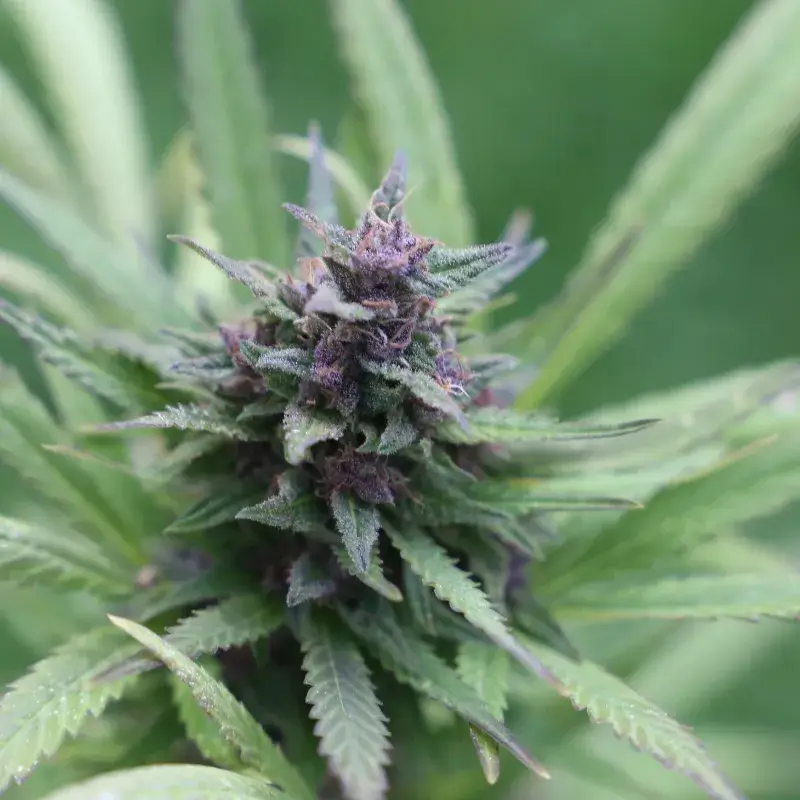
Characterized by piles deep grape and berry-candy aromas onto chunky, violet-flecked buds.
- Free Shipping
- Ships within 24 hours
Grape Ape blends Afghani, Mendocino Purps, and Skunk #1 into a variety that leans heavily towards an aroma built around blueberry and grape, with sweet candy notes that come through clearly even before cure. As the flowers settle, you will also pick up earth and herbs, plus a faint skunky edge that adds depth to the fruit.
Flowering time is 7 to 9 weeks, so it can be fairly efficient, especially on the earlier side of the window. When growing indoors, you can expect a height between 60 to 100 cm, making it a good option when you want a compact plant that still produces satisfying flowers. Outdoors, height is at around 190 cm, so it can stretch out more in open air and build a larger structure. You can harvest this fan favorite strain in late September, giving it an earlier finish compared with many October varieties in this tab.
In a mixed lineup, Grape Ape is easy to identify because the berry and grape profile stays present rather than fading into generic sweetness. The skunk and earthy layers are what keep it interesting, especially for growers who prefer fruit with a darker backbone. This is the kind of entry that sells itself on clear aroma identity and predictable indoor size. It works well for those who want sweet fruit notes paired with a sleepier, slower session.
| Genetic Background: | Afghani x Mendocino Purps x Skunk #1 |
|---|---|
| THC: | |
| CBD: | Low |
| Sativa: | 10% |
| Indica: | 90% |
| Flavor: | Blueberry, grape, sweet candy, earthy, herbal, skunk |
| Effect: | Relaxing, calming, sleepy, uplifting |
| Breeder Location: | United States |
| Yield indoor: | Up to 500 gr/m² |
|---|---|
| Yield outdoor: | Up to 600 gr/plant |
| Flowering time: | 7-9 weeks |
| Height indoor: | 60-100 cm |
| Height outdoor: | 190 cm |
| Harvest Month: | Late September |
Grape Ape is often associated with a compact growth habit and a rich, “grape-forward” aroma that becomes more pronounced as flowers mature. It is a popular pick for growers who want a plant that stays manageable while still finishing with dense, visually appealing flowers.
In many indoor setups, Grape Ape tends to stay on the shorter side, especially if you keep veg time reasonable and maintain strong light from early on. If you veg it longer, it can still fill a tent quickly because it often builds a broad canopy rather than racing upward.
Yes, our seeds are third-party tested to support genetic stability, and the Certificate of Analysis is available on the product page.
All orders are shipped in plain, unbranded packaging to keep delivery private and secure during transit.
After a patient cure, the “grape” character often feels cleaner and more defined, while the deeper earthy notes become smoother. A rushed dry can mute that top-note sweetness, so the finishing process matters a lot with this style of profile.
It can be an excellent fit because it often stays compact and responds well to basic training. The key is not letting the canopy get too dense, since smaller spaces can trap humidity and reduce airflow around thicker flowers.
Stretch is often moderate, which makes height easier to predict compared to taller, haze-leaning plants. You still want to shape the canopy before the flip so the plant stretches into the structure you want instead of into a crowded cluster.
It often can, especially under strong, even light and steady environment control. Because density can increase late in flower, keeping humidity in check and maintaining airflow becomes more important as you approach harvest.
With an even canopy and good light coverage, Grape Ape can deliver a satisfying harvest, particularly because many tops can finish evenly when trained well. Yields usually improve more from canopy management and stability than from pushing aggressive feeding late.
Some plants can express deeper coloration depending on phenotype and finishing conditions. Stable temperatures and a clean finish tend to support better expression, while stress swings can reduce consistency in the final look.
Many growers find it approachable because the plant often stays manageable and does not require complicated techniques to perform well. That said, the densest finishes reward growers who can keep humidity, airflow, and watering habits consistent.
Topping is commonly used to promote a wider canopy and reduce any single dominant top. If you top early and allow recovery, the plant often builds multiple strong tops that finish more uniformly under the light.
Yes, SCROG can work very well because it helps spread the plant’s natural branching into a flat canopy. That typically improves light distribution and reduces the risk of shaded, underdeveloped lower sites.
Many growers watch for fuller flower swelling, fewer fresh white pistils, and an aroma that feels “settled” rather than still sharpening daily. From there, confirm timing using your normal maturity check so you are not relying only on a calendar.
It is often appreciated for combining a fruit-leaning aroma with a compact, easy-to-manage structure. When dried and cured patiently, the profile can feel richer and more cohesive rather than simply sweet.
Feminized seeds are bred to produce flower-only plants under normal conditions, which helps you plan your plant count and canopy without expecting male plants. It simplifies the run and makes outcomes more predictable.
Yes, flowering is controlled by changing the light schedule. You decide when bloom starts, which lets you manage plant size before the transition.
Yes, you can keep a mother in veg and take clones once the plant is healthy and growing steadily. This is a practical way to keep a specific phenotype if you find one that fits your space and preferences.
They do. Stable lighting, consistent watering habits, and avoiding extreme heat swings help the plant finish cleanly and reduce the chance of odd expression under stress.
Yes, especially with training. One photoperiod plant can fill a canopy efficiently when you spread branches early and keep the top even, rather than letting the plant grow tall and narrow.
| Spend | Get |
| $ 45 | 1 Free Seed |
| $ 100 | 2 Free Seeds |
| $ 150 | 3 Free Seeds |
| $ 200 | 4 Free Seeds |
| $ 250 | 5 Free Seeds |
| $ 300 | 6 Free Seeds |
| $ 350 | 7 Free Seeds |


