


Did you know that proper air circulation is a critical aspect of indoor cannabis cultivation? In fact, it’s often overlooked by novice growers. You see, good airflow ensures that plants receive a steady supply of fresh air, helps regulate temperature and humidity, and reduces the risk of mold and pests. That’s why we will be covering the importance of air circulation, the components of a good ventilation system, and best practices for ensuring optimal airflow in your indoor grow space.
TO BUY EQUPMENT FOR GROWING CANNABIS SEEDS CLICK HERE
-
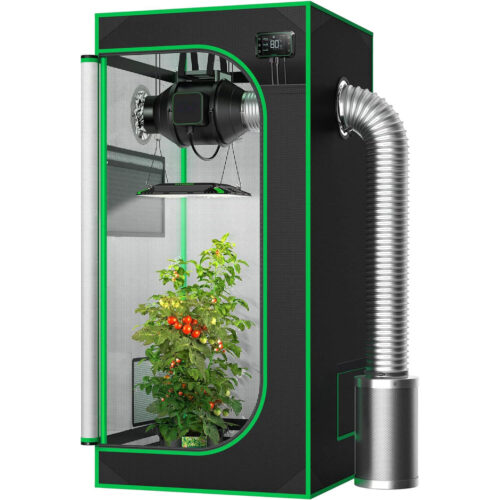
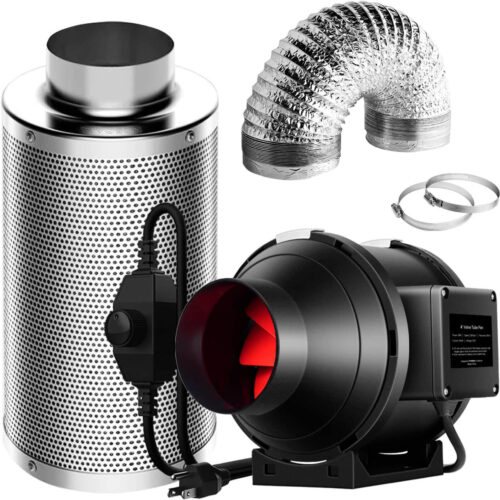 Grow Tent Ventilation System$163.00
Getting to Know Air Circulation in Indoor Cannabis Cultivation
Indoor cannabis cultivation offers growers control over the environment, which’s key to producing high-quality yields. One of the most crucial elements of this controlled environment is air circulation.
Proper airflow can significantly impact the health and growth of cannabis plants by:
- Ensuring a consistent supply of CO2: Essential for photosynthesis and plant growth.
- Regulating temperature and humidity: Prevents extreme conditions that can stress plants.
- Preventing mold and mildew: Reduces the risk of fungal diseases that thrive in stagnant, humid environments.
- Strengthening plant structure: Simulates natural wind, encouraging stronger stems and branches.
Understanding and implementing effective air circulation can make the difference between a successful harvest and a disappointing crop.
Components of a Good Air Circulation System
Obviously, creating the right air circulation system is crucial for successful cannabis cultivation, but there are some key components to this that make it all happen.
Component #1: Fans
Fans are the primary tool for creating and maintaining air circulation within the grow space. Different types of fans serve specific purposes, so that’s something you need to keep in mind.
Oscillating Fans
Oscillating fans are essential for distributing air evenly throughout the grow space. They mimic natural wind patterns, helping to strengthen plant stems and reduce hot spots.
Benefits:
- Provides consistent airflow across the entire canopy.
- Helps prevent mold and pest infestations.
- Strengthens plant structure.
Best Practices:
- Position oscillating fans at canopy level, ensuring that air moves across the plants without directly blowing on them.
- Use multiple fans in larger grow spaces to ensure even coverage.
Inline Fans
Inline fans are used to move large volumes of air through ducts, ensuring fresh air enters the grow space while stale air is expelled.
Benefits:
- Provides efficient air exchange, maintaining optimal CO2 levels.
- Helps control temperature and humidity.
- Supports odor control when used with carbon filters.
Best Practices:
- Choose an inline fan with the appropriate CFM (cubic feet per minute) rating for your grow space.
- Position the inline fan to draw air from an outside source and expel it through a carbon filter to control odors.
-
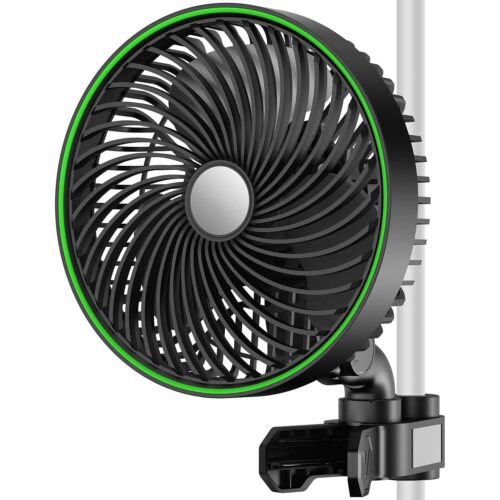 Grow Tent Fan$56.00
Clip-on Fans
Clip-on fans are smaller fans that can be attached to poles or other structures within the grow space. They are useful for targeting specific areas that may require additional airflow.
Benefits:
- Provides targeted airflow to problem areas.
- Easy to reposition as needed.
Best Practices:
- Use clip-on fans to address areas with stagnant air or high humidity.
- Ensure they are positioned to circulate air without directly blowing on plants.
Component #2: Ventilation Systems
A well-designed ventilation system is essential for maintaining proper air circulation in an indoor grow space. This system typically includes intake and exhaust fans, ducting, and filters.
Intake and Exhaust Fans
Intake and exhaust fans work together to ensure a steady exchange of fresh and stale air.
Intake Fans:
- Bring fresh air into the grow space, providing a consistent supply of CO2.
- Help maintain temperature and humidity levels.
Exhaust Fans:
- Remove stale air, reducing heat and humidity buildup.
- Can be paired with carbon filters to control odors.
Best Practices:
- Size intake and exhaust fans appropriately for your grow space, considering the total volume of air that needs to be exchanged.
- Position intake fans near the bottom of the grow space to draw in cooler air, and exhaust fans near the top to expel warmer air.
Ducting
Ducting is used to direct airflow between different areas of the grow space, as well as to and from external sources.
Benefits:
- Ensures efficient air movement between intake and exhaust points.
- Helps control temperature and humidity by directing air to specific areas.
Best Practices:
- Use insulated ducting to minimize heat loss and noise.
- Keep duct runs as short and straight as possible to maximize airflow efficiency.
Filters
Benefits:
- Eliminates odors, ensuring discretion.
- Can also filter out dust and other particulates.
Best Practices:
- Position carbon filters inline with exhaust fans to capture odors before air is expelled.
- Replace filters regularly to maintain efficiency.
Implementing Proper Air Circulation
By following these steps and implementing a well-designed ventilation system, you can ensure proper air circulation in your cannabis growing environment, leading to healthier plants and higher yields.
1. Designing Your Grow Space
Proper air circulation begins with the design of your grow space, so you have to consider certain factors when doing so.
Size and Layout
The size and layout of your grow space will determine the number and placement of fans and ventilation components.
Best Practices:
- Ensure there is enough space between plants for air to circulate freely.
- Position fans and vents to create a consistent airflow pattern throughout the grow space.
Sealing
A well-sealed grow space prevents unwanted air exchange and ensures that your ventilation system can effectively control the environment.
Best Practices:
- Use weather stripping and sealant to close any gaps or leaks.
- Install intake and exhaust vents with flaps or dampers to prevent backflow.
2. Controlling Temperature and Humidity
Maintaining optimal temperature and humidity levels is crucial for healthy cannabis growth. Proper air circulation helps regulate these factors.
Temperature Control
Cannabis plants thrive in temperatures between 70-85°F (20-30°C) during the day and slightly cooler temperatures at night.
Best Practices:
- Use inline fans and ducting to remove hot air and bring in cooler air.
- Position oscillating fans to prevent hot spots and ensure even temperature distribution.
- Consider using air conditioning units or heaters if necessary to maintain optimal temperatures.
Humidity Control
Humidity levels should be adjusted based on the growth stage of the plants:
- Seedling and cloning: 65-70% RH (relative humidity)
- Vegetative stage: 40-60% RH
- Flowering stage: 40-50% RH
- Late flowering: 30-40% RH
Best Practices:
- Use exhaust fans to remove humid air and bring in drier air.
- Employ dehumidifiers or humidifiers to maintain the desired humidity levels.
- Monitor humidity levels regularly with hygrometers and adjust ventilation accordingly.
3. Ensuring CO2 Levels
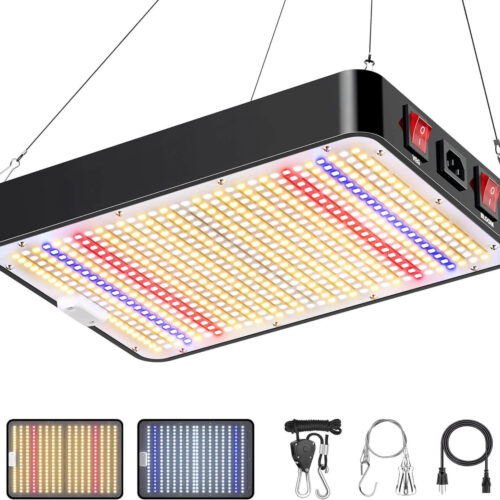
CO2 is essential for photosynthesis, and maintaining adequate CO2 levels can significantly boost plant growth and yield.
Natural CO2 Levels
Best Practices:
- Ensure a consistent exchange of fresh air to maintain natural CO2 levels.
- Use intake fans to draw in fresh air from outside the grow space.
**Supplemental CO2
For advanced growers looking to maximize yields, supplementing CO2 levels to 1,200-1,500 ppm can enhance growth.
Best Practices:
- Use CO2 generators or tanks with regulators to maintain consistent CO2 levels.
- Monitor CO2 levels with a CO2 meter to avoid over-supplementation.
- Ensure proper ventilation to prevent CO2 buildup, which can be harmful to both plants and humans.
4. Managing Plant Growth and Airflow
As cannabis plants grow, their canopy can become dense, restricting airflow and creating pockets of stagnant air.
Pruning and Training
Pruning and training techniques can help maintain open airflow pathways and promote even light distribution.
Best Practices:
- Regularly prune lower leaves and branches to improve air circulation at the base of the plants.
- Use training techniques such as LST (low-stress training) or SCROG (screen of green) to create an even canopy and improve light penetration.
Spacing
Proper plant spacing is essential to ensure adequate airflow around each plant.
Best Practices:
- Avoid overcrowding plants to prevent restricted airflow and competition for light and nutrients.
- Use plant stakes or trellises to support plants and maintain space between branches.
-
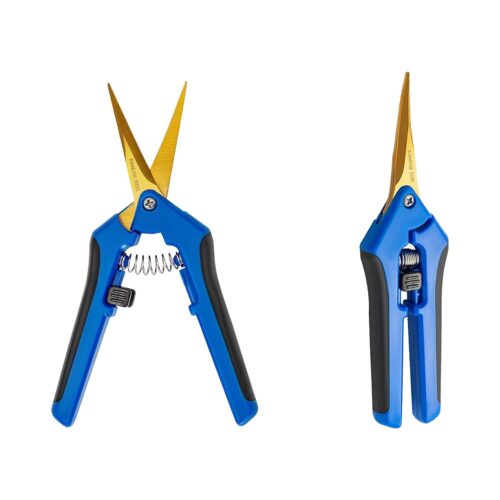 Grow Scissors For Pruning$11.00
5. Monitoring and Adjusting Air Circulation
Regular monitoring and adjustments are key to maintaining proper air circulation throughout the grow cycle.
Environmental Monitoring
Use sensors and monitoring devices to track temperature, humidity, and CO2 levels in the grow space.
Best Practices:
- Place sensors at different heights and locations to get a comprehensive understanding of the environment.
- Use data from sensors to adjust fans, ventilation, and environmental control systems as needed.
Regular Maintenance
Regularly inspect and maintain all components of your air circulation system to ensure optimal performance.
Best Practices:
- Clean fan blades and filters to prevent dust buildup and maintain efficiency.
- Check ducting for leaks or blockages and repair as needed.
- Replace carbon filters and other consumables according to the manufacturer’s recommendations.
Bottom Line: Your Cannabis Plants Need Proper Air Circulation
You paid good money for those cannabis seeds, and so you need to have proper air circulation, as it’s simply a fundamental aspect of indoor cannabis cultivation that directly impacts plant health, growth, and yield. By understanding the components of a good ventilation system, designing an effective grow space, and regularly monitoring and adjusting environmental factors, growers can create an optimal environment for their cannabis plants. And also, by following the steps we provided, and implementing a well-designed ventilation system, you can ensure proper air circulation in your cannabis growing environment, leading to healthier plants and higher yields.
TO BUY EQUIPMENT FOR GROWING CANNABIS SEEDS CLICK HERE
-
Grow Tent Fan$56.00
-
Grow Tent Ventilation System$163.00
-
 Indoor Grow Tents